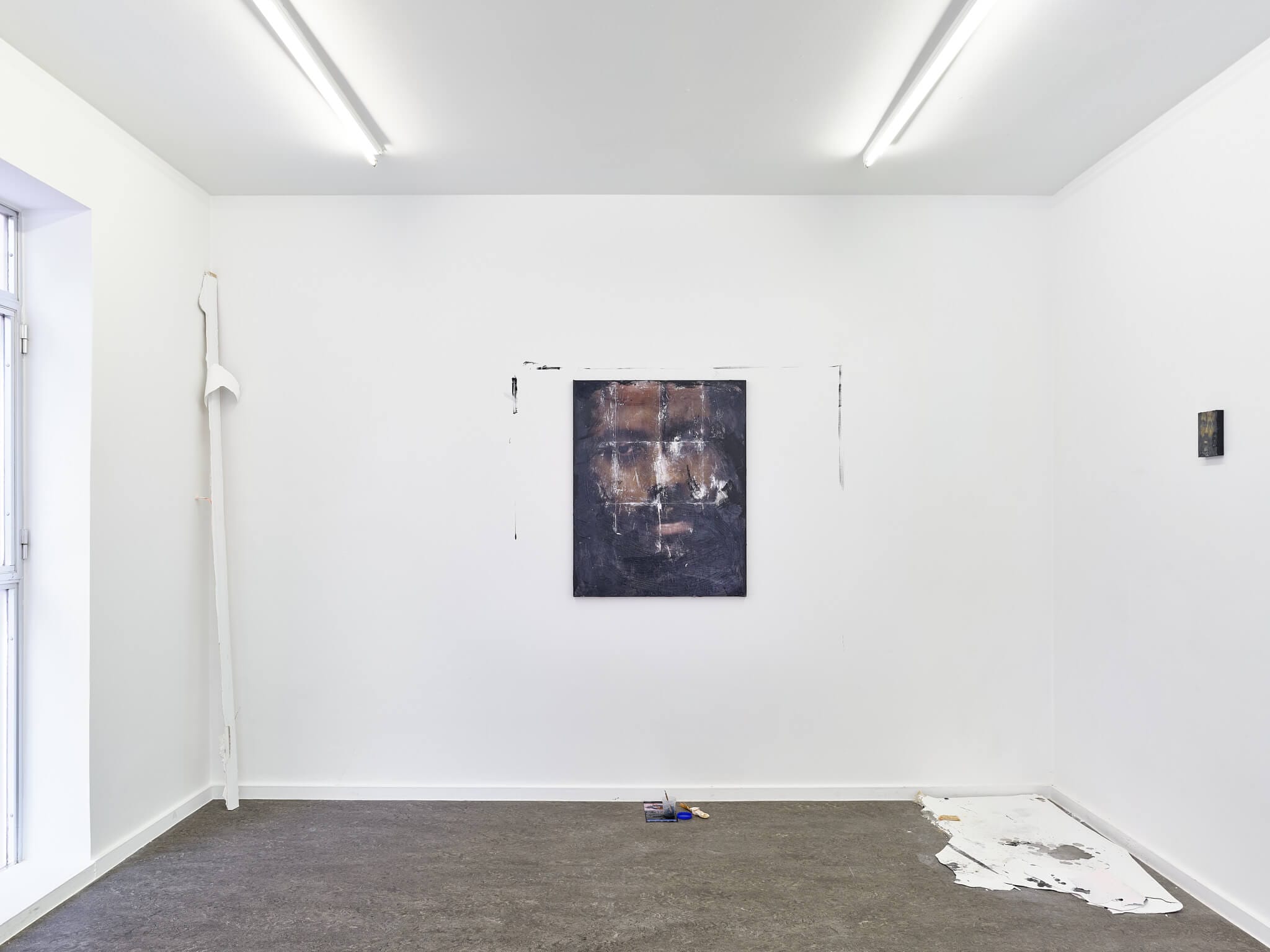
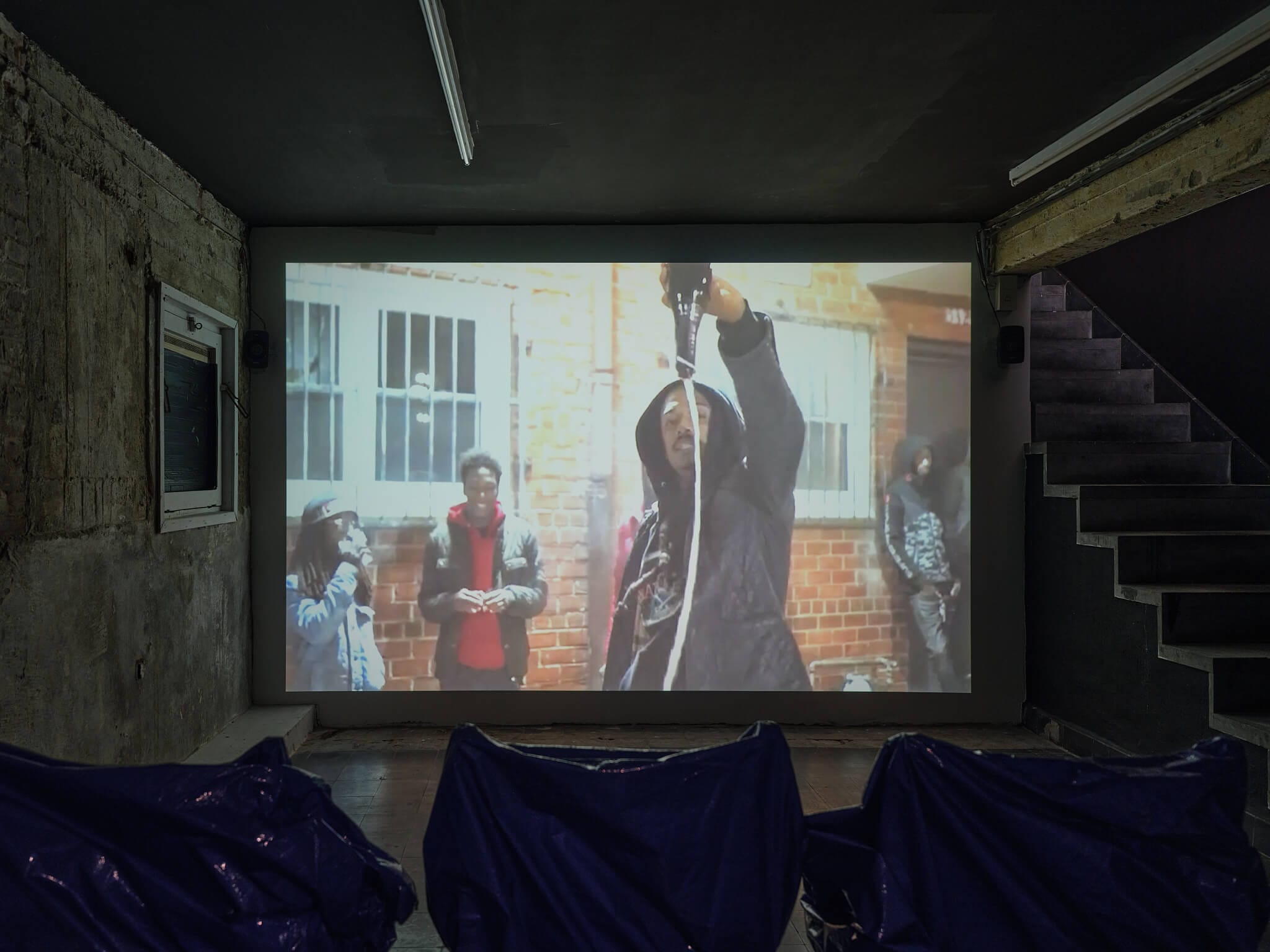
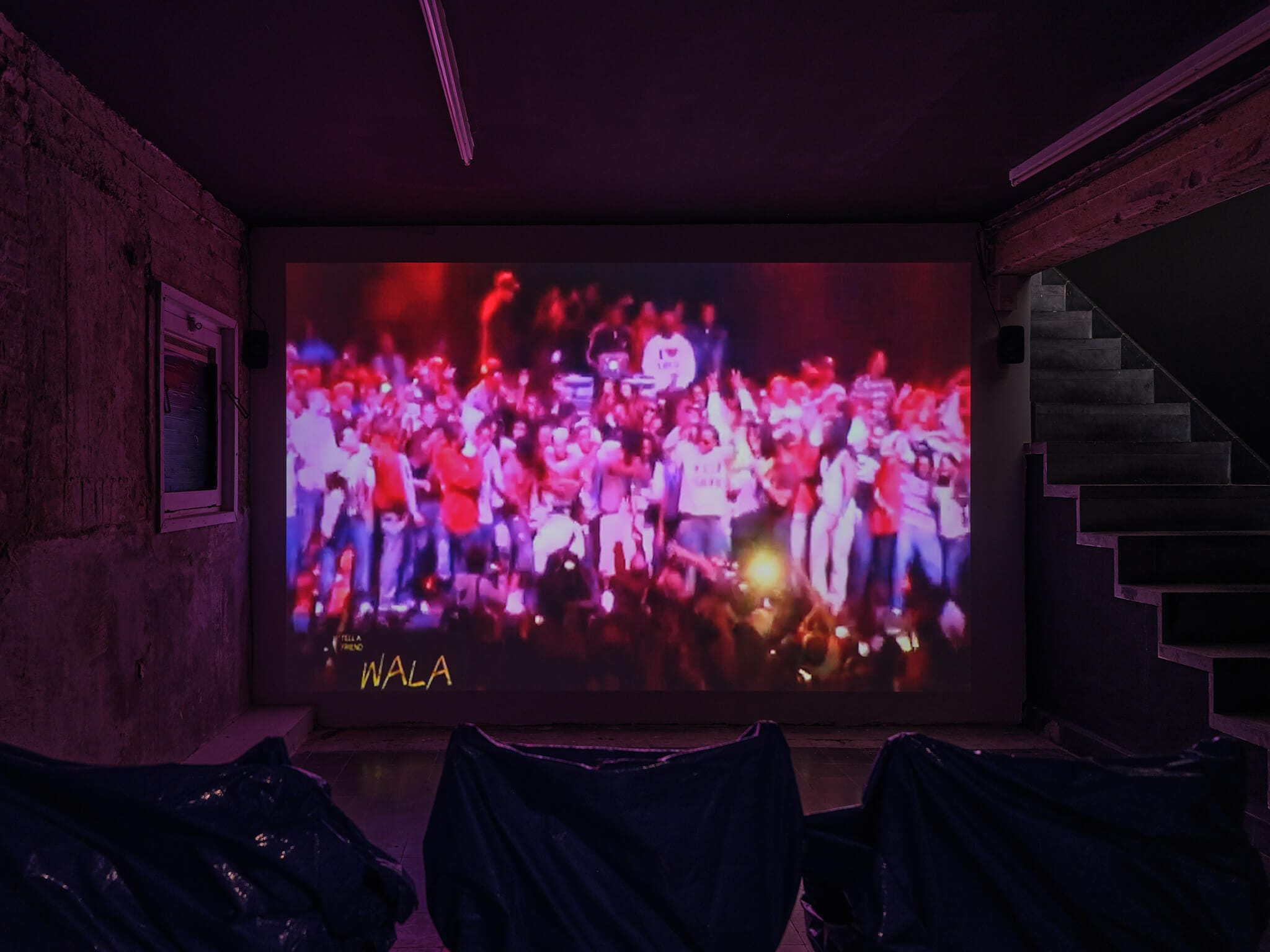
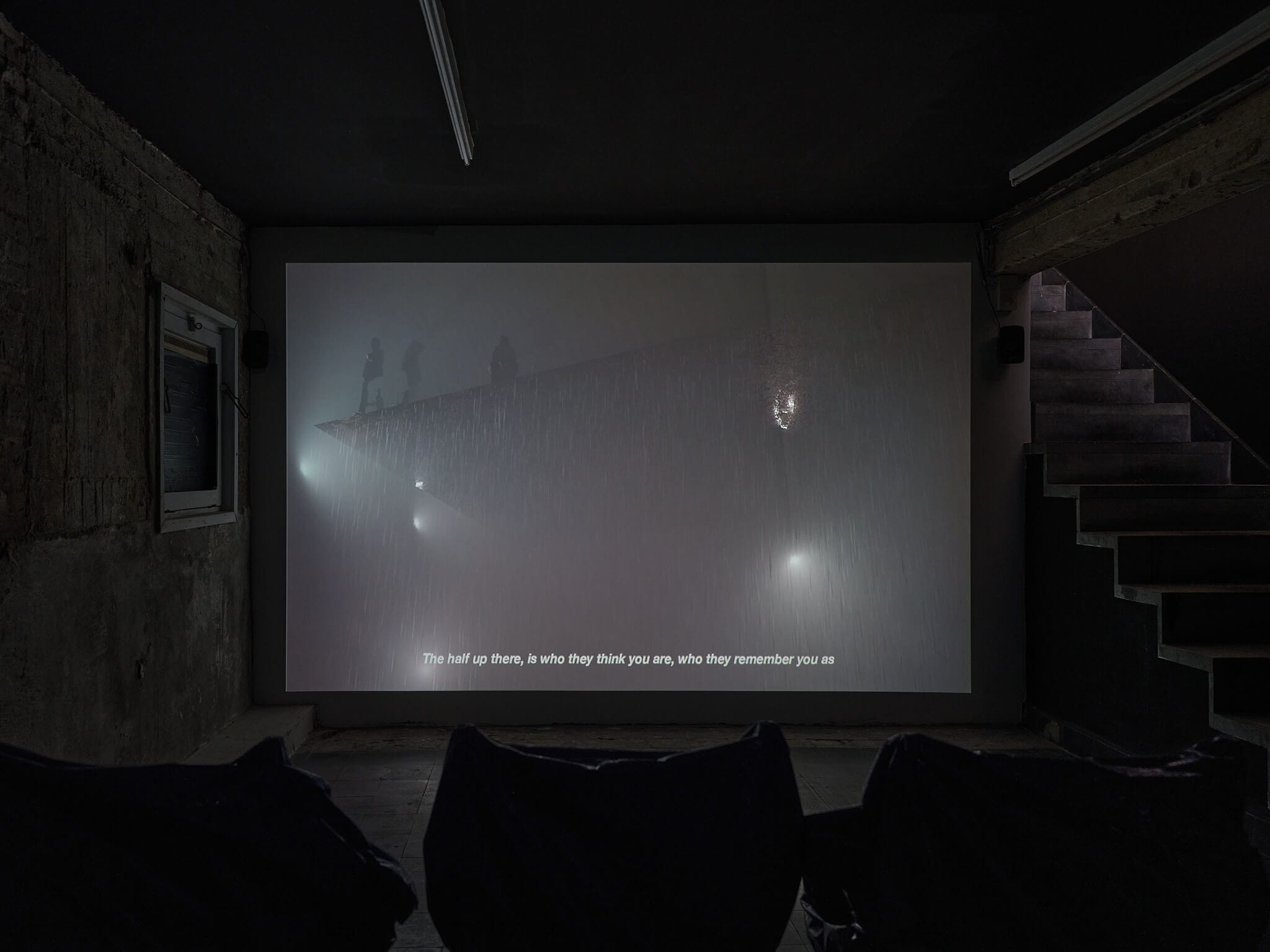
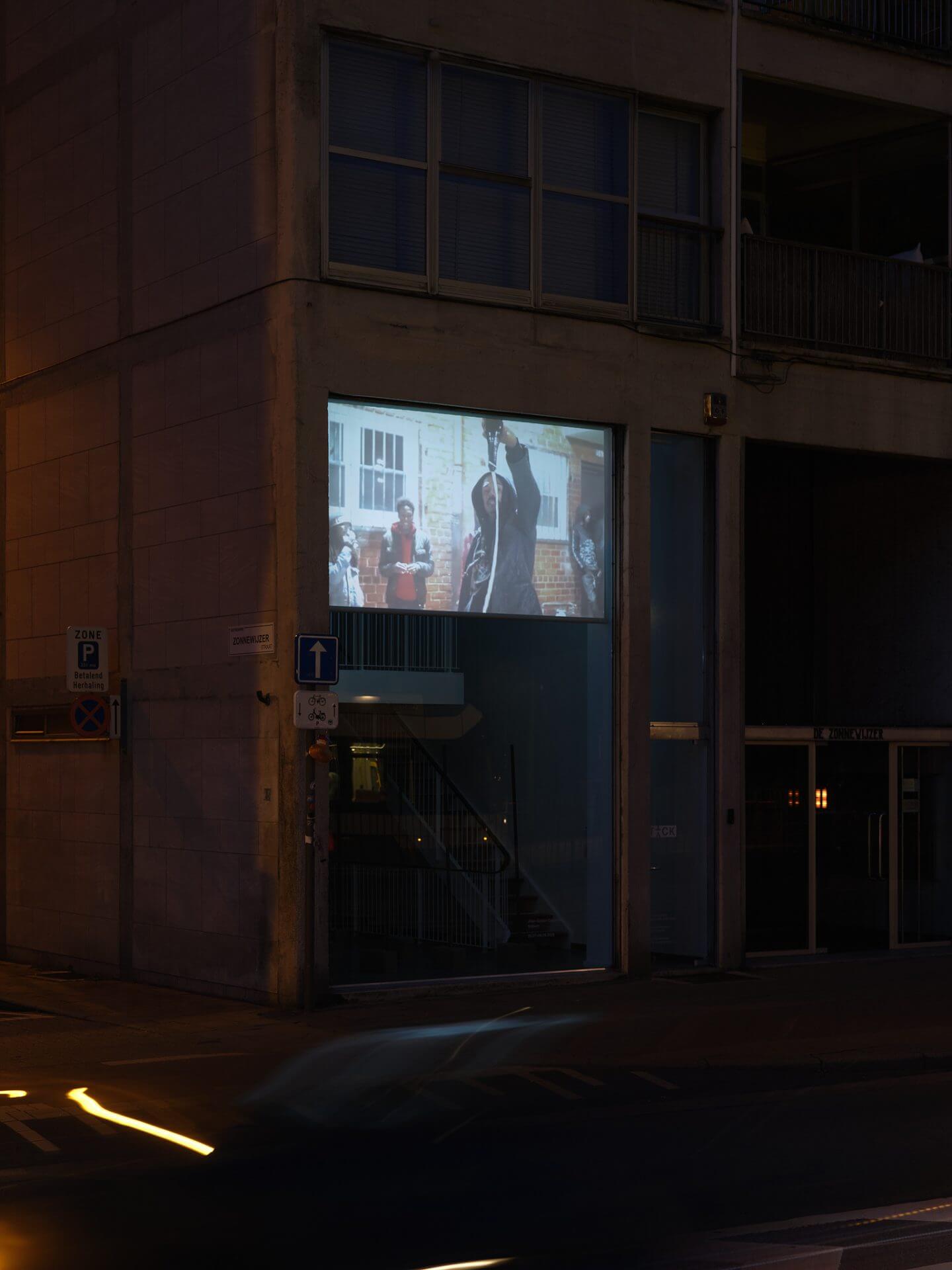
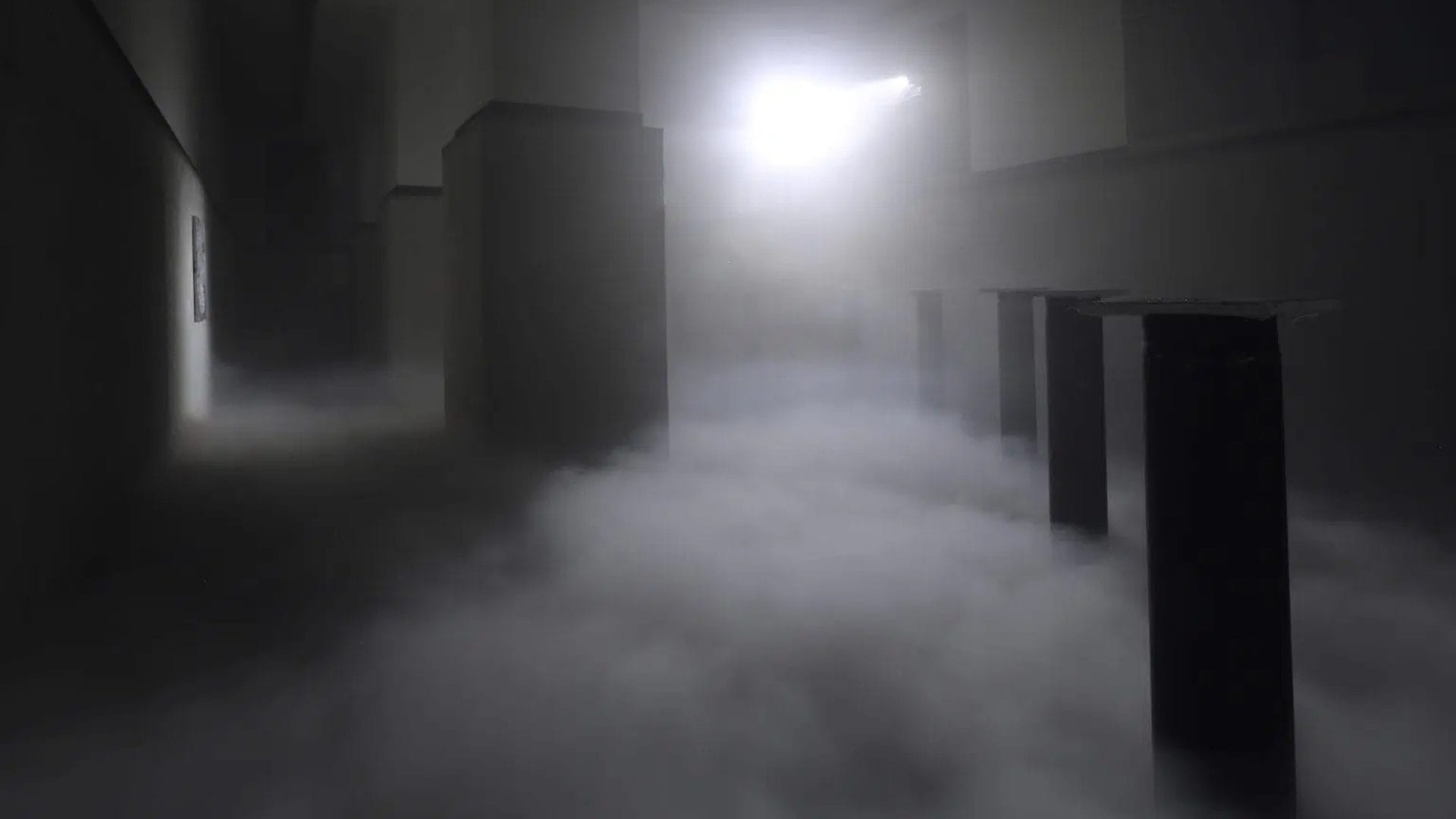
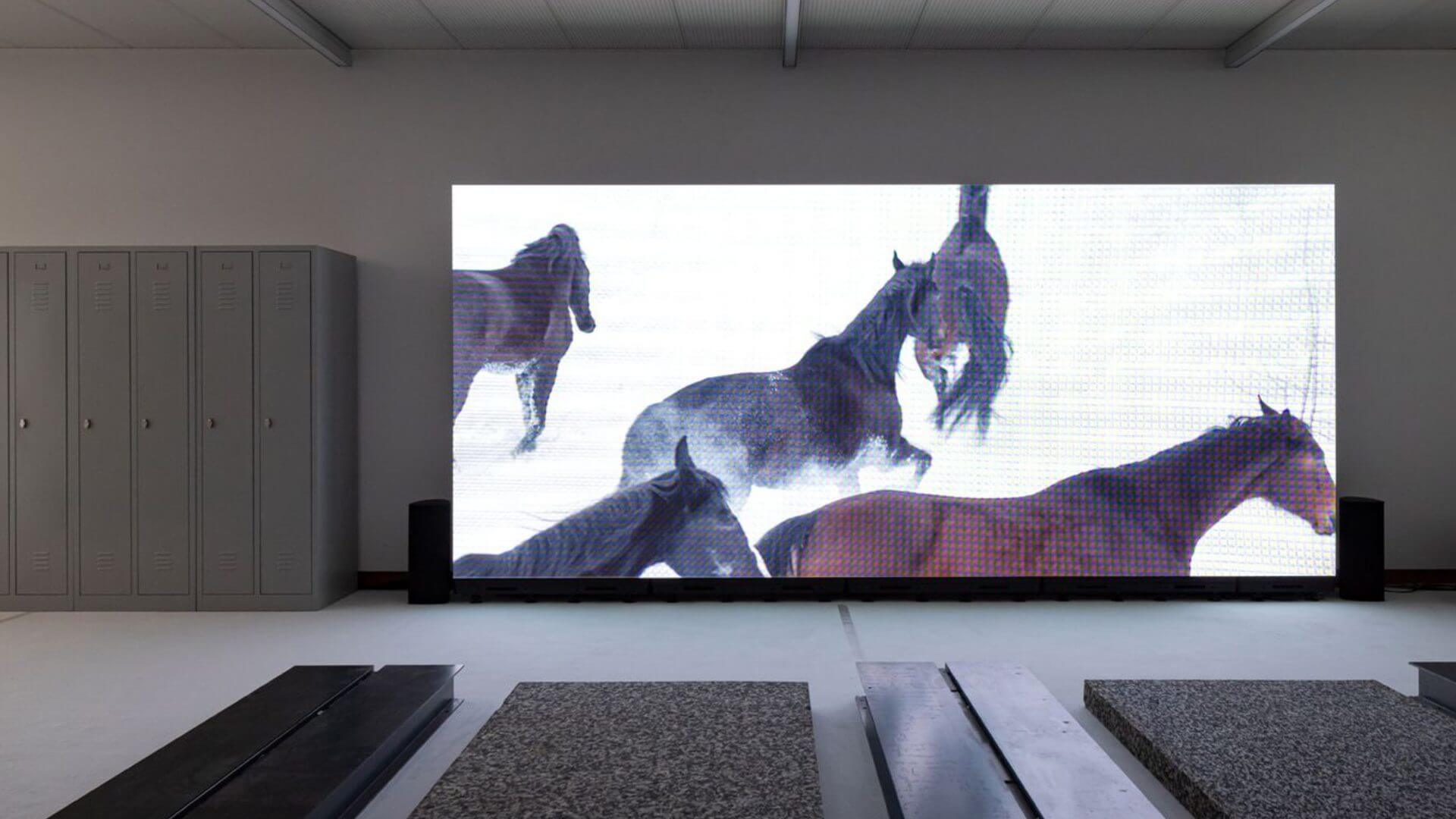
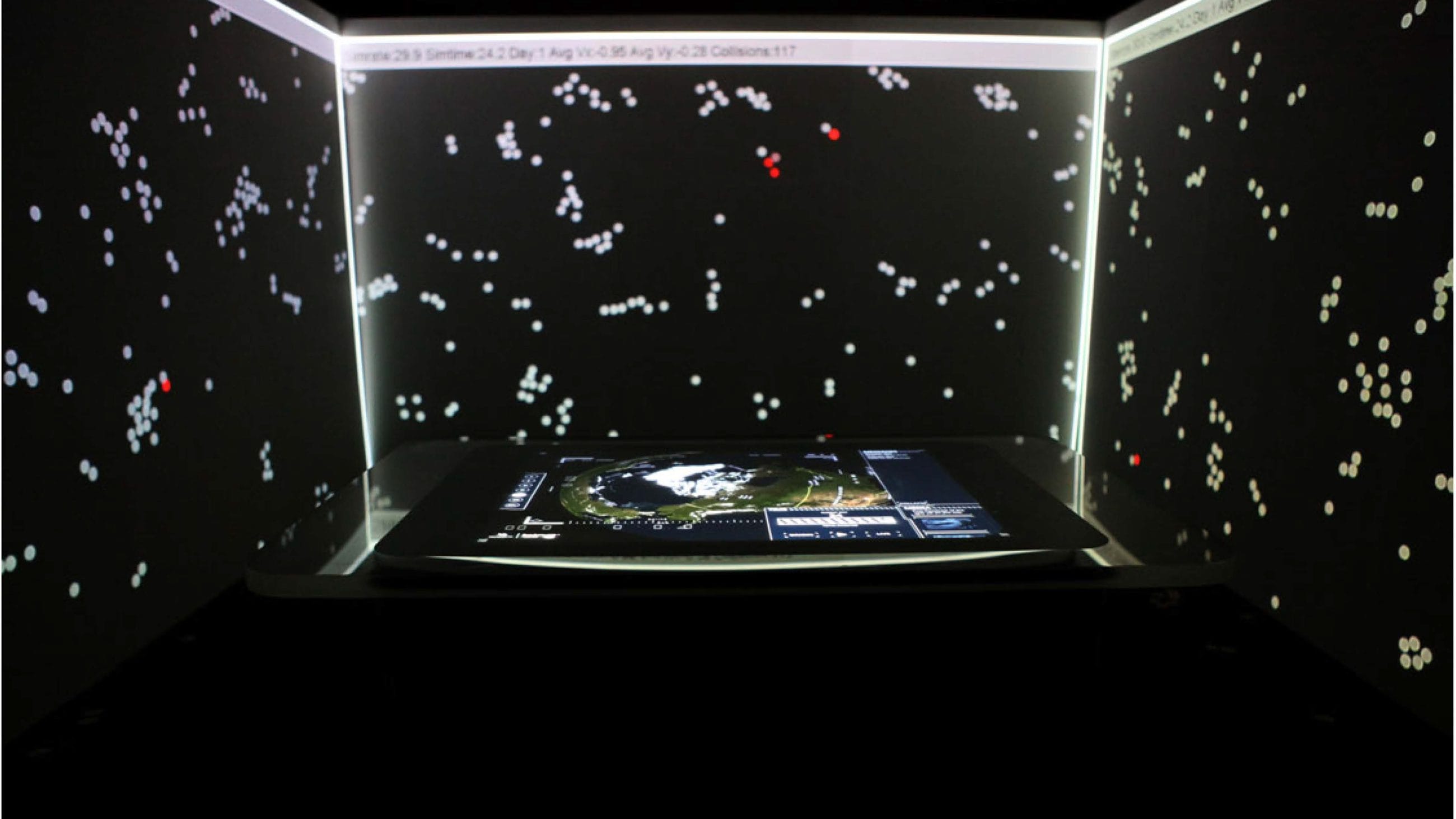
At TICK TACK in Antwerp, Allen-Golder Carpenter presents Sojourn (25 July – 6 September 2025), their first solo exhibition in Belgium, a deeply layered, multi-form exploration of memory, monumentality, and historical accountability. Drawing upon the philosophical and aesthetic lexicon of the Japanese anime Evangelion: 2.0 You Can (Not) Advance, Carpenter repurposes the narrative trope of cyclical transformation, life, death, rebirth, not as mythic abstraction, but as an incisive framework for interrogating cultural memory and its preservation.
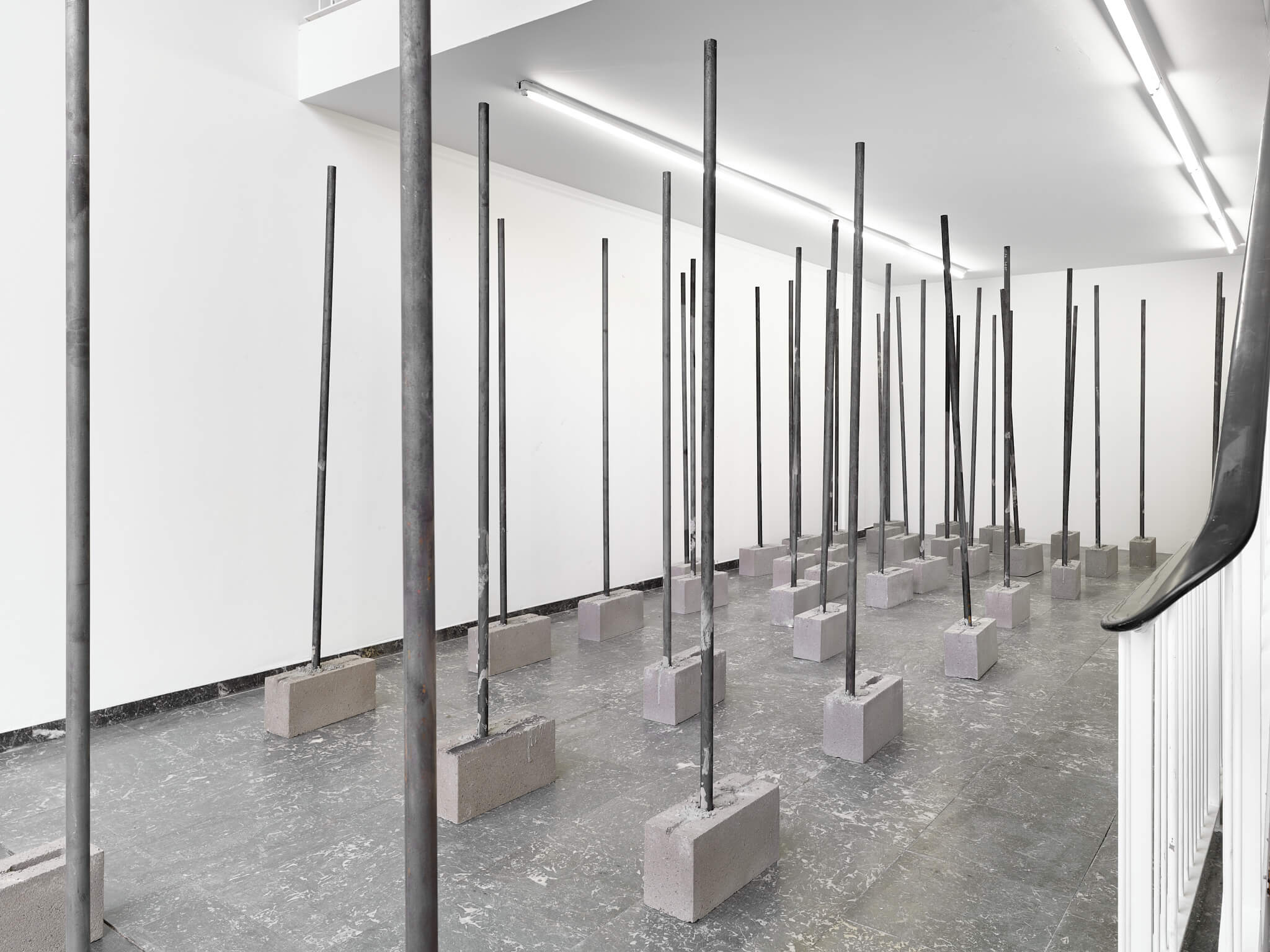
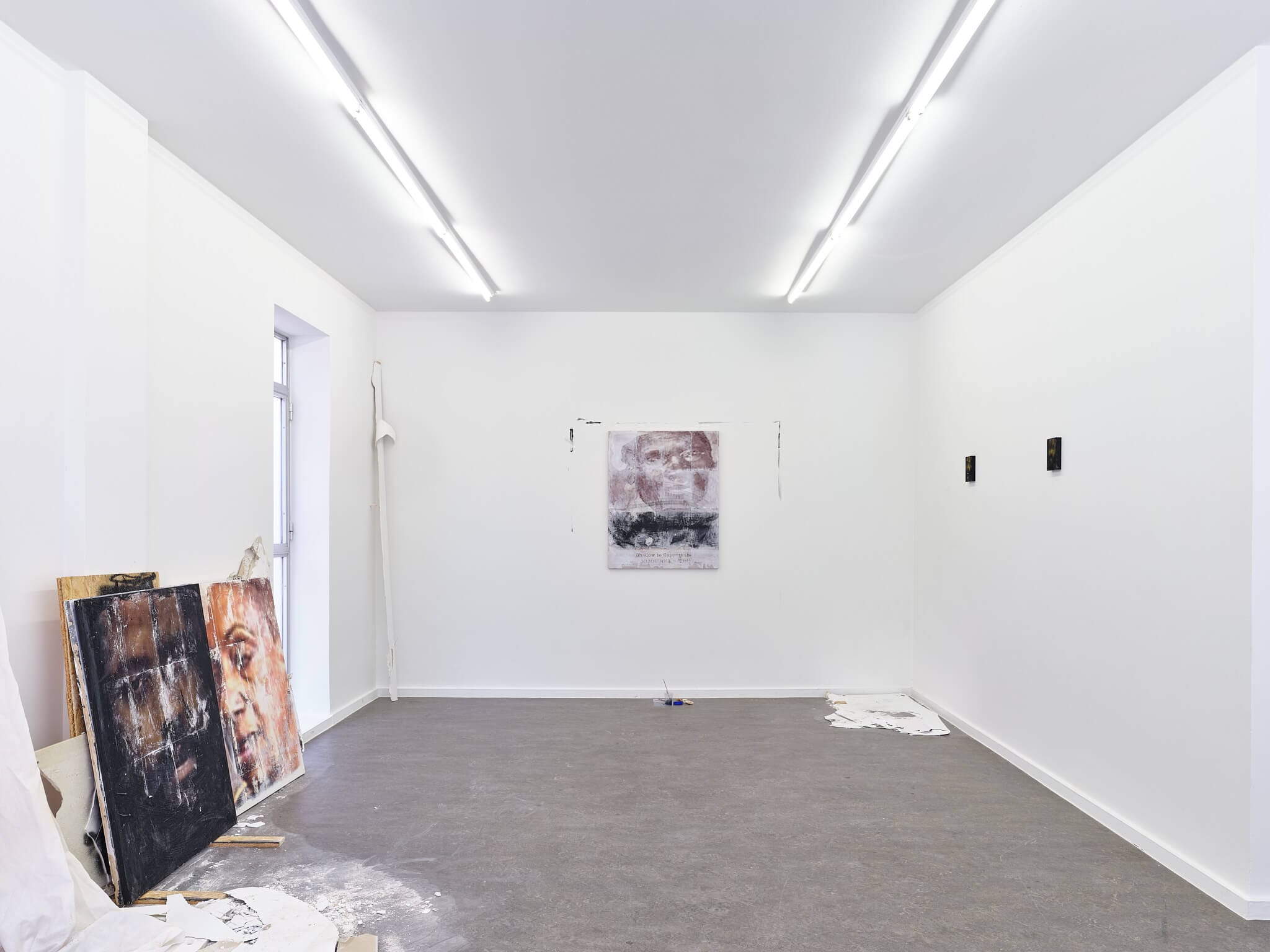
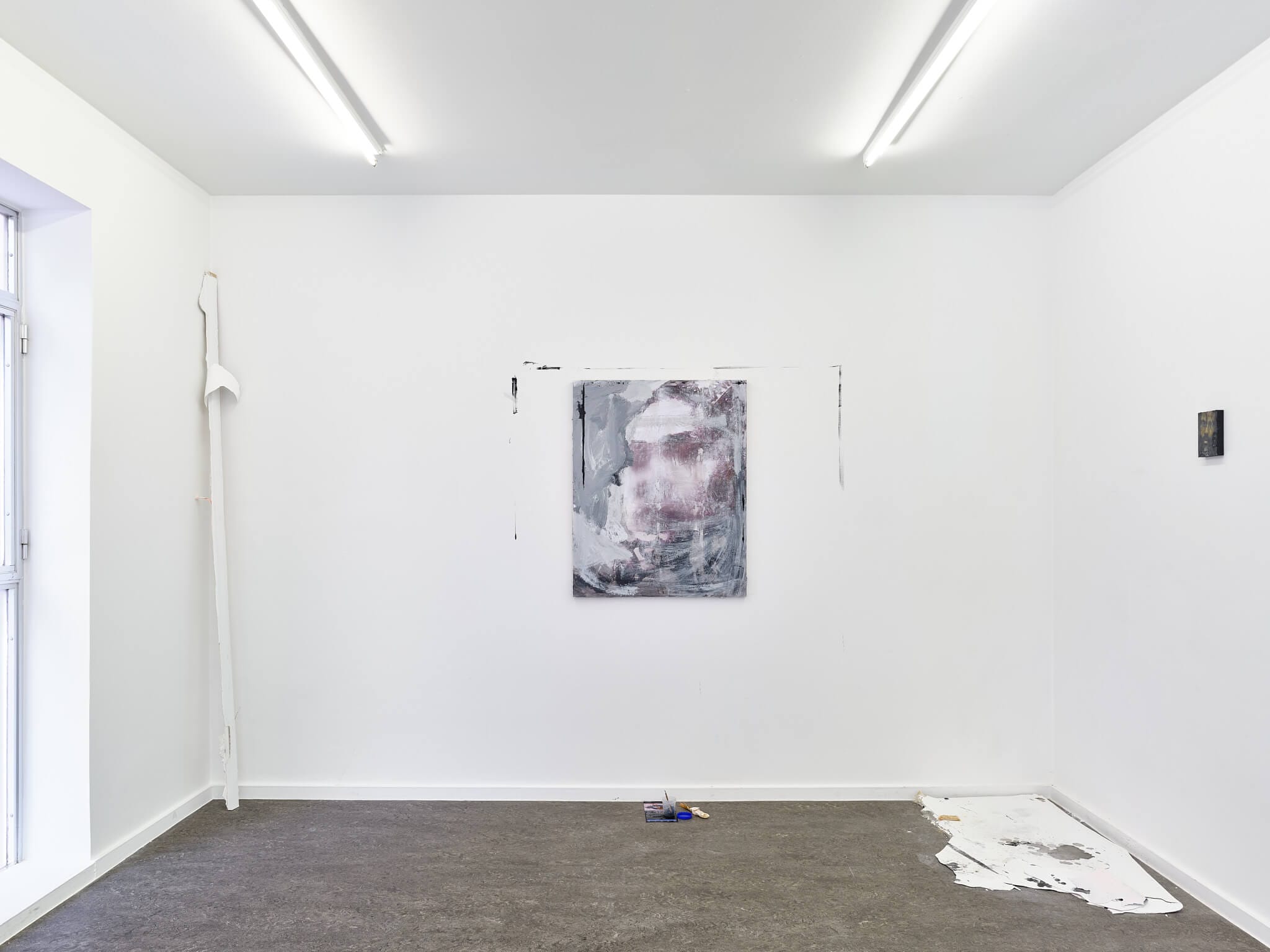
Carpenter constructs Sojourn not as a static presentation, but as a living, fractured palimpsest. Spanning three levels of the gallery, the exhibition unfolds through paintings, a short story, an experimental film, and a site-specific installation, each medium reflecting and distorting the others. Rather than offering a cohesive narrative, the artist composes an ecosystem of echoes, discontinuities, and slippages that mirror the fragmented, often contested ways in which historical memory operates, particularly when institutionalized through archives, public monuments, and official canons.
The central questions Carpenter poses are profoundly urgent: What is remembered? Who determines what deserves remembrance? And through which forms, material, symbolic, ephemeral, does that remembrance take shape? These inquiries are not rhetorical; they are generative, embedded within works that challenge the conventions and aesthetics of cultural memorialization itself. In Sojourn, memory is not a given, it is a struggle.
Carpenter’s practice resists essentialism. Instead, they move with fluidity across media, drawing from the semiotics of rap culture, the objecthood of sculpture, the poetics of language, and the cinematic imaginary. Born in Washington, D.C. in 1999 and identifying as gender-nonconforming, Carpenter’s work is rooted in both lived experience and radical imagination. It is unapologetically political, not through didacticism, but through an embodied, rigorous interrogation of systems: of incarceration, visibility, systemic violence, and cultural omission.
One cannot encounter Sojourn without acknowledging its wider political and historical resonances. Carpenter’s prior works, including To Dream of Smoke (No Gallery, New York, 2024) and Cell 72: The Cost of Confinement (Harlesden High Street, London, 2025, in collaboration with Emmanuel Massillon)—reveal an ongoing engagement with the mechanics of state control, the commodification of trauma, and the poetics of resistance. In Cell 72, the artist subjected themselves to 72 hours of simulated solitary confinement behind one-way glass, an unflinching performance that foregrounded the racialized violence of the U.S. prison-industrial complex. In Sojourn, that same critical urgency is turned toward memory itself.
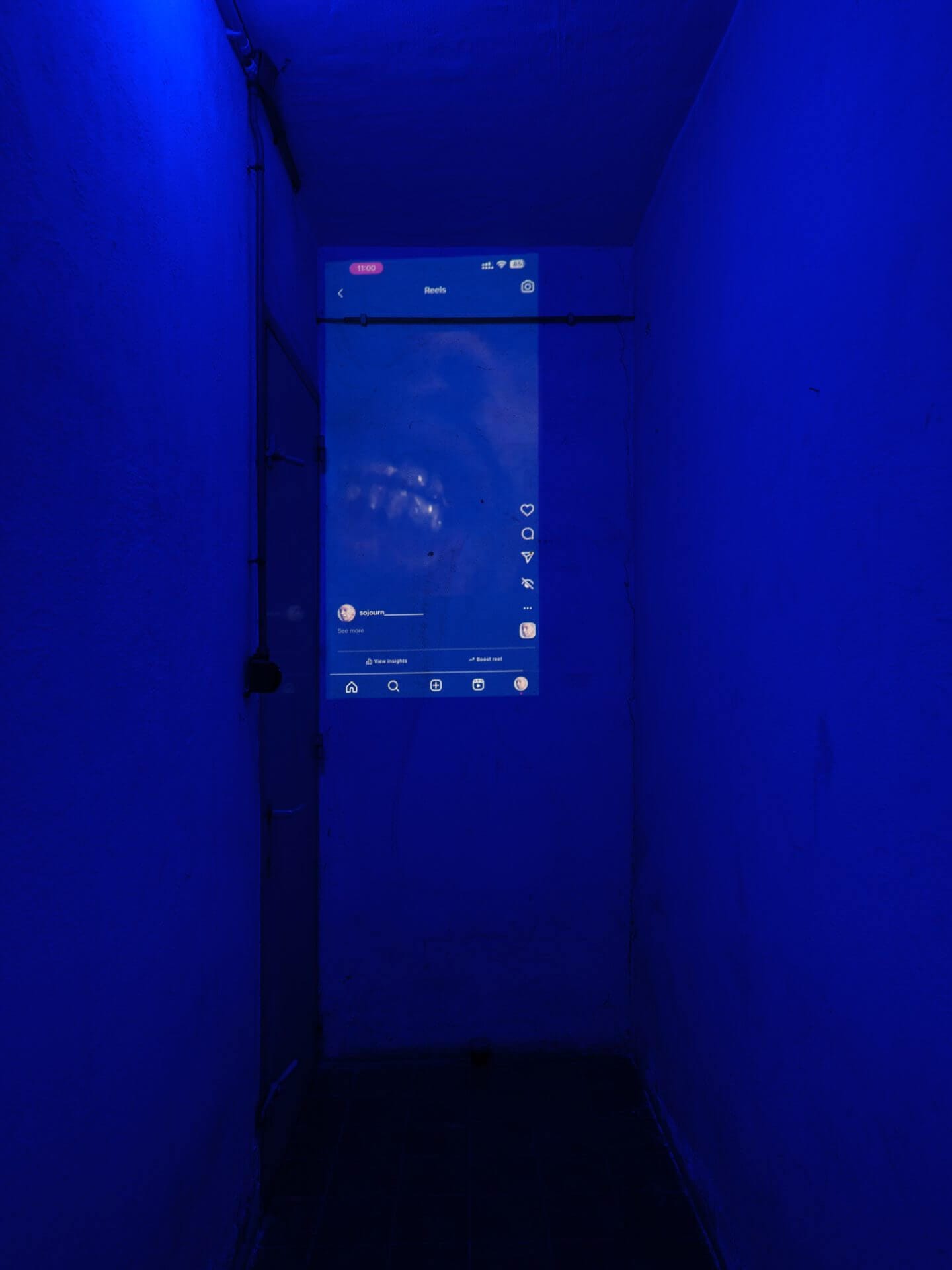
The film component of Sojourn, screened at Berlin’s Schinkel Pavillon as part of TICK TACK’s OFF-SITE program, extends the installation’s conceptual architecture. Fragmented, symbolic, and linguistically elusive, the film resists linearity. It is not an illustration of the exhibition, it is an autonomous, albeit entangled, entity that reanimates the themes of loss, repetition, and remembrance in an audiovisual key.
What makes Sojourn intellectually potent is its refusal of closure. Rather than dictating meaning, Carpenter creates space for ambiguity, for what philosopher Jacques Rancière might call the “distribution of the sensible”: a reordering of the visible and sayable, wherein previously marginalised histories might come to matter. The works are charged not only with formal complexity but with ethical stakes. In a world where monuments often ossify dominant narratives, Carpenter’s intervention is both critique and proposition: a call to imagine alternative forms of memorialisation that can hold contradiction, fragility, and fugitive truths.
If traditional monuments are designed to endure, Carpenter’s approach is precisely the opposite: provisional, contingent, self-aware. Sojourn does not aim to monumentalize, but to destabilize, to open historical inquiry rather than conclude it. The exhibition asks its viewers not to consume, but to reckon.
Ultimately, Sojourn is a durational gesture. It lingers in the mind not through spectacle, but through its quiet, deliberate insistence that memory, like identity, like justice, is not a given. It must be actively reclaimed, reimagined, and fiercely protected.