Zhankun Dai, Crashing Exercises at Vanguard Gallery, Shanghai
Crashing Exercises by Zhankun Dai, at Vanguard Gallery, Shanghai, 29 May – 26 July 2025. You don’t walk into Crashing Exercises, you breach it. A fractured fuselage leans like a wounded threshold at the gallery’s entrance, and already the air feels charged with a hush that is anything but peaceful. There’s a scent of scorched […]
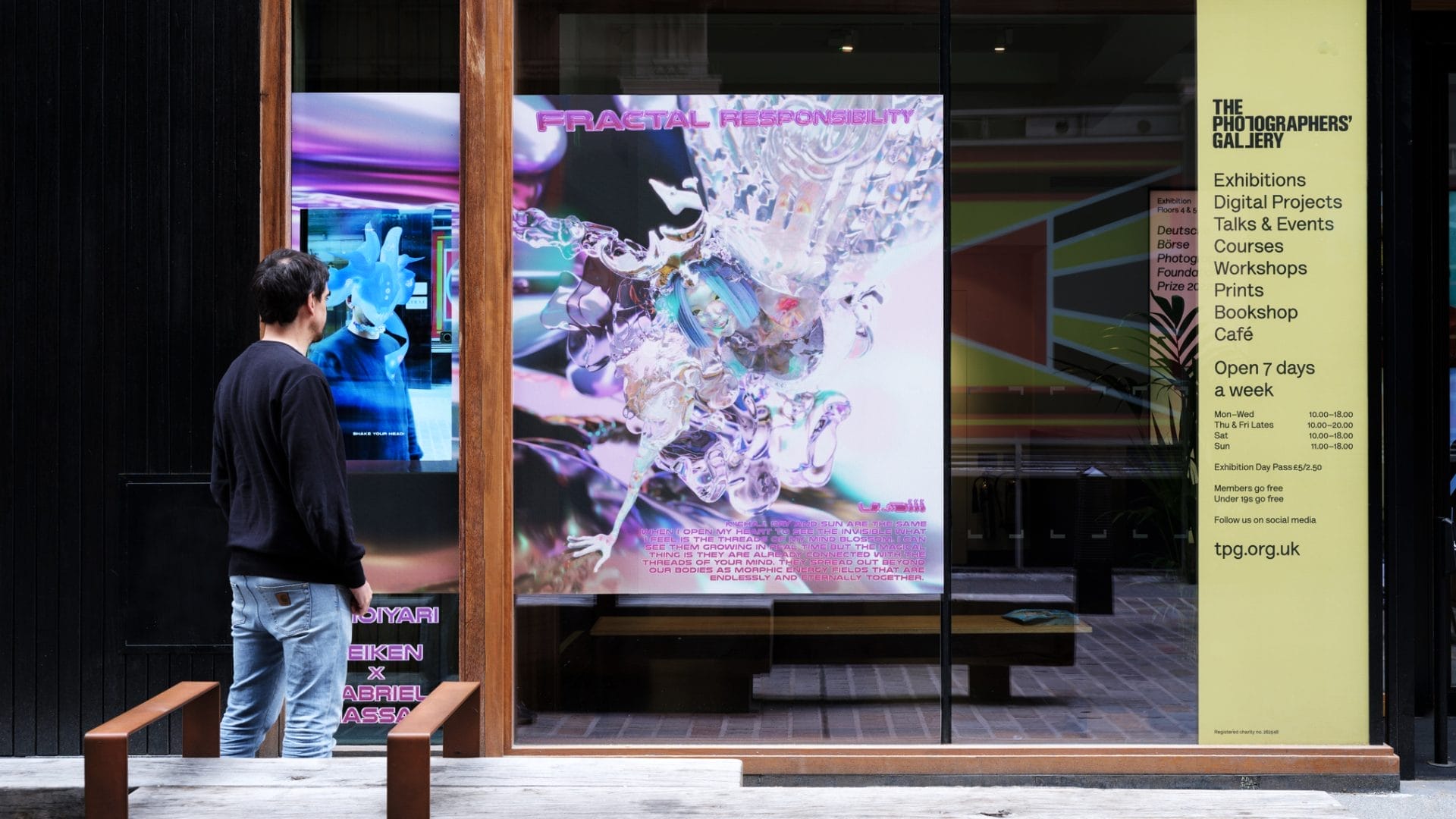
Every system contains within itself the seeds of its own transcendence
As digital infrastructures increasingly shape not only our environments but also the architectures of subjectivity itself, Console Spirituality, curated by Vienna Kim and Benoît Palop (LAN Party) for Feral File, emerges as a precise, almost liturgical inquiry into the threshold where gaming logic, speculative worldbuilding, and technological ritual converge. This is not merely an exhibition […]
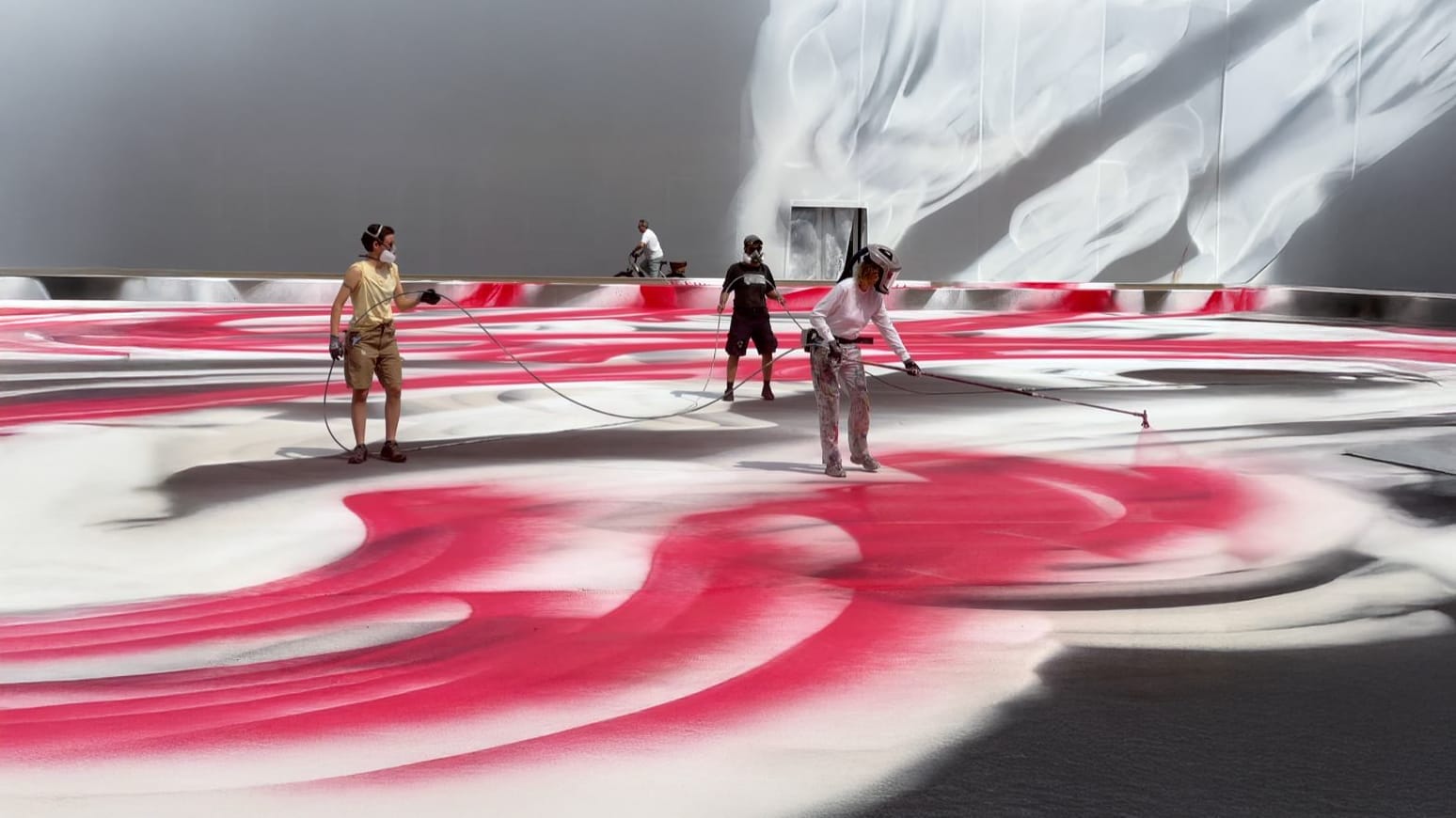
Inside Art Basel 2025: New Sections, Old Tensions, and Evolving Visions
In an art fair landscape that is increasingly crowded and marked by growing pressures, from rising costs and fluctuating sales to the proliferation of alternative events, Art Basel responds with an innovative format: Premiere, a new section designed to welcome small and mid-sized galleries with a fresh yet structured approach. Officially launched at the 2025 […]