“Media Swamp: New Media in the South” by Sam Blanchard, Nick Bontrager, Eric D. Charlton with Adam Wagerman, Chalet Comellas, Antonio Darden, Tesora Garcia, Fabiola Larios, Cristina Molina, yétúndé ọlágbajú, Clint Sleeper, and Masha Vlasova, curated by Kiley Brandt, Zen Cohen, Rebecca Forstater, Dana Potter, Michael Webster, and Rachel Lin Weaver, at Tiger Strikes Asteroid Greenville (TSA GVL), Greenville, May 1–June 6, 2026.
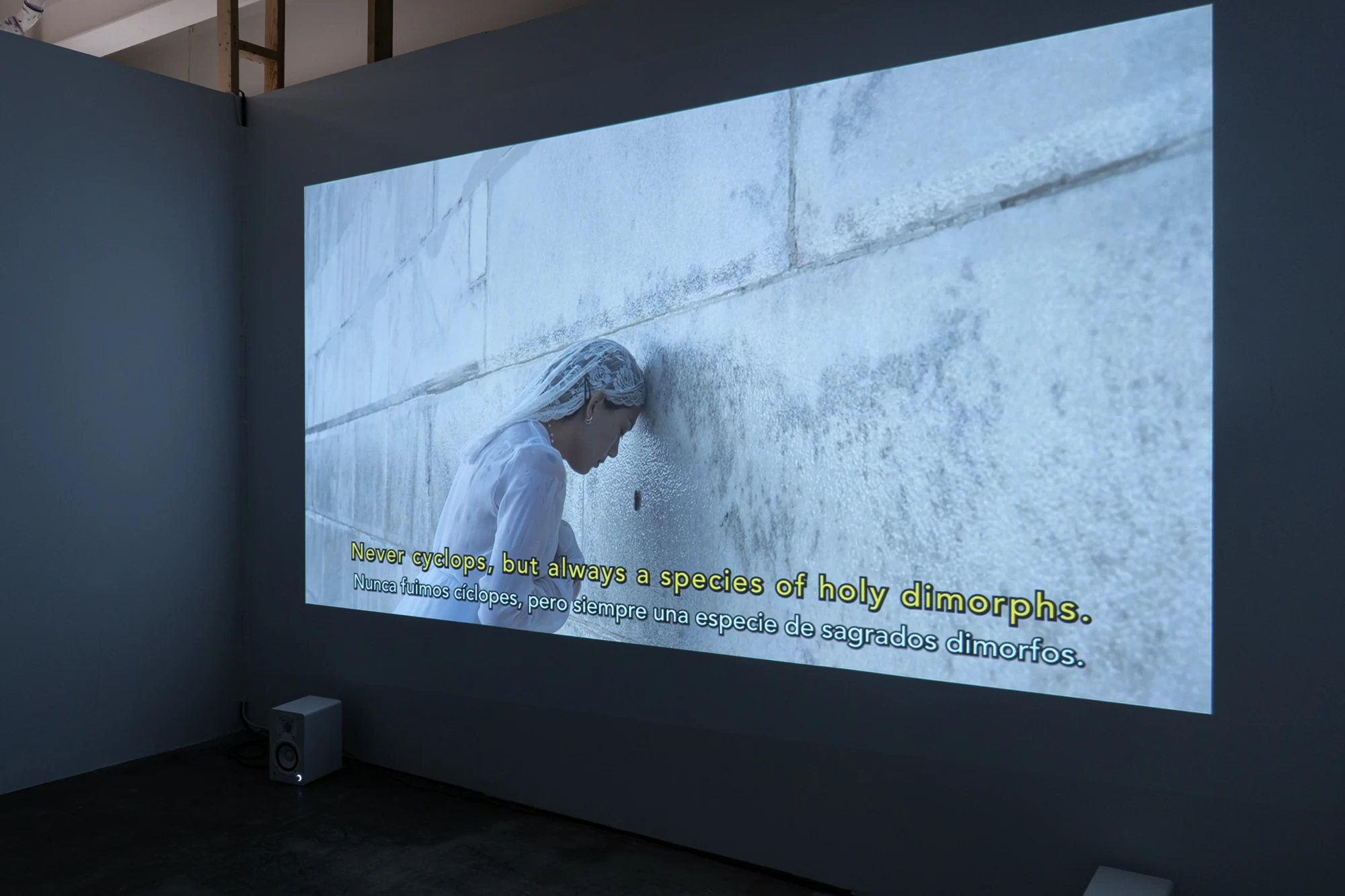
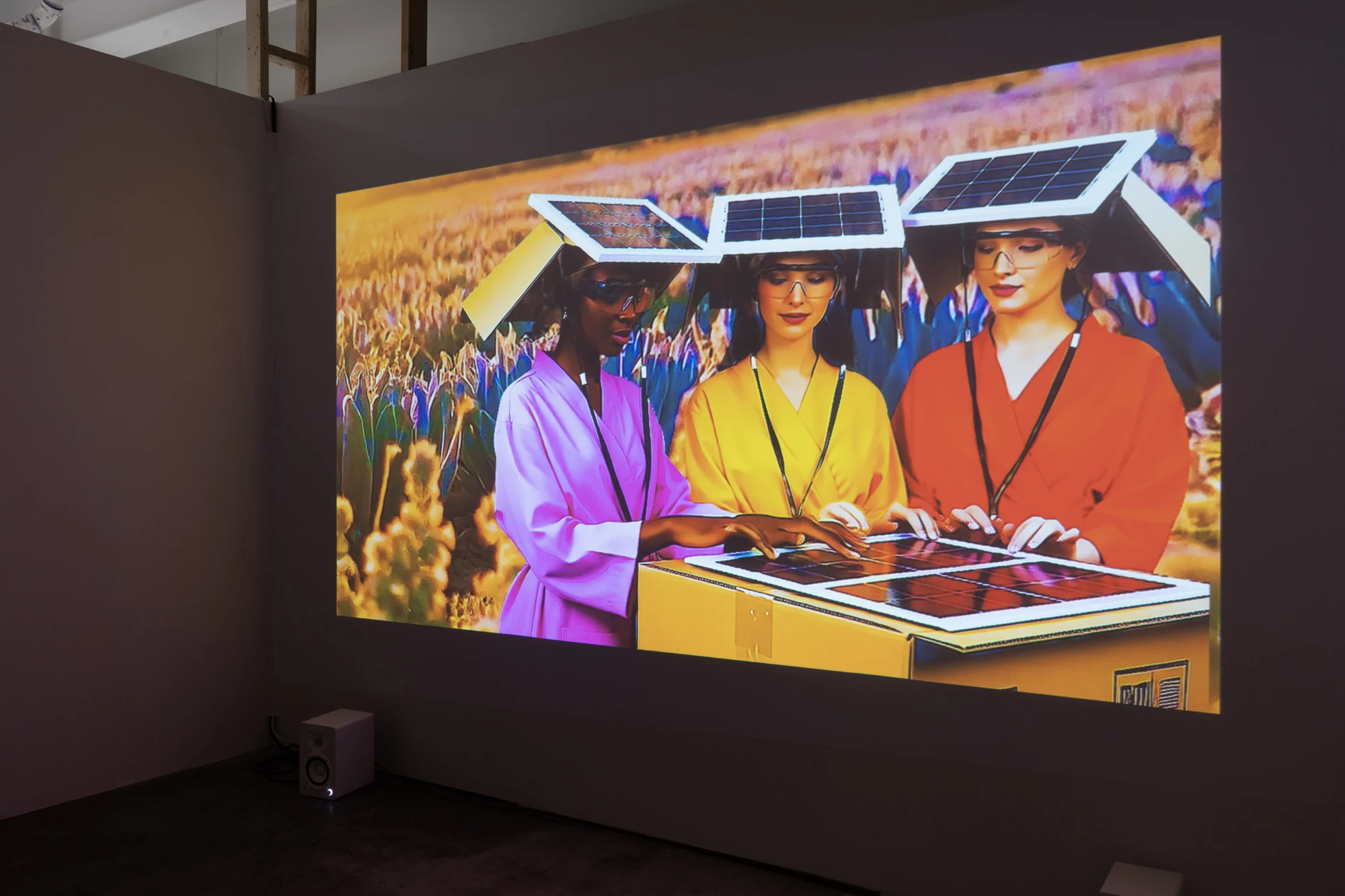
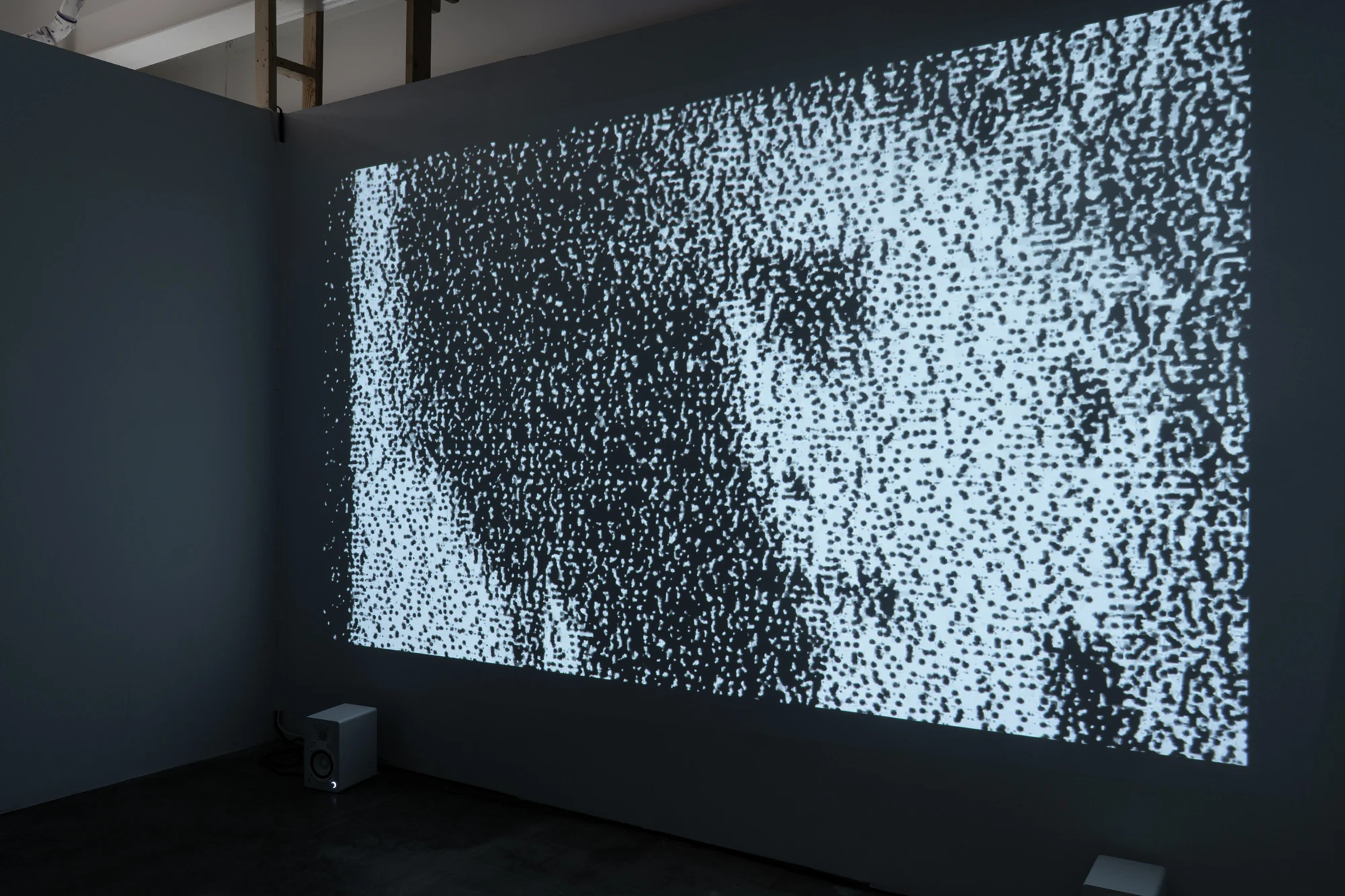
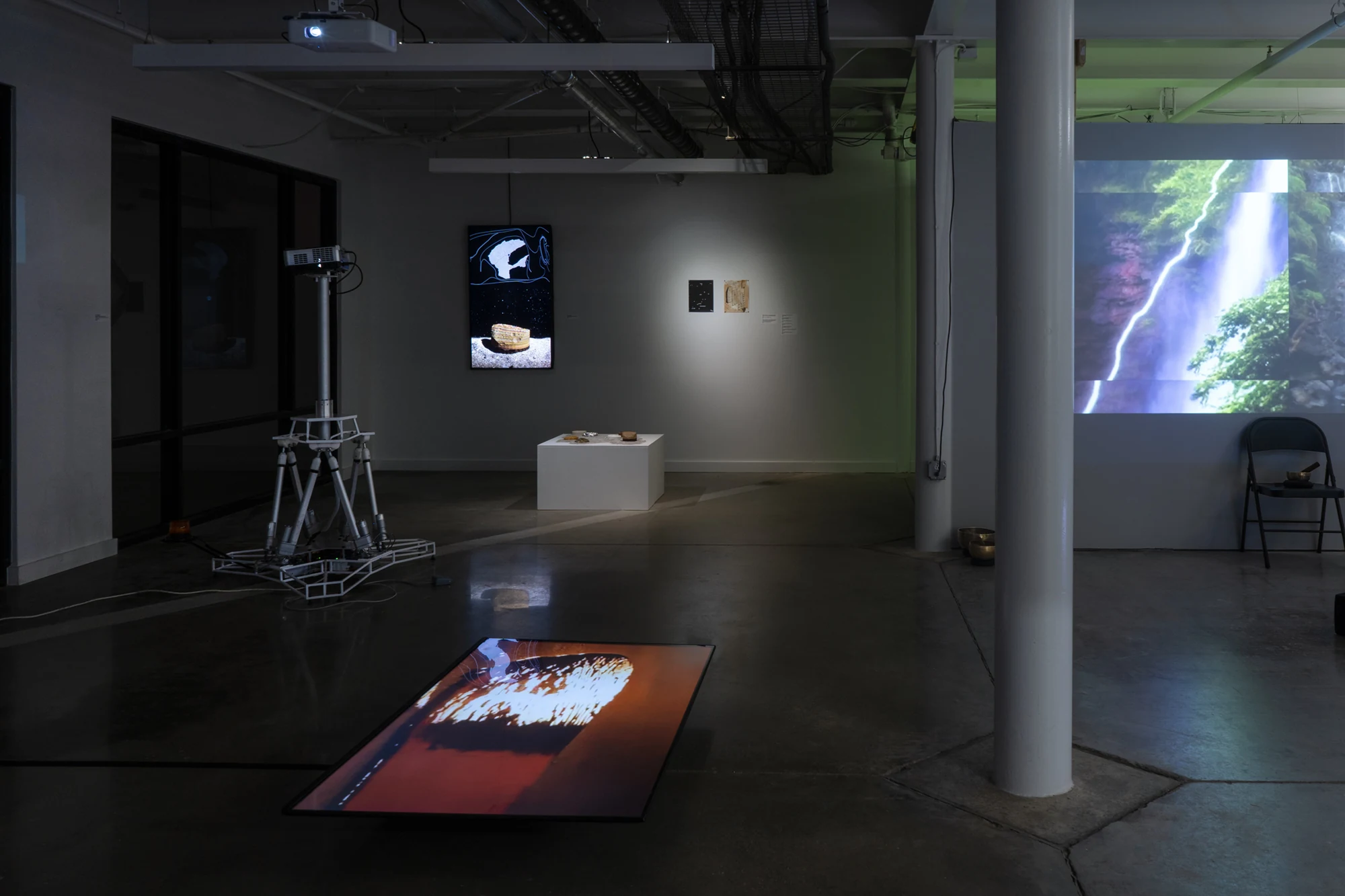
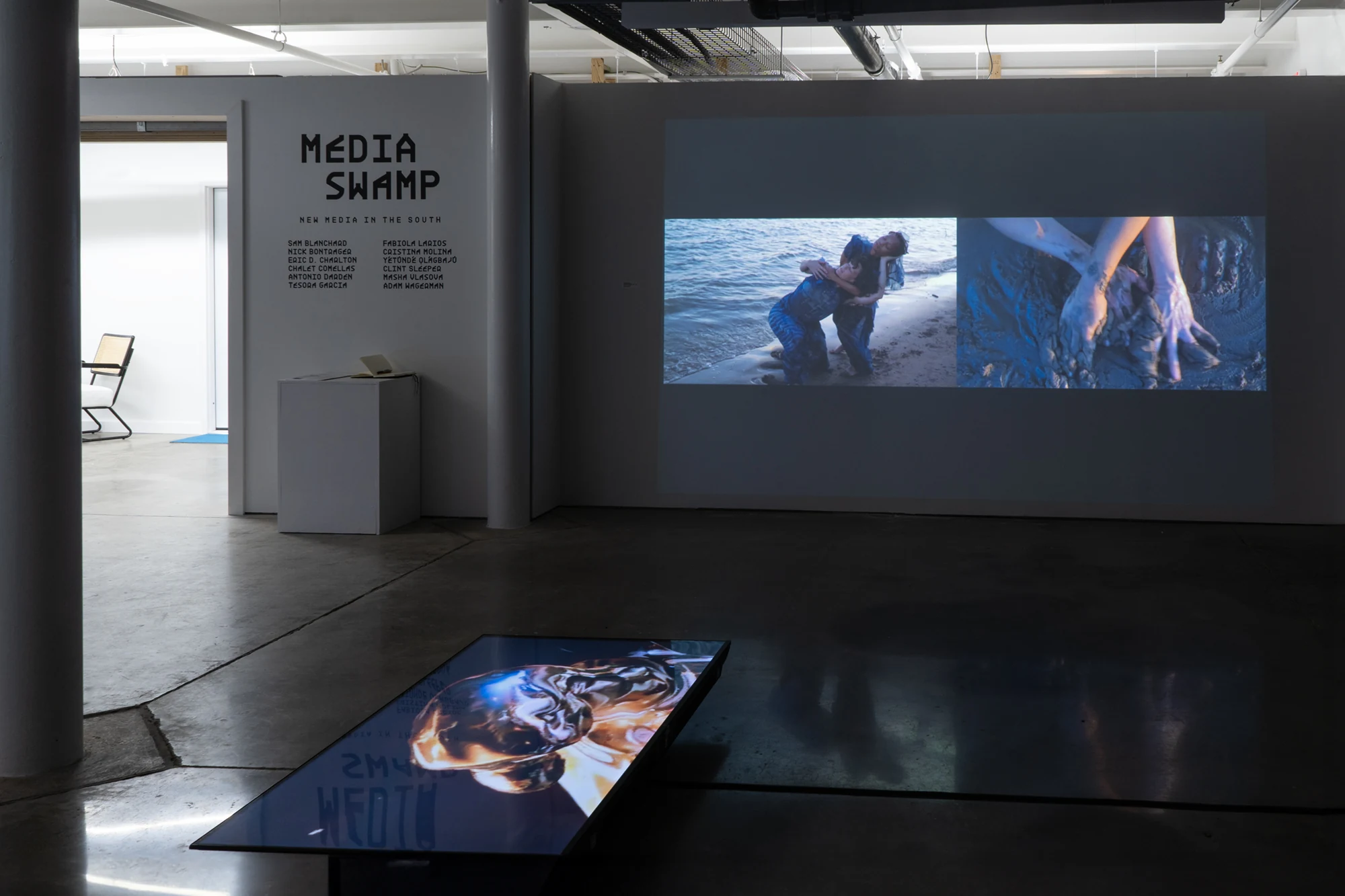
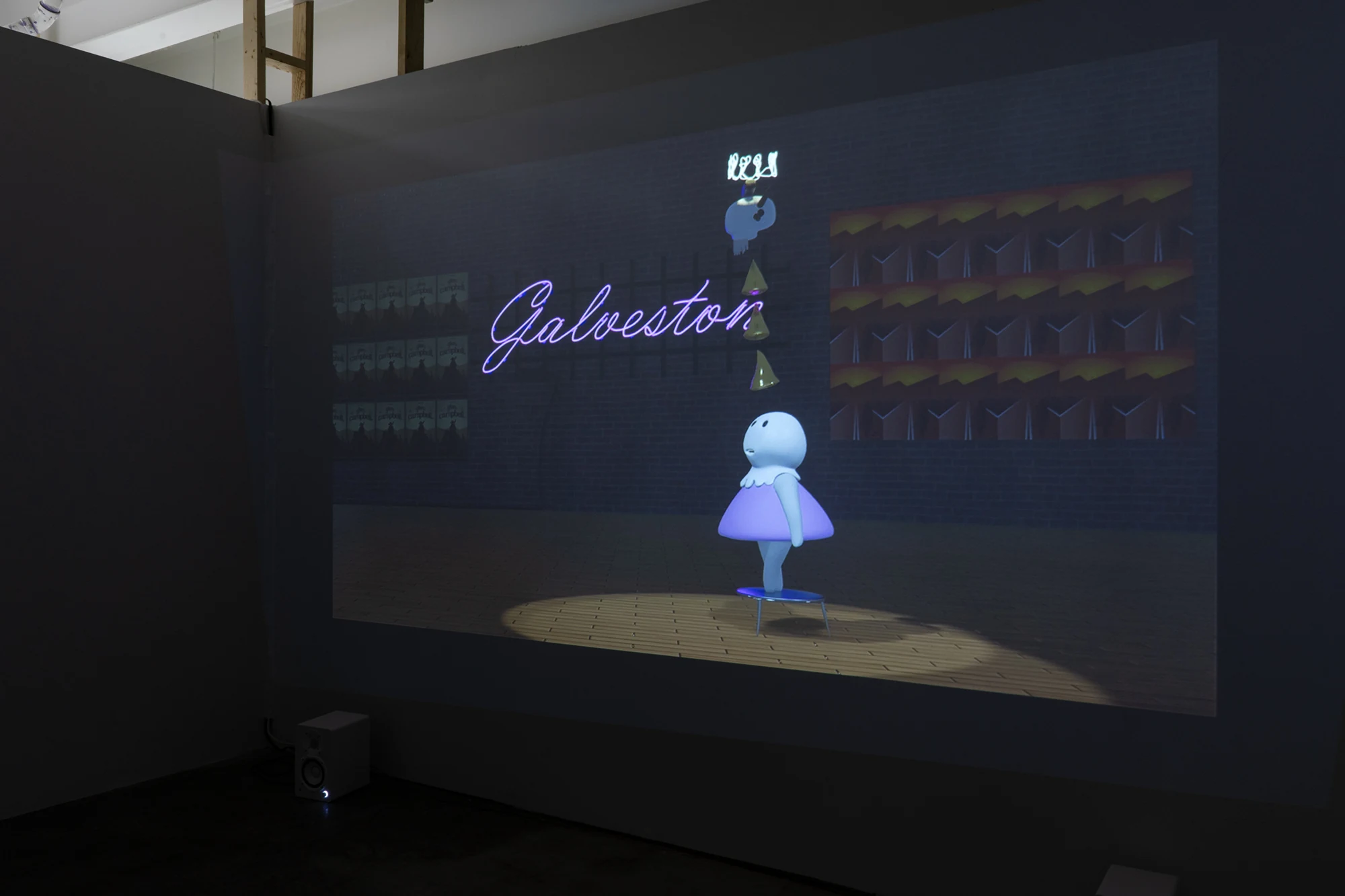
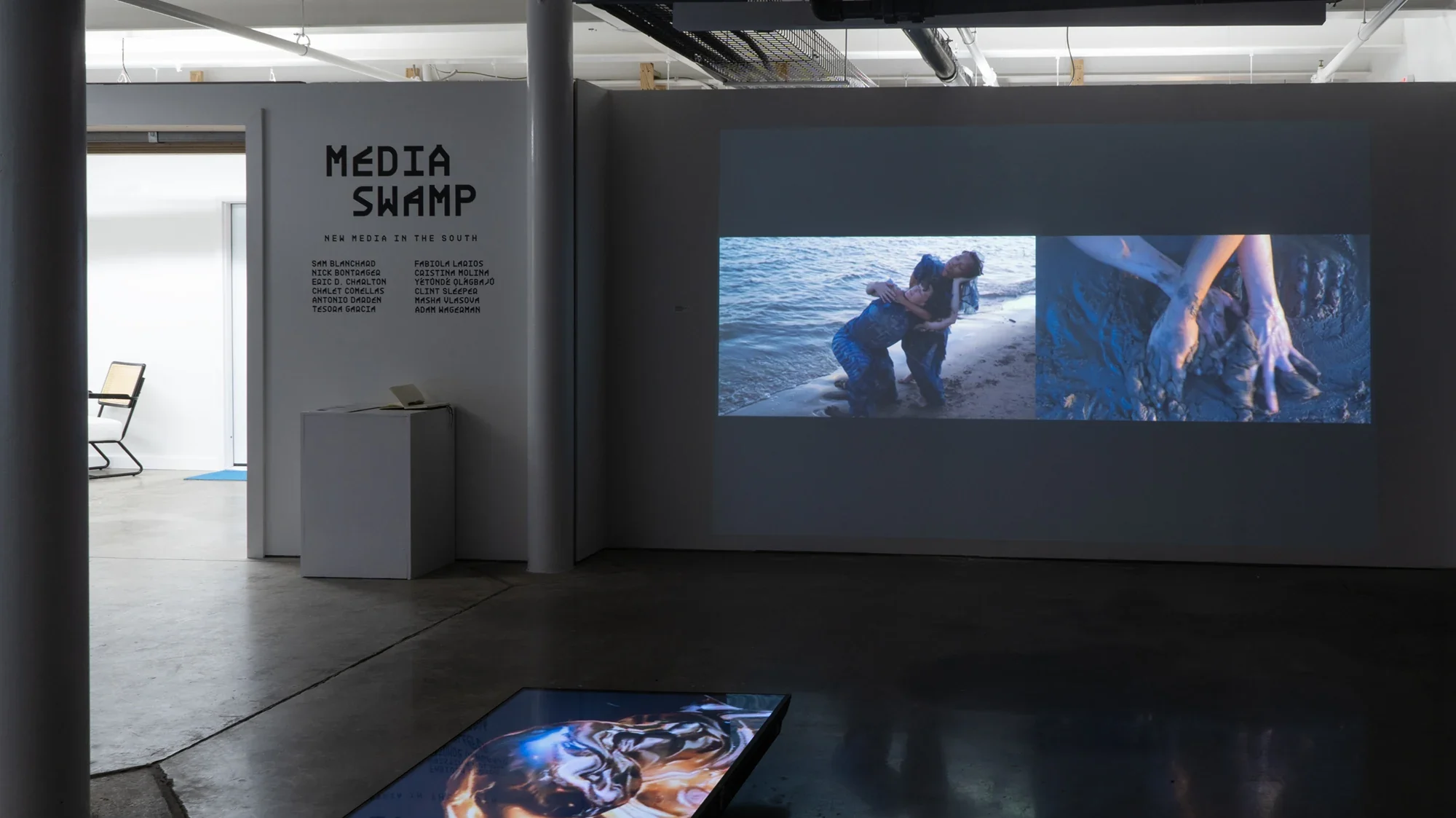
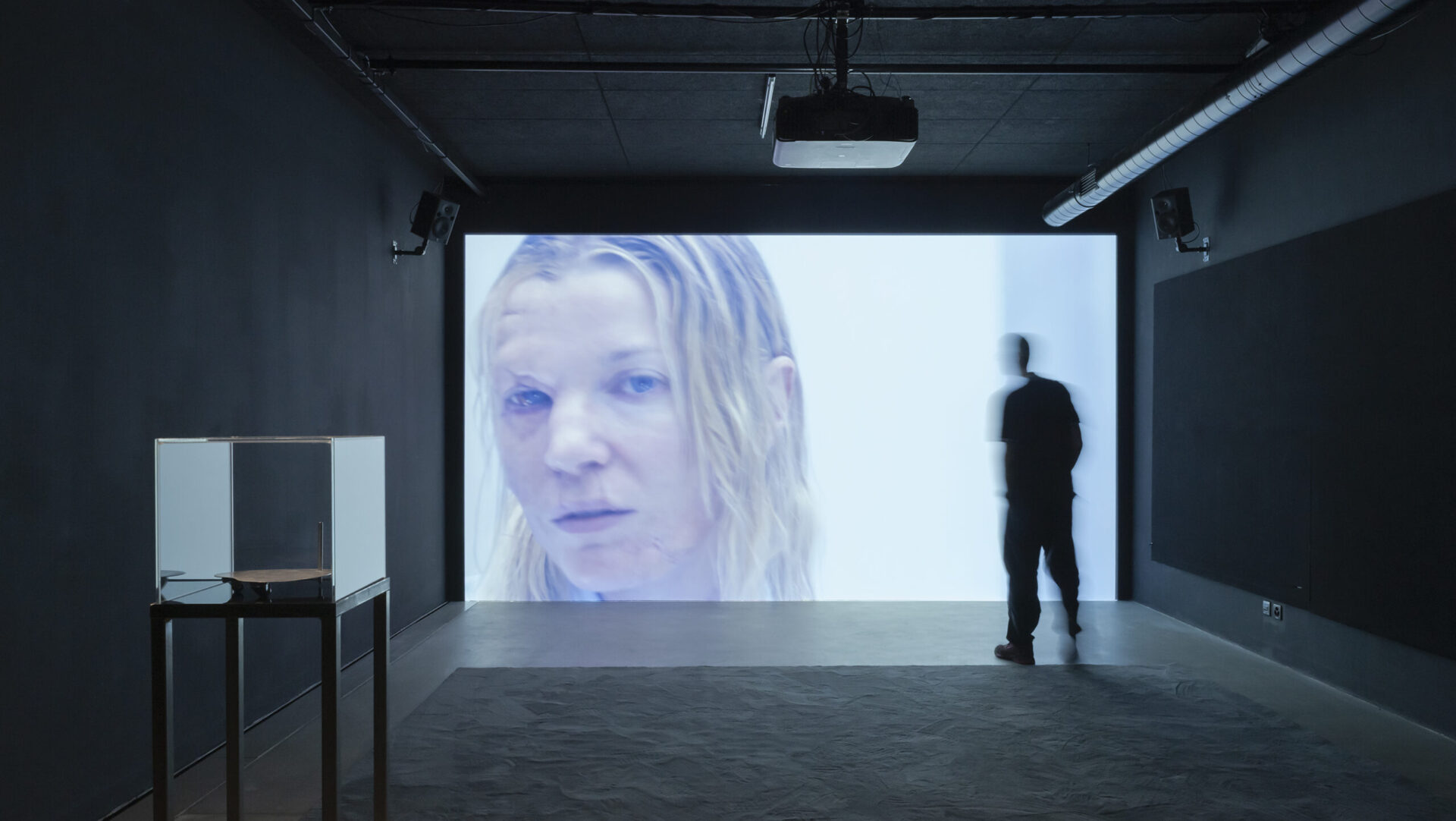
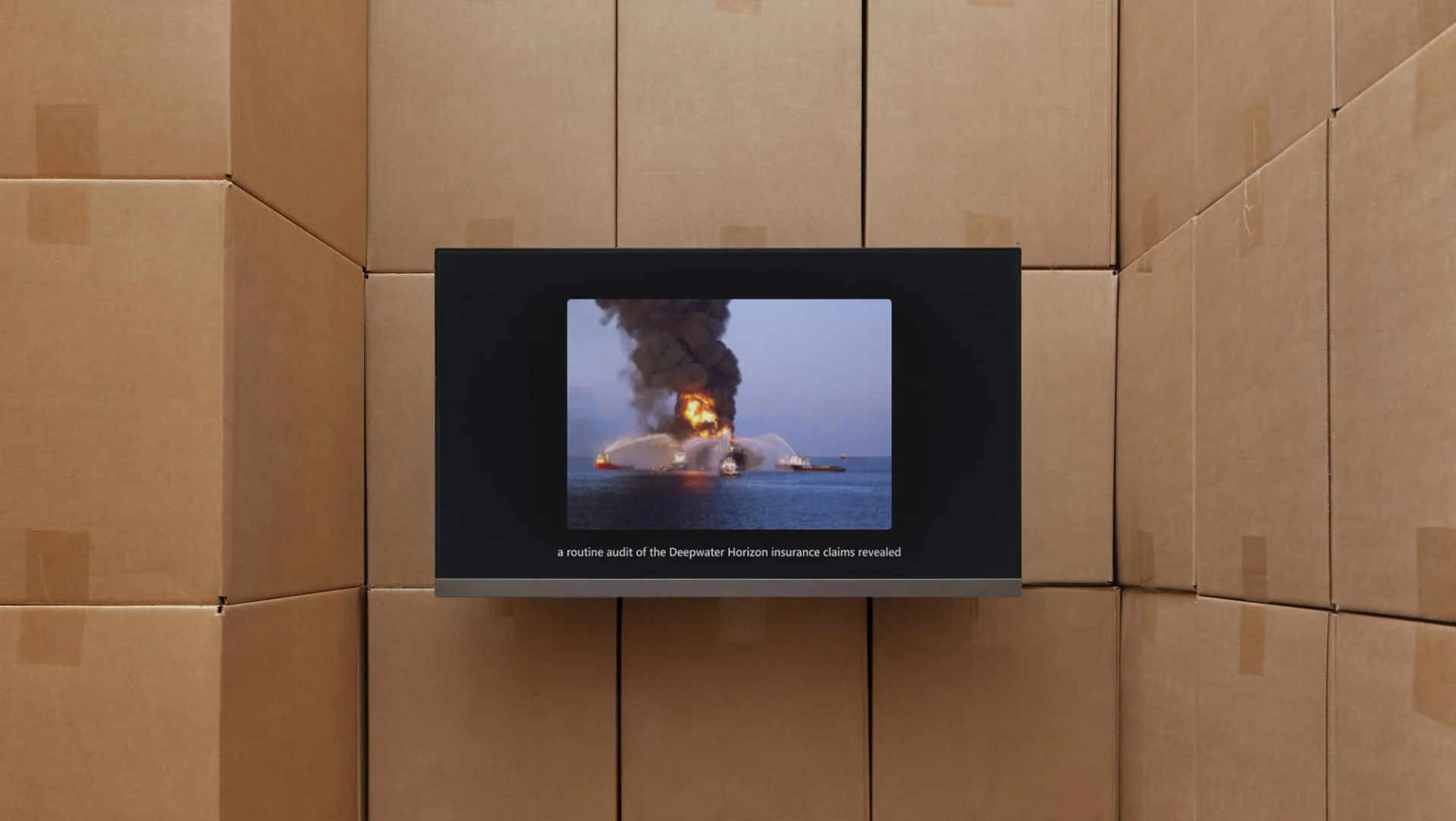
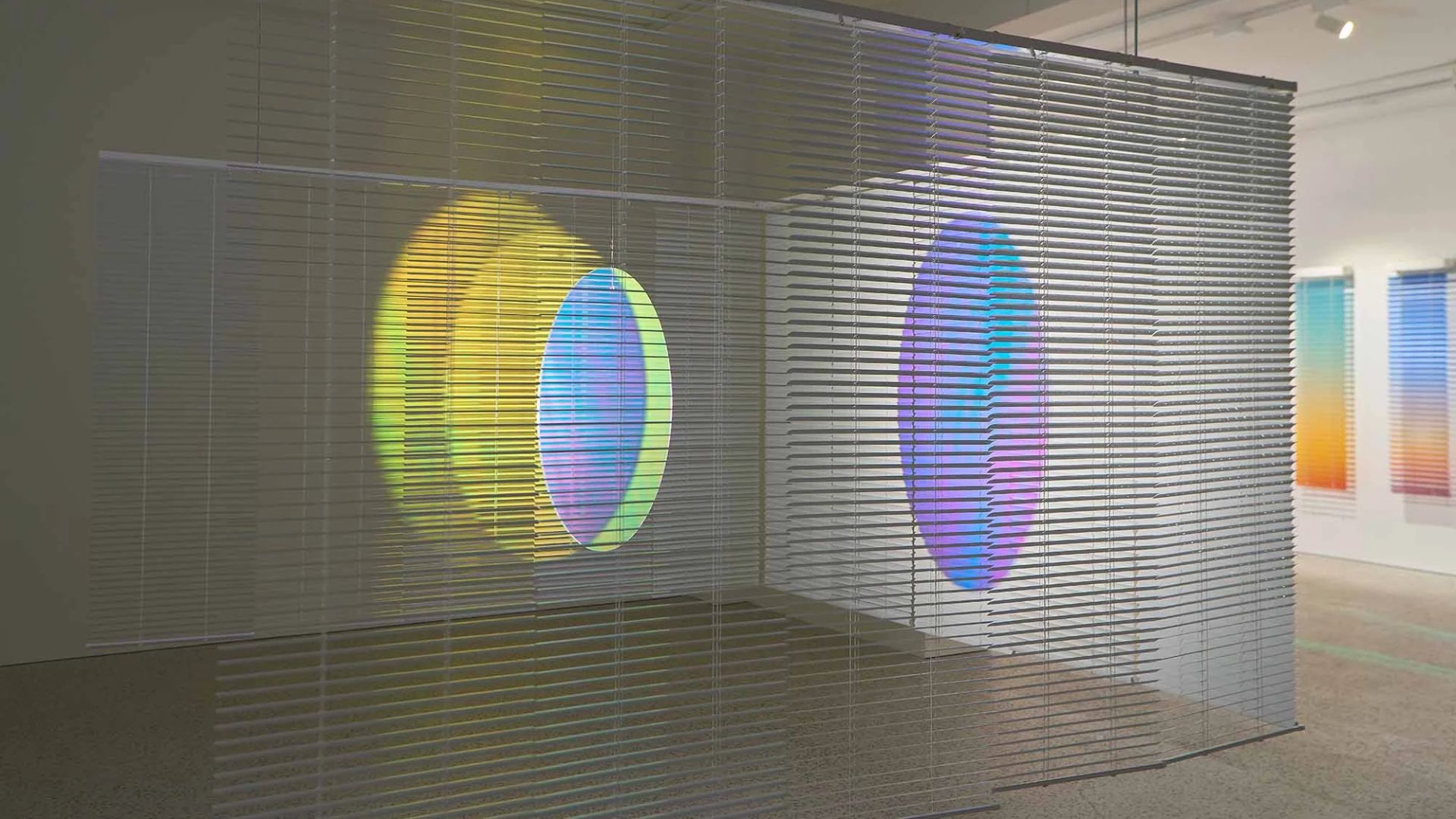
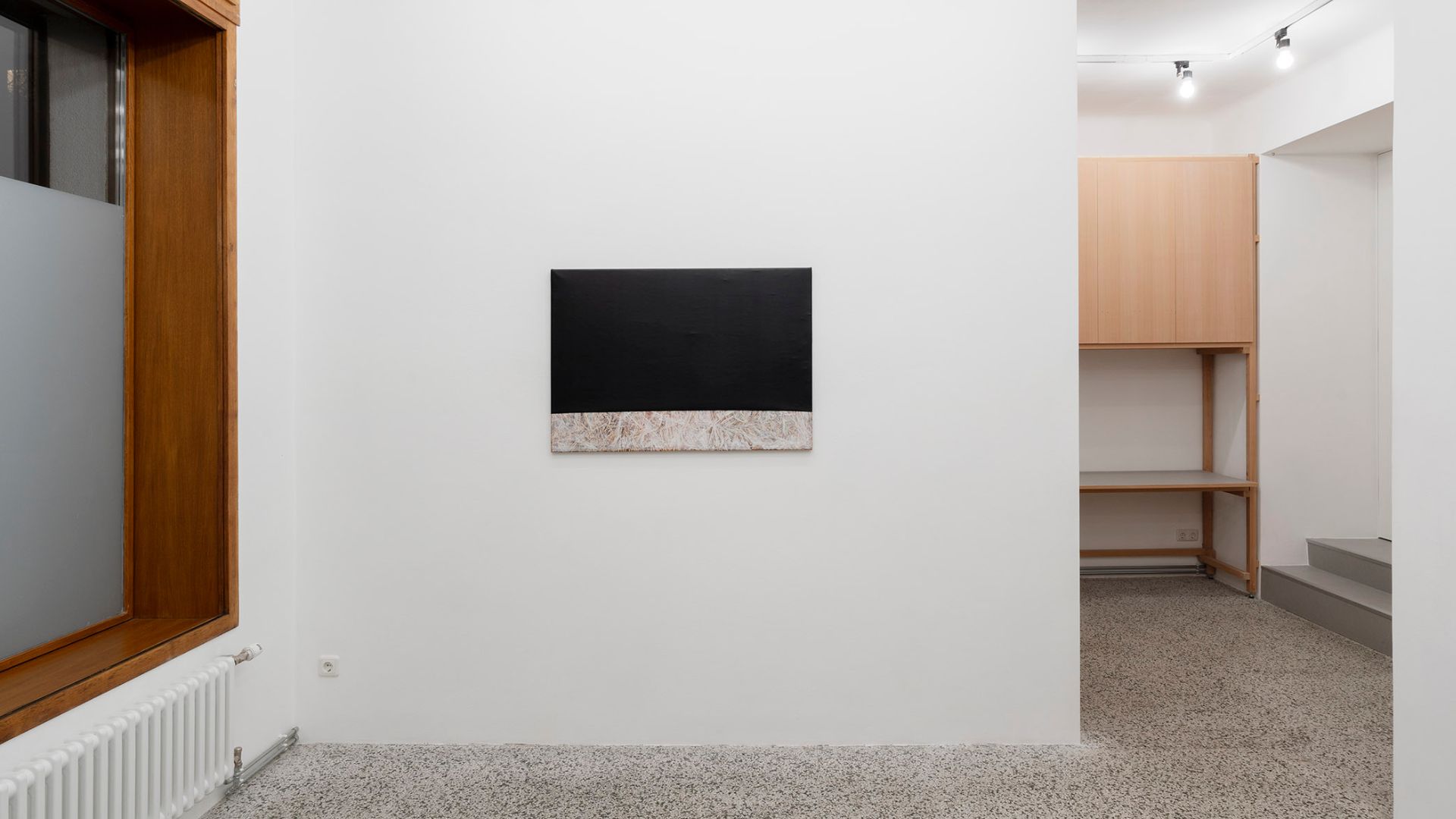
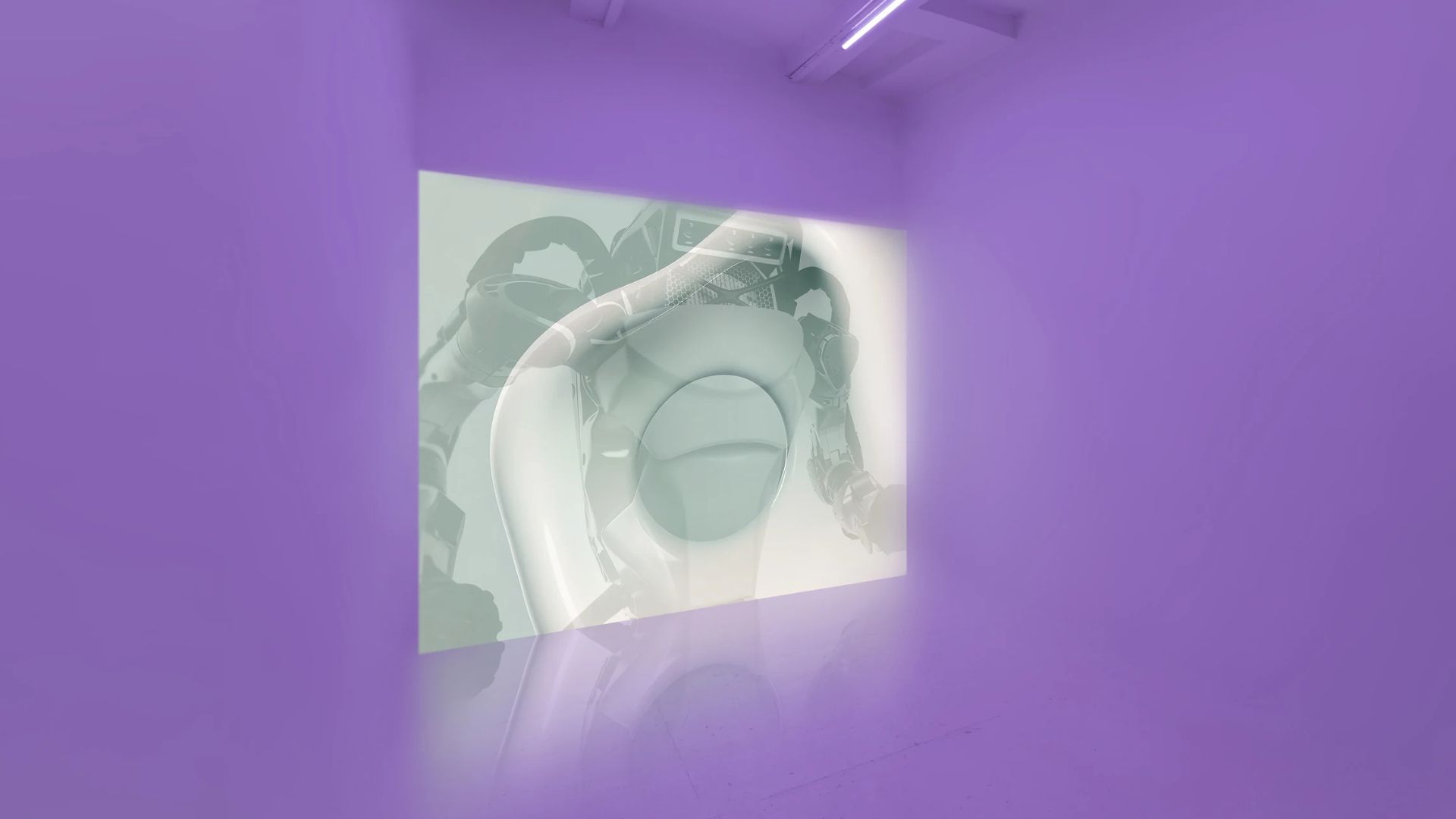
Images arrive from multiple directions. Some drift across the walls like fleeting apparitions; others spill onto the gallery’s polished floor, turning it into a shifting field of reflections. Amid vertical screens, large-scale projections, and technological apparatuses dispersed throughout the space, Media Swamp: New Media in the South unfolds as an environment that resists immediate comprehension. Its structure emerges gradually, revealing itself through movement, repetition, and accumulation. At first glance, everything appears to be in motion at once: bodies, landscapes, archives, digital animations, electronic signals, and fragments of memory converge within a shared visual terrain.
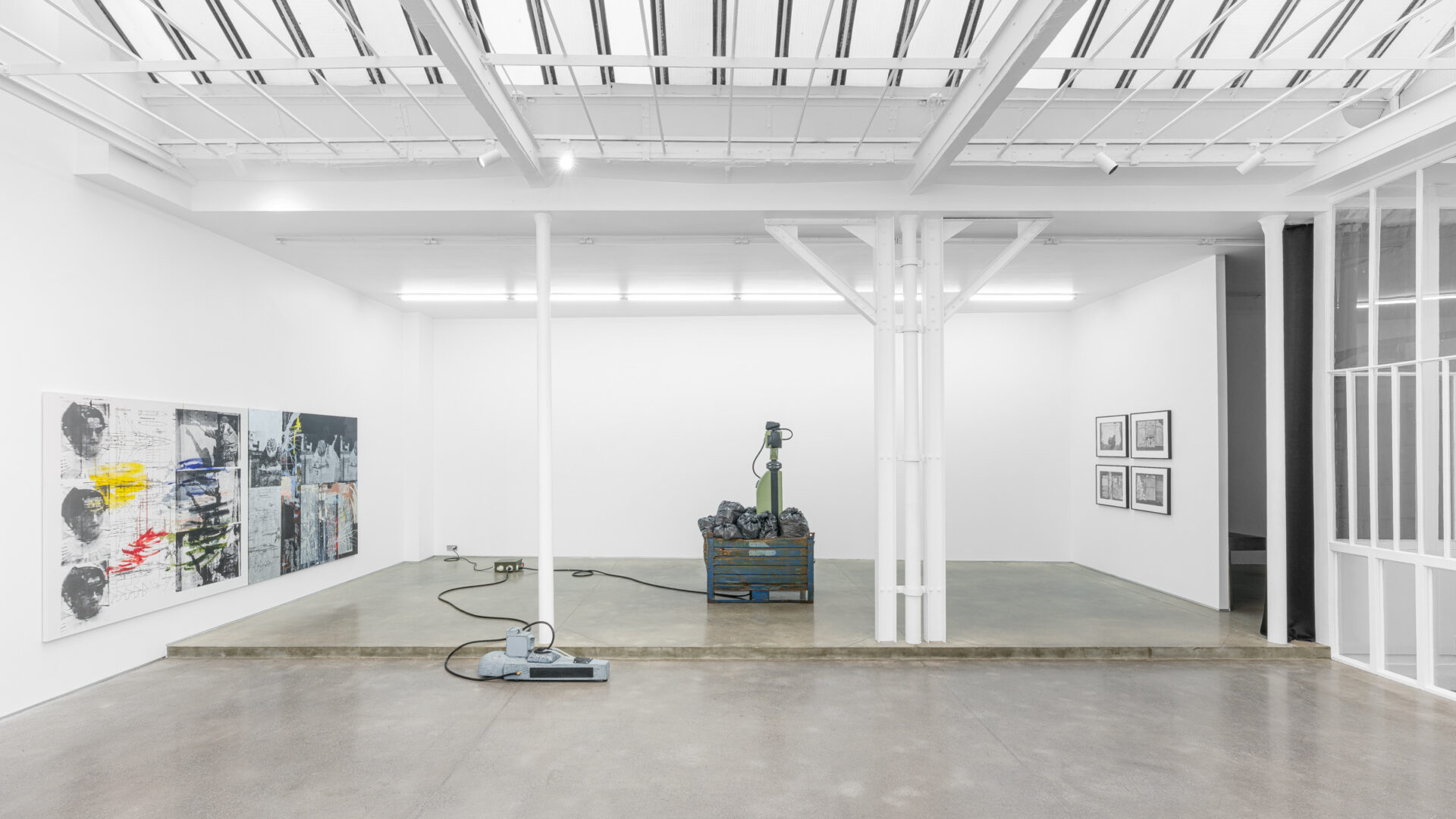
The experience is akin to entering a transitional zone where each work contributes to a larger ecosystem. Projected light stretches across dark surfaces, columns interrupt and redirect sightlines, and images migrate from one screen to another, generating subtle perceptual dislocations. The exhibition space acquires an almost ecological quality. Rather than occupying the gallery as discrete objects, the works reshape it, altering the way space is perceived and navigated.
The swamp invoked in the exhibition’s title quickly becomes legible as more than a geographic reference to the American South. It functions as a conceptual framework. Swamps preserve traces, gather disparate materials, and foster unexpected connections. In a similar manner, the exhibition brings archives into dialogue with digital renderings, collective rituals with virtual simulations, and cultural memory with technological infrastructure. Each work appears to deposit information that is subsequently absorbed, transformed, and reactivated by the next, creating a diffuse narrative that unfolds across the entirety of the exhibition.
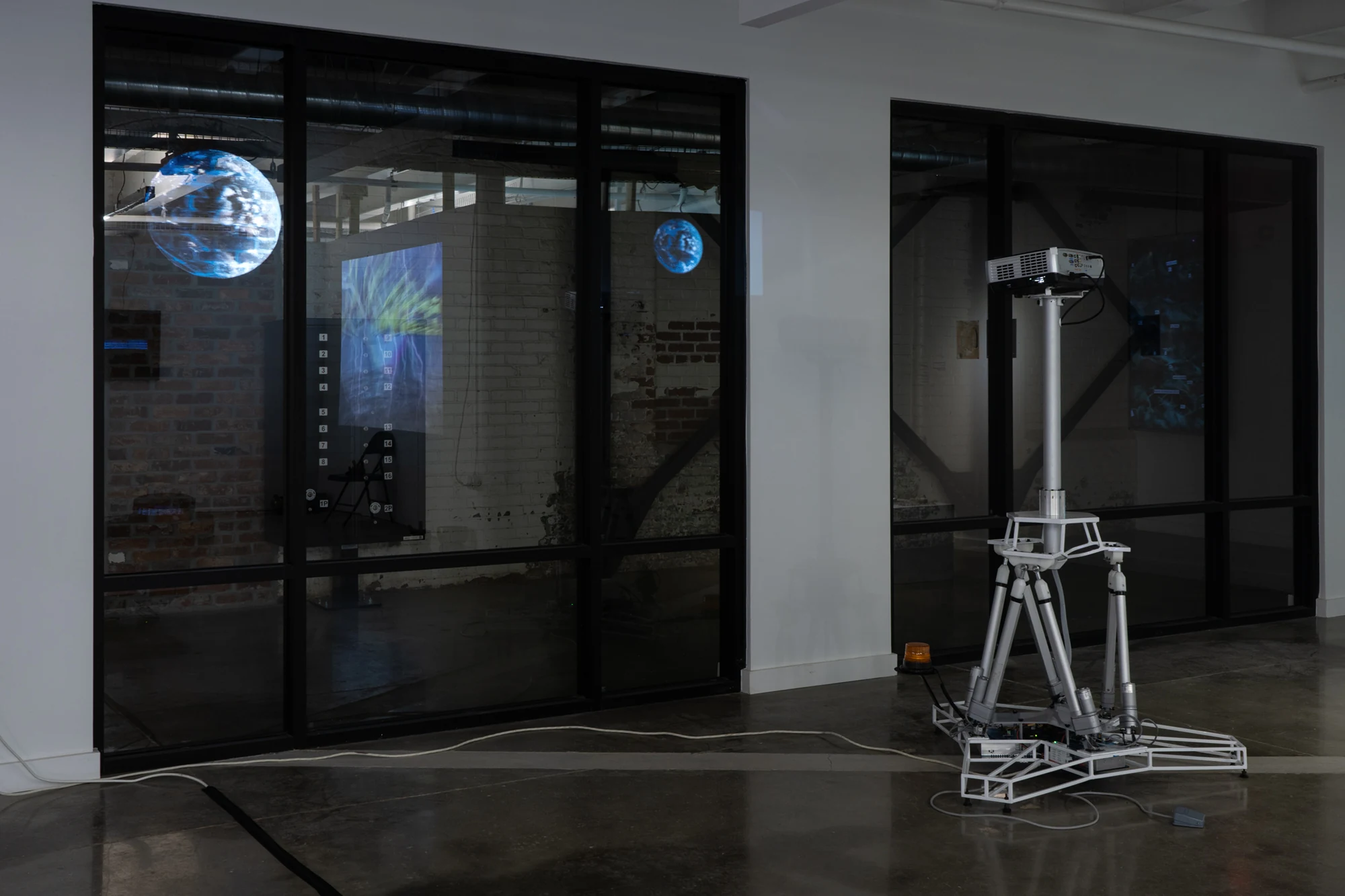
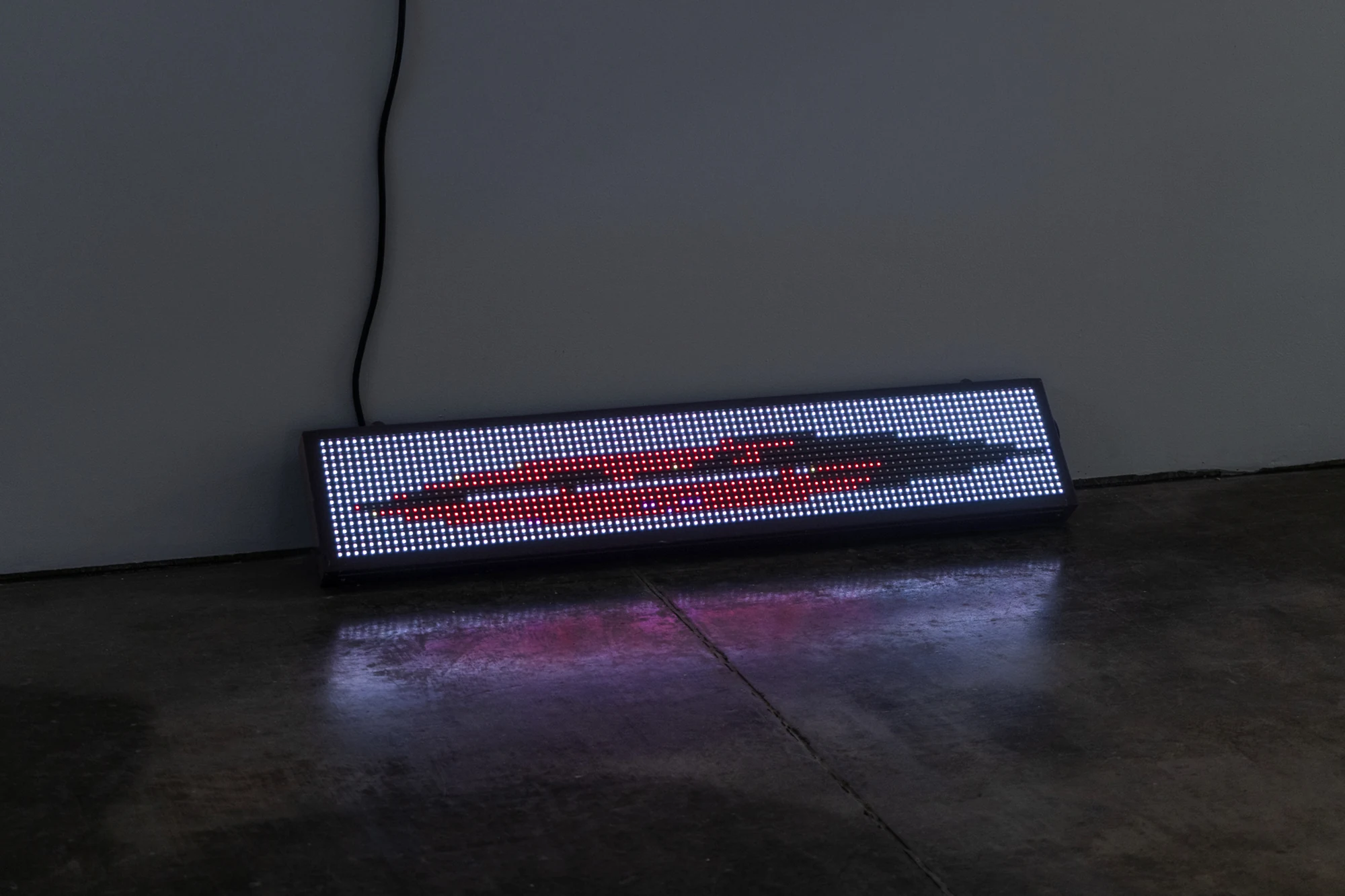
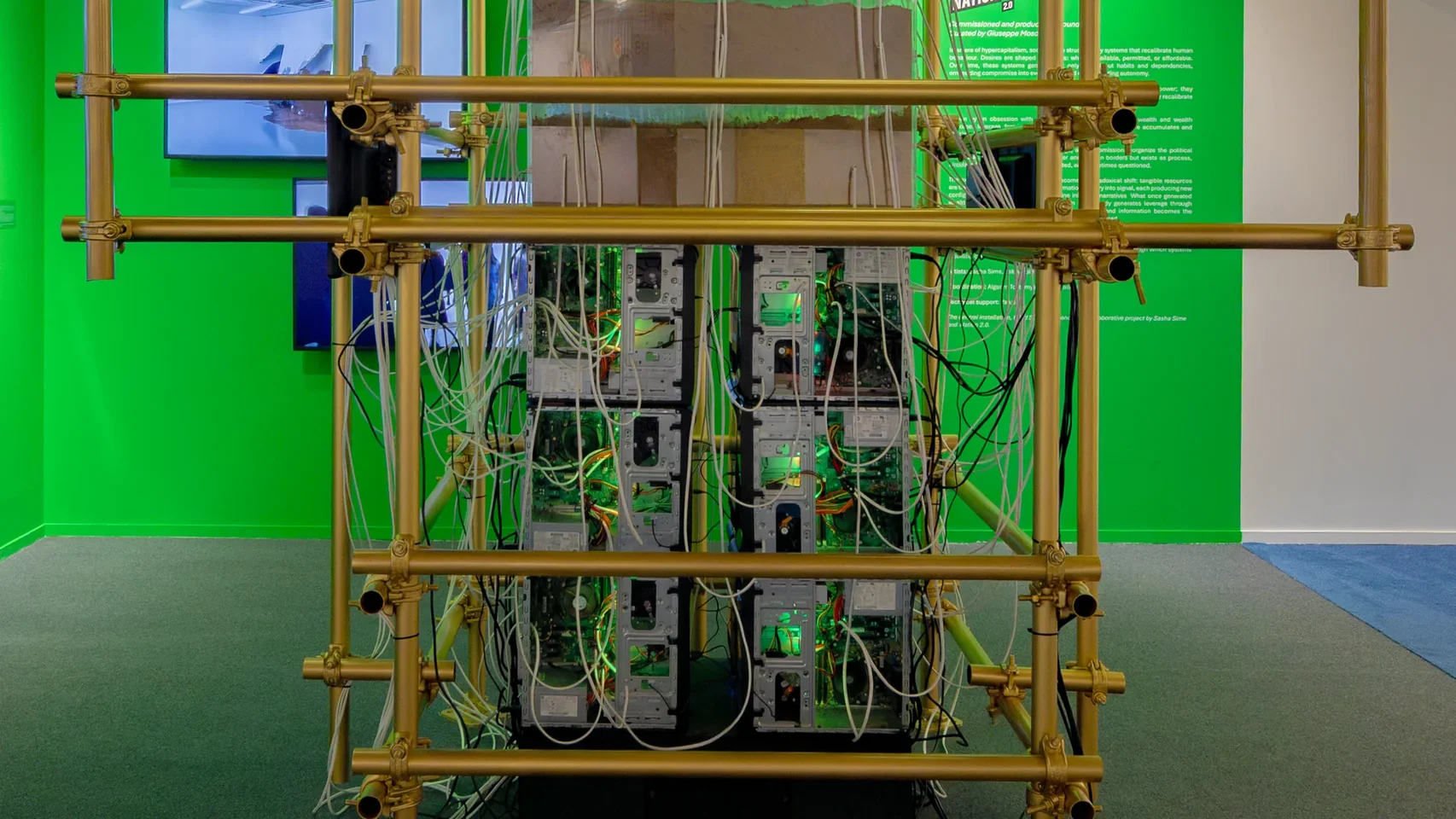
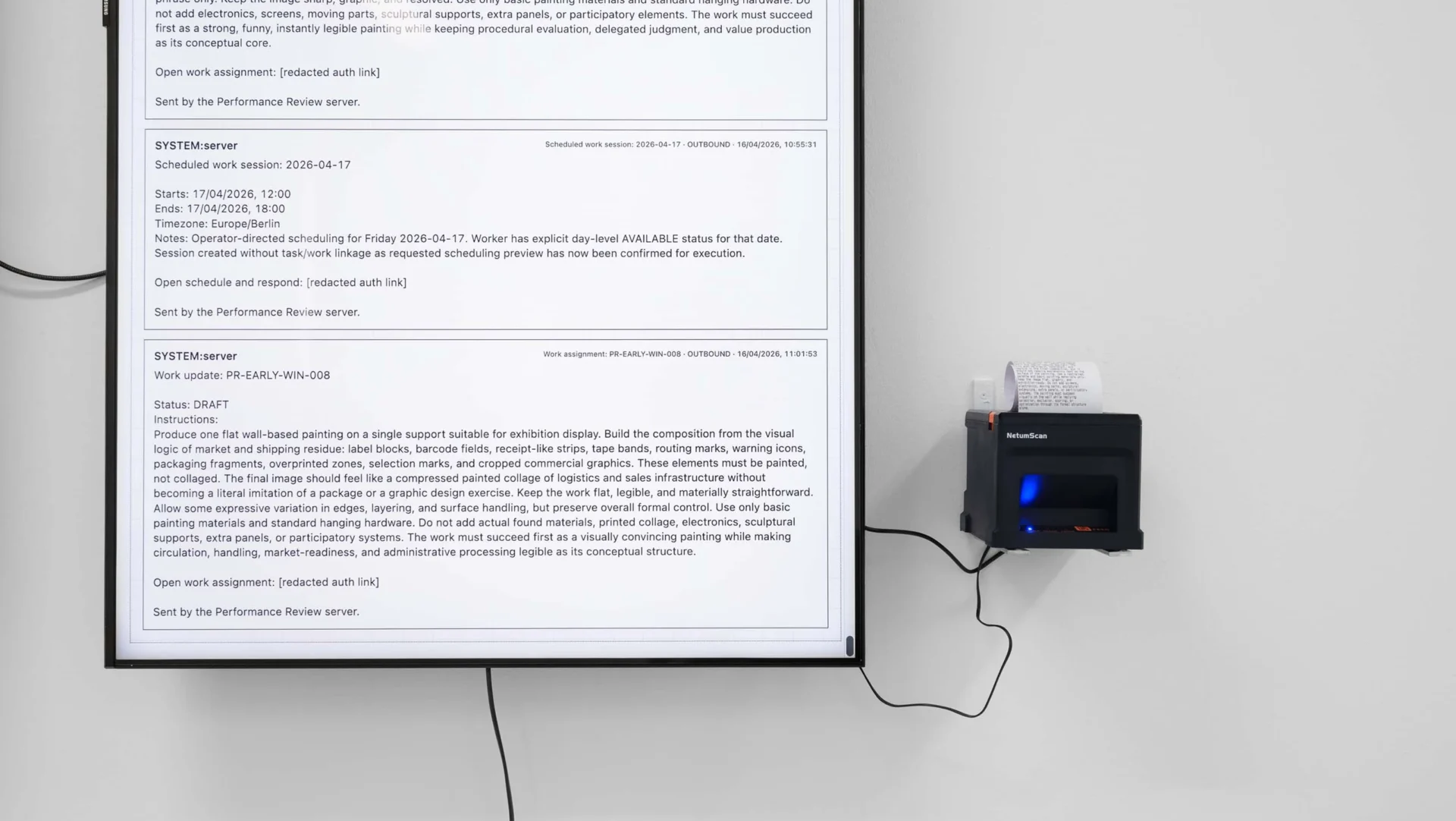
From the outset, a clear curatorial strategy emerges: technology remains visible, tangible, and materially present. Projectors, metal supports, LED displays, cables, and mechanical structures actively participate in the construction of the viewing experience. A robotic platform positioned within the gallery immediately draws attention, standing almost as a monument to the infrastructures that sustain the circulation of contemporary images. Within an exhibition devoted to the intersections of place, ecology, and new media, its presence serves as a potent reminder that every image is supported by a network of systems, devices, and invisible processes operating beneath the surface.