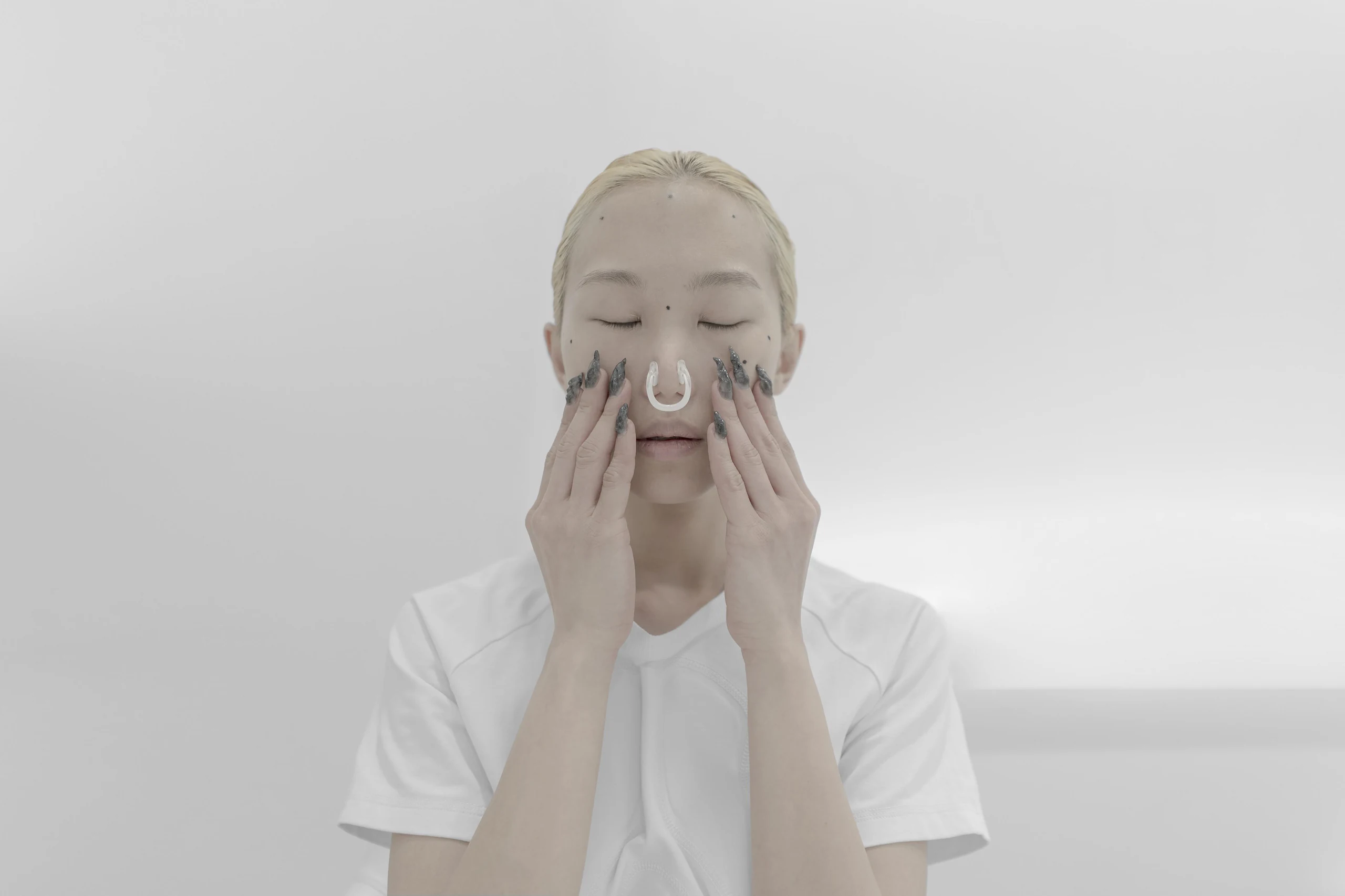
“NATORU ナとル” by Mit Borrás, curated by Stephan Klee, at Kunstverein Göttingen, Göttingen, 1 Mar – 22 Apr 2026.
As we crossed the threshold, we found ourselves wondering whether a place can exist where the future does not weigh on us, but flows. Not as a promise, not as a warning, but as something that breathes alongside us, quietly insistent. Can we still imagine a balance that is not compromise but alliance? And what if that harmony were already here, just out of focus, waiting for a slower gaze to take shape?
There is a moment, right at the entrance, when we search for coordinates, a direction, a center. Yet something deliberately slips away. We do not encounter an exhibition, but an environment that breathes. Technology does not imitate nature, it extends it into unfamiliar forms. The human does not observe, it dissolves.
So we pause. We listen. We accept that this space does not ask to be interpreted, but inhabited. It is within this suspension, almost fluid, that NATORU ナとル begins to take form within us.
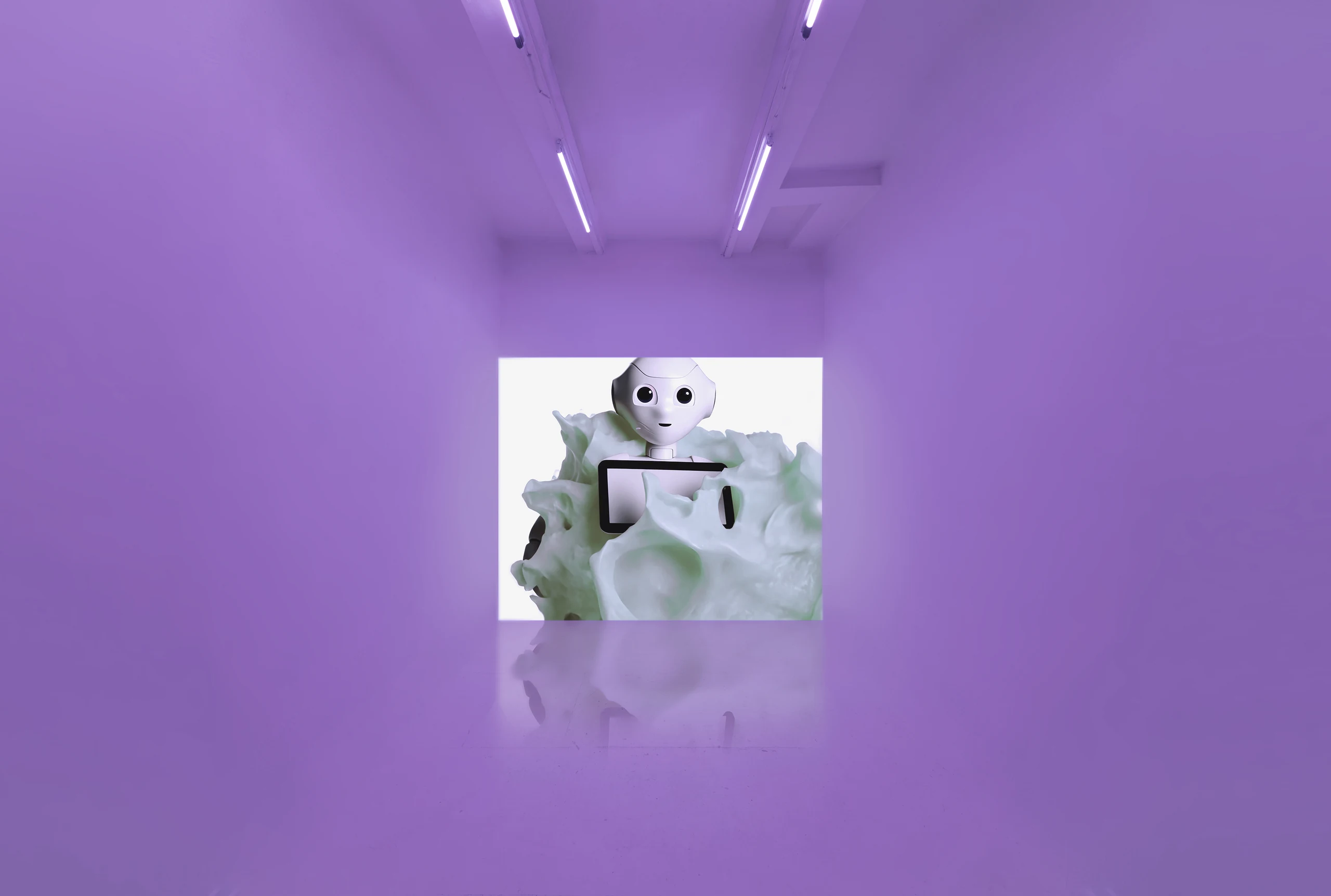
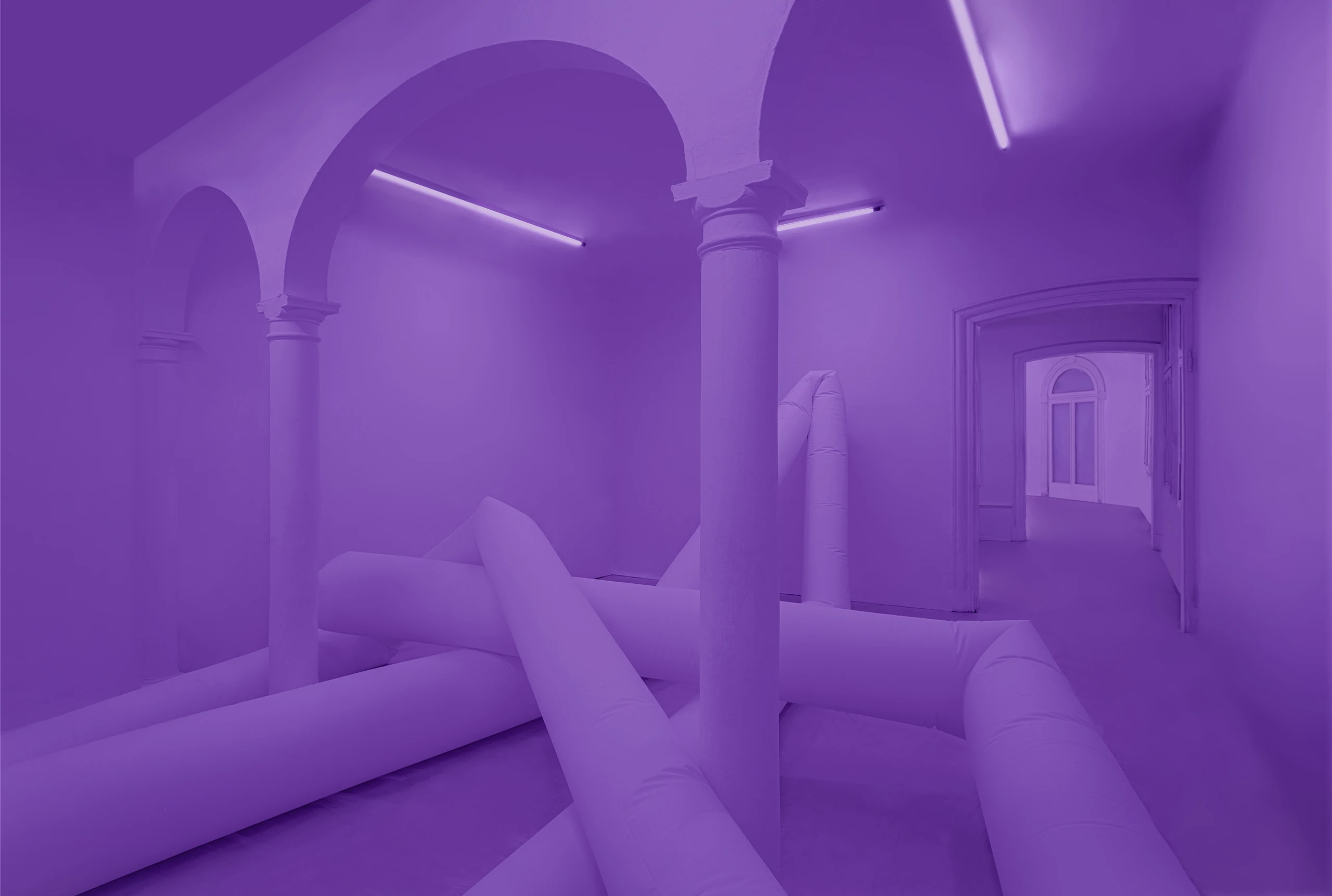
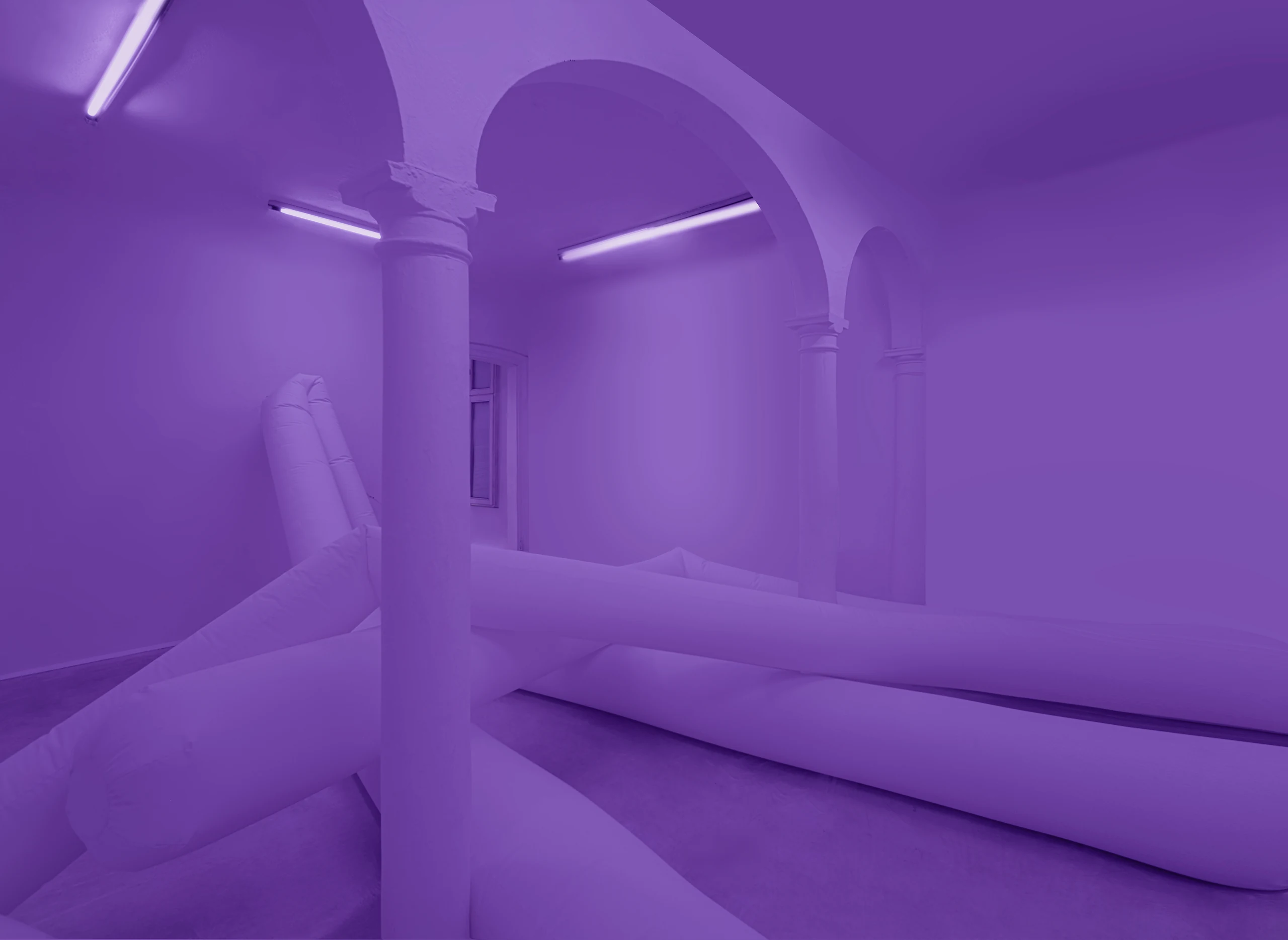
The atmosphere of the Kunstverein Göttingen is orchestrated with a precision that borders on the ritual. Light does not define but suggests. Sound emerges like a distant echo, never didactic, always enveloping. Even the visitors seem to adapt, their pace slowing, distances stretching. We are no longer spectators but elements within a system.
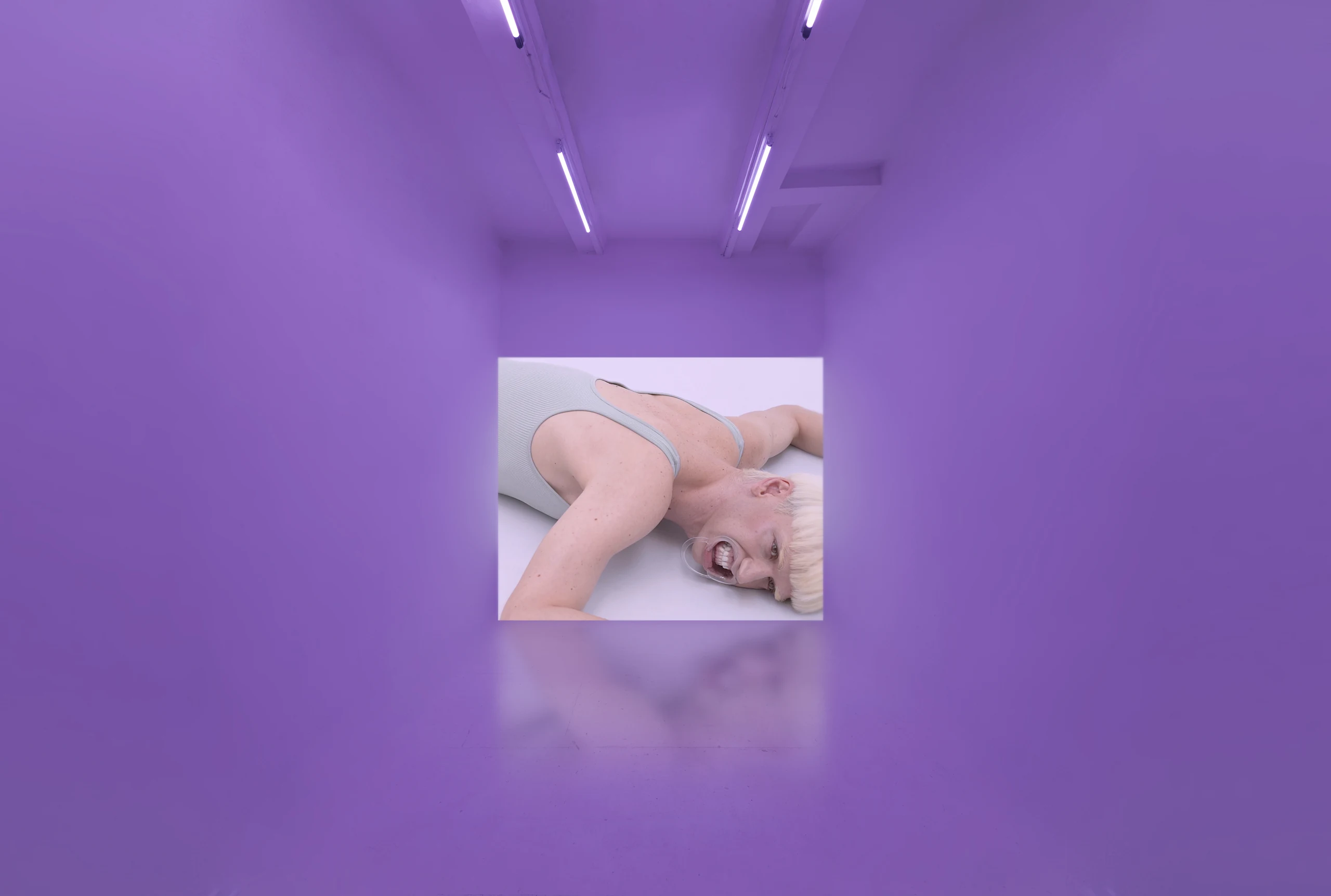
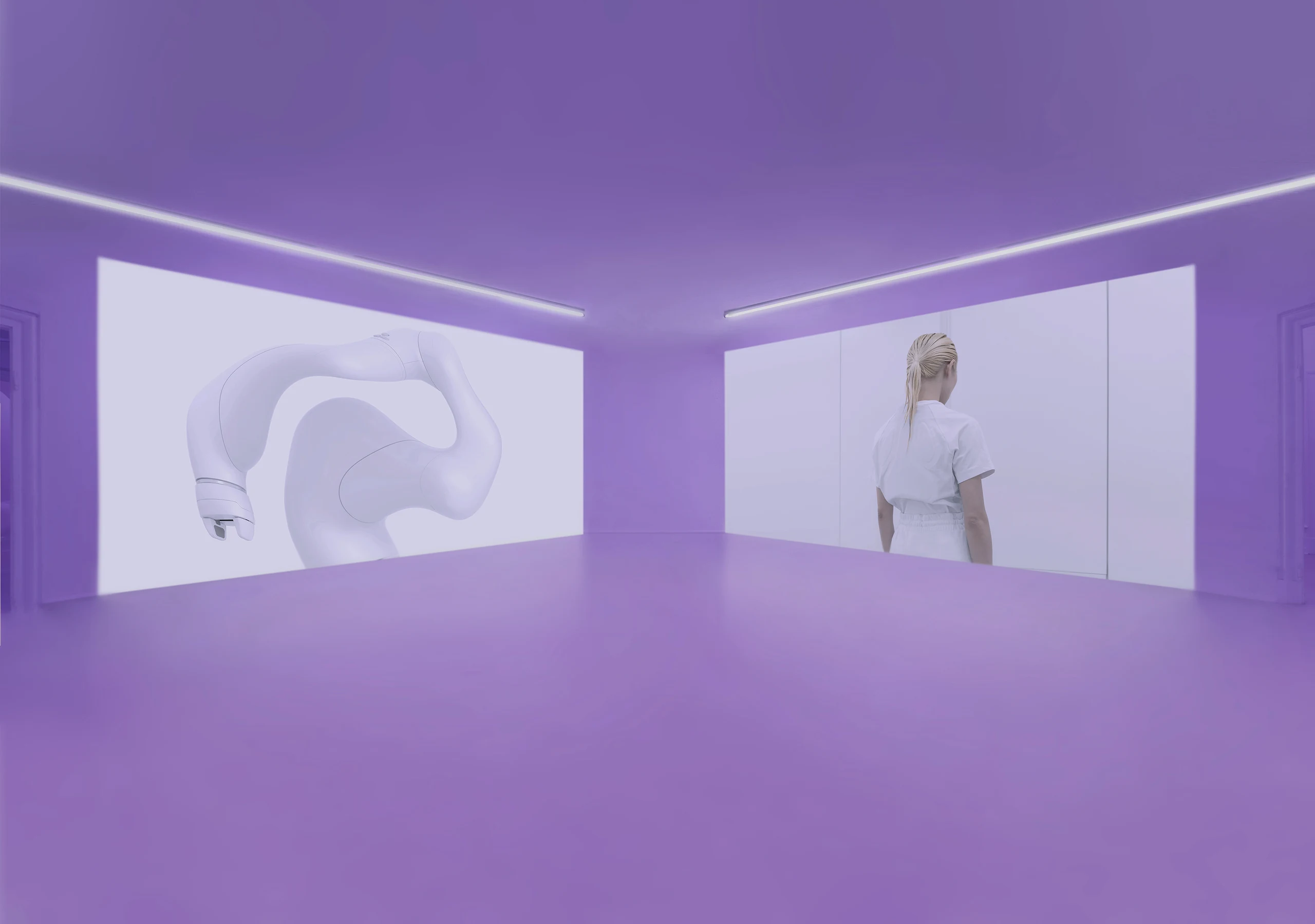
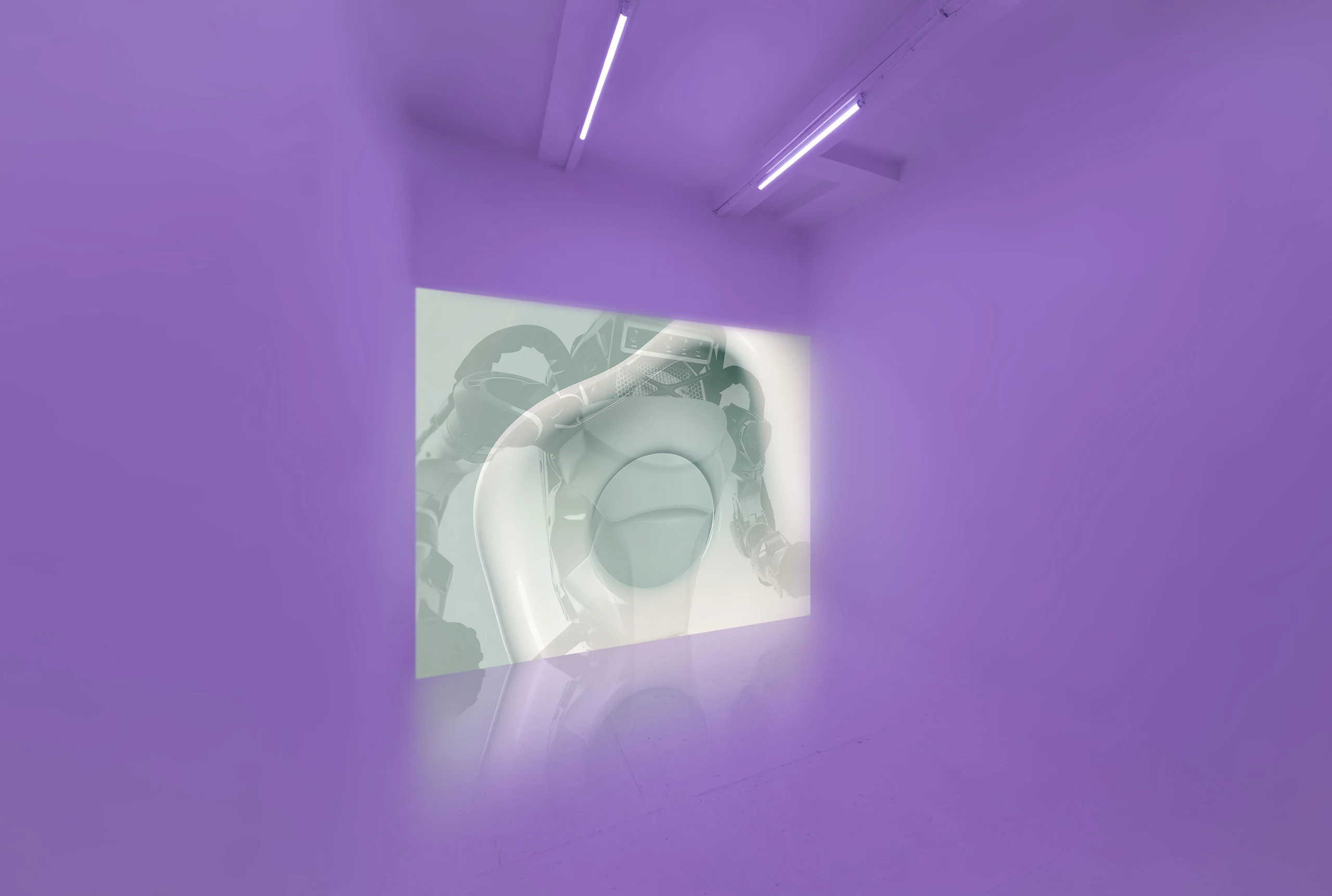
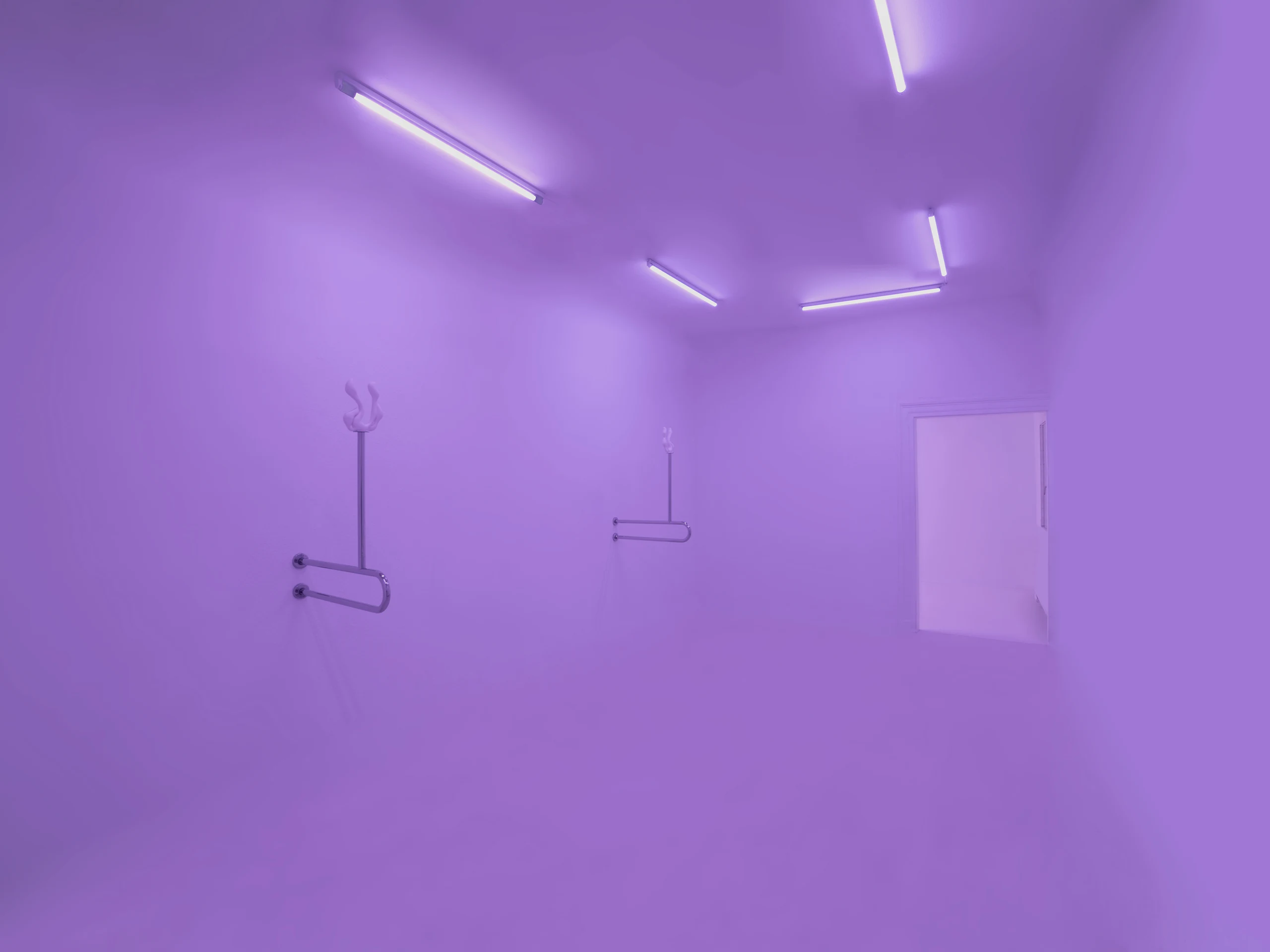
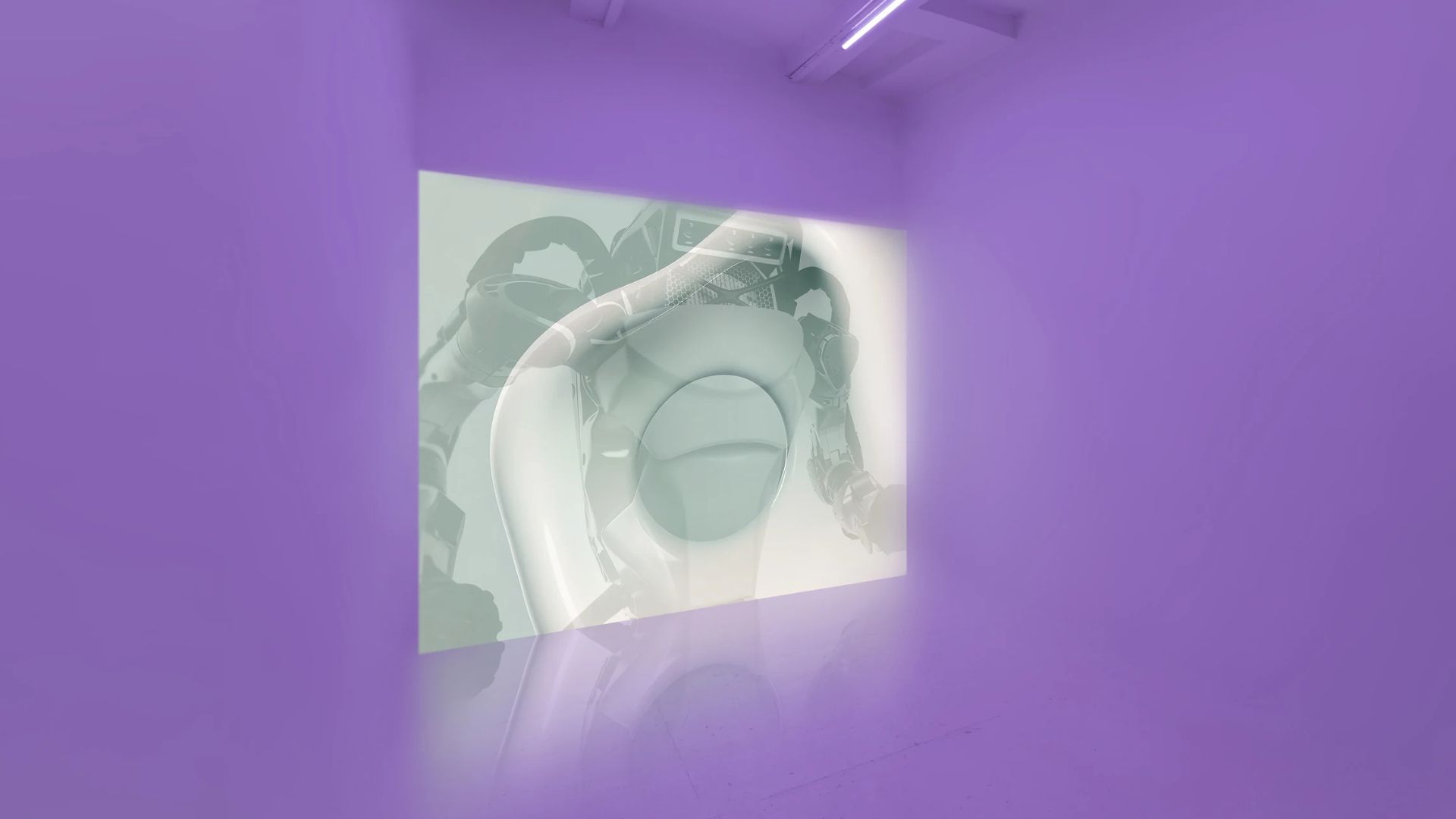
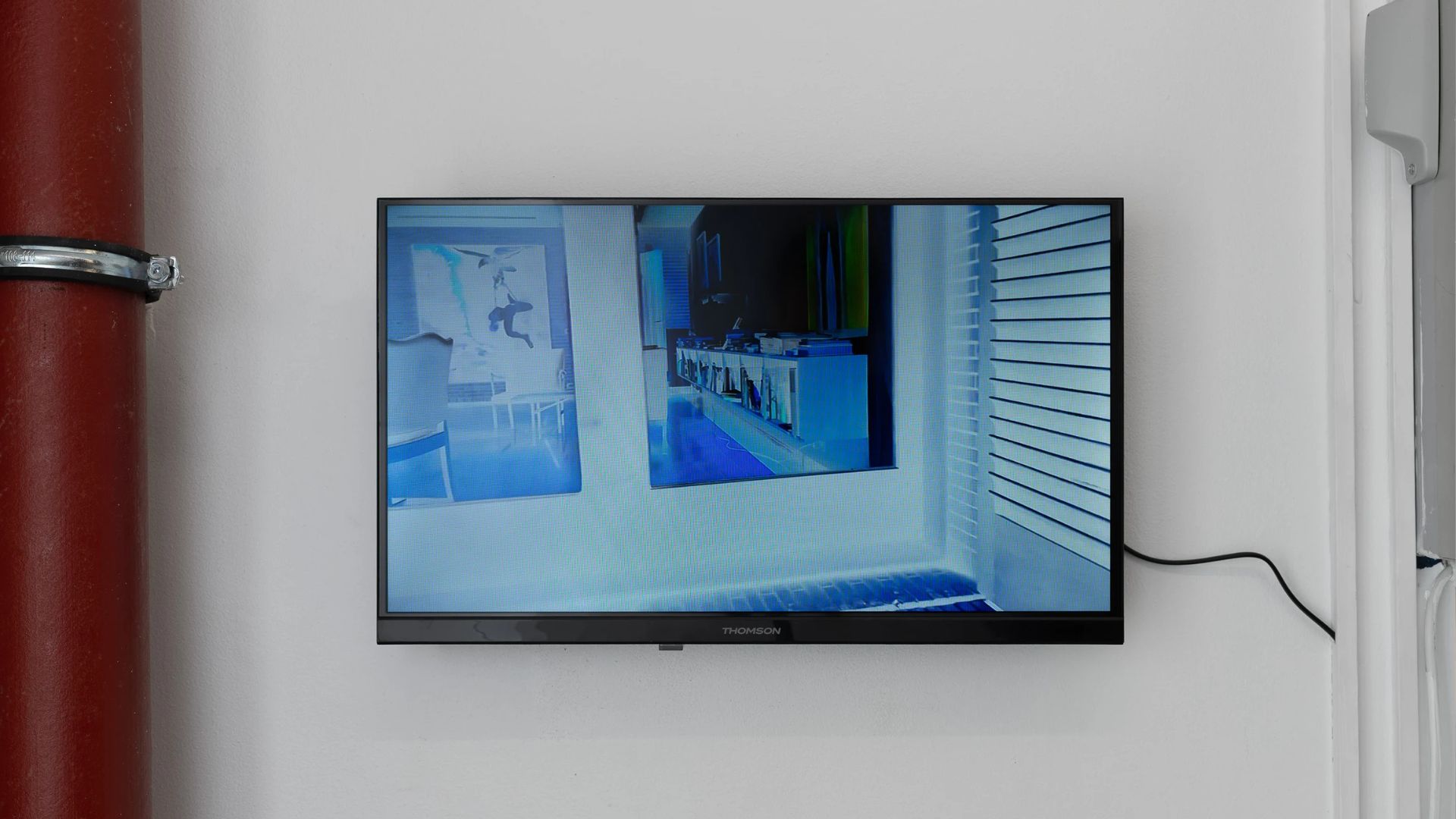
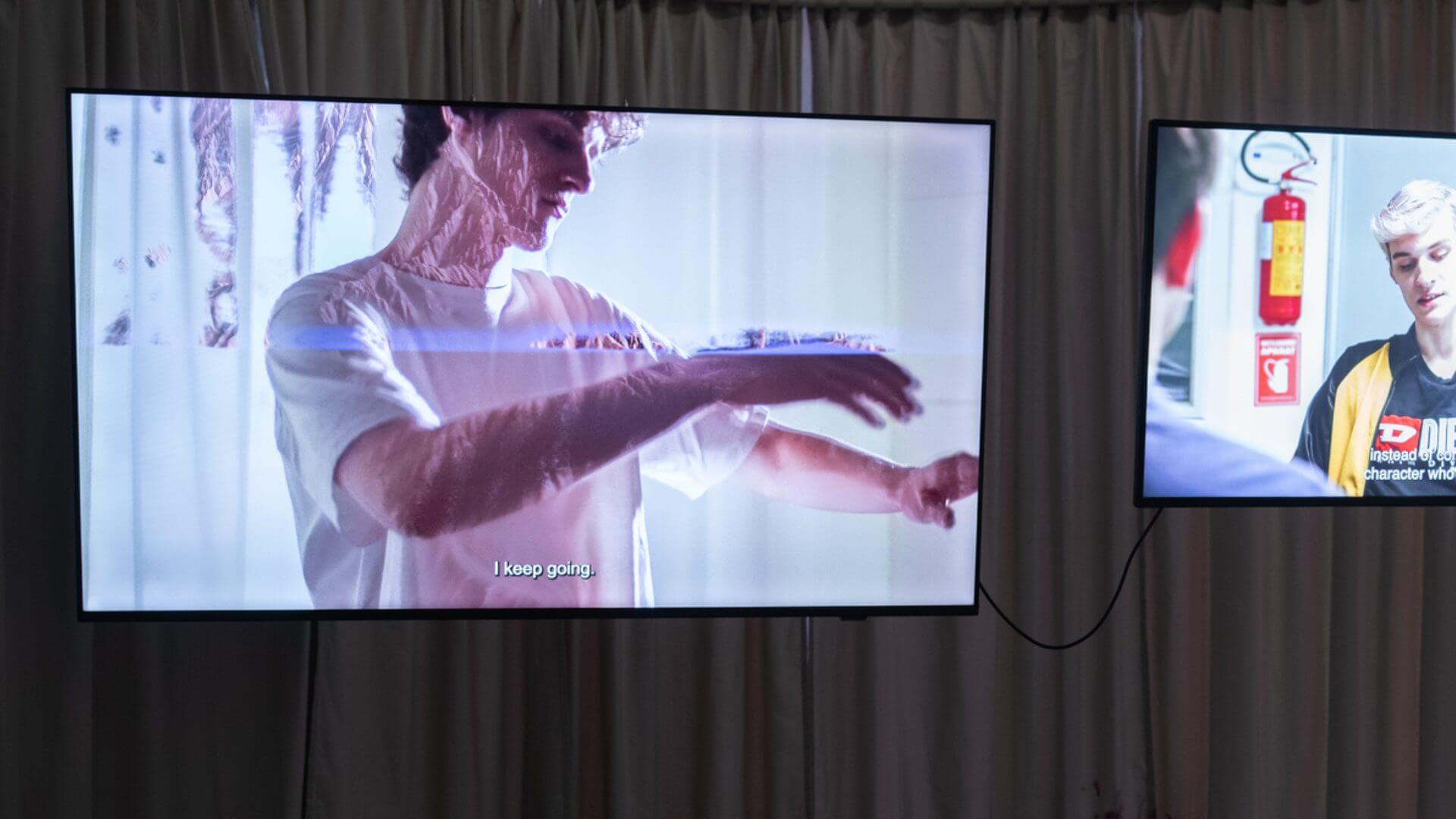
The works unfold according to a circular logic, without rigid hierarchies. The video L.Y.R.A.- The Oracle (2025) acts as an energetic node, radiating an almost prophetic tension that reverberates through the projection HANABA 突变花 (ADAPTASI CYCLE 2022). Here, the forest, echoing Aokigahara, is no longer a representation but a generative principle. Between these visual poles, the breathing sculpture introduces an ambiguous presence. We cannot tell whether we are observing it or being observed. In that uncertainty, a new space opens.
Technically, Mit Borrás constructs a layered language in which digital renderings, filters, 3D printing, and drone footage converge into a grammar that dissolves the boundary between the artificial and the organic. The images vibrate, as if they carried their own temperature. The digital sheds its rigidity and acquires an almost epidermal quality.
The collaboration with Rachel Lamot is evident in the overall coherence. Every element contributes to a fully immersive experience, without slipping into ornament. Technology does not illustrate transhumanist thought. It embodies it, gives it texture.
In the background, the theoretical influences of Donna Haraway, Bruno Latour, and Gilles Deleuze translate into a fluid, relational worldview, where identity and matter are never fixed but constantly reshaped.
When we leave, we do not carry a conclusion, but a lingering sensation. Like a breath that does not entirely belong to us. Perhaps it is the sculpture’s. Or the forest’s, continuing to grow elsewhere, unseen.
What remains is an uncertain image. A luminous surface, almost like skin, vibrating with a life not yet named.
And as we walk away, we find ourselves asking, without urgency, whether this fertile future has already begun, quietly, within our capacity to imagine it.
-FW