
Do you remember when many galleries looked at Instagram with suspicion? This was not a distant era. For years, before posts, reels, stories, and digital viewing rooms became almost compulsory tools for communication and sales, a significant part of the art system regarded social media as a secondary, unserious territory, unsuitable for the construction of artistic value. To enter that space seemed, for many, more like a concession to marketing than a natural extension of the exhibition space.
And yet, within a few years, that distrust turned into almost generalized adoption. Galleries gradually learned to use Instagram as a showcase, an archive, a relational channel, a positioning tool, and, in some cases, a genuine market space. What had once appeared alien, or even threatening, became part of the ordinary infrastructure of contemporary art.
Before that, something similar had already happened with websites. There too, the initial entry was slow, hesitant, and often clumsy. For a long time, few galleries had a structured, regularly updated website conceived as an integral part of their public identity. The web was perceived as an accessory informational support, not as an environment capable of transforming the ways in which art is seen, narrated, distributed, and desired.
These recent examples are not isolated episodes. On the contrary, they reveal a recurring dynamic: the art system often tends to arrive late in relation to the technological transformations that are already changing the way images are produced, circulated, and received. The central question of this essay begins precisely here: why does the art system, its markets, institutions, criticism, educational structures, and mechanisms of legitimation, seem to recognize, validate, and integrate artistic responses to major technological innovations with such systematic delay?
This is not merely a chronological delay. It is rather a recurring form of asynchrony between the speed of technical innovation and the slower rhythms of institutional, economic, and critical recognition. From the emergence of photography in 1839 to the spread of generative artificial intelligence in the 2020s, passing through cinema, television, the computer, and the internet, a persistent pattern can be observed: technology transforms the material conditions under which images are produced, circulated, and perceived long before the art system succeeds in developing mature frameworks for interpretation, validation, and collection.
This perception of delay is grounded in concrete historical reality. Technological innovations often penetrate social and productive systems at a speed that the validating apparatus of the art world struggles to absorb. The market, founded on uniqueness, scarcity, and authorship, encounters difficulty when faced with reproducible, process-based, or distributed works. Museums, biennials, and collections operate through slow cycles of consensus. Criticism and education, in turn, tend to read the new through already established categories.
The Phenomenon of Delay: Definitions, Historical Evidence, and Common Perceptions
When discussing the “delay” of art “System” in relation to technology, the issue is not simply that artists are slow to adopt new tools. The phenomenon is more specific: the art system itself, in its institutional, critical, educational, and market dimensions, often requires considerable time to recognize, absorb, and fully integrate the implications of technological innovation. The challenge is not merely one of adopting a new machine or software platform. It involves redefining what counts as art, what constitutes a work, who qualifies as an author, and how artistic production should be evaluated, preserved, and collected. This process of redefinition is almost always slower than the pace at which technology transforms the material conditions of image production, circulation, and reception.
Photography offers one of the earliest and clearest examples of this asynchrony. When Louis Daguerre publicly unveiled his process in 1839, the ability to capture an image without manual drawing had already become a practical technical reality. In the decades that followed, photography rapidly spread through portraiture, reportage, scientific documentation, and even warfare. Yet throughout much of the 1840s, 1850s, and 1860s, academic painting and the official art system continued largely as if nothing fundamental had changed. Painters remained committed to competing in the domains of optical realism and historical narrative, areas that photography was already occupying more efficiently and at a lower cost. Only in the 1860s and 1870s, first with Manet and later with the Impressionists, did a distinctly modern pictorial response emerge, one that no longer sought to compete with the camera on its own terms, but instead accepted the loss of painting’s documentary function and relocated the meaning of artistic practice elsewhere. Nearly forty years separate Daguerre’s announcement from the emergence of a form of painting that fully confronted the implications of photography. This was not primarily a delay in technical adoption by individual artists; it was a delay in conceptual processing and institutional recognition by the broader art system.
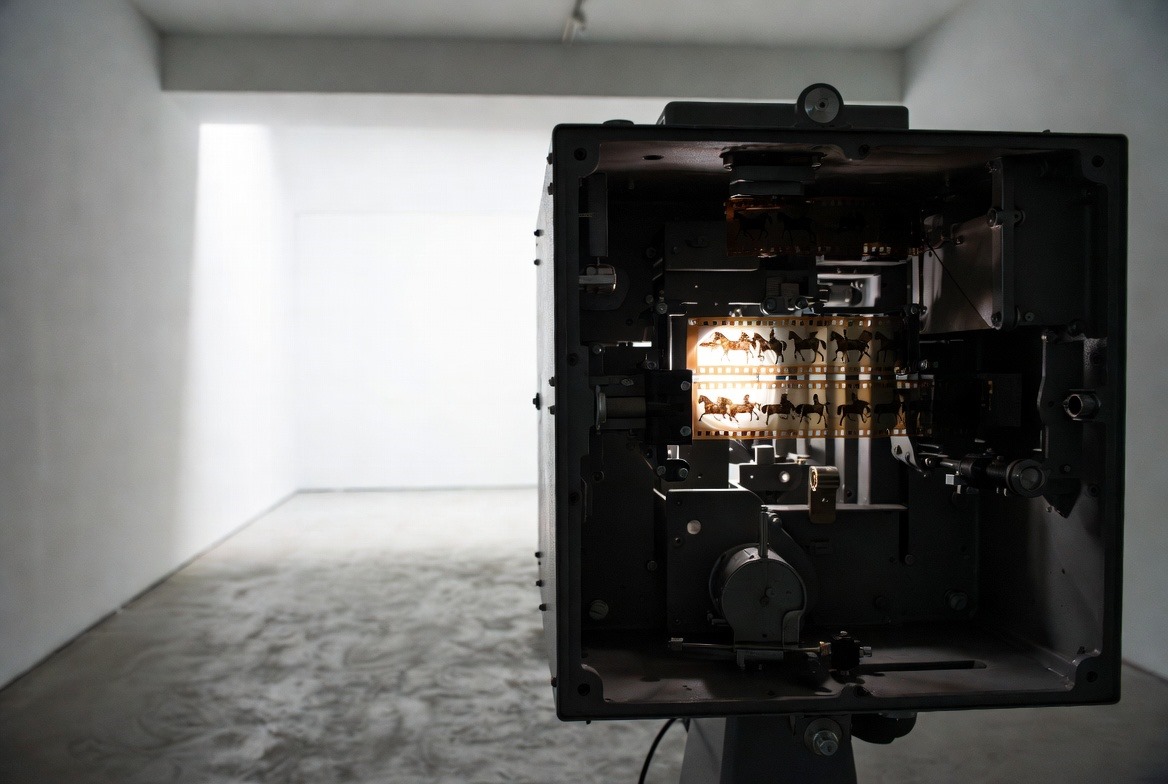
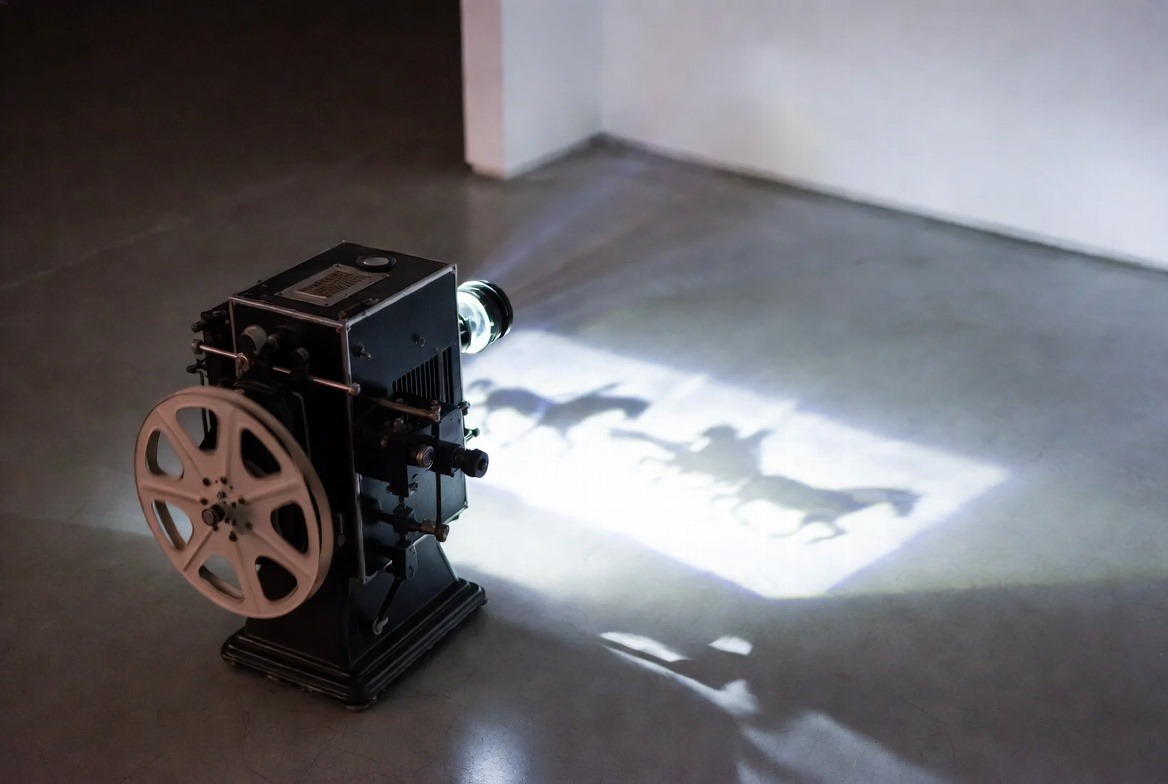
A similar pattern can be observed in the history of cinema. The first public screenings by the Lumière brothers took place in 1895. Within a few years, cinema had become a mass entertainment industry, a powerful medium of popular culture, and an effective instrument of propaganda. Yet for more than two decades, most established institutions, mainstream critics, and the official art world continued to regard it as a marginal or purely commercial phenomenon. While some artists and avant-garde movements began experimenting with the medium earlier, it was only during the 1910s and 1920s, with Vertov in the Soviet Union, the Dadaist and Surrealist experiments in Europe, and the theoretical reflections of Epstein and Canudo in France, that cinema came to be understood as an autonomous aesthetic problem. Before then, cinema already existed as a mature technology, but the critical and institutional apparatus had taken decades to develop a language and a theory capable of treating it as something more than an extension of theater or animated photography. Once again, the delay concerned not the occasional artistic use of the medium, but the moment at which the broader art system began to recognize cinema as an autonomous aesthetic and theoretical problem.
With the arrival of digital and networked technologies, the phenomenon reappeared in a compressed form while maintaining the same underlying structure. When Tim Berners-Lee made the World Wide Web publicly available in 1991, some artists immediately began exploring the internet as a medium in its own right. Projects by figures such as Olia Lialina and the collective JODI emerged as early as the mid-1990s. Yet for at least a decade, museums, biennials, and the art market largely treated these practices as marginal curiosities or as forms of “electronic art” confined to separate categories. Only in the mid-2000s did more systematic recognition begin to emerge through exhibitions, acquisitions, and academic programs. The medium already existed, the artworks already existed, but the institutions responsible for determining what enters the canon of art history required time to adjust their evaluative frameworks.
The same pattern is now unfolding, albeit in an accelerated form, with generative artificial intelligence. Tools such as DALL·E, Midjourney, and Stable Diffusion became widely accessible between 2021 and 2022. Within months, thousands of artists had begun using, debating, and contesting them. Yet by the mid-2020s, discussions within major artistic institutions, museums, academies, art fairs, and specialized journals were still largely focused on foundational questions: authorship, attribution, the value of AI-generated works, and the relationship between prompts and outputs. Many major exhibitions and public collections only recently began engaging seriously with these practices, while the market has proceeded even more cautiously, oscillating between limited experimentation and explicit resistance. The technology is already widespread and technically mature; the art system is still in the process of defining the categories through which it can be understood and integrated.
What emerges from these cases, despite the vast differences in historical context and technological form, is a recurring constant: the delay does not primarily concern the speed with which individual artists adopt new tools. Rather, it concerns the time required for the field as a whole, including criticism, art history, museums, markets, and educational institutions, to revise its conceptual frameworks and evaluative criteria. Until this work of redefinition takes place, artworks produced through new media risk remaining at the margins, treated as anomalies or as phenomena somehow external to “proper” art. This is the core of the phenomenon that this chapter has sought to describe through several pivotal moments in recent history. The following chapters will examine the mechanisms that produce and sustain it.
The Conservative Biases of the Art System: Markets, Galleries, and Collecting
The art market is not merely a distribution channel. It is the arena in which economic and symbolic value is assigned, and that value is built upon a set of highly specific principles: the uniqueness of the object, the authorship of the creator, scarcity, ownership, and the possibility of inheritance and transfer. These principles function effectively when the artwork takes the form of a painting, sculpture, or physical installation. They function far less effectively when the work emerges from replicable processes, collaborative systems, software-based production, or networked distribution. It is here that one of the strongest drivers of delay within the art system originates.
Private and institutional collecting, by its very nature, seeks certainty. Collectors want to know who created the work, how many copies exist, how it can be preserved, and how it might be resold in the future. When a new technology makes perfect reproduction easy, or shifts value away from the final object and toward a process, a system, or a prompt, these guarantees become less secure. Photography encountered precisely this form of resistance for decades. Throughout much of the nineteenth and early twentieth centuries, galleries and collectors regarded photographs as commercial or documentary products rather than artworks worthy of acquisition and preservation alongside paintings. Only when the concept of the “authorial photograph” emerged — supported by limited editions, signatures, and provenance — did the market begin to embrace the medium. Even then, acceptance came significantly later than the technology’s widespread adoption and its early artistic uses.
The same mechanism reappears with more recent media. Video art of the 1960s and 1970s struggled to enter the gallery system because it required equipment, maintenance, and forms of presentation that did not easily fit the logic of the unique object that could be displayed on a wall or stored in a vault. Many collectors and dealers preferred to wait until video could be transformed into a more manageable commodity through limited editions, certificates of authenticity, and stable formats. As a result, video works remained largely outside the primary market for many years, finding support instead through festivals, experimental centers, and public institutions operating with relatively modest budgets.
With internet-based art and digital practices of the 1990s and early 2000s, the conflict became even more visible. A work that exists on a website, can be copied by anyone, changes according to browser conditions, or requires an internet connection to be experienced directly challenges the notion of stable ownership and value based on material rarity. Galleries that attempted to sell such works often faced practical questions from collectors: How can I display it? How can I resell it in ten years? Technical answers existed, but cultural and economic answers did not. For this reason, many early net art projects remained outside traditional commercial circuits for extended periods, supported primarily by residencies, festivals, and public institutions committed to experimentation rather than market validation.
Generative artificial intelligence is now reproducing the same pattern in accelerated form. An image produced by an algorithm can generate thousands of variations within seconds. Value no longer resides primarily in manual execution or the physical uniqueness of an object, but in the selection of prompts, the training of models, and the curatorial decisions that shape the final outcome. The market, however, remains largely structured around the principles of individual authorship and scarcity. When collectors or galleries encounter AI-generated works, familiar questions immediately re-emerge: Who is the author? How many versions exist? How can provenance be established? How should the original file be preserved? Until these questions receive accepted and standardized answers, the market tends to proceed cautiously. A number of high-profile auction experiments have taken place, but they remain exceptions, often framed as publicity events rather than evidence of a genuine paradigm shift. Most galleries continue to favor works that fit more comfortably within existing categories.
This does not mean that the market is inherently hostile to innovation. Rather, it requires time to adapt its mechanisms of valuation, authentication, and trust. In the meantime, practices that do not easily conform to prevailing standards tend to remain at the margins or rely on alternative support structures such as artist residencies, independent platforms, specialized collectors, and public funding programs. These parallel circuits allow works to exist and circulate, but they do not fully integrate them into the primary system of economic and symbolic recognition. The result is a structural delay: the technology exists, the artworks are being produced, yet the market — one of the principal mechanisms through which the art system assigns economic and symbolic value — often takes years or even decades to fully absorb them.
The strength of this mechanism lies precisely in its internal consistency. The market does not need to be actively opposed to innovation in order to produce delay. It only needs to continue operating according to its established rules. As long as uniqueness, authorship, and scarcity remain the dominant criteria of economic evaluation, any technology that challenges those criteria will inevitably generate friction and prolonged periods of assimilation. This is the core of the argument that attributes a central role to the market in producing delay within the art system. In the following chapters, we will examine how this mechanism interacts with other components of the art system, including institutions, criticism, and education, and under what circumstances it can be bypassed, transformed, or overcome.
Structural and Institutional Distortions: How Academies, Criticism, Recognition Mechanisms, and Artistic Bureaucracy Can Hinder Technological Avant-Gardes
The market is not the only component of the art system that generates delay. Alongside it operates a vast institutional and educational apparatus, made up of academies, universities, art criticism, museums, biennials, funding bodies, and selection committees, that determines which practices are taught, exhibited, funded, and ultimately recognized as legitimate art. This apparatus functions according to its own temporal rhythms, which are frequently slower than those of technological development and, in many cases, more resistant to change.
Art education plays a particularly powerful role in reproducing existing hierarchies of value. Academies and university programs do not only transmit technical skills; they also transmit an implicit canon of what deserves serious attention and preservation. For decades, photography was systematically excluded from the core curricula of major art institutions and relegated to applied or technical schools. Only in the 1970s and 1980s did it gradually gain recognition as an autonomous artistic discipline — and even then, it was often placed in the separate category of “new media.” Video art followed a similar path: for years it was taught in peripheral workshops or experimental labs rather than integrated into the central curriculum. When new technologies emerge, students interested in working with them are frequently forced to look outside official educational structures, through residencies, workshops, or self-organized initiatives. This creates an initial layer of delay: the generation of artists best positioned to explore a new medium must first circumvent the inertia of the educational system itself.
Art criticism and art history operate under comparable constraints. For a practice to enter serious critical discourse, it must become legible within existing conceptual frameworks. When these frameworks do not yet exist, the work tends to remain marginal or to be described through inadequate borrowed categories. Photography, for instance, was long discussed as a mechanical form of drawing or as a purely documentary tool until a dedicated theoretical tradition, from Walter Benjamin to John Szarkowski and Rosalind Krauss, provided the language necessary to treat it with the same intellectual seriousness as painting. Video suffered a similar fate for years, often interpreted as filmed theater or as an extension of performance. Generative artificial intelligence is currently undergoing the same process: much critical writing is still struggling to determine whether AI should be understood as a tool, a medium, a collaborator, or a fundamental challenge to authorship. Until this conceptual work stabilizes within the critical field, artistic practices involving these technologies struggle to achieve full recognition.
Museums and major exhibitions reinforce the same dynamic through their validation procedures. Acquisitions and inclusions in significant shows require time, consensus, and coordination among curators, acquisition committees, conservators, and legal advisors. These procedures are designed to guarantee coherence and accountability, yet they also tend to favor what is already familiar and manageable within existing protocols. A video work from the 1970s that depends on obsolete equipment, a net art project that lives on a web domain and may change or disappear, or an AI-generated work that raises complex questions of attribution and version control, all present practical and conceptual problems that traditional collection frameworks were not built to address. As a result, many such works enter public collections years after their creation, if they enter at all.
Funding systems and public support structures often reproduce similar patterns of caution. Grants, residencies, and awards tend to favor projects that can be presented through established formats and vocabularies. Proposals involving emerging technologies must frequently demonstrate that a critical discourse or institutional track record already exists around them, otherwise they risk being dismissed as excessively speculative. This creates a self-reinforcing cycle: recognition is needed to obtain resources, yet resources are often necessary to gain recognition. Consequently, some of the most experimental practices develop outside or at the margins of official funding circuits, precisely because they cannot easily pass through institutional filters.
These forms of resistance are rarely the result of deliberate opposition to innovation. They arise from a system that requires stable procedures, categories, and protocols in order to function. When a new technology challenges those established structures, the system does not stop; it continues operating according to its existing logic, while practices that do not yet fit comfortably within it remain at the periphery or develop in alternative environments. This is the mechanism through which educational institutions, criticism, museums, and funding bodies contribute, often unintentionally but systematically, to the delayed recognition of technological avant-gardes within the art system.
When Art Anticipates or Synchronizes with Technology
There are, however, historical periods and specific conditions in which artistic practices have recognized the potential of emerging technologies before they became dominant, or have actively participated in shaping their cultural meaning. These cases do not invalidate the pattern of delay analyzed in the previous chapters. Rather, they demonstrate that asynchrony between artistic experimentation and institutional recognition is not inevitable. It depends on concrete conditions: the accessibility of tools, the existence of networks connecting artists with technologists and engineers, and the capacity of artists or movements to develop a coherent aesthetic and political discourse around a new medium while it is still fluid.
One of the clearest examples of artistic anticipation can be found in Italian Futurism. When Filippo Tommaso Marinetti published the Manifesto of Futurism in 1909, mass industrialization in Italy was still in its early stages. Automobiles, airplanes, and large factories were not yet part of everyday experience for most people. Yet Futurism placed the machine, speed, noise, and mechanical force at the center of its aesthetic and political program. The Futurists did not simply represent technology; they celebrated it as a vital force capable of destroying the culture of the past. They did not wait for industrial modernity to be fully established or institutionally legitimized. Instead, they positioned it as the necessary condition for a new form of art, influencing how mechanical modernity was perceived across Europe in the years before the First World War.
A different but equally significant example appears in the Soviet avant-gardes of the 1920s. Artists such as El Lissitzky, Aleksandr Rodchenko, and Varvara Stepanova did not merely use photography and cinema as expressive tools. They integrated them into projects of industrial design, propaganda, and mass education. Constructivism and Productivism refused to separate art from technology; they treated both as components of a larger process of social transformation. Many of these artists worked directly with emerging state industries and research laboratories, actively contributing to the visual identity of Soviet modernity. In this context, artistic practice did not arrive late — it participated from the beginning in the construction of a new technological and visual landscape.
During the 1960s and 1970s, another form of synchronization occurred through the direct adoption of technologies that were still largely experimental. Artists such as Nicolas Schöffer, with his cybernetic sculptures, and Roy Ascott, with his interactive and telematic projects, worked with computers and feedback systems at a time when these machines were expensive, cumbersome, and confined mostly to scientific or military contexts. Similarly, Nam June Paik acquired one of the first Sony Portapak portable video recorders in 1965, only a year after its commercial release, and immediately transformed it into a tool for artistic experimentation and cultural critique. These artists did not wait for video or computing technologies to be accepted by galleries, museums, or the market. They engaged with them while they were still peripheral, helping to define their aesthetic possibilities before the institutional system had codified them.
A more recent example can be found in internet-based artistic practices of the 1990s. As the web was spreading primarily as a commercial and communication infrastructure, artists such as Olia Lialina, Alexei Shulgin, JODI, and the collective irational.org began treating it as a medium in its own right. Their works explored hypertext, error, interface design, and the distributed nature of networks at a time when most users still saw the internet mainly as a tool for email and static websites. These practices were not a later artistic application of an already established technology. They were attempts to investigate and question the medium while it was still unstable and open to definition. Many of these works have since been preserved and studied precisely because they captured, in real time, qualities of a medium that had not yet been standardized by institutions or the market.
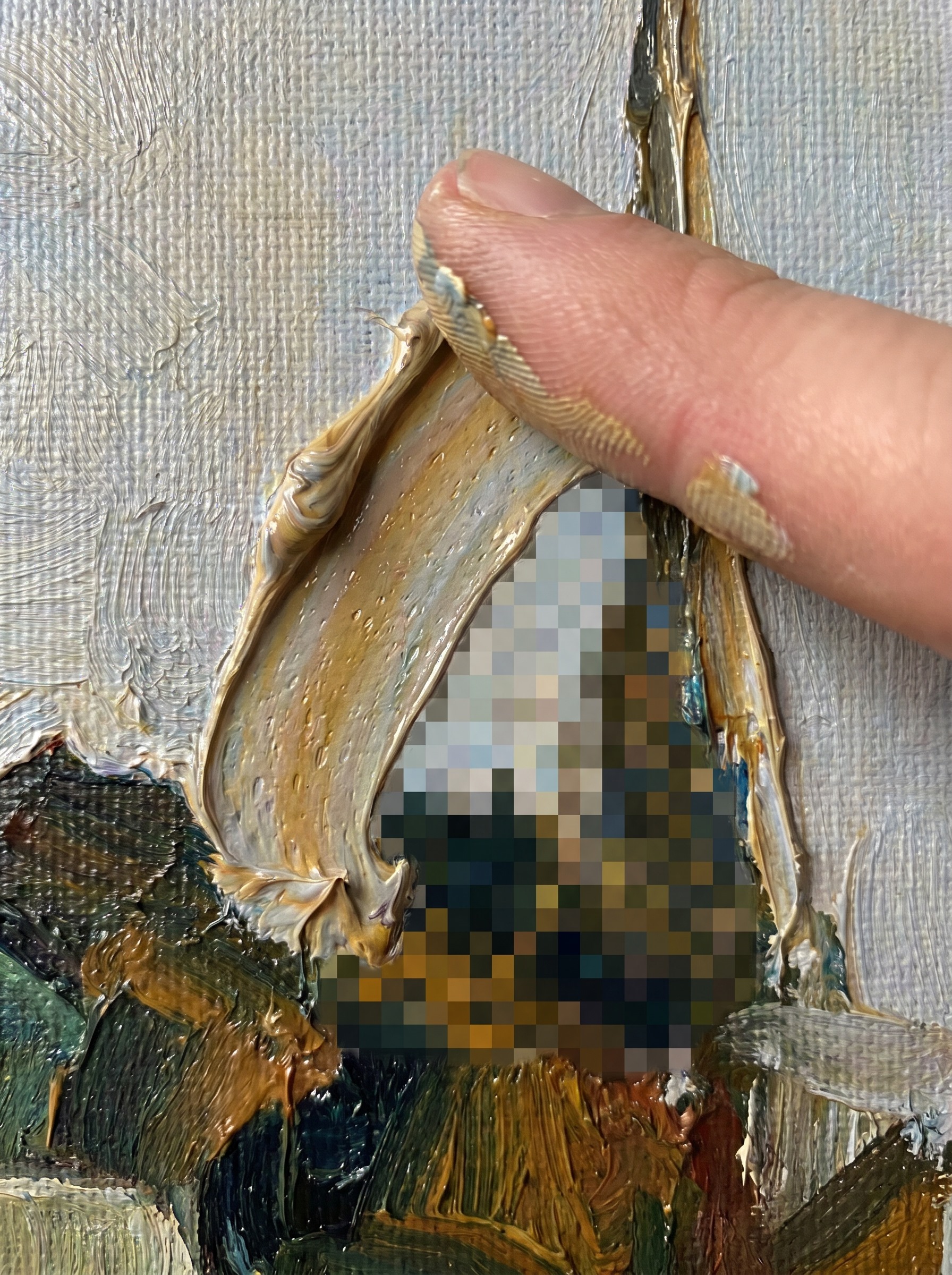
Even in the field of generative artificial intelligence, early forms of synchronization are already visible. Some artists began experimenting with machine learning models in the late 2010s and early 2020s, when these tools were still unstable and relatively inaccessible. Projects by artists such as Refik Anadol, along with various collectives training models on specific artistic archives or using AI to generate immersive environments, helped shift the discussion beyond purely illustrative uses toward more conceptual and critical approaches. In these cases, artistic practice did not wait for AI to become a mass phenomenon or for institutions to establish clear frameworks. It engaged with the technology while its cultural significance was still open to interpretation.
What unites these examples is the presence of conditions that enable synchronization rather than delay. Often, the artists involved had relatively direct access to technical tools — either because they worked within scientific or industrial environments or because they belonged to informal networks where knowledge circulated between artists, engineers, and researchers. In other cases, the strength of a movement lay in its ability to articulate an aesthetic and political discourse around a technology before it became standardized. In still other instances, the medium itself remained unstable and uncodified, creating space for experimentation that tends to close once conventions and institutional protocols are established.
These counterexamples show that the relationship between artistic practice and technological innovation is not always characterized by delay. Under the right conditions, direct access to tools, transversal networks, and the rapid development of discourse, artistic practices can anticipate, co-define, or even influence how a technology is perceived and used. The existence of such cases demonstrates that structural delay within the art system is not absolute. It can be reduced or bypassed when artistic experimentation operates with greater independence from the slower mechanisms of institutional validation, market recognition, and canonical integration. Understanding these conditions is essential not only for a more balanced historical account, but also for imagining how future forms of asynchrony might be actively diminished.
Is the Delay Structural and Inevitable, or Contingent and Surmountable? Toward a New Relationship Between Art and Technological Innovation
We can begin with a clear observation: the delay exists and can be documented across multiple pivotal moments in recent history. At the same time, it is neither a natural law nor an inevitable destiny of artistic practice. It is the product of specific conditions that can either reinforce or reduce it, depending on the historical and institutional context.
The mechanisms examined in the previous chapters, market logics based on uniqueness and scarcity, academic and curatorial systems of validation, and the slow rhythms of criticism and art history, are real and exert a tangible influence. They function as filters that determine what can be recognized, sold, taught, preserved, and ultimately legitimized within the art system. Whenever a new technology challenges these filters, the system tends to postpone recognition. The result is a measurable delay, sometimes lasting decades. Yet these same mechanisms are not so rigid that synchronization becomes impossible. The examples discussed in the previous chapter demonstrate that when artists have relatively direct access to new tools, when networks of exchange exist between artistic and technical communities, and when a coherent discourse develops quickly around a new medium, the delay can be significantly reduced or even reversed.
The decisive factor is not the technology itself, but the conditions surrounding it. An accessible and still-fluid technology, such as portable video in the 1960s or the web in the early 1990s, creates greater opportunities for experimentation before protocols, standards, and institutional hierarchies become entrenched. Likewise, a movement or collective capable of articulating an aesthetic and political language around a technological development can influence how that technology is perceived before institutional systems have fully codified it. Conversely, when a technology arrives already embedded within powerful economic structures, as is often the case with contemporary digital platforms, the art system finds it more difficult to intervene meaningfully and tends to react only after the rules have already been established elsewhere.
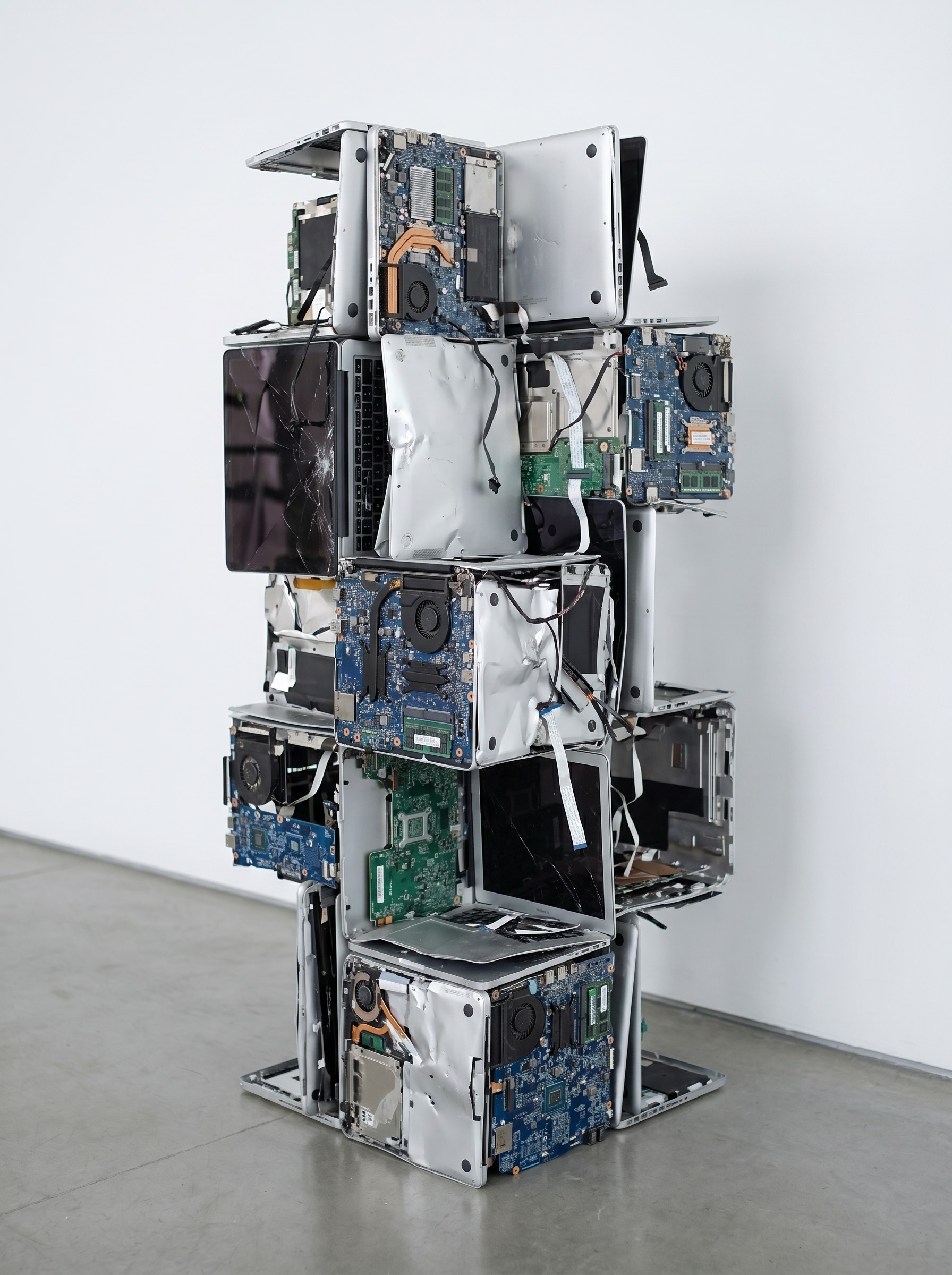
Looking at the present and the near future, the question of delay acquires a different weight. Generative artificial intelligence, extended reality, and biotechnology are not isolated innovations. They are simultaneously reshaping image production, authorship, intellectual property, and modes of reception. The long periods of adaptation that once unfolded over decades may become increasingly unsustainable if the art system continues to operate with the same degree of institutional inertia. At the same time, the current speed of technological transformation is creating new opportunities. Technical tools are more accessible than at any previous moment, communities of practice can form rapidly through distributed networks, and public debates around artificial intelligence have already involved artists, critics, and institutions on a scale far greater than what occurred during the early years of video art or net art.
This does not mean that delay is about to disappear. Market forces, institutional validation mechanisms, and educational structures continue to operate and will continue to generate friction. It does mean, however, that the conditions for greater synchronization already exist and can be actively cultivated. Some pathways are already emerging: the growing presence of artists within research laboratories and technology companies, the development of educational programs that combine technical expertise with critical reflection, and the rise of alternative platforms and economic models that do not depend exclusively on the logic of the unique object. Other pathways require deeper structural changes: revised evaluation criteria within institutions, greater flexibility in acquisition and conservation protocols, and forms of criticism capable of developing new conceptual frameworks before practices become fully stabilized.
The question of whether delay is structural or contingent does not admit a simple answer, because it depends on how the term “structural” is defined. If structural means that delay arises from recurring characteristics of the art system, including its dependence on uniqueness, authorship, and consensual forms of validation, then the answer is yes. Delay possesses a structural dimension. If, however, structural implies something inevitable and unchangeable, then the answer is no. The historical counterexamples examined throughout this essay demonstrate that the system can behave differently when conditions of access, exchange, and discourse are transformed. Delay is therefore contingent in its concrete manifestations, even if it remains rooted in recurring institutional dynamics.
From this perspective, the future relationship between artistic practice and technological innovation is not predetermined. It may continue to be characterized by a chronic pattern of pursuit, with artistic practice arriving only after the cultural meanings of new technologies have already been defined elsewhere. Alternatively, it may evolve into a more active relationship in which artistic practice intervenes while technologies are still being shaped, contributing to the formation of their uses, values, and narratives. The difference will not depend solely on the vision of individual artists or the foresight of institutions. It will depend on the ability to modify, even partially, the mechanisms that currently produce this recurring gap. This is the terrain upon which the possibility of a less asynchronous relationship between artistic thought and technological transformation will be negotiated in the years ahead.