
A studio door opens onto a calendar before it opens onto a work. The calendar carries application deadlines, advisory meetings, portfolio revisions, image requests, shipment windows, fair previews, grant cycles, residency interviews, and the quiet ranking of every hour according to its future readability. Practice enters distribution before it enters form, because the field has learned to treat time as evidence and evidence as permission. The credential becomes a climate system, circulating through inboxes, introductions, biographies, captions, PDFs, and polite deferrals until the artist begins to feel selection as weather.
The contemporary artwork arrives inside a protocol that precedes its material existence. Documentation anticipates encounter, provenance anticipates touch, funding language anticipates intention, and the feed anticipates the afterlife of the exhibition before installation begins. The studio becomes legible through templates of custody: who has seen the work, who has hosted it, who has written around it, who has purchased proximity to it, who can circulate its image as a sign of discernment. The device, the image, the institution, and the market bind themselves through the same operation, a conversion of visibility into authority.
Permission now operates as an interior technology. The artist internalizes ranking through minute calibrations of tone, scale, availability, urgency, and gratitude, while every platform and institution converts this interior adjustment into data, preference, reputation, and risk management. Training bias enters the field as taste with a memory, repeating the gestures that already passed through validation and calling this repetition maturity. The old promise of recognition yields a newer demand for operational compatibility.
The credential eats the studio by turning belonging into preproduction. A practice becomes durable when it can be archived before it can be encountered, captioned before it can resist, proposed before it can mutate, and priced before it can refuse the ledger. The field speaks of care, access, and ecology while its procedures sort bodies, images, and ambitions through inherited permissions. The price of belonging appears as a gentle expenditure, then returns as the grammar of the possible.

Permission as Inner Weather
Acceptance functions as atmosphere when schools, residencies, fairs, platforms, and curatorial speech converge into a single pressure system. The email of admission, the studio visit invitation, the waitlist, the fellowship shortlist, the booth placement, and the repost all participate in the same ranking logic, distributing confidence as a measurable resource. The artist breathes this pressure as motivation, and motivation becomes the intimate form of institutional command.
The art school trains permission through a choreography of exposure. Critique installs attention as a scarce asset, while the seminar distributes legitimacy through citations, temperaments, alliances, and the fluent performance of doubt. The portfolio becomes a predictive interface, arranging works, statements, and biographical markers into a latent space where faculty, visiting critics, and peers read compatibility as potential. Pedagogy produces a subject capable of experiencing assessment as self-knowledge.
Residencies extend this climate by turning solitude into audited hospitality. The room, stipend, studio, dinner, open call, public program, and final presentation assemble a protocol where care and display occupy the same infrastructure. The artist receives time under the condition of narrating time properly, translating process into digestible reports, social images, community gestures, and future institutional mobility. Permission arrives as shelter, and shelter records the behavior of the sheltered.
Fairs and platforms intensify the weather through compression. The booth and the feed share a vertical economy of attention, a ranking environment where speed performs seriousness and visibility simulates consensus. A work gains temperature through circulation, while its affective force becomes inseparable from the metadata of who stood near it, who posted it, who reserved it, who allowed it to travel under the sign of relevance. The image becomes atmospheric currency.
Curatorial speech completes the internalization of permission by offering language as a portable credential. A sentence can turn ambiguity into position, fragility into discourse, and repetition into method when delivered through the proper institutional accent. The artist learns to anticipate this speech and to place the work where such speech can attach cleanly, as if conceptual precision were a docking mechanism. Acceptance becomes inner weather when the body begins to forecast its own admissibility.
Procedures With Expiration Dates
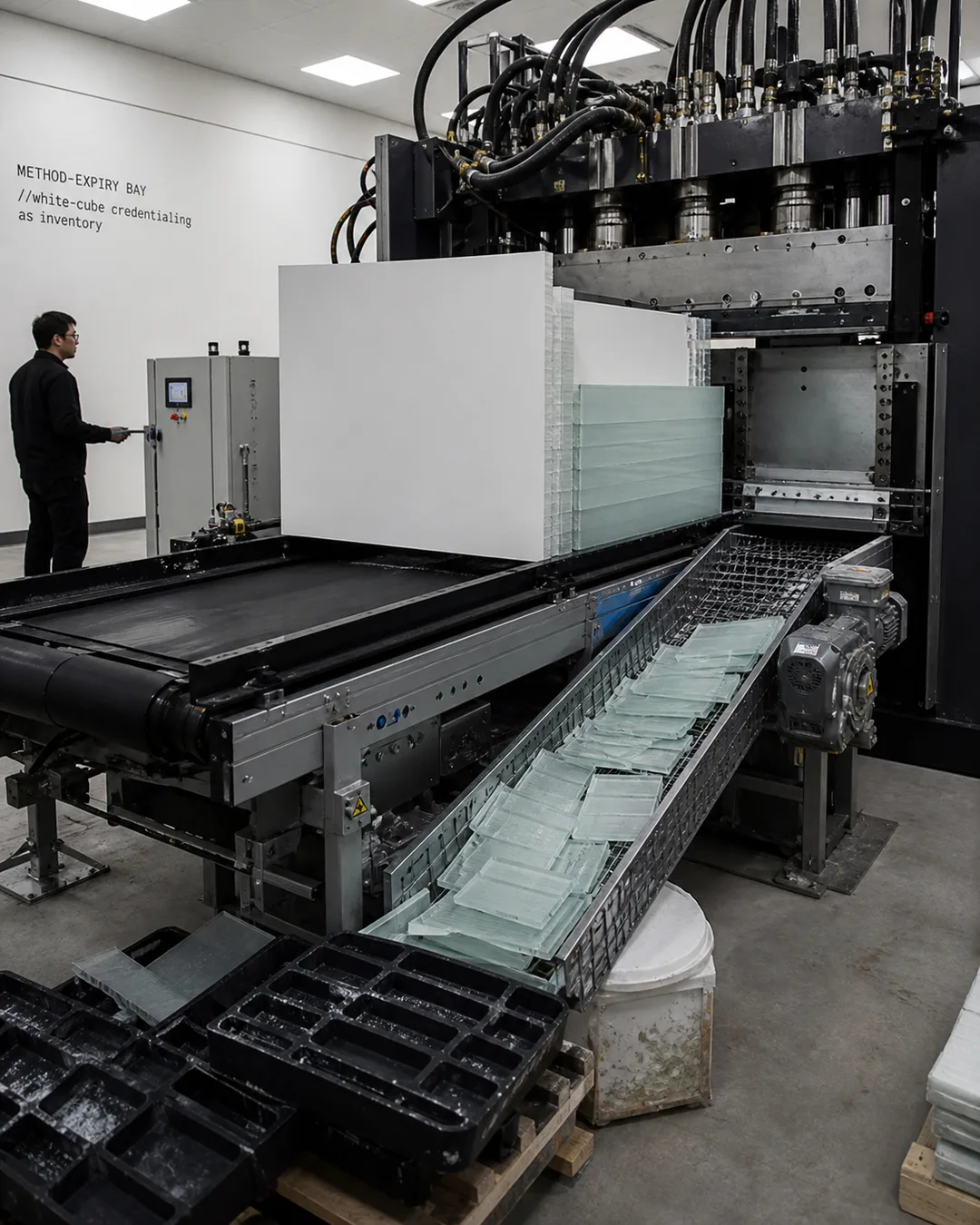
Every procedure carries a timestamp, even when it speaks in the idiom of rigor. The open studio, the artist statement, the white cube install, the relational gesture, the archival table, the deskilled object, the digital fragment, and the research display all arrive from specific historical pressures that once made them volatile. Repetition turns a method into governance when the field preserves the form after the conflict that charged it has moved elsewhere.
A procedure expires through successful circulation. The tactic that once interrupted spectatorship becomes a visual convention inside the feed, where interruption itself enters a ranking system of recognizable intelligence. Documentation absorbs difficulty by converting it into thumbnails, installation views, captions, and expandable project descriptions. The work learns to look like its own institutional afterimage, and the afterimage starts making the decisions.
The artist statement offers a precise case of methodological exhaustion. Its earliest function as a declaration of self-positioning now operates as a compliance document shaped by grant language, school rubrics, residency criteria, and platform optimization. The statement trains practice to answer anticipated questions, smoothing the friction between motive, material, theory, and social value into a portable syntax. Language becomes access technology, and access technology begins to sculpt the work.
The archive has undergone the same conversion. Once a counter-protocol for recovering suppressed histories, it now appears as a favored aesthetic of seriousness, with boxes, scans, captions, family photographs, bureaucratic traces, and partial documents producing an aura of custody. Provenance becomes a visual style, and research becomes a format that can secure trust before the work risks an encounter. The file promises depth while teaching depth to behave like evidence.
Post-studio procedures also carry an expiration date when flexibility becomes management. The networked practice, the collaborative platform, the distributed authorship model, and the dematerialized gesture can liberate production from inherited rooms while feeding a labor economy that praises availability, responsiveness, and perpetual presence. The protocol of openness begins to resemble a soft contract, granting movement while capturing the surplus of movement. Expired procedures remain powerful because the field calls their obedience history.

The Device of Belonging
The invitation is a device before it is a gesture. Its subject line, sender, timing, attachment, honorarium, travel clause, response deadline, and implied future access form a protocol that scripts conduct before any work appears. The artist reads the invitation through a matrix of opportunity and exposure, while the institution reads the artist through compliance, tone, speed, and gratitude. Belonging begins as formatted responsiveness.
The portfolio operates as a compression engine. It converts years of doubt, experimentation, failed material, borrowed tools, unpaid assistance, broken contracts, and private repair into a sequence that can survive rapid review. Ranking enters through design, caption hierarchy, exhibition history, image quality, and the subtle evidence of prior admission. The PDF performs an audition for the institutional gaze, and the gaze rewards the practice that has already learned its interface.
The studio visit extends this device into speech and posture. The visitor arrives carrying market rumor, curatorial appetite, peer comparison, advisory language, and the tacit metrics of momentum. Attention selects fragments and teaches the artist which parts of the practice carry exchange value inside the current distribution environment. The conversation appears intimate, while its architecture trains the studio to become searchable.
Feeds turn belonging into continuous audition. The post, story, repost, tag, carousel, archive, and algorithmic suggestion create a secondary exhibition apparatus in which practice acquires cadence, tone, and social proof. Attention becomes a protocol of self-maintenance, rewarding those who produce evidence of activity at the interval the platform can recognize. The feed presents proximity as community and converts community into ranked visibility.
Contracts make the device explicit. Clauses concerning production costs, image rights, exclusivity, shipping, insurance, resale, mediation, and termination reveal the field as a custody system for objects, images, and obligations. The artist often encounters this system after affective consent has already been secured through enthusiasm, friendship, invitation, or urgency. Law arrives late in sequence and early in consequence.
Belonging therefore functions through instruments that preformat desire. The invitation creates readiness, the portfolio creates legibility, the visit creates calibration, the feed creates rhythm, the PDF creates portability, and the contract creates capture. A work enters the field through these devices as much as through material decisions. The studio becomes a place where instruments rehearse the artist before the artwork can rehearse the world.
Pictures Join the Ledger
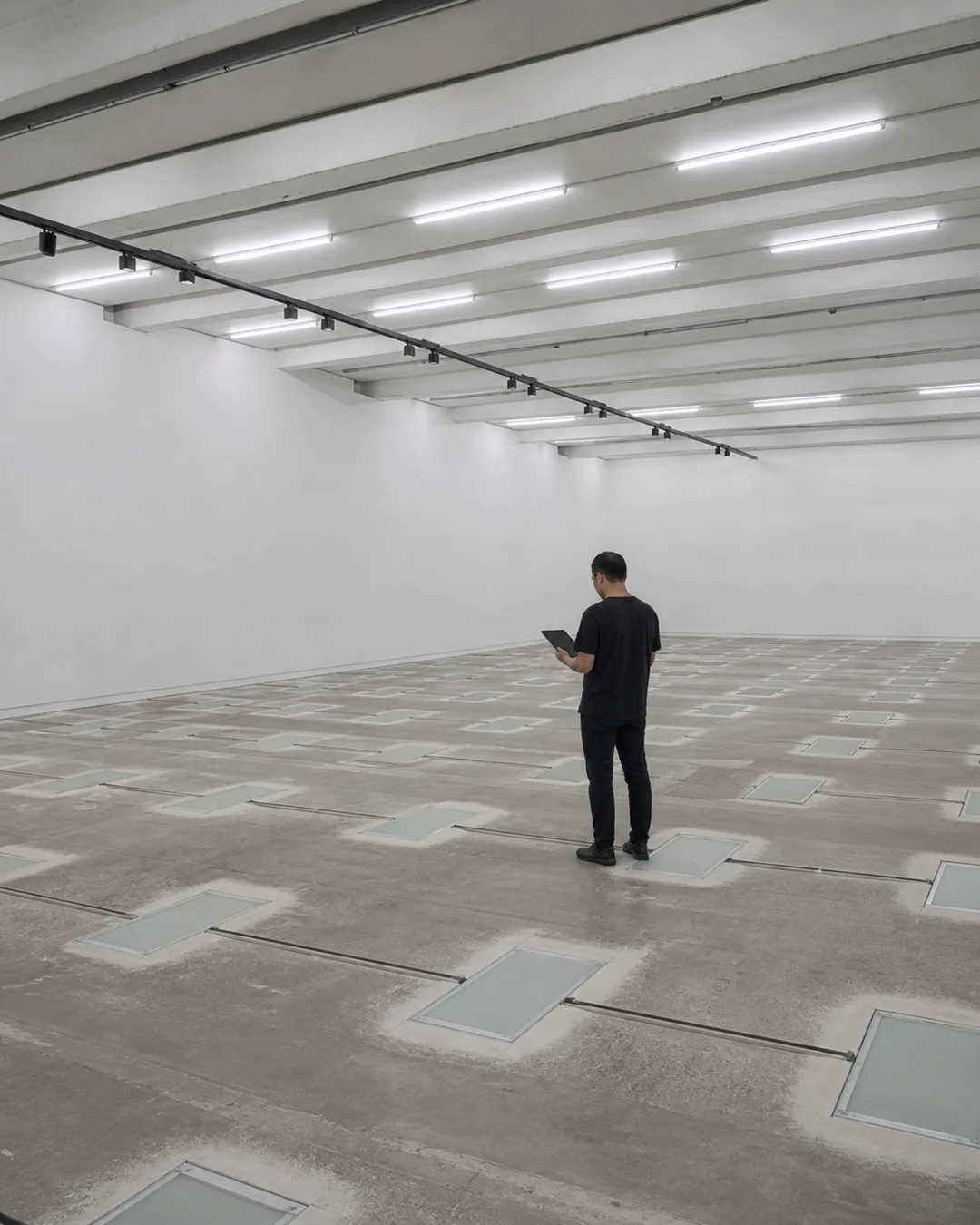
The installation image is an accounting surface. It records scale, spacing, light, institutional architecture, visitor absence, wall text proximity, and the silent prestige of the room, while offering the market a stabilized substitute for duration. Documentation turns encounter into an asset class of visibility, allowing the work to circulate through PDFs, websites, press releases, feeds, and sales decks as a disciplined unit of confidence. The picture joins the ledger by making presence transferable.
Visibility produces bookkeeping under the sign of celebration. A repost adds social proof, a press image adds institutional memory, a fair preview adds speculative heat, and a collector placement adds narrative liquidity. Distribution transforms affective labor into measurable balance: the unpaid studio visit, the late caption, the courier coordination, the installation assistance, the opening performance of availability. Prestige stores this labor as atmosphere and spends it as value.
The caption operates as a micro-contract. Name, title, date, medium, dimensions, credit line, courtesy, photographer, venue, and rights language assign custody across an image that appears effortless. Provenance enters the frame through typography, and typography tells the viewer which channels already authorized the work. The caption produces a chain of belief, converting the image into a governed object that can move while carrying its owners, witnesses, and guarantors.
Platform logic intensifies this accounting by detaching visibility from encounter while preserving the feeling of encounter. The artwork travels as cropped detail, studio glimpse, opening crowd, collector wall, shipping crate, and institutional tag, each fragment feeding the ranking system with signals of relevance. The image accrues value through adjacency and repetition, while the work becomes one node in a network of recognizable permission. Attention becomes an audit that praises itself as interest.
Documentation also reorganizes labor inside the studio. Works are built with future images in mind, surfaces chosen for screens, scales adjusted for rooms, installations staged for the photographer, performances timed for clips, research condensed for scrolling. The feed enters production as a technical collaborator, and its preferences shape material choices under the cover of communication. The picture enters the ledger before the work leaves the floor.
The ledger’s violence rests in its elegance. It converts generosity into credit, friendship into circulation, unpaid care into context, and uncertainty into a presentable asset. The artist gains visibility through the same operation that abstracts the conditions of its production. A picture can carry a work across the world while leaving the cost of movement inside the body that made it possible.
Curators, Dealers, Mutual Alibis
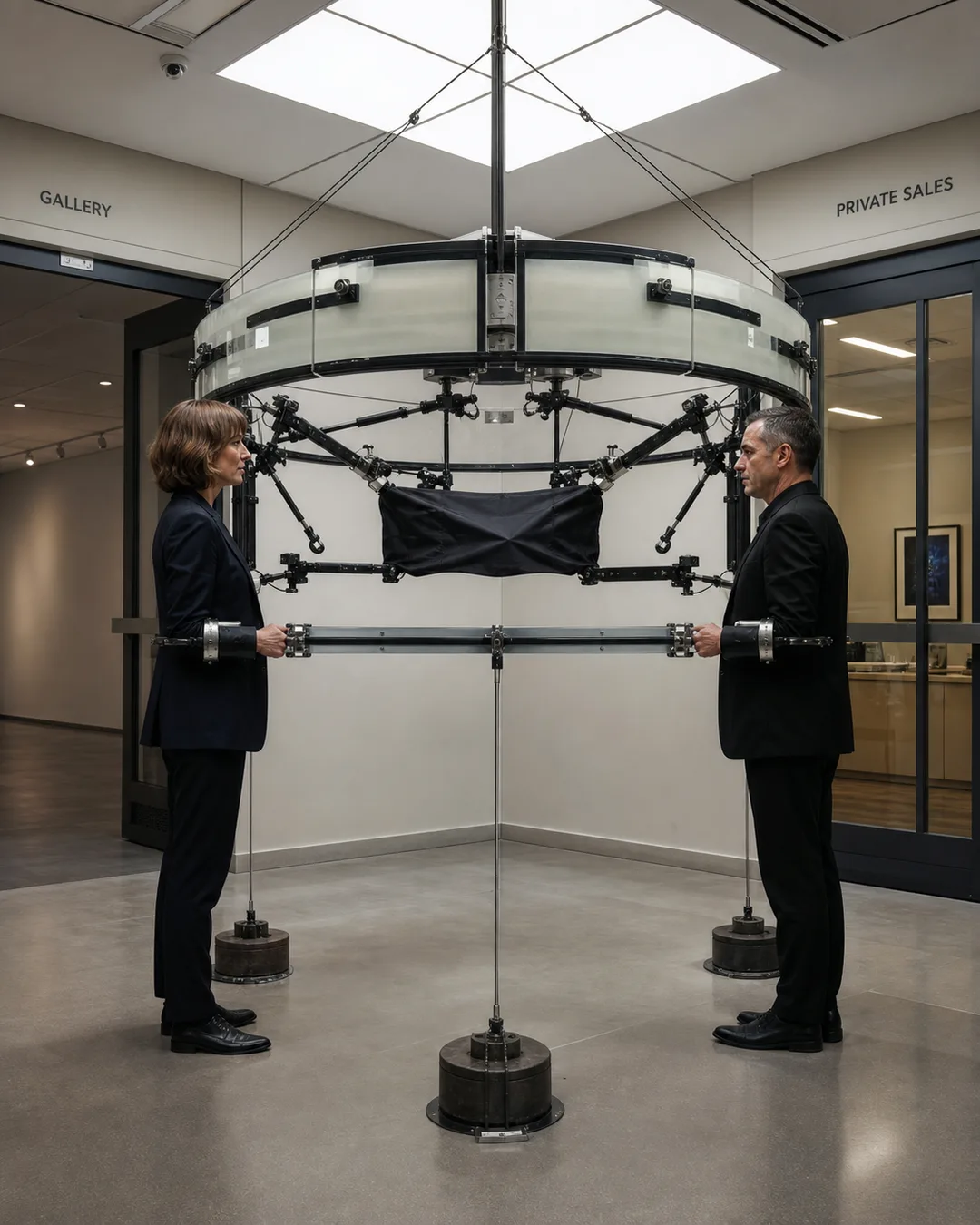
Legitimacy circulates through borrowed custody. The curator cites research, the dealer cites demand, the collector cites confidence, the institution cites access, the critic cites context, and each role receives confirmation from the others through a loop of distributed authority. This mutual alibi structure allows exploitation to appear as professional necessity because every pressure arrives with another actor’s mandate attached. Power becomes difficult to locate because its protocol is relational.
The curator often becomes the moral interface of the system. Selection is framed through care, situatedness, dialogue, and public value, while budgets, calendars, shipping limits, installation labor, and institutional branding establish the operational horizon. The artist supplies content, availability, and social density under the sign of collaboration, and the curator converts this density into programmatic legitimacy. Care becomes a format when it enters the institution’s reporting cycle.
The dealer performs another conversion. Risk language surrounds pricing, storage, introduction, fair participation, production advances, sales strategy, and collector education, positioning commercial extraction as stewardship. The gallery’s attention gives the artist market legibility while claiming a portion of the work’s future mobility through exclusivity, representation, and social control. The sale registers as support and also installs a ranking infrastructure around the practice.
The collector completes the triangle through proprietary attention. Acquisition becomes belief, placement becomes validation, and ownership becomes a form of speech that can influence curatorial appetite, institutional boards, advisory networks, and secondary circulation. The work enters a private custody system that continues to shape public meaning through loans, promised gifts, collection displays, and social proximity. Patronage translates capital into taste, and taste returns as public knowledge.
The critic and platform stabilize the alibi by turning circulation into discourse. Reviews, previews, interviews, lists, studio features, and editorial packages create a language field where momentum acquires the texture of necessity. Attention selects the already selected and calls this selection perception. Distribution becomes the archive of power’s preferences.
Mutual alibis endure because each role can claim mediation while benefiting from capture. The curator invokes artists, the dealer invokes sustainability, the collector invokes commitment, the institution invokes publics, the platform invokes access. Exploitation gains refinement when responsibility is distributed across polite dependencies. The field’s most elegant violence occurs when everyone can point toward everyone else and the artist remains the point of expenditure.
Replacement as Common Right
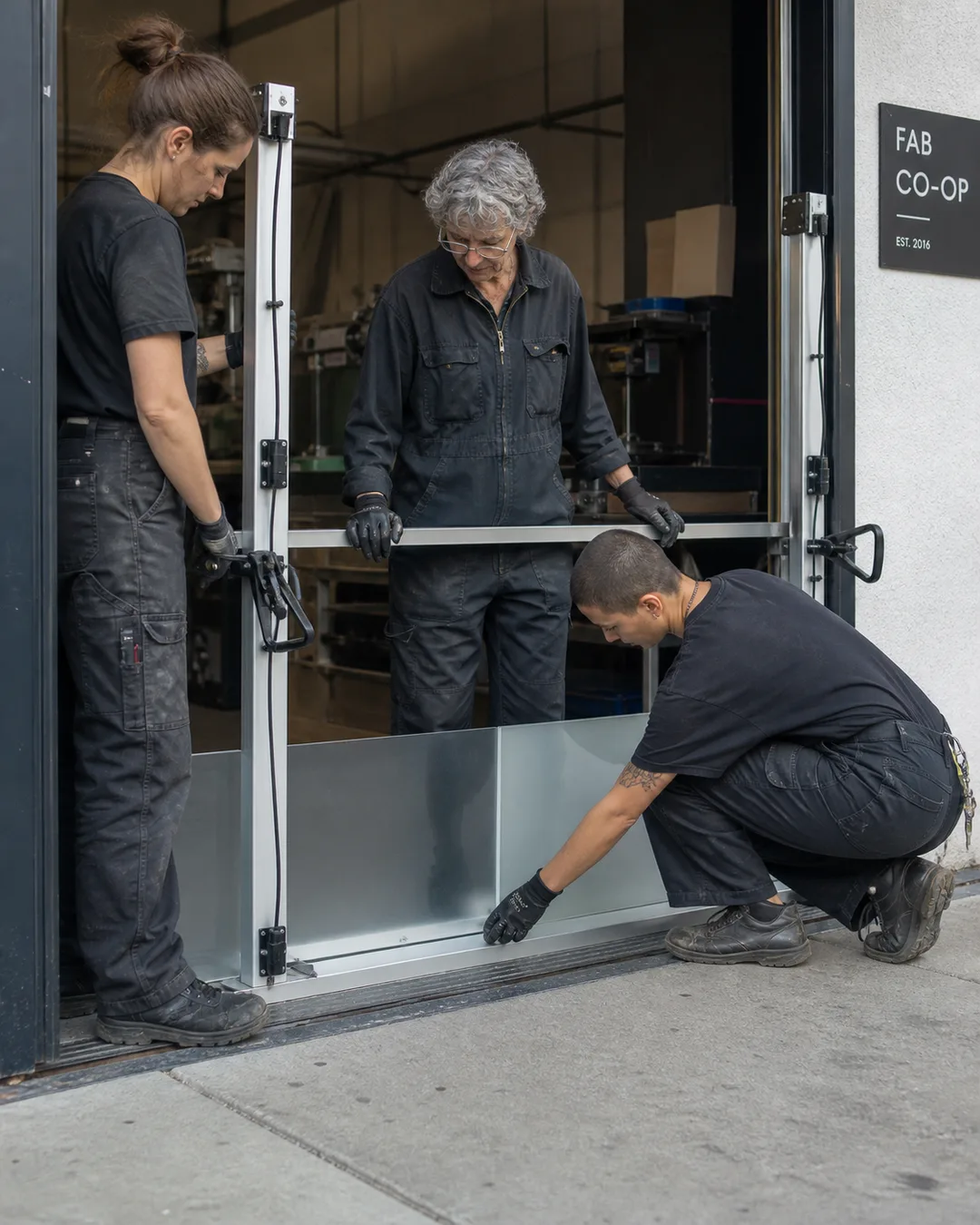
Refusal becomes structural when it enters protocol rather than temperament. An artist who declines unpaid labor, vague exposure, rights capture, impossible deadlines, abusive installs, advisory extraction, or social coercion alters the field only when that refusal gains shared grammar, shared templates, shared thresholds, and shared consequence. The singular refusal can be isolated; the common refusal becomes infrastructure. Replacement begins as the right to change the procedure.
Renegotiation requires collective literacy around contracts, fees, production budgets, image rights, resale terms, travel, insurance, authorship, archival custody, and withdrawal. These elements form the operating system of artistic life, although they are often treated as secondary to the work’s aura. When artists and intermediaries place these terms at the center, the work acquires conditions worthy of its claims. A practice deserves protocols that can survive its ideals.
Fees carry an ethical architecture. Payment acknowledges time, preparation, maintenance, communication, rehearsal, research, installation, repair, and the emotional labor of remaining available to institutions that profit from availability. Fee structures also disclose whether an exhibition treats artists as producers, ornaments, partners, or subsidizing bodies. Money speaks the field’s hidden theory of value with uncommon clarity.
Authorship requires expansion beyond signature. Assistants, fabricators, performers, translators, programmers, archivists, photographers, installers, community partners, researchers, and caretakers enter the work through labor that institutions often absorb into a single name for administrative ease. Provenance can record more than ownership; it can record dependency, contribution, maintenance, and obligation. The artwork gains force when its custody includes the people who made its appearance possible.
Care becomes structural when it governs scheduling, access, childcare, illness, disability, grief, immigration status, housing precarity, and technological vulnerability. The platform age has trained the field to confuse constant availability with participation, while the studio remains full of bodies with uneven capacities and unequal exposure to risk. A viable field designs protocols that allow withdrawal, delay, opacity, and repair to function as professional rights. Care enters politics when it becomes enforceable.
Replacement also concerns intermediaries. Curators, dealers, critics, institutions, and platforms can treat refusal, renegotiation, fees, authorship, and care as duties embedded in their own legitimacy. A curator can refuse unpaid invitations on behalf of artists, a dealer can publish transparent terms, an institution can pay before extraction begins, a platform can credit labor beyond the image, a critic can follow the economy of display rather than the glow of display. Mediation earns authority when it changes the conditions it mediates.
The credential loses sovereignty when belonging becomes revisable. Practices continue, permissions shift, procedures expire, devices can be rebuilt, ledgers can be opened, alibis can be broken by terms that bind everyone who benefits from the work’s appearance. Replacement names the common right to retire forms that have outlived their emancipatory charge. The studio survives where the credential begins to starve.