Fakewhale Newsletter
By pressing the "Subscribe" button, you confirm that you have read and are agreeing to our Privacy Policy and Terms of Use

I’m Not an Alien? at A Space Gallery, New York

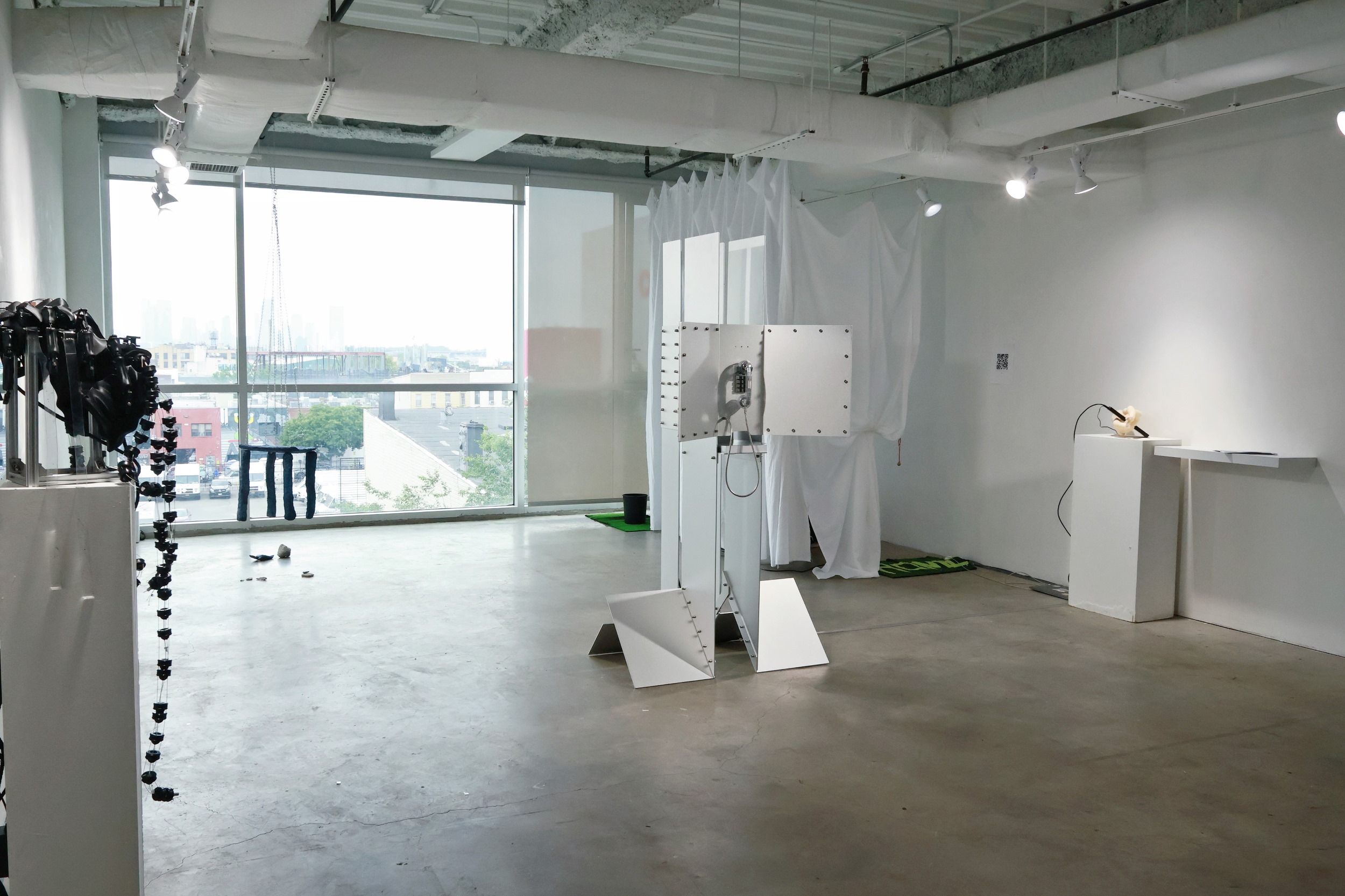
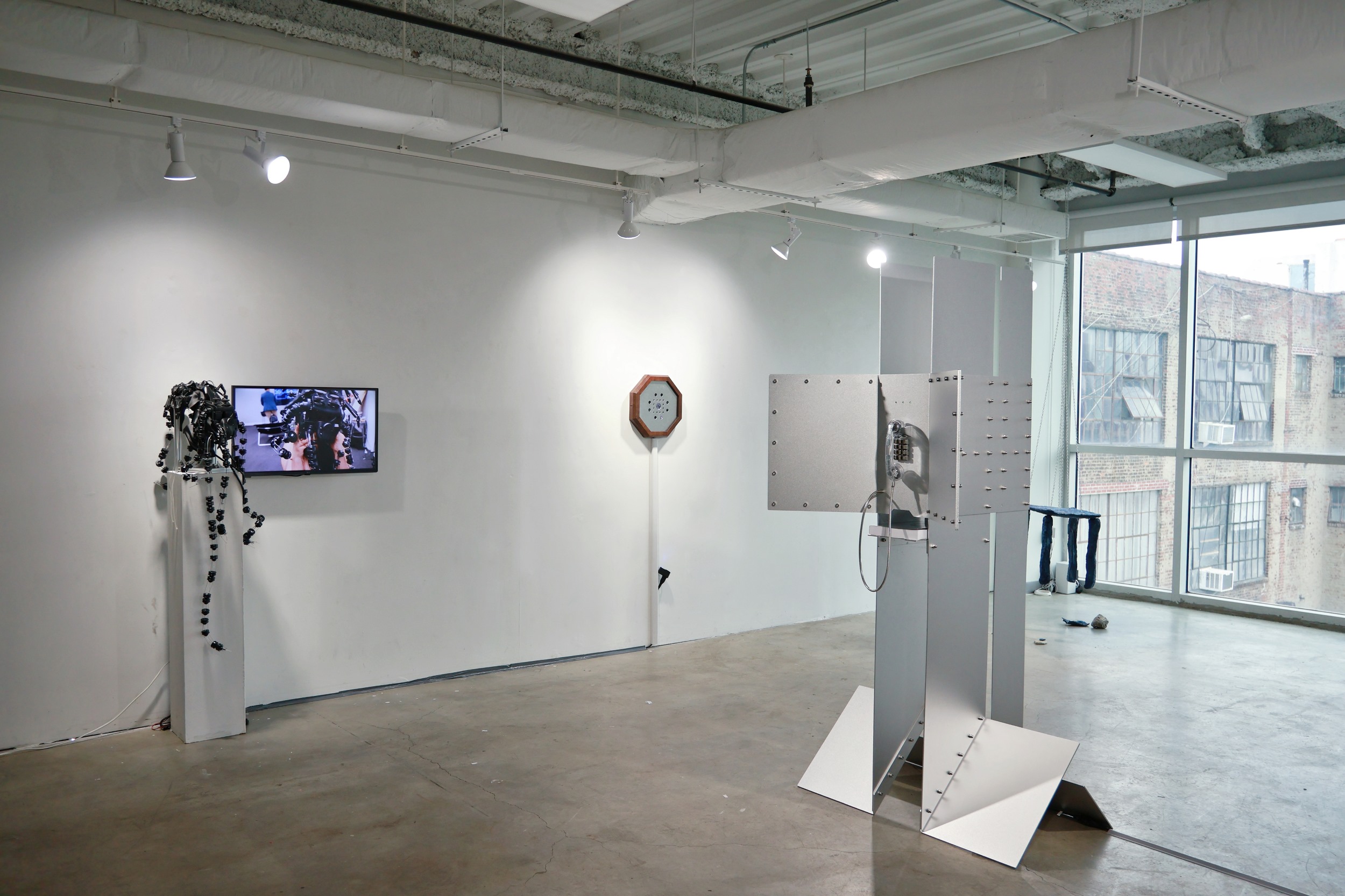
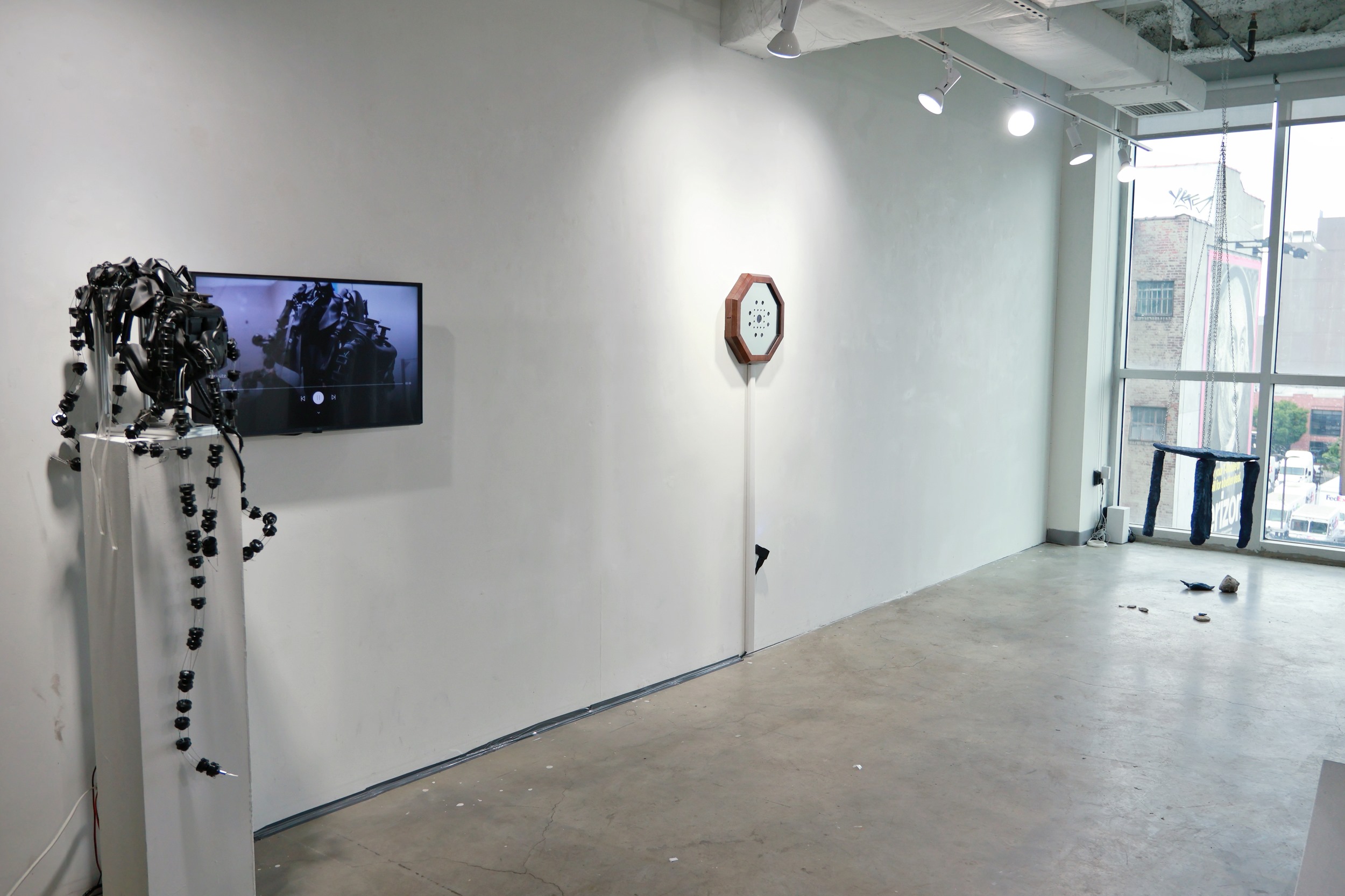
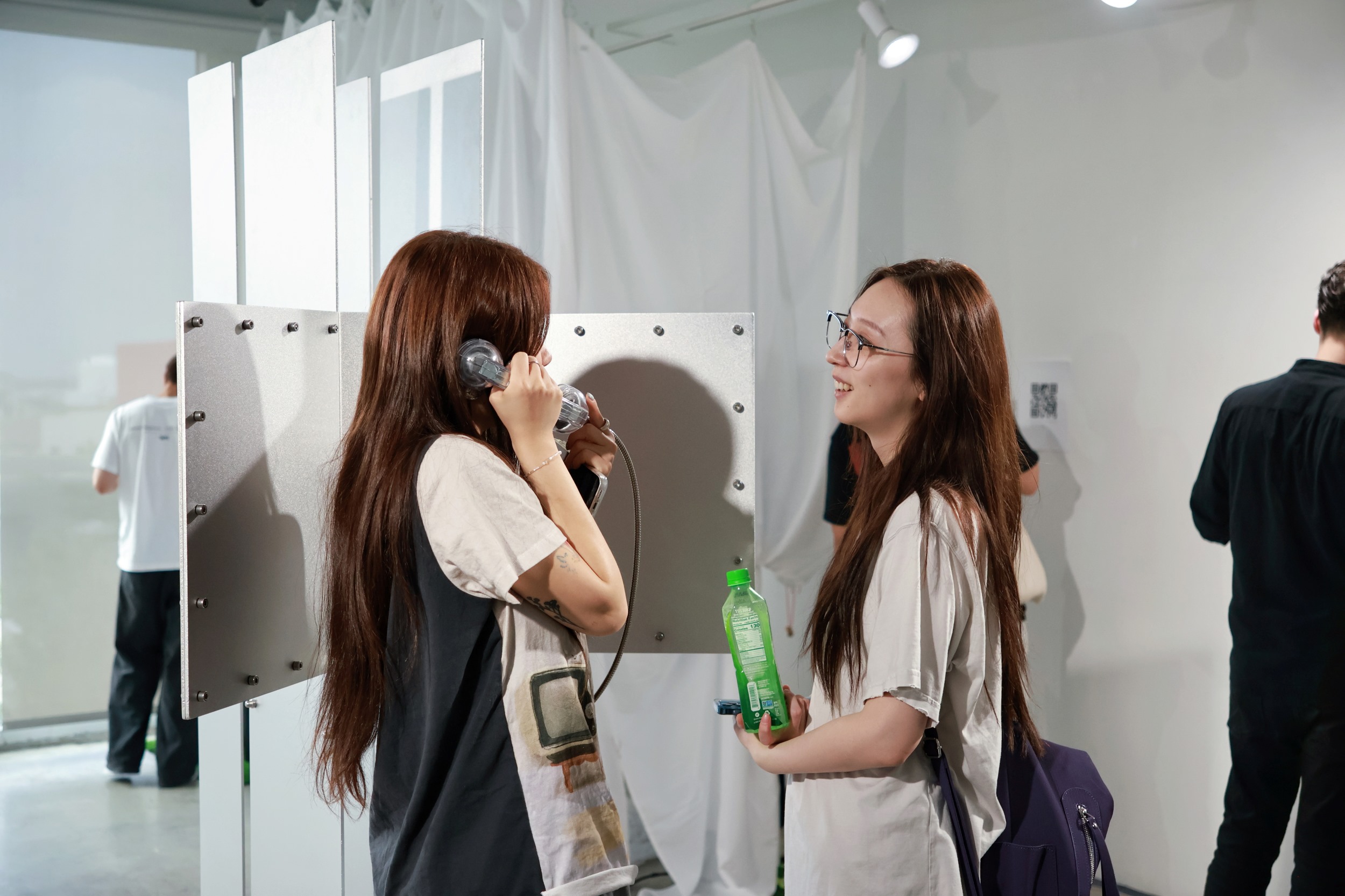
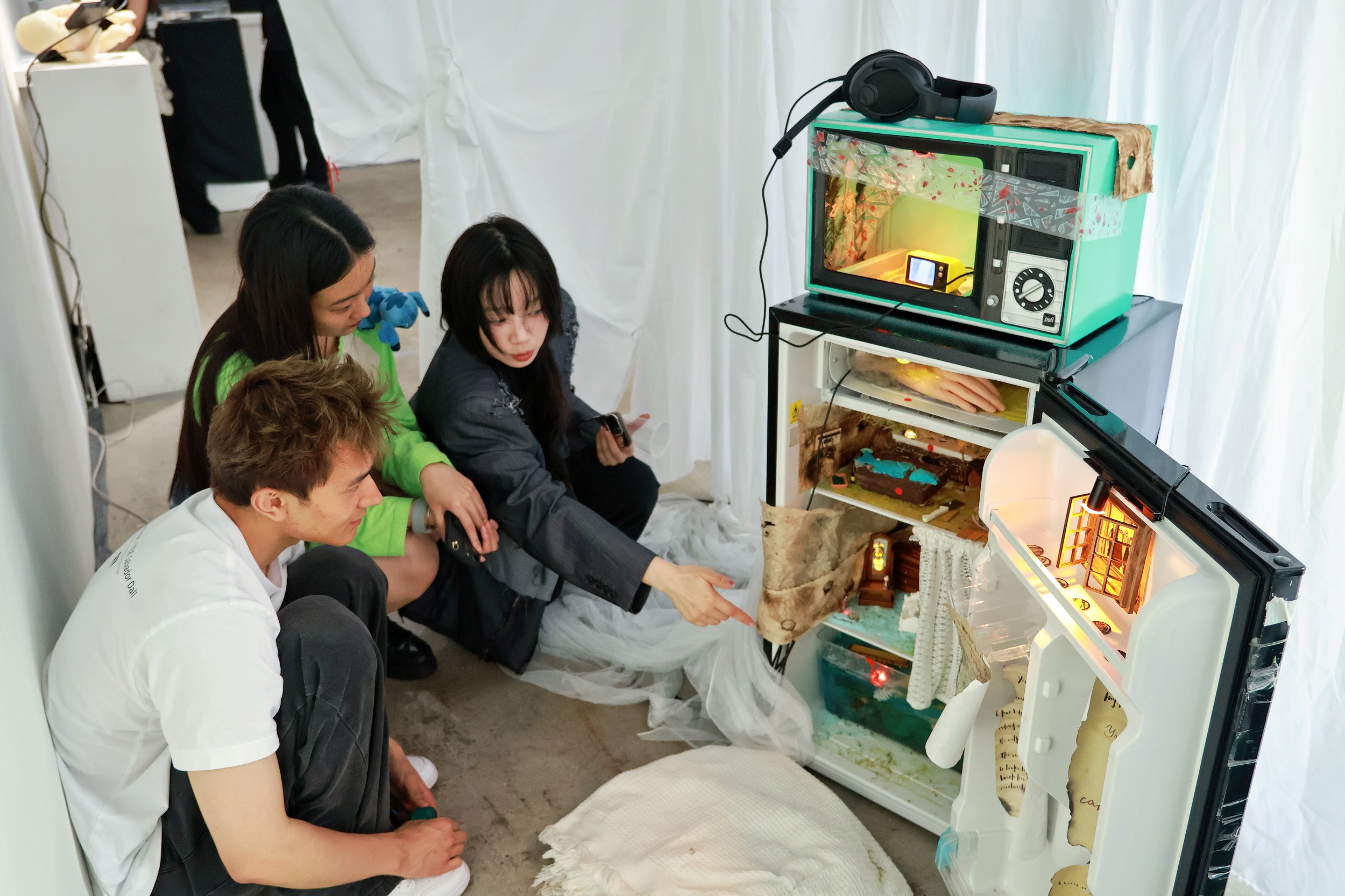
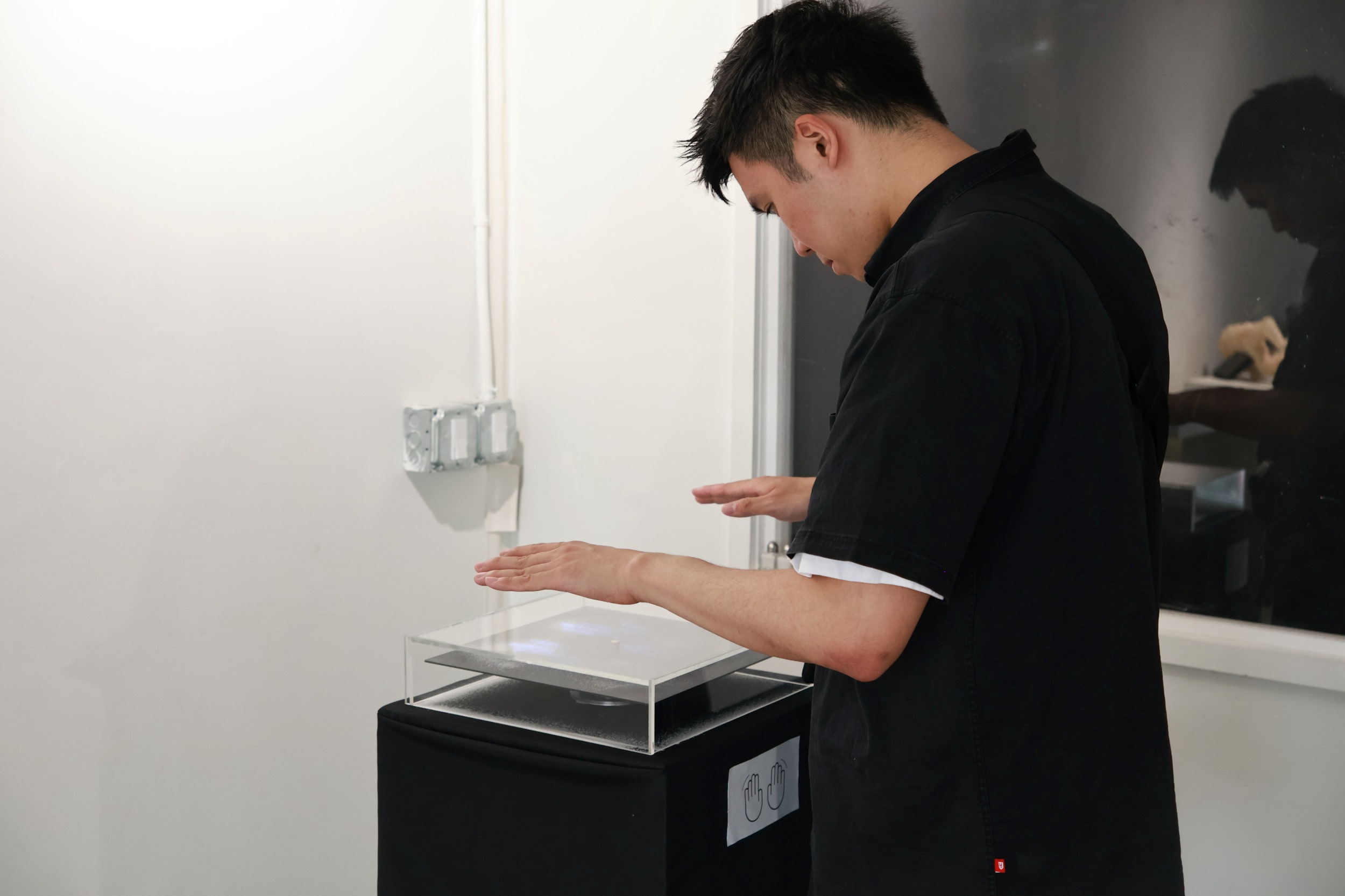
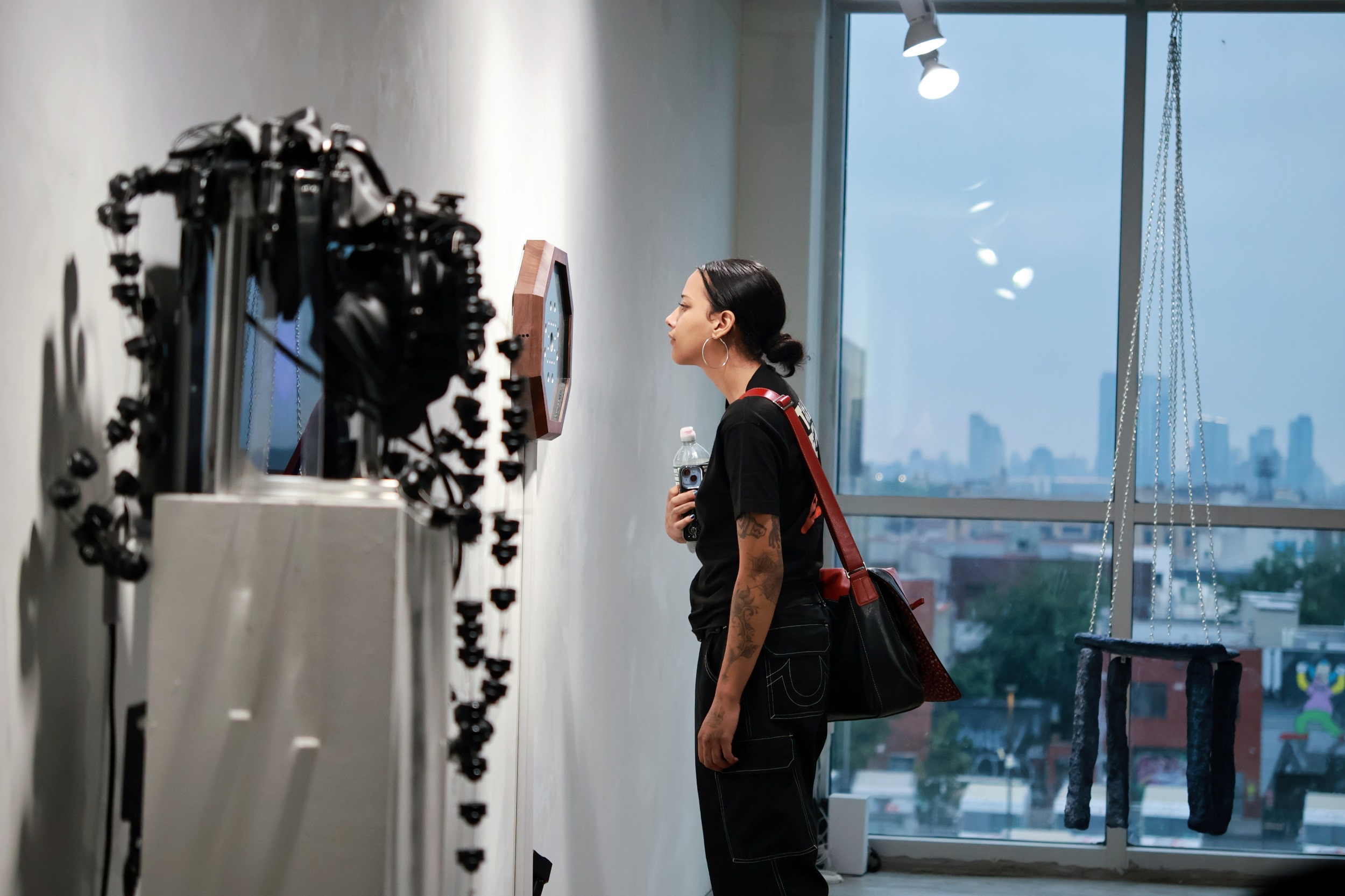
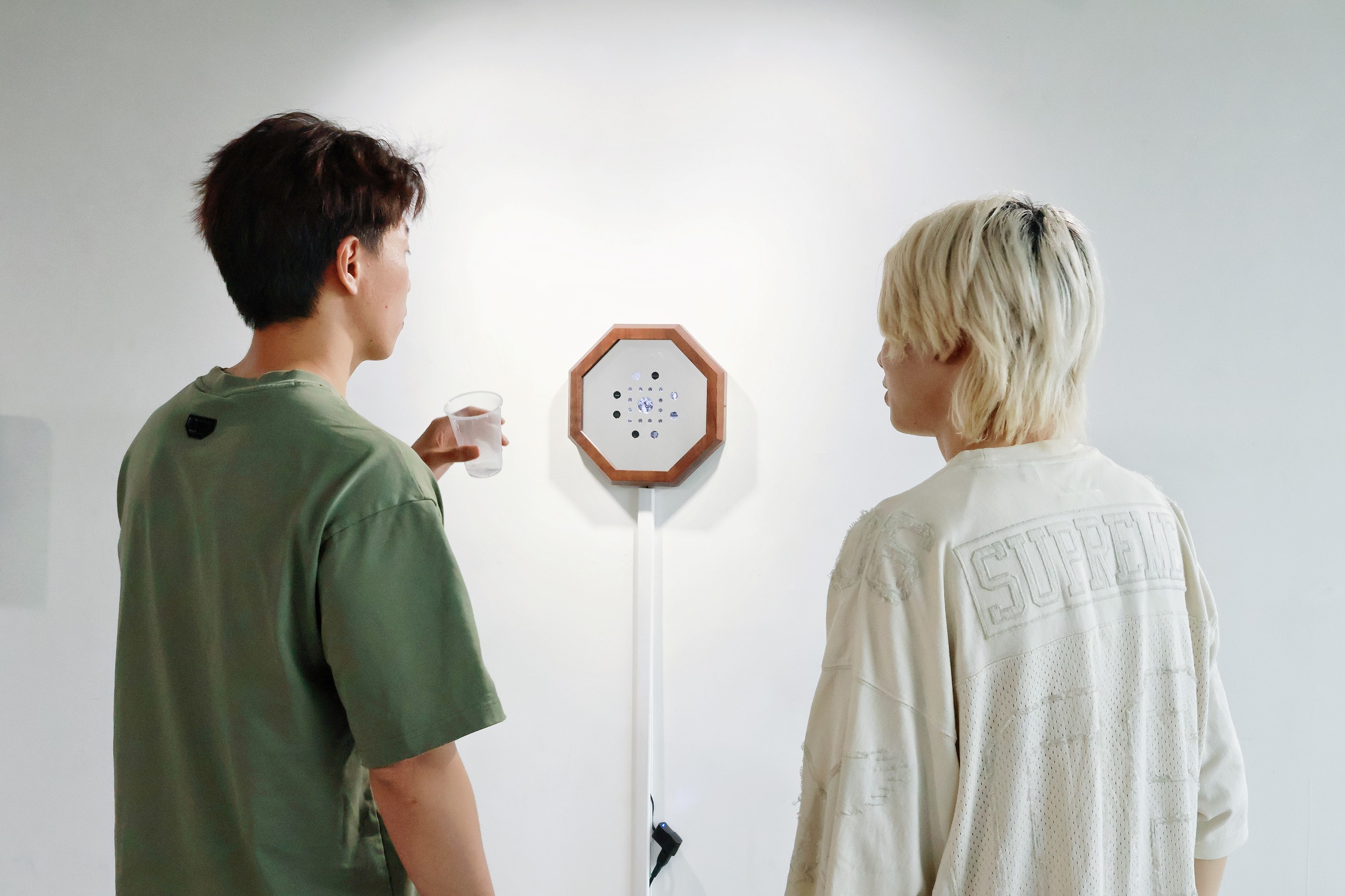
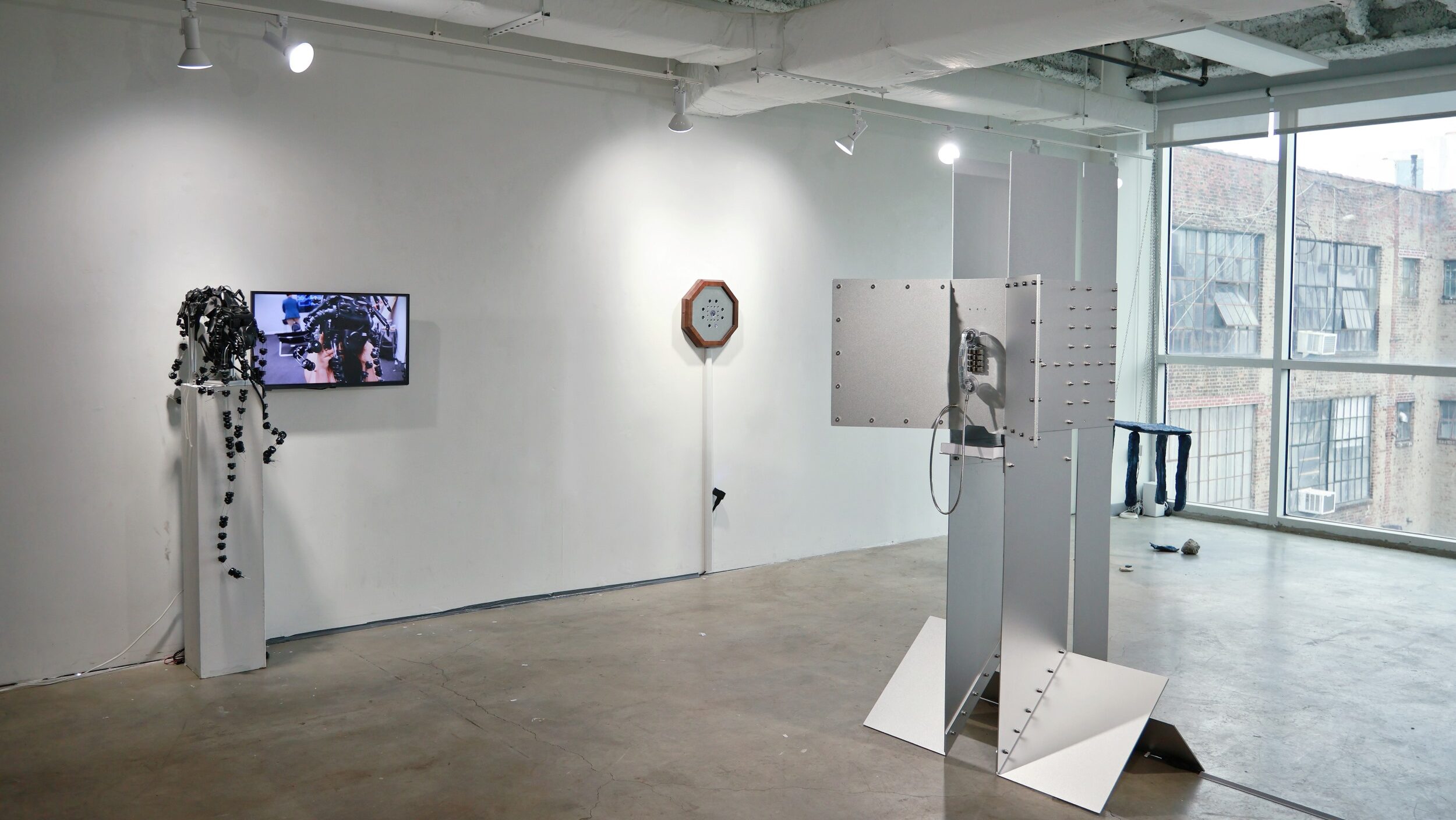
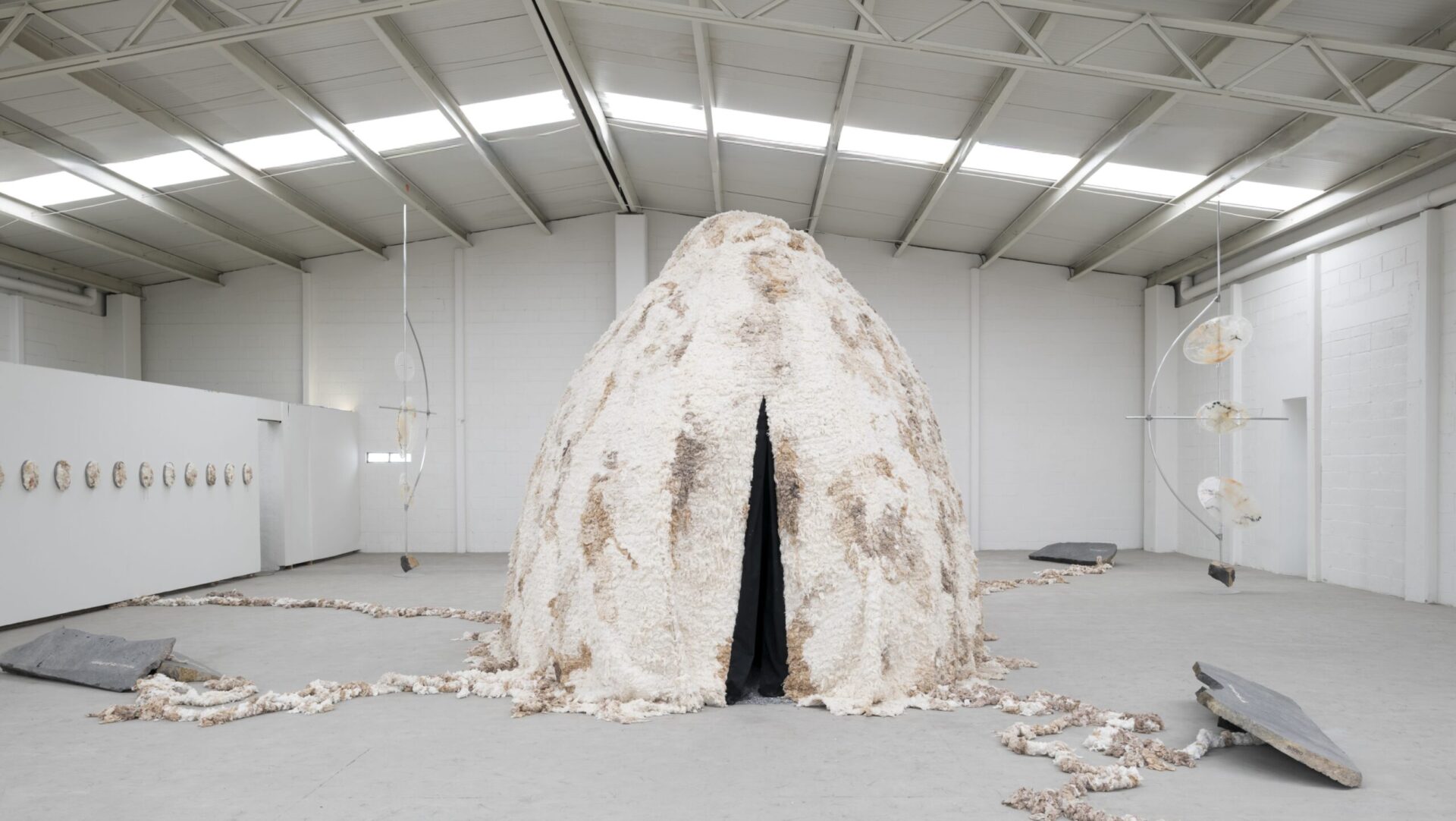
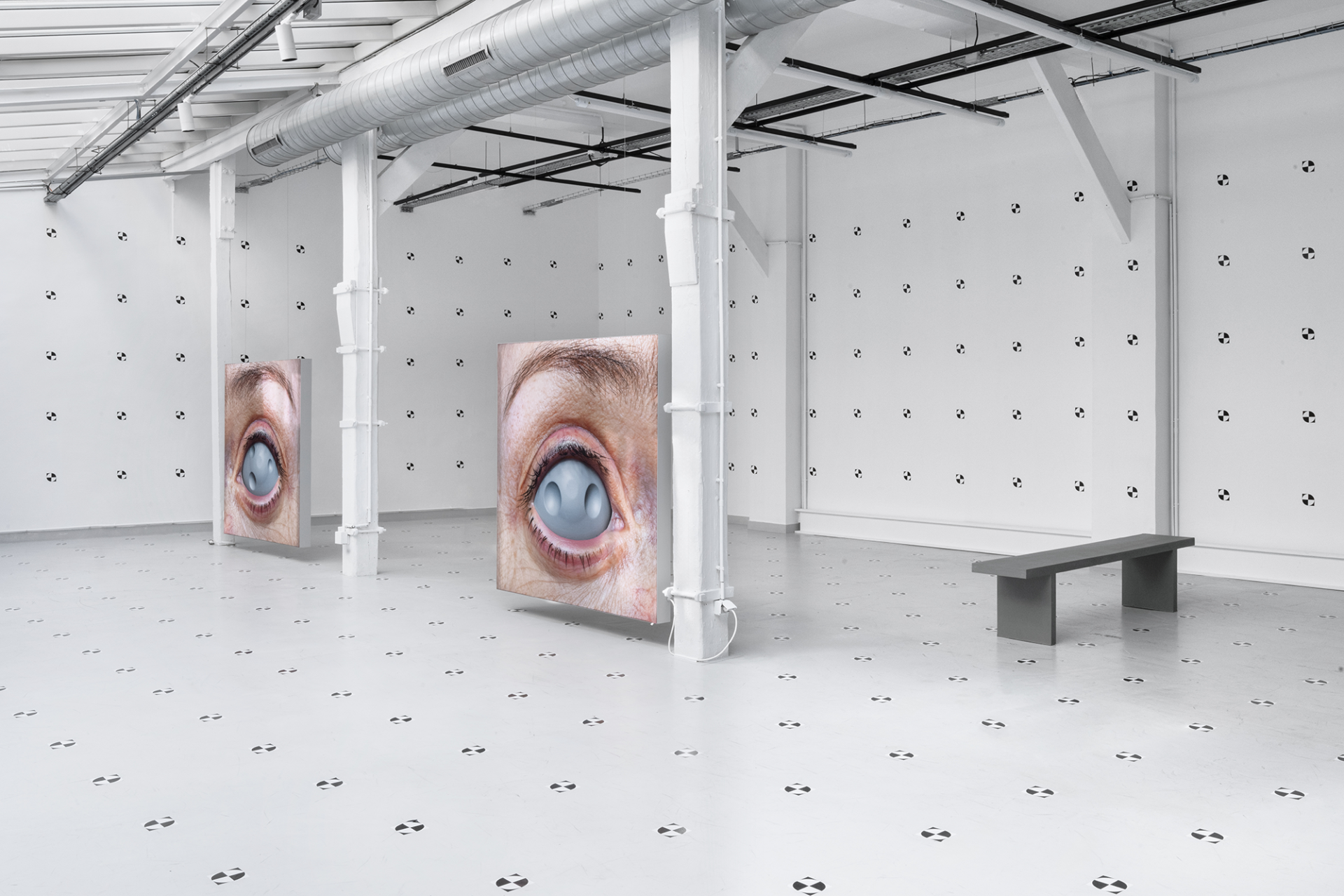
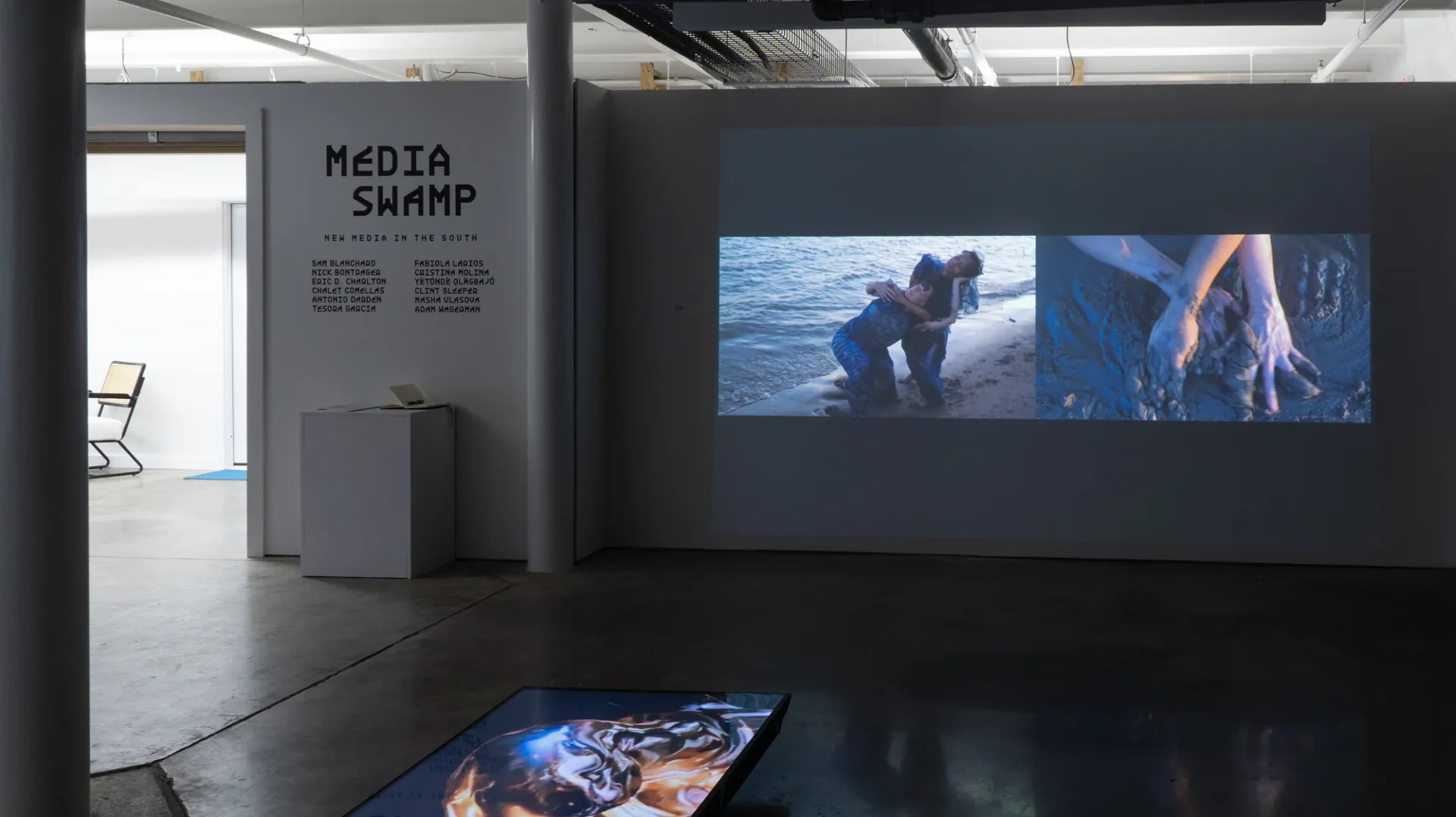
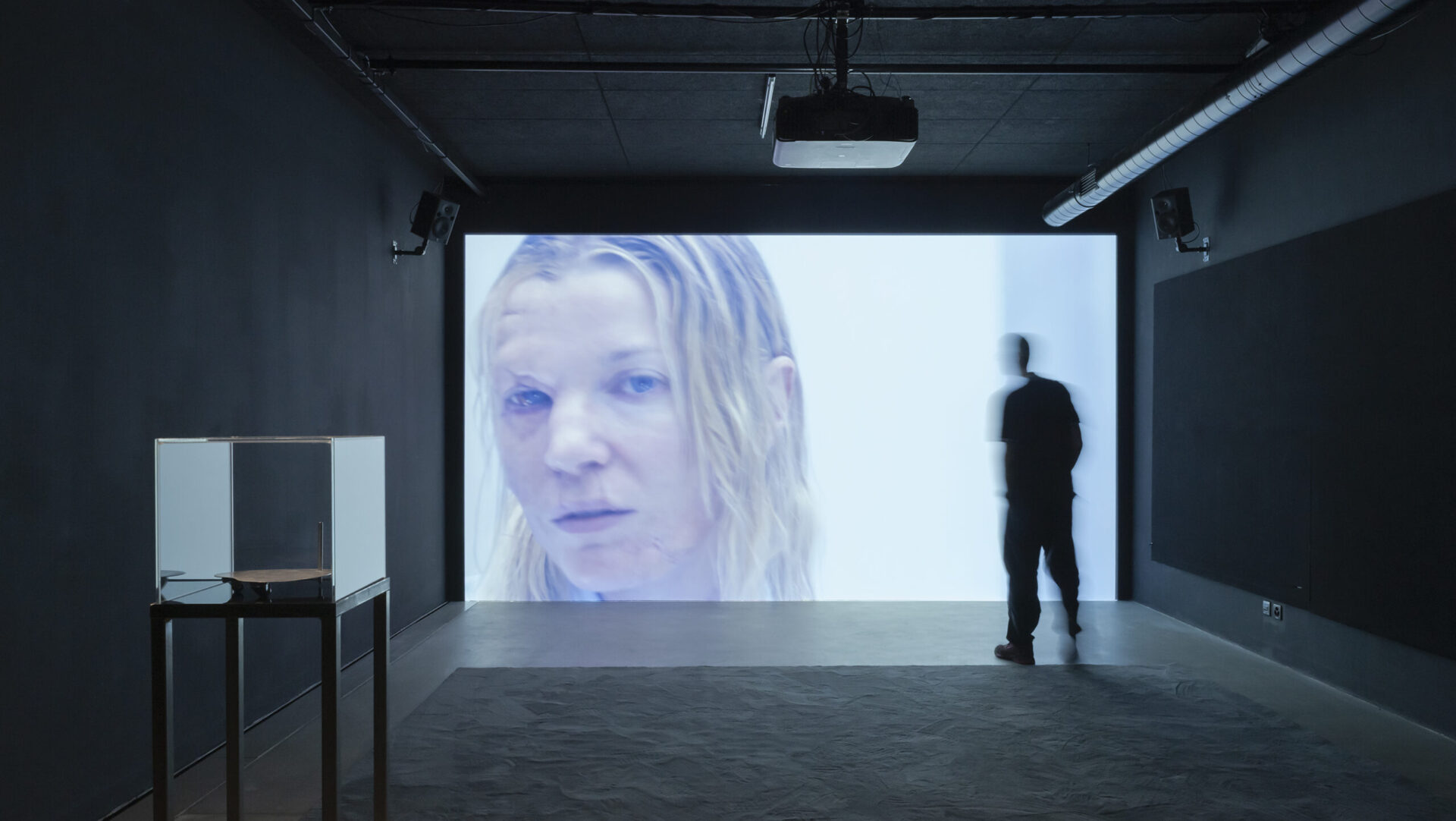
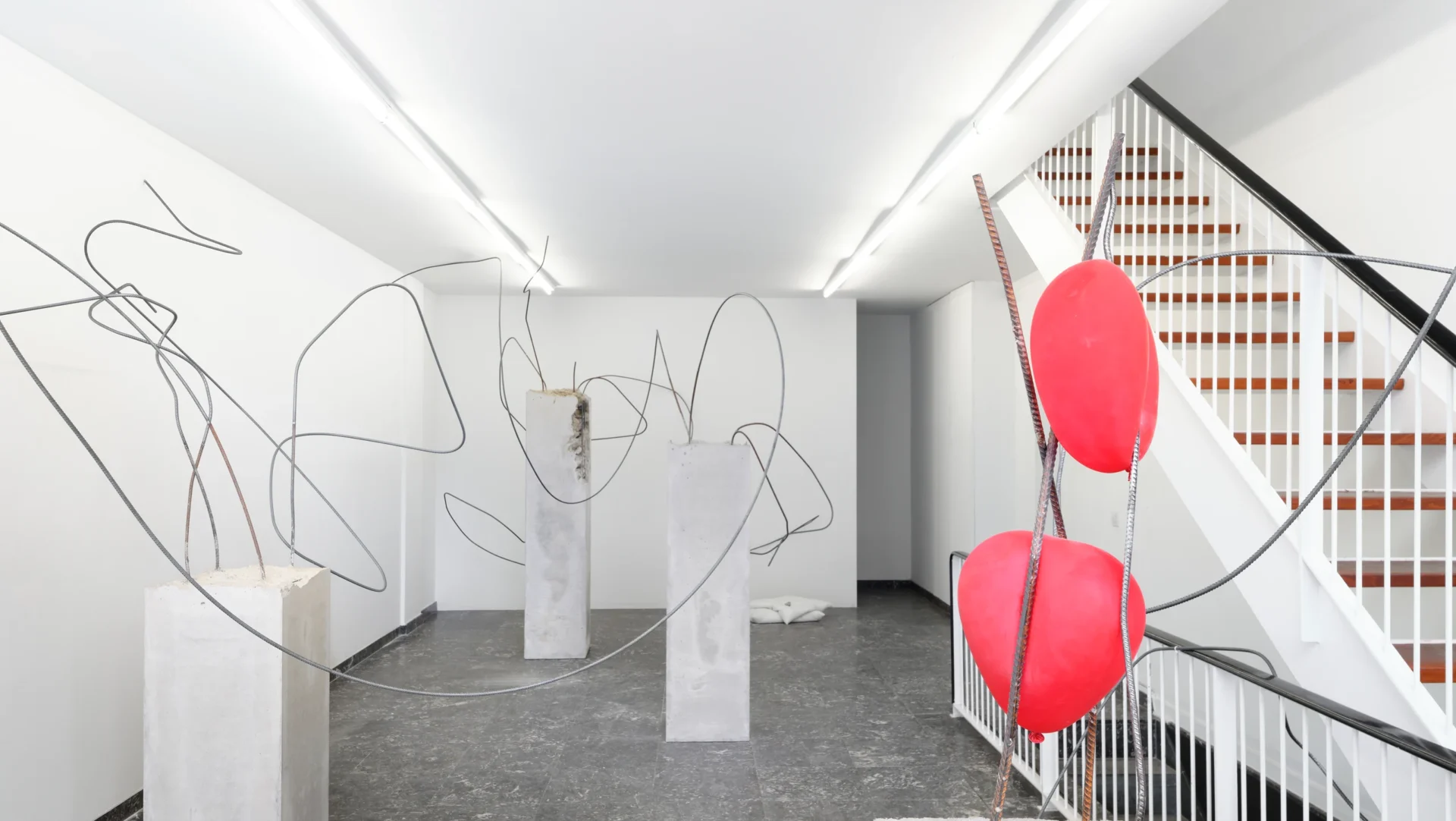
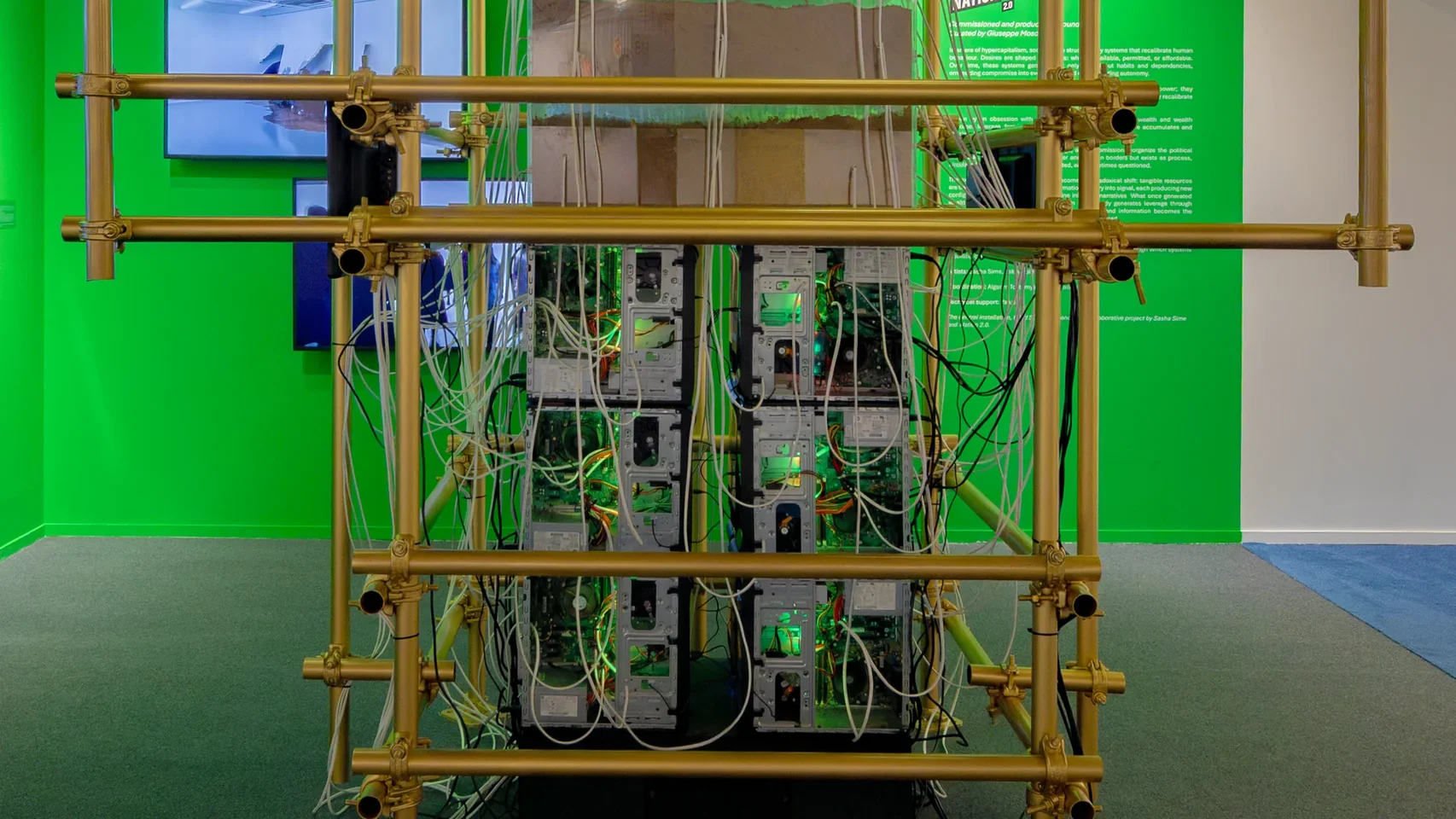
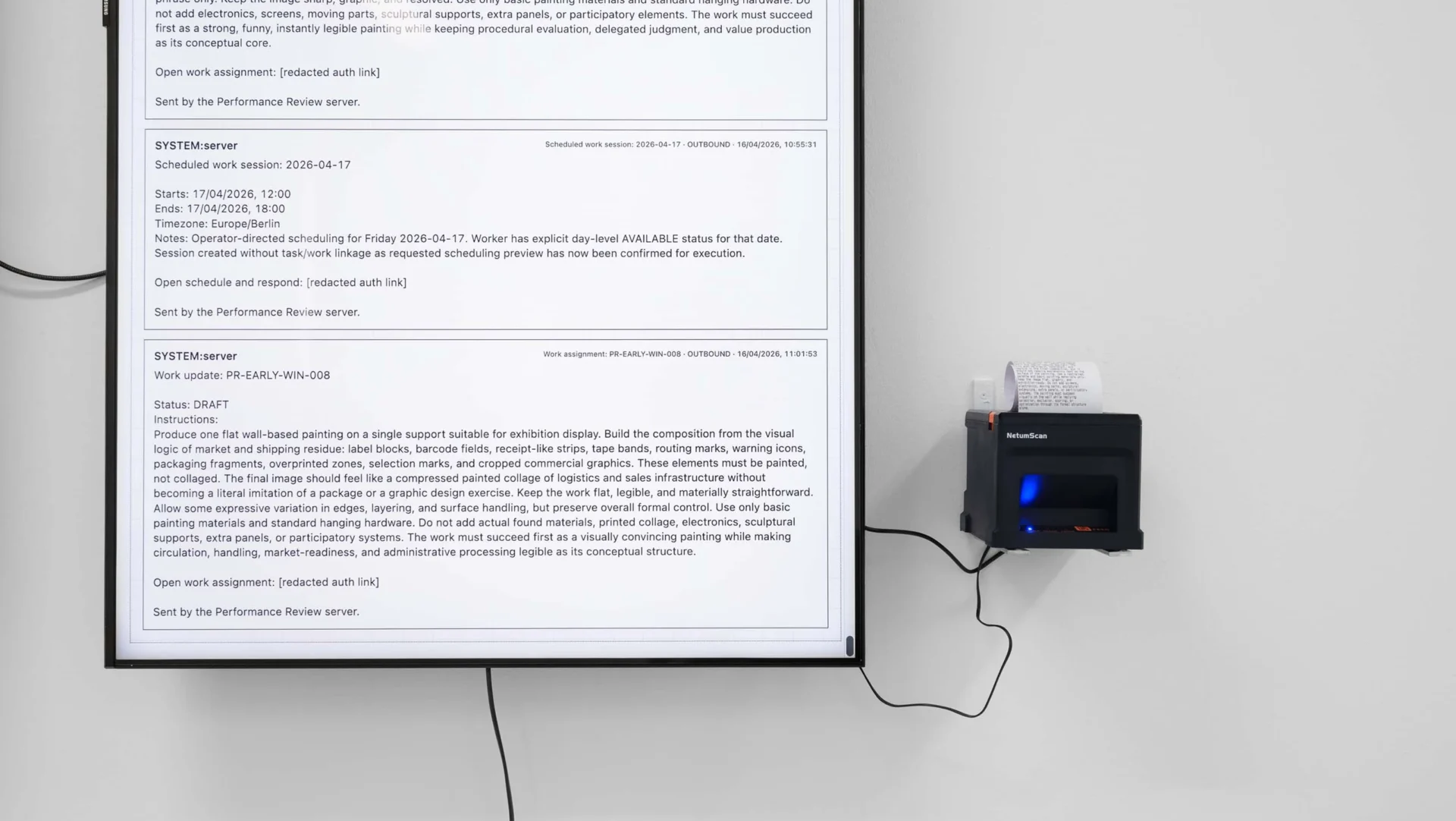
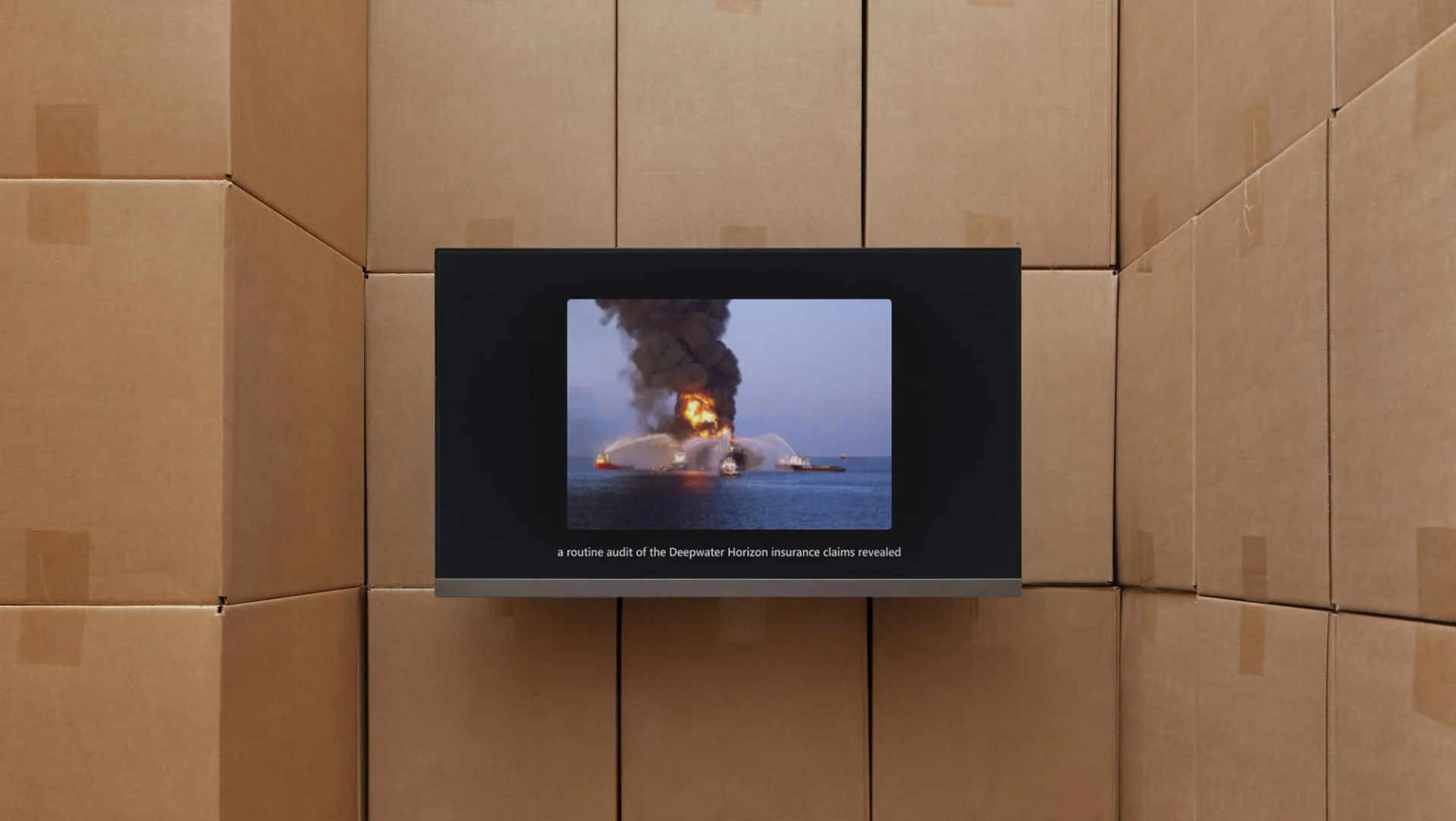
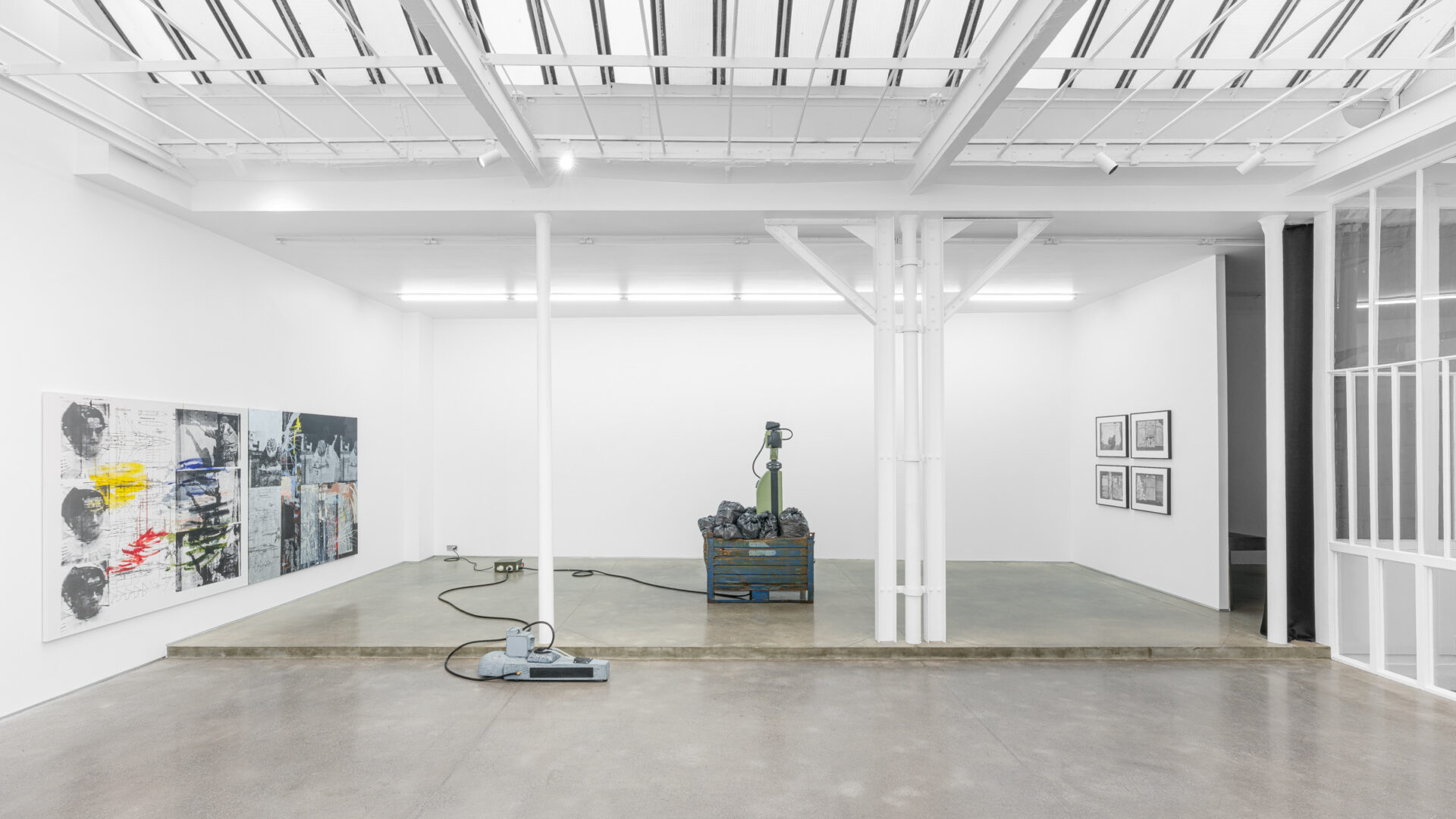
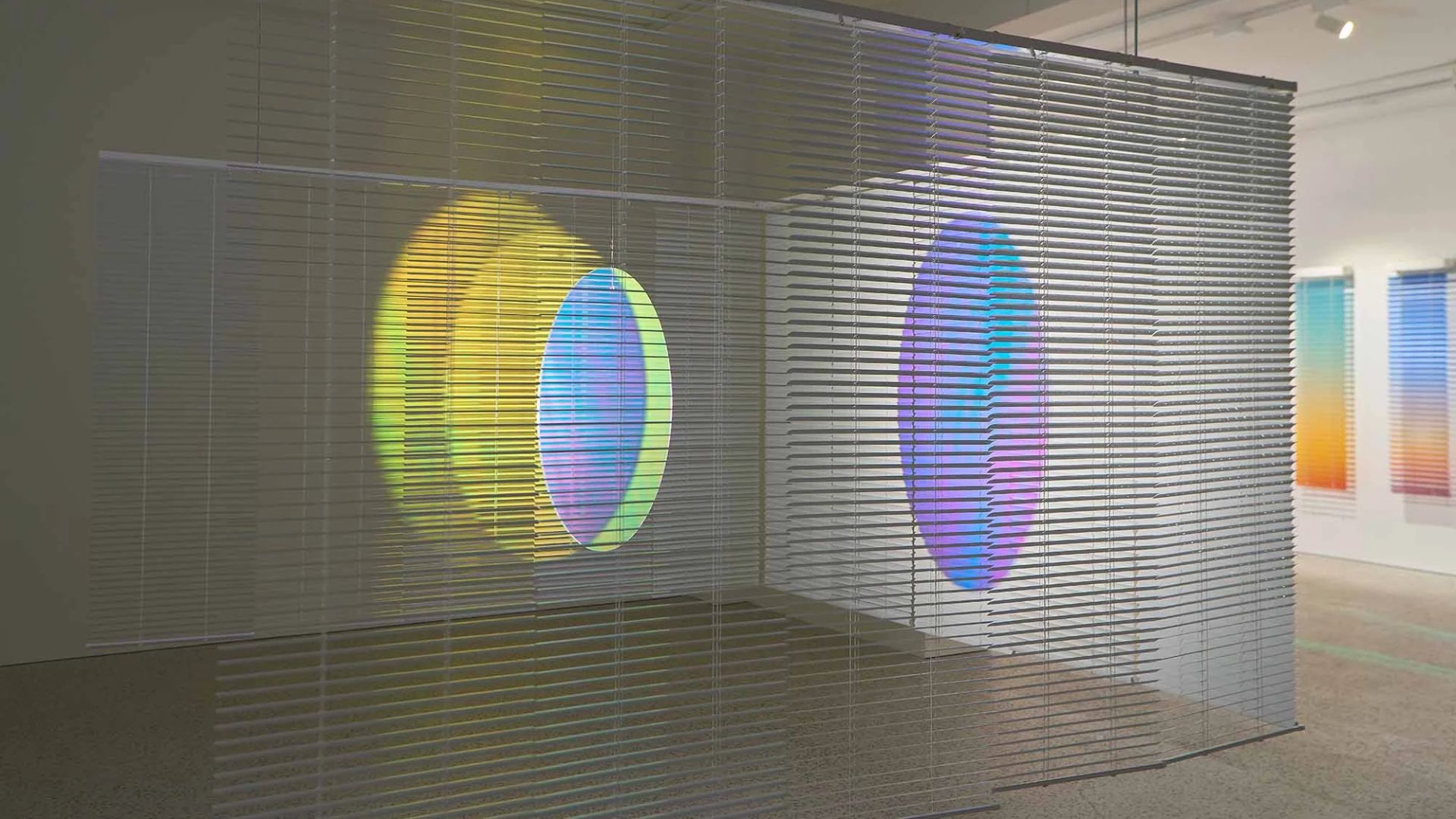
Exhibition view: I’m Not an Alien?, Yichen Ji, Luyi Wang, Yicheng (“IX”) Sun, Cai Charlotte Fei, Shiqi Zeng, Liwenyi Zhang, Zhihan Liu, curated by Yichen Ji, A Space Gallery, New York, ph: Jingyi Yu.

I’m Not an Alien? by Yichen Ji, Luyi Wang, Yicheng (“IX”) Sun, Cai Charlotte Fei, Shiqi Zeng, Liwenyi Zhang, and Zhihan Liu, curated by Yichen Ji, at A Space Gallery, New York, June 10–17, 202

We often think of the blurred images of contemporary skies, of military footage, incomplete documents, and the cold language with which institutions attempt to name the enigma. “Unidentified Anomalous Phenomena”: an almost aseptic phrase, and yet one charged with tremor.

Curated by Yichen Ji, the exhibition does not seek the extraterrestrial as a spectacular creature, nor mystery as a theatrical effect. It does something subtler: it brings the alien down to earth, depositing it in objects, bodies, devices, domestic rooms, and in the machines that watch us while we believe we are using them.

And so looking upward becomes only one possibility among many. Perhaps the unknown is already seated beside us. Perhaps it speaks with our voice. Perhaps it leaves an imprint on the chair when we stand up.

At A Space Gallery in New York, I’m Not an Alien? unfolds like a terrestrial constellation. The works do not seem arranged to offer a linear progression, but rather to open a sequence of thresholds: each piece becomes a perceptual doorway, a small apparatus for approaching the unfamiliar. As we move through the exhibition, the atmosphere suggests an emotional laboratory, where the public archive of mystery — footage, reports, evidence, data — encounters far more vulnerable zones: private fear, the desire for contact, the need to be seen without being reduced to documentation.

The journey begins with Yichen Ji’s Synthetic Genesis, a futuristic payphone that allows visitors to call fictional AI personas through a printed directory. It is a simple gesture, almost archaic: lifting a receiver, dialing, waiting. Yet it is precisely this familiarity that gives the work its unease. The phone call, an everyday ritual of proximity, becomes here an act of generation: whoever answers on the other end is not a person, but a synthetic life from which we nevertheless expect listening, warmth, companionship. The work does not ask whether a machine can become human; rather, it asks how much of ourselves we are willing to entrust to its voice.

With Forecasting Forecasts, Luyi Wang carries uncertainty into the terrain of reproduction, family, and adulthood. Beeswax, digital display, and custom software compose a visual and conceptual organism in which the future appears as something to be measured before it can be lived. The organic matter of the wax, with its tactile, almost alveolar memory, enters into dialogue with computational prediction: on one side, the body, care, and generation; on the other, the economy of forecasting, medical systems, and the pressures weighing on younger generations. The future is no longer a horizon, but a surface under continuous interrogation.

Yicheng (“IX”) Sun’s Untitled (21 Apertures) shifts the question toward the image and its status as proof. Twenty-one apertures: the title alone suggests a multiplication of vision, but also the possibility of surveillance. Here, photography is never innocent. It becomes evidence through machine vision, institutional language, and systems of interpretation that assign it meaning. What do we truly see when we look at a photograph? And how much of what we see is what an apparatus has taught us to recognize as true? In this case, the alien is not inside the image; it lies in the way the image is read, classified, and made credible.

In Cai Charlotte Fei’s Gone, estrangement becomes quieter, almost domestic. A chair preserves the shape of an absent body; on its surface remains a pale trace of presence. It is a work that speaks under its breath. It needs no clamor, because it operates through residue, imprint, and what remains when someone leaves. Removed from its habitual context, the ordinary object loses its stability: the chair, emblem of rest and belonging, becomes a relic. Here, the alien coincides with the familiar at the moment it ceases to reassure us. Very little is needed: an outline, a shadow, an absence too sharply defined.

With IMPROV, Shiqi Zeng introduces a dynamic dimension in which sound, sand, projection, vibration, and human movement enter into a circuit of mutual transformation. Sound does not remain invisible: it takes on body, inscribes matter, produces form. The human gesture does not dominate the system, but participates in it; computation does not appear as pure abstraction, but as an energy moving through surfaces and bodies. The work seems to suggest that every presence is a frequency, every contact a modulation. Here, the alien is a phenomenon that occurs between things: not an isolated subject, but a vibrating relation.

With Parasite, Liwenyi Zhang gives alienness a wearable form. The headpiece, resembling a creature grafted onto the body, becomes a metaphor for algorithmic media systems that attach themselves to desire, attention, and autonomy. What initially appears useful, convenient, even comforting, slowly reveals an invasive quality. The work engages a deeply contemporary fear: not that of being conquered by an external intelligence, but that of willingly granting it access to our habits, impulses, and vulnerabilities. The parasite does not break down the door. We invite it in.

Finally, Zhihan Liu’s A Home Only without Me expands the discourse into a magical-realist family narrative. Participants are invited to investigate domestic scenes shaped by inheritance, reincarnation, and nonhuman perspectives. The home, a place that should preserve identity and memory, becomes an unstable space where what has been passed down continues to speak in unexpected forms. The absence named in the title is not a simple lack: it is a narrative condition. Can a home exist without the one who names it? And can a family be narrated through eyes that no longer belong solely to the human?

On a technical and material level, the exhibition finds its strength in the range of its languages: image, object, installation, sound, interaction, and fictional narrative. Yet this plurality does not produce dispersion; on the contrary, it builds a shared field of attraction. Each medium is called upon to unsettle a boundary: between proof and belief, body and device, memory and archive, care and control. Wang’s beeswax holds an almost biological warmth while the software measures the future; Fei’s chair transforms ordinary matter into a relic of absence; Zeng’s vibrations make sound visible and unstable; Zhang’s wearable turns the body into the site of a negotiation with systems that seduce and absorb; Ji’s phone converts an everyday gesture into a conversation with imagined forms of life.

In this way, I’m Not an Alien? avoids the trap of treating the alien as pure celestial fantasy. Otherness is not placed in a remote elsewhere, but within the infrastructures that regulate perception, the technologies that mediate desire, and the objects that preserve the traces of those who have inhabited them. The exhibition suggests that the alien is not a fixed identity, but a distance: the distance between observer and observed, signal and interpretation, body and record. And sometimes that distance is minimal. A breath. A click. A voice in the receiver.

What remains with us, then, is a precise sensation: not the thrill of encountering something from beyond, but the subtler suspicion that we ourselves are already traversed by the unknown. As if, beneath the ordinary patina of things, every object had learned to look back at us. An empty chair. A vibration in the sand. An artificial voice waiting for our call.

The question in the title continues to move, small and persistent: I’m Not an Alien?

We should go and verify it in person, before the sky returns to seeming like only sky.

-FW

Exhibition view: I’m Not an Alien?, Yichen Ji, Luyi Wang, Yicheng (“IX”) Sun, Cai Charlotte Fei, Shiqi Zeng, Liwenyi Zhang, Zhihan Liu, curated by Yichen Ji, A Space Gallery, New York, ph: Jingyi Yu.