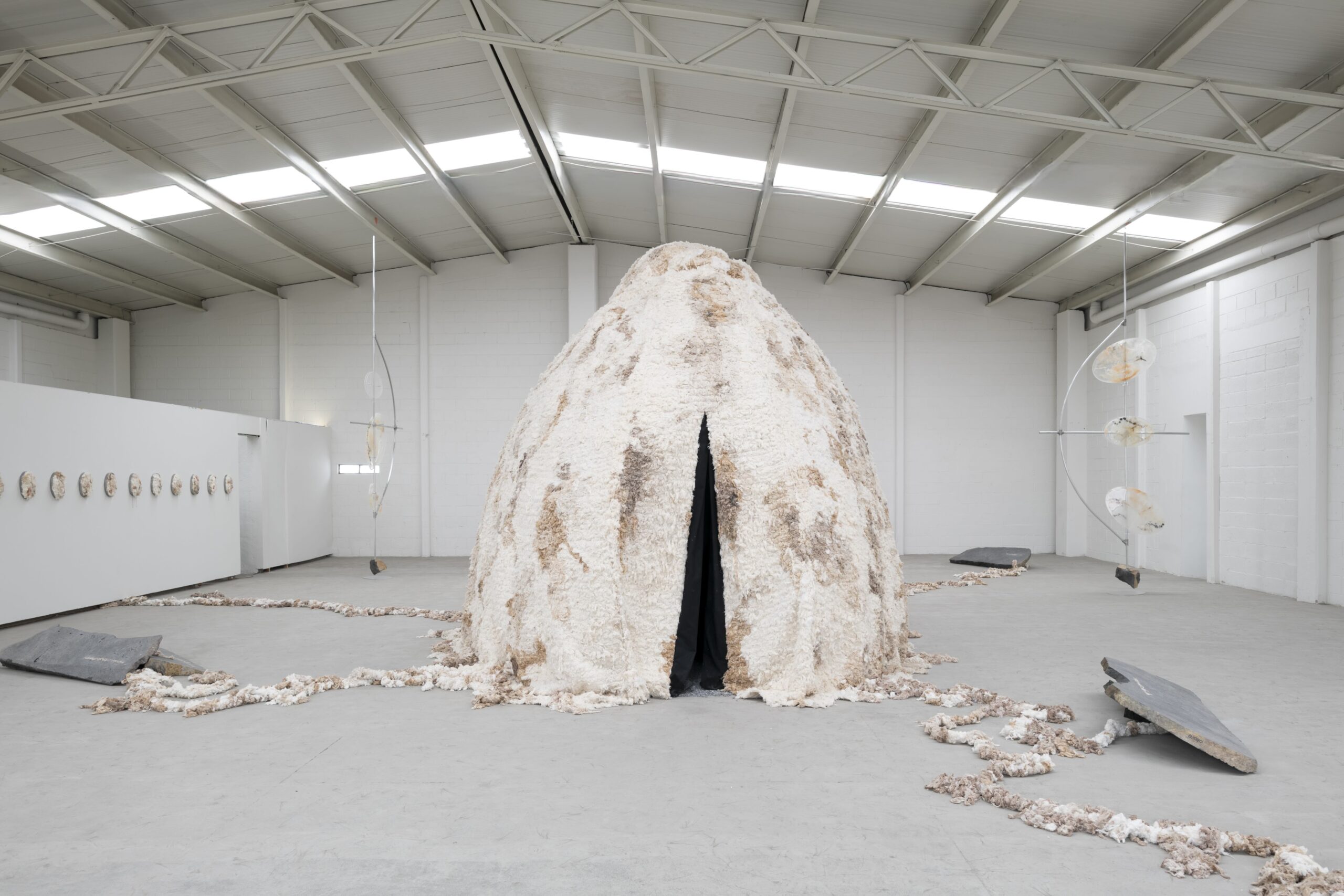
“AXES” by KiefferWoodtli, curated by Arantza Hernandez, at Alvarez Chida Gallery, Mexico City, 23 May–10 June 2026.
Just beyond the threshold of AXES, we found ourselves wondering how much of the reality we consider stable is merely a habit of vision. Is it truly possible to orient ourselves without a center? Or are we always suspended between two forces of attraction, like a body seeking an equilibrium that never quite coincides with stillness? The ellipse, a figure that accompanies the entire exhibition, returns to us not simply as a geometric form, but as an existential condition: two foci, no absolute center; a promise of order built on tension. Moving through the works, we had the sensation of entering a system that does not claim to explain the world, but rather to make its complexity perceptible. The exhibition does not seek definitive answers to the question of what it means to be human. Instead, it chooses to linger in the interval between what we can understand and what inevitably escapes us. It is precisely within this margin that the experience takes shape.
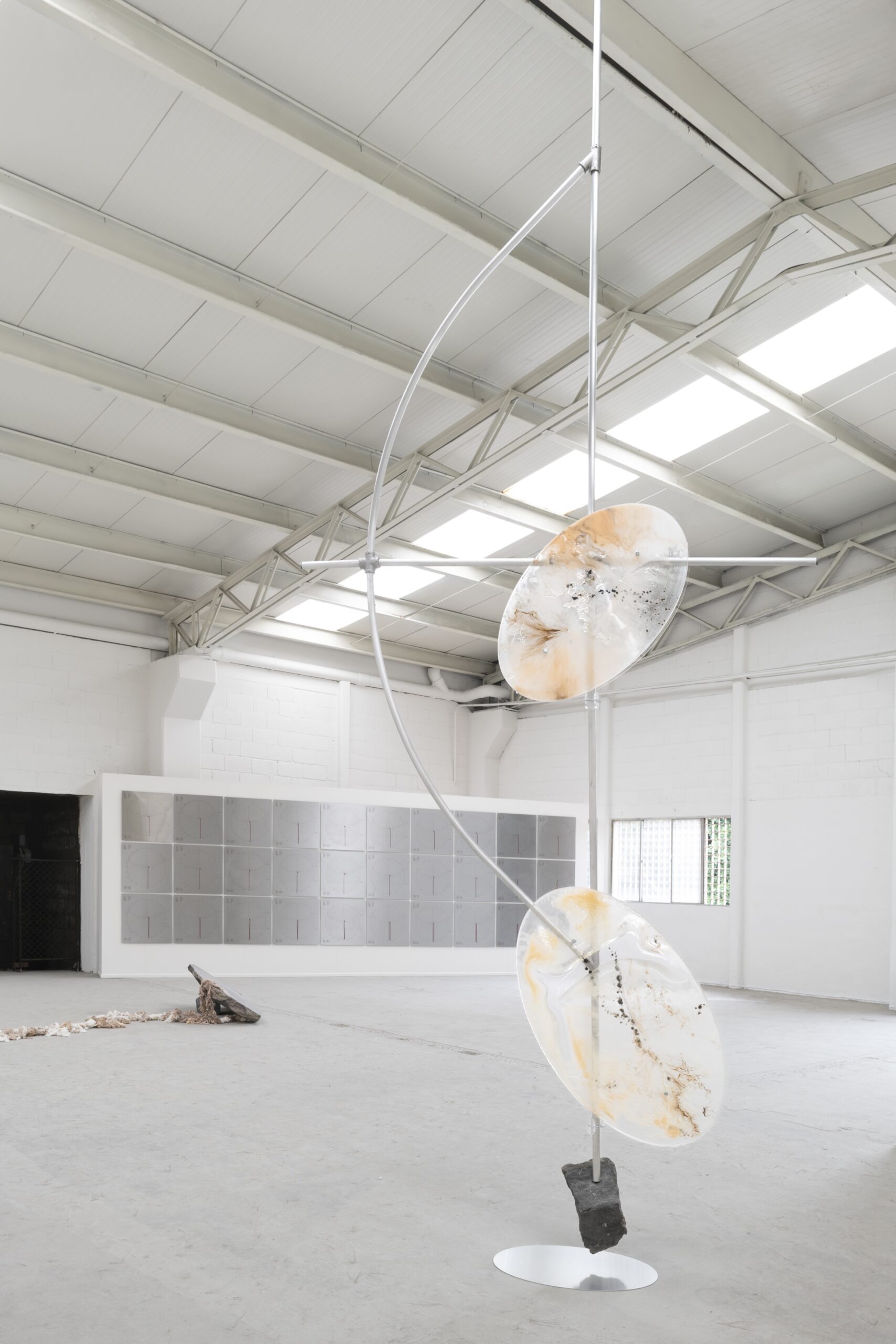
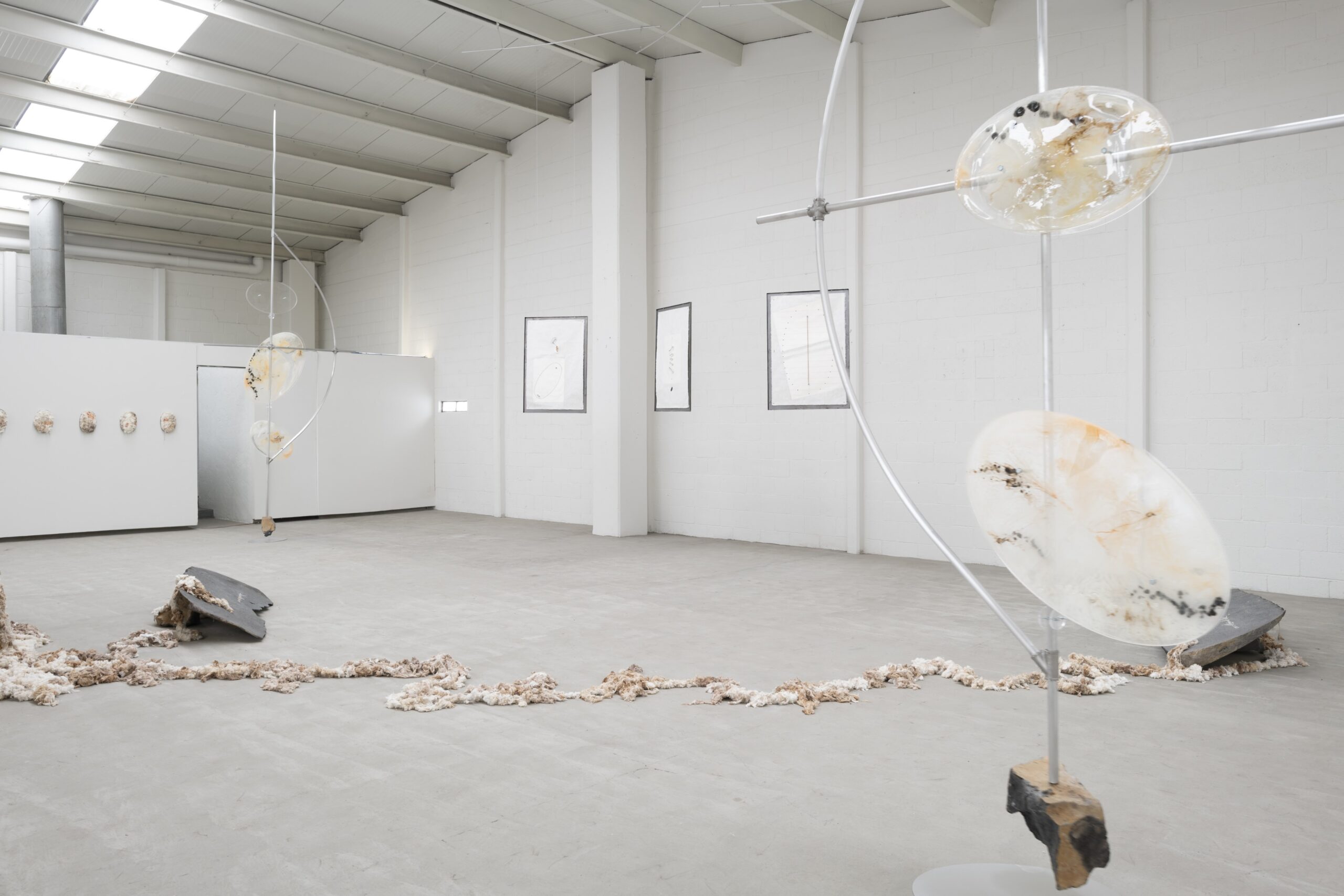
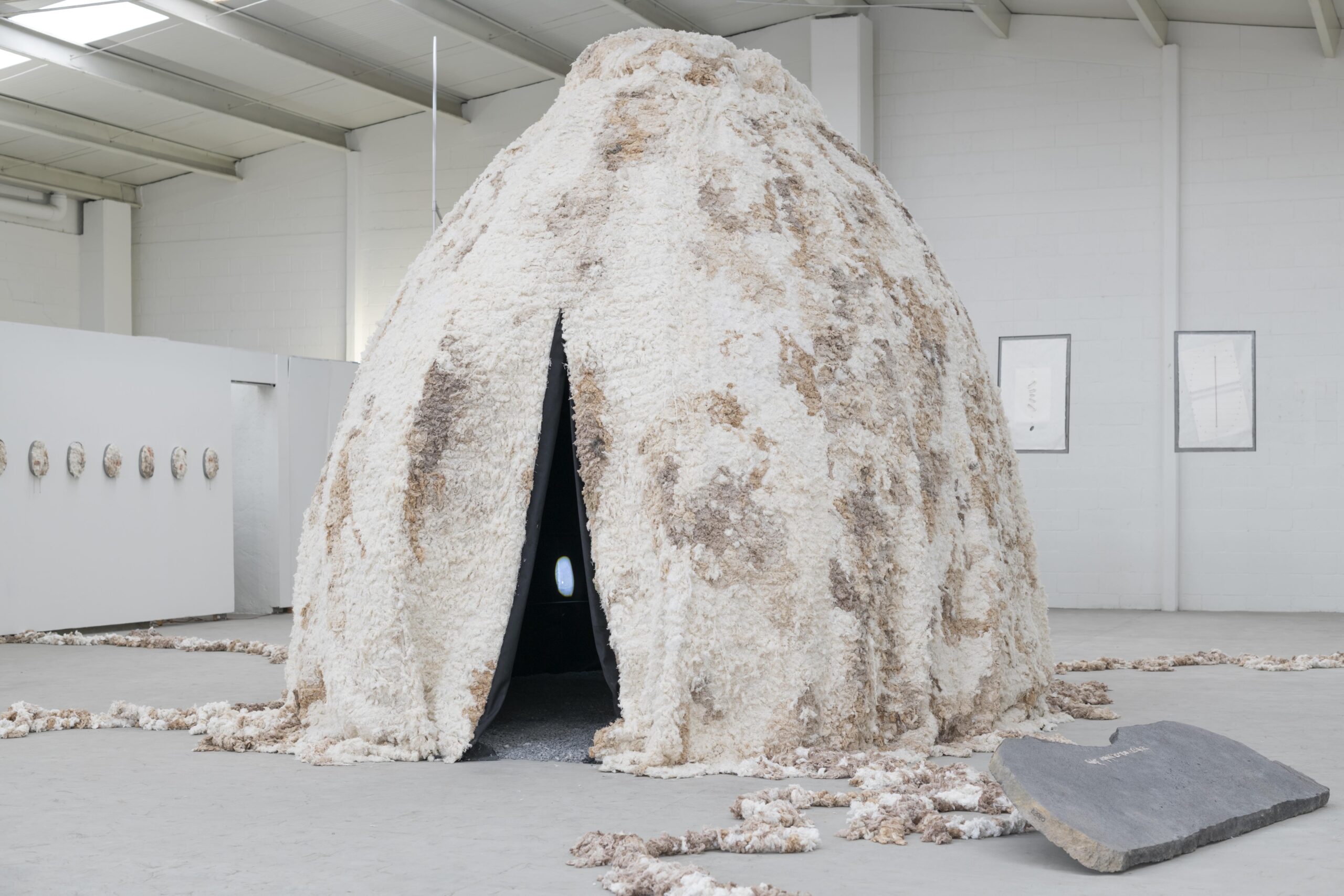
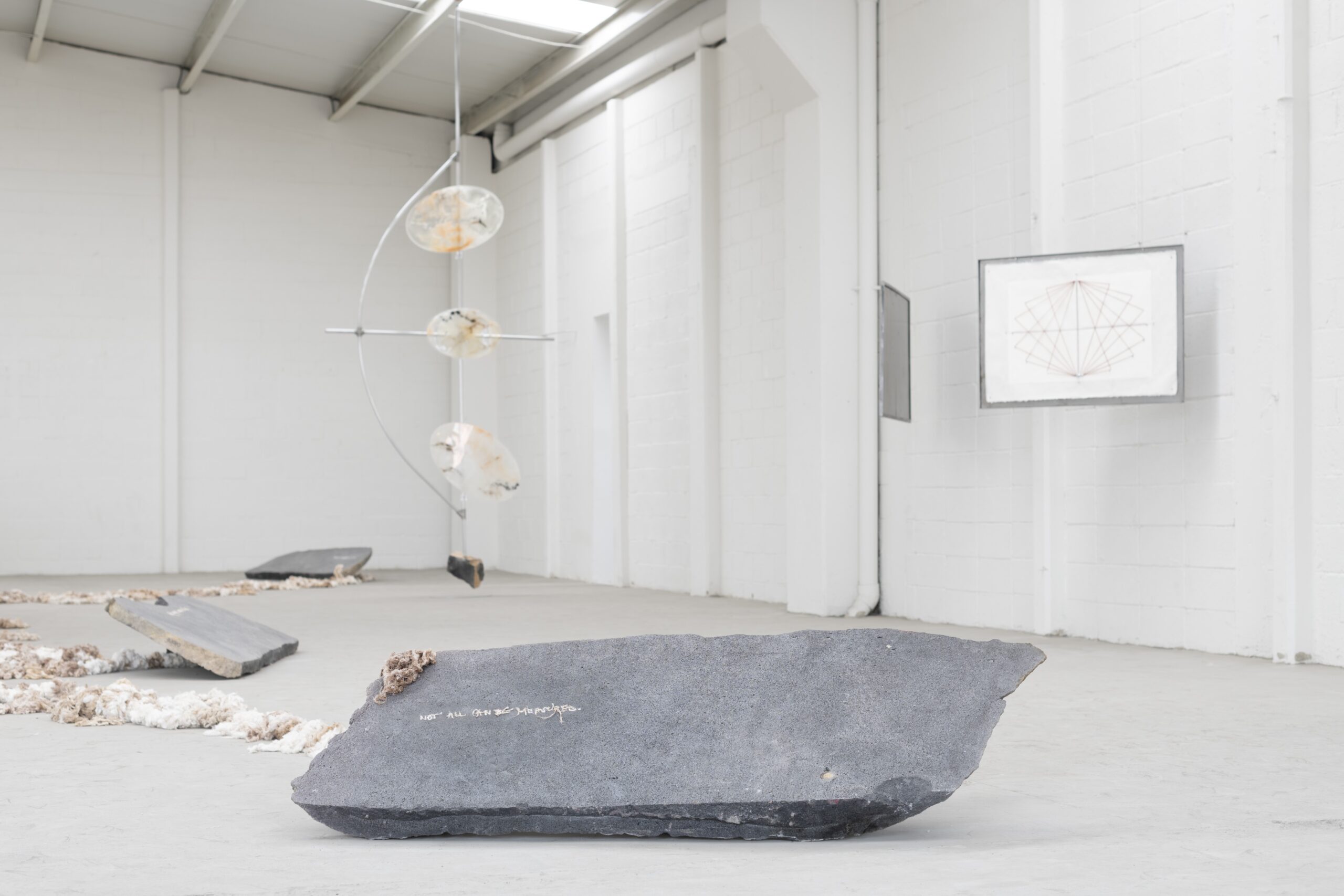
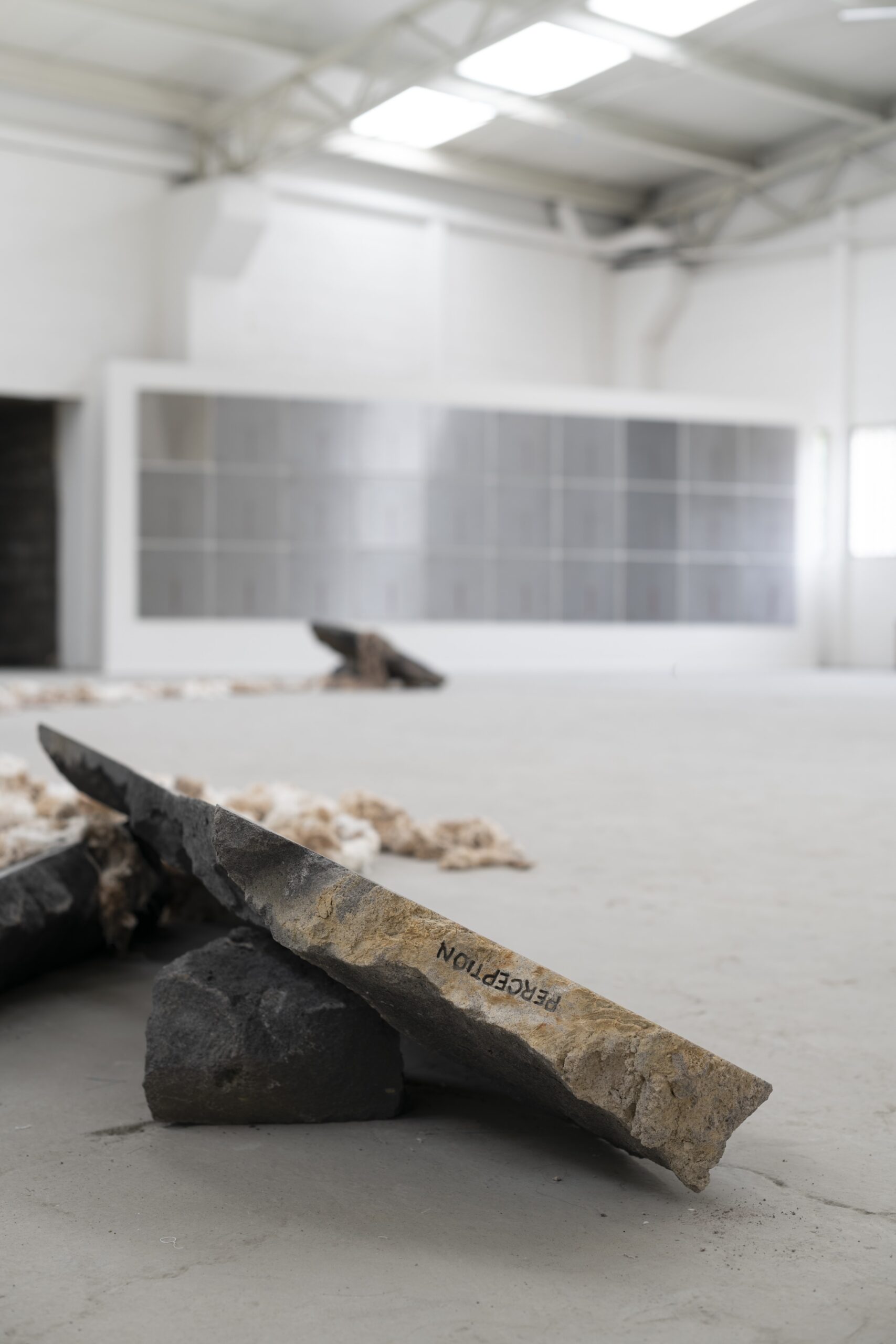
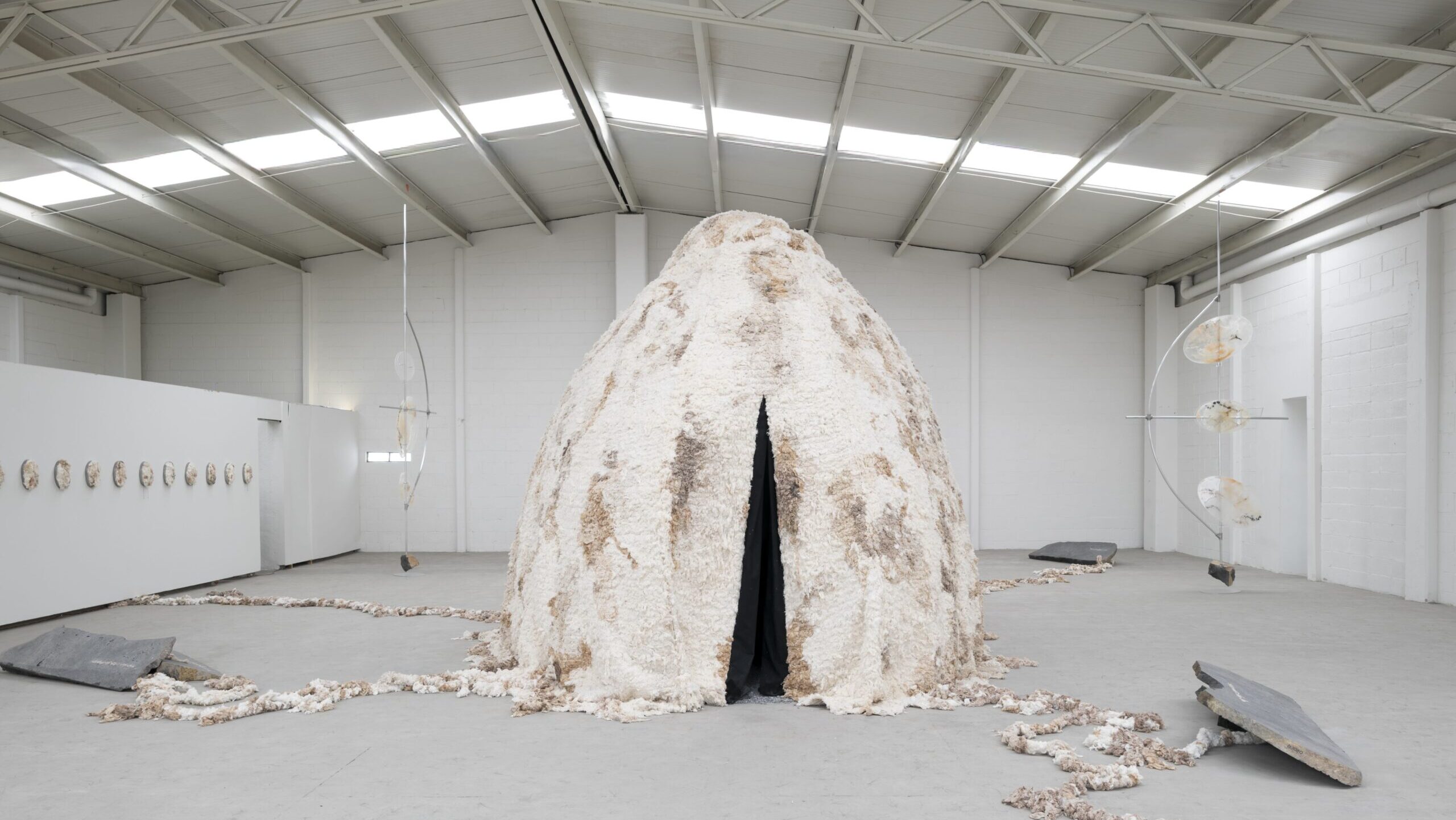
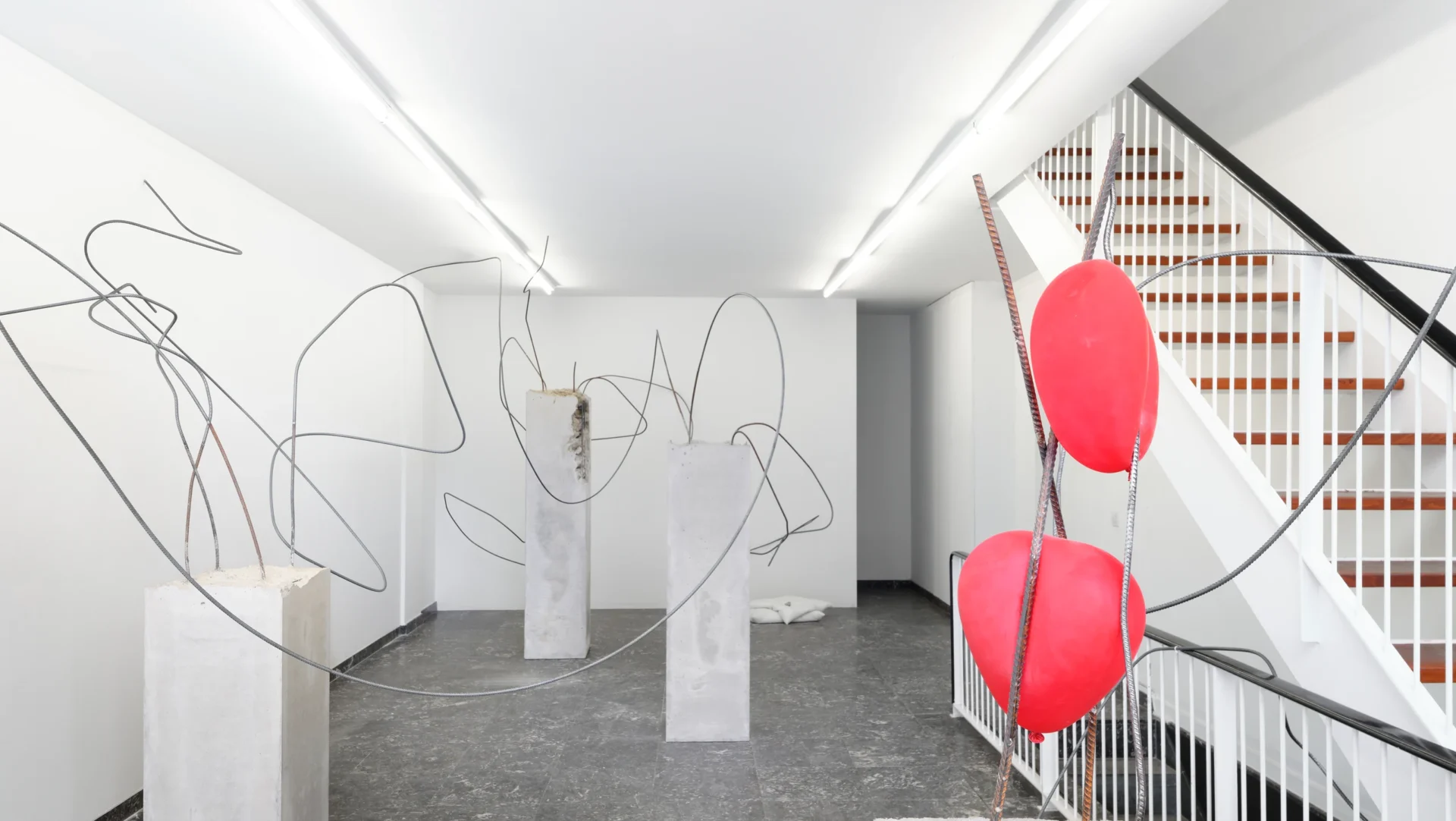
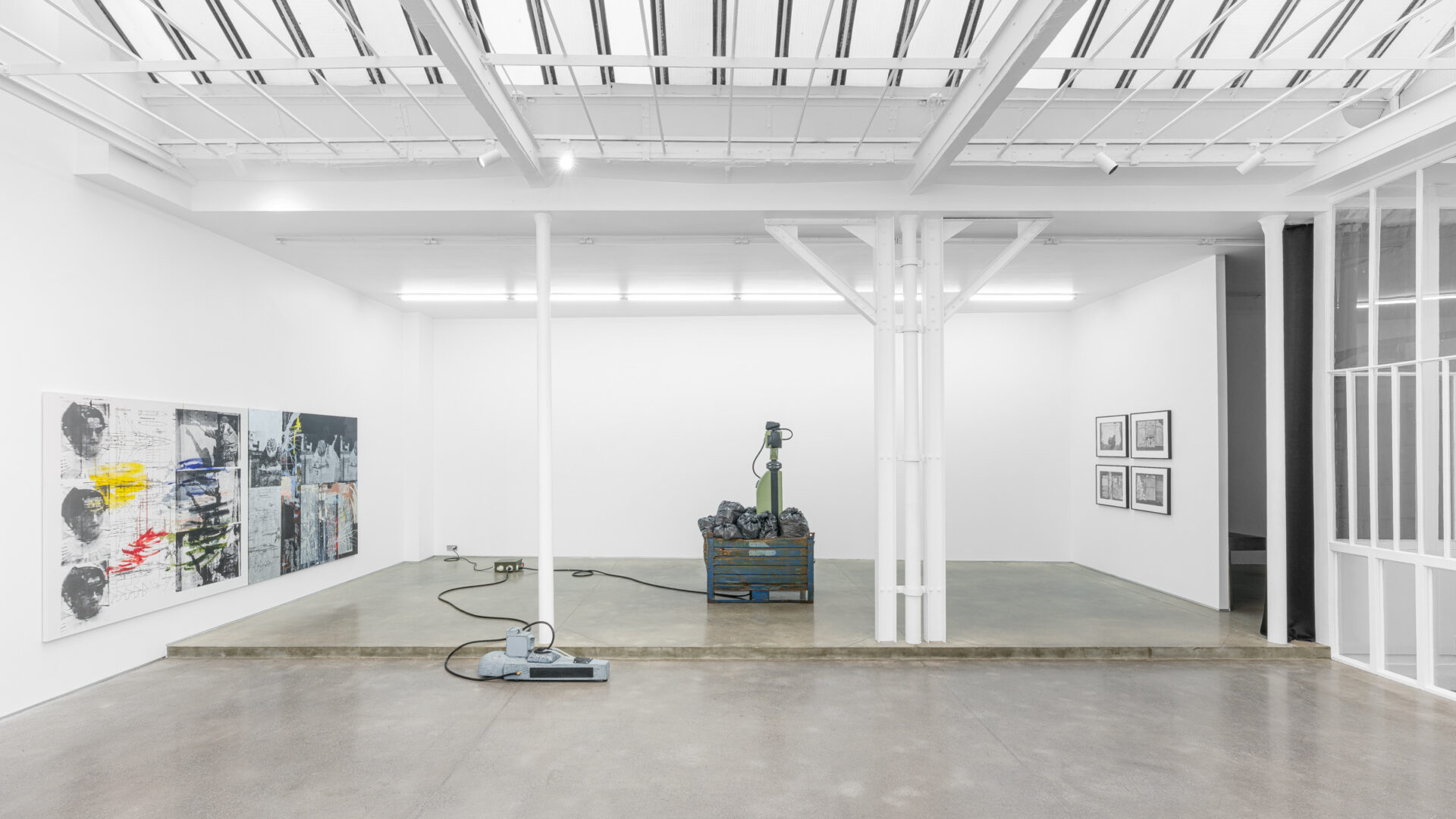
Curated by Arantza Hernandez at Alvarez Chida Gallery, AXES constructs an environment in which each element seems to participate in the same network of relations. The exhibition path does not impose a privileged direction, but invites us to continuously measure our position in relation to the works and the space around them. Sculptural structures enter into dialogue with textile surfaces, solar data, volcanic stone, drawings, and moving sources of light, composing a landscape that appears to be in constant transformation. There are no evident hierarchies. Each work acquires meaning through its proximity to the others, as though every axis revealed an invisible dependency from which a new possibility of interpretation might emerge.
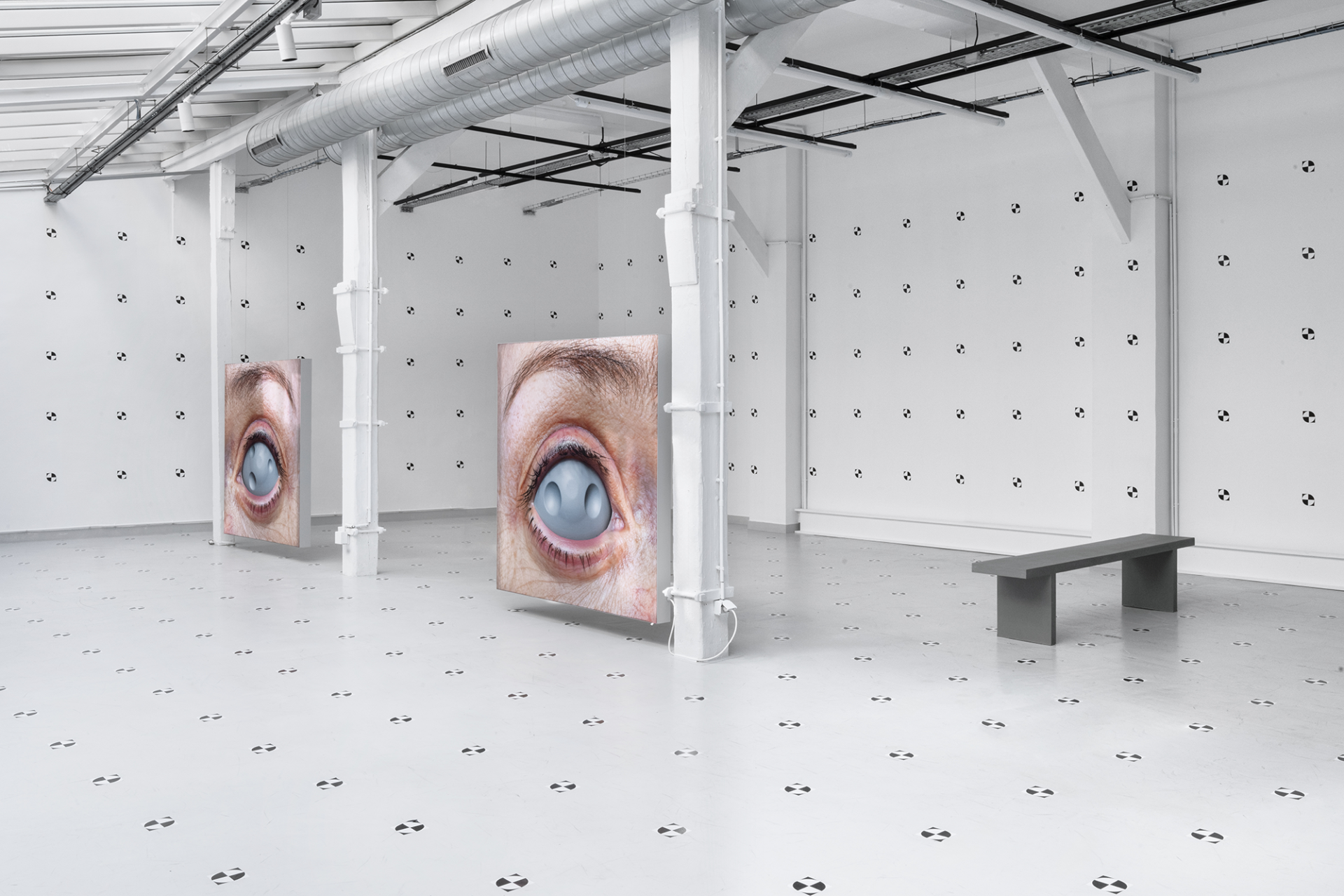
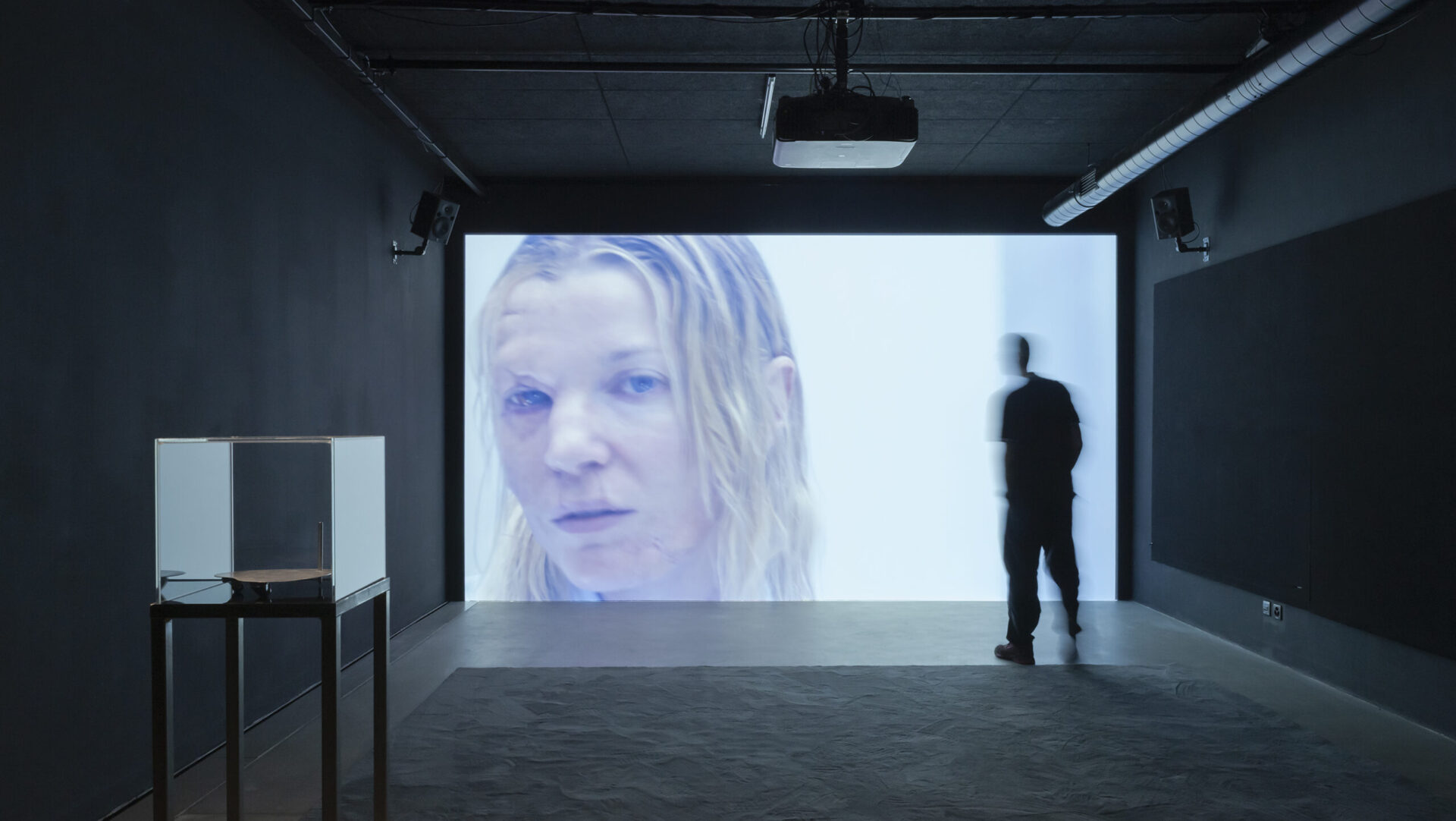
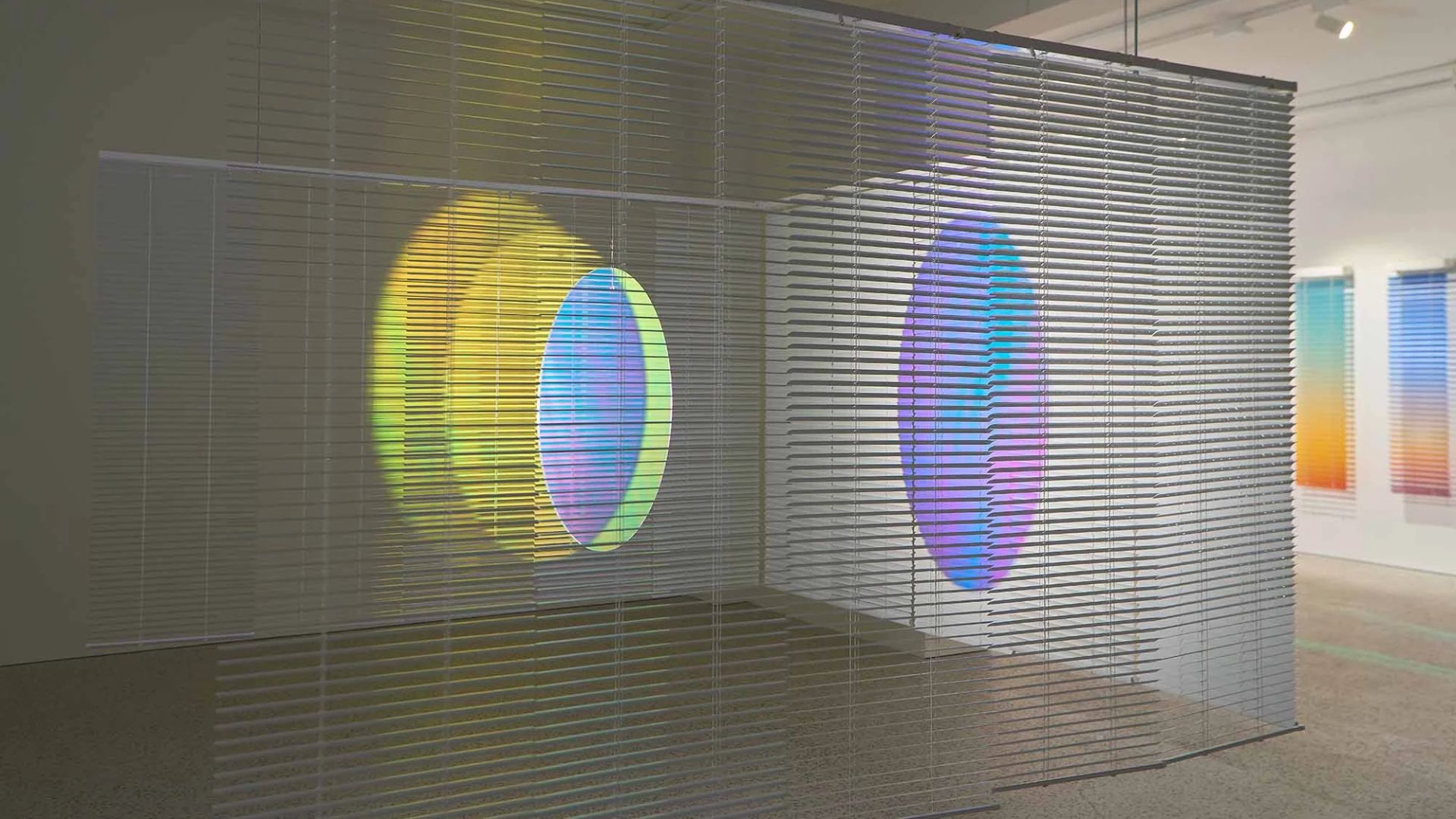
The atmosphere that results is intimate, almost contemplative. Light does not simply illuminate the objects; it becomes narrative matter in itself, altering the perception of surfaces and suggesting that what remains in shadow carries the same weight as what is immediately offered to the eye. The visitor’s movement seems to slow down spontaneously, called not so much to observe as to recalibrate the very act of seeing.
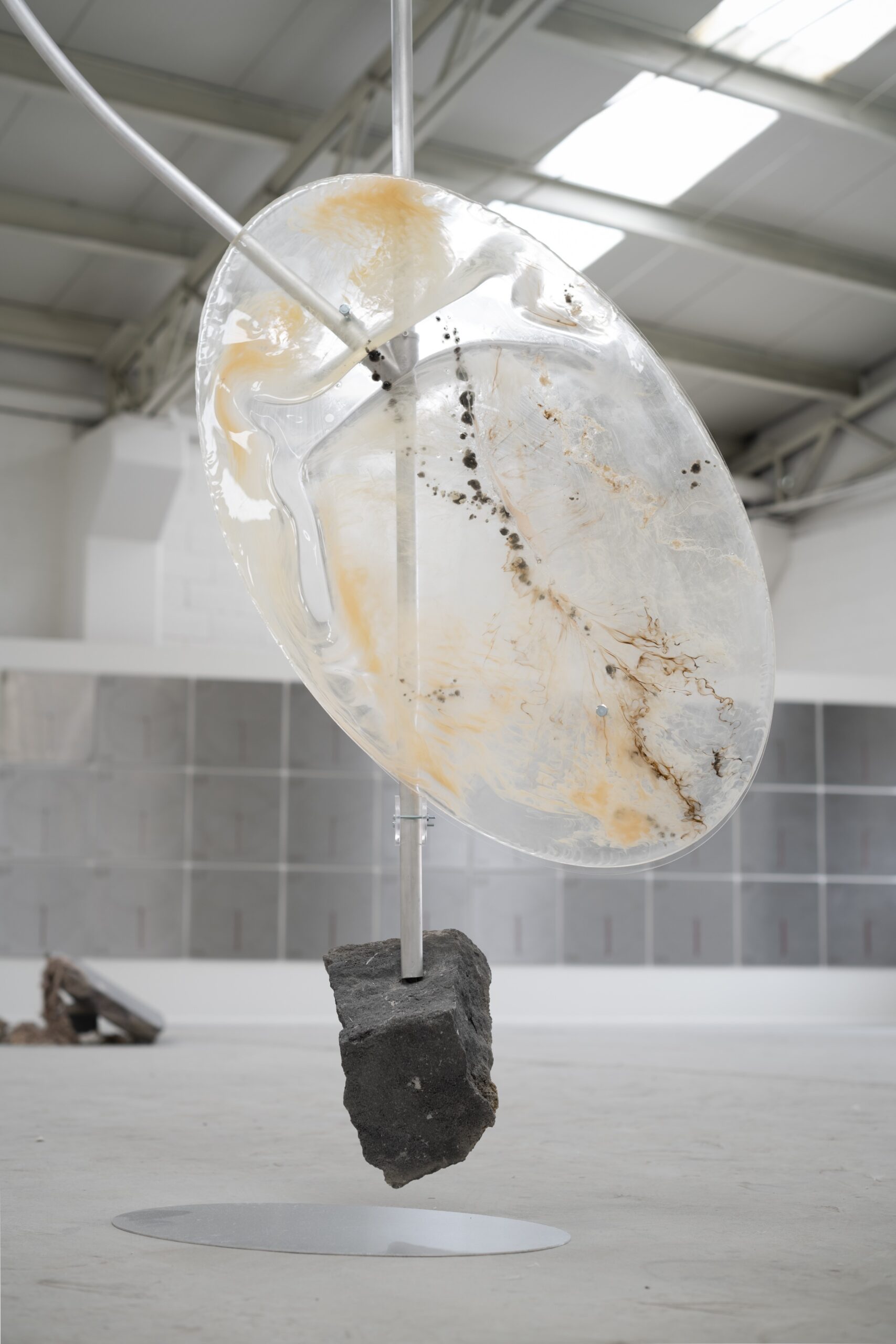
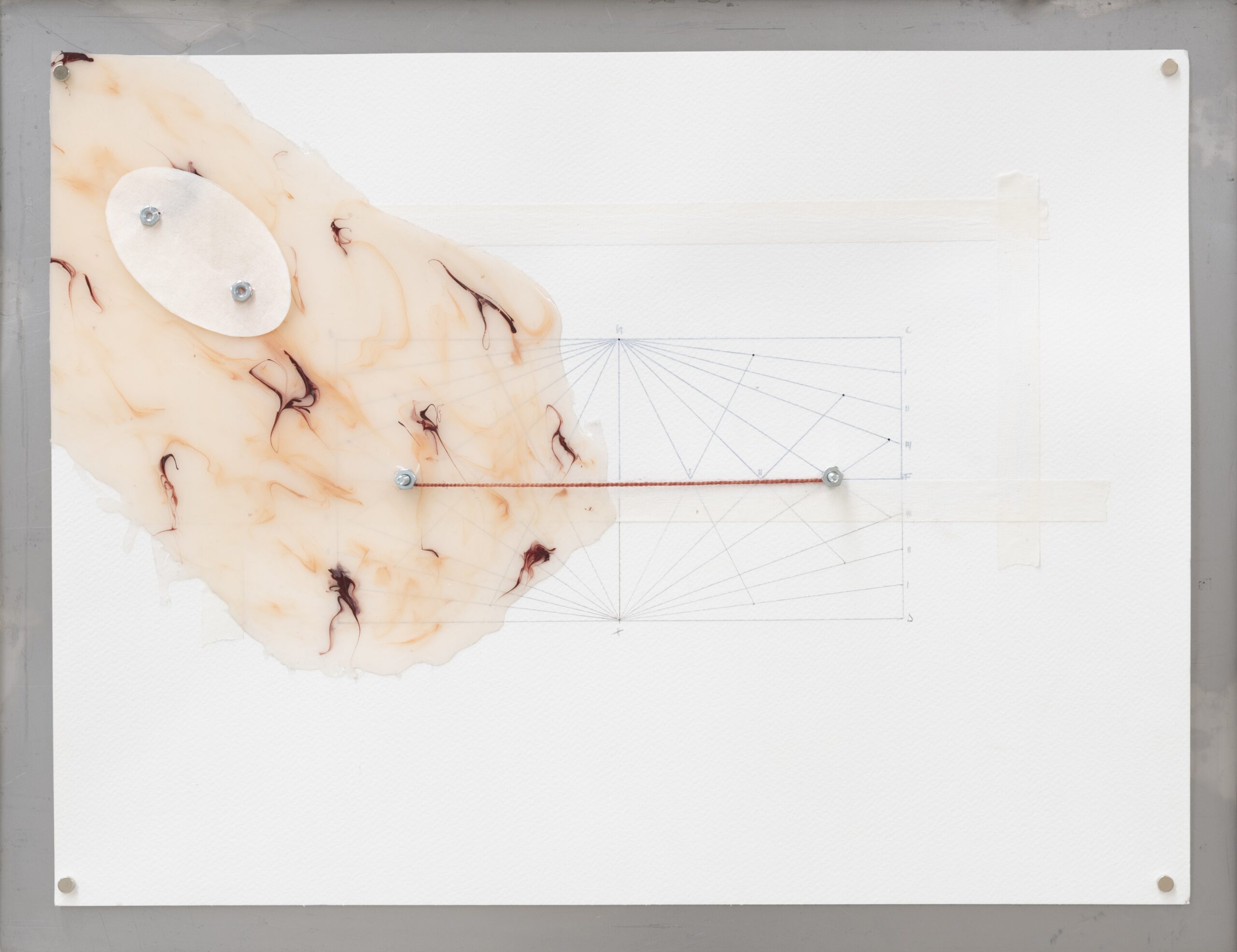
KiefferWoodtli’s research unfolds through a plurality of materials that give physical consistency to natural processes that are usually invisible. The sculptural structures define spatial relationships, while volcanic stone introduces a geological temporality: sedimented, primordial, and resistant to the scale of human time. Textile surfaces, by contrast, retain a more tactile and porous dimension, evoking contact, vulnerability, and the fragility of matter. Data gathered from solar observation is removed from its purely scientific function and transformed into sensory experience. Moving light does not merely describe time; it makes time perceptible in its continuous change. Drawing, too, assumes the character of an exploratory instrument rather than a finished act of representation, keeping the process of knowledge open.
These material choices do not simply illustrate a concept; they amplify its emotional resonance. Darkness does not coincide with emptiness, just as light does not promise a definitive truth. Each element refers back to another, and every balance reveals its own precariousness. The exhibition suggests that orientation does not arise from certainty, but from the ability to recognize the relationships that continually form between time, matter, perception, and human presence. From this perspective, nature is not transformed into an image or a landscape to be contemplated. It remains a living organism of connections, within which we, too, inevitably find ourselves involved.
We might therefore say that AXES leaves us with precisely this sensation: not that of having understood the world, but of having learned, at least for a moment, to inhabit with greater awareness the uncertainty that keeps it alive.
-FW