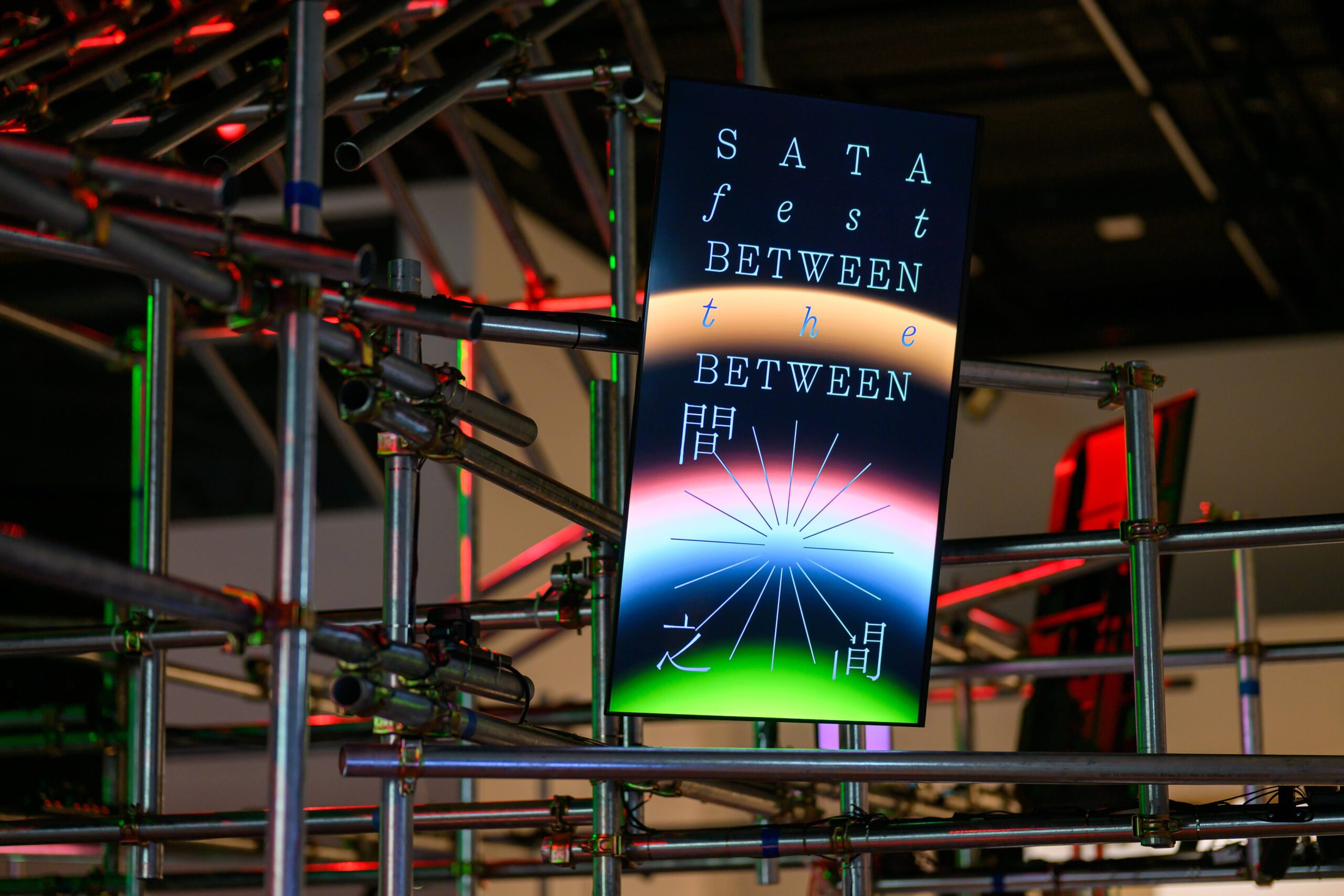
Last month, I visited Hong Kong’s inaugural SATA Fest, Between the Between. The event invites visitors to confront one of the city’s most urgent dilemmas, the question of how to reconcile an ethos of high-speed progress with the value of continuity. It positions itself as a counterpoint to Hong Kong’s celebrated efficiency, which has been at once a source of pride since the colonial era and a pressure that still governs everyday life in the digital age.
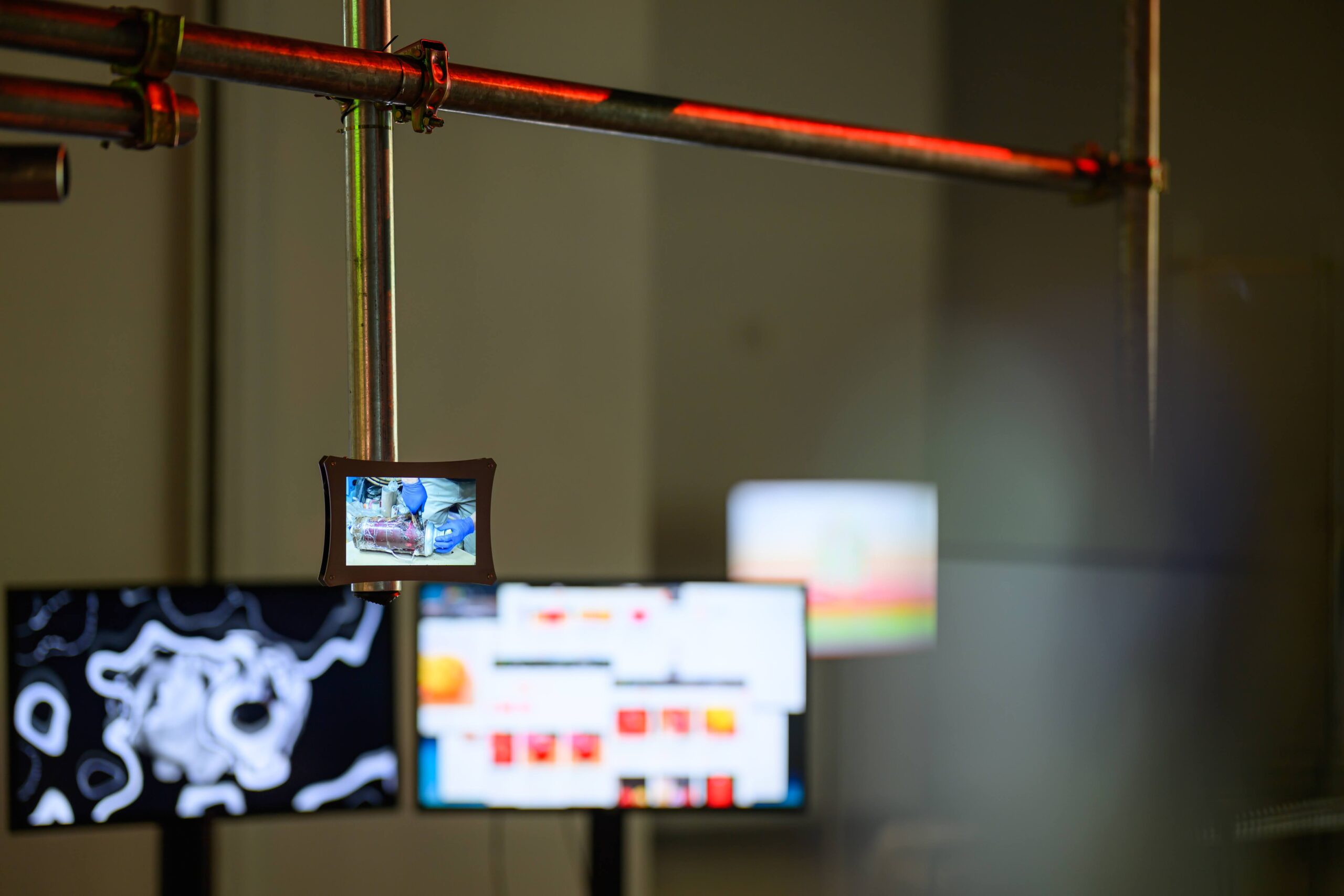
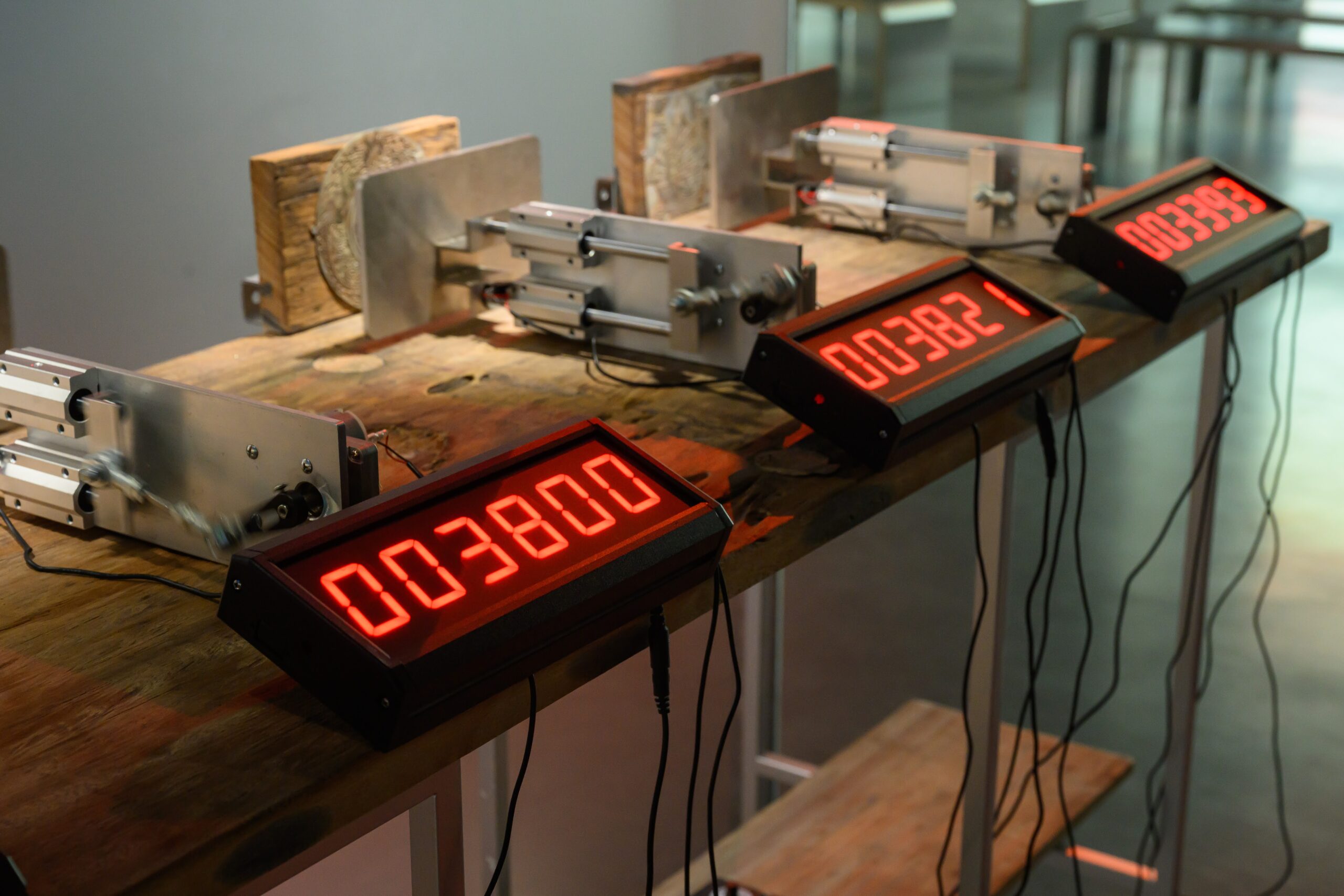
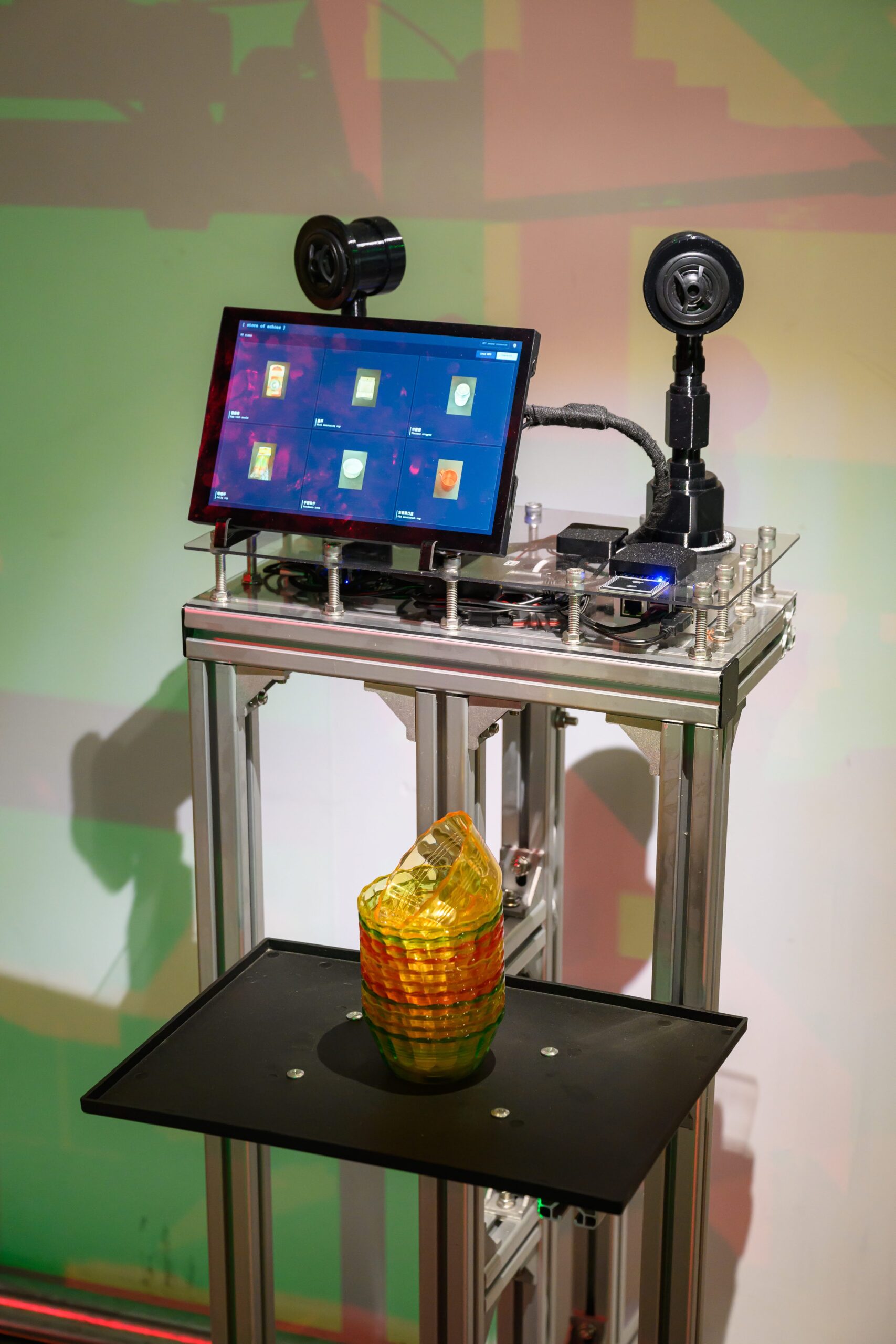
The exhibition is built around four vanishing craft-based businesses, namely Pun Han Sin Koon (seal engraving), Chu Wing Kee (grocery), Kee Heung Chun Tea Company, and Kwong Wah Printing. Each is paired with new commissions by local artists that translate its craft into new media art installations.
The showcase’s focus is neither nostalgic nor technophobic. It examines whether there is room left for slow knowledge and imperfect human labor. In Hong Kong, traditional vocations and rituals have long hovered between resilience and erasure. The arrival of global capital in the late twentieth century, followed by brisk urban redevelopment, relentlessly compressed the time and space available for such livelihoods.
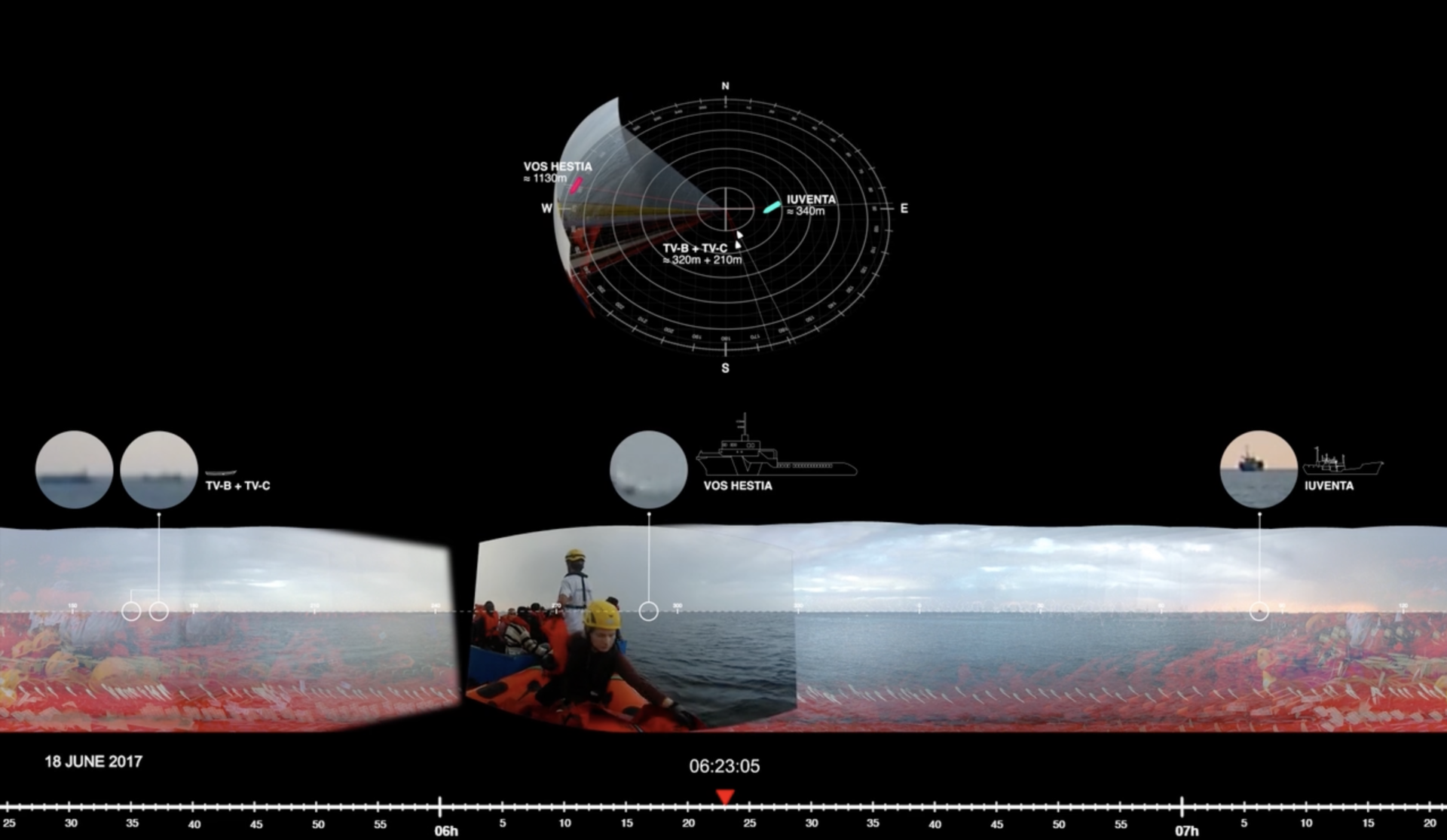
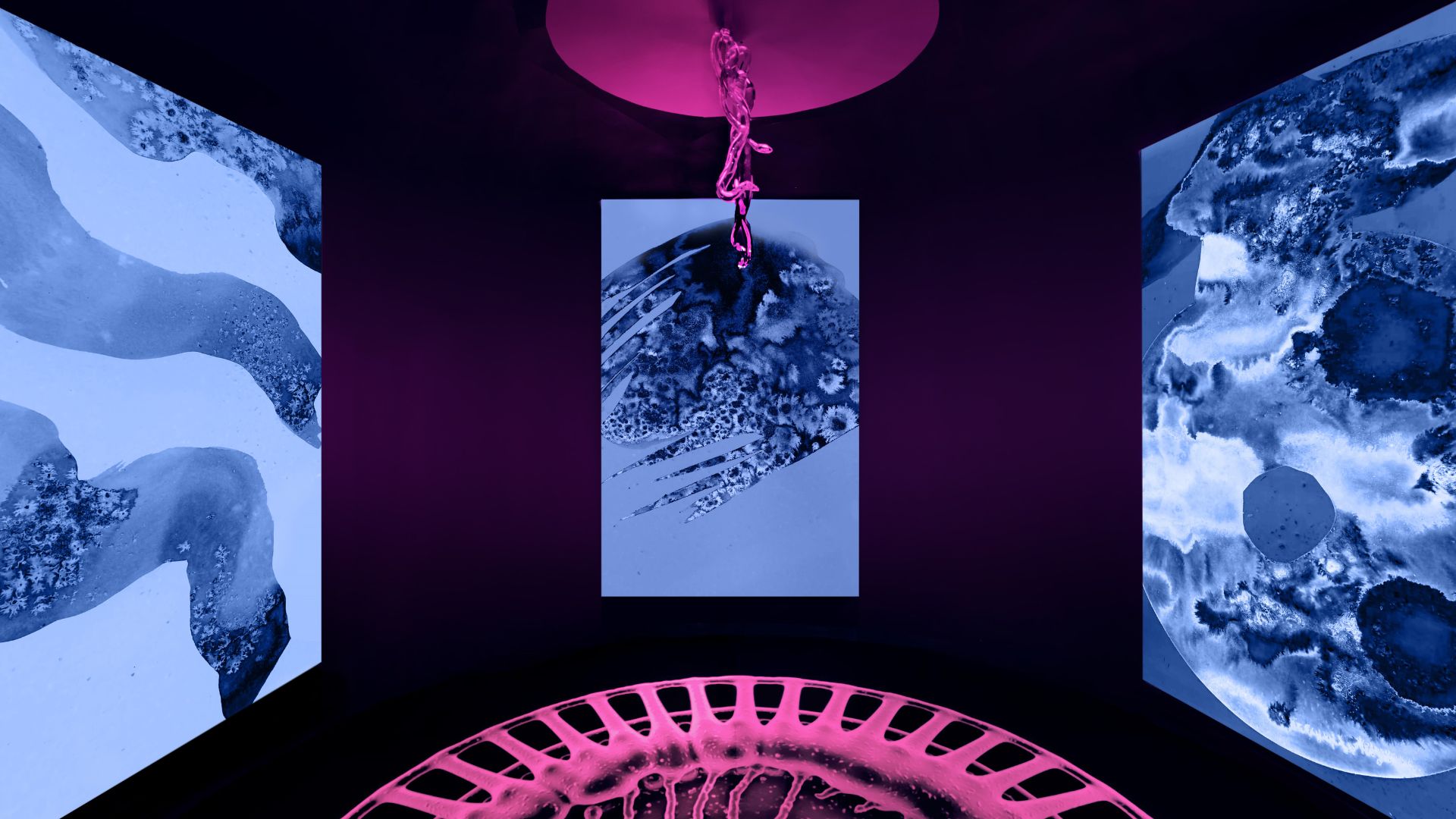
SATA Fest takes on these contradictions directly. The participating artists use sound, technology, and biological processes to reflect on trades passed down through families and communities. They explore if new media can be harnessed to create bridges between eras, instead of preserving the past as a museum piece. Some installations refuse the fantasy of perfect automation, highlighting the accumulated wisdom born of trial and error. This principle also lies at the heart of artisanal crafts and regional heritages, where apprenticeship and oral transmission are valued above written manuals and algorithms.
There is a certain historical irony here. Hong Kong’s greatest asset is its ability to adapt and reinvent itself, yet that very readiness to discard the old now threatens to sever the ties that made adaptation meaningful. SATA Fest’s concern resonates with anyone who has watched similar processes play out elsewhere. Is every loss simply the cost of progress, or is there value in the frictions that resist it? Can slowness ever be more than a luxury for the few, or a slogan of the lifestyle industries?
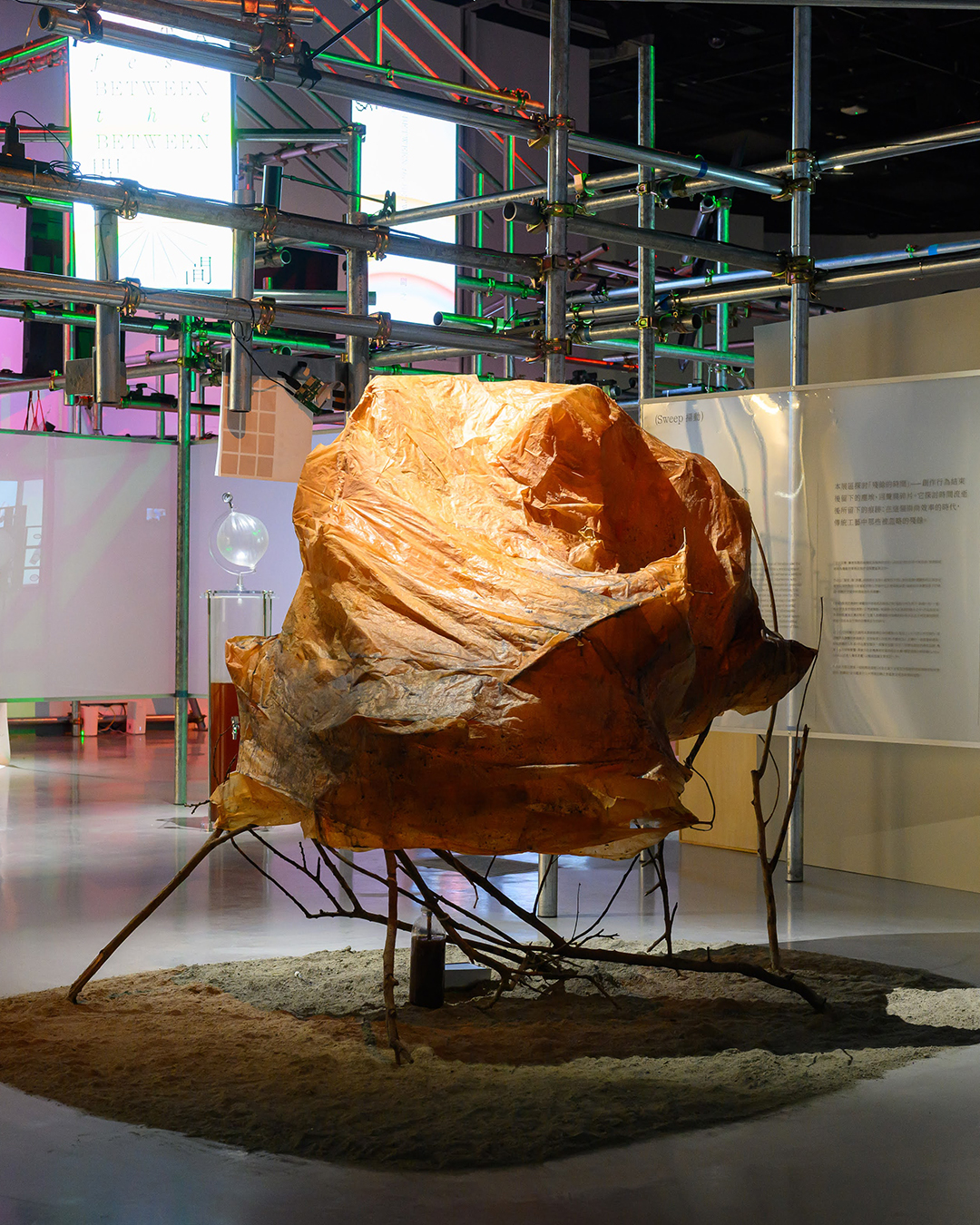
The works answer these prompts with varying degrees of conviction. Some moments in the exhibition probe deeply; others stay closer to the surface. Gabriella Lai’s Tea Pe(s)t: Sooty belongs firmly to the first camp. An organism shaped from collagen casing and twigs, stained dark by a tea and ferrous sulfate solution (the same chemistry behind centuries of iron gall ink), it breathes through a humidifier and responds to its surroundings via sensors. Nothing about it announces itself quickly; its logic only emerges if you stay with it, watching the residues accumulate like time made visible. It is the festival’s argument in miniature, a gradual biological process meeting responsive technology, neither one legible without patience. Other works are less demanding, offering engaging visuals without pushing much further into the ideas the event raises. The unevenness is not fatal (group exhibitions built on mentorship and experimentation rarely land every piece) but it does mean the show asks viewers to do some of the curatorial work themselves, separating the pieces that hold time from those that fill it.
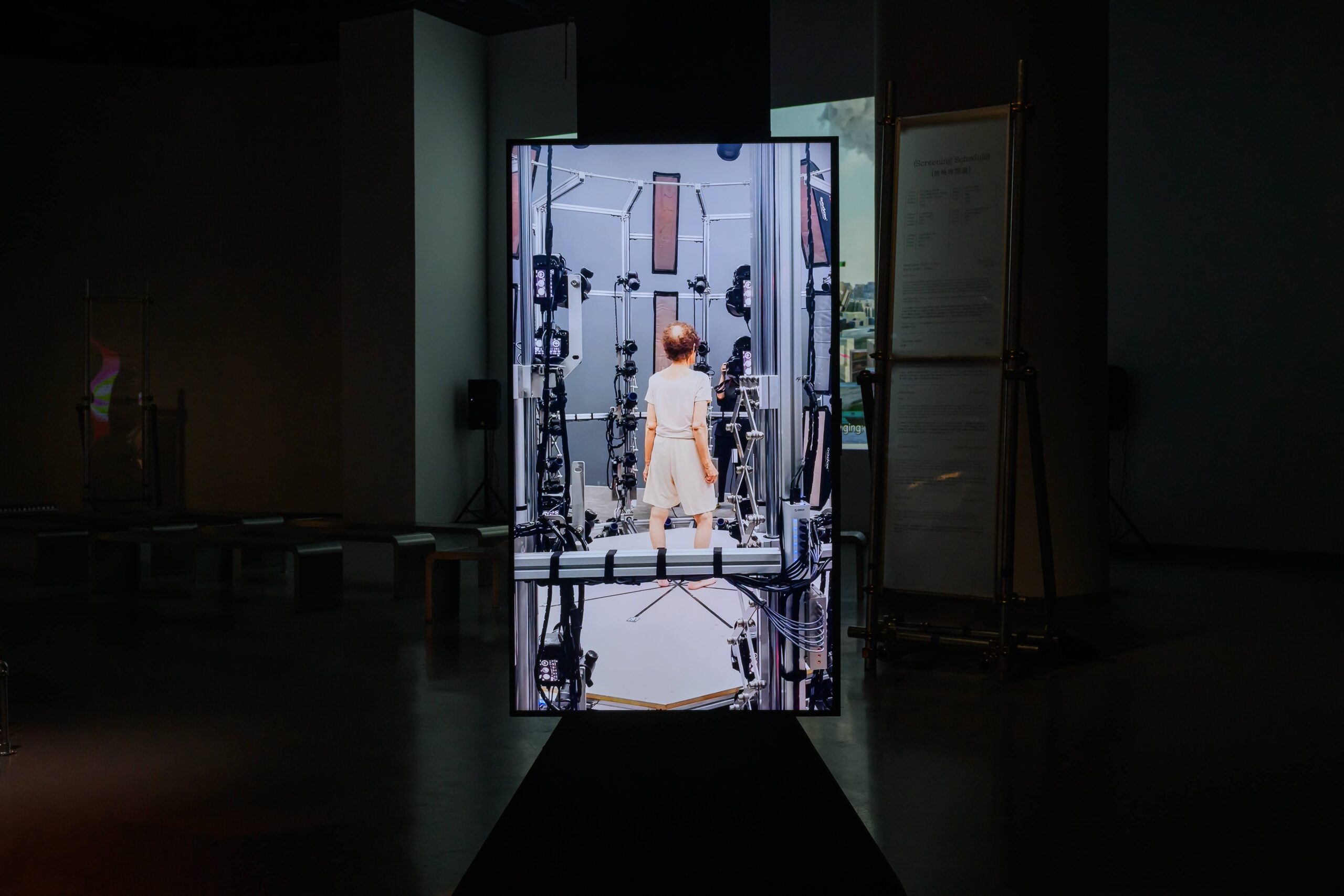
If depth varies from work to work, the group show’s resonance is more consistent. International contributions broaden its relevance, with creations echoing anxieties in other swiftly changing Asian cities and beyond. Yaloo’s Shininho Opening Number is the standout. It combines video, soundscape, sculpture, and text to reimagine the artist’s 86-year-old grandmother as both a K-pop idol and a pirate ship captain. Beneath the deliberate absurdity runs a speculative meditation on aging, data, and memory, the festival’s questions about transmission transposed from Hong Kong’s shopfronts to a single Korean family. This cosmopolitan reach also opens a productive line of inquiry. How does the urgency driving local efforts to maintain community bonds or contest urban erasure sit alongside a wider, global conversation? The balance between universality and specificity becomes one of the exhibition’s most thought-provoking threads.
What holds these registers together is the process behind the works. Credit goes to the organizers and artists for avoiding sentimental solutions. Rather than idealizing the traditional, they reveal the difficulty of sustaining methods that depend on community, repetition, and shared time. The mentor-apprentice dynamic running through the curation evokes both older forms of learning and new experiments in collaboration, and each of the four mentor groups turned it into a working method of its own. One built its piece out of repeated visits and slow-earned friendships with shop owners; another distributed scoby grown from the tea company’s own leaves, asking mentees to tend it before developing their readings. A third cast its members as parts of a printing press, functioning collectively as a single machine, while the fourth translated the spatial logic of a grocery store into a sonic archive. In each case, the making mirrors the forms of transmission the endangered trades depend on.
As a Western observer based in Japan, I find the pattern familiar. Whether in the quiet, endangered shops of Tokyo or the old neighborhoods of Paris, there is a temptation to mourn what is disappearing, even as we continue to participate in the forces that hasten its passing. SATA Fest is at its best when it brings this ambiguity to the surface, posing provocations that implicate the viewer as much as the subjects on view. The real achievement here may be its insistence that doubt, difficulty, and unresolved tensions are a mark of genuine engagement.
The winding path of Between the Between offers no quick resolutions. It clears a space for critical pause, where the histories of Hong Kong’s labor, its inventions and losses, can be considered in relation to the accelerations of the present and the stubborn practices that don’t want to disappear. It is rare to be asked to stop here. That is the point.
————-
Curator:
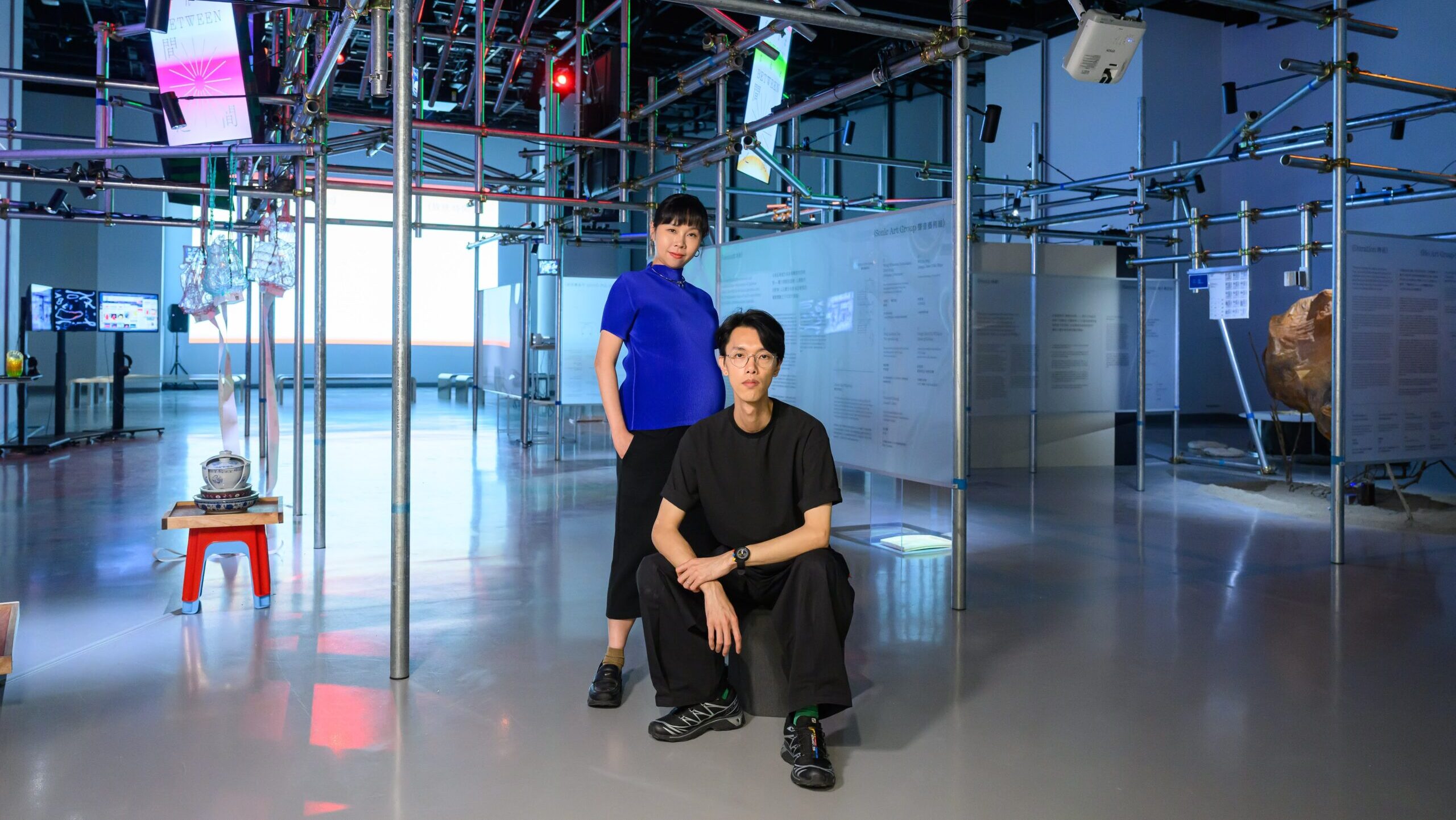
Shan WONG (Co-director of SATA)
Overseas & Local Artists:
CAO Shu (Chinese Mainland), Foreseen Agency (Hong Kong), Priyageetha DIA (Singapore),
Saroot SUPASUTHIVECH (Thailand), Tromarama (Indonesia), Unmake Lab (South Korea),
WU Ziyang (Chinese Mainland/US), Yaloo (South Korea)
Artist-Mentors:
FUNG Wing Lam, Rogerger NG, Sing Jantzen TSE, Liv TSIM
Artist-Mentees:
Frank CHAN, Yiu CHENG, CHEUNG Ching Yu Annisa, Sams CHEUNG, Vincent CHEUNG,
CHUNG Wing Shan, Gabriella LAI, Aaron LAM Kwok Yam, Issac LI, Melody Qingmei LI, LIAO
Jiaming, hirsk, PANG Chun Fu William, Chet, TANG Tsz Wai Cheri, TSANG Ching Man Elyse,
Winsome, WU Ho Mui, Ceci Lavina, Tian ZHANG
Participating Traditional Businesses:
Chu Wing Kee, Kee Heung Chun Tea Company, Kwong Wah Printing Company, Pun Han Sin
Koon
SATA (Society Art Technology Asia) is an artist-led, future-facing platform that responds to the evolving intersections of art and technology across Hong Kong and Asia. Co-directed by Hong Kong artists Shan Wong and Kachi Chan, the organisation creates space for experimentation, dialogue, and new forms of artistic collaboration through research, talks, mentorship, and cross-regional knowledge exchange.