

The End of Visual Evidence
For a long time, visual evidence functioned as one of the primary infrastructures of trust. To see was to believe. The image, the document, the visible trace operated as guarantees of truth, as immediate confirmation of a fact, an event, an existence. This regime rested on a linear assumption: what is visible is verifiable, and what is verifiable is reliable.
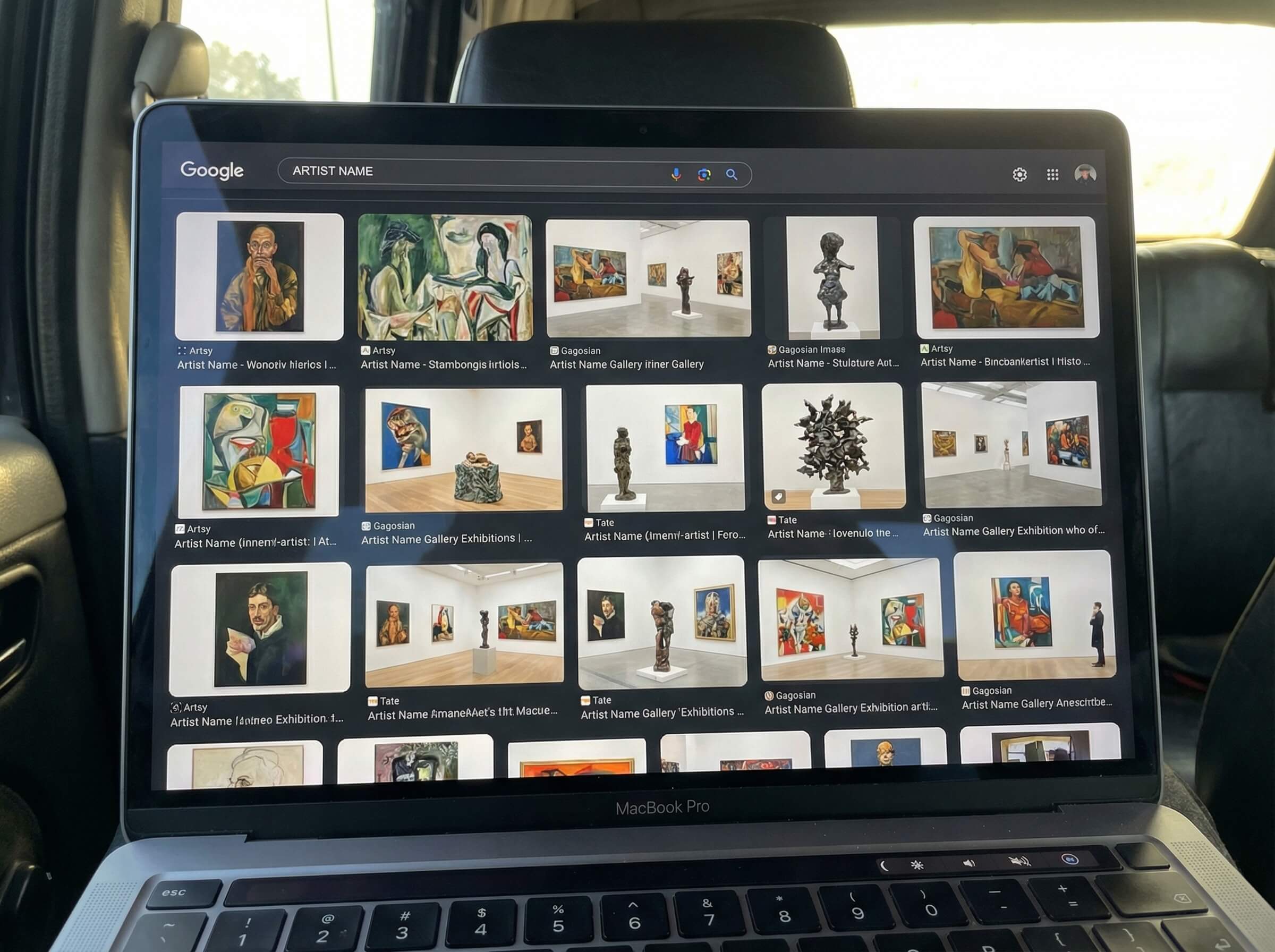
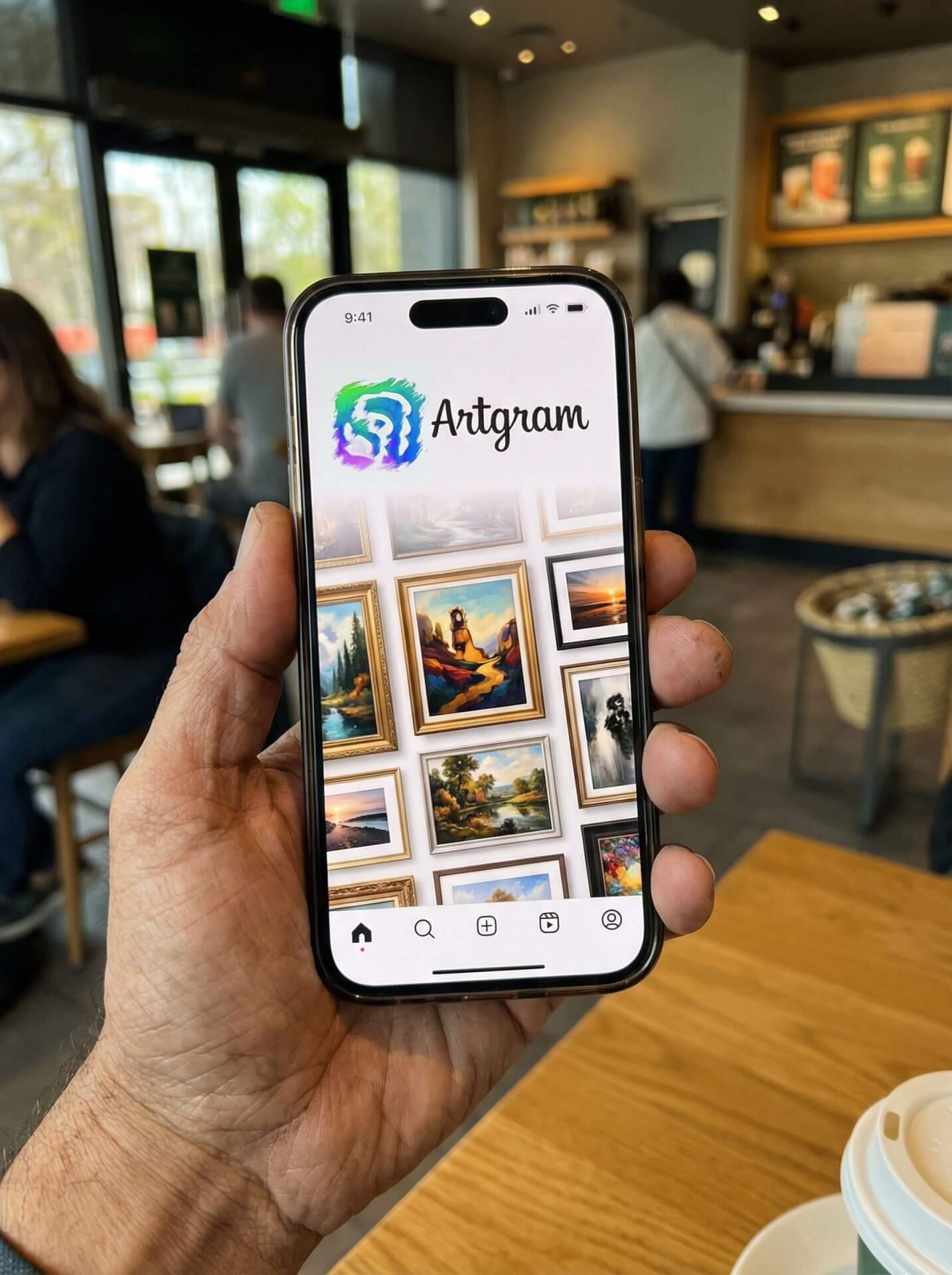
Today, this assumption is undergoing a profound transformation. The image has become a field of ambiguity. Its total reproducibility, together with practices of manipulation, generation, and simulation, has redefined the function of visual evidence, rendering it structurally unstable. The image has entered a new condition: it shows, but it does not guarantee; it exposes, but it does not certify. Vision alone no longer grounds trust, which now unfolds across additional layers.
This transformation concerns the cultural construction of truth itself. When every image can be authentic or artificial, documentary or synthetic, the distinction loses its operational relevance. The central issue becomes the capacity of something to appear credible, sustainable, and shareable within a given context.
In the post-evidence regime, the image changes function. It signals rather than proves. It orients rather than certifies. It operates as an access point to a network of relations, narratives, and external confirmations. Trust is produced through the continuity between what is shown and the symbolic system that supports it.
For the work and for the artist, this shift has decisive consequences. Value is grounded in the construction of meaning over time, rather than in immediate impact. The image functions as an entry point, not as proof. What matters is the work’s ability to situate itself within a coherent, recognizable, and repeatable context. The transformation of visual evidence thus opens a new economy of trust, in which truth emerges as a shared, constructed process.
Truth as a Social Protocol – Converted Version
With the eclipse of visual proof as the foundation of certainty, truth acquires a new status. It takes shape as a process: a shared construction that emerges through relationships, repetition, and mutual recognition. In this sense, truth increasingly functions as a social protocol.
A protocol regulates. It defines the conditions under which something can be considered valid, reliable, and operative. Likewise, post-proof truth operates through adherence. It is accepted because it aligns with a shared system of signs, behaviors, and expectations. It therefore assumes a functional character.
This transformation shifts the center of trust from the object to the context. Attention moves toward the recognition of something as true within a sufficiently stable network of subjects. Truth emerges from the interaction of reputation, temporal continuity, and implicit consensus. It takes the form of a negotiation.
In the field of art, this mechanism is particularly evident. A work gains credibility by being embedded in a system of distributed validations: curators, venues, collectors, reference communities. The truth of the work coincides with its capacity to hold within this system over time.
To speak of truth as a social protocol is to acknowledge that trust is built through shared practices. Truth is what endures over time, sustained by a structure of relationships that guarantees its continuity.
Weak Signals, Strong Coherence
In the post-proof regime, trust rests on a constellation of weak signals that, taken together, replace strong demonstrative acts. Minimal traces, repeated and seemingly marginal, stand in for decisive events and definitive evidence. It is this continuity, rather than the intensity of any single act, that generates credibility: truth, stripped of immediate force, is rebuilt through gradual accumulation.
These signals operate laterally and discreetly. Consistent language, a recognizable posture, continuity in choices, and a presence that maintains a line over time do not produce immediate effects, but they stabilize perception. Considered in isolation, they remain clues; observed through repetition, they configure a field of reliability. Trust thus emerges as an effect of convergence, not as the outcome of a single proof.
Within this framework, coherence takes precedence over spectacle. Trust is generated through regularity, while the exception loses symbolic power. What matters is the ability to sustain a recognizable line across different contexts, more than the impact of a single striking gesture. Coherence is therefore defined as recognizability: the capacity to discern a persistent structure even amid change.
For the work and for the artist, this scenario entails a strategic shift in value. Assertion no longer concentrates in a single moment but is distributed across a sequence of micro-confirmations. Every choice, every appearance, every text or image contributes to reinforcing or modulating overall reputation. The brand takes shape as the sum of behaviors observable over time.
Weak signals work because they require duration. They can be replicated instantly, but only internal coherence allows them to be sustained over the long term. In an era of low-resolution truths, trust arises from continuity: what persists ultimately acquires credibility.

Community as an Infrastructure of Trust
In the post-proof context, within today’s ultra-social communication of contemporary art, trust takes the form of a structured collective process. It materializes within configurations shared by art-world actors that function as implicit infrastructures of verification. In this framework, communities become the site where credibility is built operationally, through ongoing practices of recognition, comparison, and legitimation, rather than through formal certification.
These communities operate as environments for the stabilization of meaning. Their role is to make visible what can be considered reliable, relevant, and worthy of attention. Truth is thus replaced by a shared threshold of credibility. The resulting consensus does not imply unanimity, but a sufficient convergence to sustain value over time, always open to revision.
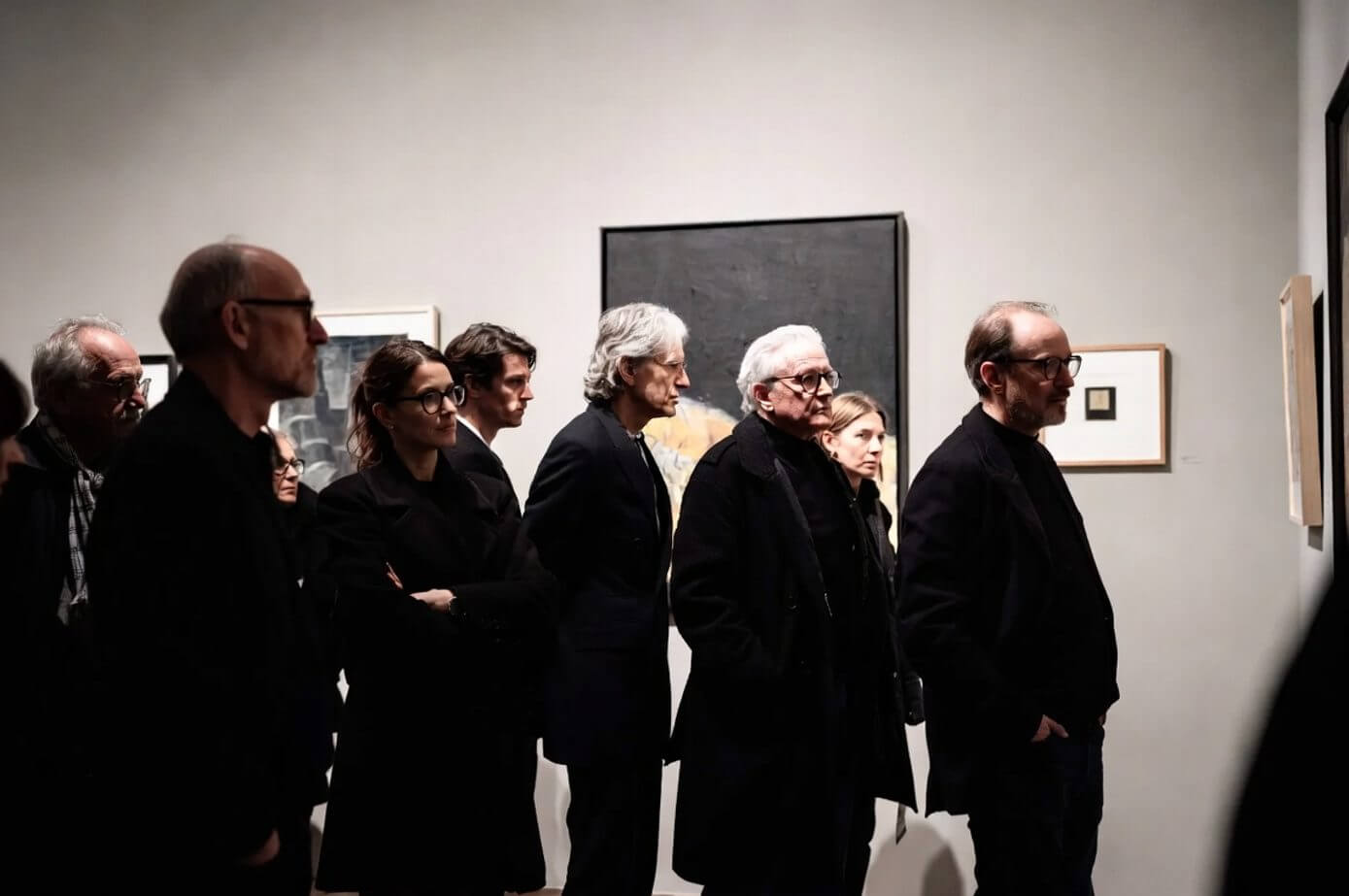
Within this arrangement, verification is distributed across a network of actors. Authority does not reside at a central point; it emerges from the intersection of heterogeneous perspectives, curators, critics, collectors, peers, and informed publics. Each contribution remains partial and situated; taken together, however, they produce a form of operational validation capable of orienting trust.
For the artist, this dynamic redefines the conditions under which a brand is built. Value is generated through relationship with the community, which becomes an integral part of the work itself. Integration into a network of symbolic exchanges allows the work to acquire substance, continuity, and duration, making the practice recognizable over time.
And therefore? In the absence of definitive proof, the community provides the conditions under which something can be believed long enough to produce effects. Trust thus takes shape as a cultural infrastructure: the device that allows the work to circulate, be discussed, tested, and progressively recognized as an active element within a shared discourse.
Building the Work’s Brand in the Post-Proof Era
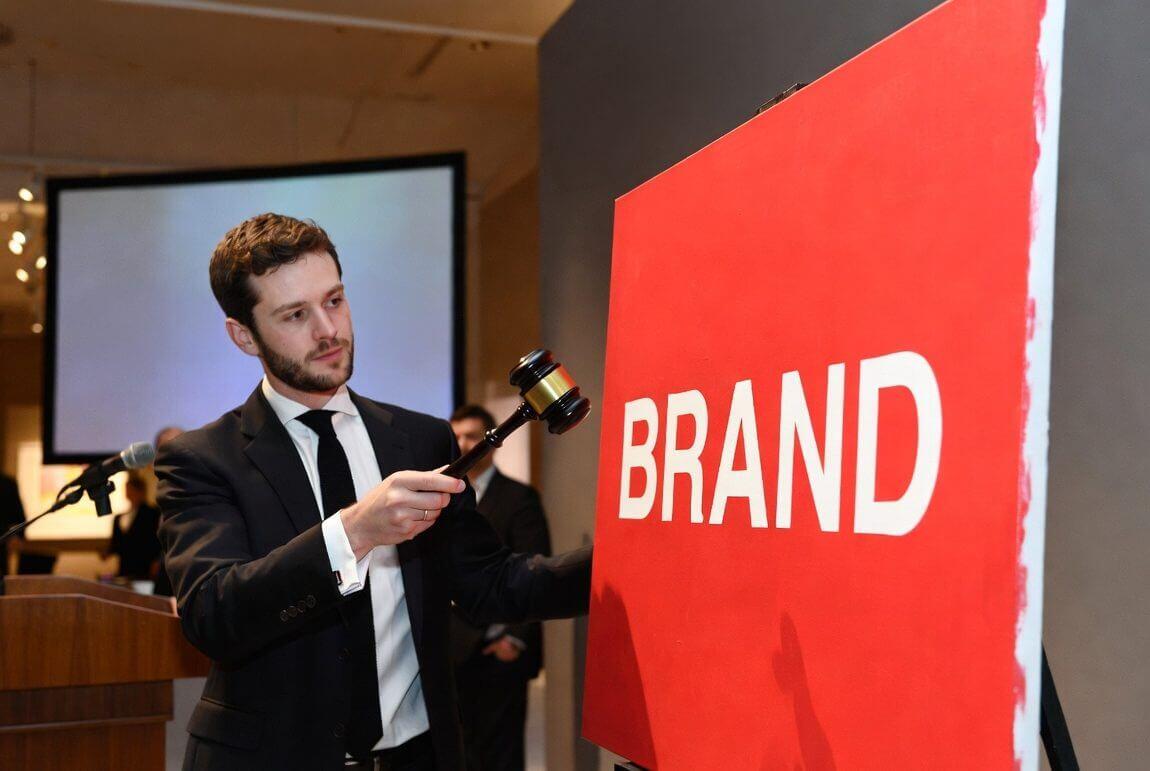
In the post-proof era, the brand of the work and of the artist is fundamentally redefined. It no longer coincides with a promise of authenticity grounded in evidence, but takes the form of a device of continuity: a structure capable of sustaining, over time, a perception of reliability, coherence, and presence. In the absence of definitive signs guaranteeing what a work is or represents, the brand functions as a principle of symbolic holding.
To build a brand means to make a trajectory legible. In a context in which truth operates at low resolution, value shifts from immediate clarity to perceived symbolic stability. The brand works when it allows the work to be recognized even without explanation, generating a coherent expectation about what may occur within it.
For the artist, this scenario introduces a new responsibility. Every gesture, every choice of exhibition, language, or alliance contributes to defining the perimeter of trust within which the work is interpreted. The brand takes shape as sedimented behavior: it emerges from repeated and coherent decisions rather than from explicit declarations.
From this perspective, authenticity appears as a relational effect. A work is perceived as authentic when its presence is supported by a coherent network of signals, communities, and contexts. Its consistency derives from the ability to maintain a recognizable form across its appearances.
The post-proof condition does not eliminate truth, but transforms its regime of operation. For art, this implies a decisive shift: from value as evidence to value as persistence. The brand of the work creates the conditions under which meaning can be believed, shared, and inhabited over time, sustaining a durable relationship between work, artist, and context.