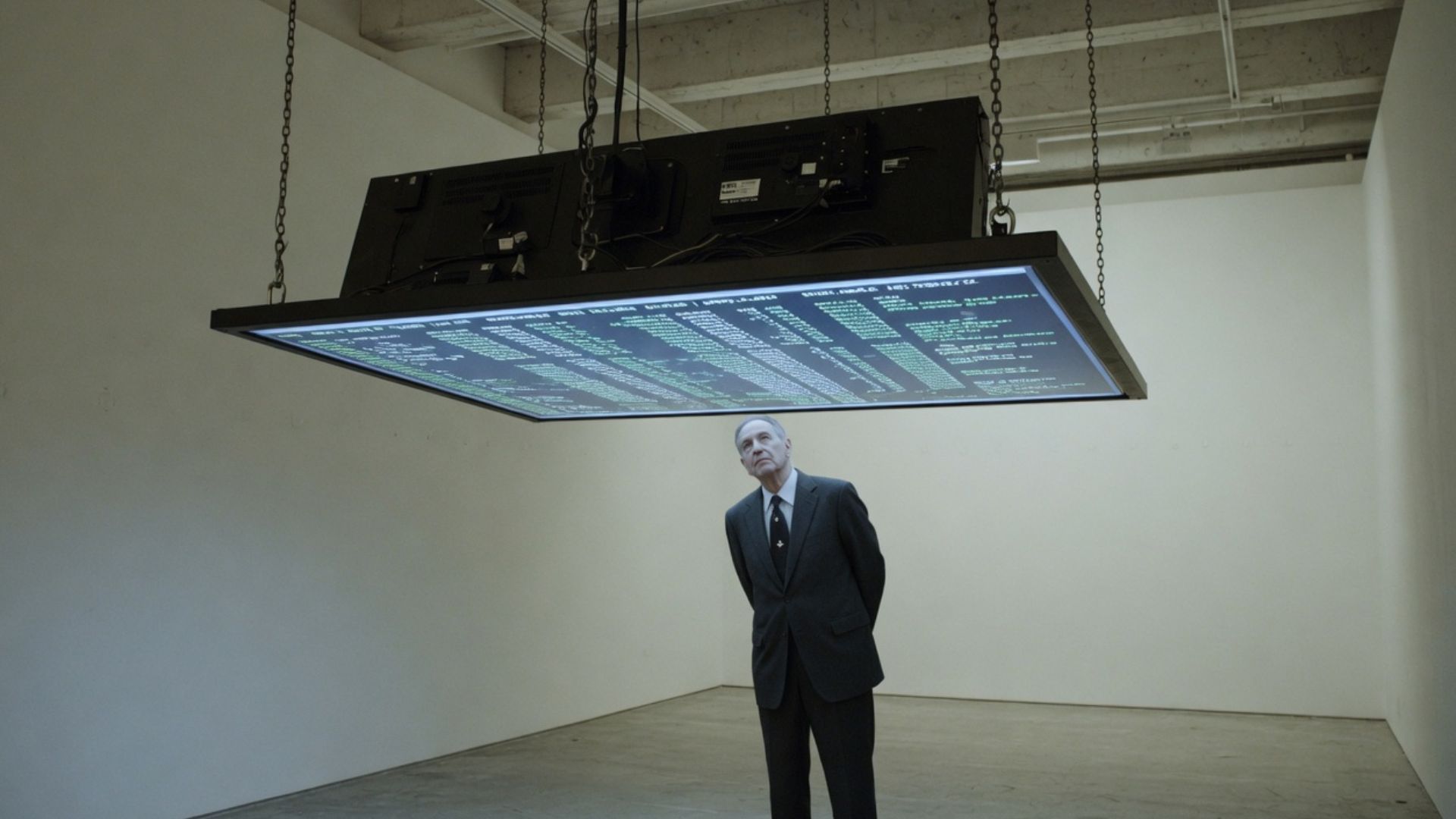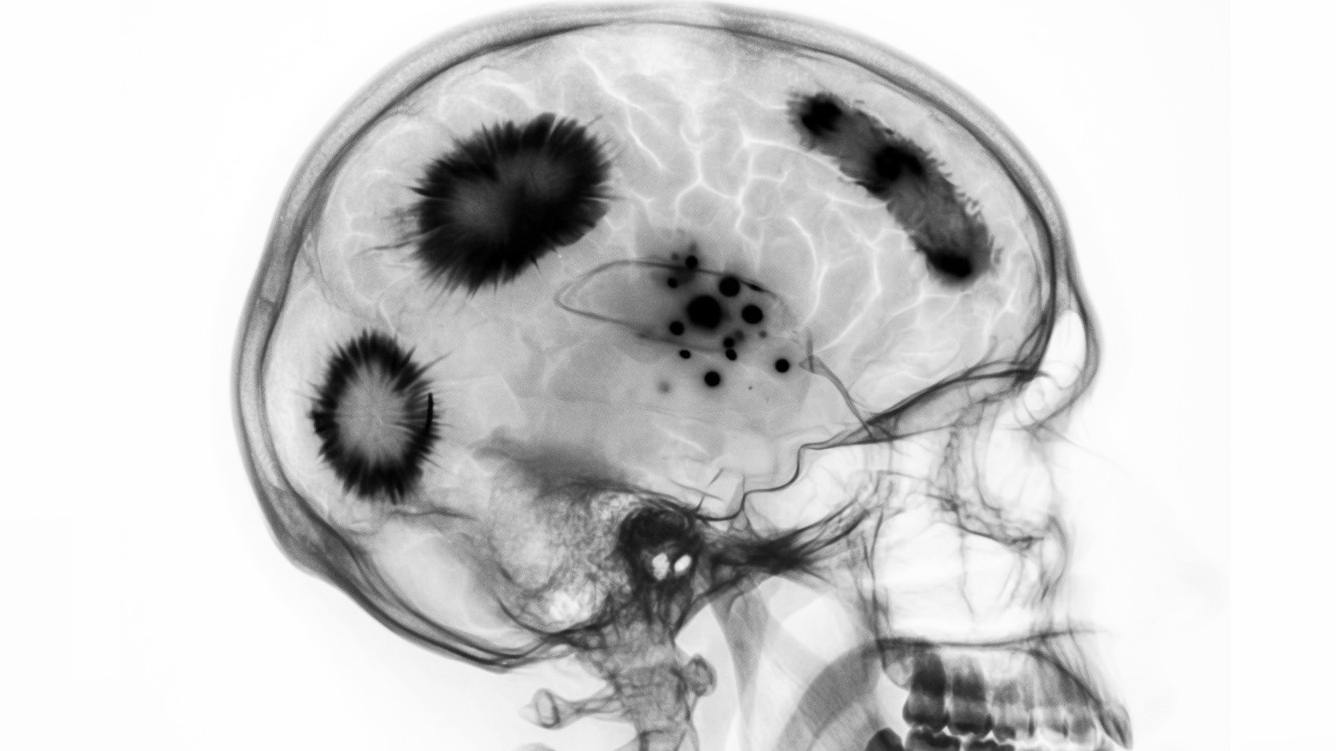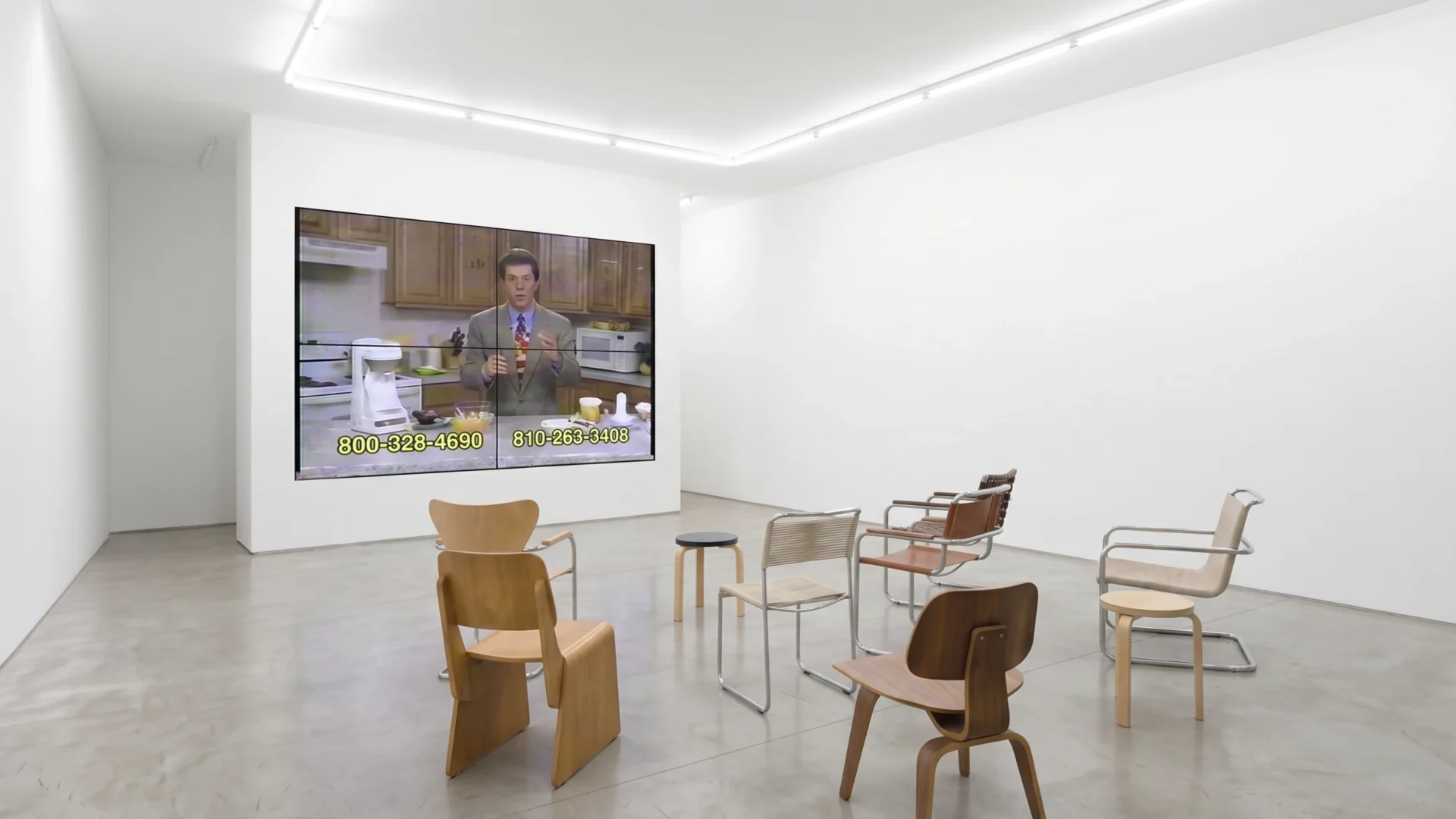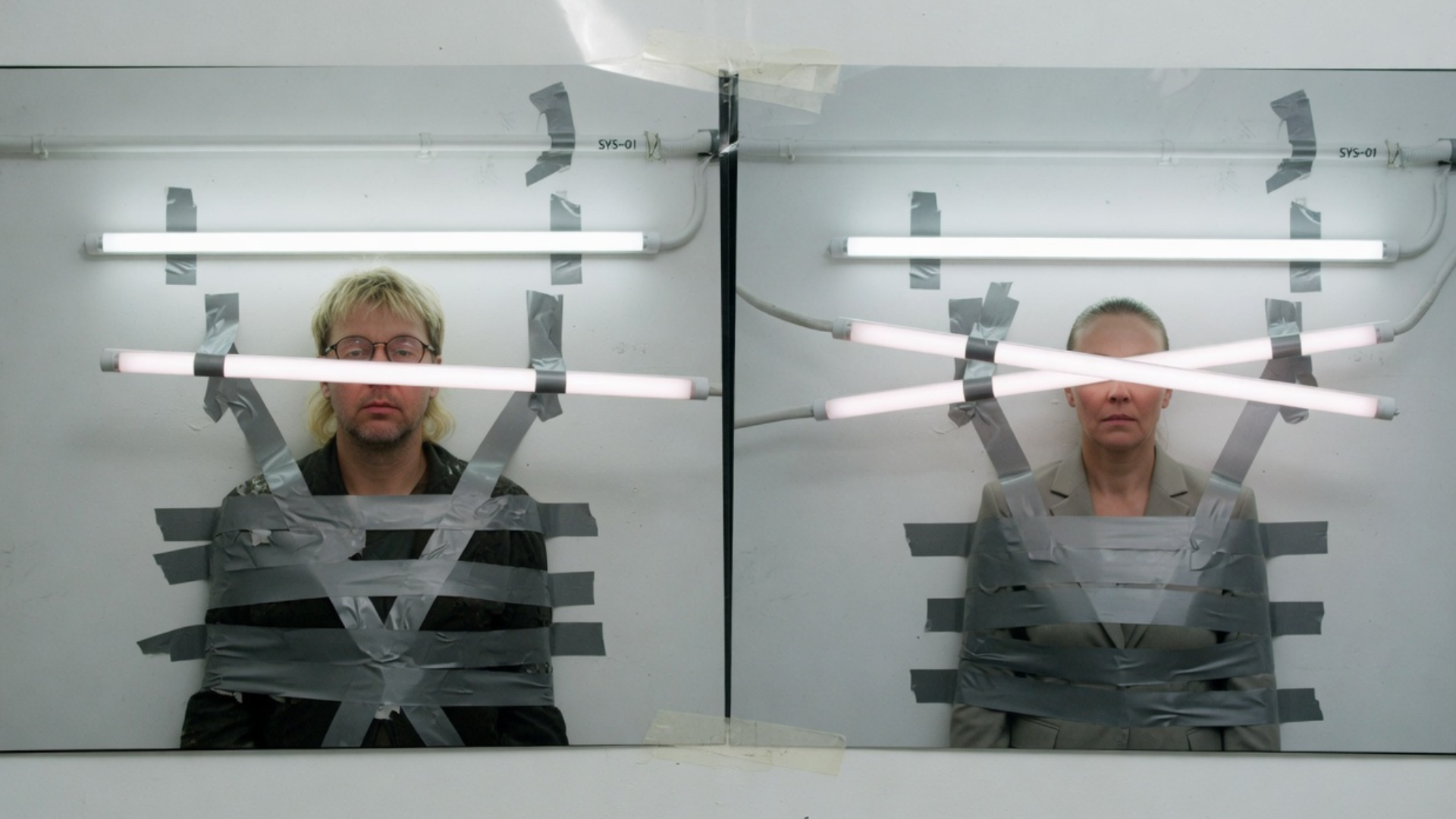


Every media ecology produces its own conditions of visibility. Every language also constructs an environment in which thought can appear, a space where ideas emerge, circulate, settle, and become perceptible experience. Images always belong to a specific regime of production, to a particular economy of attention, to a distinct technical and cultural structure. When an organization develops its visual apparatus internally, the image enters directly into the process of theoretical elaboration and no longer occupies a peripheral role.
Cultural modernity consolidated a stable separation of roles: the theorist develops concepts, the artist produces figuration, the designer organizes form, the medium distributes content. This division generated efficient operational models and strong disciplinary genealogies. At the same time, it contributed to obscuring the deeper continuity running through all symbolic production. Internal generative infrastructures alter this configuration. When the tool producing images emerges from within the same ecosystem that develops critical research, philosophical reflection, and artistic practice, visuality acquires an epistemic function. The image enters the reasoning process, organizes relationships, produces conceptual assemblages, and participates directly in the construction of discourse itself.
Fakewhale Studio (fakewhalestudio.com) operates within this transformation as Fakewhale’s internal AI orchestration system: a proprietary framework designed to coordinate advanced generative models within a unified editorial, visual, and research environment. Visual production functions as an internal device capable of participating directly in Fakewhale’s cultural outputs, particularly at the points where critical research, philosophical inquiry, and artistic production converge through a proprietary generative infrastructure.
A structure of this kind inevitably generates critical tensions. The continuity between research and visual apparatus intensifies the relationship between idea and form while collapsing the distance between theory and perception. The image begins to operate inside thought itself. That same continuity can also consolidate automatisms and aesthetic reflexes, producing forms of self-referentiality over time. Highly coherent systems naturally tend to reinforce their own imaginary worlds. The critical threshold emerges precisely here: in the infrastructure’s capacity to preserve the possibility of deviation, friction, and revision.
Fakewhale Studio makes a broader transformation visible. The artistic function enters an operational tool capable of illustrating and placing tension upon the theoretical production that feeds it. The artist acquires an expanded and hybrid status, while the medium assumes a more reflective and integrated role within the organization itself. The decisive question therefore concerns the critical responsibilities accompanying this transformation, together with the forms of thought that may emerge from it.
The Embedded Artist
As a “tool,” Fakewhale Studio performs an infrastructural function within our ecosystem. It is already integrated into the operational body of the platform itself, particularly in relation to the construction of visual language and iconographic production. Within our work as a media platform, image and argument emerge from the same environment of cultural production. Writing and visuality share processes, rhythms, references, and decision-making structures.
Authorship also shifts configuration: the final output emerges from a negotiation between human intention and editorial validation systems.
The same infrastructure also participates directly in the writing process itself. Fakewhale Studio is the system through which Fakewhale develops editorial writing and visual production simultaneously, functioning not as a supplementary AI utility but as a proprietary model of editorial and cultural management.
An incorporation of this kind inevitably raises questions. An internal tool capable of generating images for an editorial ecosystem transforms the traditional position of the external artist and redistributes competencies that historically remained separated. Rather than displacing external artistic contributions, it opens possibilities for deeper integration between artistic practice and editorial systems. Part of visual production becomes directly embedded within the operational flow of the cultural platform itself. Time and mediation contract, while the process acquires a stronger continuity. Symbolic cooperation therefore assumes a different structure.
In the case of Fakewhale, this cooperation operates through a highly specific framework. The generative infrastructure functions within a defined curatorial vocabulary and through a recognizable aesthetic orientation already rooted in the platform’s history of references. The resulting images therefore maintain a strong continuity with the platform’s theoretical identity. This coherence strengthens the readability of the ecosystem and avoids the anonymous interchangeability typical of many automated productions.
At the same time, highly coherent infrastructures naturally tend to consolidate their own taste. Identity can harden into formula, while recognizability risks becoming predictable. The system may gradually lose contact with the unforeseen element sustaining authentic research. Awareness of this tendency makes it possible to introduce mechanisms of deviation and self-critique directly into the process itself.
The function of the “embedded artist” therefore emerges as an intermediate figure. Fakewhale Studio exposes the mediated nature of contemporary cultural production and dissolves the boundary separating theory from its technical apparatus. The central question concerns the new forms of responsibility and sensibility emerging from this coexistence.
The Critique That Illustrates Itself
Every essay that produces its own image also transforms its epistemic status. When text and visual apparatus emerge from the same environment of production, the image extends the theoretical hypotheses of the discourse while rendering perceptible ambiguities that discursive language often fails to retain. Within Fakewhale Studio, visuality participates directly in the editorial methodology and accompanies thought through the form of its medial appearance.
The same operational continuity also means that the articles themselves provide the sole textual foundation from which all image generation prompts are constructed. Visual outputs are developed exclusively through text prompts derived directly from Fakewhale’s own editorial production. This allows the visual language to emerge from internally generated theoretical content, without any reliance on external visual references, artist-provided imagery, scraped datasets, or inputs disconnected from the platform’s editorial ecosystem.
Such a strong proximity between critique and visualization inevitably shapes reception. Every image suggests an interpretative posture and modulates the reading process itself. Iconic neutrality does not exist. The question therefore concerns the degree of awareness with which an infrastructure recognizes its own argumentative function.
Fakewhale Studio openly exposes a mechanism that many editorial institutions keep implicit. Editorial systems have always constructed visual syntaxes capable of orienting the meaning of published content. Here, the internal and generative nature of the tool renders the process visible and makes explicit that image production already belongs to editorial thought itself.
This transparency also opens a more complex space of experimentation. When the tool is used mechanically, the image tends to translate the text too literally, flattening its complexity. A genuinely critical use of the infrastructure allows unexpected visual metaphors and zones of opacity to emerge, sometimes before theoretical language has fully organized them. The image reactivates meaning internally, introducing variations within the discourse itself.
Critique that illustrates itself thus becomes a space of perceptual verification for editorial hypotheses. Fakewhale Studio becomes particularly significant at the moment visuality ceases to function as mere decorative accompaniment and instead becomes an active component of the thinking process. Theory and image begin operating within the same terrain.
Systemic Taste
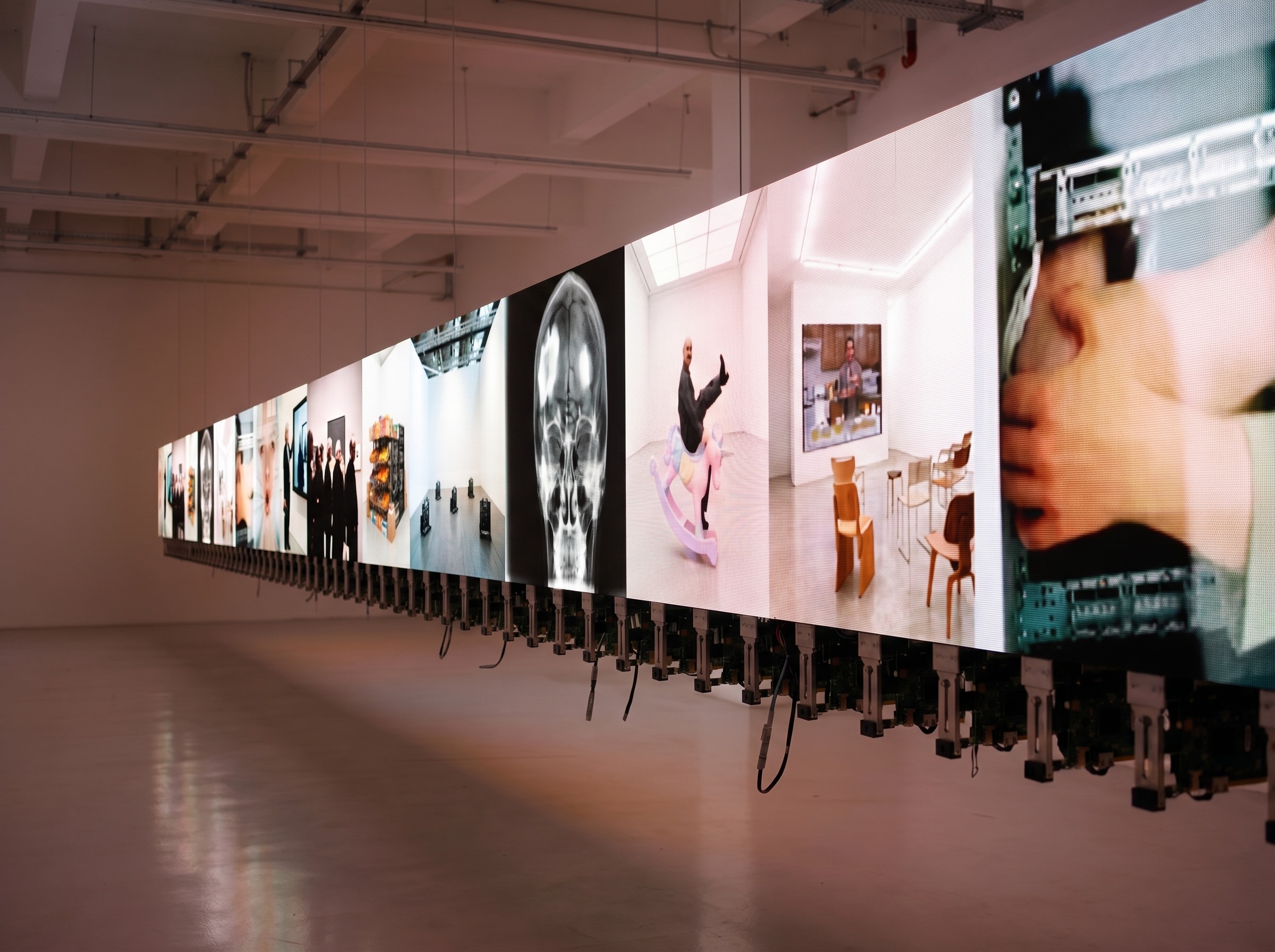
Every infrastructure produces taste. Even systems designed to optimize technical processes inevitably organize aesthetic hierarchies and establish implicit criteria of coherence and desirability. Within Fakewhale Studio, taste emerges through the sedimentation of cultural, editorial, and operational decisions that define the type of image compatible with the platform’s theoretical universe. Aesthetics therefore becomes the visible result of an internal governance structure.
The generation of images through a proprietary infrastructure acquires particular relevance here because it operates within an ecosystem already shaped by a precise theoretical position. The system inherits references and interpretative tendencies that directly influence the visuality it produces. Each output belongs to a recognizable and relatively stable continuity of imaginary worlds.
This stability reinforces the cohesion of the cultural ecosystem. Outputs maintain continuity, publications share a common grammar, and editorial identity acquires perceptual density. The platform avoids the fragmentation typical of many contemporary digital environments, where each piece of content appears to belong to a different language or visual register.
At the same time, every coherent system naturally consolidates its own aesthetic habits. Preferences become reflexes, while recognizability risks hardening into formula. An infrastructure shaped by a certain visual continuity will inevitably tend to reproduce it. This dynamic does not belong exclusively to contemporary generative systems; it runs throughout the entire history of cultural institutions and artistic movements. Fakewhale Studio simply makes this process more visible and more traceable.
The maturity of a generative infrastructure therefore depends on its ability to distinguish continuity from repetition. A genuinely critical system keeps its taste porous, introducing deviations and exposing its visual production to unforeseen tensions. It must also preserve space for what exceeds the coherence of the brand itself. This requires a more intense editorial presence: selection and revision become central components of the process.
“Systemic taste” (as we will call it throughout this chapter for the sake of clarity) can therefore become a cognitive resource. A visual infrastructure renders observable the recurring attractions of a cultural community, including its omissions and perceptual obsessions. Fakewhale Studio allows this construction of taste to be examined directly and reveals the kinds of imaginaries that emerge when a platform develops a system capable of seeing alongside its authors and from within their own editorial culture.
The Economy of Proximity
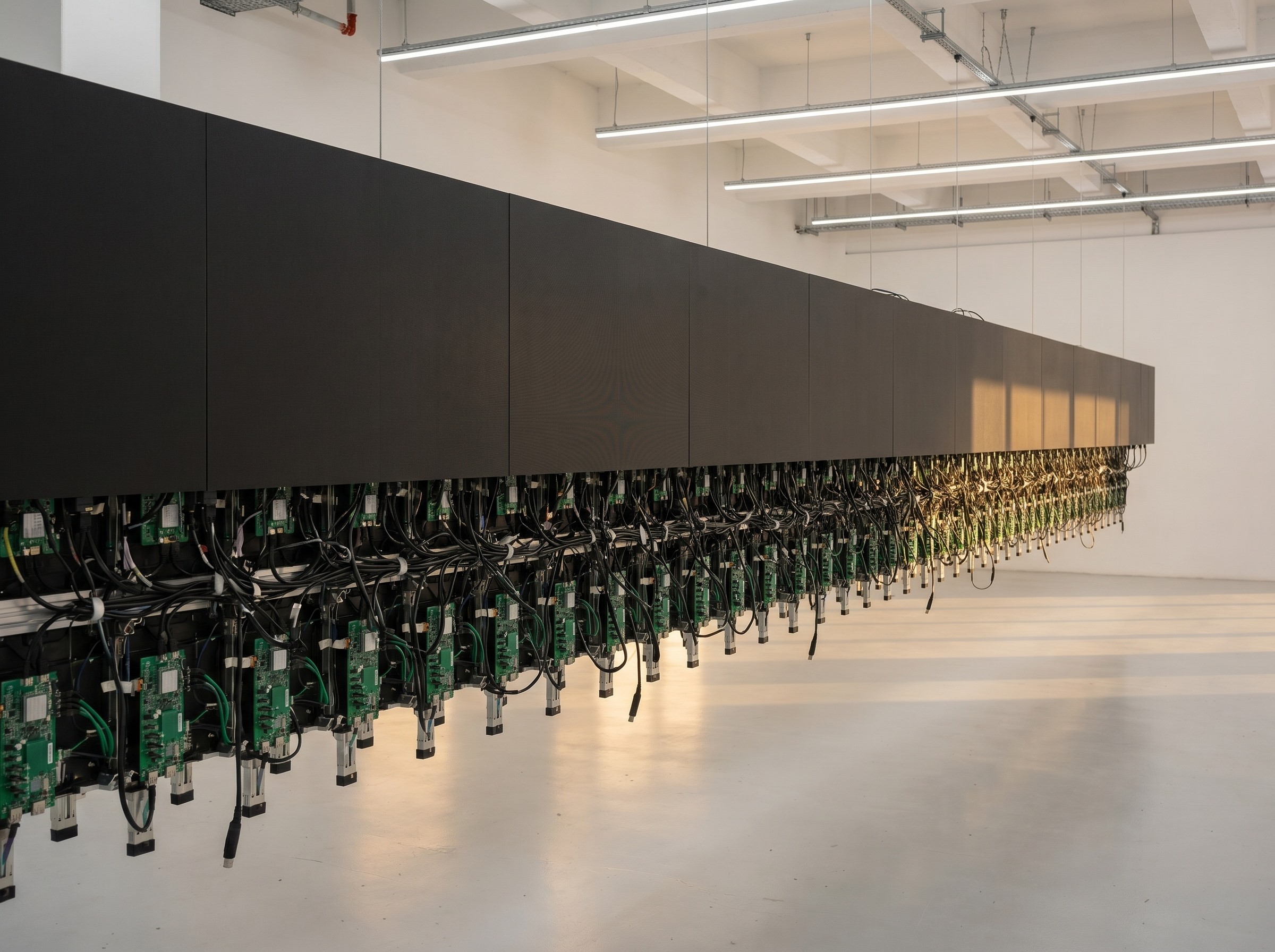
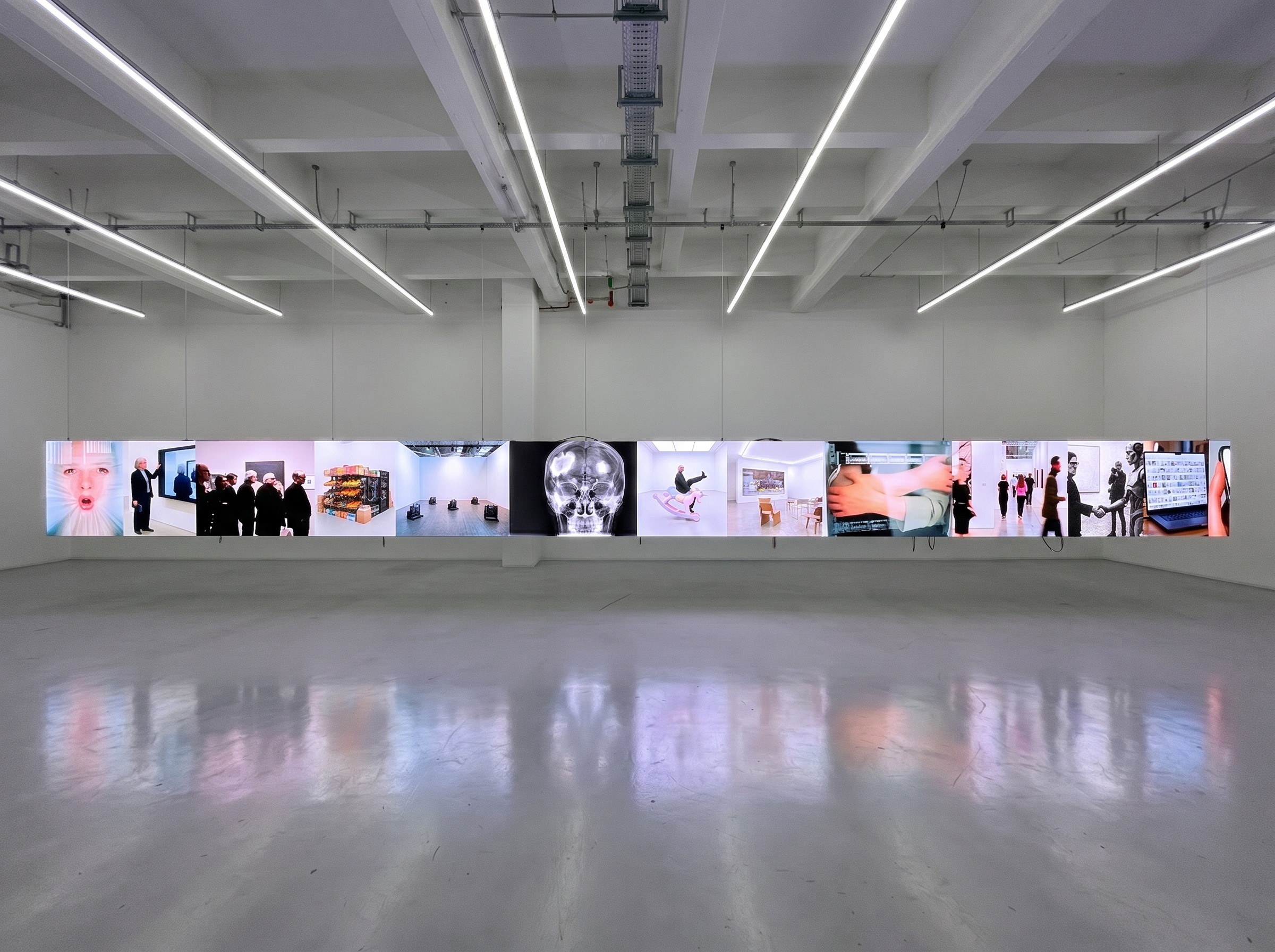
Over the course of our relatively young, though by no means brief, experience as a media platform, we quickly realized that the internalization of visual production radically transforms the economics of cultural labor. An editorial organism equipped with a tool like Fakewhale Studio reduces the distance between conception and formal execution, accelerating the pace of experimentation, particularly in relation to image-making, while integrating visual production directly into the operational flow of research and publishing. Visuality thus becomes embedded in the everyday reality of the editorial process, rather than remaining confined to an exceptional role.
This operational proximity generates clear advantages. The system is able to more consistently keep pace with the speed of contemporary thought, avoiding the fragmentation produced by external production chains that are either too slow or too disconnected from the platform’s theoretical structure. Efficiency therefore acquires a concrete cultural function: it allows publication to sustain coherence over time.
At the same time, this very fluidity risks rendering the labor that supports it invisible. When image production becomes rapid and fully integrated, there is an increasing tendency to perceive visuality as something instantly available. Yet beneath this apparent immediacy remain technical architectures, tool maintenance, editorial selection, aesthetic expertise, and complex iterative processes. The infrastructure still depends on layered forms of labor that often disappear from perception. Speed therefore risks compressing the perception of value and obscuring the amount of labor embedded within the infrastructure itself.
In the case of Fakewhale, the proximity between theoretical research and visual production takes on an even more distinctive form. The tool does not generate images merely intended to occupy space within a feed; rather, it operates on content emerging from critical writing and curatorial construction. The acceleration of production can therefore coexist with a high degree of conceptual density, provided the system maintains sufficiently rigorous criteria of selection and re-elaboration.
Internalization also redistributes the subjectivities involved in the process. The editor acquires a sensibility closer to art direction; the researcher enters into a direct relationship with the visual; the technician participates in aesthetic definition; and the artist can evolve into the role of systems designer, working alongside the infrastructure rather than being limited to the production of singular objects. What emerges are hybrid professional figures shaped by intermedial forms of cultural labor.
“The economy of proximity” therefore reshapes the relationship between thought, technique, and publication. This continuity does not automatically guarantee either emancipation or regression; everything depends on the ways in which the system organizes its critical judgment. Fakewhale Studio demonstrates that efficiency and intensity can coexist, provided speed does not replace selection or flatten the complexity sustaining the process itself.
The Politics of Form
Contemporary authorship increasingly assumes a distributed form. Within Fakewhale Studio, visual production emerges from a constellation of editorial intentions and technical mediation.
The institutional culture of the platform itself also participates directly in shaping the final result. The image therefore belongs to a plurality of agencies operating simultaneously within the same process.
This configuration dissolves the romantic notion of a singular origin of the work and offers a more accurate description of contemporary media production. Every output emerges from the interaction between technical systems, human decisions, and layered cultural continuities.
The author ceases to coincide with a sovereign figure and instead occupies a relational position within a broader operational network.
Such a diffusion of authorship, however, also generates new forms of opacity. When a result emerges from multiple layers of intervention, it becomes more difficult to assign aesthetic responsibility, recognize implicit stereotypes, or identify the cultural limits embedded within the infrastructure. Distributed authorship therefore requires new forms of critical accountability.
In the case of Fakewhale, the internal nature of the tool prevents this plurality from becoming entirely anonymous. Editorial lines, theoretical orientations, validation criteria, and a recognizable institutional culture remain present throughout the process. Distributed authorship thus retains a relatively legible structure. Responsibility does not disappear; it becomes dispersed across the entire operational chain.
Even within a highly infrastructural system, singular decisions continue to emerge: the rejection of an output deemed too predictable, the intuition guiding a sequence of images, or the ability to recognize value in something that exceeds the initial protocol. Individual sensibility therefore persists, though no longer in the monumental form of sovereignty. It instead becomes embedded within a shared environment of production.
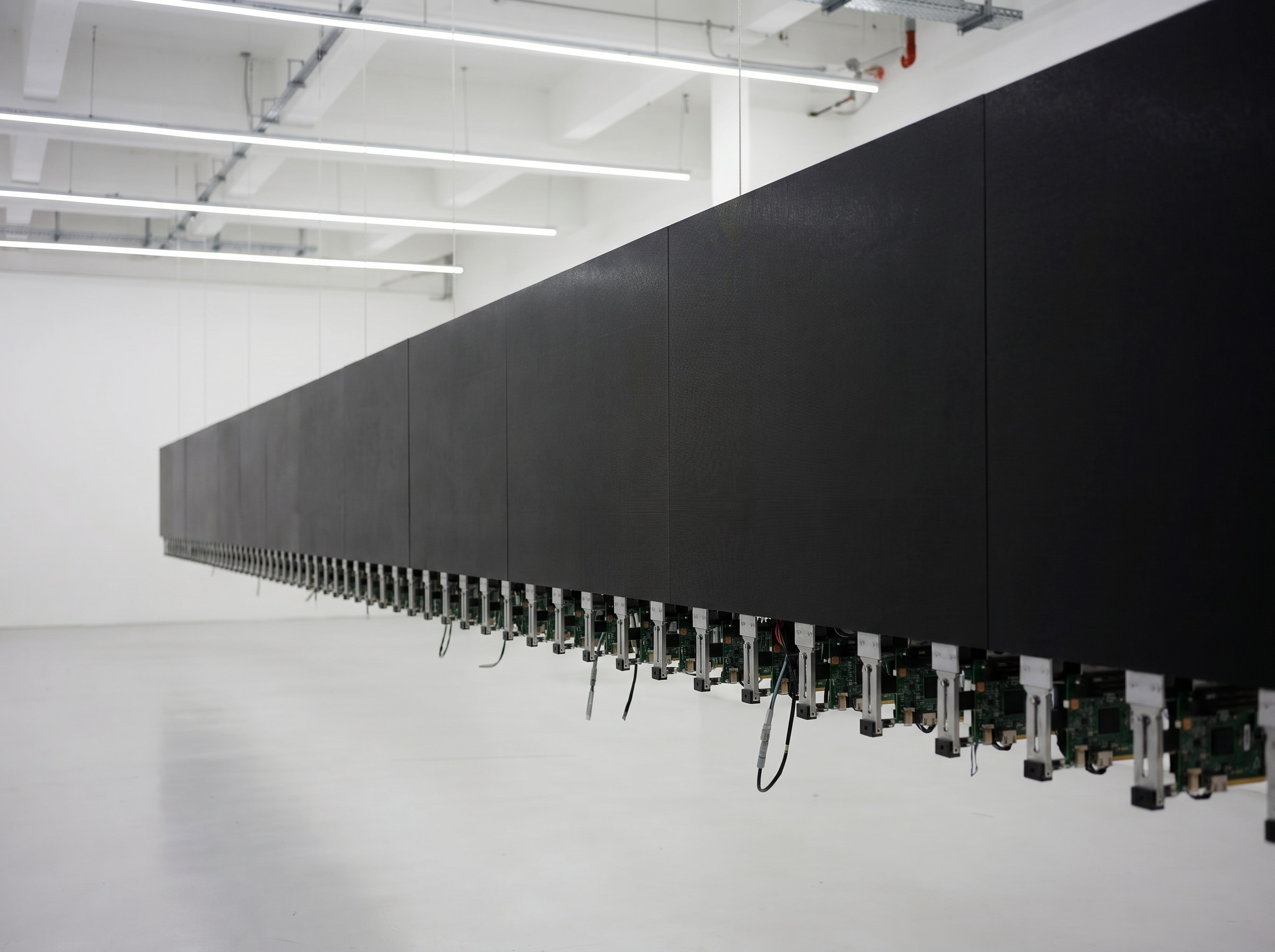
This transformation also directly affects the politics of form itself. Every visual infrastructure organizes a specific distribution of the sensible. Fakewhale Studio intervenes in the construction of visual outputs accompanying essayistic articles, critical research, philosophical inquiry, and artistic practice. The images produced modulate attention and define the perceptual rhythm through which content enters the digital public sphere. Visuality thus participates in constructing the conditions through which contemporary discourse becomes legible.
This infrastructural continuity also addresses one of the central unresolved questions surrounding AI-generated media production: the issue of intellectual ownership and visual provenance. Within Fakewhale Studio, images are not generated through generic prompts detached from authorship, but emerge from prompts constructed directly from Fakewhale’s own articles, research, and editorial outputs. The visual layer therefore remains tied to internally produced cultural material. No external visual datasets, scraped imagery, or works by other artists are used in the generation process.
Every iconographic choice distributes visibility, directs perceptual desire, and establishes thresholds of access to content. Images construct cognitive environments, generate familiarity, and determine what appears immediately legible and what instead tends to remain marginal. A visual infrastructure therefore also functions as a device of cultural organization.
In the case of Fakewhale, this political dimension assumes a particular configuration because the tool operates within an ecosystem that constantly intertwines theoretical production and artistic production. Visual form enters directly into the process of thought and accompanies the construction of content rather than merely packaging it aesthetically. When this integration preserves complexity and critical tension, the infrastructure intensifies the relationship between visuality and theoretical reflection.
Distributed authorship therefore demands a new critical lexicon. Fakewhale Studio compels us to think through a hybrid zone in which research, writing, imagination, and technical infrastructure continuously co-produce one another. The central question no longer concerns only who produces the image, but what kind of creative community emerges from a constellation of coordinated agents.