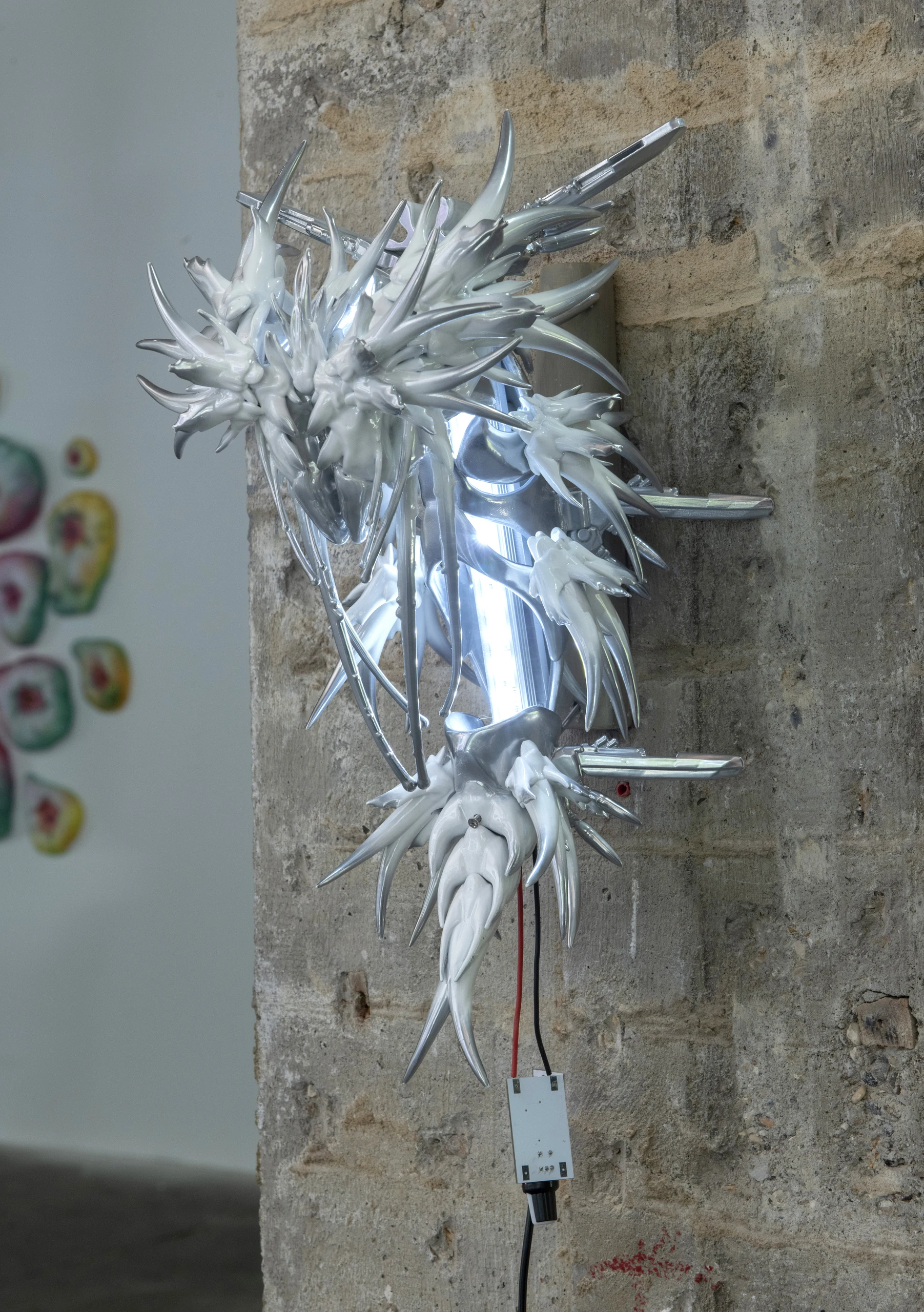
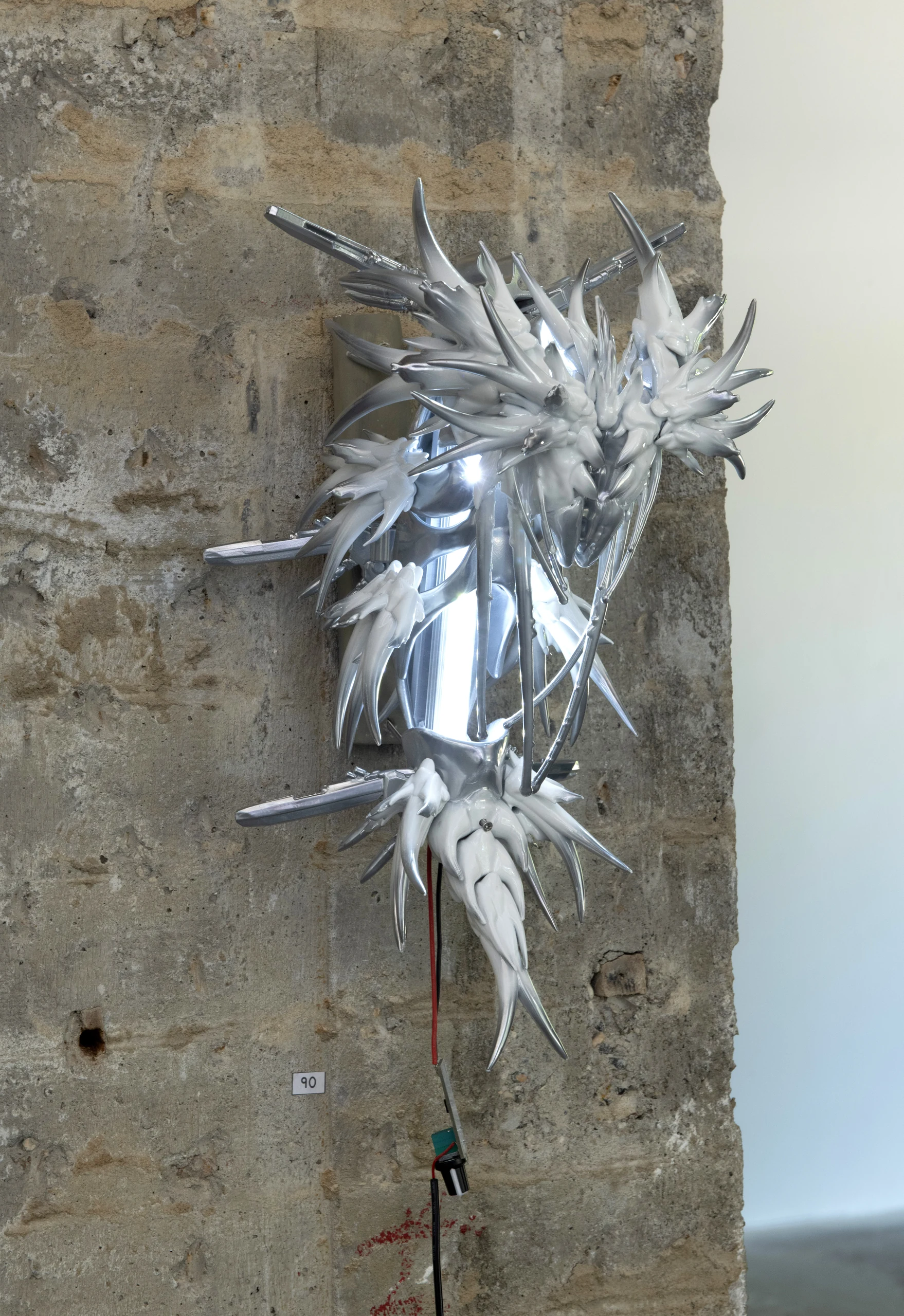
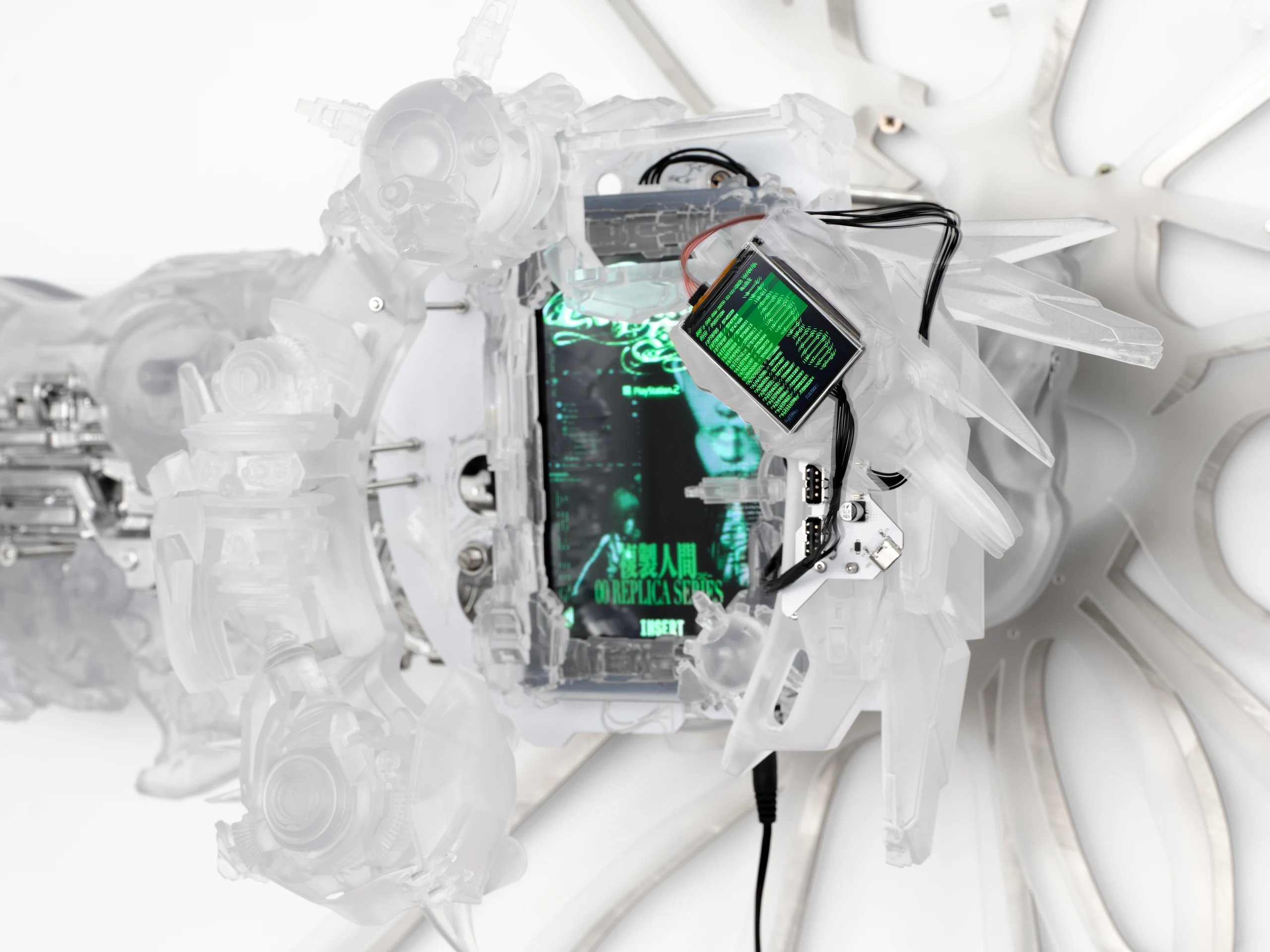
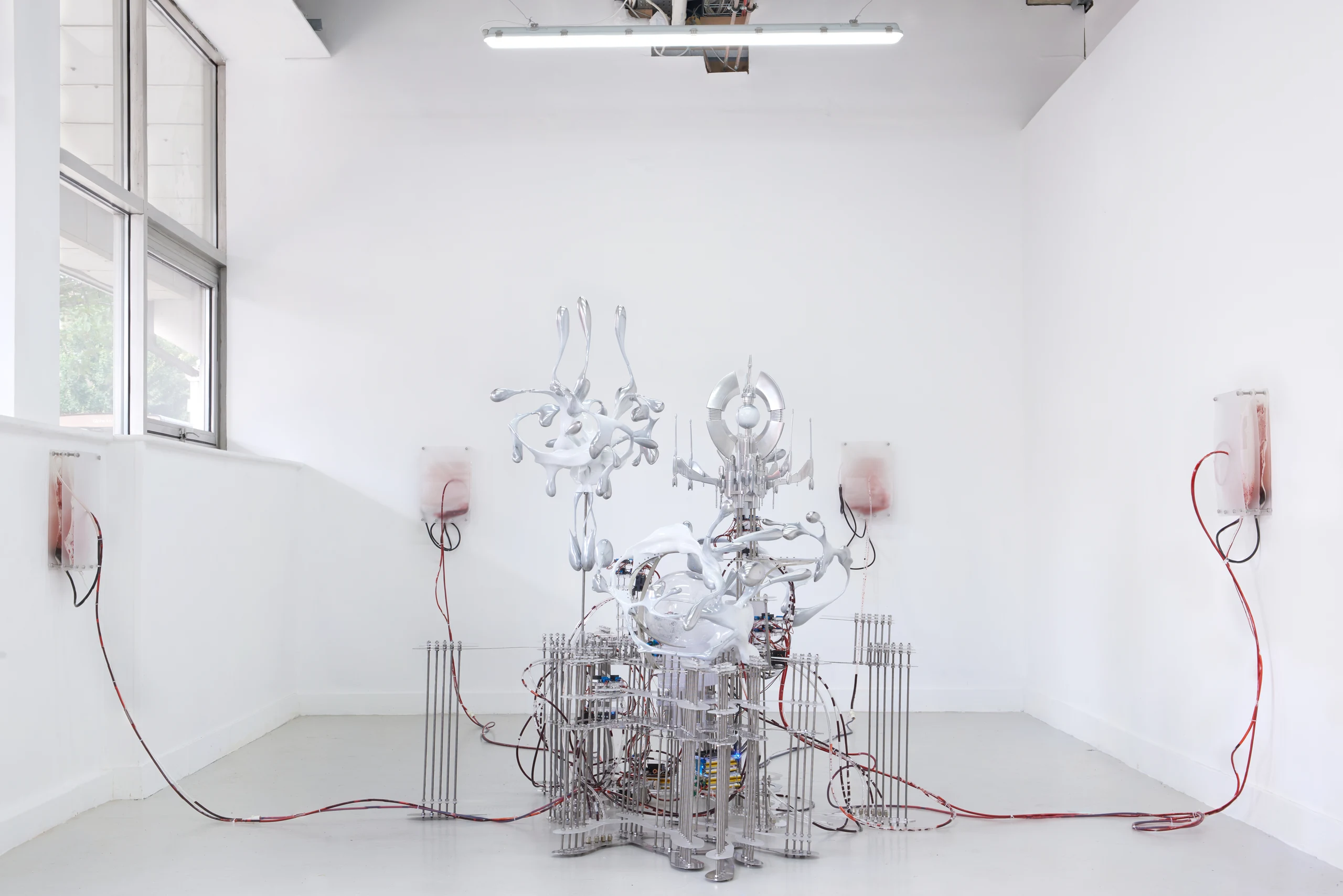
We have been following 00 Zhang’s work for some time now, and what continues to strike us is the way she explores the sensibility she calls “double-sided exile” — that entangled feeling of dislocation and connection. A Chinese-born, London-based artist (b. 1996, Zhejiang) who uses it/she pronouns, 00 Zhang investigates the potential of a new form of collective imagination capable of transcending the borders of national identity, gender, and religion. Her multifaceted practice, which spans sculpture, installation, CGI animation, and interactive digital game environments, blends embodiment with complex cybernetic concepts, constructing imaginary worlds that occupy real space and transport viewers between corporeality and the virtual realm. In this interview, we wanted to enter the heart of her research: the integration of real and virtual, the use of gaming as a form of self-portraiture, and the fluid, alien consciousness she inhabits.
Your practice is deeply rooted in the concept of “double-sided exile,” that entwined sensation of dislocation and connection. How did this idea originate, and in what ways does it guide your construction of imaginary worlds that occupy physical space?
This thinking originated in and was shaped by Edward Said’s Orientalism, which I first read around 2016. Said’s analysis of how cultural identities are constructed through representation was particularly important to me: the idea of the “East” can be produced through the gaze of the “West,” while that gaze can also be internalized, repeated or strategically performed.
At the time, I believe we are the generation that is progressively less attached to national borders, cultural identities, gender categories, and religion. We grew up with an additional dimension: the cyber realm. URLs, online communities, virtual worlds and gaming environments offered spaces in which identity could remain fluid, provisional, and self-constructed. My Prototype series, which began around 2018, developed from this condition. The figures and worlds in the series do not belong fully to one culture, one body or one reality they operate as unstable vessels through which identity can be continuously reconstructed.
“Double-sided exile” therefore refers to an ambiguous position. It is not simply about being excluded from one place. It is about inhabiting multiple spaces without fully belnging to any single one of them. There is a sense of displacement, but also a form of connection that goes across dimensions. The act of watching, selecting, describing, or intervening already changes the system being observed.
The frame or supplementary element that appears to exist outside the artwork but also shape s how the work is understood. The
distinction between the inside and the outside of an artwork is never entirely stable (Derrida, 1987). In a similar way, my installations often exist at the threshold between the virtual and the physical. The architectural space; the body of the viewer; the interface; the imaginary world leaks beyond its apparent frame. It enters the exhibition space: a void-like environment resembling an undeveloped game scene, suspended between a basic geometric plane and a limbo level. The audience is no longer outside the system. They have already become part of the loop.
You often describe your work as an integration of embodiment and complex cybernetic concepts, where agents and environments merge through elaborate narratives. How do you translate this fusion into installations that combine sculpture, CGI, and interactive game environments?
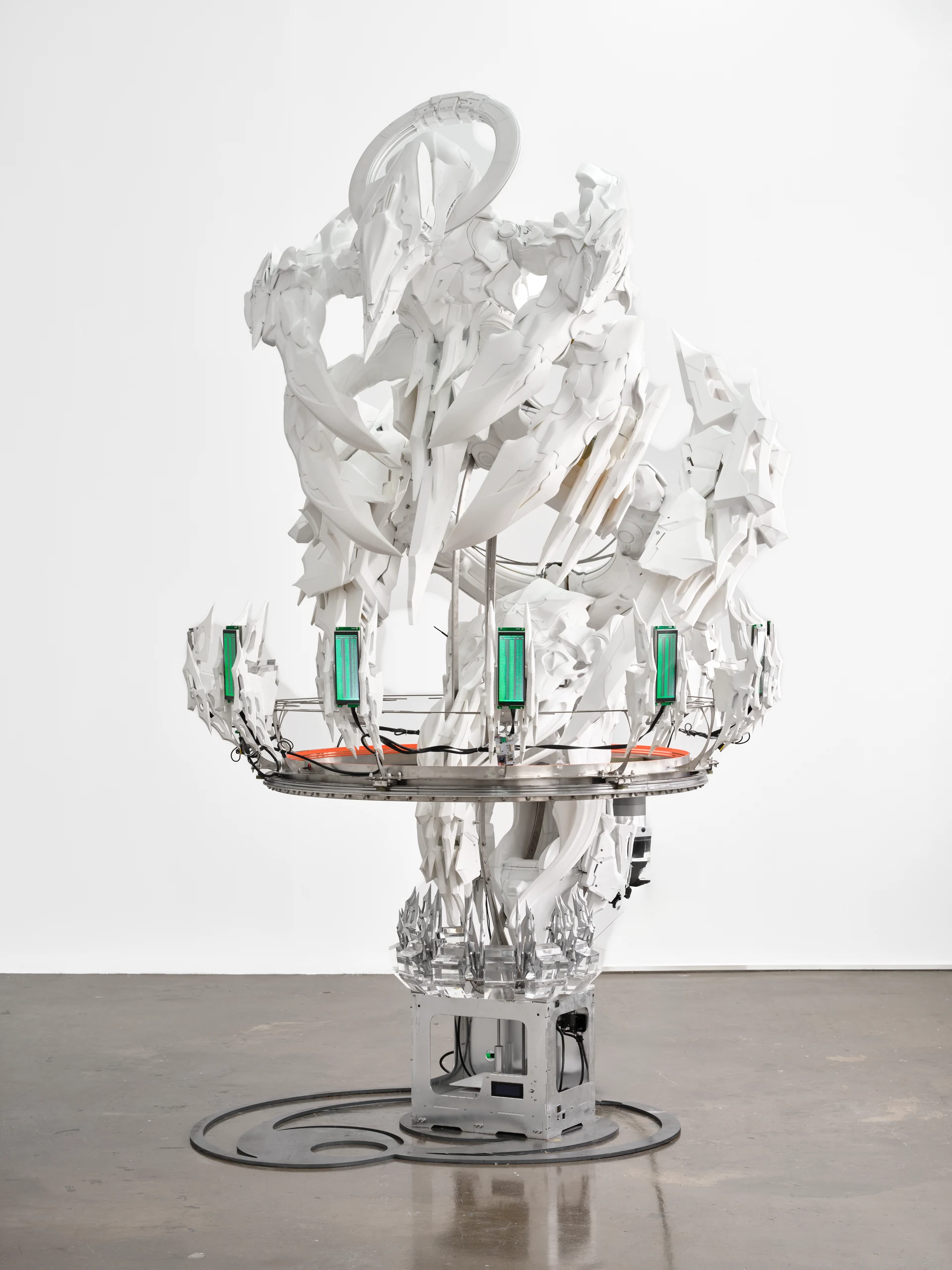
I usually begin with a system, or with a world that has its own internal logic. For me, a medium is only a medium; it is not the final output. I am interested in a systems-based way of thinking, in which sculpture, CGI, game mechanics, sound and lighting operate together as a feedback loop. These elements are different languages, or different dimensions, describing the same underlying system.
Ecology, bodies, and memories are compressed; echoes the development of China’s The Yangtze Delta, the area where I originally from: Manufacturing executes like code, regions subdivide like data stripes, and memory, personal, ecological, historical—is overwritten, compressed, and buried under infrastructural Logic.
This approach is also connected to the place where my family from: the Yangtze River Delta in China. It is a region shaped by rapid industrialization, manufacturing networks, and continuously expanding infrastructure. In my work, ecology, bodies and memories are often compressed together. Manufacturing processes can appear to operate like code; regions are subdivided like data strips; and personal, ecological and historical memories are overwritten, compressed and buried beneath infrastructural logic.
I am particularly interested in technologies that are still evolving: how they are designed, manufactured, circulated and continuously updated through industrial systems.
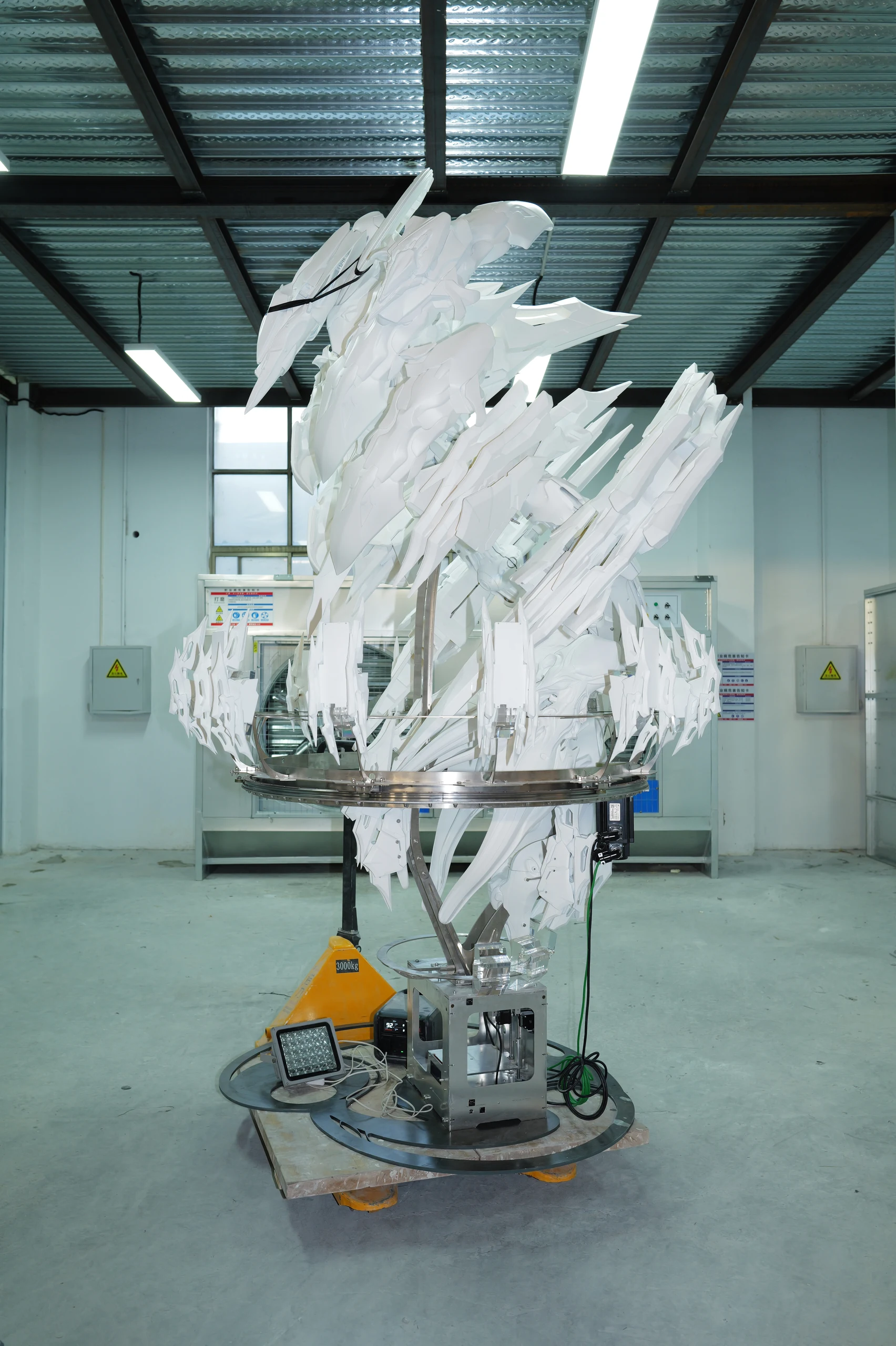
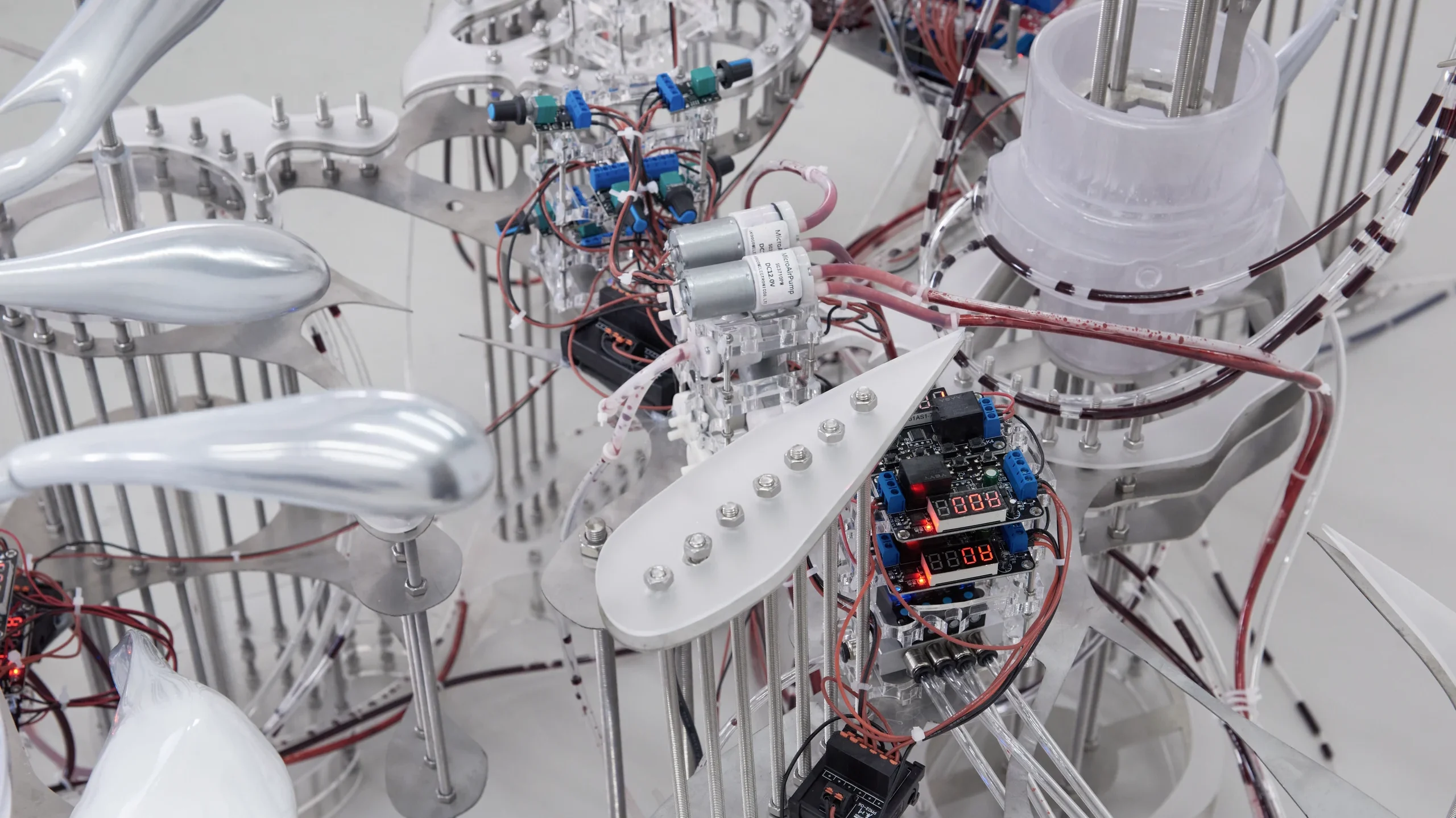
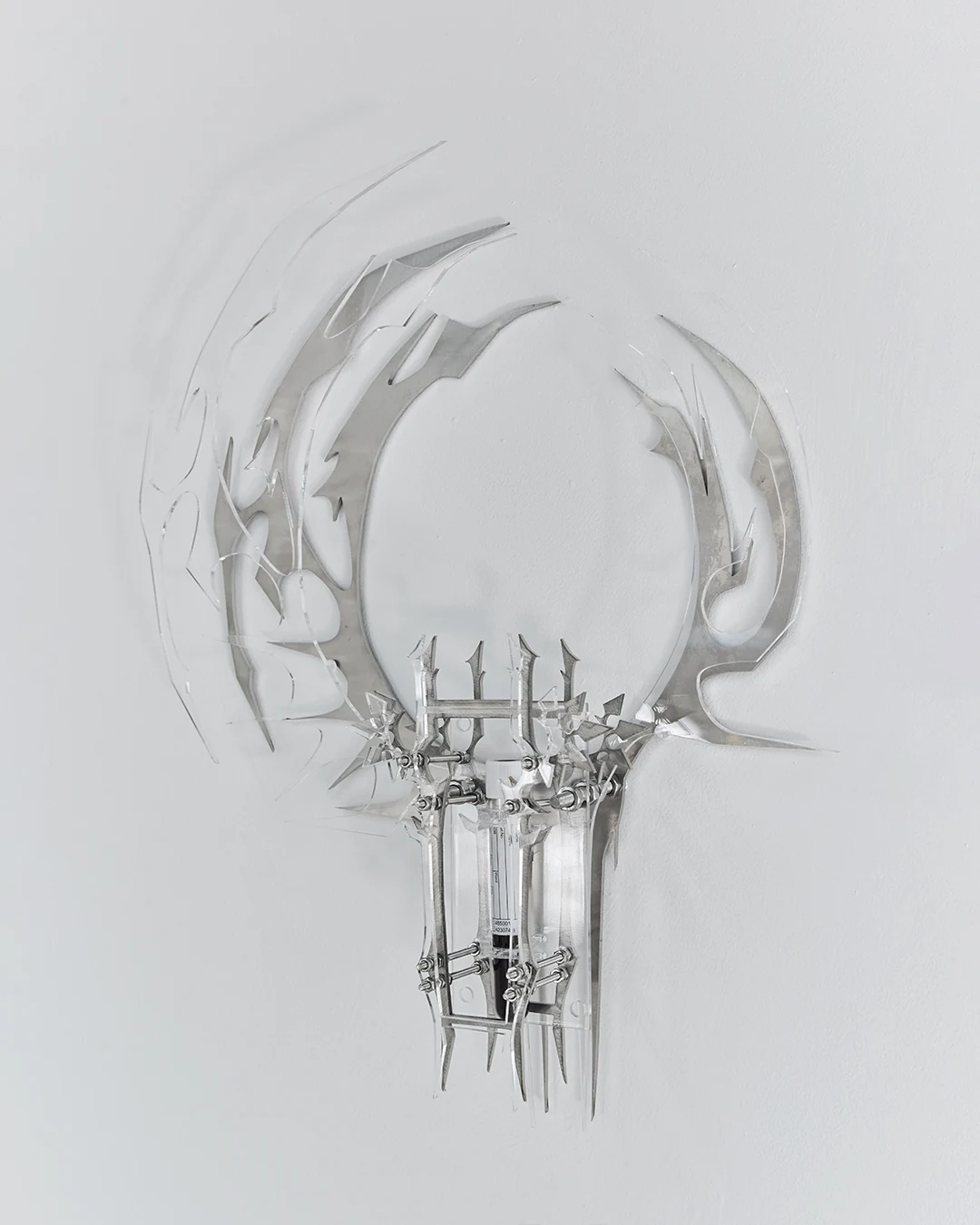
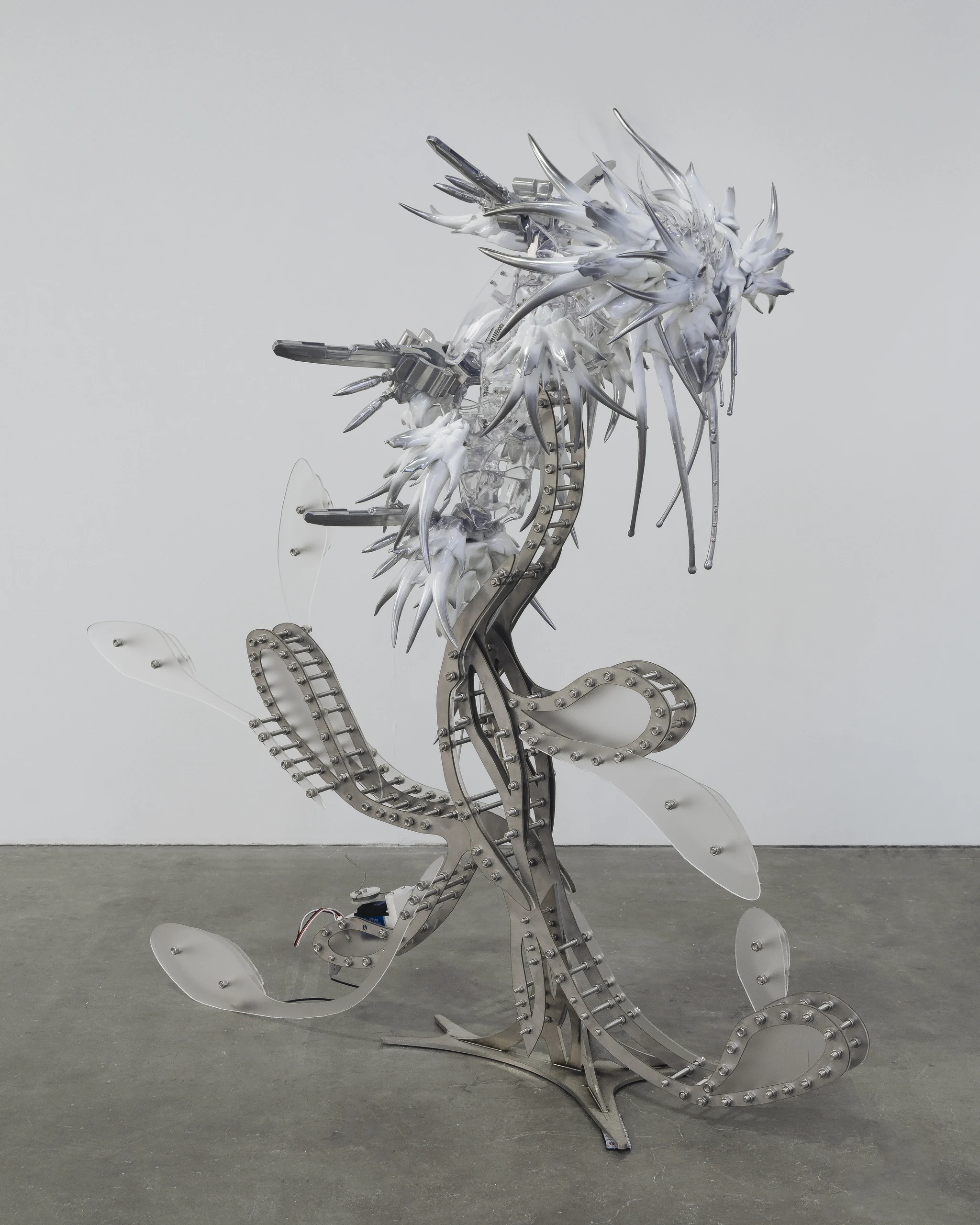
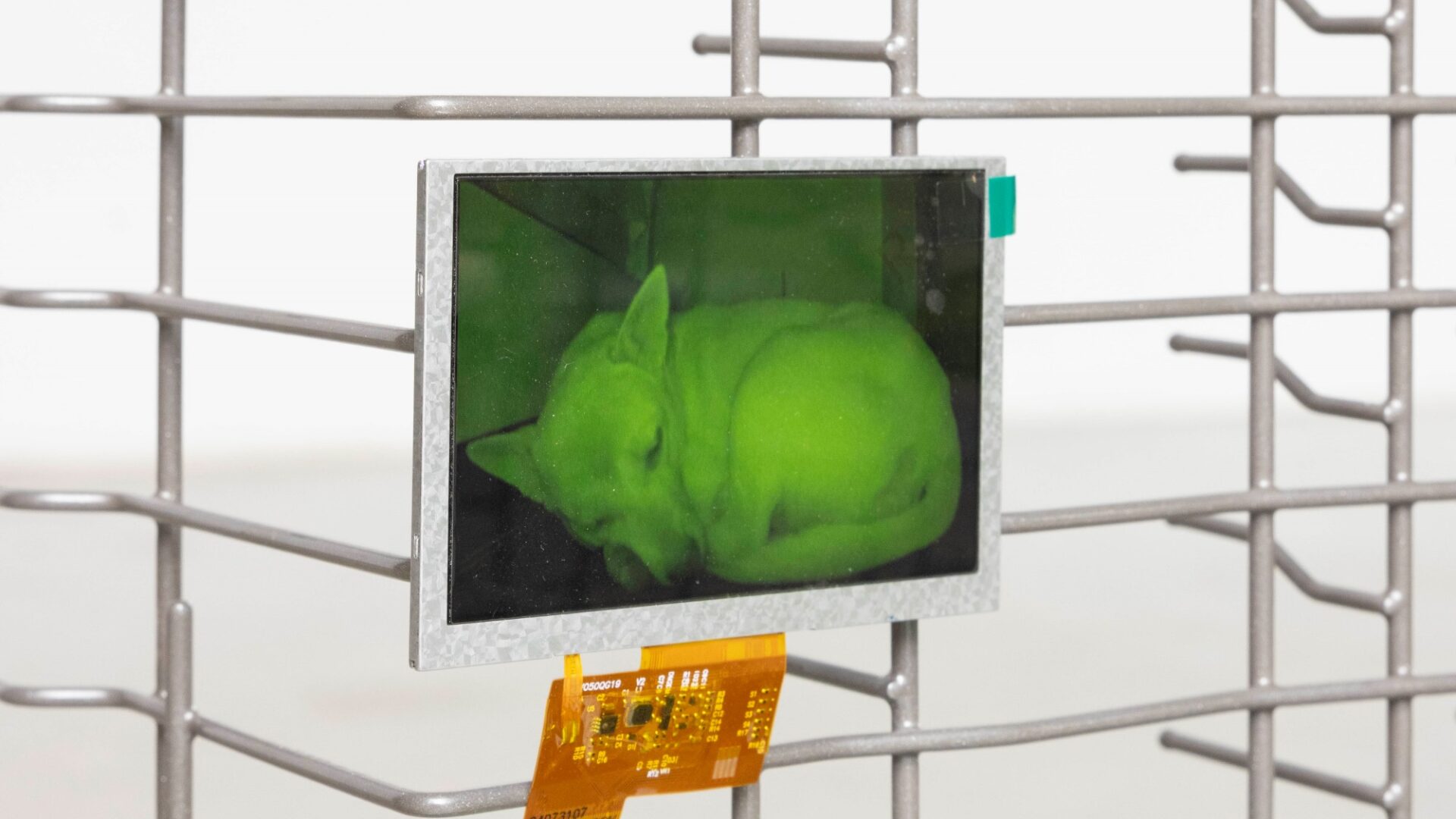
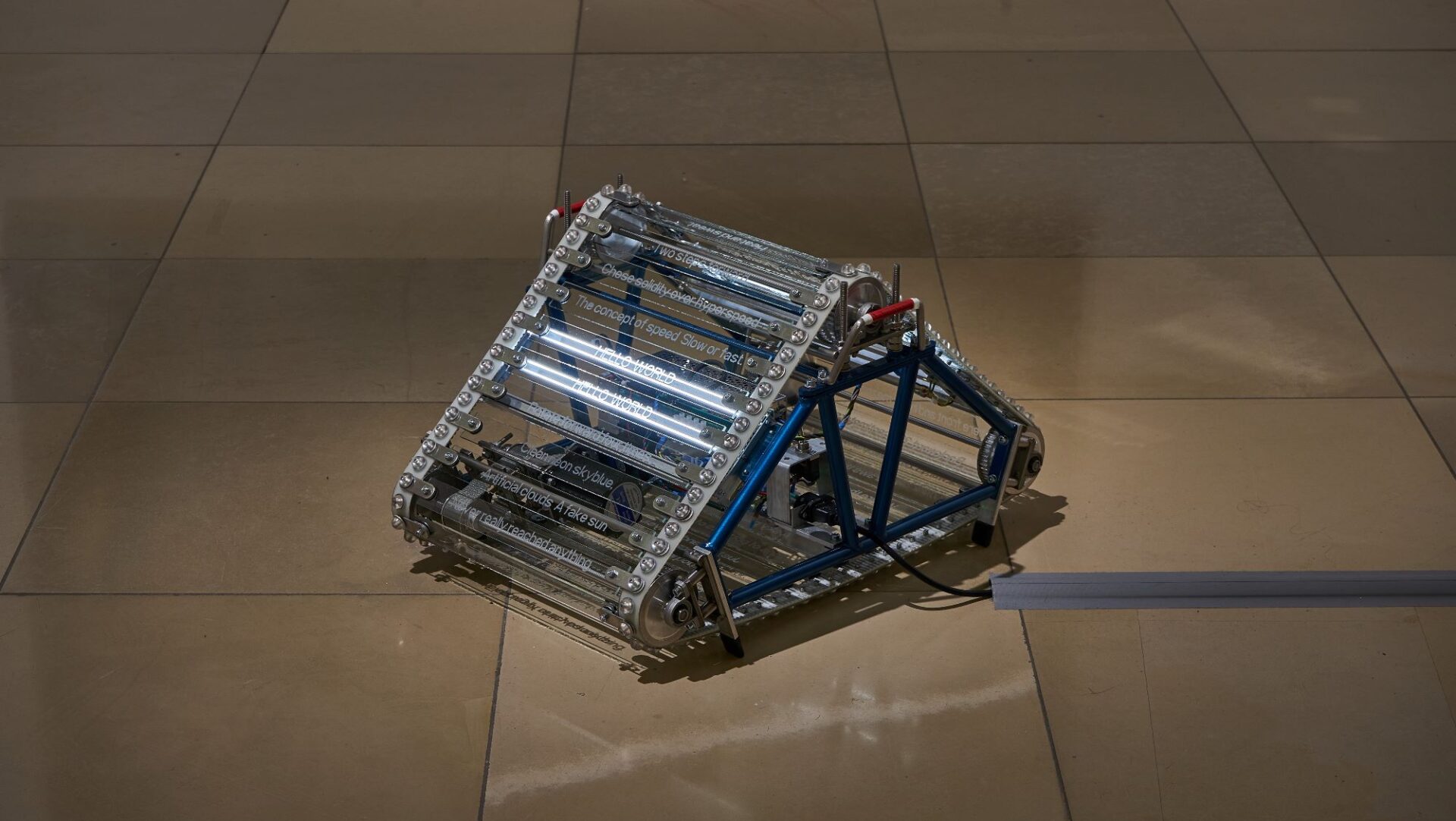
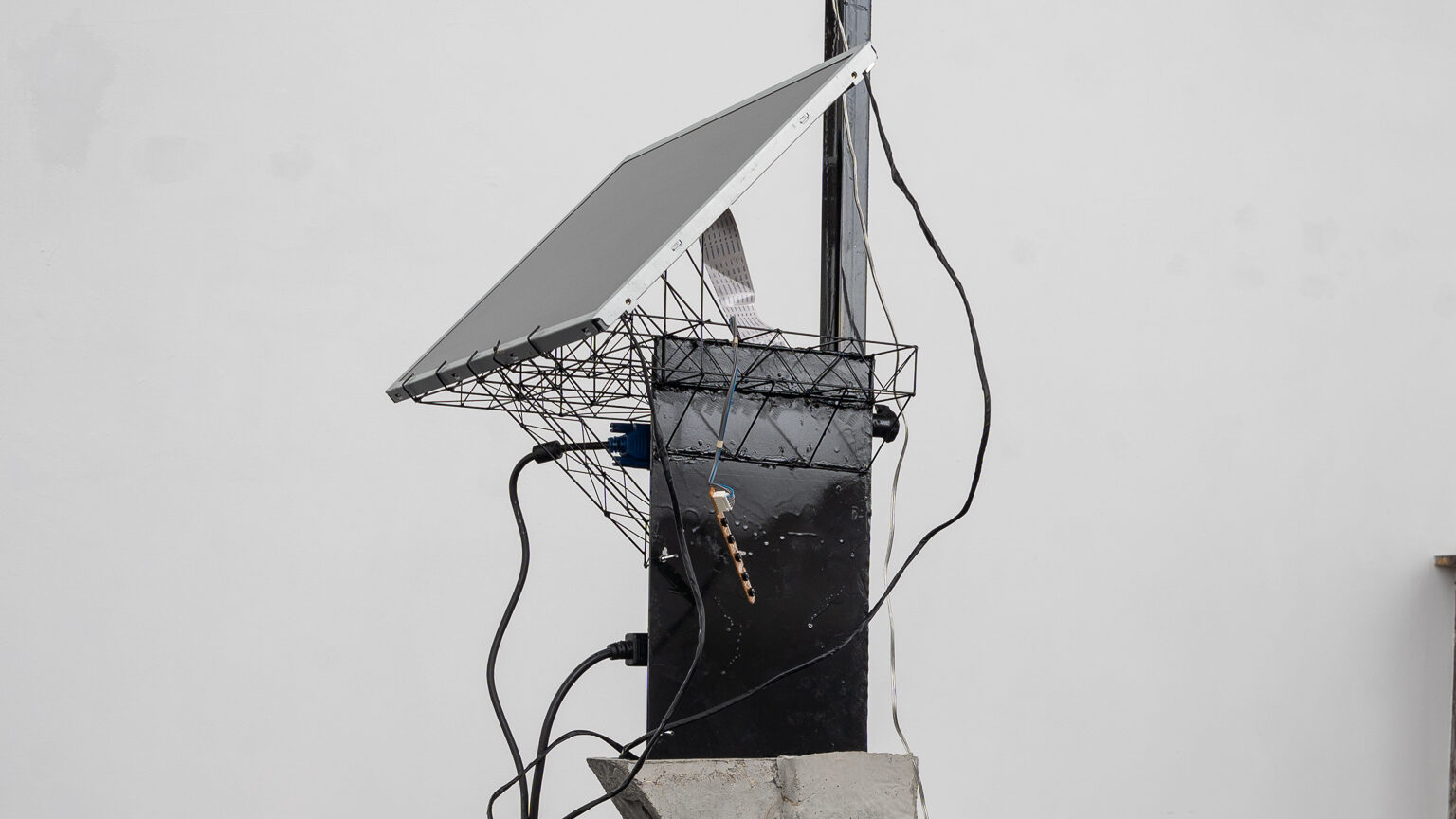
By the time a new technique becomes publicly accessible, it has often already passed through several generations of iteration. Technology is never neutral, fixed or complete. I often work with materials and processes that are specific to our time, including fused deposition modeling (FDM), stainless steel, CNC machining, screens and digital interfaces.
This systems-based structure is reflected in Honey. The game unfolds across multiple parallel universes. In each universe, the same underlying narrative is repeated, but its form changes. The characters, species and environments may be different, yet each timeline
follows a shared three-act structure: destruction, the search for order and the attempt to break the cycle. The forms vary, but the underlying structure remains.
I do not think of an artwork as something entirely static or complete. It can function as a responsive environment, an operational system or even an organism: something that operates, adapts and produces new relationships between its components, its surroundings and the viewer.
This is where cybernetic thinking becomes important to my practice. In an interactive work, the viewer may initially believe that they are simply navigating a world or controlling a character. However, their behaviour is also being shaped by the interface, the rules, the rewards and the limitations of the system. The observer is not outside the work. They have already entered the feedback loop.
In this sense, sculpture, CGI, game mechanics, sound and lighting are not separate layers. They are different dimensions of the same system. The material forms may change, but they remain connected through a shared logic.
In The Overture of Prototype Series, presented at the Zabludowicz Collection Invites, the viewer navigates from an East London landscape to a utopian metaphysical realm through teleportation and game mechanics. How did you develop this multi-level narrative, and what role does the concept of the “plane” (from game theory) play in transforming the exhibition space into a portal?
The concept of the “plane” is important to the Prototype Series. I use the term to describe a state of reality with its own internal rules. Each plane has its own structure of time, matter, consciousness, and perception. Moving between planes is therefore not only a form of teleportation. It is a shift from one reality system into another.
In The Overture of Prototype Series, the viewer begins in a landscape derived from East London and gradually enters other dimensions through the game mechanics. One of these planes is called The One. It is a speculative future human society shaped by technological systems and built-in categories. At different moments in history, a particular system of reality becomes dominant and begins to appear natural or inevitable. The One represents this hegemonic world: not the only possible reality, but the reality that has successfully presented itself as the only one.
Another plane is called The Zone. It is a lost world formed through collective consciousness. It has its own material structure and cyclical temporality. When its energy dissipates, the city collapses; when a similar energy gathers again, it is re-formed. The travellers who arrive from The One also affect its structure. Their collective consciousness gradually reshapes the environment.
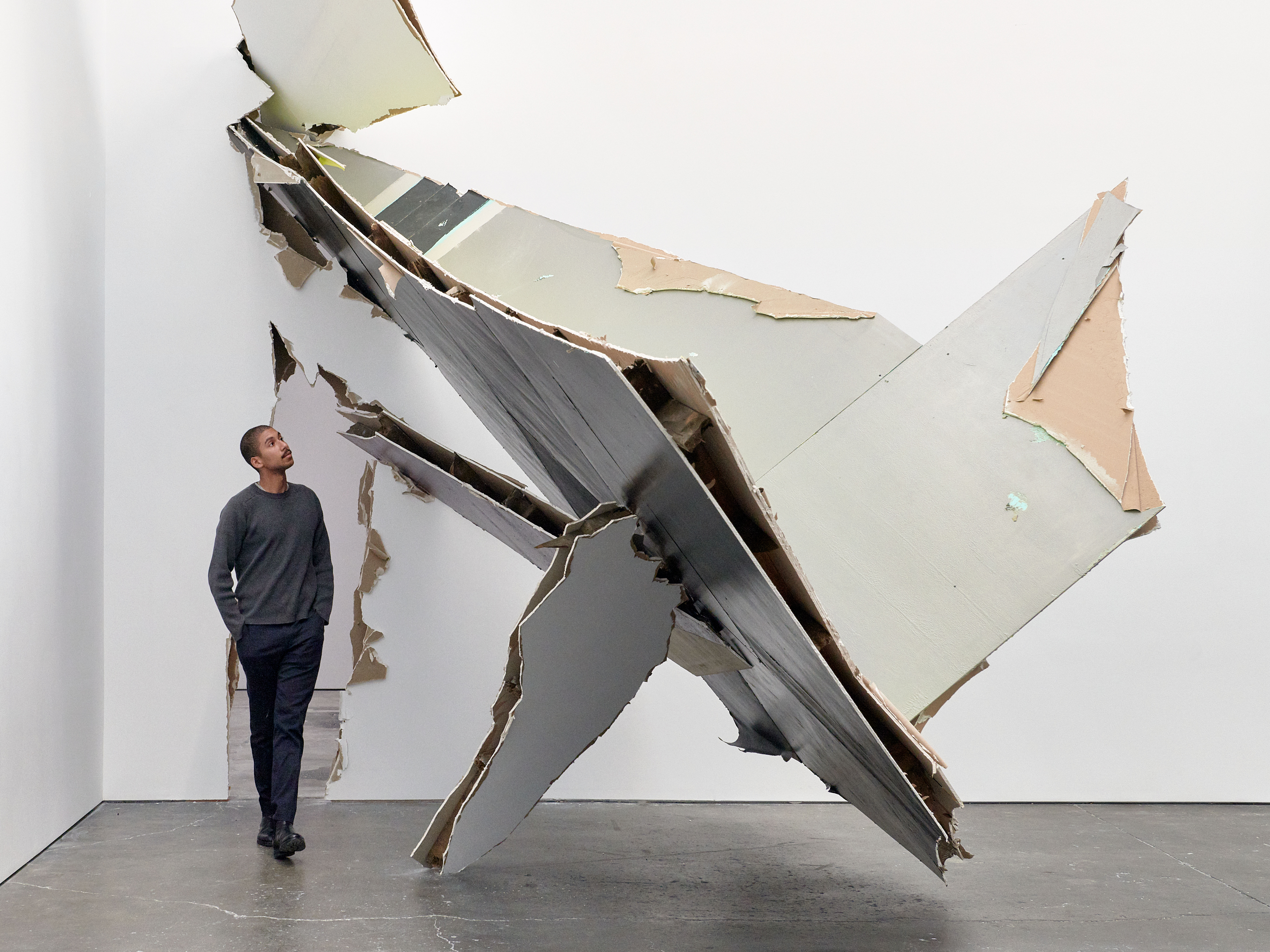
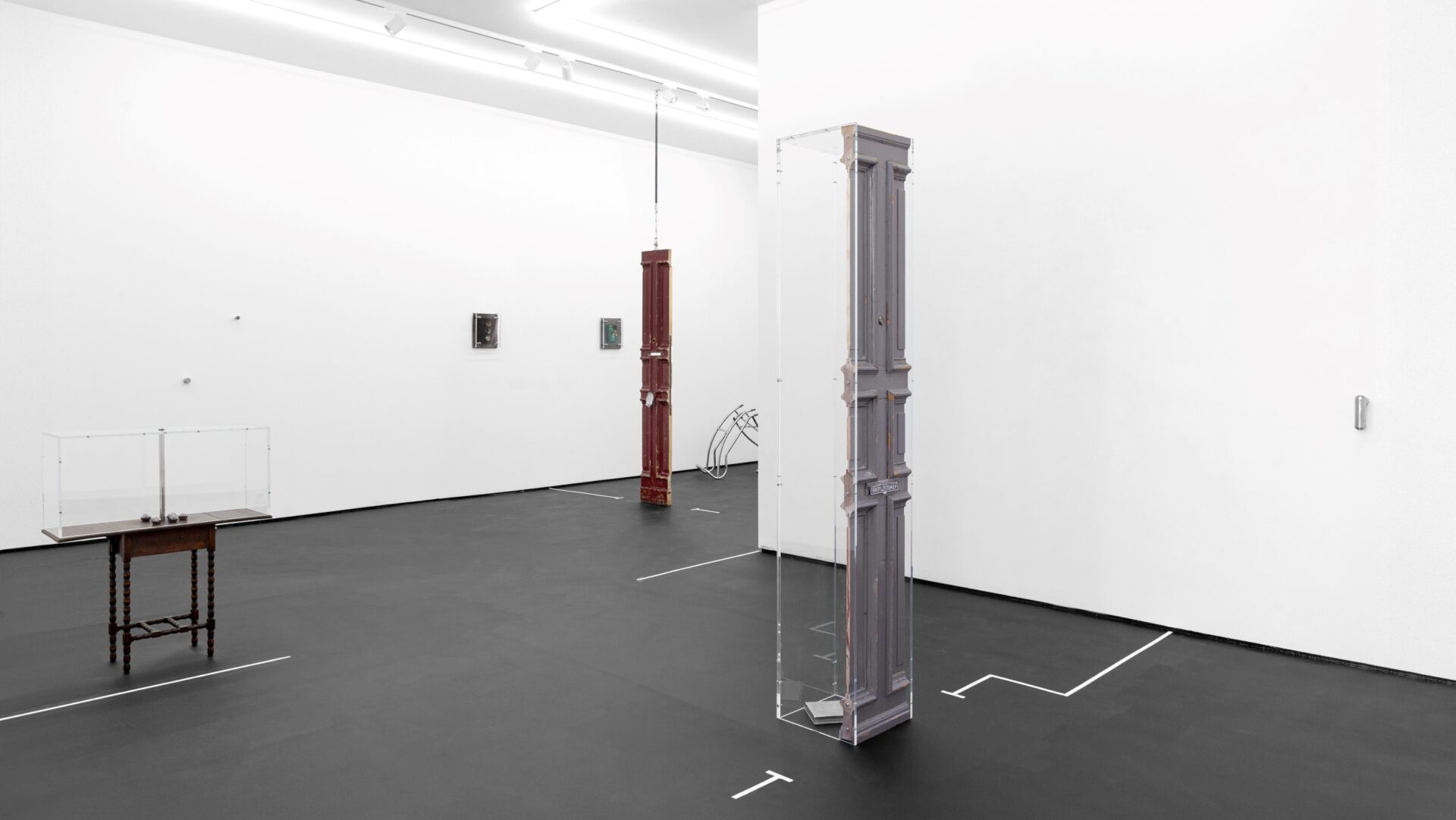
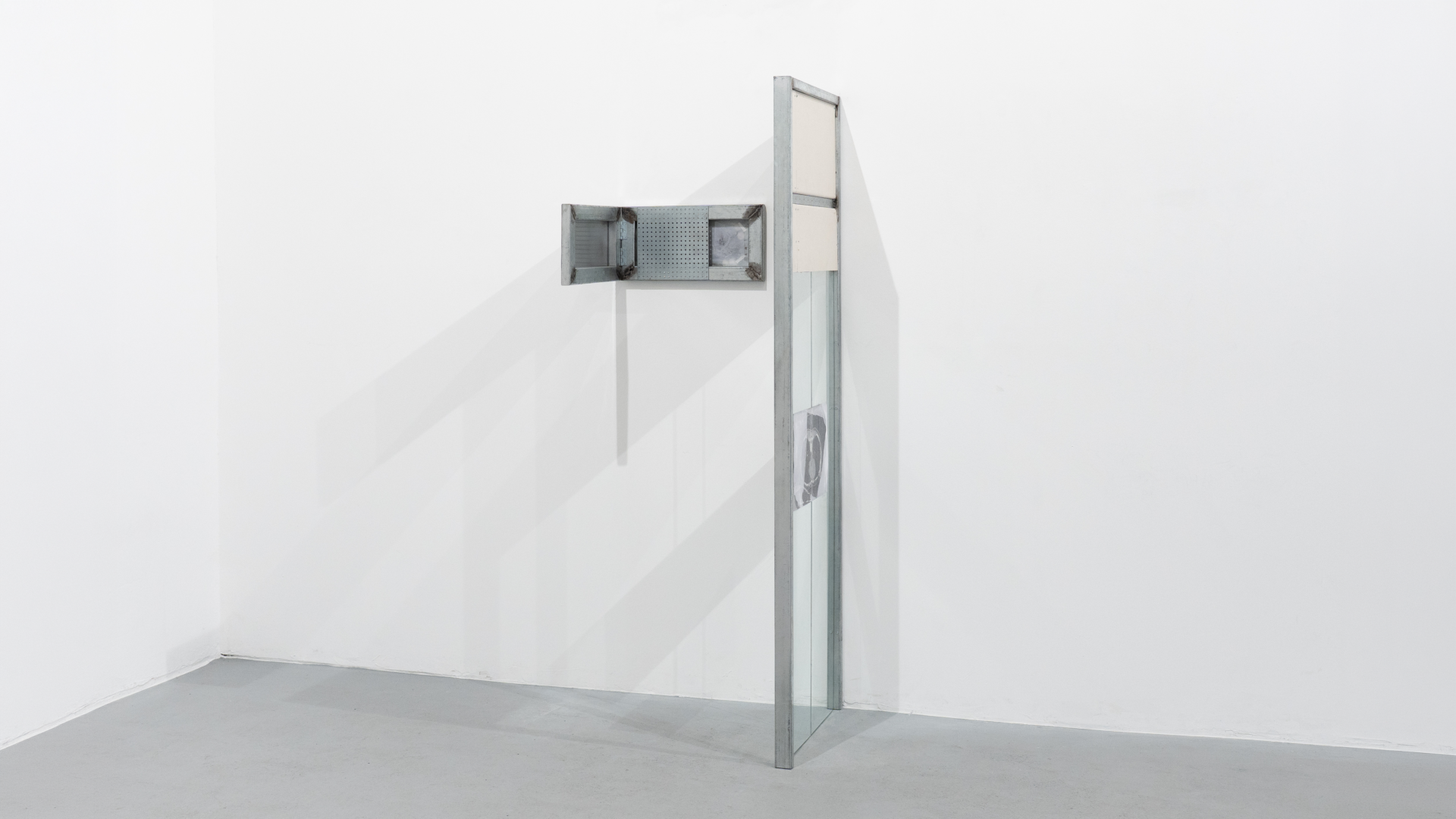
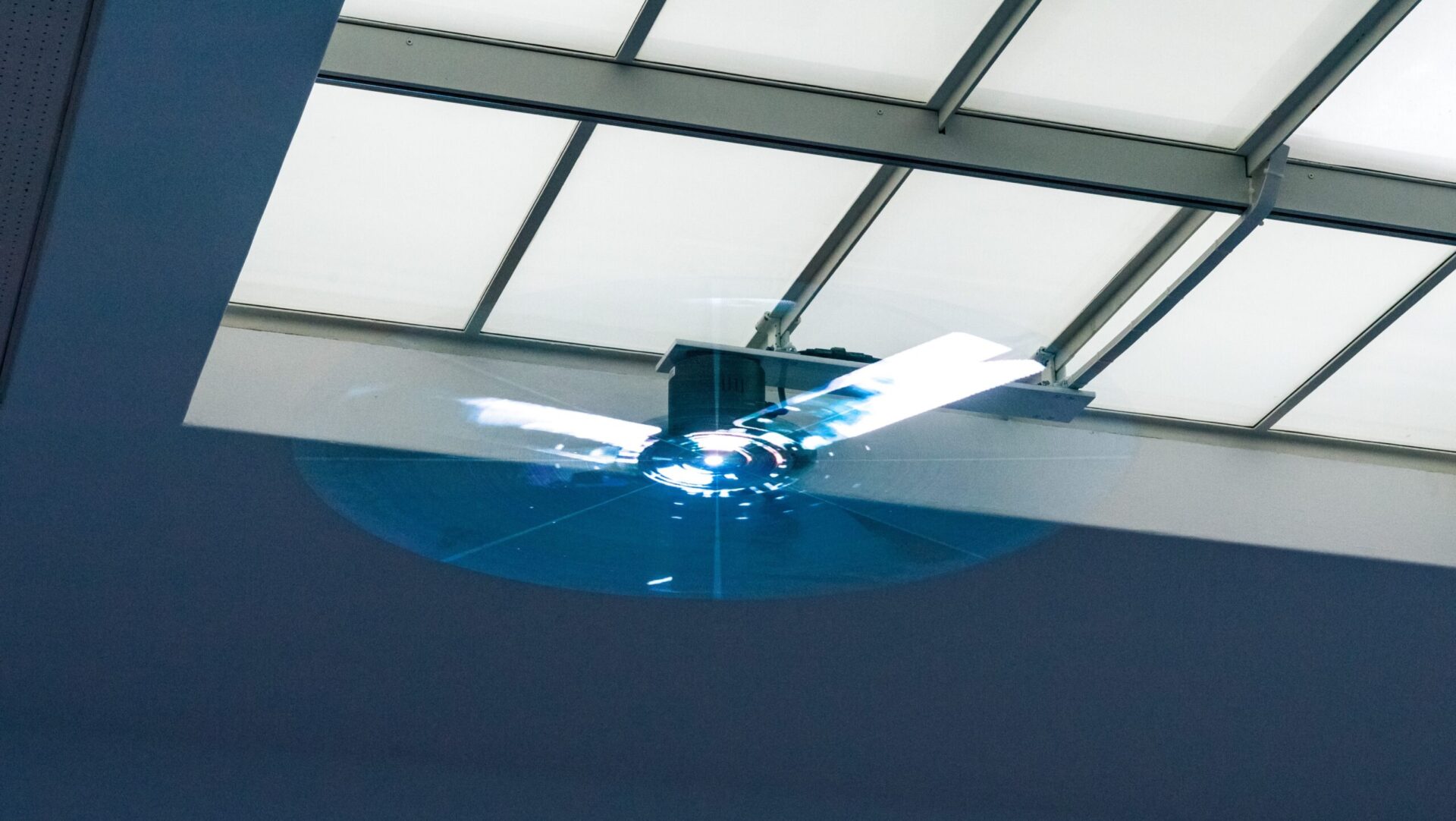
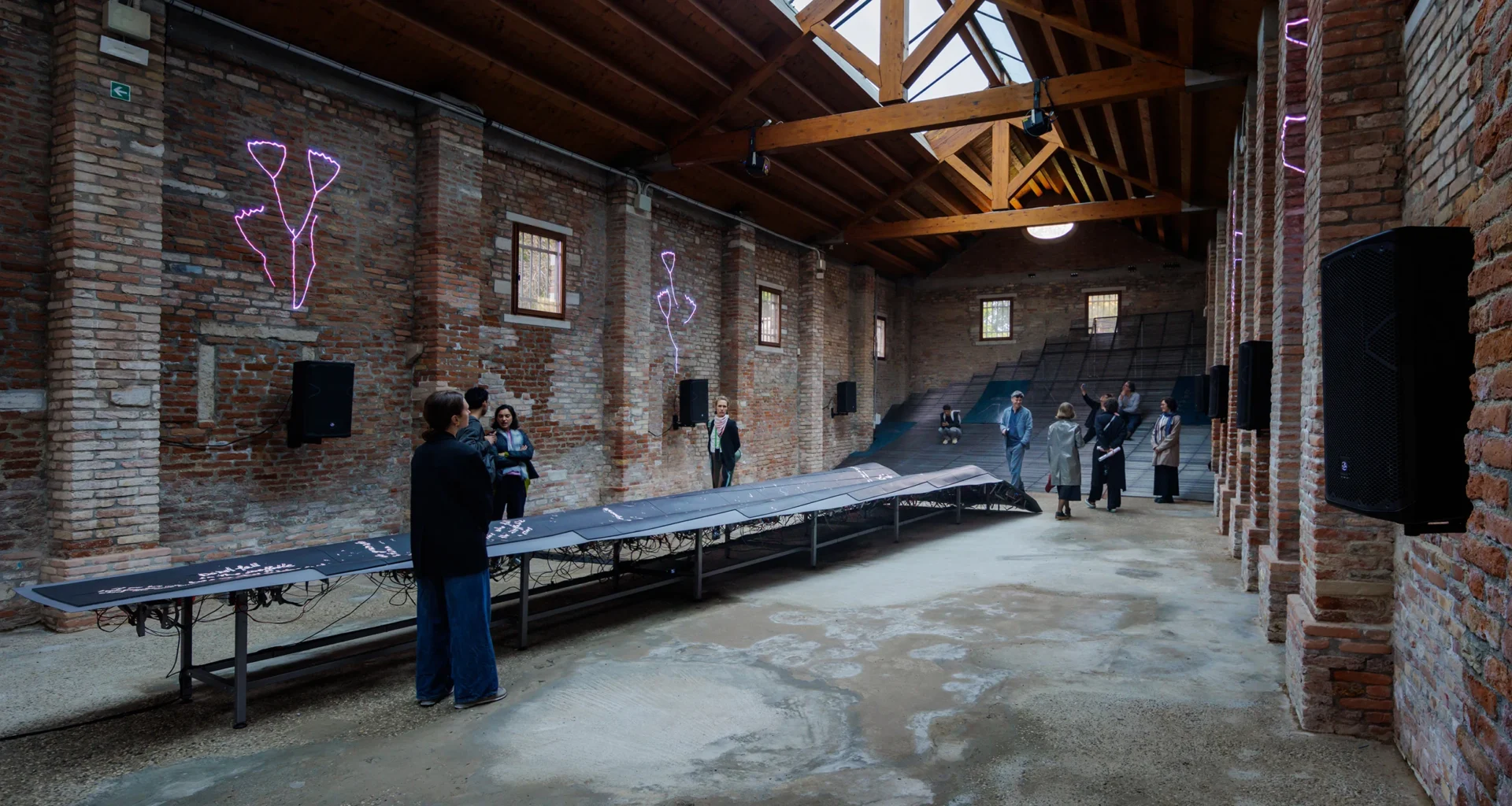
Each plane is a reality system with its own internal logic. The gallery functions as an active agent within the narrative: a portal and a transitional space in which these different realities overlap. The sculptures appear almost like material fragments that have leaked out of other dimensions, while the interactive game allows the viewer to move between these systems from within. The audience is therefore not only a witness, but also a participant, a world-builder and an individual situated within a larger system.
Many of your works, such as Honey and the Prototype series, use gaming and interactivity as a form of self-portraiture. In what ways does the medium of the video game allow you to explore fluid identities and the merging of real and virtual in ways other artistic forms cannot?
Games have rules, limitations and feedback loops; Its characters can be procedural: they are continuously reproduced through repetition, interaction and transformation. The viewer does not simply look at a portrait from the outside. Through gameplay, they participate in its ongoing construction.
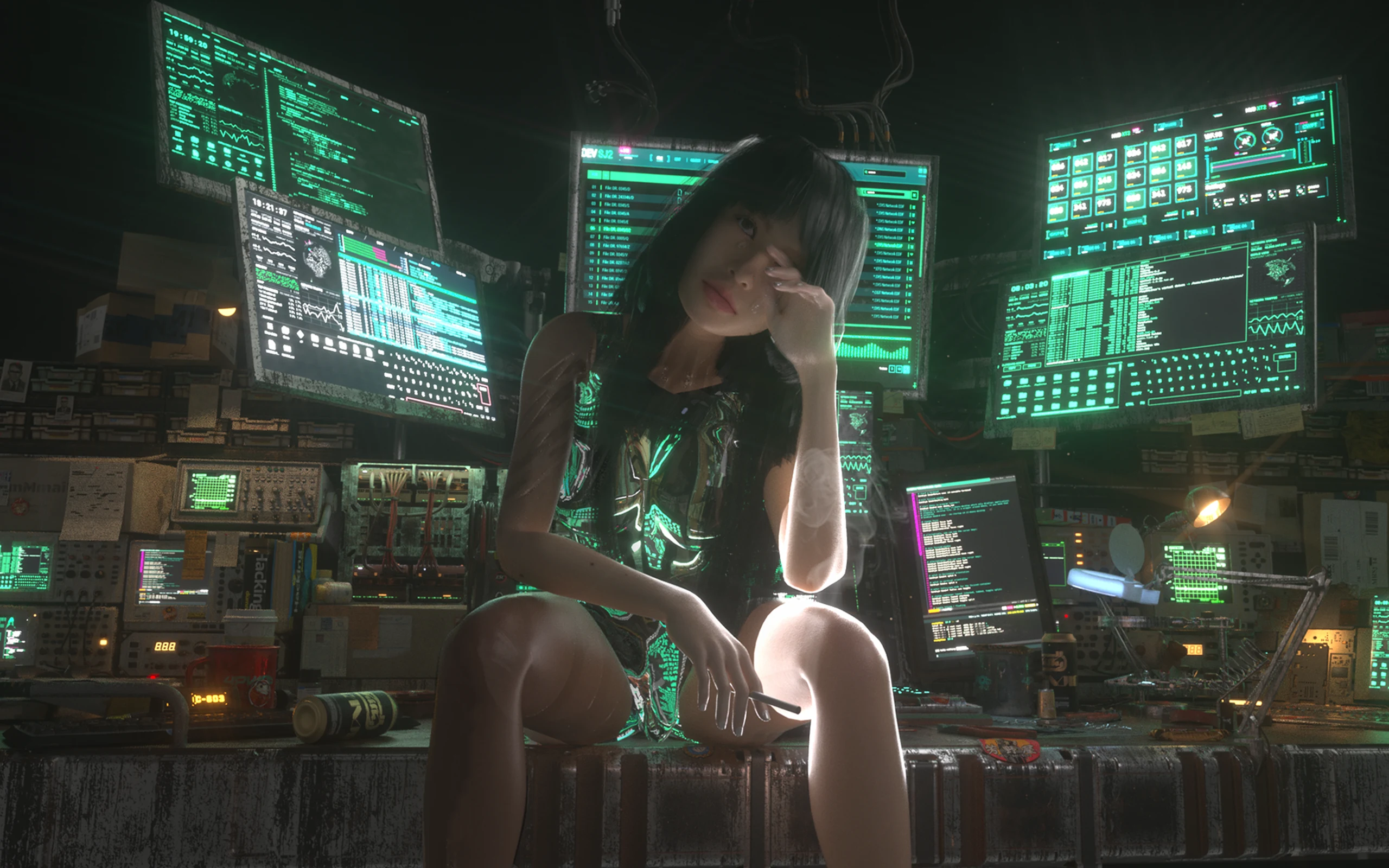
In the Replica series, I extract my own DNA and fold it into a programmed feedback loop. The resulting digital entity is a compressed version of myself. It gradually accumulates fragments of a person: habits, gestures, rhythms, and bodily anxieties. She lives alone in a room, consumes energy bars, drinks Monster, vapes and occasionally transforms into a rabbit. Time does not progress normally. It moves forward and then backward again, trapping the character inside a loop. Identity is therefore not singular, linear or fixed; it is repeatedly performed and rewritten through the mechanics of the game.
A similar structure appears in Honey. Across different parallel universes, the same underlying narrative is repeated in different forms. Species, characters, and environments change, but the core structure remains. A character may be the next generation of a previous character, or a variation produced by the same recurring system.
You have spoken of yourself as “two beings” or as an “it” — an alien consciousness distinct from the human “shell.” How does this duality or alien consciousness manifest in your creative process and in the works you build, especially when you collaborate with others or use your own body in performance?
“It” is a way of separating consciousness from the human shell that temporarily contains it. “It” is a distributed consciousness.
Your work frequently engages themes of bureaucracy, social conformity, desire, and luxury — think of chandelier-like sculptures that attract insects, or narratives around power and isolation. How do you weave these elements into your broader vision of a future in which machines, non-human entities, and digital landscapes coexist?
In contemporary society, whether in the UK, China or elsewhere in Europe, Social mobility has become increasingly rigid. People are often trapped by the conditions into which they were born: their access to housing, education, technology, and social networks.
In Honey 2024, Players move through different roles and stages, from workers to the Queen. However, these positions are not entirely separate. They emerge one after another within the same recurring structure. The Queen may also be the next generation of a previous workers.
The characters may change positions, but hierarchy survives the transformation.
Machines, non-human entities and digital landscapes are not simply futuristic scenery. They reflect the fact that the future does not arrive equally for everyone. Marginalized communities remain excluded from these technological advantages—queer populations endure psychological trauma, while BIPOC communities navigate the biopolitical realities of systemic exclusion. New technologies are often controlled by capital and concentrated within privileged groups. Technology can become a tool of liberation, but it can also operate as a more invisible form of oppression.
You have described the world as “a big game” in which people function as NPCs or players keeping the system running. How does this metaphor connect to your practice of world-building and the construction of narratives that invite viewers to question the systems we inhabit?
When viewed through the lens of Earth Online 2026-Reality, the world is a big game, and my works function as clues, artifacts, interfaces and fragments from within the game.
Practice of World-building becomes a speculative platform for thinking about identity, surveillance, capital and subjectivity in the digital age. Narratives can make the hidden rules more visible and allow us to ask: Who designed the system we inhabit? Who is able to modify it? Who benefits from it? And who is required to keep it running?
Looking at your overall trajectory — from early performances to your recent interactive game works and complex installations — what do you see as the most urgent role for art today in creating collective imaginaries capable of transcending the borders imposed by identity and dominant systems?
The body is not a vessel, but an interface.
The Identity is not a portrait, but a living circuit.
The exhibition is not a container, but a portal.
The world resembles a large game:
Some inherit access.
Some are granted permission.
Very few are allowed to alter the code.
Technology can emancipate, it can also enclose us.
Art may not show us the way out but can remind us that the rules of the world were constructed, and that they can therefore be questioned, disrupted, and rewritten.
Memory returns to the Core. Flesh belongs to the system.