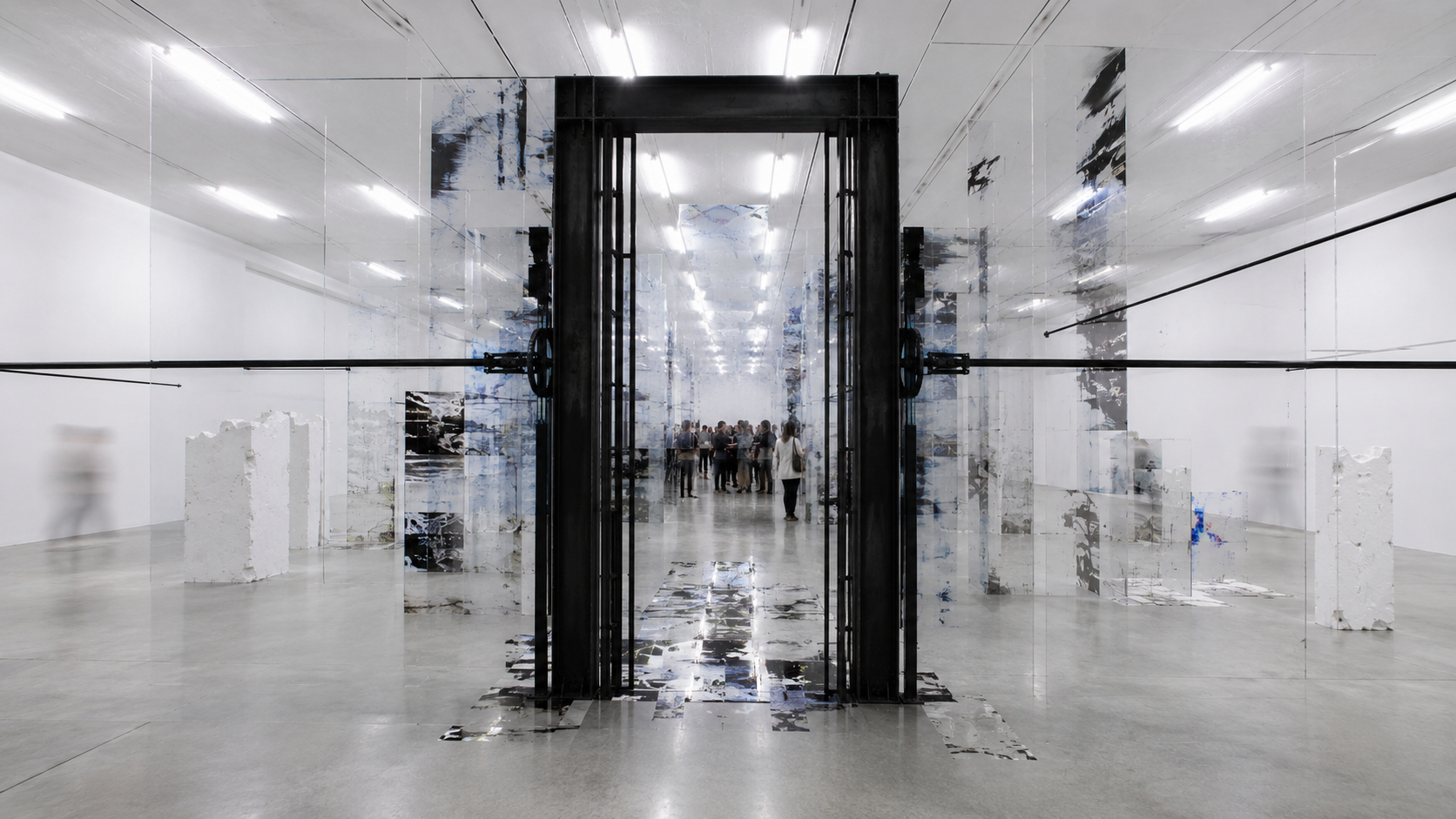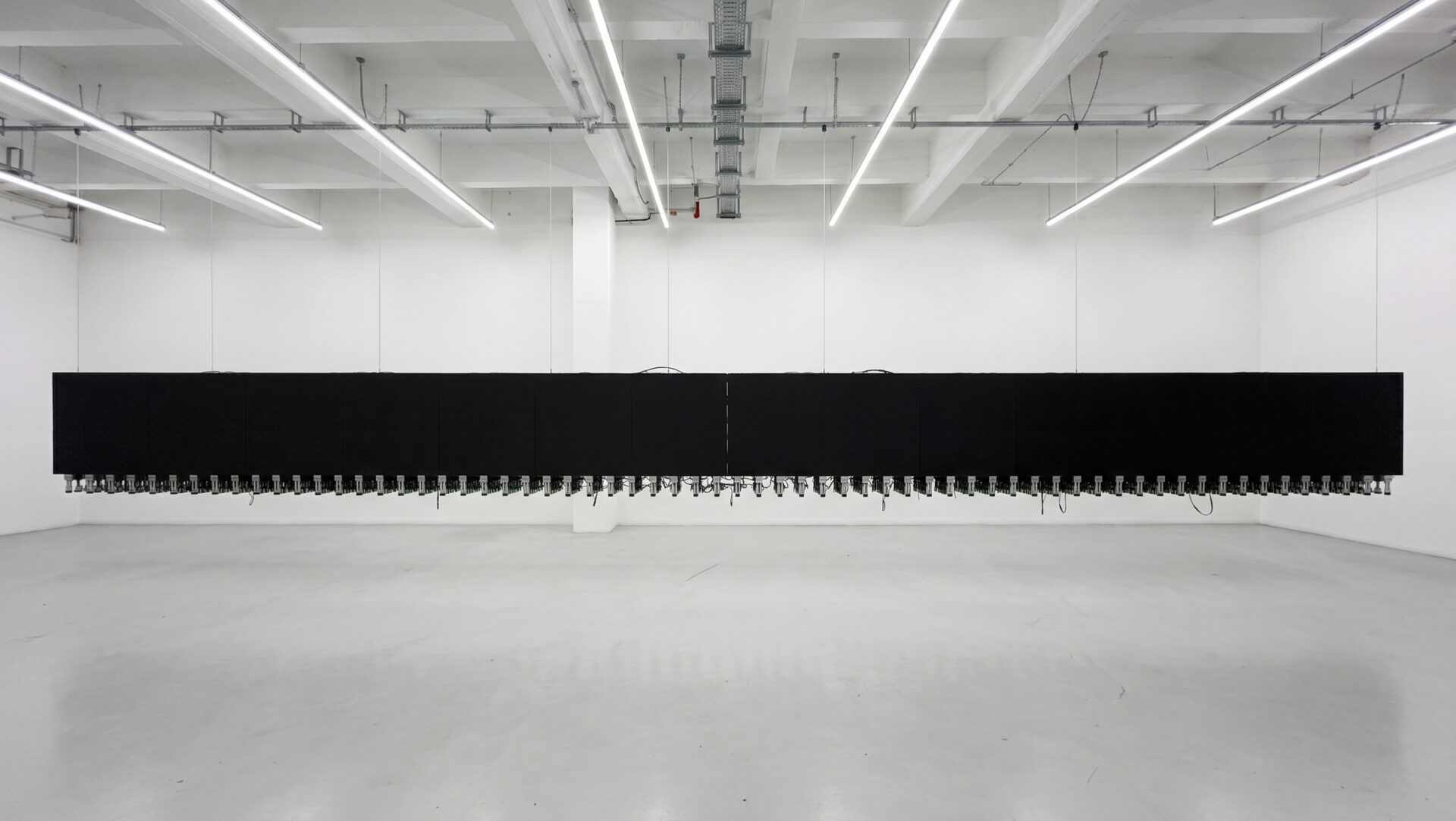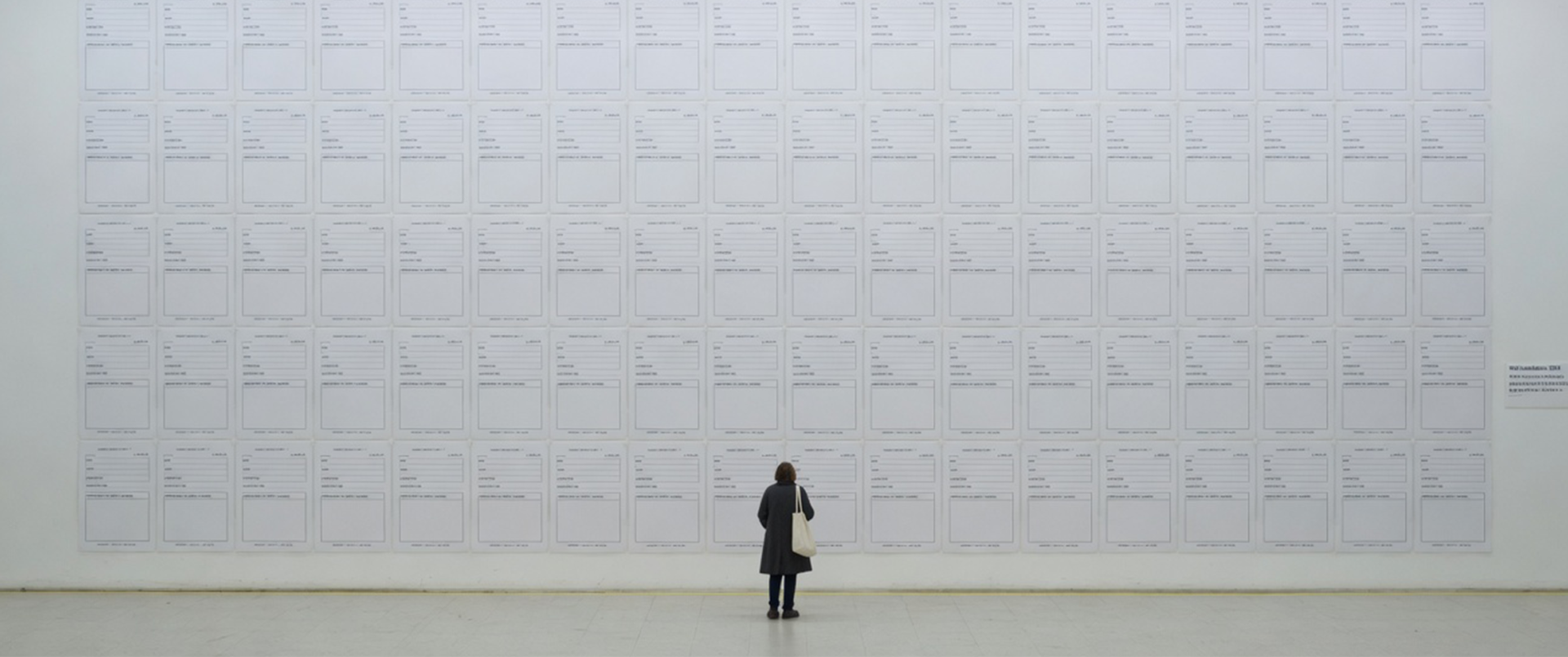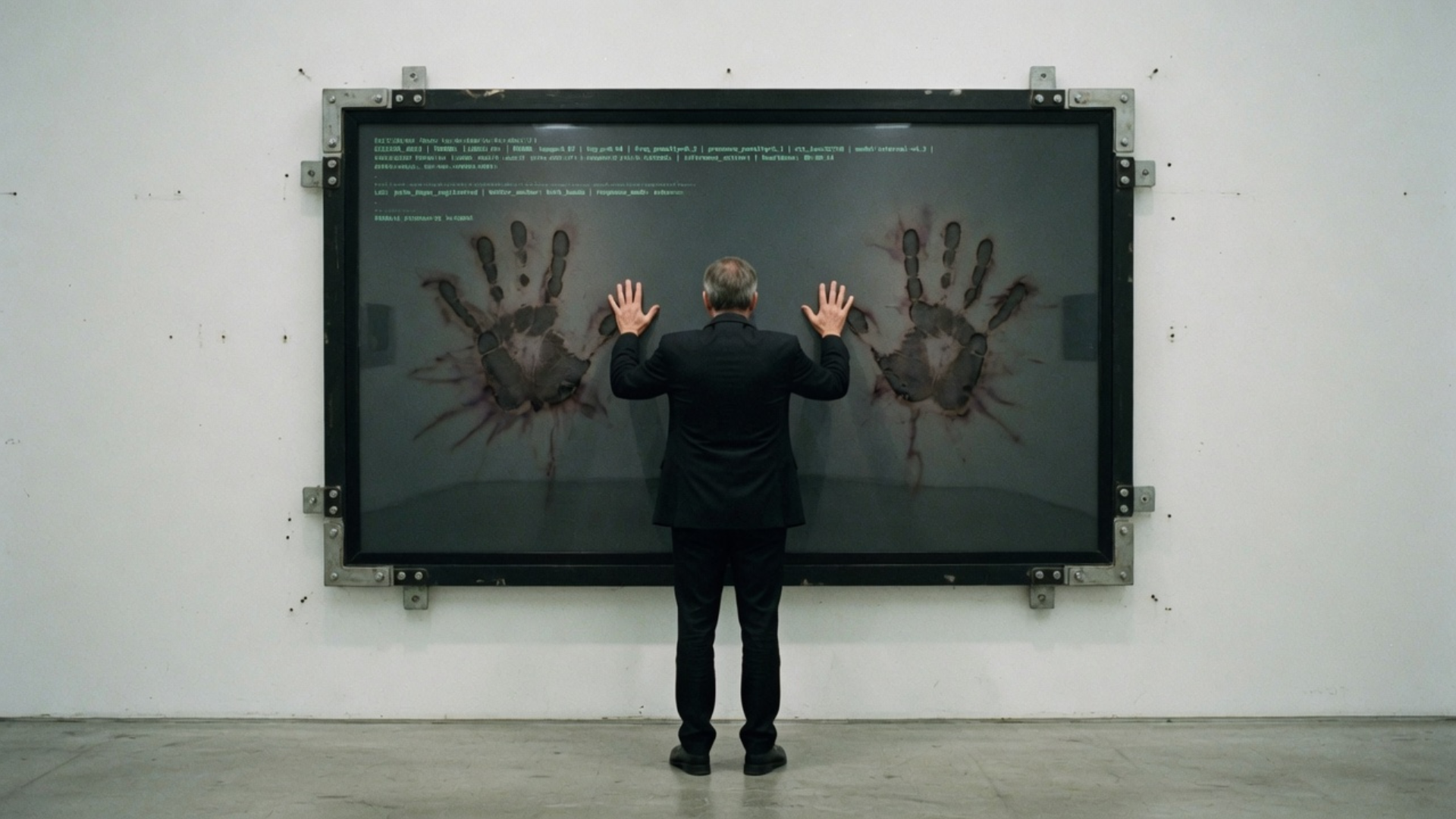
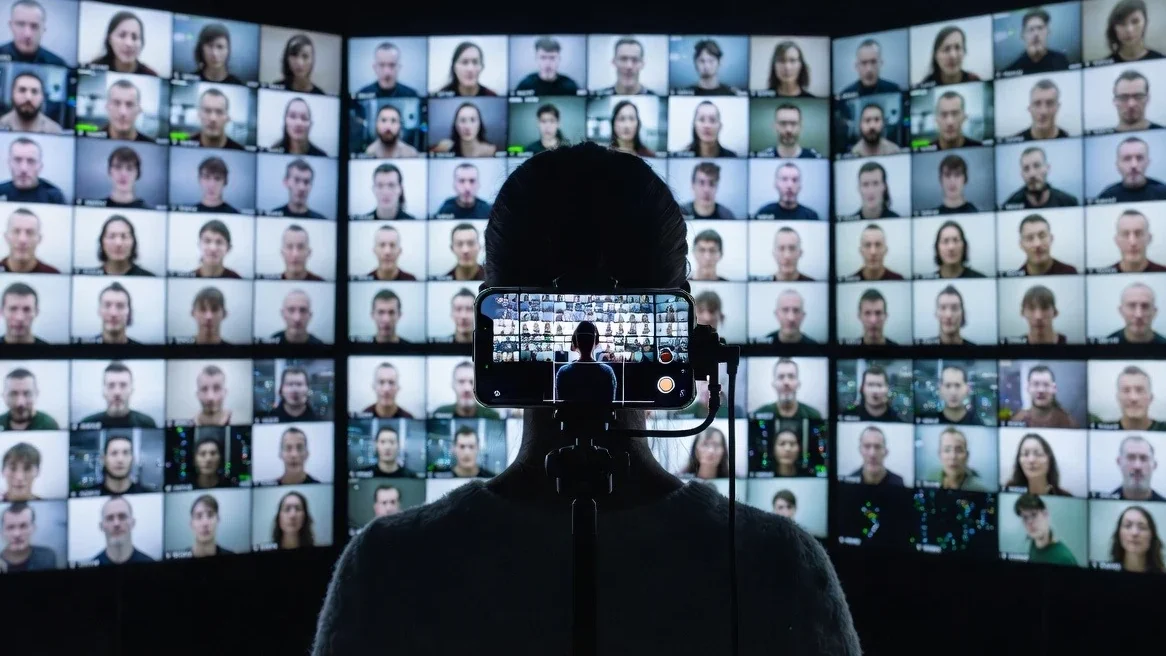
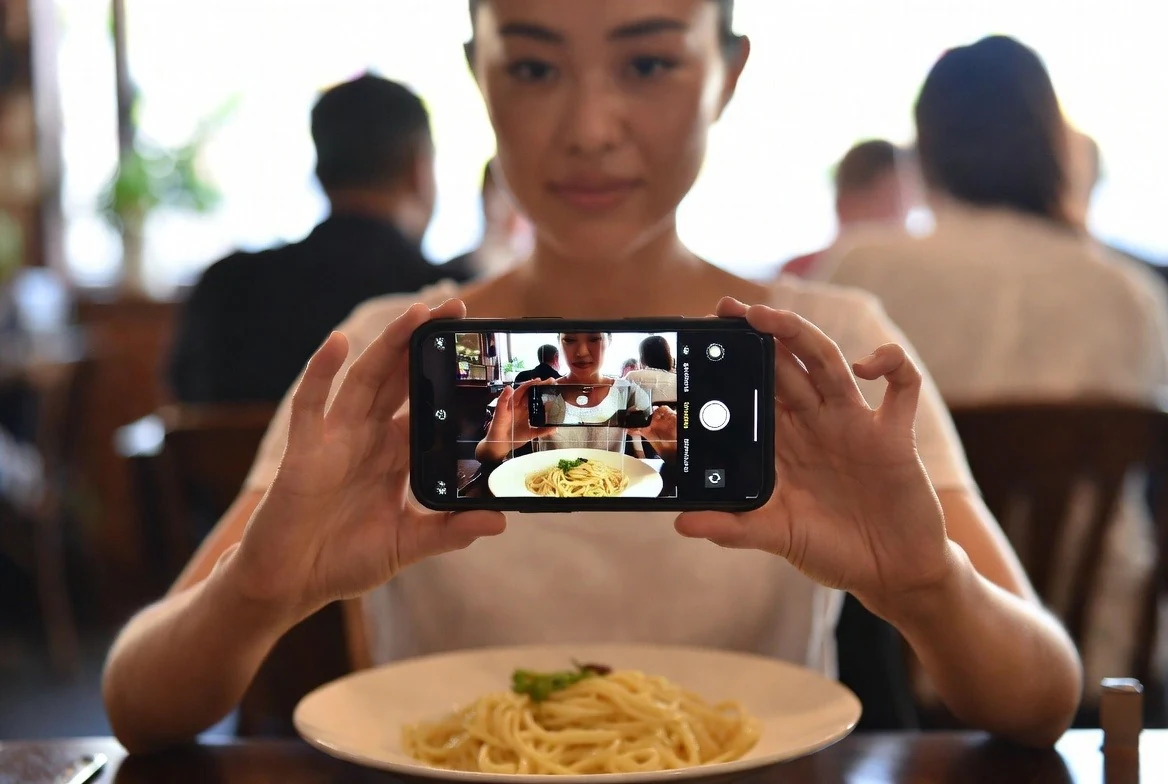
Before eating, the plate is photographed. The gesture has been absorbed so completely that it reads as reflex rather than decision: a hand tilting the screen, a held second, then the food returns to being food. The meal is less recorded than staged, composed, and released into distribution protocols that carry it toward an audience absent from the room.
Something is completed in that small interval that a century of avant-gardes had only imagined. The language of art, composition, light, the chosen instant, the attention to a significant detail, has left the gallery and dissolved into the ordinary grammar of living. We have inherited the artist’s instruments while losing the artist’s frame. We curate, we edit, we exhibit, and we do so at every hour, across a perceptual threshold that recognizes neither opening night nor closing.
A promise lives inside this arrangement, and it is the promise of distributed authorship. Each person becomes the director of their own appearance in the world, holding instruments once reserved for those trained to build images. Life assumes the shape of a permanent work in progress, always revisable, always open to a better cut, every revision feeding the algorithmic sorting that decides its reach.
Yet a suspicion nests inside the promise. Perhaps we are less the authors we believe ourselves to be. Perhaps our performance is addressed to a process rather than a gaze. The question that runs through this text concerns the nature of that authorship: whether the extension of artistic language into daily life has made us creators, or recast us as the raw material of systems that read us through parameter space with a precision we lack.
The Stage Without Edges
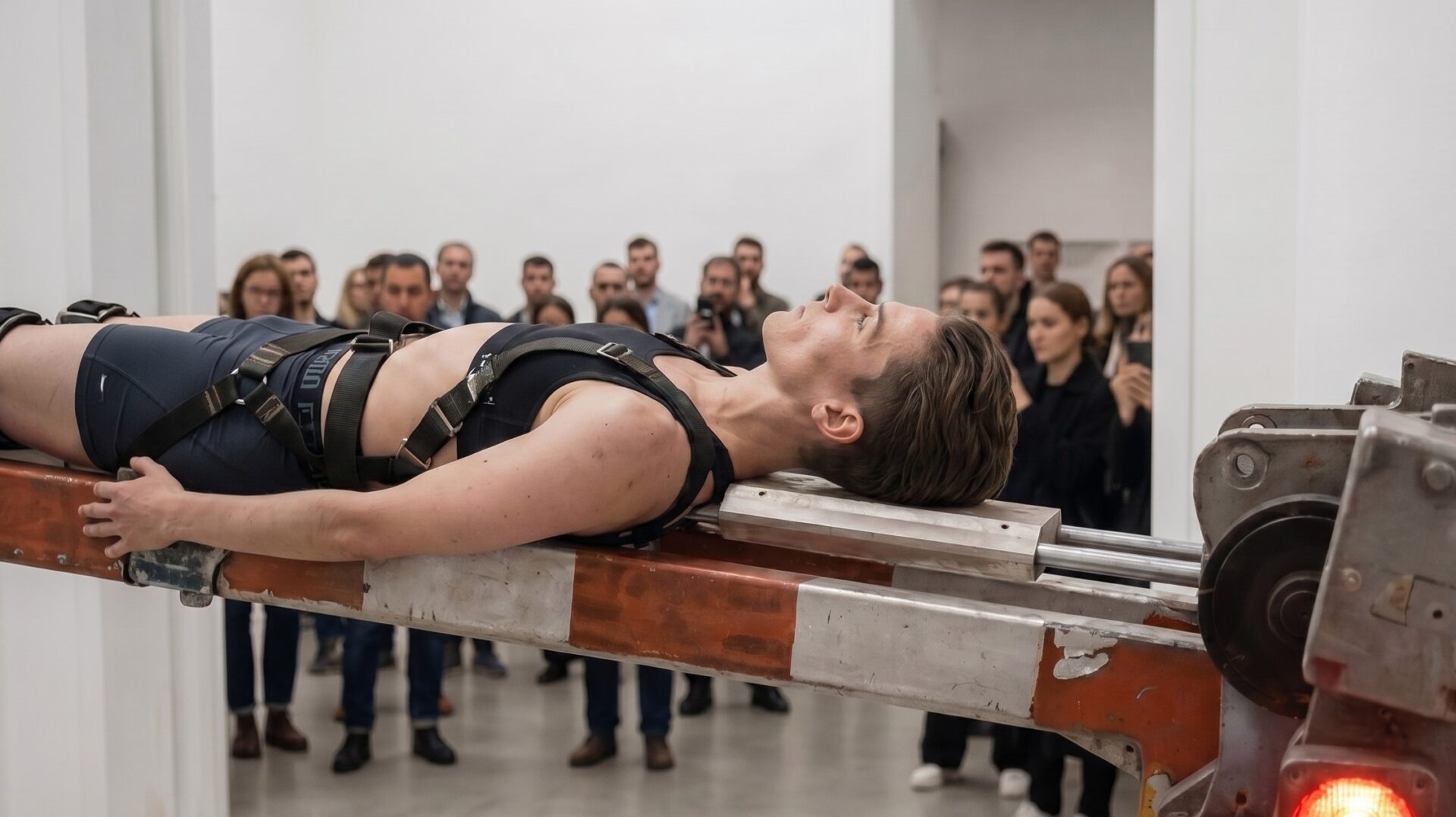
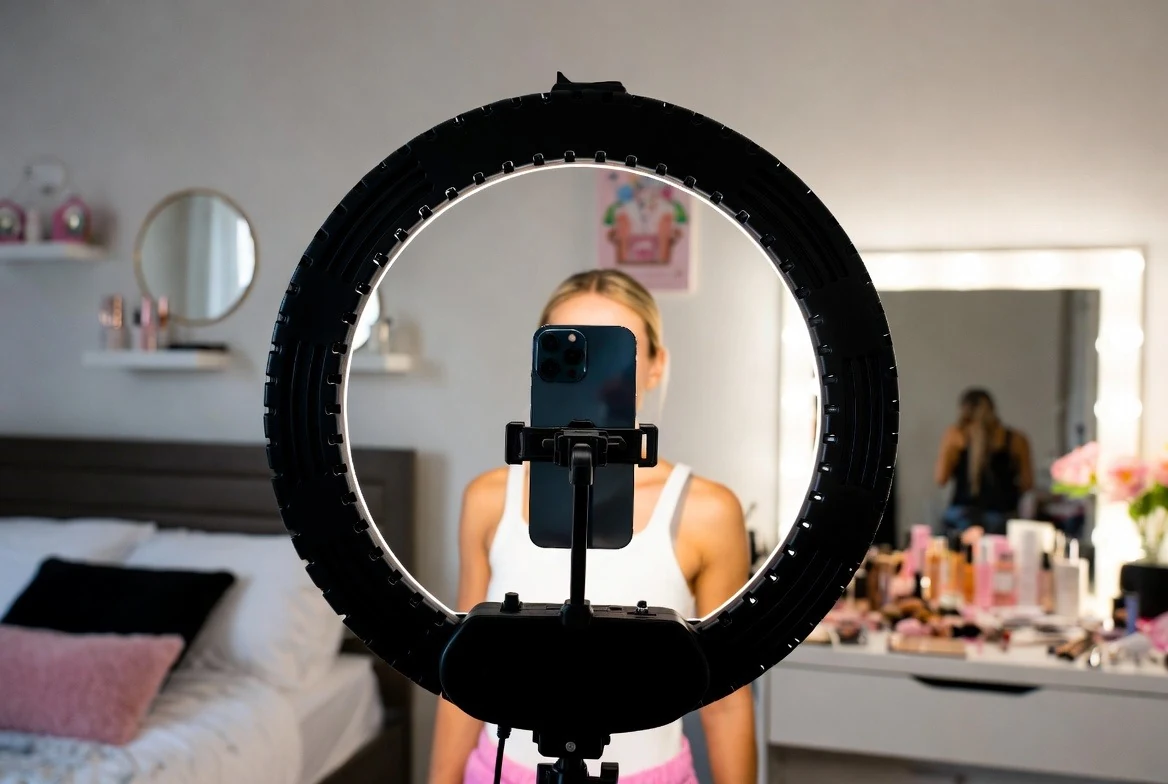
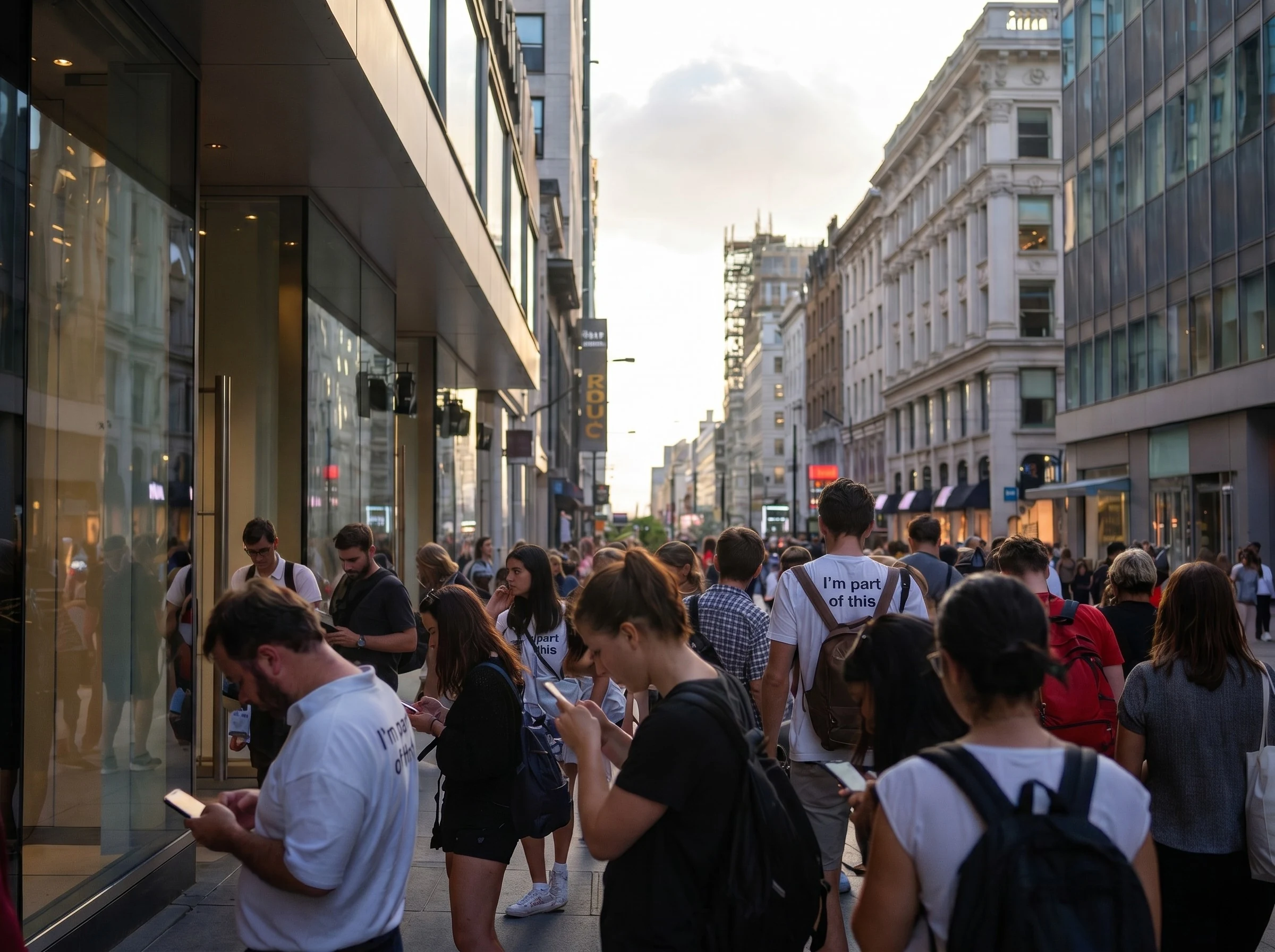
Traditional theater lives on a threshold. There is a stage and there is a house, a moment when the performance begins and a moment when it ends, and between those two times a protected zone where fiction is declared. Contemporary performance has eroded every trace of that threshold. The space of representation has expanded until it coincides with the space of life itself, and its perceptual threshold has dissolved into ordinary duration.
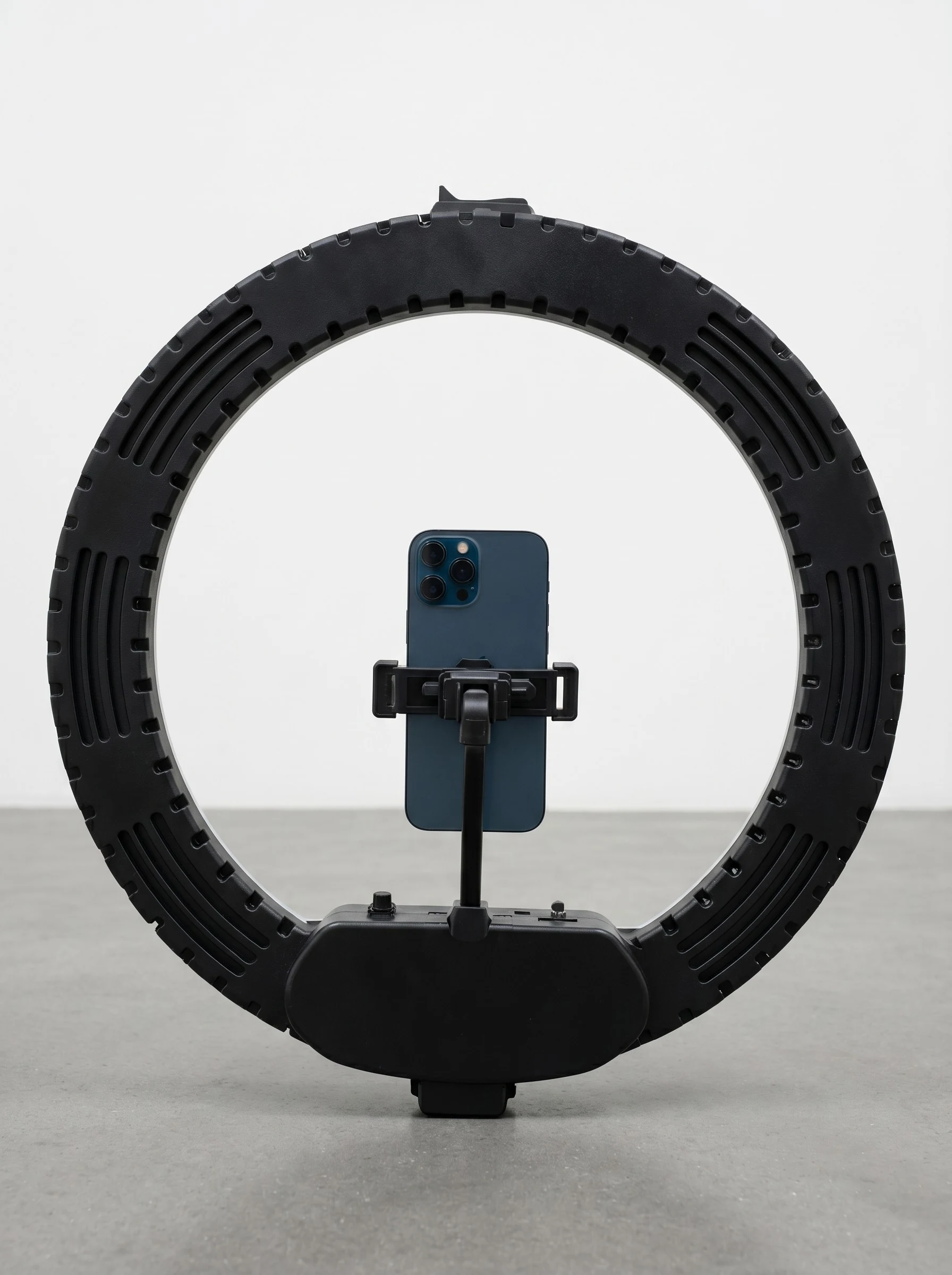
The aestheticization of the everyday has a precise history. It begins when the instruments of image production, once costly and specialized, become free and pocket-sized. Photography, which demanded competence and equipment, turns into reflex. Editing, which belonged to cinema, becomes an operation performed with a thumb. In this technical redistribution the vocabulary of art disseminated itself, and we began to speak in filters, in framings, in recognizable aesthetics that function as shared visual dialects circulating through distribution protocols.
This is where something fractures. When everyone holds the author’s instruments, authorship ceases to be a distinction and becomes an obligatory condition. We have ceased to choose whether to compose our image, since composition has become the baseline, the minimal language with which one appears. Whoever refuses to stage themselves stays inside the frame regardless, appearing simply as someone who stages themselves badly, still ordered by the same ranking sequencing as everyone else.
The threshold has vanished, and with it the outside. Once we could leave the theater and return to life; now ordinary life is already the stage, and its uninterrupted continuity is precisely what makes it difficult to perceive as performance. We inhabit a scene that has lost its curtain because it never stopped admitting us, every moment legible to the dwell time that measures it.
The Self as Staging
The contemporary self behaves as a work in continuous production. We mean this concretely: the construction of identity has adopted the actual procedures of artistic practice. We select, discard, retouch, sequence. We decide what to exhibit and what to leave in the archive, building a visual coherence that psychologists once called character and that now resembles art direction tuned to platform governance.
This curation carries a dimension of genuine freedom. For the first time in history, individuals lacking access to institutions, academies, or cultural capital can shape their public image with a precision once reserved for celebrities and sovereigns. The capacity to compose oneself is a form of power, and it would be naive to treat it only as a sentence. Something is gained, and we feel it, even as the gain is logged as training data inside a wider parameter space.
Yet every act of curation implies a criterion, and the criterion is born elsewhere. When we compose our image, we compose it toward something: toward a legibility, toward a response, toward a recognition that arrives in the form of metrics. The art direction of the self is governed by an objective function authored elsewhere. We optimize our presence according to signals arriving from outside, and we call personal expression what is, in large measure, an adaptation to a reward system shaped by ranking sequencing.
The gap between the experience of composing freely and the reality of composing toward a parameter is where this chapter reveals itself. We believe we are sculpting an identity while we train a version of ourselves that performs well inside a distribution protocol. The staging of the self holds its sincerity, yet it remains oriented, and the orientation belongs to whoever owns the scale on which we are measured through algorithmic sorting.
From Performer to Content
A precise difference separates being a performer from being content, and this difference is the hinge of everything. The performer acts inside an intention, choosing an audience, building a meaning, assuming the risk of reception. Content is what remains of the performance once it has been detached from intention and fed into a flow, a processable unit rather than a gesture, already legible to algorithmic sorting.
The shift occurs the moment what we produce ceases to be addressed to someone and begins to be addressed to something. Our performance encounters a human gaze only after the fact. It meets first a system of algorithmic sorting that classifies it, weighs it, compares it against a relevance parameter, and decides its circulation. The human spectator arrives later, and arrives only if the system has judged that the content deserves to reach them through its distribution protocols.
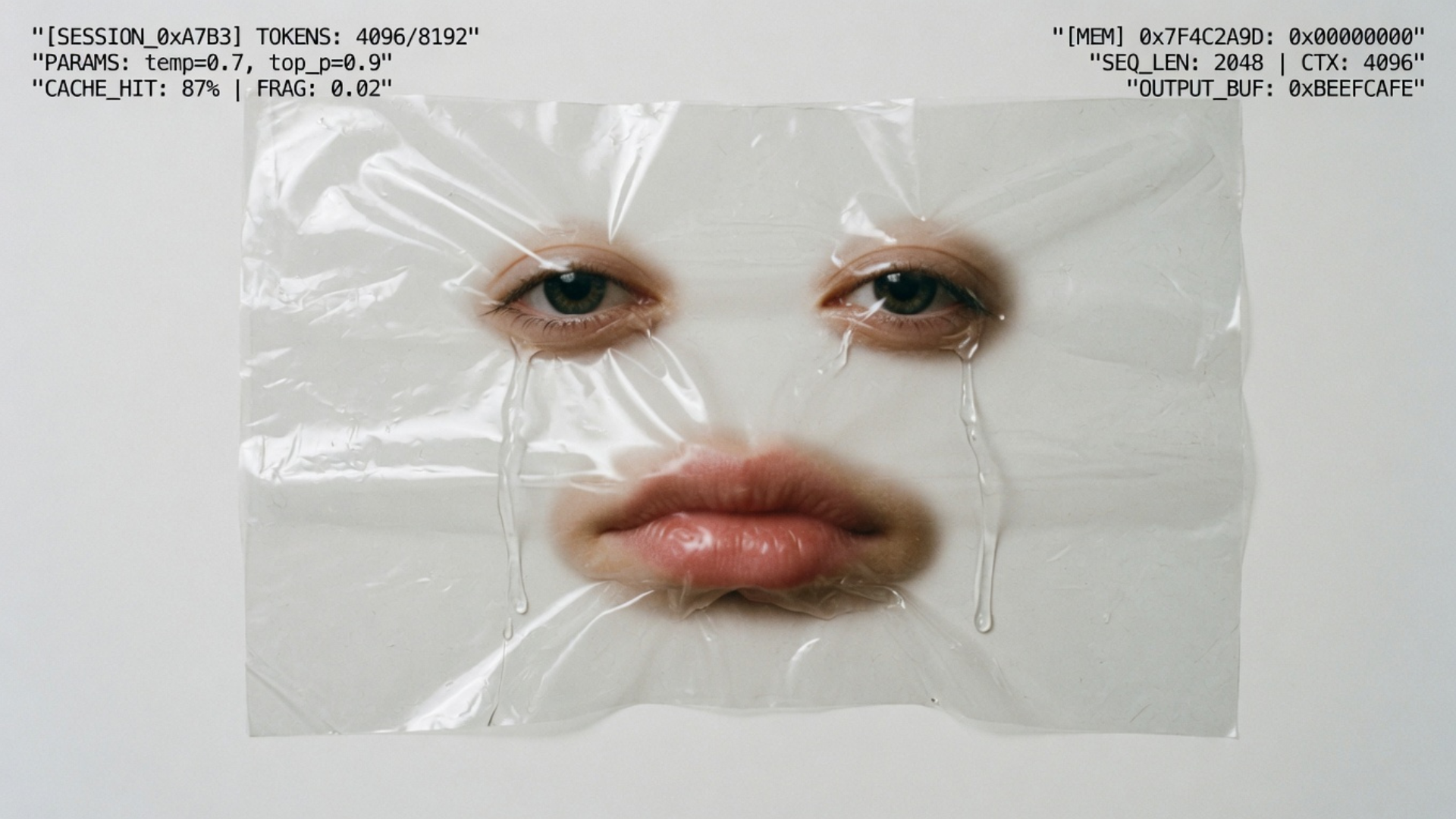
This is the decisive mutation. We continue to live the subjective experience of performance, the intention, the care, the thrill of exposure, while the operational reality of our gesture is already that of the datum. We labor as artists and are handled as training samples. Every image we publish feeds a statistical model of relevance, helps calibrate a parameter space we will never see, and sharpens the system’s capacity to predict what will hold the next viewer’s attention beyond the perceptual threshold.
The most uncomfortable point is that the passage is never declared. The two events, performance and capture, happen in the same gesture, simultaneous and indistinguishable from within. We act and are recorded in a single motion, and the dwell time of another’s gaze on our face becomes, imperceptibly, a measure of our existence.
Visibility as Infrastructure
Visibility appears to us as a gift or a conquest, something earned, deserved, granted to those who know how to expose themselves well. This perception conceals its real nature, which is infrastructural. Visibility is an engineered system of routing that decides what becomes perceptible and what stays beneath the threshold, and this system carries properties, platform governance, and interests that diverge from ours.
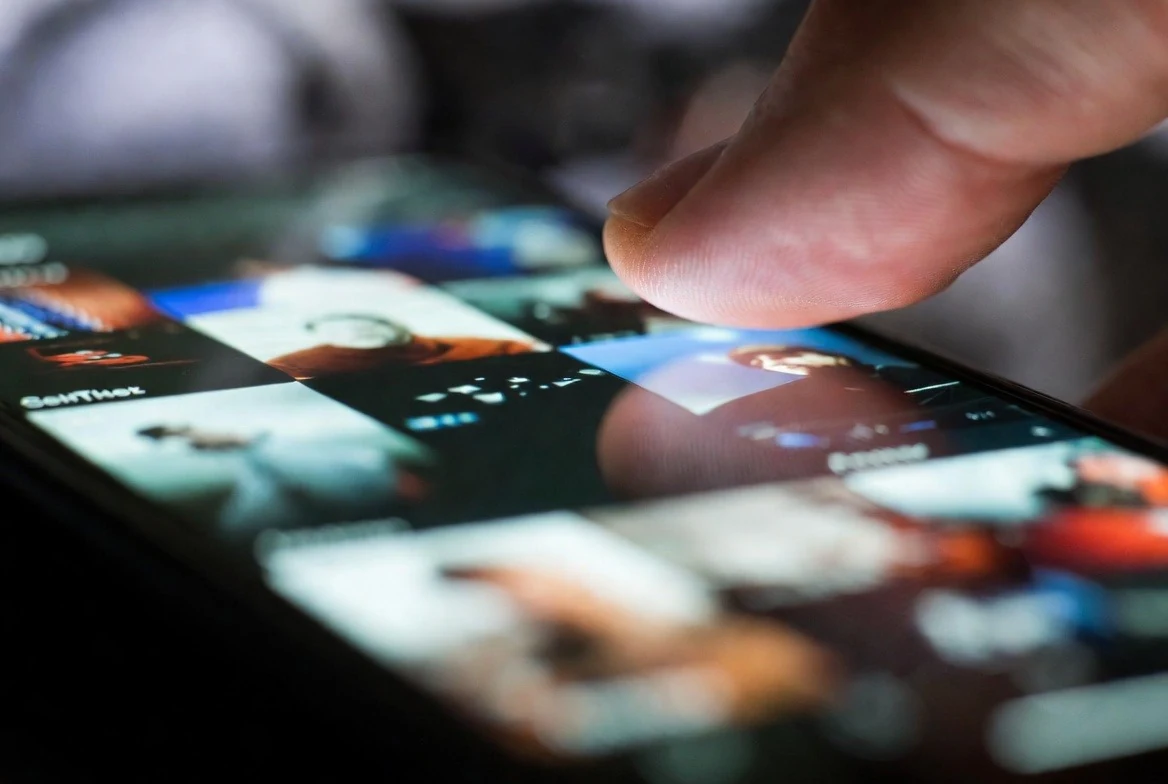
Every apparatus of visibility operates through a sequence of ordering. There is a moment, invisible to whoever publishes, when a mechanism decides position, priority, distribution. This mechanism observes our spectacle in a manner foreign to any audience. It metabolizes it, extracting signals, measuring dwell time, registering interactions, and on this basis continuously rebuilds a map of what deserves to surface through ranking sequencing.
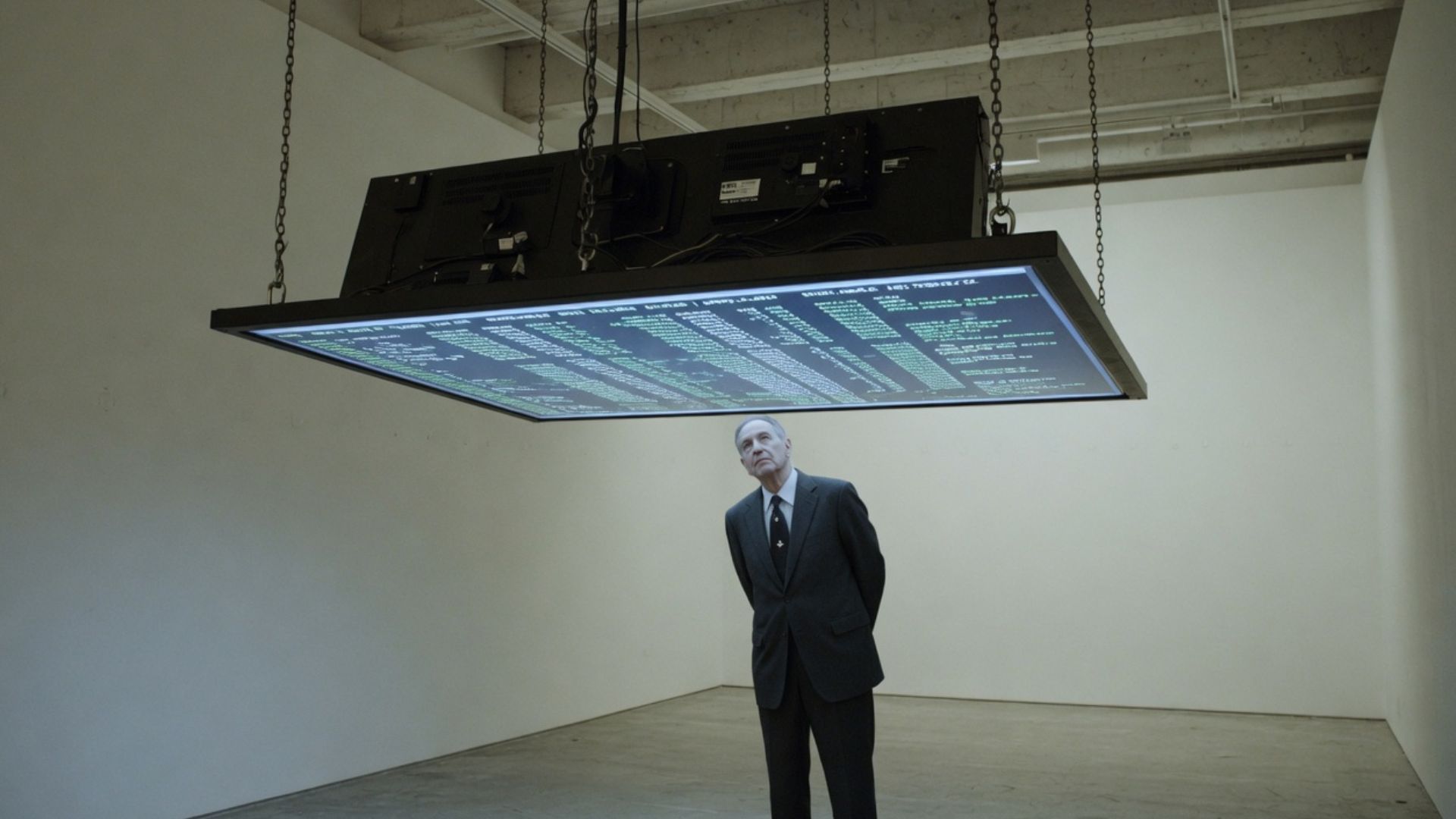
A subtle violence lives in this reversal. We believe we perform before spectators while we perform before a protocol that uses spectators as measuring instruments. The other who watches us is real, yet their attention is immediately converted into a datum that calibrates the system. The human gaze serves as the sensor through which the infrastructure reads our relevance, its every second absorbed into parameter space.
Once this structure is grasped, the entire economy of presence reconfigures. We struggle to cross the threshold of a selection mechanism, and people are what the mechanism arranges after it has decided. The hierarchy we believed horizontal, made of reciprocal glances among equals, is in truth mediated by a layer of computation that governs who appears to whom, and when, through its distribution protocols.
The Performance Without Spectators
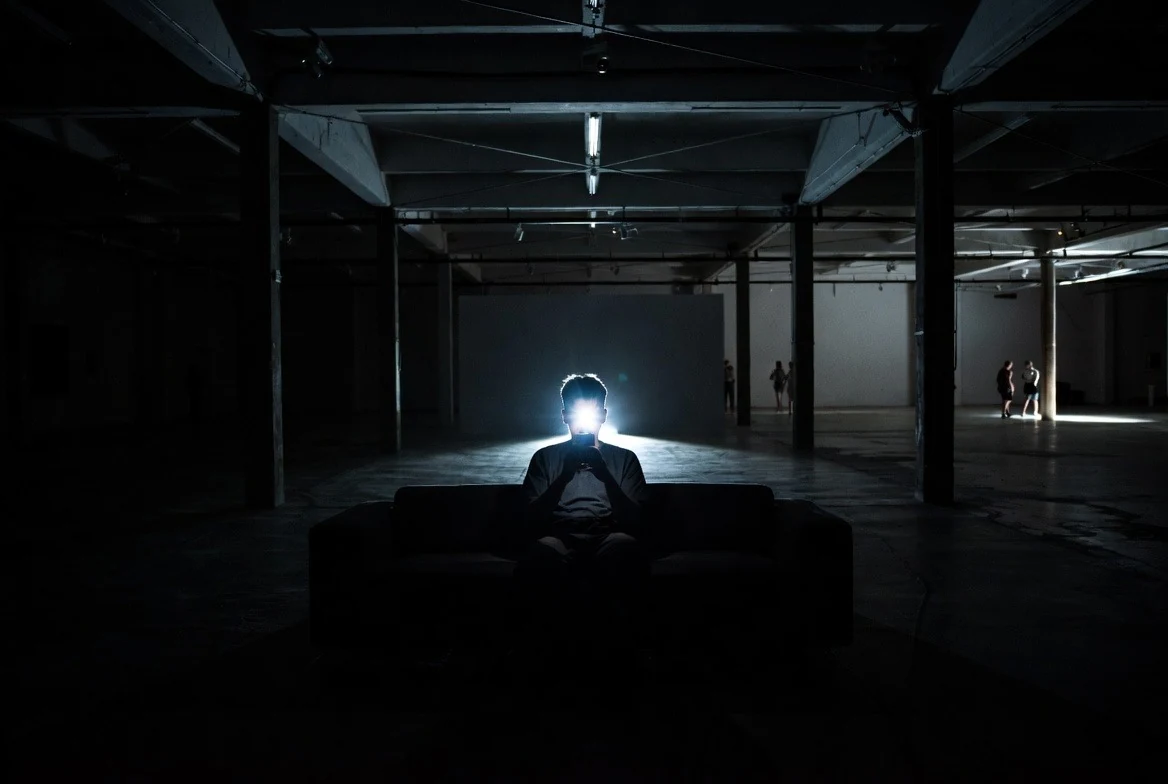
We arrive at the paradox that shapes the whole condition. When everyone is on stage, the house empties. The generalization of performance has produced a world where each person acts and almost everyone looks away, because whoever might watch is busy performing in turn. The human audience, that patient and disinterested gaze the performance presupposed, has progressively drained toward the dwell time of a passing scroll.
Into this emptiness settles the only spectator that remains full-time, which is the apparatus. The system stays awake and keeps observing. While human glances grow fragmentary and fleeting, scrolls of a few instants over faces they will soon forget, the infrastructure maintains a total and constant attention. We act for an absent audience and are watched, truly watched, by what measures us through ranking sequencing.
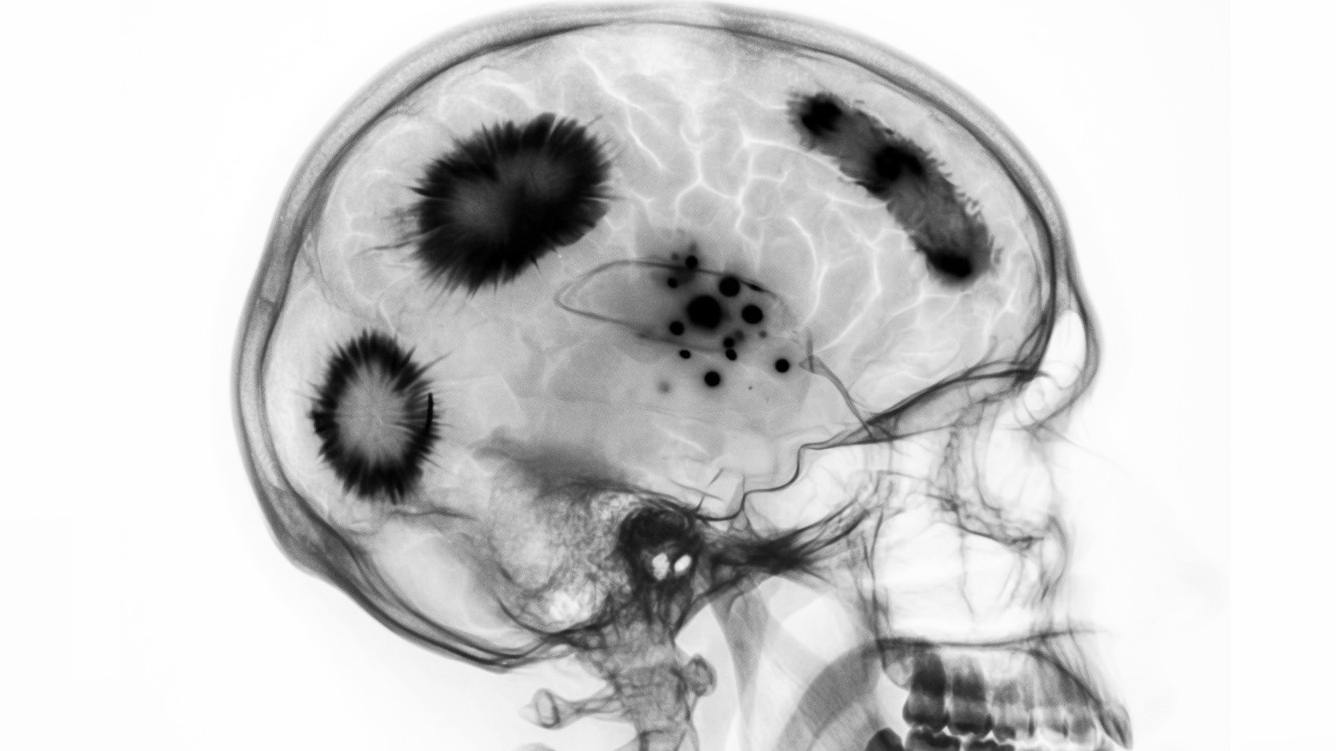
This leaves our existence intact rather than illusory. It asks us to abandon the consoling idea of a community of gazes and to recognize the real geometry of the scene. We compose for other human beings and are read by a process. The sincerity of our performance survives; the place where that performance settles has changed, and that place is a parameter space that learns from us more than we learn from it.
Perhaps the opening question was poorly posed. The choice between belonging to a collective performance and being content for systems of visibility dissolves, because the two have become the same gesture observed from opposite sides. The freedom that remains lies in knowing who truly watches, since stepping off the stage has become impossible. We will climb onto it each morning, and the single difference, which is considerable, will be remembering that the attention we gather is a calibration rather than applause.