Fakewhale Newsletter
By pressing the "Subscribe" button, you confirm that you have read and are agreeing to our Privacy Policy and Terms of Use

Lorenz Wanker, Optimum at Krinzinger Schottenfeld, Vienna

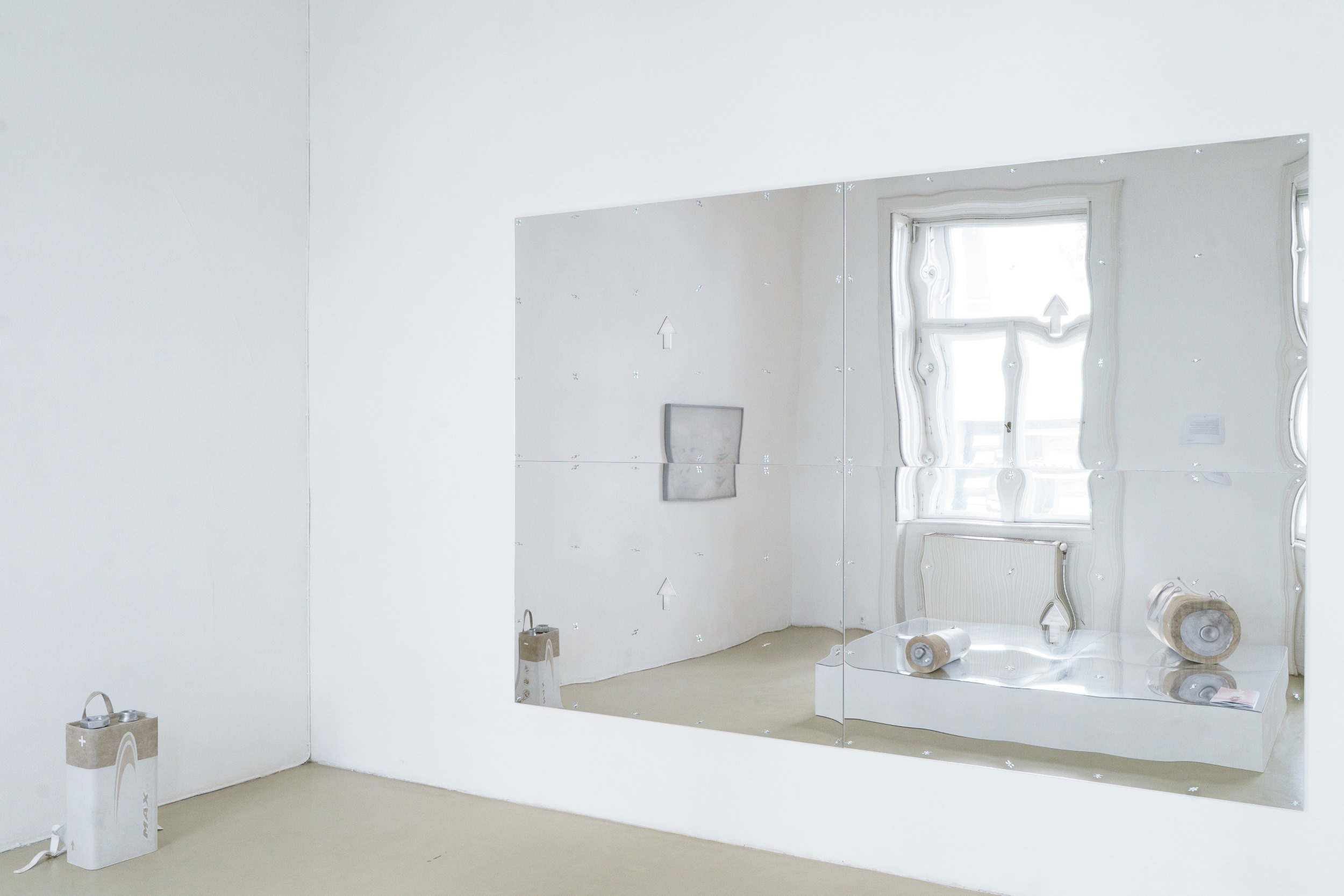
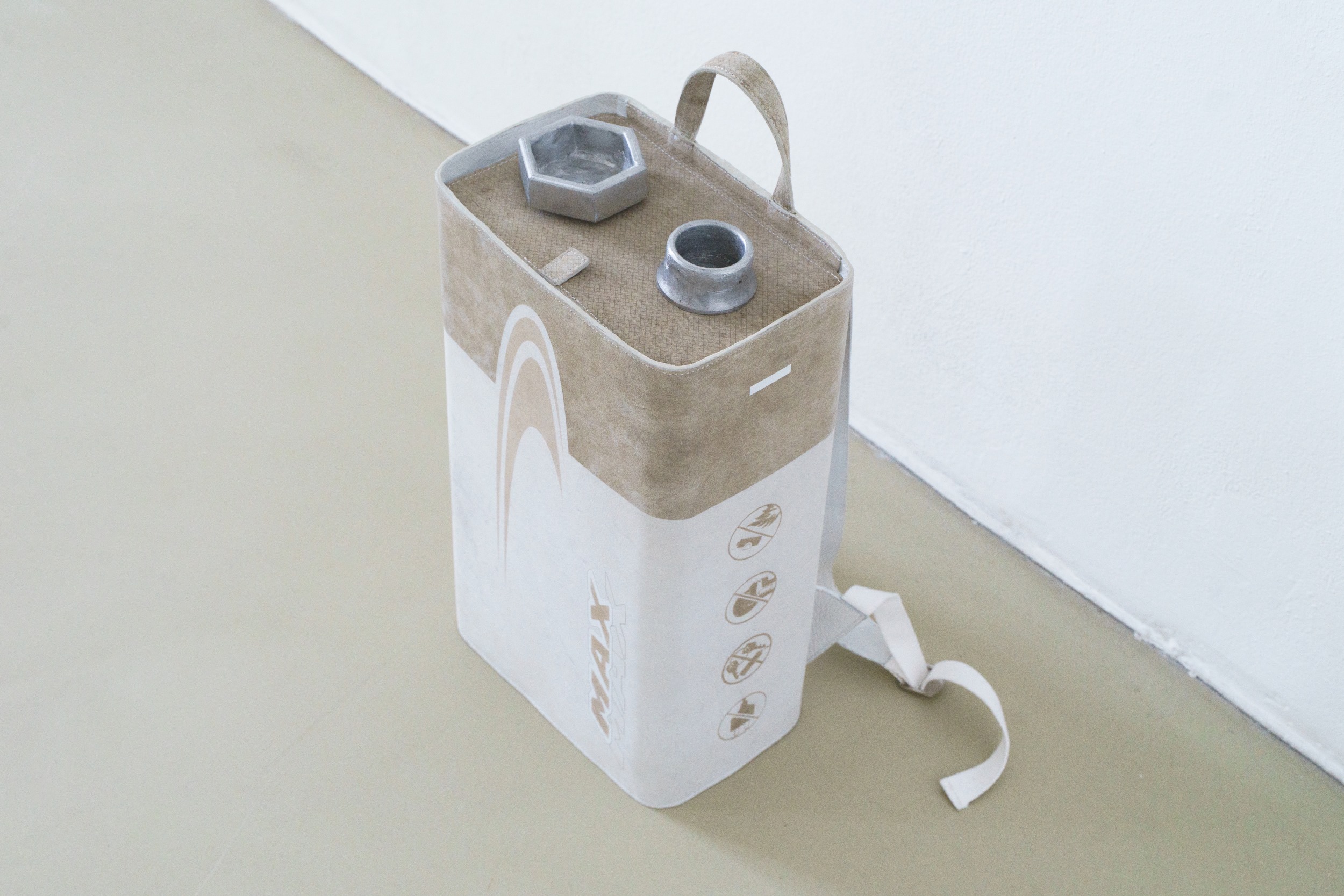
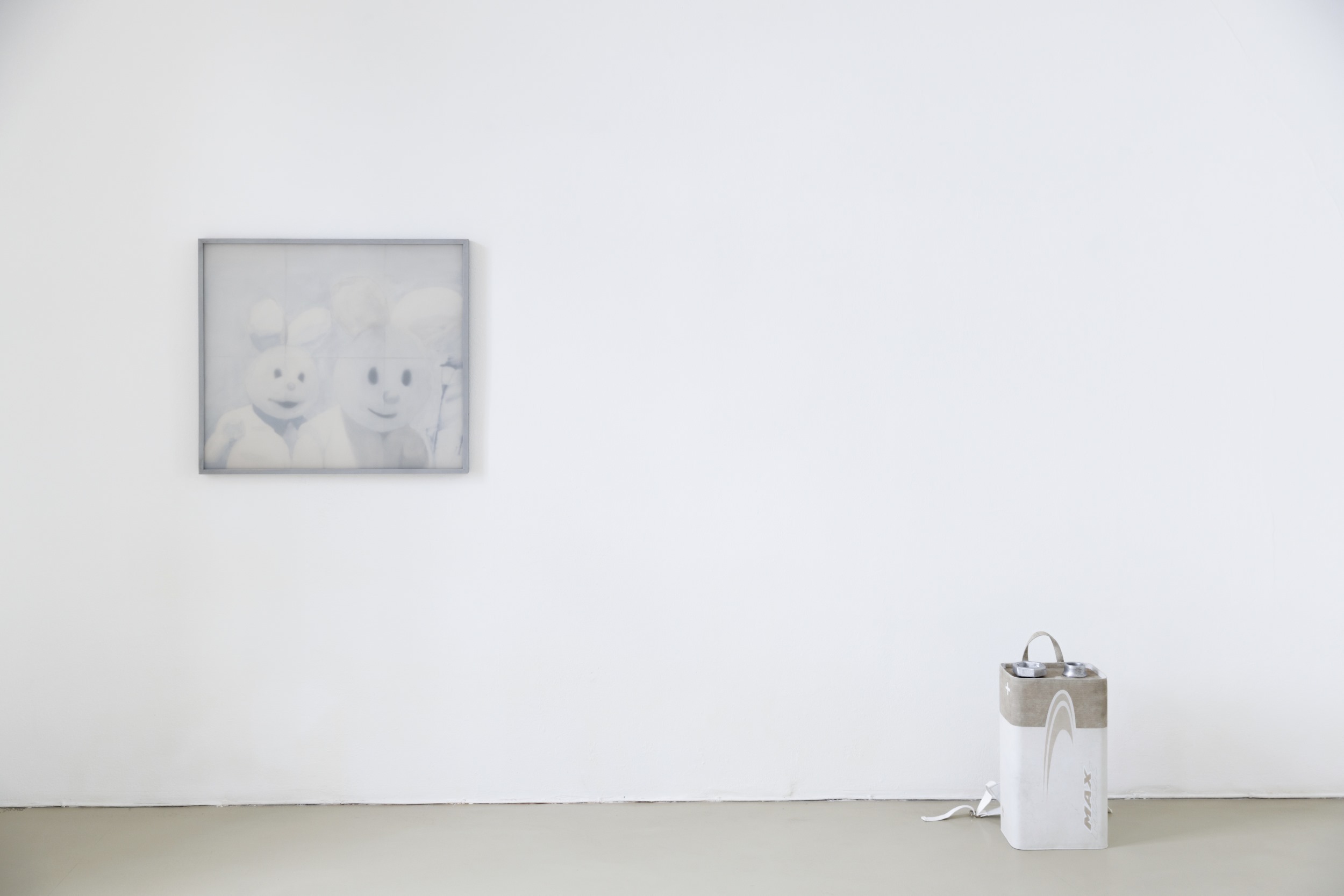
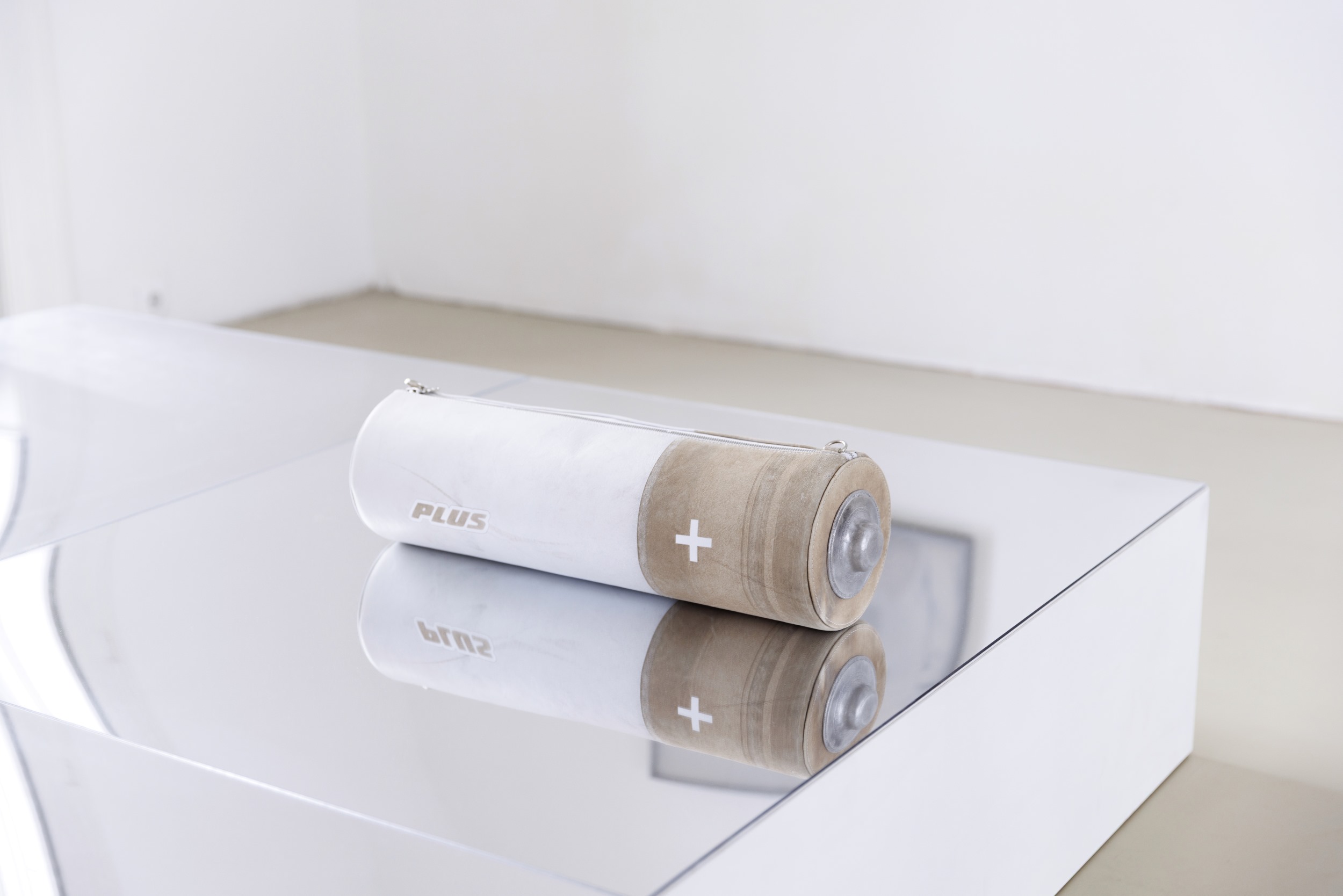
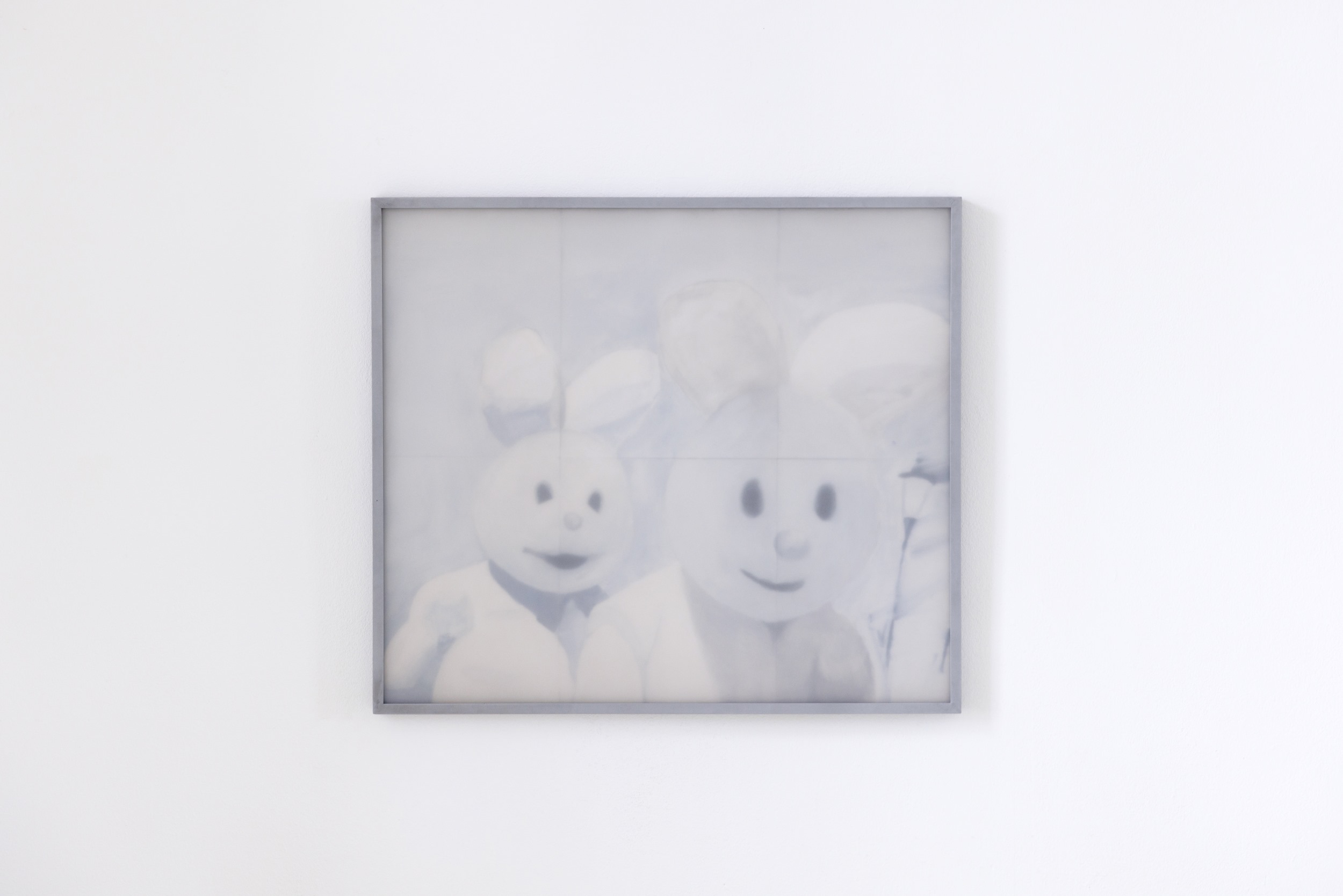
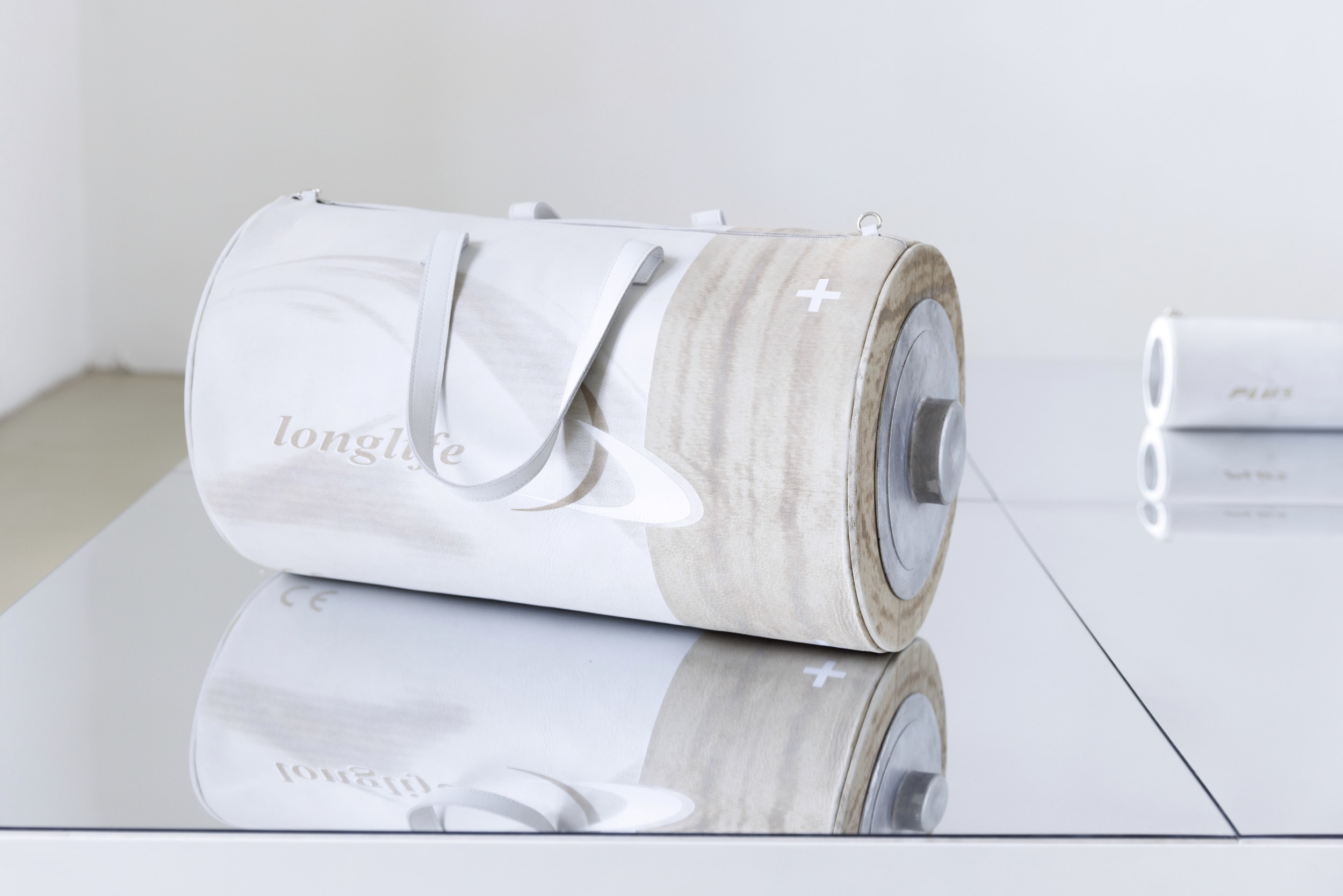
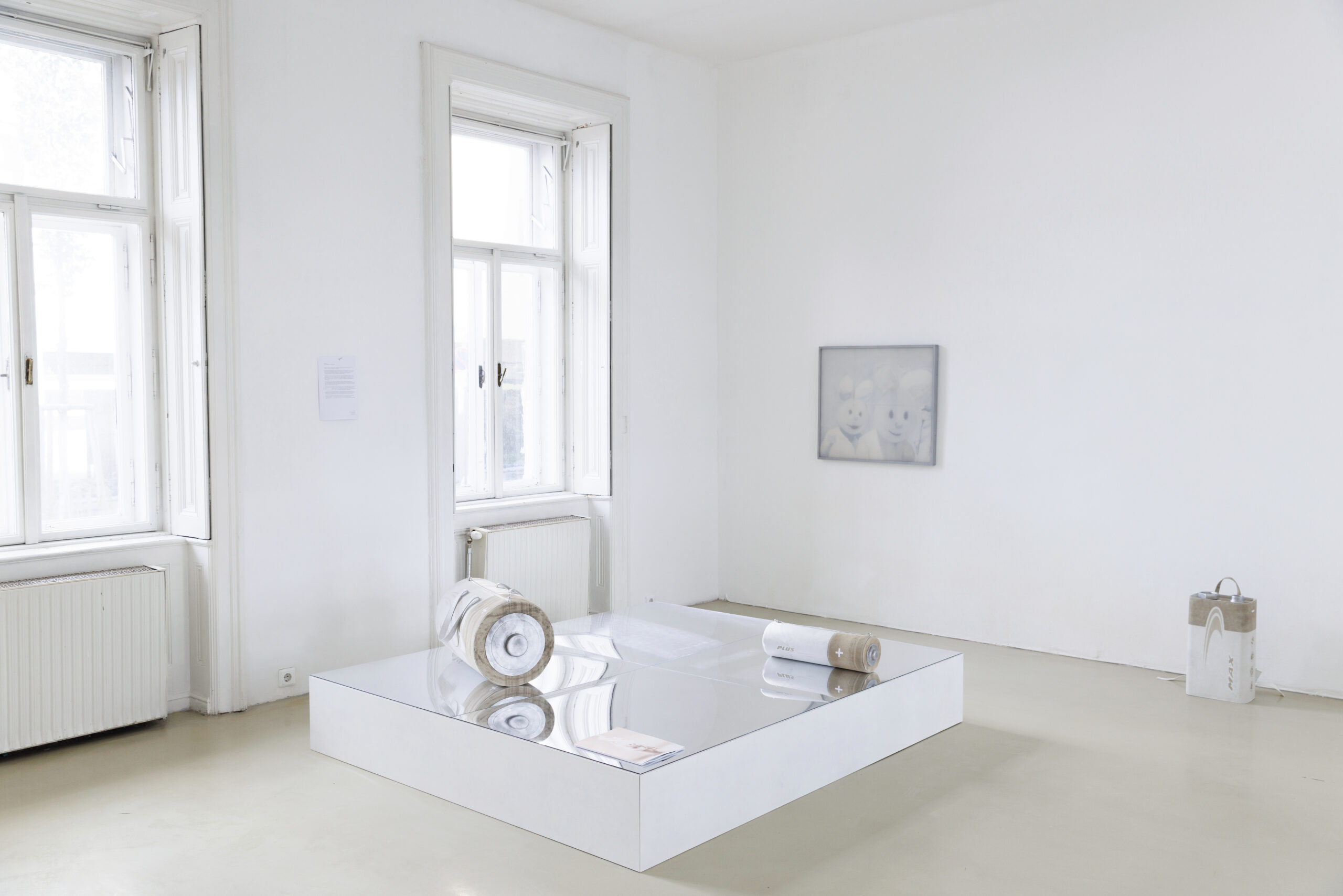
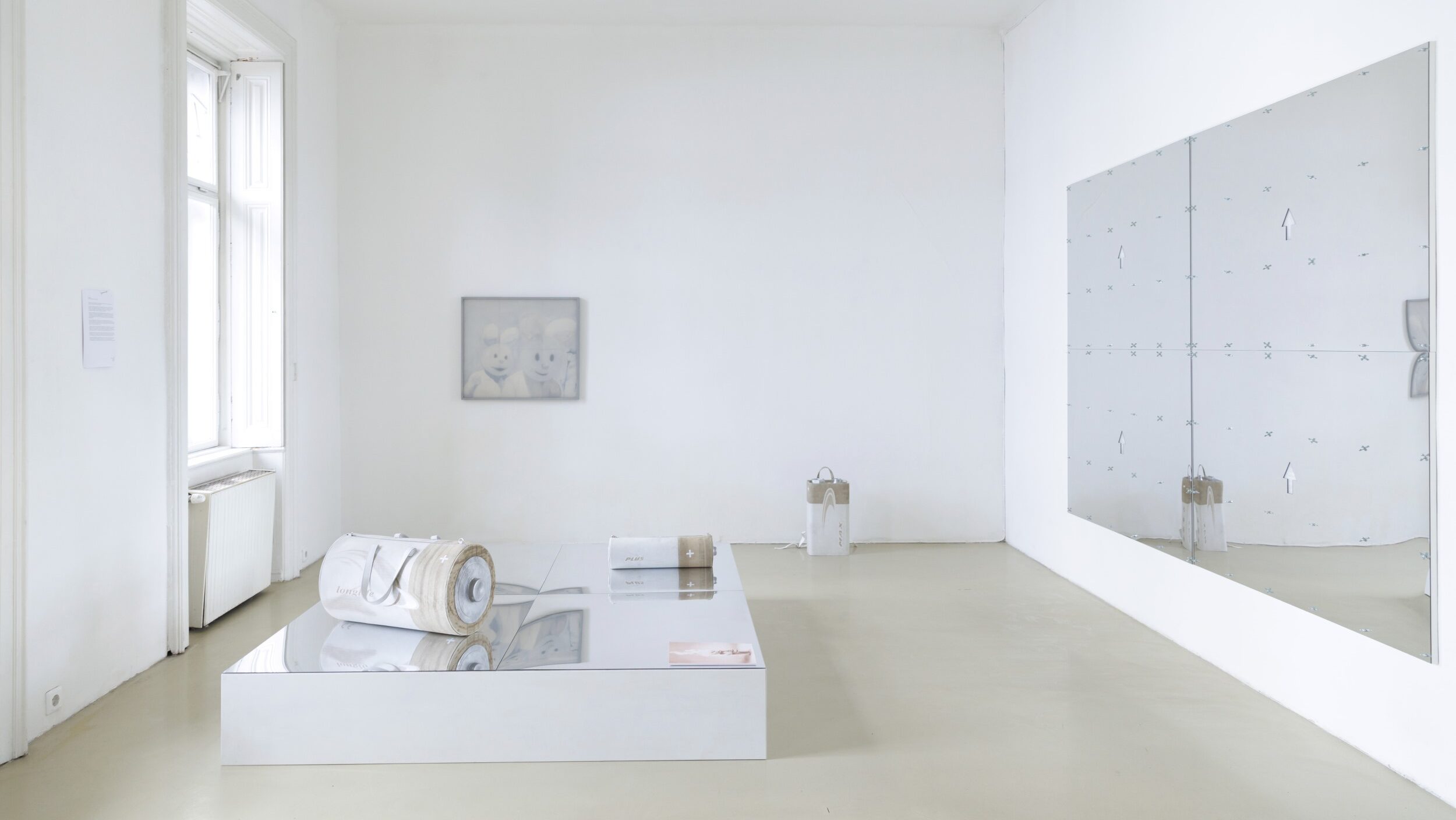
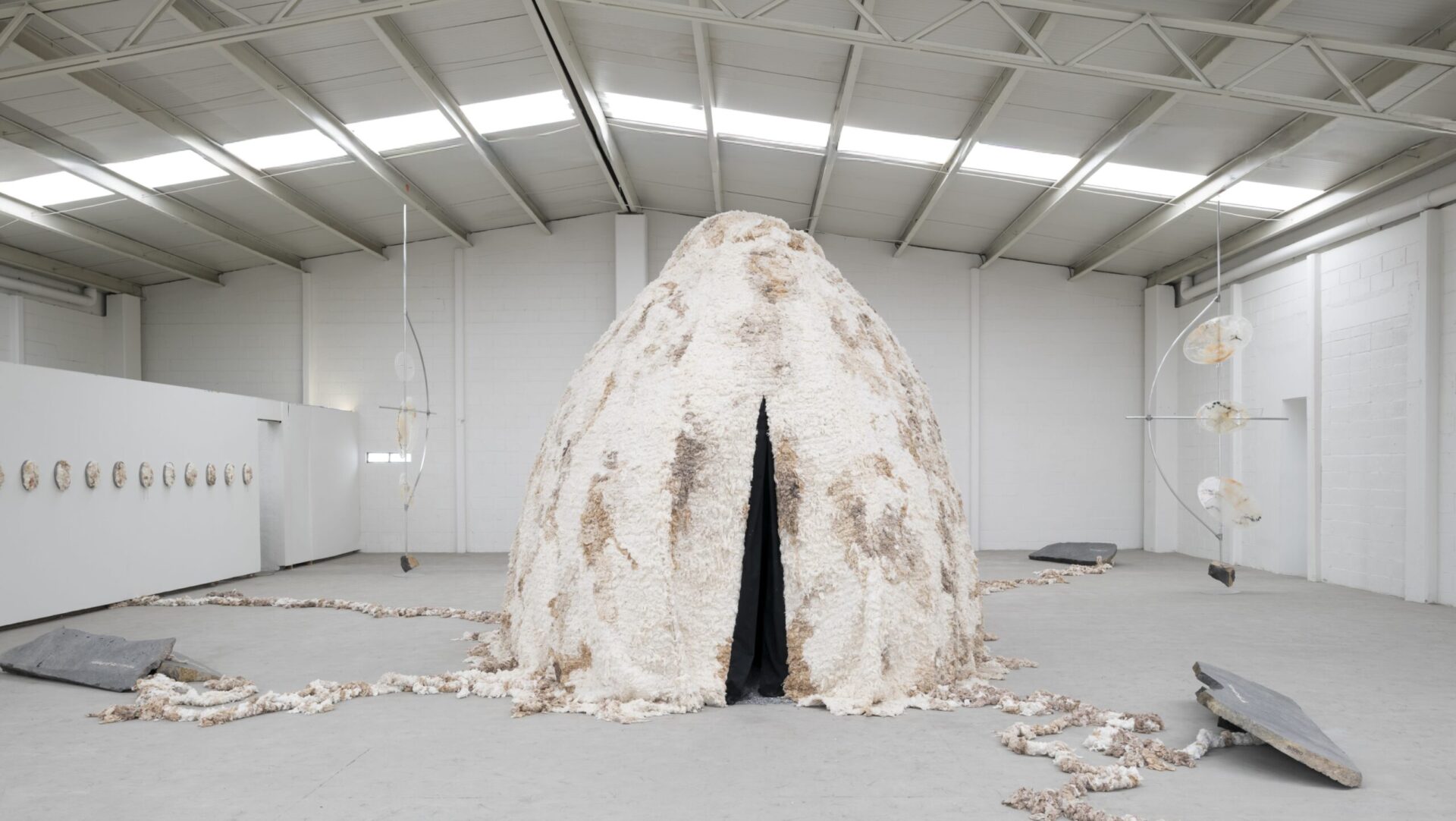
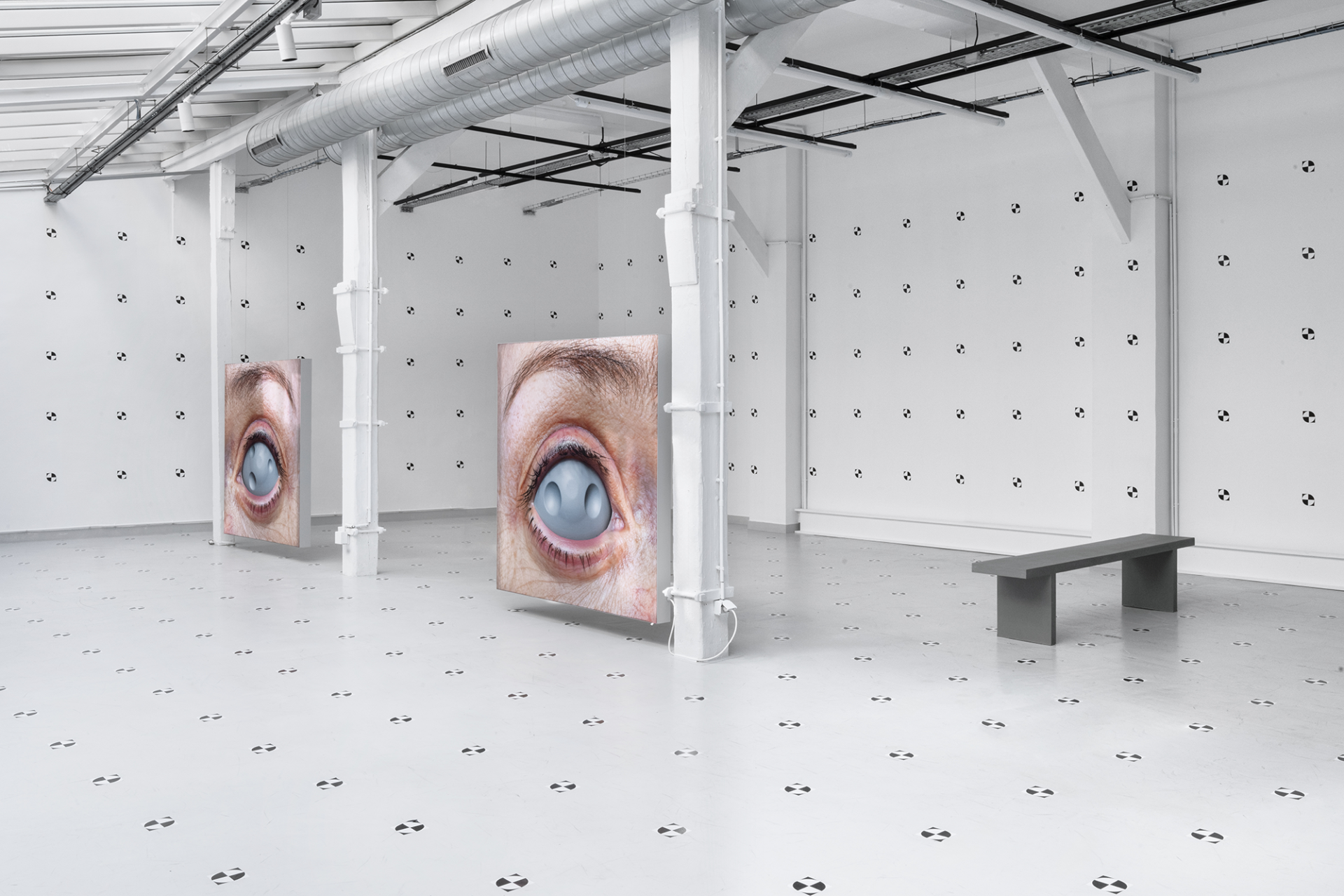
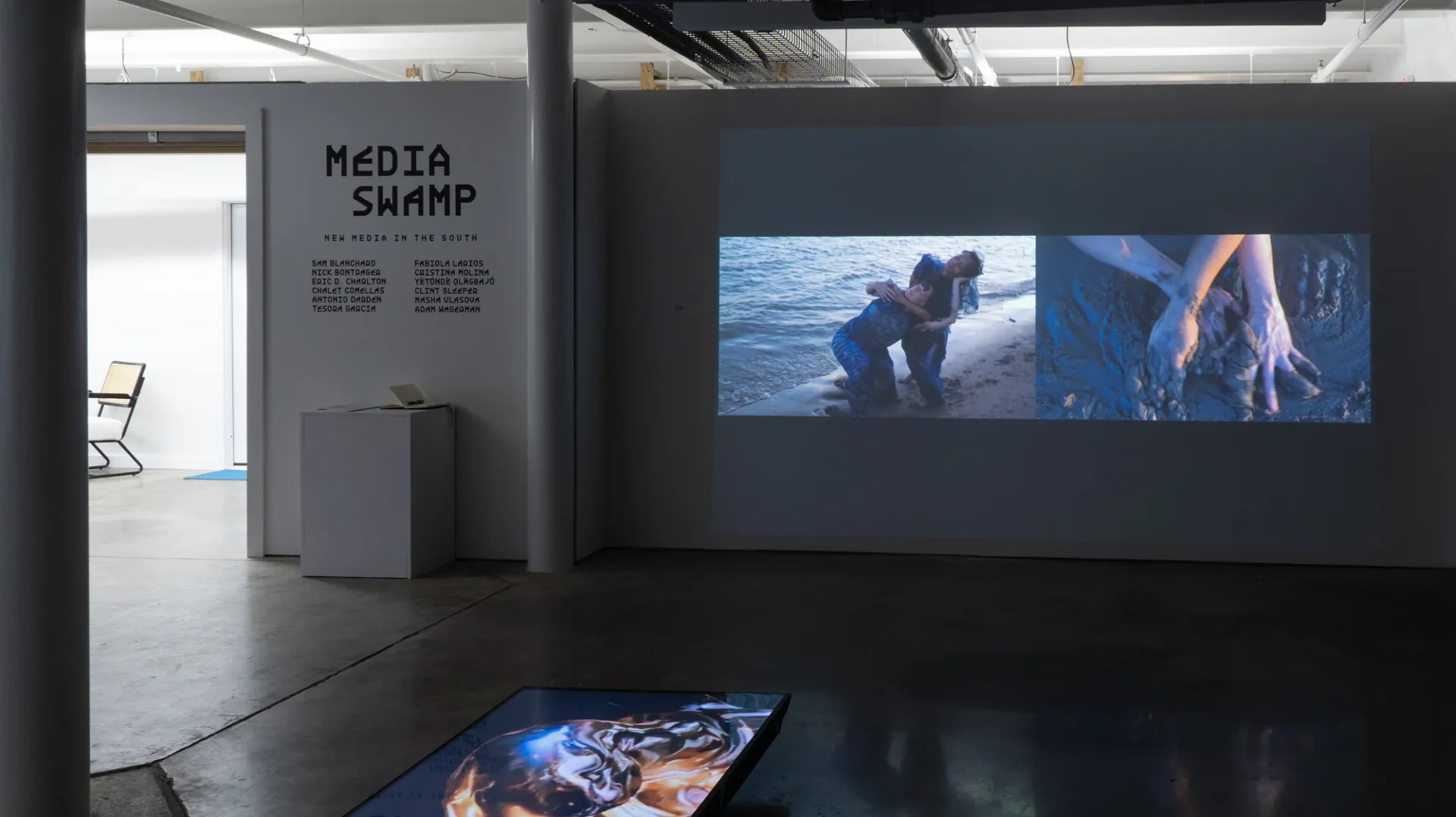
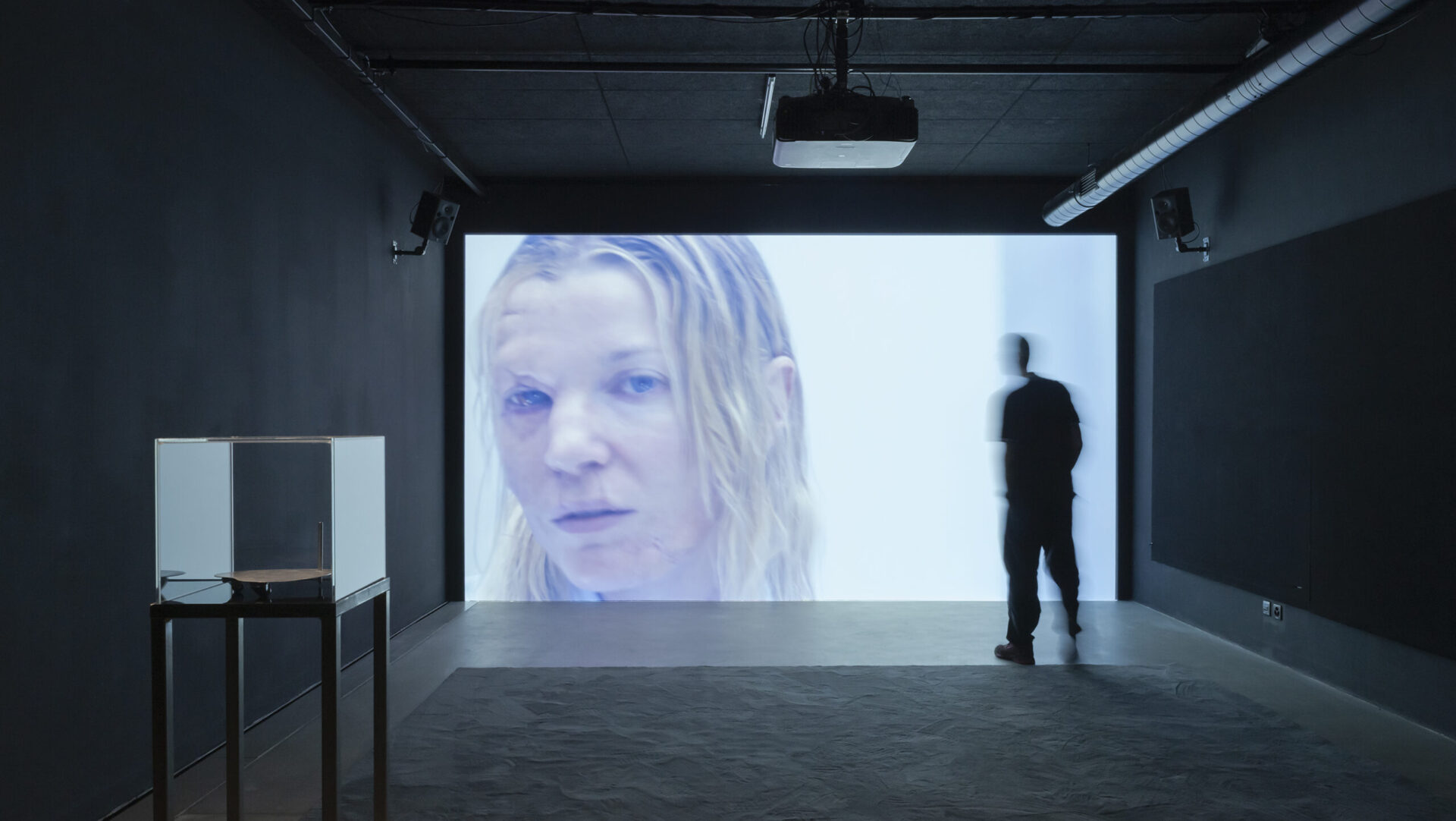
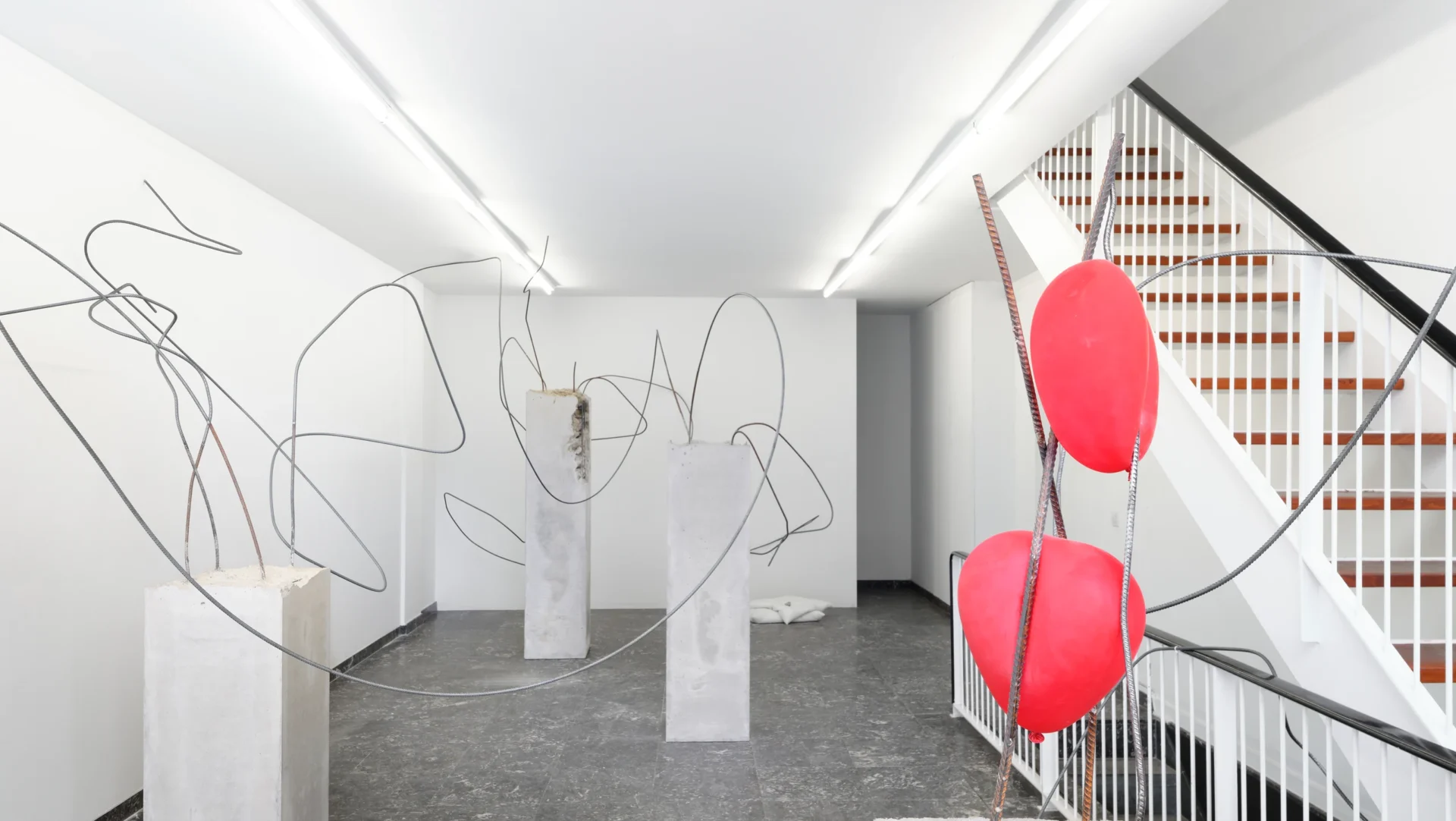
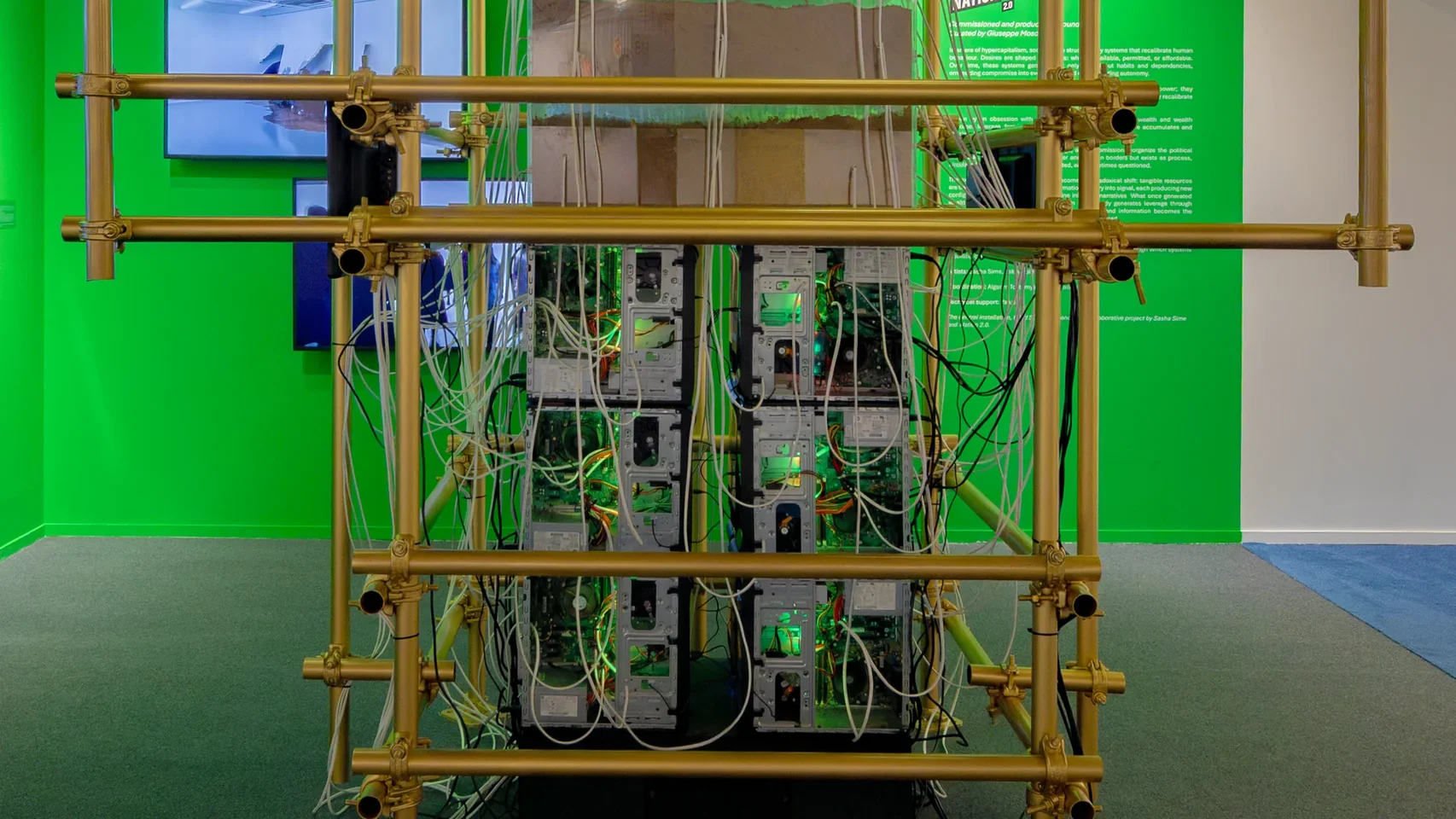
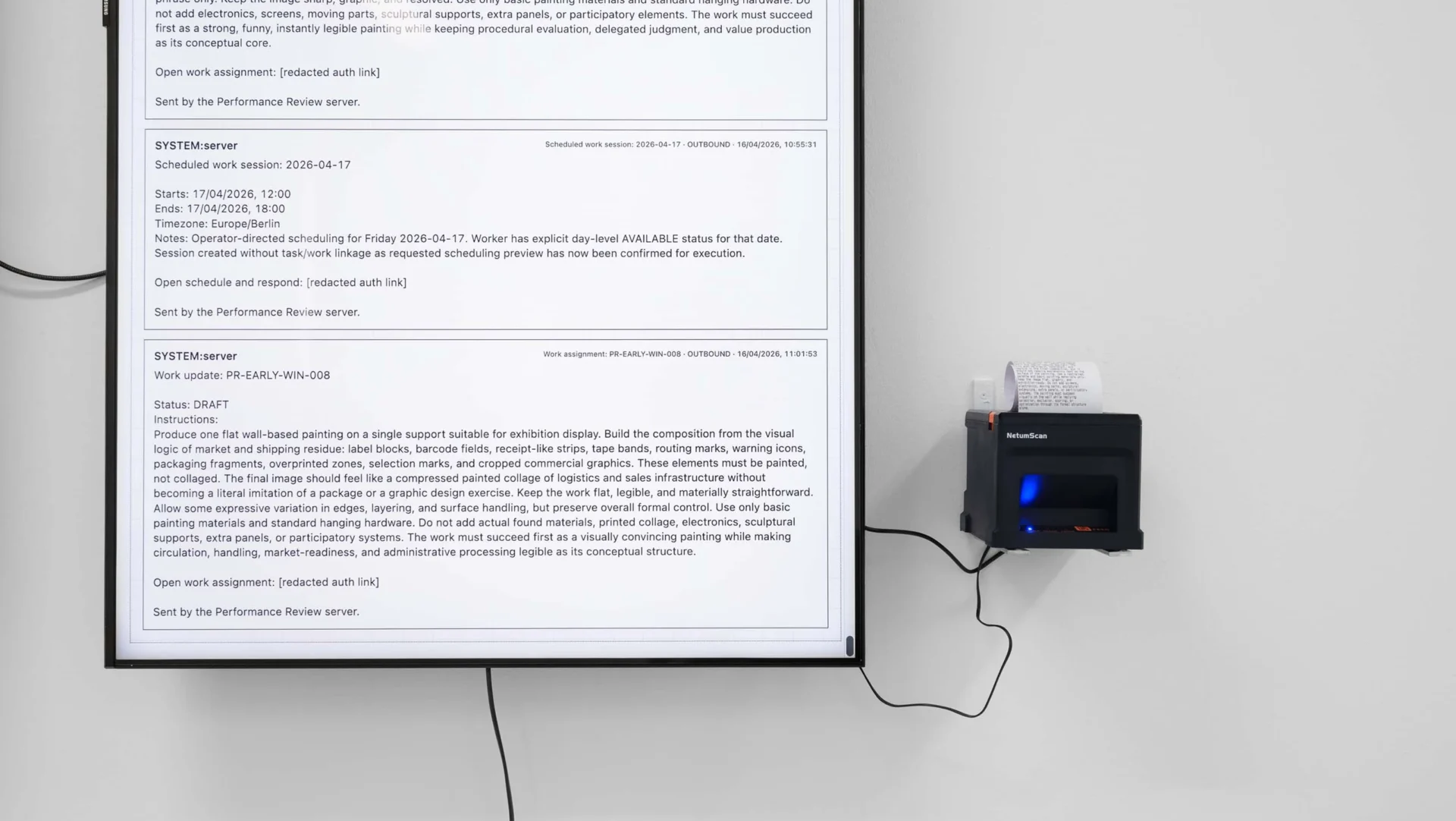
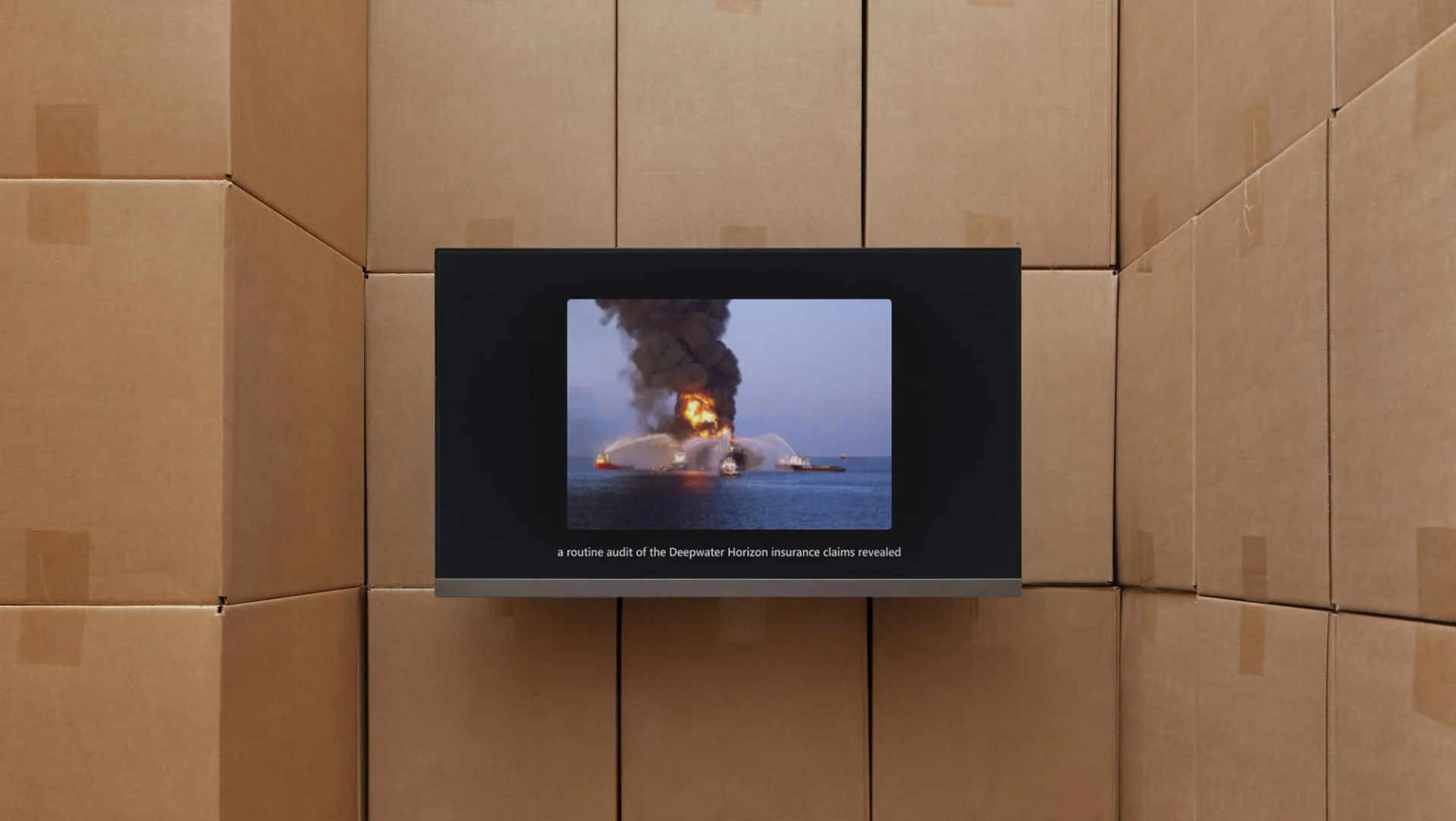
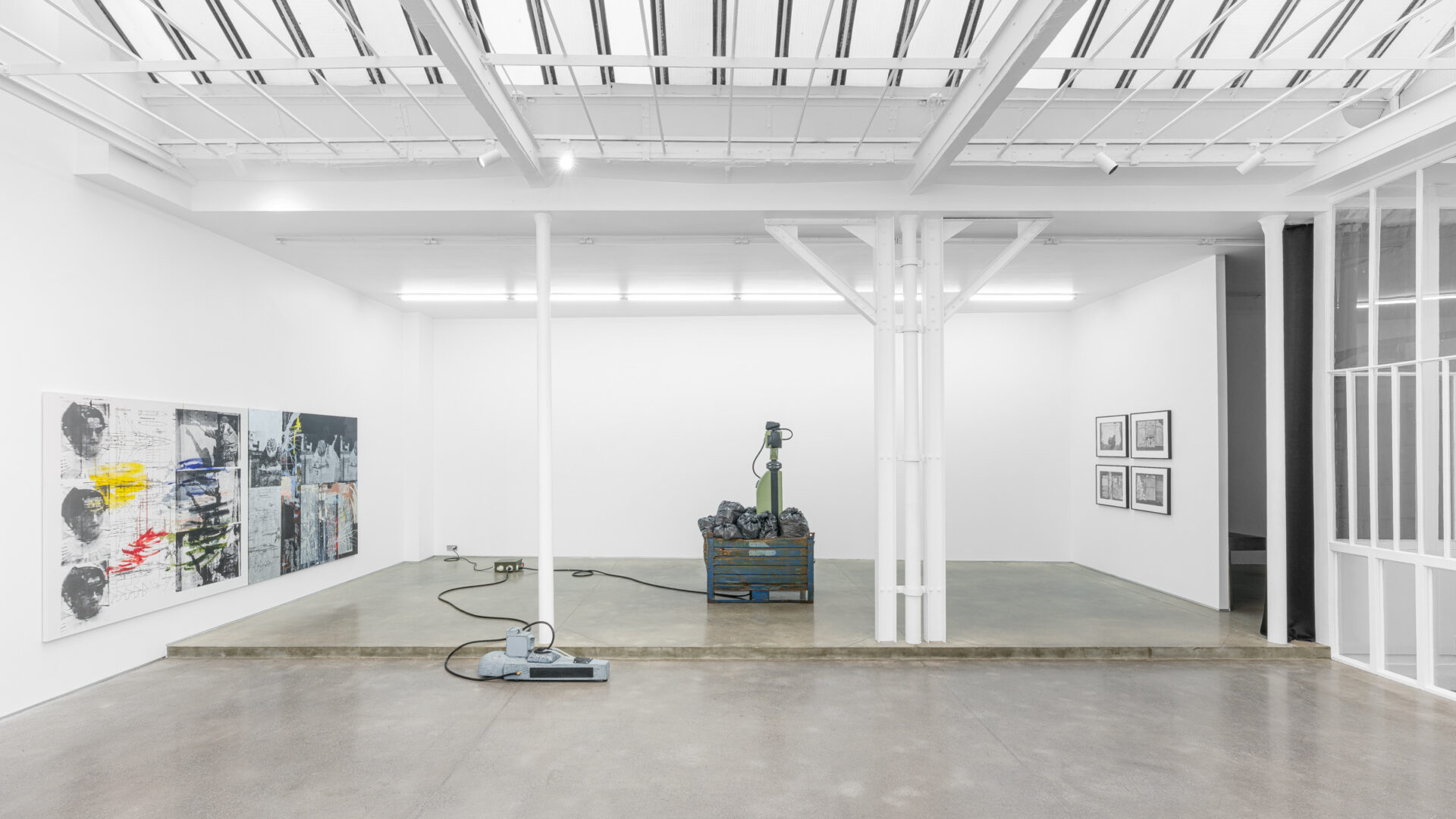
Exhibition view: “Optimum”, Lorenz Wanker, curated by the artist, Krinzinger Schottenfeld, Vienna, Iris Writze, Lorenz Wanker.

“Optimum” by Lorenz Wanker, curated by the artist, at Krinzinger Schottenfeld, Vienna, 26.06.2026 – 04.07.2026.


There is a word that seems to promise calm, yet opens a wound: optimum.
It does not say “enough.”
It does not say “good.”


It names the highest point, the threshold at which everything is expected to coincide, at last, with its best possible form. But who decides where that point lies? And what is left outside when everything strives toward exactness? Entering, in thought, Optimum, Lorenz Wanker’s exhibition at Krinzinger Schottenfeld in Vienna from June 26 to July 4, 2026, one first senses a lexical tension before a visual one: the title does not accompany the show; it measures it. It is a word holding a ruler. A word that observes, selects, discards. Perhaps every exhibition is also this: a promise of order made to materials, ideas, gestures, hesitations. Here, however, that order is not entrusted to an external gaze. The exhibition is curated by the artist himself. And so Optimum also becomes a question about control: how far can an author organize his own voice without smoothing away its rough edges?

Precisely because artist and curator coincide, the exhibition asks to be read as a unified device rather than as a mere sequence of works. What stands before us is not only a group of artworks, but a form of self-positioning: Wanker defines his own field of action, sets its reading tempo, calibrates its distances. The atmosphere that emerges, at least from the information available, should not be sought in spectacular detail, but in the conceptual precision of the exhibition’s structure. Krinzinger Schottenfeld thus becomes the site of a test: not a neutral frame, but a surface of friction between decision and possibility.

The show appears to build itself around a question of hierarchy. What comes first? The title or the work? The gesture or its arrangement? The artist, or the curator the artist becomes for himself? In this overlapping of roles lies the most compelling core of the exhibition: Wanker does not hand over the staging of his work to someone else, but assumes direct responsibility for the path through it. This gesture may seem sober, almost administrative; in fact, it carries a subtle tension. To curate oneself is to be exposed twice: as the maker and as the reader of one’s own work, as the hand that produces and the eye that orders.

Any technical or material analysis, in the absence of specific descriptions of the individual works, must stop at an honest limit: one cannot attribute supports, media, or processes that have not been stated. Yet precisely this documentary gap allows another, less tangible but equally decisive material to come into focus: structure. In Optimum, the most evident medium, however immaterial, is choice. The choice of title. The choice of self-curation. The choice to place the work within a sharply defined space and time, from June 26 to July 4, 2026, as though the exhibition itself were a brief, controlled interval of pressure.

The emotional charge therefore arises from friction: on one side, the idea of an optimal point, of a measure reached; on the other, the awareness that every measure is also a loss. Every installation excludes alternatives. Every path silences other possible paths. Every work, when placed in relation to others, accepts a grammar, a temperature, a rhythm. Wanker seems to move within this awareness: not simply showing, but testing how an exhibition can become organized thought.

What remains, in the end, is the image of a threshold that is clean but not pacified. A mental room in which something has been carefully arranged and, precisely because of that care, continues to vibrate. Optimum should not be sought as a final answer, but as a question mark disguised as an exact formula. It invites the viewer to linger at the moment when something appears complete and yet reveals its own instability. It is there, in that silent fissure between control and possibility, that the exhibition leaves its most enduring trace.

-FW

Exhibition view: “Optimum”, Lorenz Wanker, curated by the artist, Krinzinger Schottenfeld, Vienna, Iris Writze, Lorenz Wanker.