
The Iuventa case is one of the most emblematic episodes in the recent history of civil resistance and the criminalisation of solidarity in the central Mediterranean. It represents the first and longest criminal proceeding ever brought against a civil Search and Rescue NGO in this region.
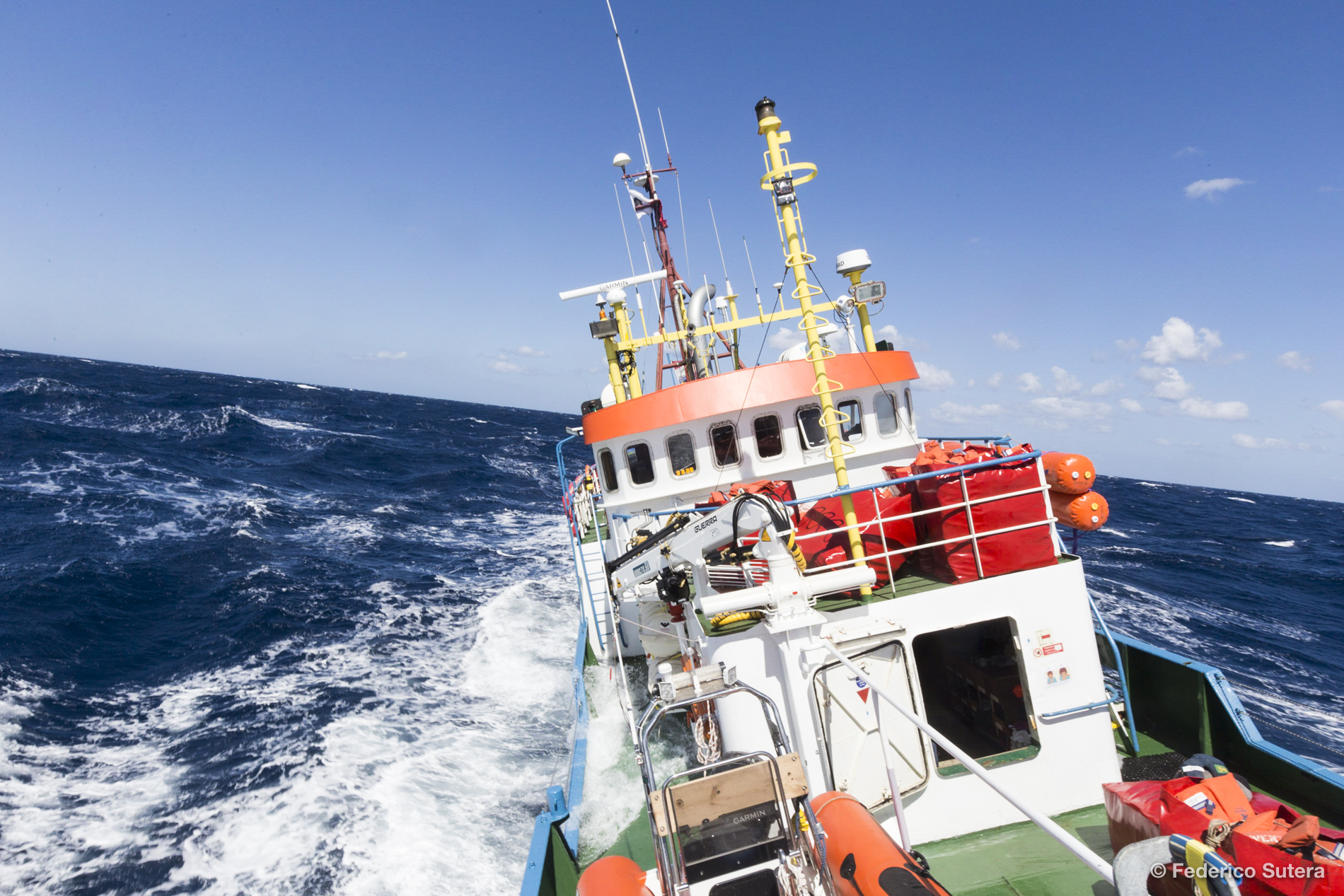
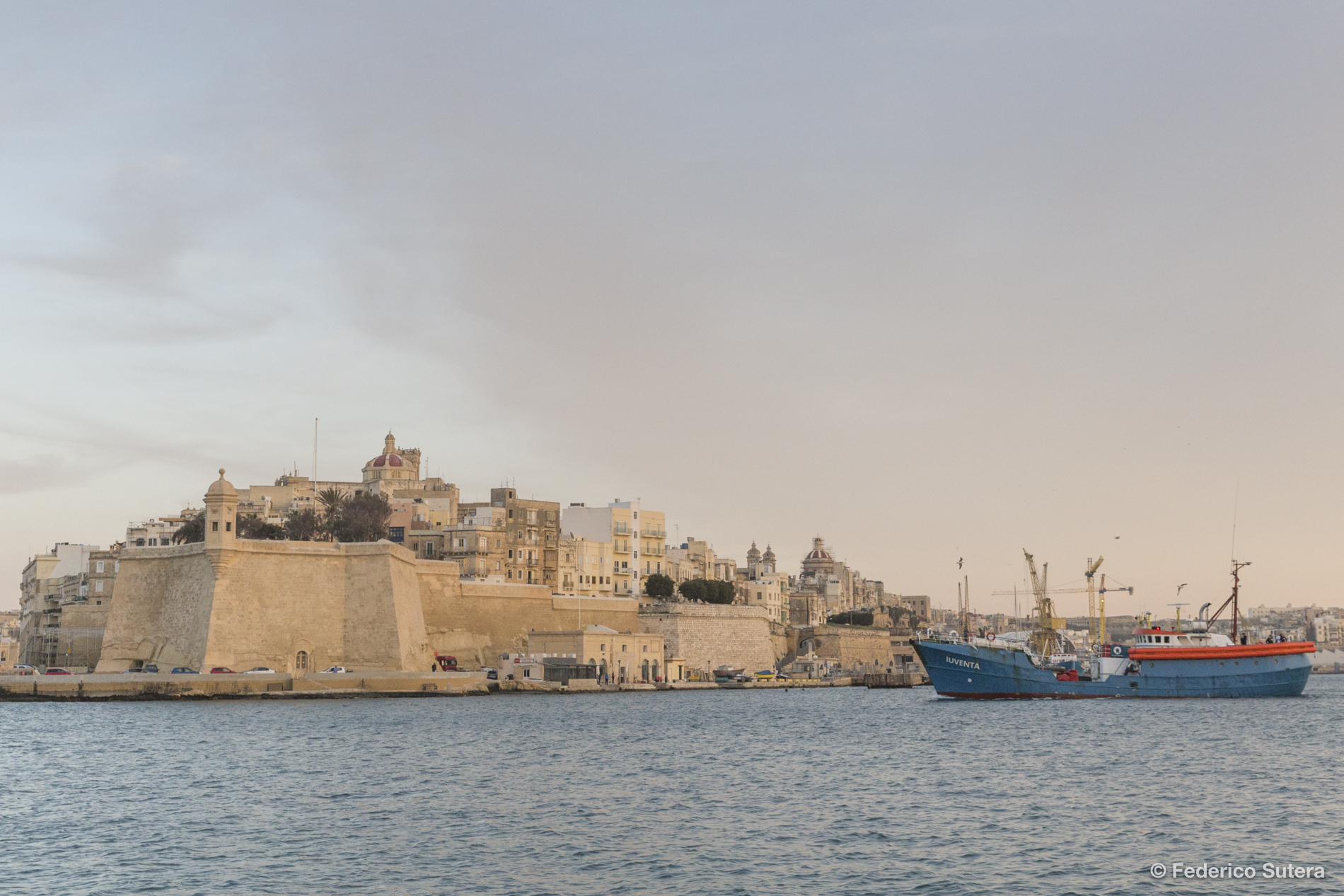
Operated by the German NGO Jugend Rettet between 2016 and 2017, the Iuventa was a former fishing trawler converted into a civil rescue vessel: an infrastructure of care, presence and responsibility in one of the most dangerous maritime corridors in the world. It navigated the central Mediterranean assisting more than 23,000 people.
Civil rescue ships are forms of political presence. By crossing the border, they make the border visible. By intervening where states delay, withdraw or delegate violence, they reveal the frontier not as a line, but as a system of selective protection and selective abandonment. The Iuventa belongs to a wider genealogy of vessels, flotillas and floating counter-powers that do not merely navigate the Mediterranean, but expose and contest its political structure. In the central Mediterranean, a rescue ship is a political body and a mobile infrastructure — moving through international waters, SAR zones, assigned ports and national borders, exposed to legal regimes, maritime obligations and political negotiations.
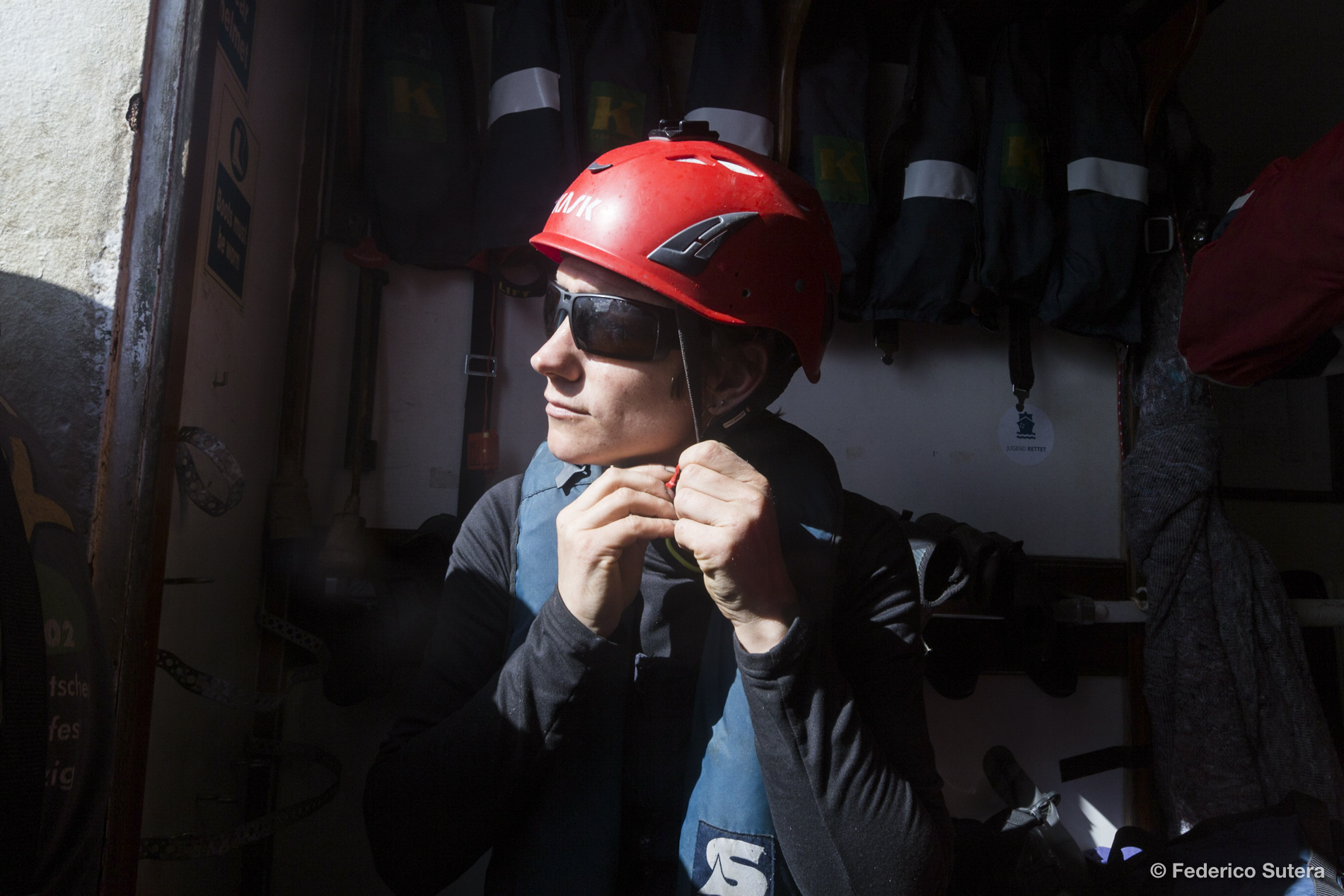
In August 2017, Italian authorities seized the vessel in the port of Trapani, accusing members of the crew of facilitating unauthorised immigration. What followed was not only a judicial proceeding. It was a political, visual and symbolic operation through which the act of saving lives was progressively transformed into an object of suspicion. The ship did not only become evidence within a legal file. It became the site of a broader struggle over the meaning of rescue itself.
The criminalisation of the Iuventa must be read within this context. Accusations such as “pull factor”, collusion with smugglers and “sea taxis” did not simply describe alleged facts. They produced a grammar through which civil rescue could be publicly perceived as a threat. Central to this grammar was the deliberate conflation of two distinct figures: smugglers, who facilitate irregular crossings generally with the consent of those involved, and traffickers, who operate through coercion and exploitation. Collapsing this distinction in public discourse is not an accident — it is a functional operation that feeds securitarian narratives and delegitimises rescue as complicity. Rescue was made suspicious. Solidarity was described as complicity. This is not only a legal or administrative process — it is a transformation of the public imaginary.
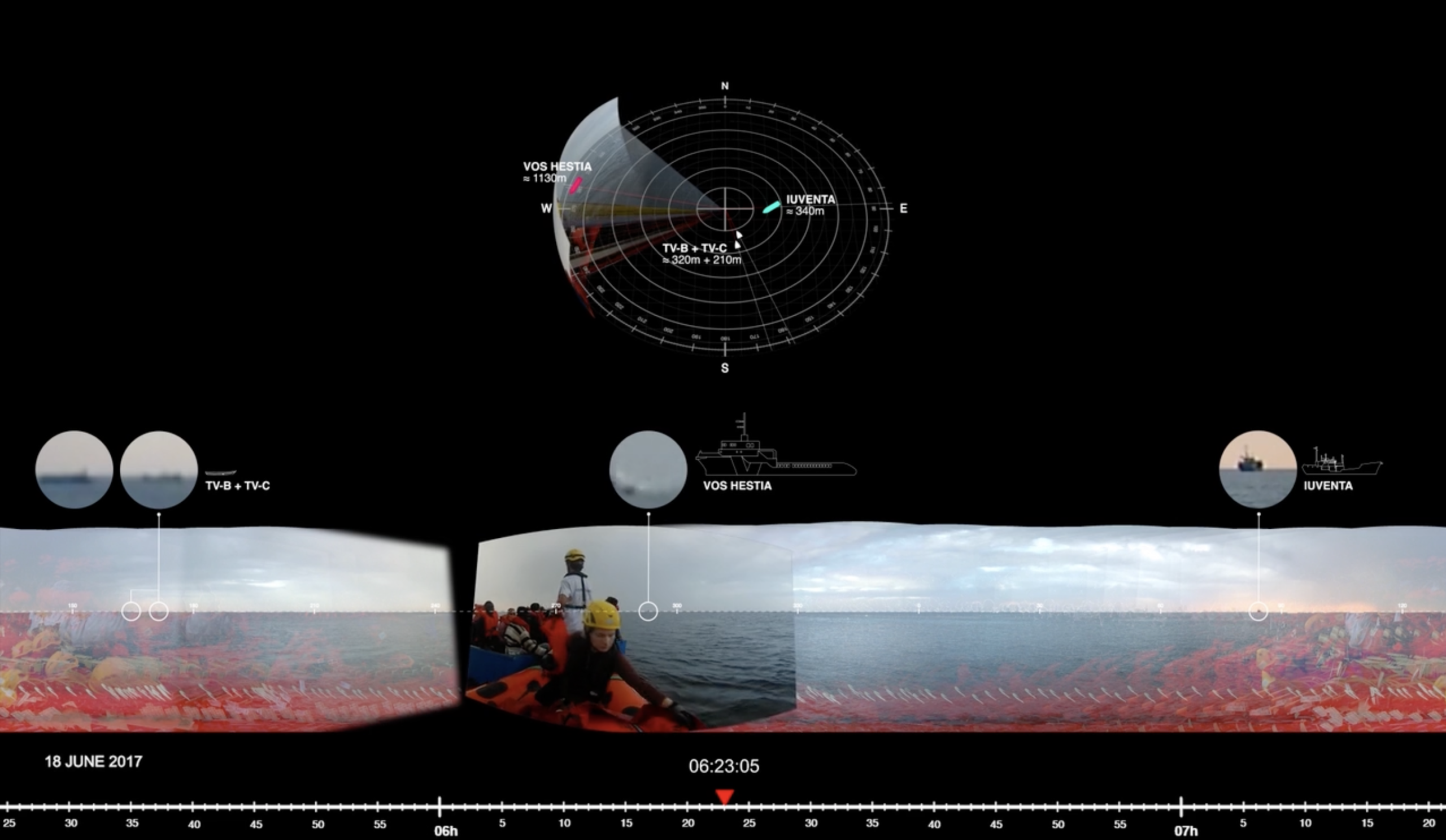
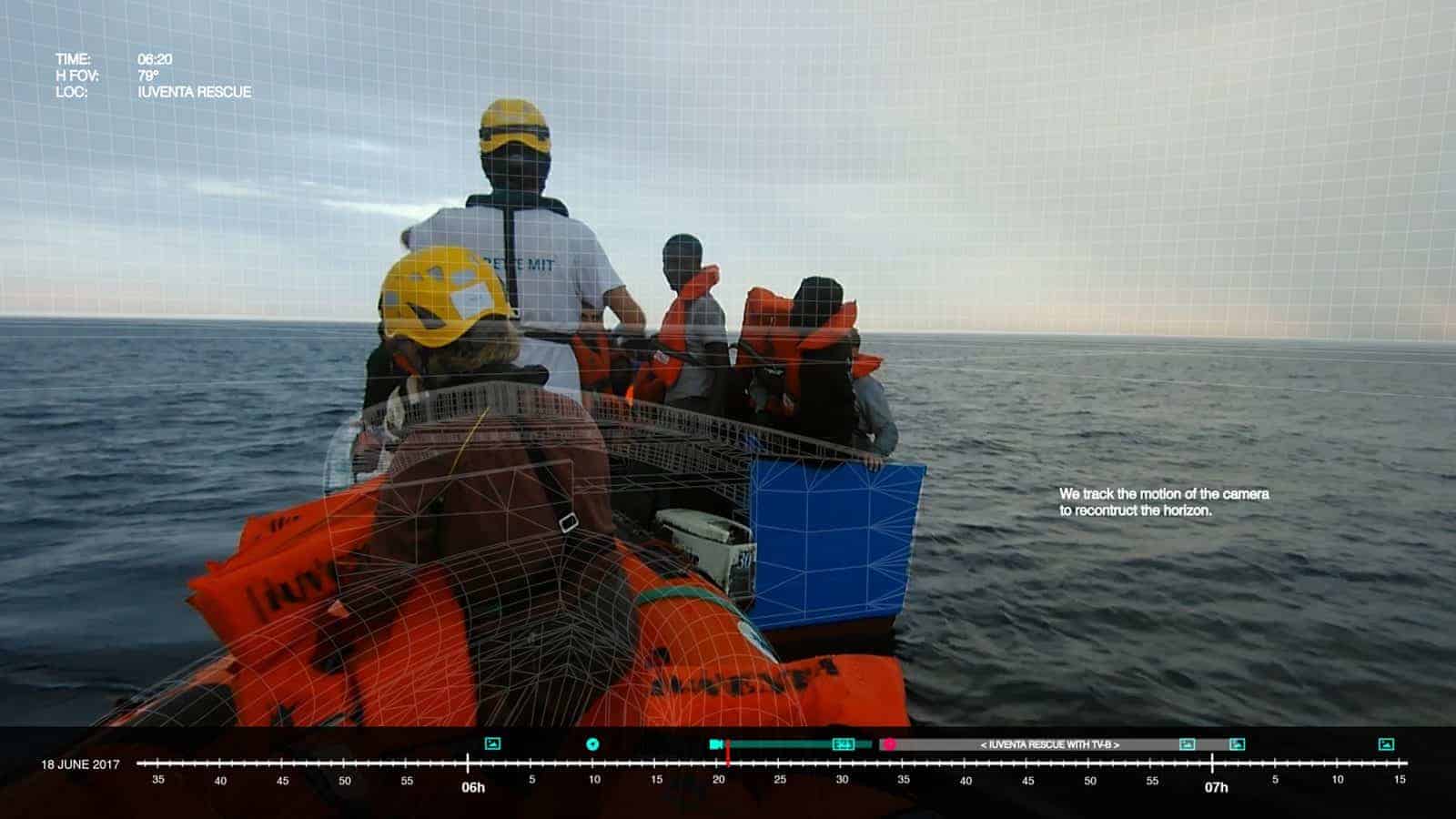
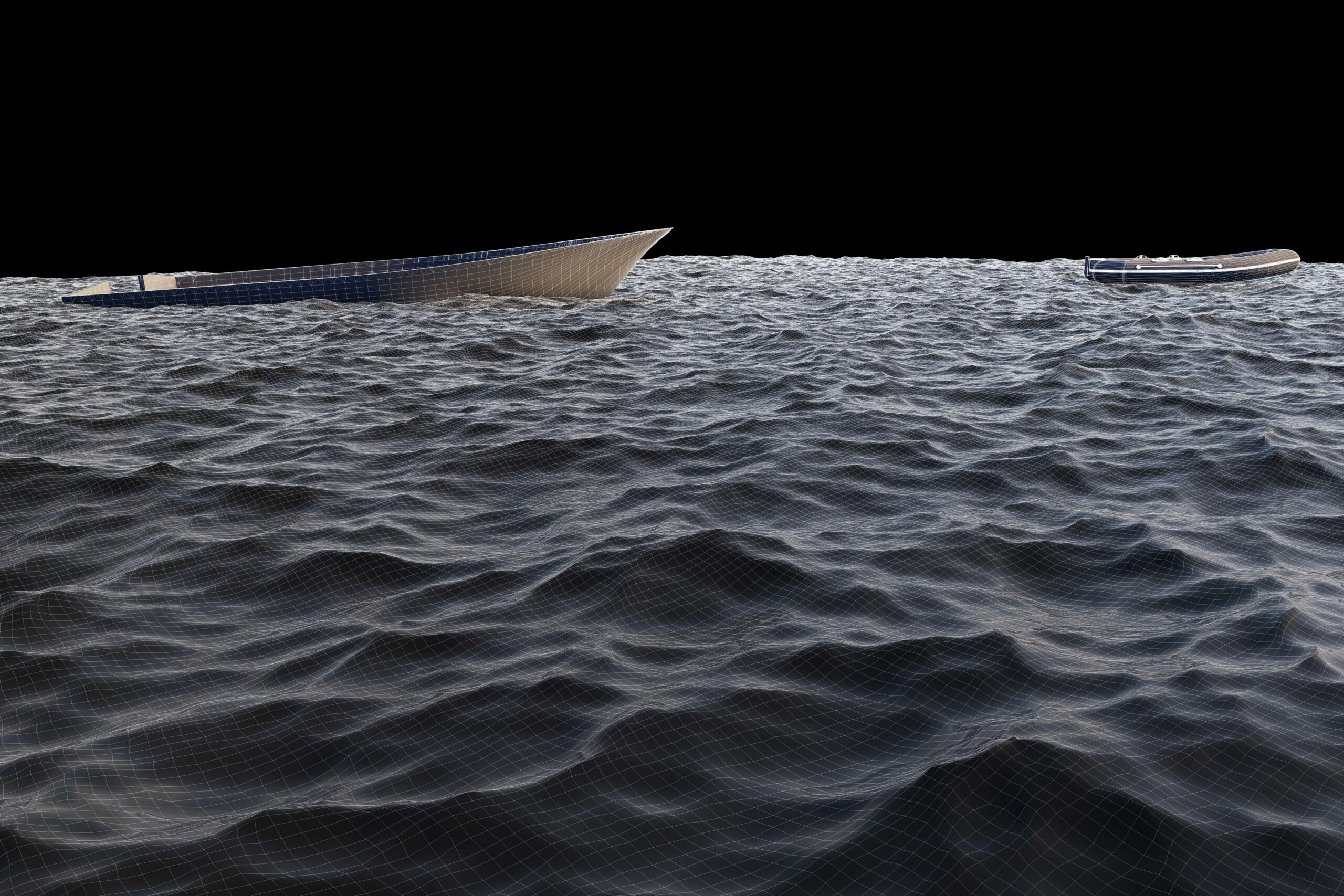
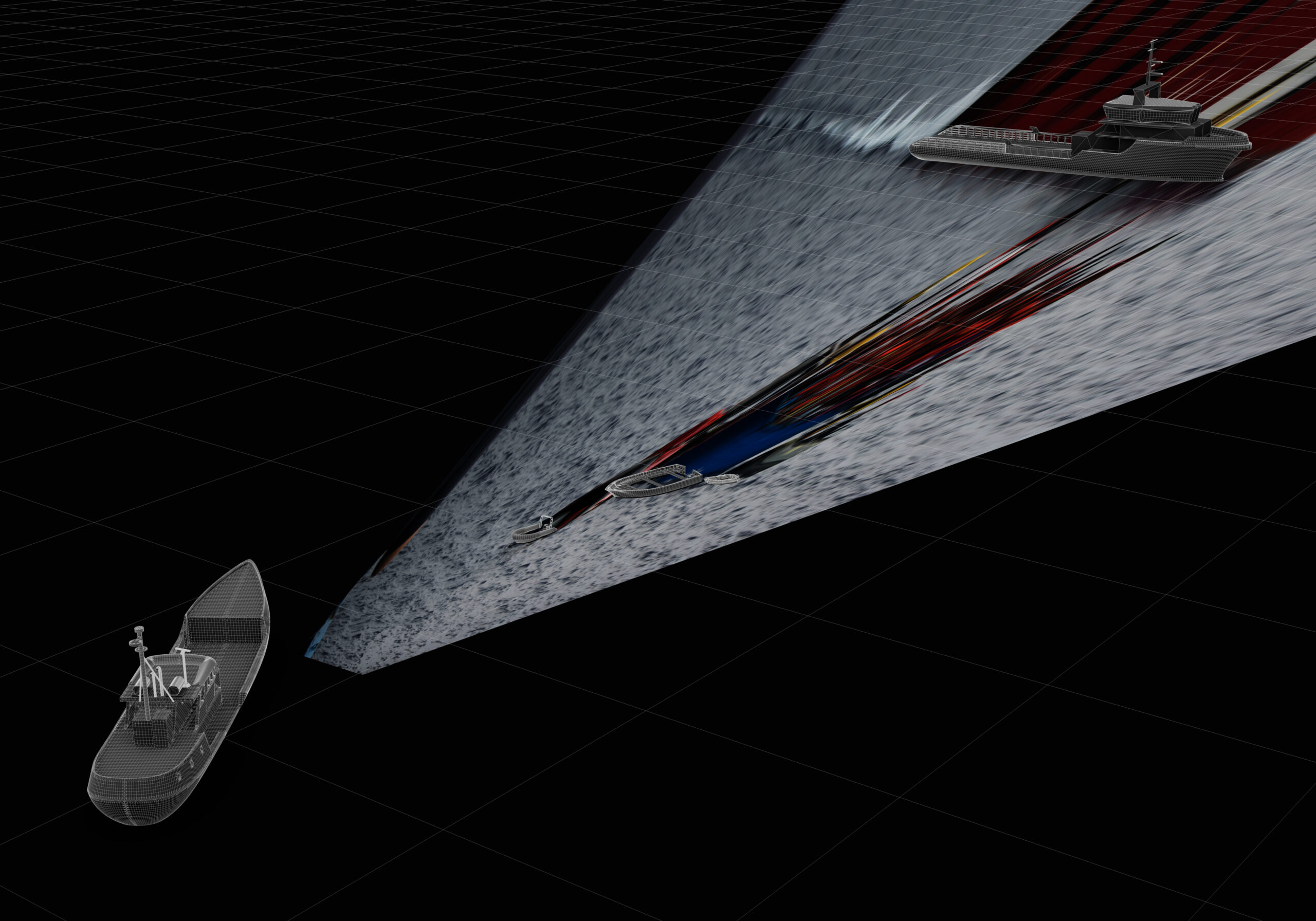
This is where the work of Forensic Oceanography becomes fundamental. Founded by Charles Heller and Lorenzo Pezzani within the broader constellation of Forensic Architecture, their practice redirects tools typically associated with state surveillance — counter-mapping, spatial analysis, satellite imagery, maritime reconstructions — toward civil society, legal defence and public accountability. Crucially, this work was built from the inside out: crew members opened their archives, shared testimonies and reconstructed operational practices. Their perspectives were not treated as ancillary material but taken as the starting point of the investigation itself — transforming forensic tools from instruments of state control into shared epistemic infrastructures. The sea, usually treated as an opaque space of disappearance, becomes a space that can be reconstructed. Routes, distances, timestamps, weather conditions and images become materials through which responsibility can be remapped. In the Iuventa case, this work contributed to challenging the narratives used to criminalise the crew and to exposing the fragility of the accusations.
Counter-evidence, however, is not automatically effective or salvific. Evidence does not speak by itself. It enters courts, media systems and political climates that may refuse to recognise it. Its force emerges within a broader ecosystem of legal defence, public mobilisation, documentary production and political pressure. The Mediterranean is already saturated with images of suffering — rescue footage, shipwreck remains, aerial views, life jackets, anonymous bodies. Some of these images are necessary. But visibility alone does not guarantee recognition. A body can be infinitely visible and still not be politically seen.
This is why Édouard Glissant’s right to opacity matters here. Not the right to disappear, nor a refusal of relation or responsibility — but the right to resist the demand that everything and everyone must become fully transparent in order to be recognised. In the context of the central Mediterranean, opacity is not the invisibility produced by power. It is a different ethical possibility: to claim forms of presence that are not completely translatable, exposed or capturable by the dominant gaze.
In April 2024, after seven years of proceedings, the Trapani court acquitted all defendants and dropped the charges. Among the principles recognised in the case was the legitimacy of flight from Libyan detention centres — reframing escape not as an illegal act but as a necessary response to systematic violence, exploitation and the deprivation of fundamental rights. Rescue, in this light, is not an exceptional or charitable gesture. It is a structural act of protection. Yet the end of the legal case did not erase the effects produced by years of seizure, suspicion and public pressure. Michele Cinque’s documentary Iuventa had already placed the vessel inside a contested field of images: the sea as a space of rescue and accusation, the crew as a generation confronted with the collapse of institutional responsibility, the ship as the fragile material form of civil intervention. A new cinematic chapter connected to the history of Jugend Rettet and the Iuventa is now bringing the story toward wider public circulation with Netlfix Premiere — and it reopens a question that cannot be deferred: what does it mean for a rescue ship, already overexposed to criminalising narratives, to become an image again? Who controls that image? Who profits from it? And what obligations does wider visibility generate toward the people whose lives the ship touched?
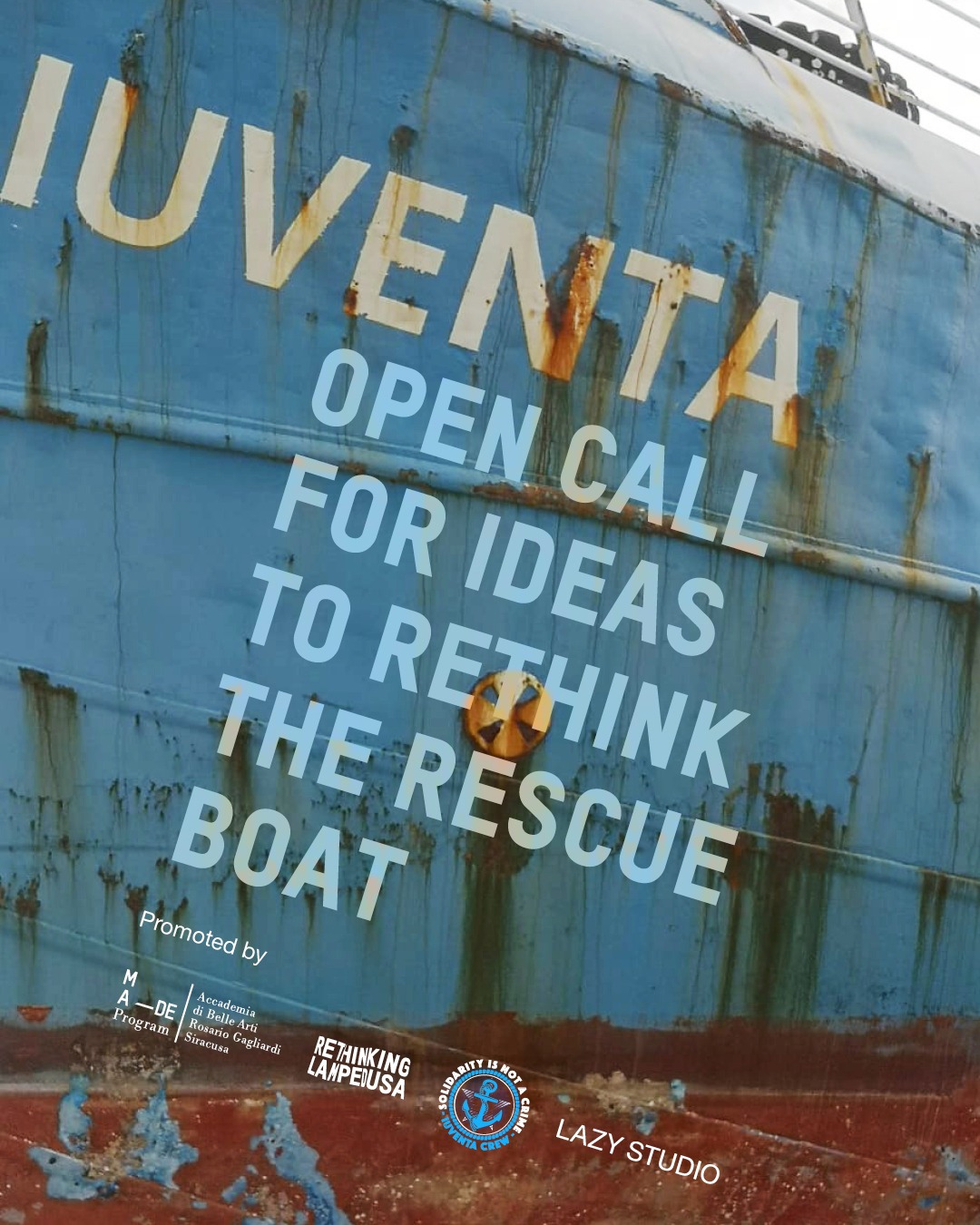
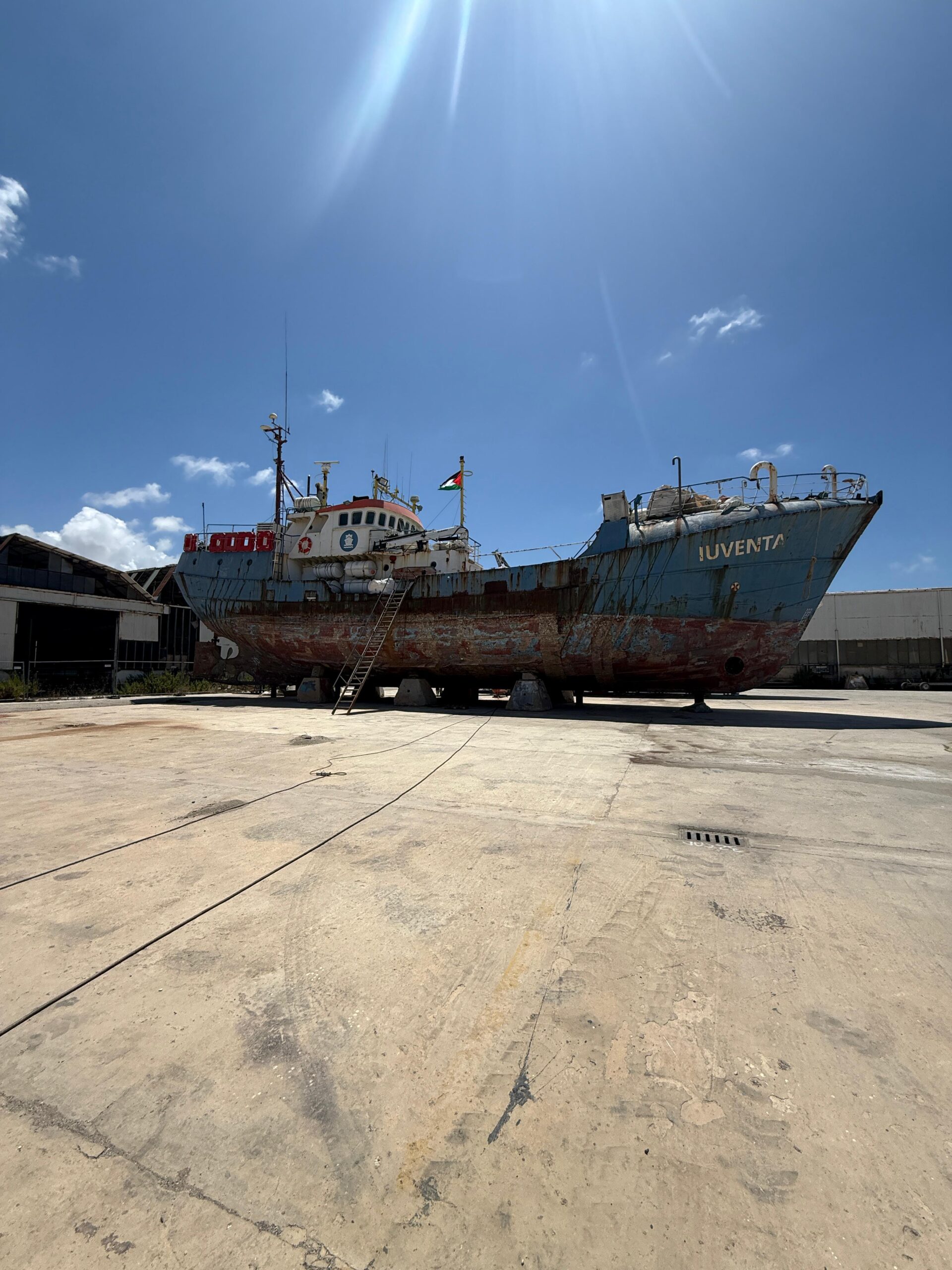
The ship itself remains in Trapani, abandoned, plundered and left to decay under state custody. Its immobilisation did not only interrupt the operational activity of a vessel. It produced a suspended infrastructure: a body separated from its original function of rescue, but still capable of carrying memory, evidence and political meaning. To work with the Iuventa today means engaging with what it has carried, what has been projected onto it, what has been taken from it and what it might still make possible.
To rethink the Iuventa today means asking whether a ship that was criminalised, immobilised and abandoned can become again a space of public relation. Whether evidence can become pedagogy. Whether memory can become infrastructure. Whether the remains of criminalised solidarity can generate new forms of civic imagination.
This is the question at the heart of IUVENTA: Open Call for Ideas to Rethink the Rescue Boat, promoted by MADE Program, Iuventa Crew and Lazy Studio. The call does not ask participants to resolve what institutions have refused to address. It asks what art can do when an infrastructure of care has been criminalised, immobilised and then returned — imperfectly, incompletely — to public imagination. How a wounded civic body might be reactivated as an artistic, pedagogical and political infrastructure. Not monumentalised. Not aestheticised. MADE Program, the creative research hub of the Accademia di Belle Arti “Rosario Gagliardi” in Siracusa, works at the intersection of contemporary art, design, pedagogy and critical research on the Mediterranean. Through a long-term research trajectory initiated in collaboration with Northeastern University, Boston, and further developed within the framework of Malta Biennale 2024, MADE has approached the central Mediterranean not as a tragic landing stage, but as a living laboratory for radical hospitality and new Mediterranean imaginaries. The collaboration with Iuventa Crew and Lazy Studio brings together artistic and pedagogical research, the direct history of civil rescue and legal struggle, and a visual practice already involved in the cinematic life of the ship.
The Right to Joy enters here not as consolation but as a political and curatorial category — one that emerges precisely from the places where the border is most violent. It does not oppose joy to mourning, nor does it neutralise the deaths, the losses, the political responsibilities that cross this sea. What it refuses is the reduction of the Mediterranean to a permanent threshold of emergency, a landscape defined only by death and guilt.
A ship like the Iuventa — seized, plundered, left to rot — still carries something that cannot be confiscated: the memory of 23,000 people pulled from the water, the gestures of those who chose to be there, the possibility that what was criminalised might yet become common again. The Right to Joy is the insistence that this possibility remains open. That solidarity leaves traces. That those traces can still generate desire, relation and collective imagination — even, and especially, inside a field marked by violence, loss and abandonment. The Iuventa story is still open. Its legal case may have ended, but the ship remains a material and symbolic question: what can still be done with an infrastructure of care after it has been criminalised, immobilised and returned to public imagination?
*This text develops one of the case studies at the centre of Sofia Baldi Pighi’s practice-based PhD research in New Media and Critical-Curatorial Practices at the Accademia Albertina di Belle Arti di Torino, dedicated to the role of artistic and curatorial practices in narrating, contesting and reimagining Search and Rescue in the central Mediterranean. The author has visited the Iuventa in its current state in the port of Trapani, has been in dialogue with Michele Cinque and the Iuventa Crew, and teaches at MADE Program / Accademia di Belle Arti “Rosario Gagliardi” in Siracusa, where several of the projects discussed here have been developed.
https://www.madeprogram.it/node/499