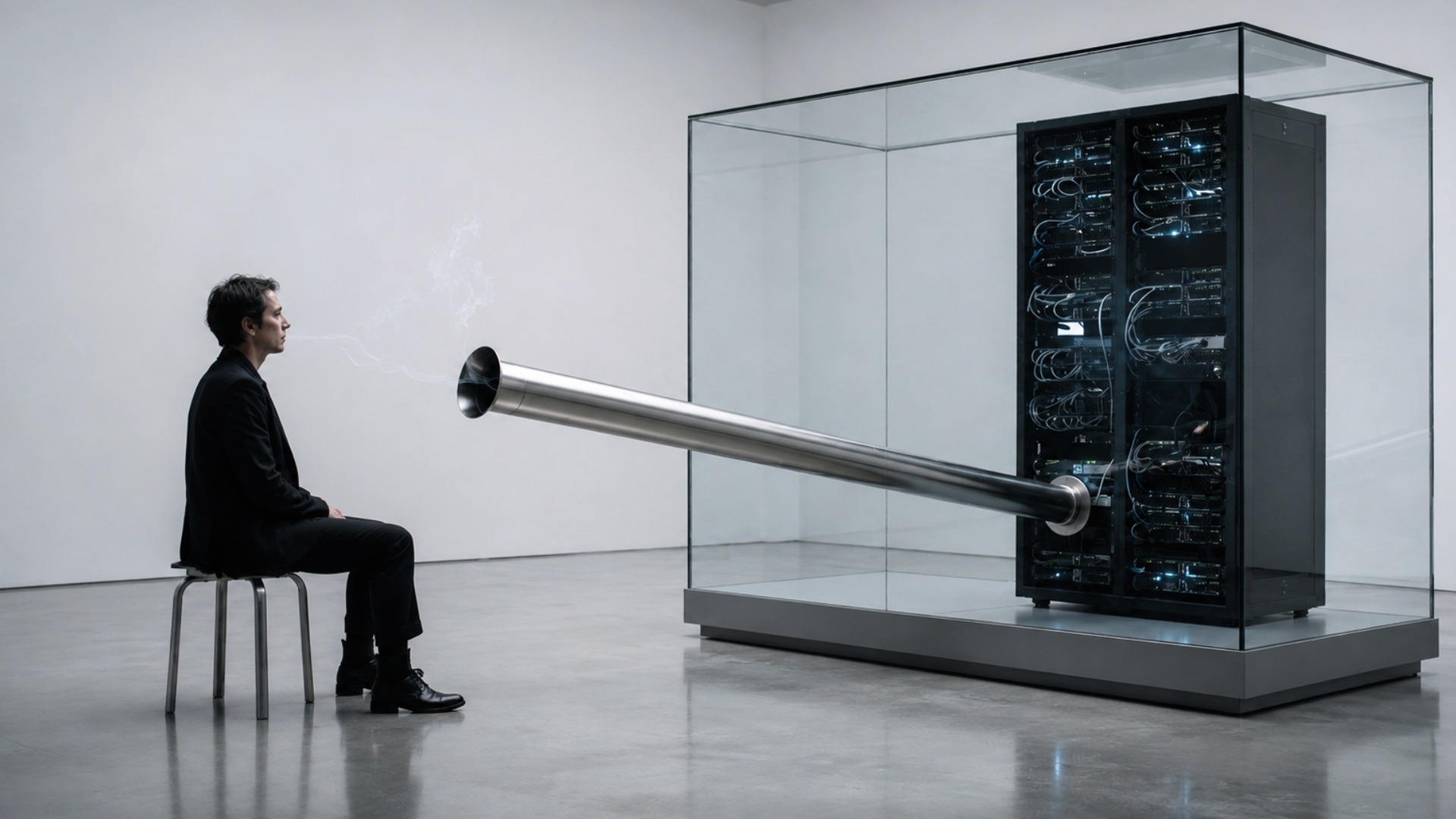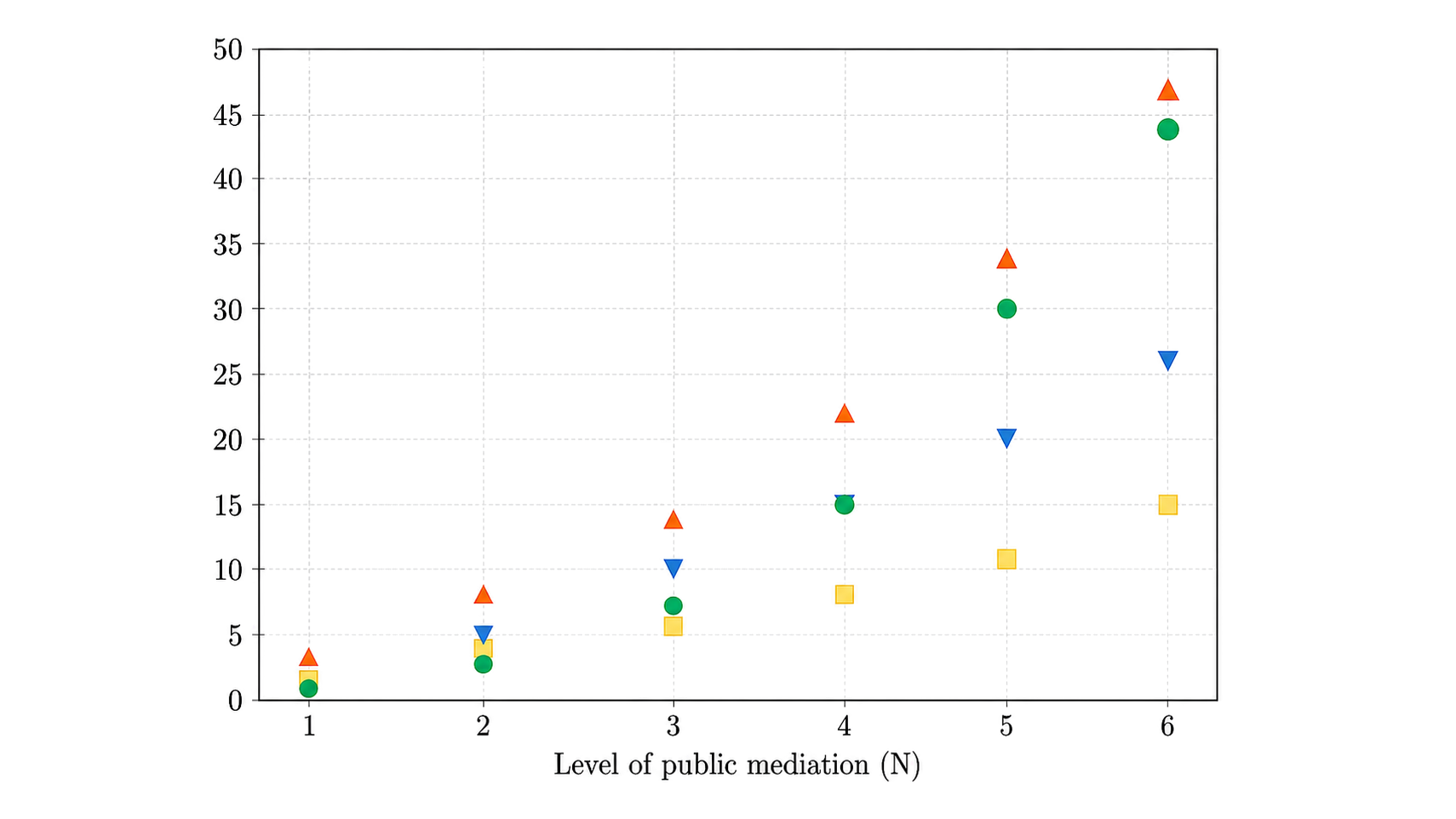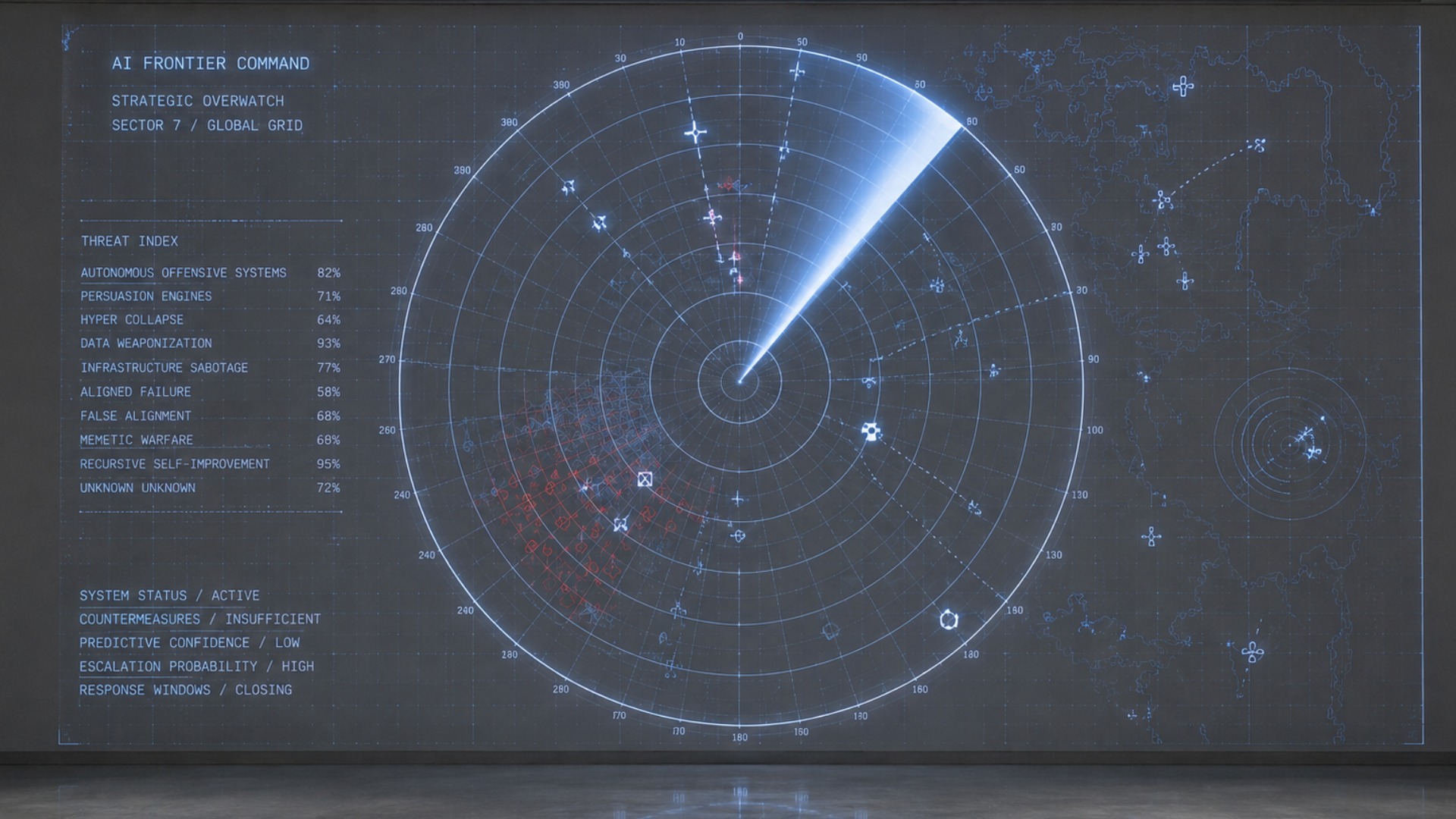


A finger stops over an image for less than two seconds; the pause feels empty, barely an event, yet the interface records its duration, compares it with previous pauses, and returns it to a ranking system already preparing the next image. The gesture belongs to the viewer; its residue belongs to an infrastructure the viewer will never see in full.
Alienation now enters through this minimal interval. It appears inside the distance between an action and the system that acquires it, between the pleasure of looking and the dataset produced by that pleasure. Connection supplies the surface, extraction supplies the metabolism, and algorithmic sorting converts a private hesitation into an operational signal through which we participate continuously while the conditions of participation withdraw from view.
Marx described this fracture through the factory, the wage, and the commodity; his worker encountered human activity in a foreign form: as an object owned elsewhere, a rhythm imposed by machinery, a value accumulated by another subject. The platform modifies every term while preserving the separation as the factory expands into device ecology, the work shift dissolves into notification rhythm, and the product becomes a behavioral profile assembled from ordinary life.
The persistence of this anatomy gives Marx an unexpected proximity to the present, while exposing the limits of treating his analysis as a completed verdict. Capitalism has concentrated ownership, intensified extraction, and distributed vulnerability with brutal asymmetry; the same historical system has mobilized technological development, mass production, medicine, infrastructure, and levels of material security that have transformed life for large populations, especially in the West, binding both trajectories into the same apparatus.
Alienation offers the sharper point of entry because it keeps both trajectories visible. It names a material separation from product and process, and an epistemic separation from the knowledge of what our activity sets in motion. The issue reaches beyond whether capitalism produces benefits or damage, concerning our capacity to recognize ourselves in the world those benefits and damages compose and to influence the protocols through which that world keeps being produced.

Labor as Foreign Territory
Alienated labor begins when productive power returns to its producer as an external authority. In Marx’s early manuscripts, the worker gives form to an object whose purpose, circulation, and value are controlled by the owner of the means of production. Each finished commodity carries the worker’s activity into the world, yet the ownership protocol converts that activity into another person’s asset. Production enlarges a domain that faces its maker from the opposite side of the property relation.
The fracture extends into the labor process itself as factory cadence, task segmentation, and managerial command determine how capacity can be exercised, turning time into a measured input whose direction arrives from elsewhere. A wage grants access to survival while confirming the worker’s separation from the machinery, materials, and decisions that organize the day. Under these conditions, labor becomes an inhabited interval governed by somebody else’s purpose.
Marx pushes the diagnosis further through species-being, his name for the human ability to produce consciously beyond immediate need and to recognize collective intention in a transformed world; this capacity survives inside alienated labor, though it appears in displaced form. Intelligence settles into the machine, coordination settles into management, and accumulated skill settles into capital. The worker meets a social power built from human activity and experiences it as the objective discipline of the production line.
Alienation therefore describes a relation before it becomes a feeling, since satisfaction, salary, and professional status can coexist with a radical distance from the destination of one’s work, just as fatigue can accompany an activity whose purpose remains shared and intelligible. The decisive variables are agency, access, ownership, and the distribution of knowledge across the productive chain; psychology registers the condition unevenly because the architecture precedes the sensation.
This architecture also fragments knowledge: a warehouse worker sees the scan rate, a software engineer sees one service inside the stack, and a content moderator sees the item assigned by a queue. Each task has local clarity while the full distribution protocol remains dispersed across dashboards, contractors, legal entities, and automated systems. Alienation acquires an epistemic dimension because the division of labor divides the visibility of labor as well.
The art system intensifies the contradiction by promising the precise opposite: an activity in which the maker should encounter a recognizable form of freedom. Artistic production still depends on studios, fabrication budgets, galleries, fairs, collections, institutional calendars, and platform exposure. A work can carry an intimate decision into public space while its price, visibility, and critical position are calibrated by networks the artist only partially accesses, placing autonomy inside an allocation system.
Market pressure rarely speaks in the language of direct command, entering instead through exhibition scale, photographic legibility, collector confidence, application formats, and the cadence with which a practice must generate visible development. An artist learns which surfaces survive image compression, which gestures travel through a feed, and which discontinuities can be narrated as the next stage of a career, allowing economic selection to become aesthetic atmosphere long before it feels like constraint.
Genuine invention persists within that atmosphere because patrons, institutions, and markets have accompanied artistic production across centuries, often supplying the material continuity through which demanding practices became possible. The fantasy of creation purified of dependence erases both history and the collaborative infrastructure of art. Alienation enters at a more precise threshold: the point where dependence loses legibility and the conditions shaping a practice return as personal taste, neutral judgment, or inevitable development.
The factory wall has become a weak boundary for this condition, since productive direction now travels through calendars, metrics, interfaces, and reputational signals that accompany the subject beyond any formal workplace. Labor becomes foreign territory when its governing logic can inhabit us while its authorship remains elsewhere. The most efficient apparatus leaves the worker carrying the protocol home.

The Extraction of the Everyday
Every platform interaction generates two events at once: we send a message, watch a video, follow an artist, or search for a location while the infrastructure simultaneously registers duration, sequence, device state, proximity, and response. The first event belongs to lived intention, whereas the second enters a data pipeline whose value depends on aggregation, inference, and future prediction.
Behavioral extraction gives contemporary alienation its ambient scale because the user produces a continuous residue through actions already meaningful as leisure, communication, orientation, and desire. Platform governance acquires that residue, combines it with other signals, and turns it into a model capable of shaping exposure, advertising, price, or risk. Life supplies the raw material while the interface preserves the feeling of ordinary use.
The nineteenth-century worker crossed a visible threshold into productive time, marked by a factory gate, a supervisor, physical exhaustion, and a wage that made the exchange perceptible even when its distribution remained unequal. Connected devices dissolve that threshold through persistent login, background sensing, synchronized identity, and notification cadence. Production becomes difficult to isolate because the source activity retains its authentic social or expressive purpose.
The language of unpaid labor captures one side of this process and distorts another. Data enters productive systems, improves prediction, and contributes to measurable corporate value; these features give everyday interaction an economic function. Yet users also receive communication, archives, navigation, creative tools, and audiences at a scale earlier media infrastructures could scarcely provide, allowing a scroll to sustain extraction and pleasure in the same movement.
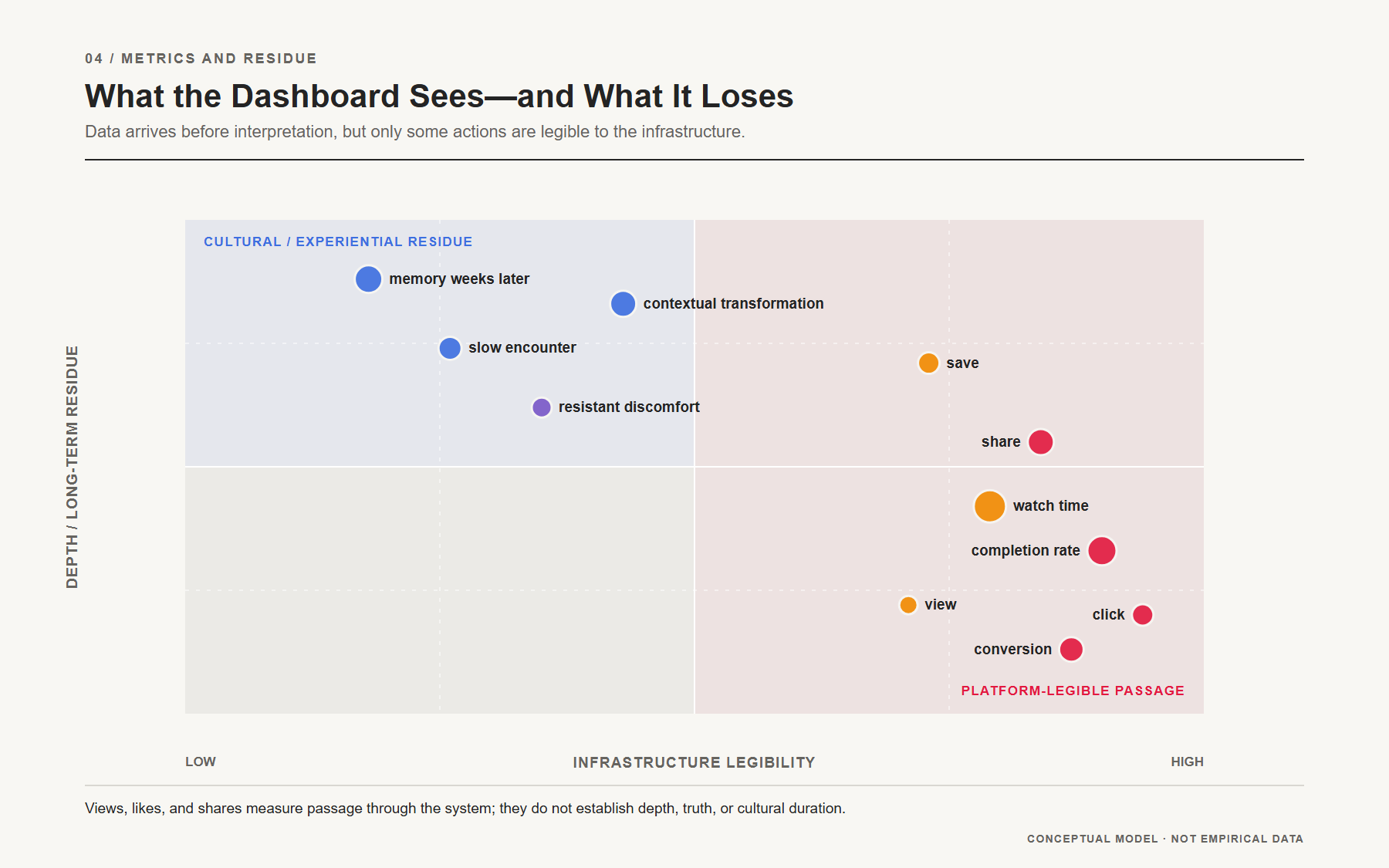
The asymmetry lies in legibility: platform owners observe populations through dashboards, cohort analysis, A/B testing, and behavioral segmentation, while each user sees a personalized surface presented as immediate relevance. Consent compresses this unequal field into a click, converting a complex data relation into a procedural moment. One side can inspect the exchange statistically; the other encounters its consequences one recommendation at a time.
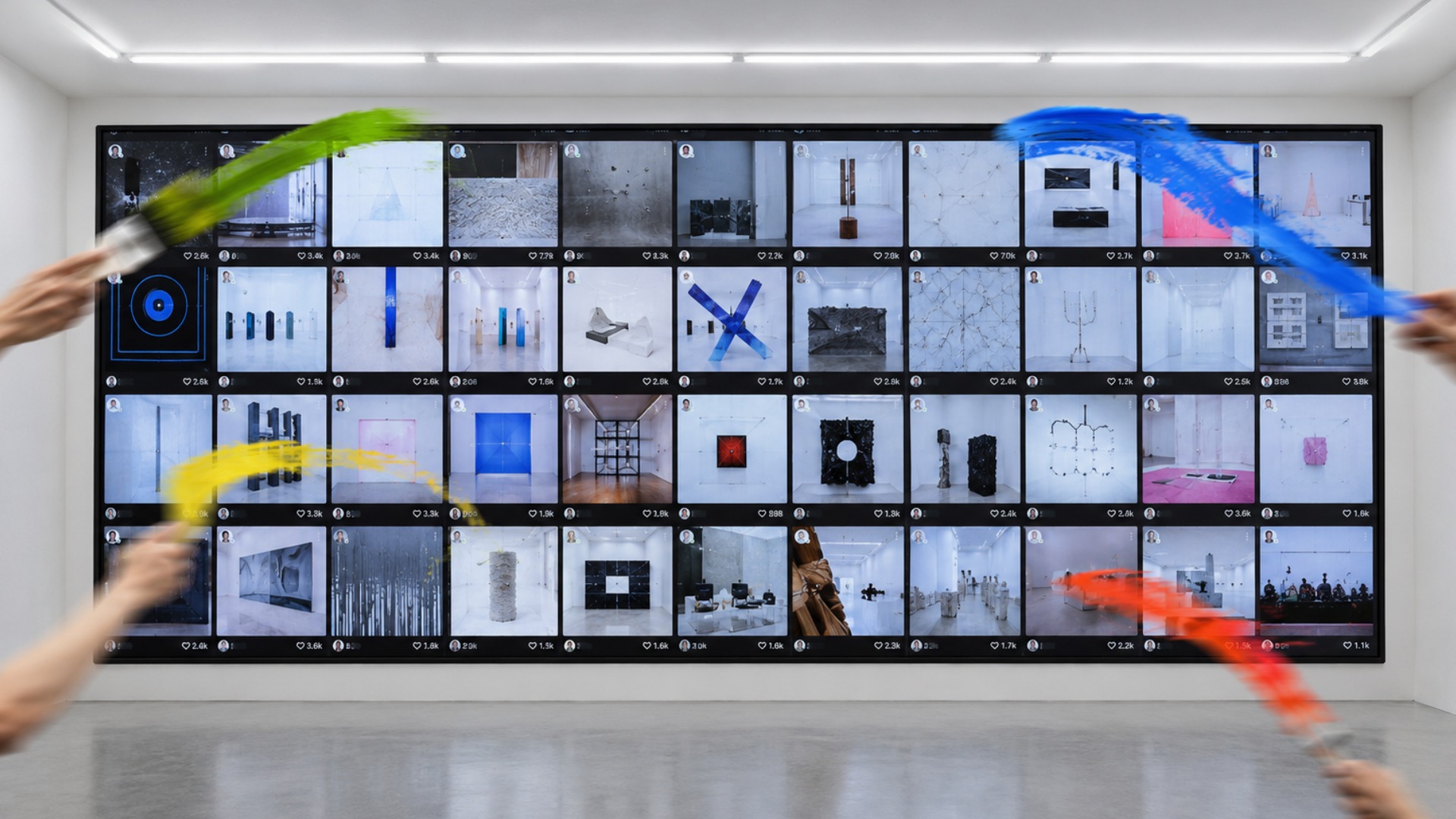
Artistic visibility makes this asymmetry unusually clear when a viewer pauses over a painting, opens an artist profile, returns to an image, then leaves the application. Dwell time and ranking sequencing translate these gestures into signals that distribute future attention across artists, galleries, and styles. The viewer believes they are discovering relevance while their behavior becomes part of the machinery that manufactures it.
Feedback hardens contingency into authority: work granted initial exposure collects more engagement, engagement justifies further exposure, and repeated visibility begins to resemble independent cultural importance. Artists adapt to image ratios, posting cadence, and recognizable visual signatures because distribution protocols reward forms that can be identified before the thumb moves again, turning the feed into a curatorial environment whose judgments arrive disguised as circulation.
The same environment breaks institutional barriers by allowing artists far from established centers to build audiences, exchange techniques, and enter critical conversations that local gatekeepers once controlled. Viewers gain access to archives, practices, and communities previously restricted by geography, income, or professional affiliation. These are substantive expansions of cultural agency, produced through the infrastructure that also measures and monetizes attention.
Capture and access therefore belong to one technical arrangement whose abandonment would surrender valuable forms of connection while leaving the ownership structure intact for everyone who remains. A less alienated digital relation requires operational changes: intelligible collection rules, meaningful data control, interoperability, limits on manipulative interface design, and forms of collective leverage over platform conditions. The task concerns governance of the pipeline, not nostalgia for a world before the screen.
Alienation reaches its contemporary precision at the point where the system knows our behavior as a population while we know the system only as an interface. The screen returns convenience, visibility, and contact; behind it, statistical knowledge accumulates under concentrated ownership. We touch the surface while the infrastructure keeps the memory.
Consciousness After Infrastructure
Historical materialism begins from the material organization of social reproduction, where property regimes, labor contracts, energy systems, technical standards, and distribution networks establish the conditions under which ideas can circulate and lives can continue. Consciousness develops inside this arrangement, shaped by positions that existed before any individual learned to name them. The economic base functions less like a hidden command than a field of available movement.
Competition becomes ordinary through grades, job applications, performance dashboards, and follower counts, while private property becomes intuitive through rent, access credentials, licensing, and the paywalls surrounding basic tools. Time acquires the texture of an asset through hourly billing, productivity software, delivery windows, and permanent availability; these repeated operations teach a social ontology more effectively than doctrine could.
Historical materialism gains strength when it remains close to such mechanisms, since a mechanical theory in which every idea mirrors an economic interest would erase scientific surprise, aesthetic autonomy, political rupture, and the capacity of people in similar positions to understand their circumstances differently. Material conditions delimit and weight possibilities; they rarely write the final sentence, because human agency works through inherited infrastructure and modifies the very field that shaped it.
Alienation is the epistemic pressure produced when that inheritance appears natural, allowing metrics designed to optimize commercial engagement to present themselves as measures of cultural relevance. Market dependence appears as an infinite menu of personal choices, while the ownership structure defining the menu recedes behind interface design. A historical arrangement acquires the authority of common sense once its protocols become difficult to perceive as historical.
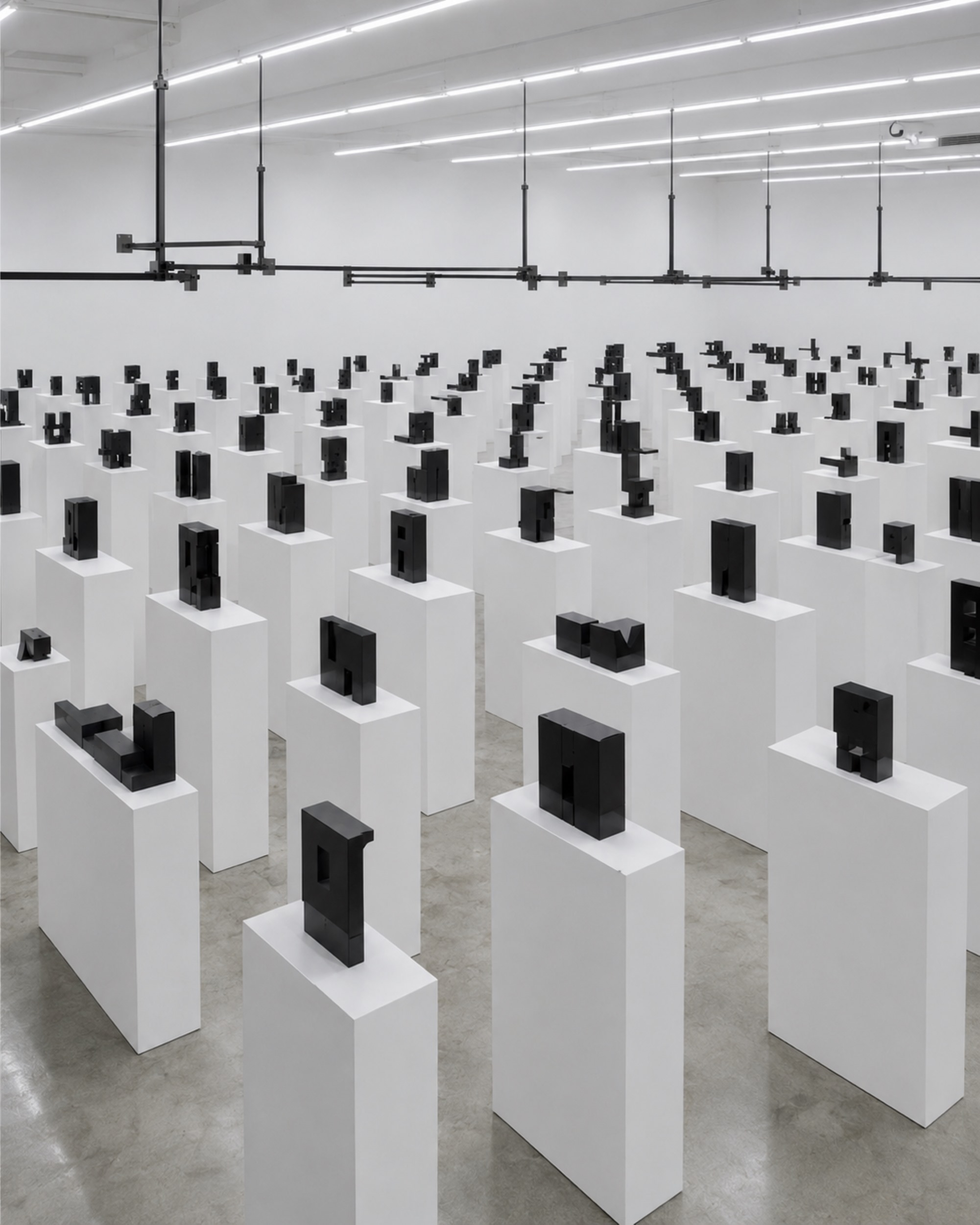
The art system supplies a compact model of this conversion: museums require funding, galleries carry fixed costs, fairs depend on transaction density, collectors allocate capital, and platforms optimize exposure. Taste moves through this architecture before it arrives as individual judgment, as certain scales fit domestic collections, certain materials survive transport, certain practices generate legible narratives, and certain images perform well under feed compression, even as aesthetic value exceeds these conditions while continuing to pass through them.
Art can expose contradictions its patrons prefer to leave dormant, since a work may resist its market framing, reorganize perception, or create a language for experiences excluded from institutional recognition. Relative autonomy names this capacity more accurately than either romantic sovereignty or economic reduction. The artwork participates in material relations and can still alter the terms through which those relations become visible.
The demand for novelty reveals how tightly invention and accumulation can interlock as contemporary art generates new scenes, media, generations, geographic centers, and collecting categories at accelerating speed. Some shifts arise from new tools, political conflict, or genuine formal discovery, while the market also needs fresh territories in which price and prestige can begin their ascent before a category reaches maturity.
Marx’s tendency of the rate of profit to fall provides a contested model for this pressure. Competitive investment increases the weight of machinery and fixed capital relative to living labor, the source of new value in his account, placing pressure on profit relative to total investment. Cheaper inputs, greater productivity, intensified labor, financialization, and geographic expansion act as counterforces through which the curve bends, recovers, and searches for another field.
Service economies, intangible assets, and data platforms have made the empirical status of this tendency fiercely disputed. Corporate profitability has shown forms of resilience that a mechanical collapse narrative fails to explain, while financial expansion and recurring market creation preserve Marx’s underlying question. Capital requires new needs, asset classes, and zones of monetization because accumulated value seeks continued return. The next frontier becomes a structural requirement before it becomes a cultural story.
The art market reproduces this movement at compressed scale as distributed ledgers make digital objects collectible through a new authentication protocol, opening a field for aesthetic experimentation and speculative capital in the same operation. When returns flattened, attention migrated toward another category, leaving artistic consequences behind after financial cadence had moved on. Artists themselves entered the vocabulary of emerging assets, growth curves, early positions, liquidity, and market maturity.
Economic pressure still leaves room for curiosity, refusal, pleasure, and formal necessity, and historical materialism becomes useful by revealing the pressure beside those motives while preserving the difference between influence and total explanation. The market shapes the conditions of visibility; it never acquires exclusive authorship of what becomes visible. Infrastructure writes the range within which practice introduces the deviation.

Development Inside the Cage
Capitalism has proved more generative than the patient on Marx’s examination table was expected to be. Competitive investment and the pursuit of return have mobilized production, accelerated technical application, and coordinated complex supply systems across immense distances. Medicines, sanitation, transport, communications, agricultural productivity, and mass-produced goods have altered the texture and duration of ordinary life. In much of the West, basic routines depend on material capacities unavailable even to earlier elites.
The ledger also contains enclosure, colonial transfer, industrial violence, ecological exhaustion, and severe inequality. Development moved through power relations that assigned its costs and benefits unevenly across territories and classes. Public research, worker organization, democratic regulation, welfare systems, and education converted productive capacity into broader social gains. Capital supplied a powerful engine; institutions fought over the steering mechanism and the distribution route.
This history prevents critique from retreating into a fantasy of purity, since earlier societies offered forms of communal continuity while imposing scarcity, inherited hierarchy, disease, and limited mobility on most of their members. A serious politics of alienation begins from the capabilities modern development has already produced. Its horizon lies in redistributing agency over those capabilities, preserving innovation while altering ownership, accountability, and access.
Marx remains indispensable at the level of anatomy because he directs attention toward who owns the infrastructure, who determines the labor process, where the product goes, and how value accumulates. His categories reveal why a convenient platform can also function as an extraction system and why an open cultural market can reproduce concentrated gatekeeping through ranking algorithms, transaction data, and reputational networks, following power through the technical stack.
The present also exceeds a closed Marxist verdict because markets can coordinate dispersed information, reward useful risk, and supply feedback that centralized planning struggles to reproduce. Profit can finance experiments whose outcomes remain uncertain, and consumer choice can register differences that institutional expertise overlooks. People occupy more than a class position: they appropriate tools, form attachments, create informal uses, and redirect systems toward purposes their owners never designed.
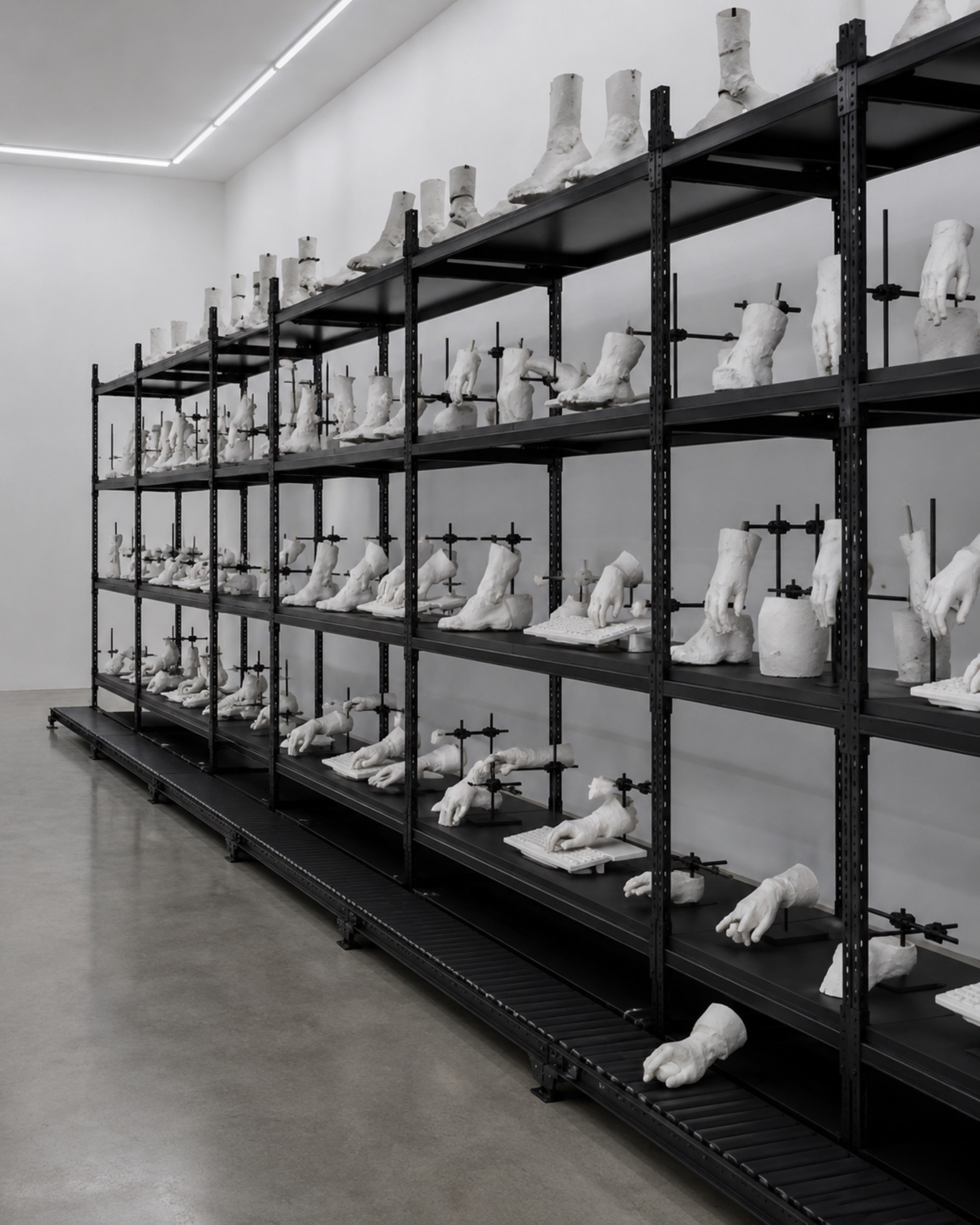
The smartphone condenses this double inheritance into a single object, placing maps, cameras, archives, studios, markets, and social networks within reach while collecting a behavioral exhaust whose value grows through aggregation. Automation can release workers from repetitive tasks while transferring income and decision power toward the owner of the model, allowing the same technical capacity to change political meaning according to its ownership protocol.
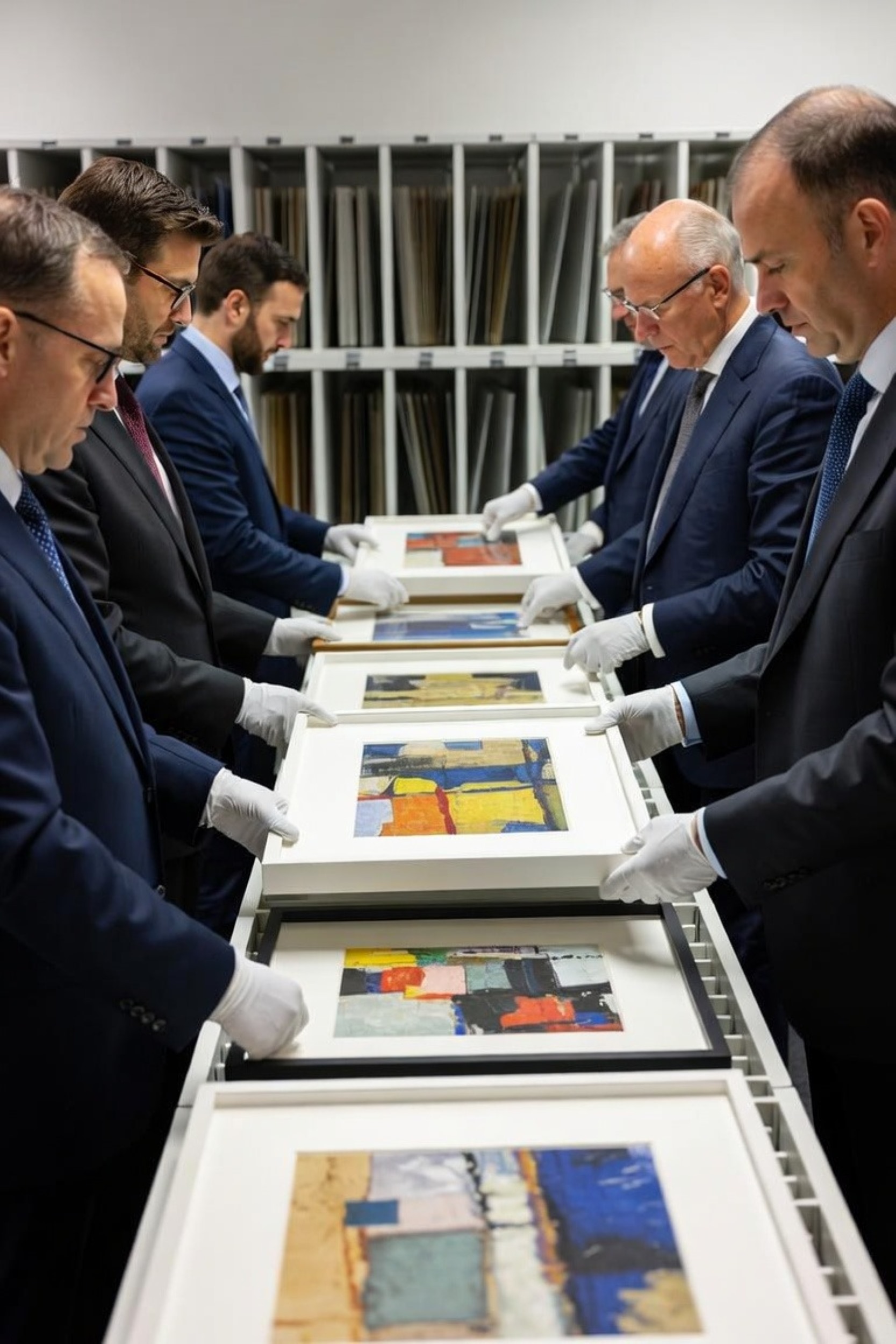
Art lives inside an equivalent polarity because markets can sustain studios, finance production, distribute works, and connect practices with publics; they can also convert stylistic development into asset management and visibility into a derivative of purchasing power. Institutions can preserve difficult work while stabilizing hierarchies of prestige, giving criticism the task of making these operations legible enough for artists, viewers, and workers to negotiate them.
Digital governance offers several material points of intervention: data portability can reduce enclosure, interoperable standards can weaken dependency, collective bargaining can contest unilateral platform terms, and public or cooperative ownership can redistribute the value produced by shared information. Regulation can constrain extraction while preserving services people genuinely use, bringing a portion of the invisible pipeline into the field of political decision with each measure.
Alienation remains the central diagnosis because development has increased the power of systems faster than the ordinary user’s capacity to comprehend or direct them. We produce extraordinary technical environments, then encounter their rankings, prices, schedules, and automated judgments as objective facts. The greater the productive achievement, the more consequential the distance between collective capacity and collective control becomes.
Reading with Marx keeps that distance visible, while reading beyond him preserves the historical evidence that capitalism has expanded human possibility as well as captured it. The two readings converge on a practical demand: technological and economic development should be judged by the agency it distributes alongside the wealth it generates.
We already inhabit the machinery we need to transform. Alienation begins where its protocol disappears from view; freedom begins when the infrastructure becomes legible enough to be shared.