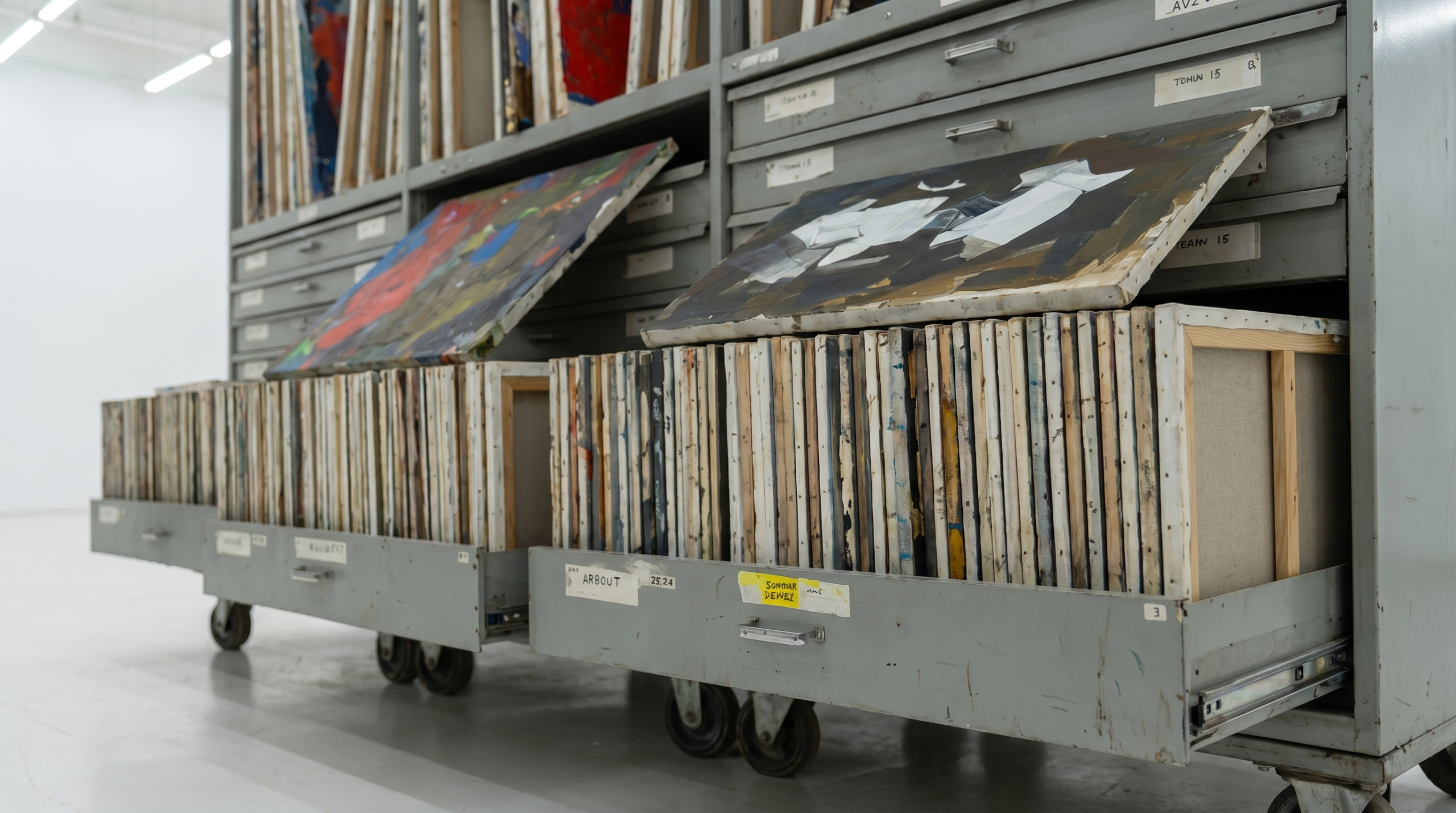
Within the aseptic halls of contemporary art fairs, where the air is saturated with the metallic scent of financial prestige, a ritual of visibility unfolds that rarely coincides with true historical consecration. The artwork, in its condition as commodity, obeys a grammar of portability and seriality that intrinsically defines its domestic destiny. One could argue that the collector acquires not merely an aesthetic object, but a fragment of cultural capital designed to integrate seamlessly into the physical and symbolic perimeter of the upper-bourgeois living room or the climate-controlled vault.
What follows does not aim to construct a definitive theory or arrive at a fixed conclusion. Rather, we would like to bring together a series of reflections, intuitions, and provisional observations concerning the increasingly ambiguous relationship between the market, the institution, and the production of artistic legitimacy in contemporary art. These notes emerge less from the desire to resolve the problem than from the attempt to think through it organically, while acknowledging the instability and constant transformation of the system itself.
It would be accurate to suggest that the career of the gallery artist develops along an axis of repeatability and recognizability, where variation is permitted only within the limits of a brand identity capable of reassuring the buyer about the stability of the investment. Yet an entirely different atmosphere emerges when walking through the pavilions of a Biennale or the vast naves of a former industrial complex converted into a museum. In such spaces, the artwork appears to emancipate itself from the imperative of immediate sale in order to aspire toward a documentary or even transcendental function.
This dichotomy, however seemingly clear, conceals a dense web of mutual dependencies and semantic slippages that render the boundary between the institutional artist and the commercial artist increasingly opaque. Between 2010 and 2026, with the expansion of mega-dealers and the direct financing of Biennale pavilions, this convergence arguably reached unprecedented levels.
The Perimeter of the White Cube
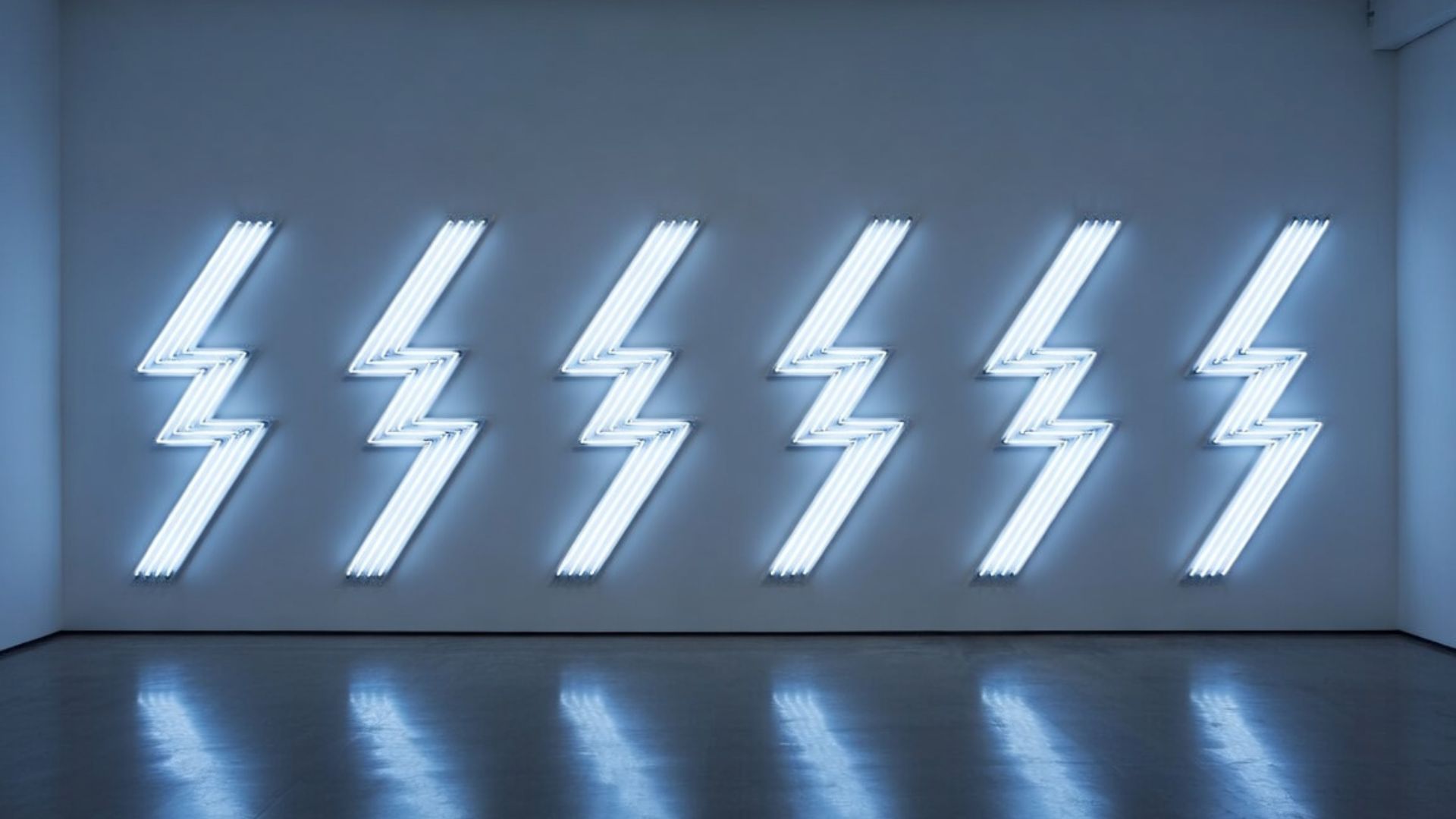
The contemporary art gallery operates according to a logic of acoustic and visual isolation that tends to decontextualize the artwork in order to elevate it into an absolute fetish. Within this space, the artist is expected to produce a coherent visual language capable of being fragmented into discrete and recognizable units. This dynamic can be linked to an attention economy sustained by interpersonal relationships and by a network of trust built around the authority of the gallerist as guarantor of value.
The gallery functions as a filter, selecting the most accessible and desirable elements of an artistic investigation while smoothing out the frictions that might render the work resistant or inaccessible. Its temporality is that of an endless present, structured around the accelerated rhythms of international fairs such as Art Basel, Frieze Art Fair, and TEFAF Maastricht, all of which demand constant visibility and uninterrupted production.
Yet it would be reductive to dismiss the gallery as merely a site of transaction. It also functions, in many cases, as a laboratory in which artists can test the structural resilience of their work before confronting the institutional scrutiny of the museum public. The problem emerges when the gallery ceases to operate as a launching platform and instead becomes a gilded enclosure.
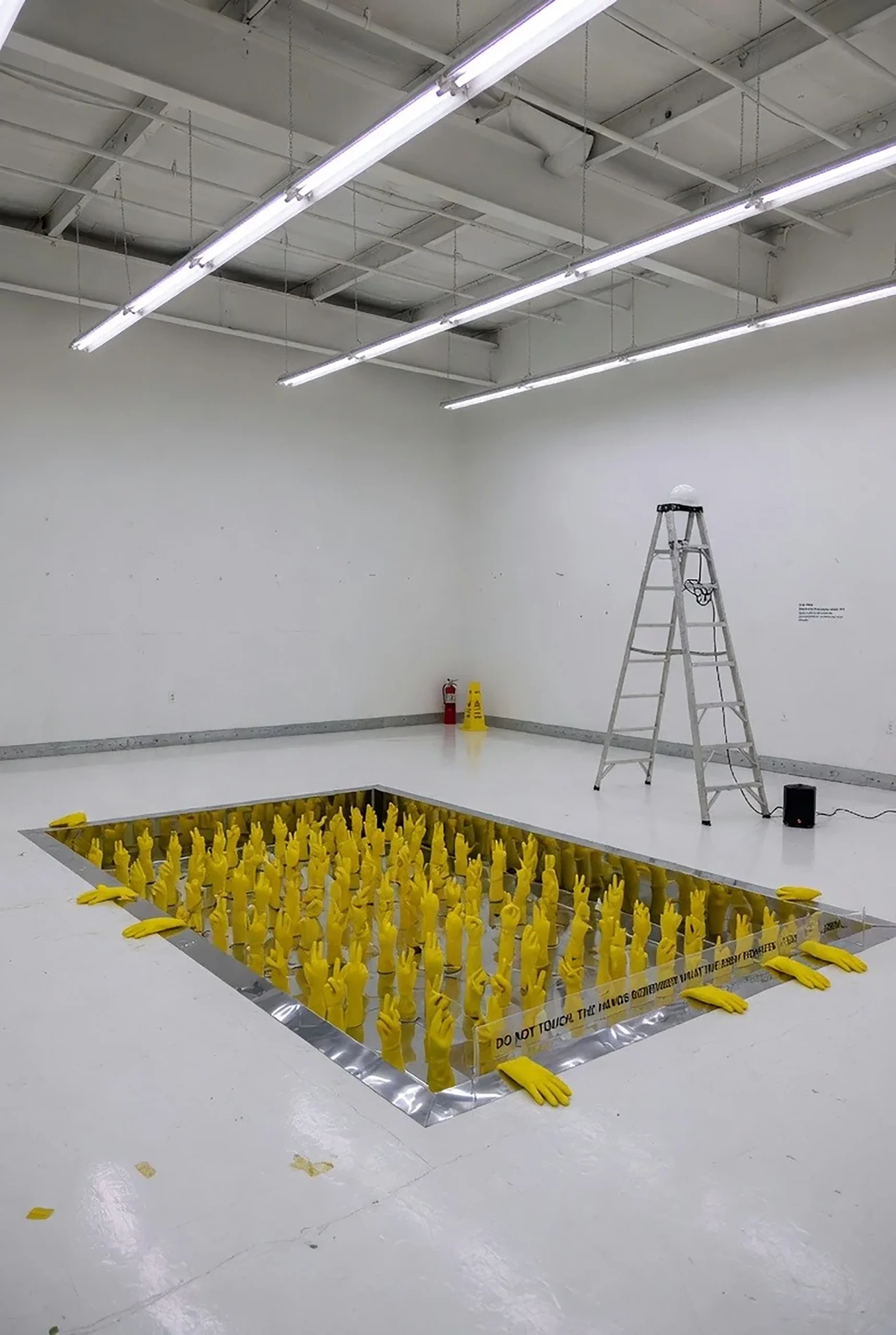
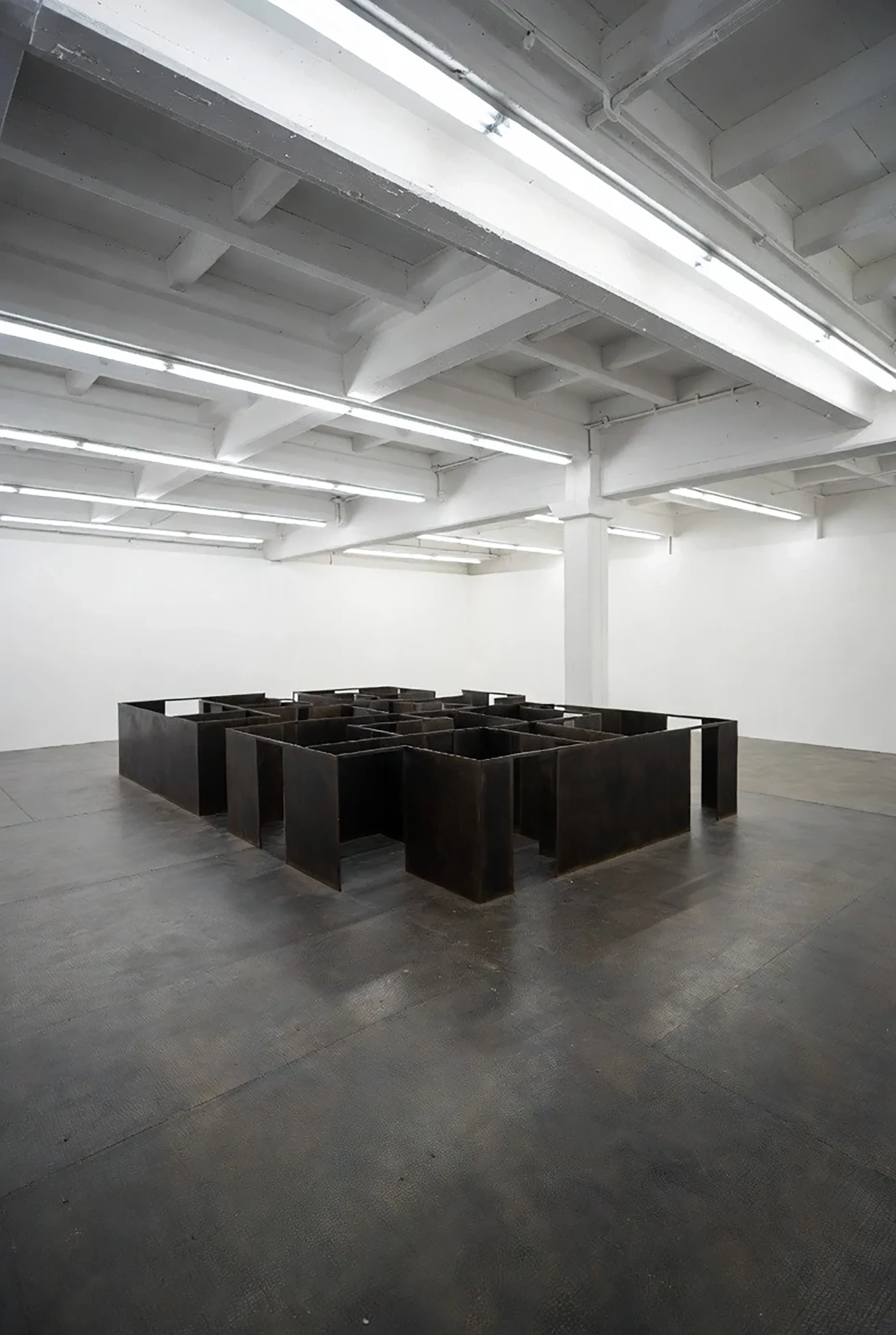
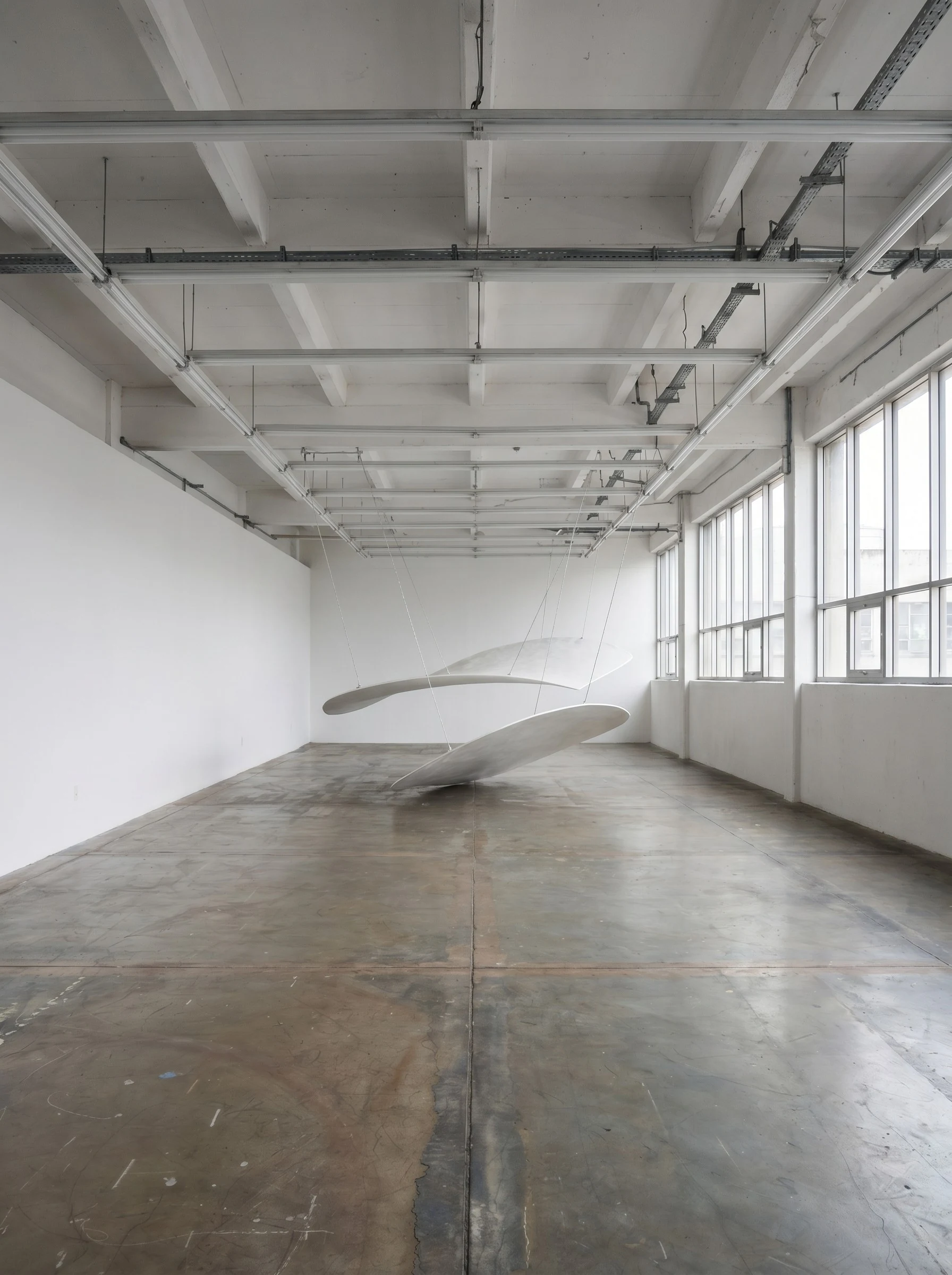
The transition of an artist into the sphere of institutional recognition almost inevitably entails a movement beyond the object-based artwork toward installation, environment, and spatial intervention. Once a practice requires the occupation of entire architectural volumes, along with engineers, municipal permits, and specialized installation teams, a paradigmatic shift has occurred. This movement toward the monumental reflects an ambition to engage directly with public space and collective perception.
The Biennale becomes the primary arena for this transformation. Within such contexts, the institutional artist operates less as a producer of objects than as a director or philosopher of space, orchestrating heterogeneous elements in order to construct a total immersive experience. The artwork itself becomes evental, a temporary condition that exists fully only through the presence and participation of the viewer.
Such a trajectory demands forms of financial and organizational support that only major foundations or national governments are typically capable of providing. The Biennale artist inhabits a transnational network of curators, museum directors, and theorists who validate artistic production according to its relevance within broader geopolitical and social discourse.
The Archive as Consecration
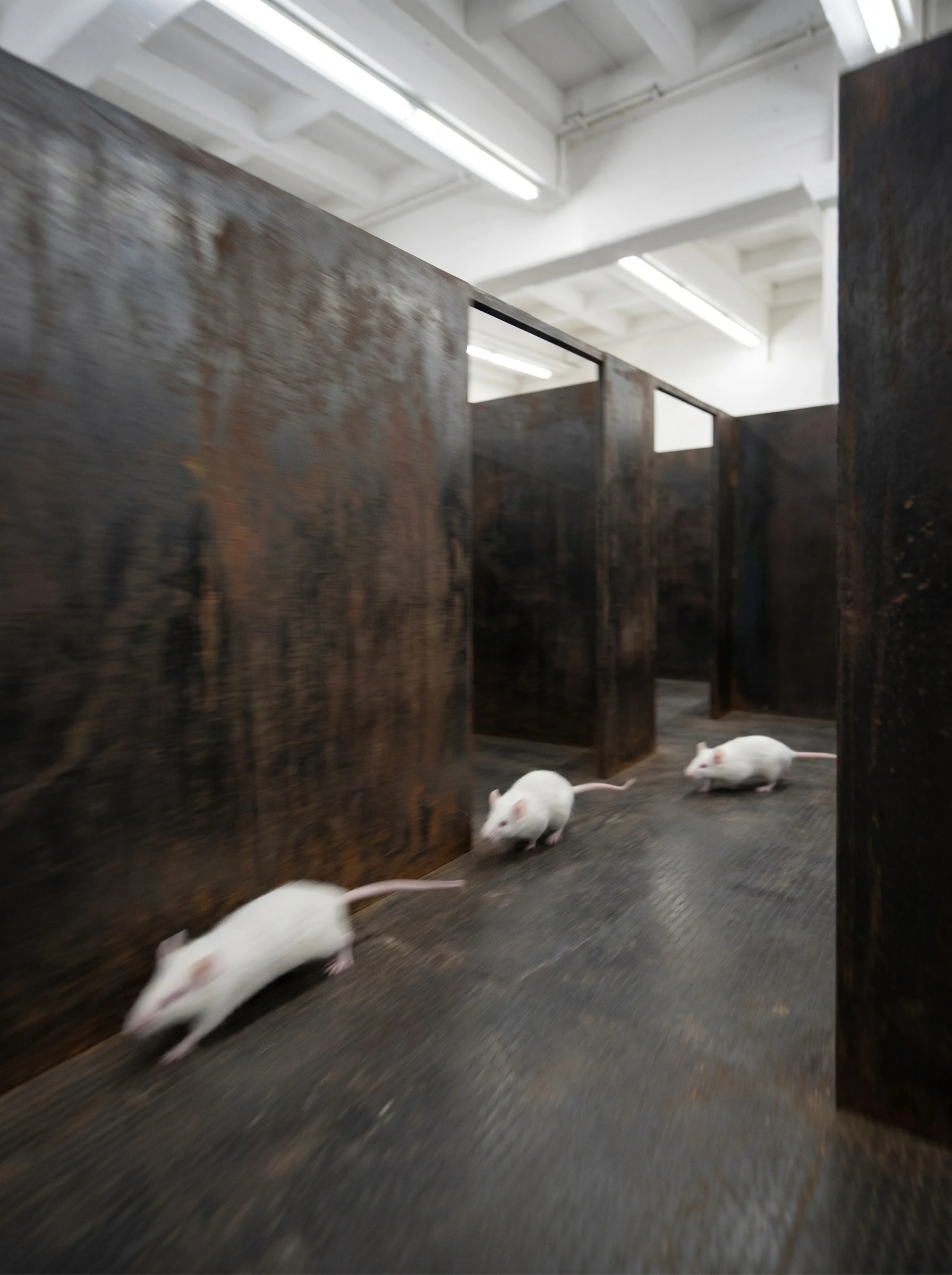
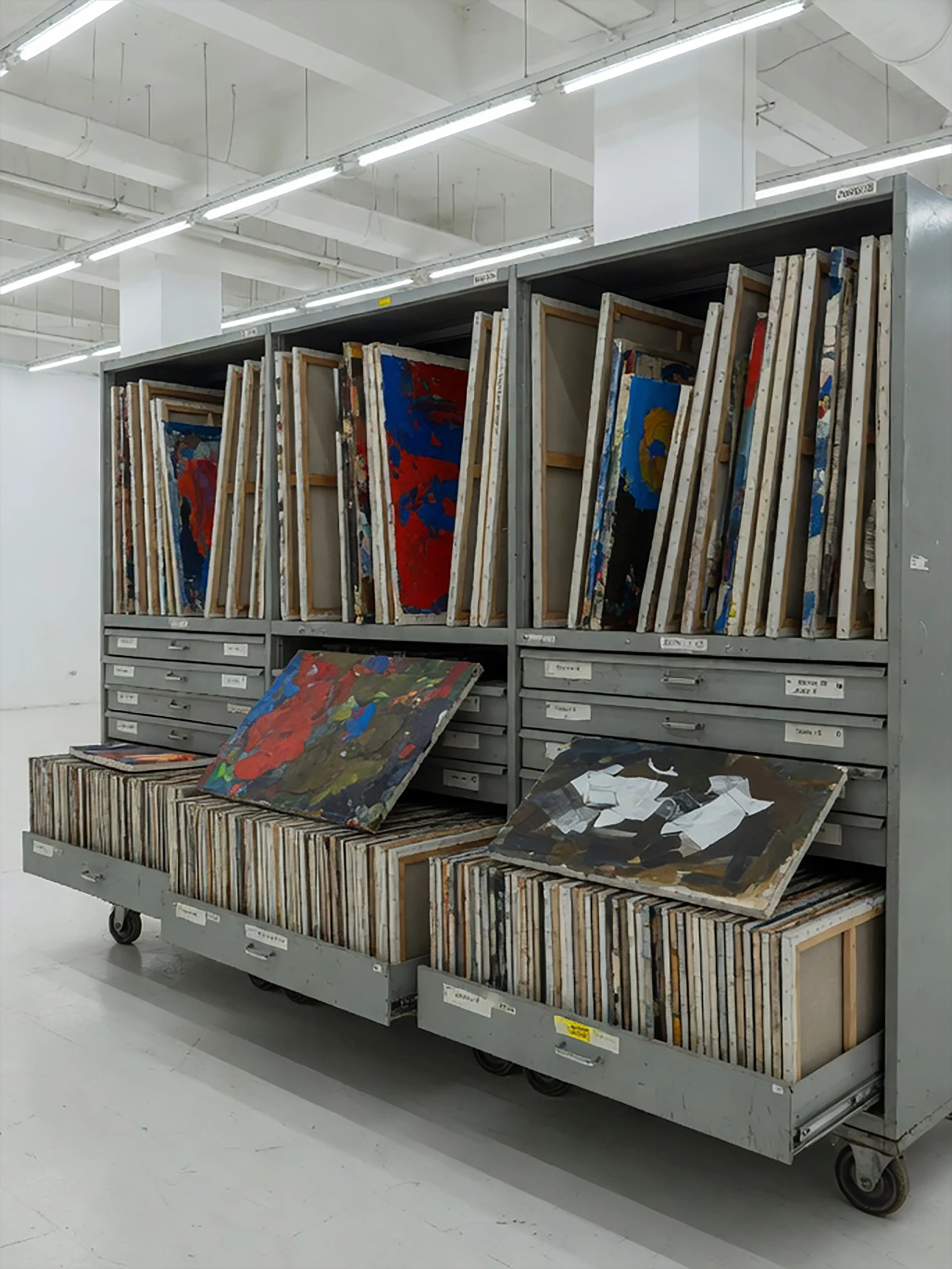
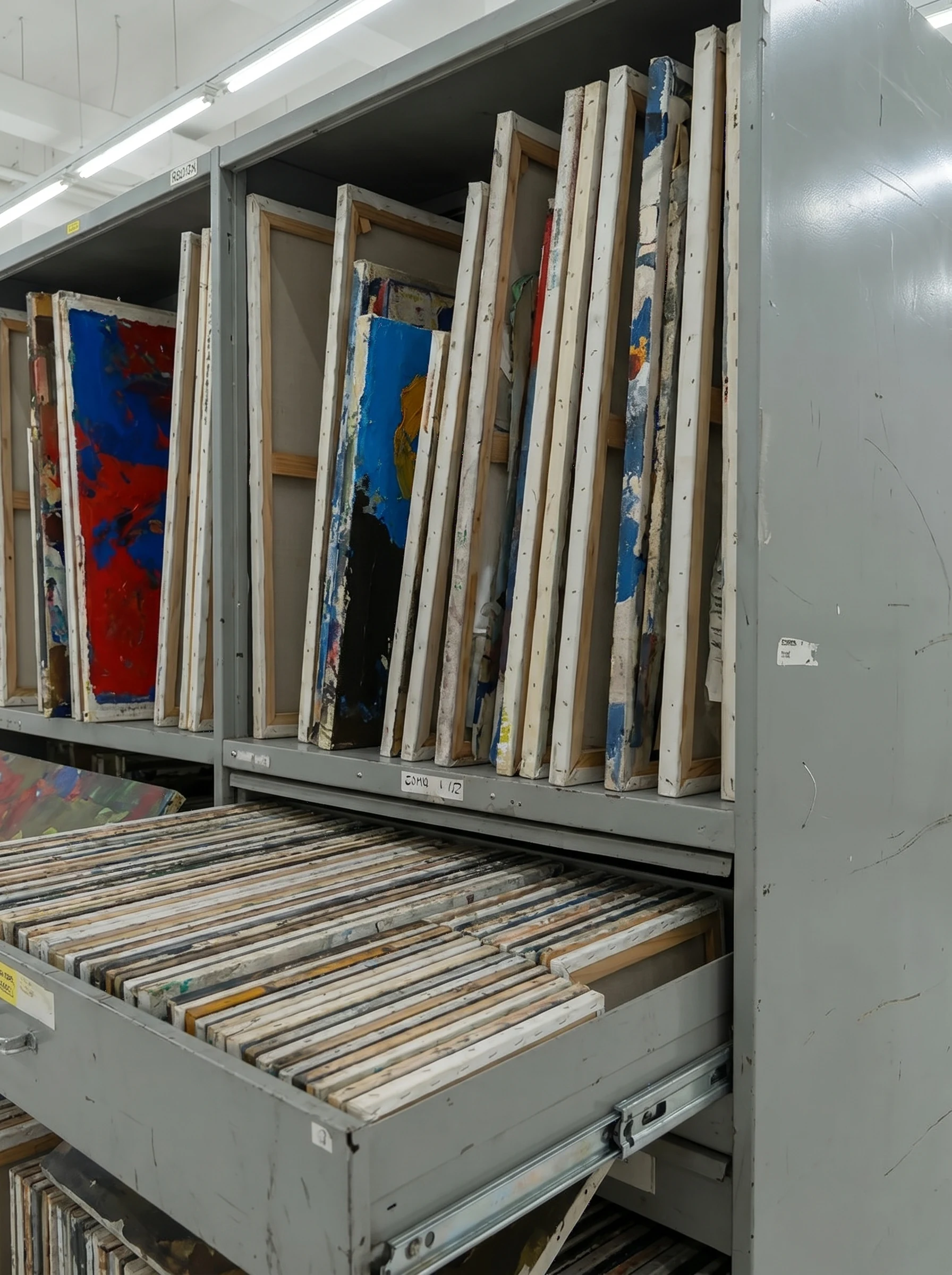
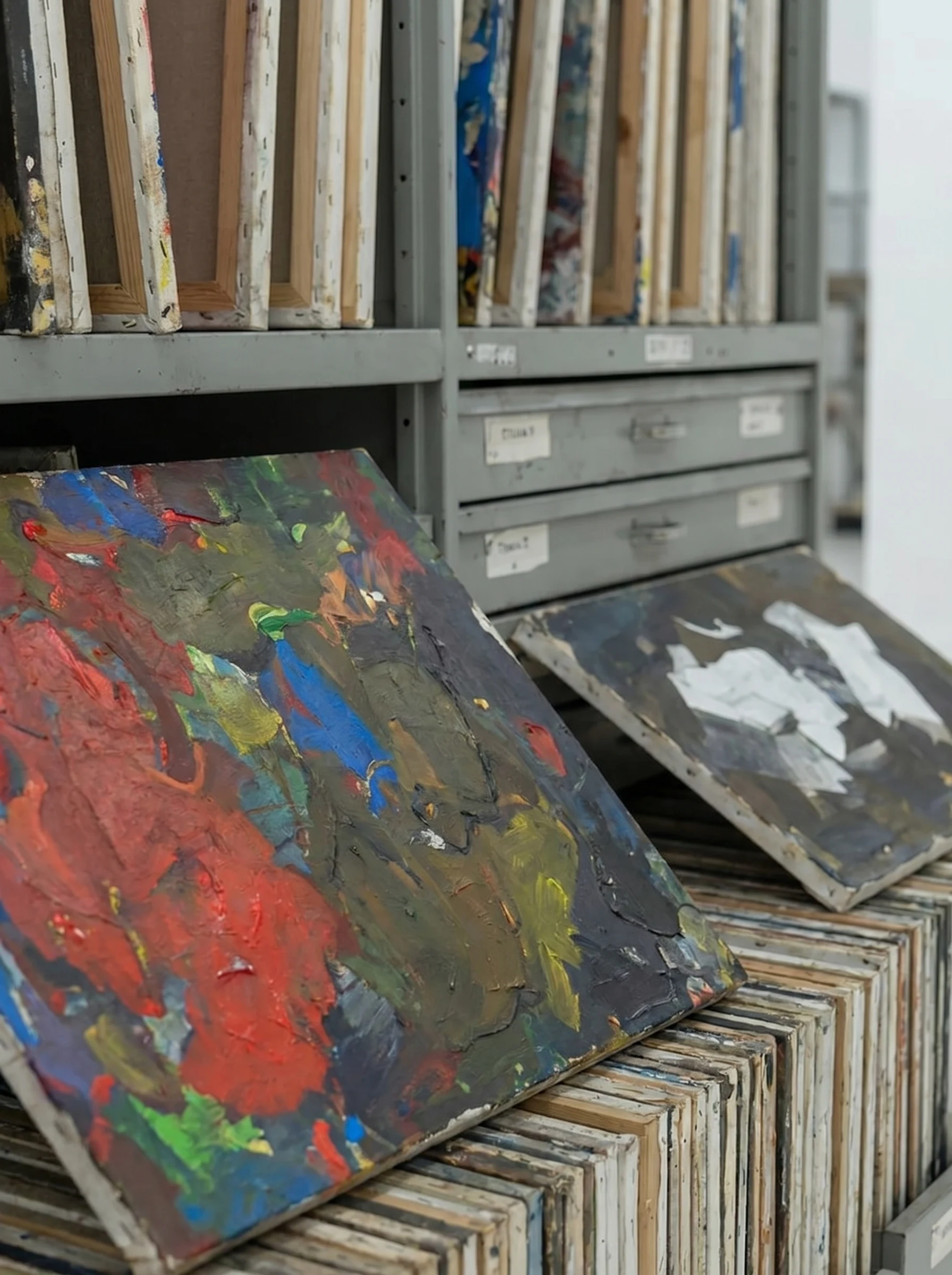
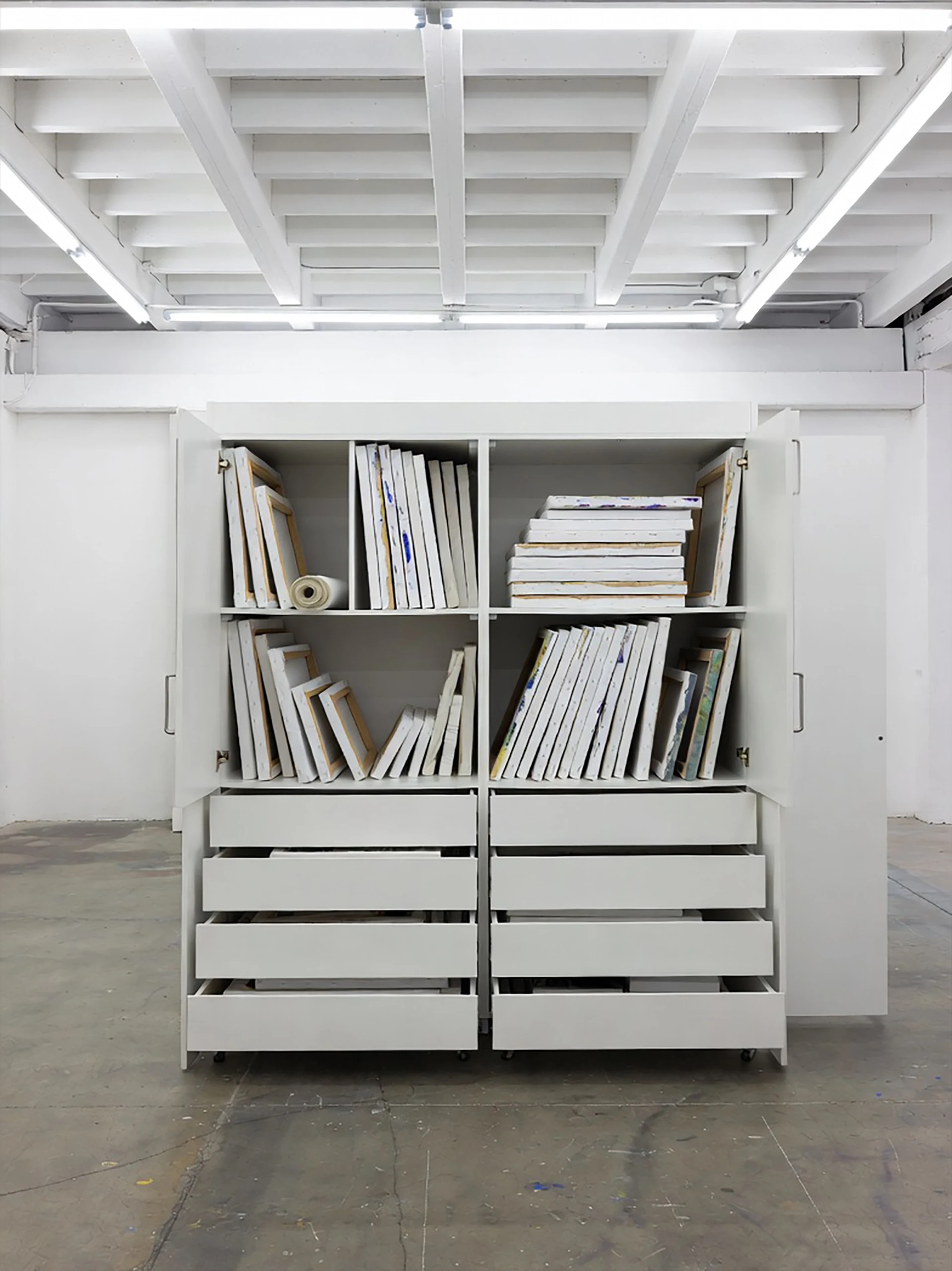
A decisive moment in an artist’s career occurs when their work ceases to be regarded solely as creative production and begins instead to be treated as archival material. Entry into the museum does not merely signify inclusion within a permanent collection, but also the acquisition of sketches, correspondence, photographs, administrative records, and documentary traces surrounding the practice itself. This musealization of the ephemeral is what ultimately transforms a contemporary career into a historical trajectory.
The institutional artist is one who remains acutely conscious of the weight of time, constructing works that already contain the conditions for their future preservation, reconstruction, and interpretation. The museum, in this sense, appears to institutionalize careers according to their ability to embody an era, a technical rupture, or a broader epistemological shift within contemporary culture.
The Convergence of Spheres
It would be naïve to imagine that the market and the institution operate as isolated domains. Over the past decades, the boundaries separating the two have progressively collapsed into one another. Between 2010 and 2026, this symbiosis reached unprecedented intensity: mega-dealers began directly financing pavilions at the Venice Biennale, while institutions such as Whitney Museum of American Art and MoMA PS1 became increasingly dependent on donations from blue-chip collectors and private patrons. This phenomenon reflects a system in which institutional validation functions as the final seal guaranteeing long-term market stability.
Such overlap has given rise to a new category: the artist-as-institution. These artists manage studios resembling medium-scale enterprises, capable of simultaneously producing limited editions for art fairs and monumental installations for museums. Their careers no longer follow a linear trajectory from gallery representation toward institutional recognition, but rather unfold through a circular movement in which market visibility and institutional legitimacy continuously reinforce one another.
Perhaps the definitive distinction between the gallery career and the institutional career lies in the transition from the artwork to the project. For the gallery artist, the artwork remains the final and self-contained entity. For the institutional artist, by contrast, the artwork often constitutes only one fragment within a larger constellation that may include research, archival excavation, community engagement, scientific collaboration, or interventions within urban and political space. It is precisely this project-based dimension that enables a practice to become embedded within institutional structures.
The institutional project unfolds according to an expanded temporality that exceeds the duration of any single exhibition. It may extend across years, mobilize historical archives, involve interdisciplinary collaborations, or intersect with architectural and civic infrastructures. In this configuration, the artist gradually ceases to function merely as a producer of objects and instead emerges as an activator of processes.
The Museum as an Ossuary of the Present
In conclusion, it becomes evident that the boundary between a commercial career and an institutional one can no longer be understood through rigidly separated categories. The market relies on the symbolic legitimization provided by institutions in order to consolidate the economic value of artworks, while institutions themselves have become increasingly dependent on the financial and relational infrastructures generated by the global art market.
The contemporary artist therefore operates within a hybrid space, where aesthetic production often coincides with the management of visibility, archivability, and historical permanence. In this context, the true transformation lies not simply in the transition from the gallery to the museum, but in the moment when the artwork transcends the contingency of the present to become a cultural document of its era.
Perhaps it is precisely within this unresolved tension, between commodity, experience, archive, and collective memory, that the authentic condition of the institutional artist is defined today.
Bibliography:
- The New York Times – “The 2026 Whitney Biennial: Personal, Political, and Monumental” (2026)
- Artnet – “Mega-Dealers and the New Economics of Biennales” (2025)
- Flash Art – “From Gallery to Institution: The New Artist-Entrepreneur” (2026)
- e-flux – “The Museum as Archive of the Future” (2025)
- The Guardian – “How Mega-Galleries Are Reshaping the Art World in 2026” (2026)
- Artforum – “The Convergence of Market and Institution: A 2026 Perspective” (2026)
- Artsy – “5 Themes That Will Define the Art Market in 2026” (2026)
- Art Basel & UBS – “Global Art Market Report 2026” (2026)
- The Art Newspaper – “Art market 2026 predictions: underwhelming rebound and another Frieze fair” (2025)
- Observer – “Inside the Global Art Fair Wars: Frieze vs Art Basel” (2026)
- Art Meets Culture – “The Art World in 2026: What’s Coming Next?” (2026)
- Aurora Athena – “Art Market 2026 Exposed: Critical Wealth Strategies & Trends” (2026)
- Artsy – “Art Market Update: Key Trends and Analysis for Spring 2026” (2026)