Fakewhale Newsletter
By pressing the "Subscribe" button, you confirm that you have read and are agreeing to our Privacy Policy and Terms of Use

Fakewhale in Dialogue with Michael Sandford

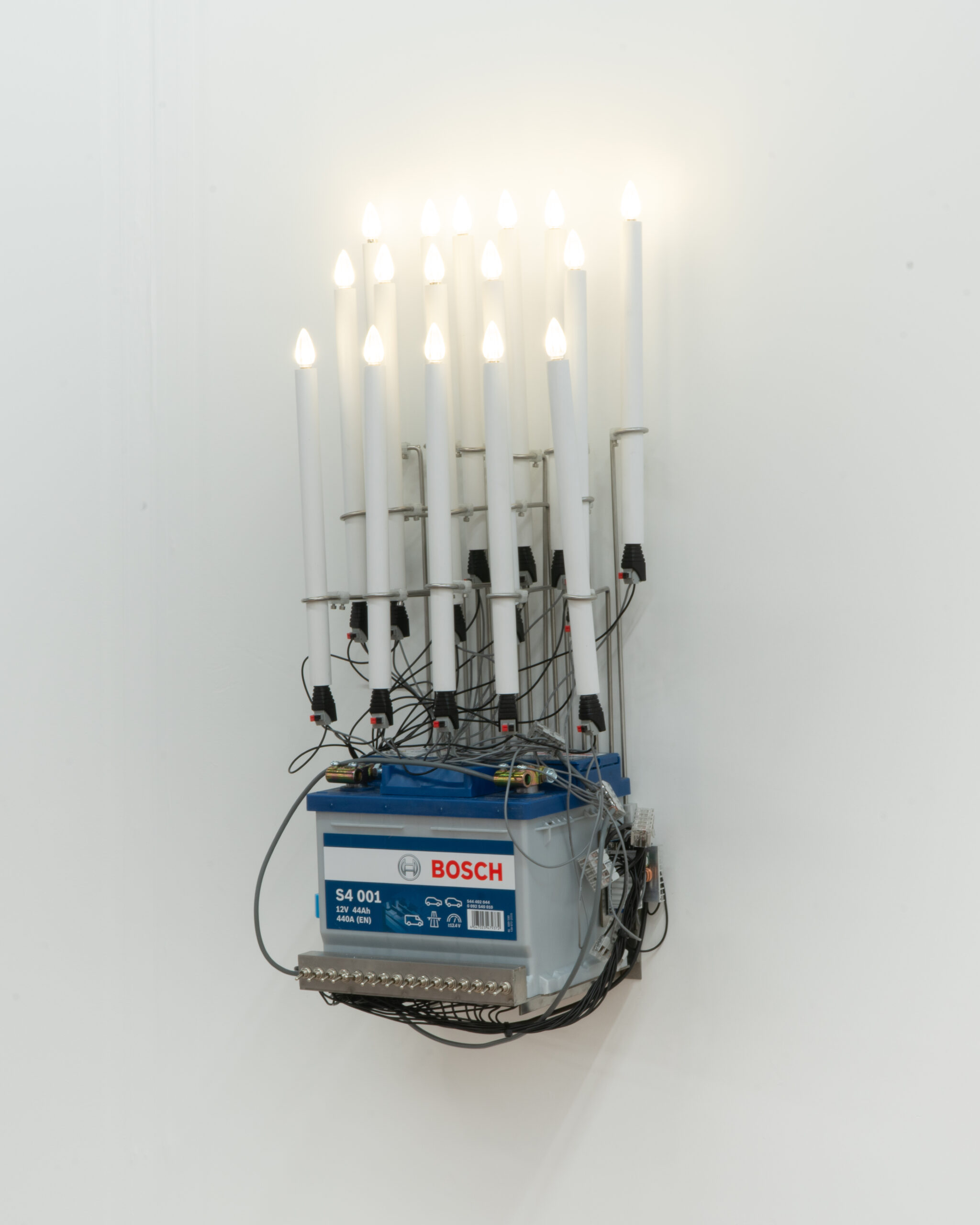
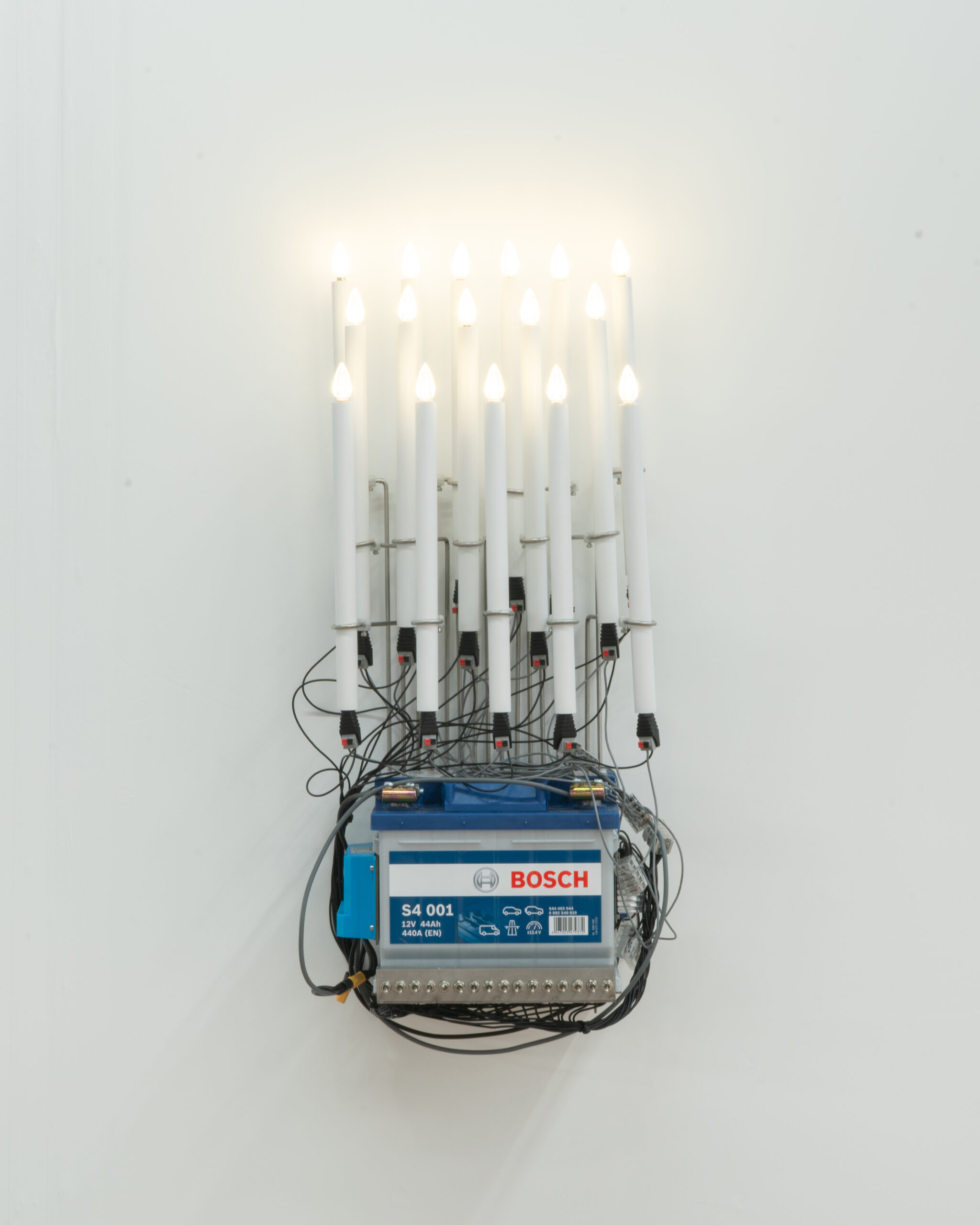
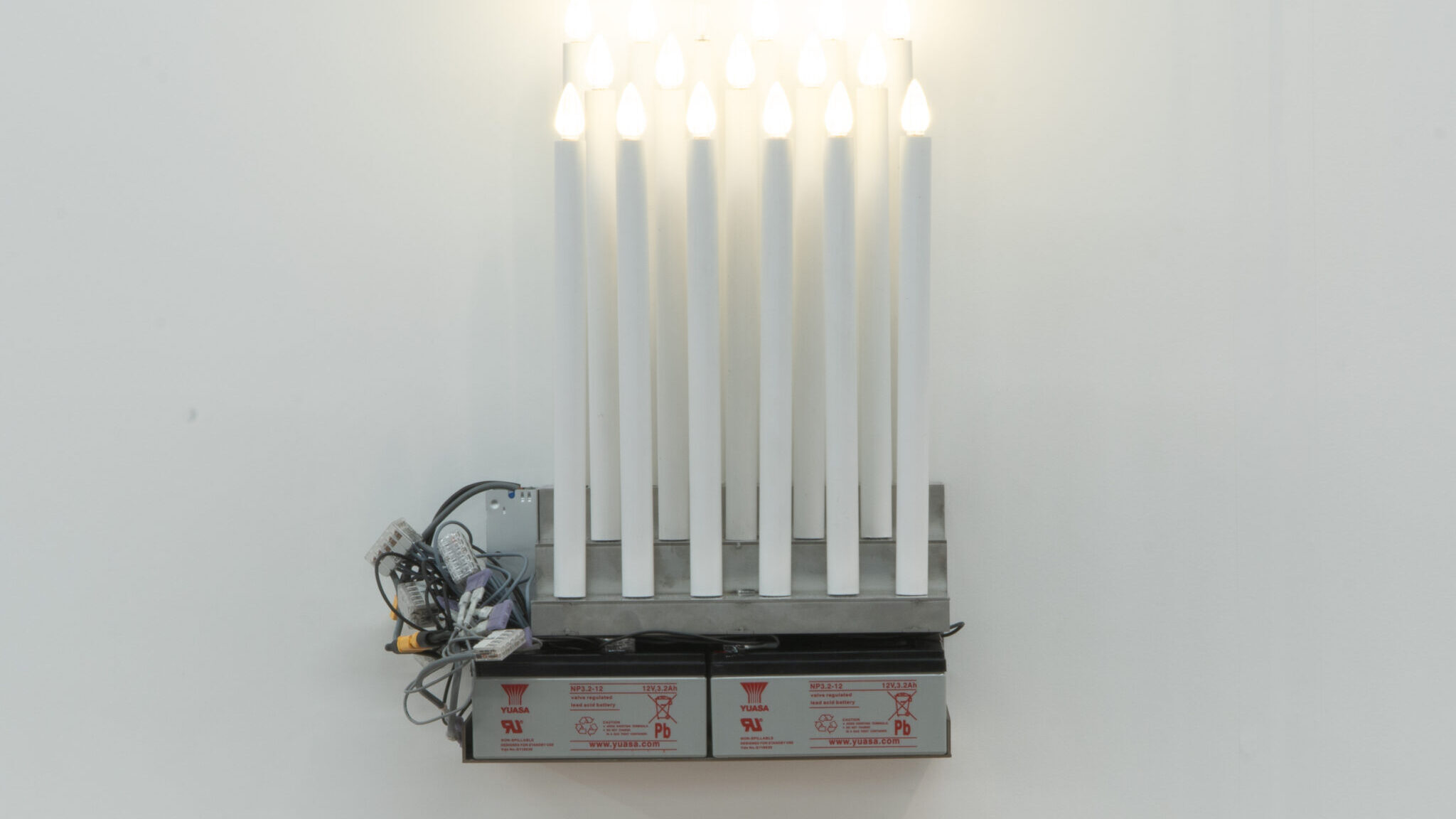
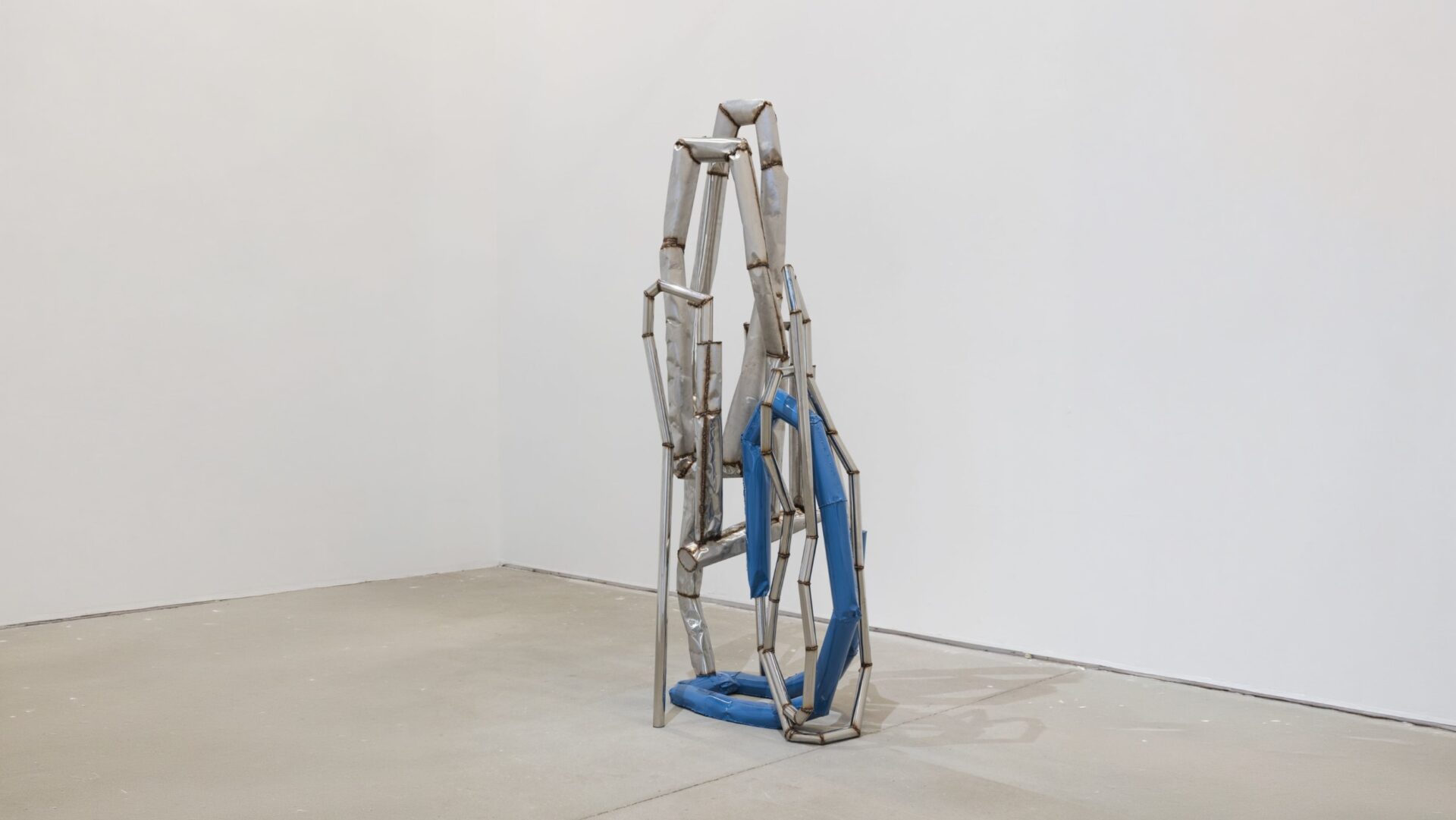
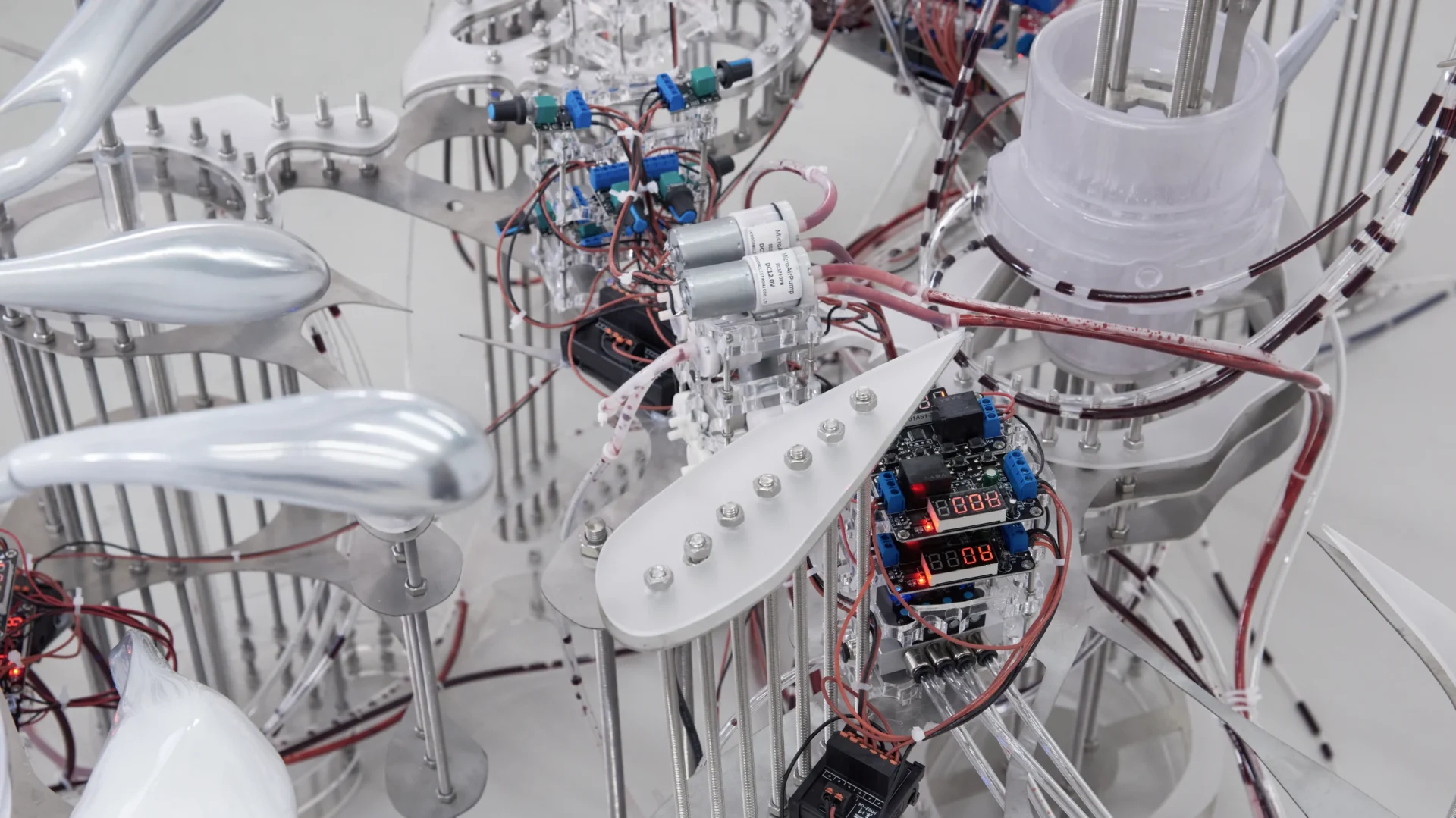
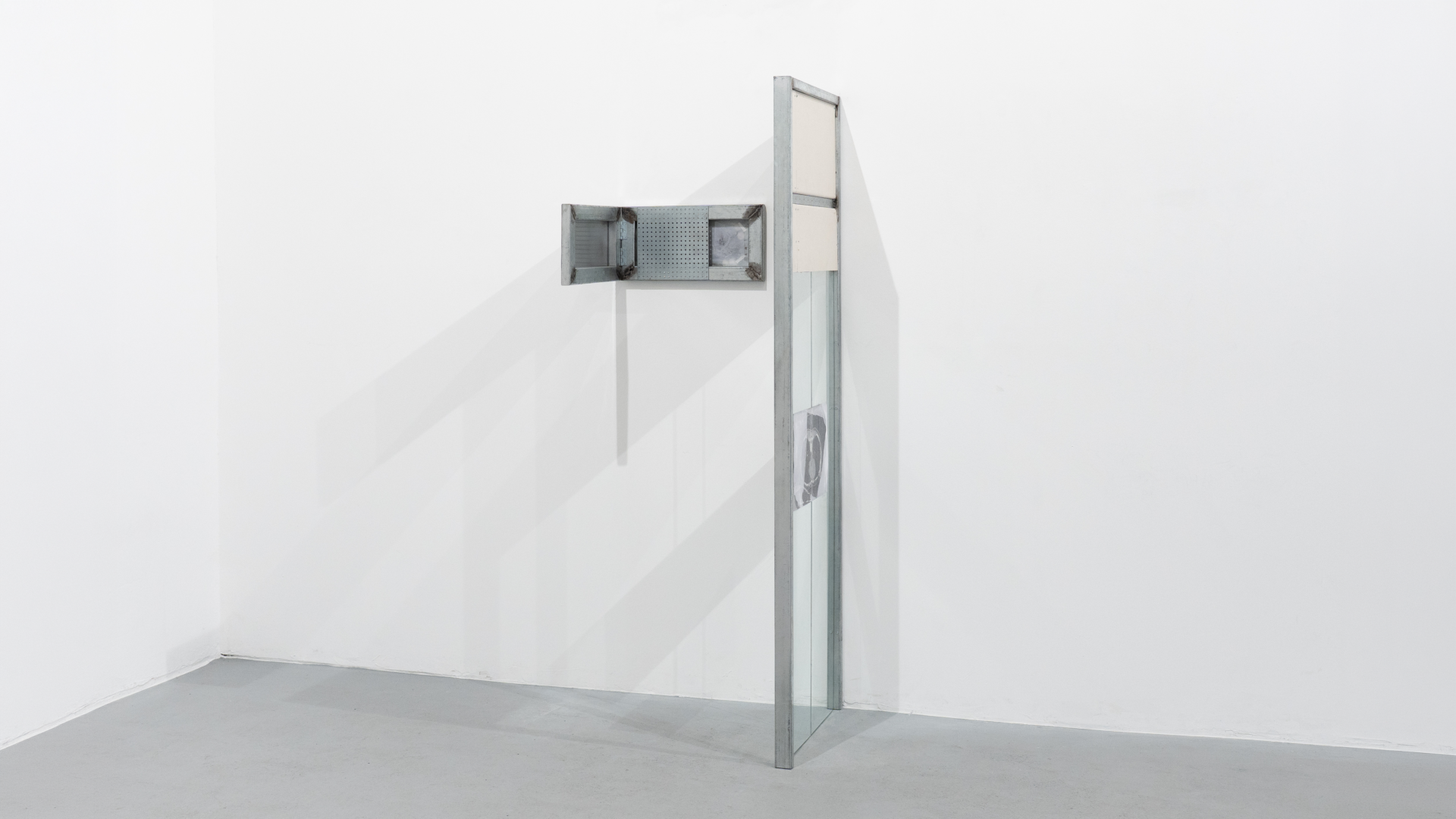
Michael Sandford, Hum 16, 2026. Car battery, electric votive candles, solar charge controller, voltage regulator, RCA connectors, switches, splice connectors, fuse, stainless steel. 21 x 26 x 62 cm. Art-O-Rama, Marseille.

At the intersection of physical space, digital transmission and the unstable nature of perception, Michael Sandford explores what happens when images, places and bodies become detached from their familiar coordinates. His practice challenges the boundaries between observation and surveillance, presence and absence, material permanence and technological fragility.

In this conversation, Sandford reflects on the possibility of inhabiting multiple realities, the invisible architectures shaping our experience of the world, and the fragile intimacy that can emerge from anonymous systems. Moving between the philosophical and the deeply personal, the interview considers art as an interruption of established ways of seeing, where disorientation, uncertainty and failure become conditions for encountering something beyond the limits of ordinary perception.

Michael Sandford, Hum 16, 2026. Car battery, electric votive candles, solar charge controller, voltage regulator, RCA connectors, switches, splice connectors, fuse, stainless steel. 21 x 26 x 62 cm. Art-O-Rama, Marseille.

Your practice keeps returning to “new forms of public space,” produced at the point where virtual and physical leak into one another. What kind of public are you actually constructing, if the common no longer depends on bodies sharing a room?

The existence of public spaces capable of extending beyond physical barriers isn’t new – the commons have never depended on sharing a room. But it’s true that the ability to permeate space has never been so potent, and our signals are becoming more and more cunning. Even now though, they eventually run out of steam. 


The images you work from already exist in a slippage: visible, even circulating, yet never meant to be inhabited as a gaze. Between observation, voyeurism and surveillance, which regime do you take your work to occupy and what changes when that source becomes an artwork?

I think of it less as becoming an artwork and more as using the changing of context as a tool. The images I’m drawn to come from all of those regimes: observation, voyeurism, surveillance, and when we dilute their power, we tend to end up back at looking. It’s not about consideration but rather the witnessing of a shift, the unraveling of an image’s inherent logic. Can you keep picking at the string, spread that disorder beyond the object itself? How vulnerable are its new surroundings?

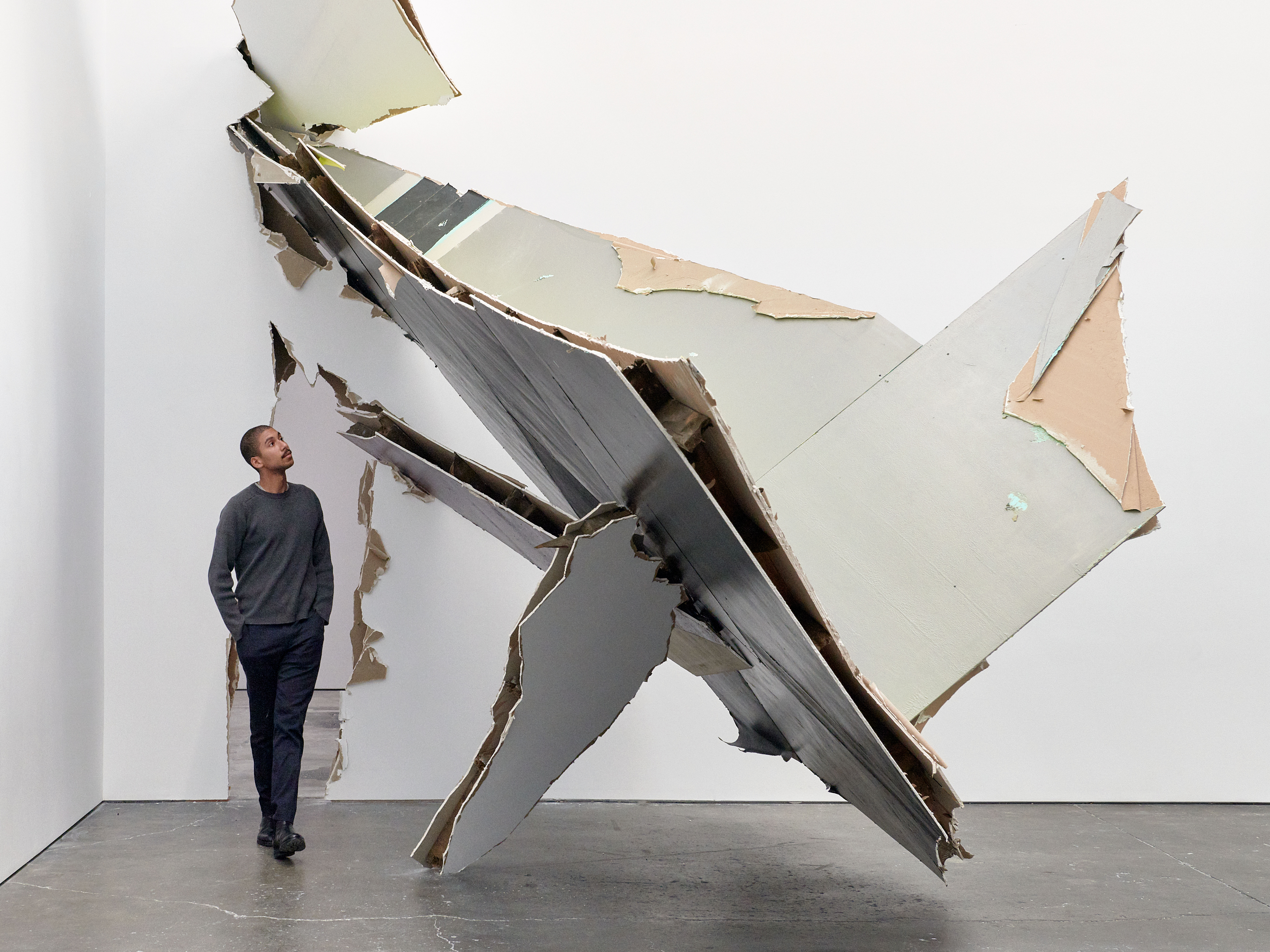
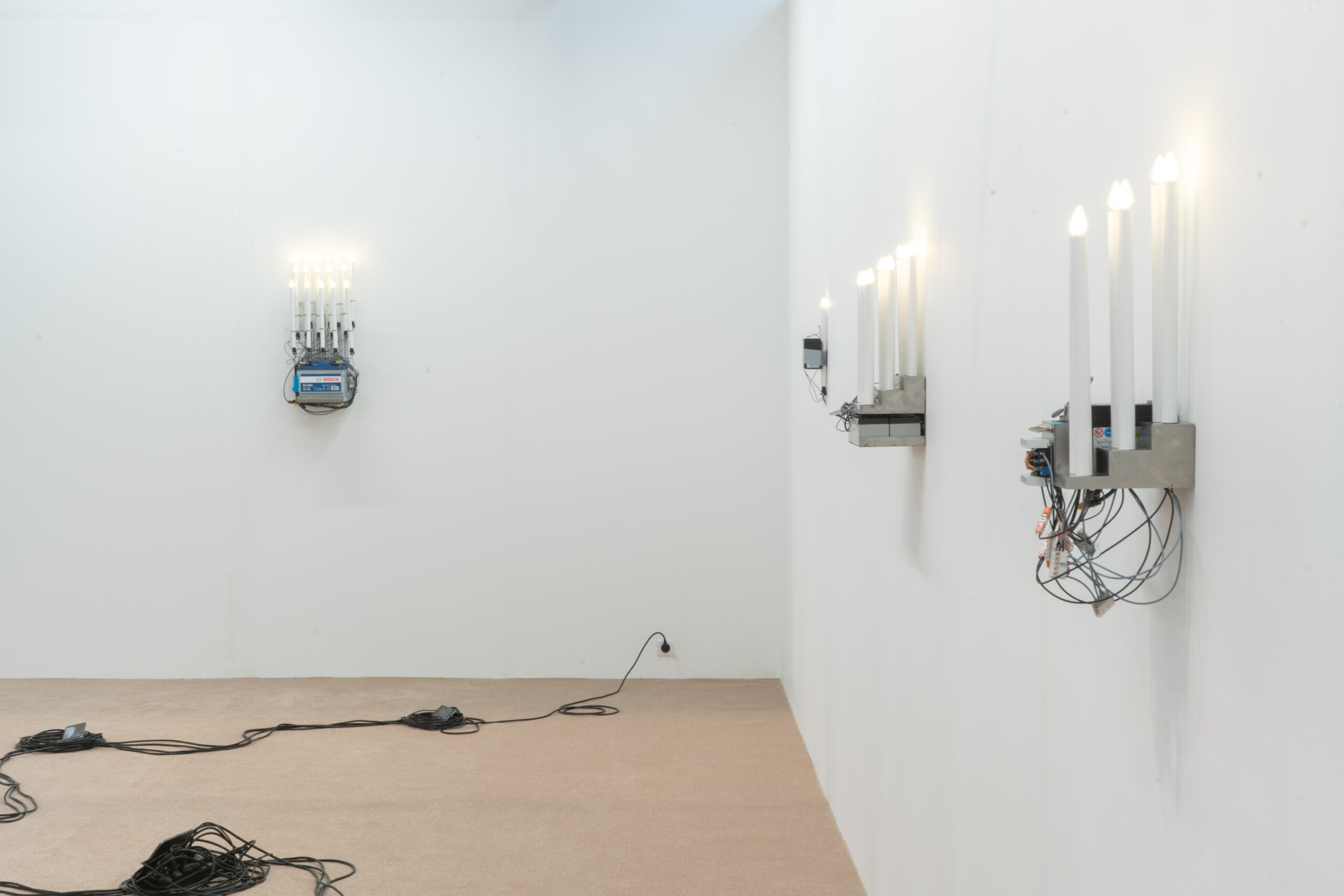
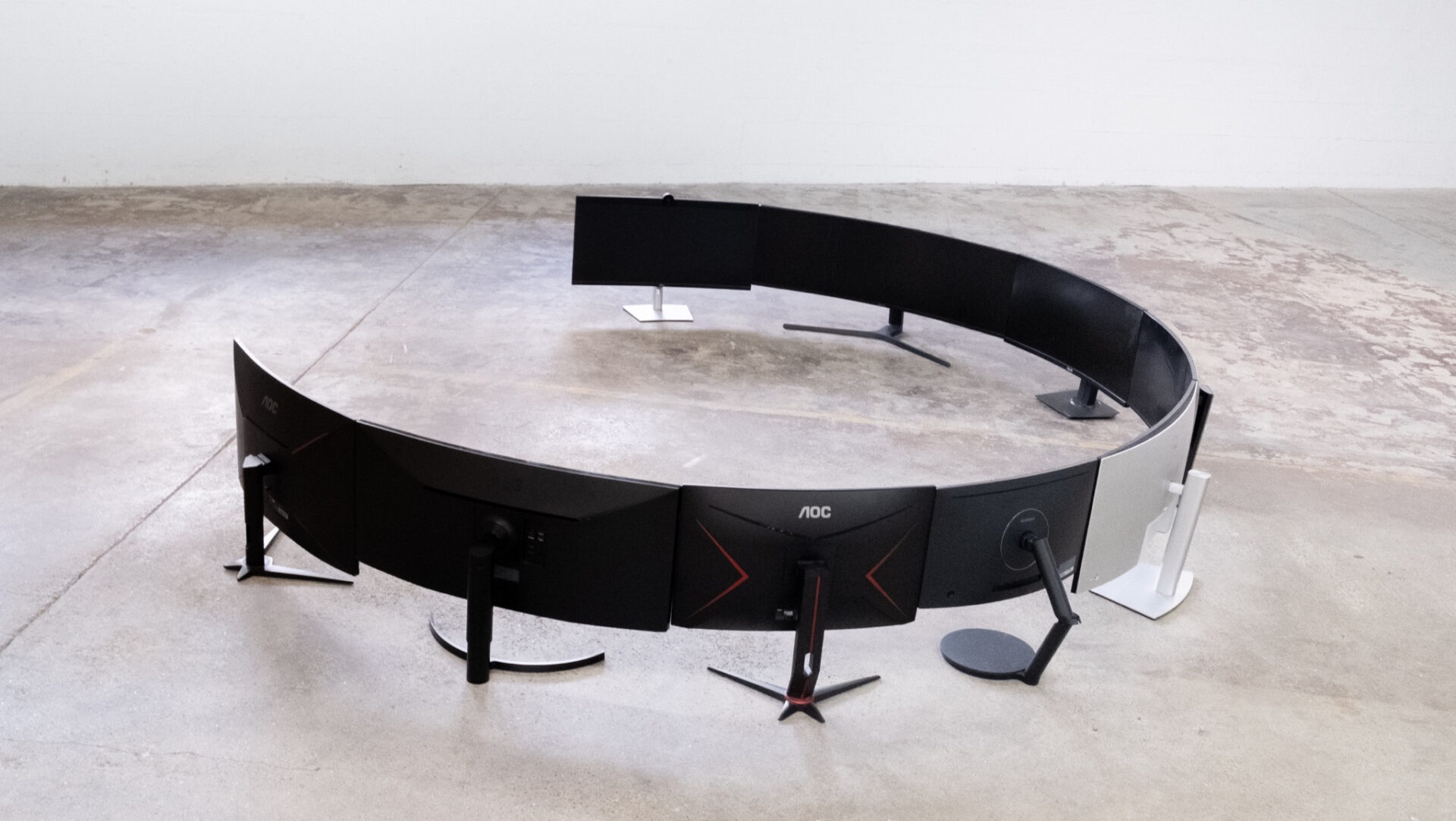
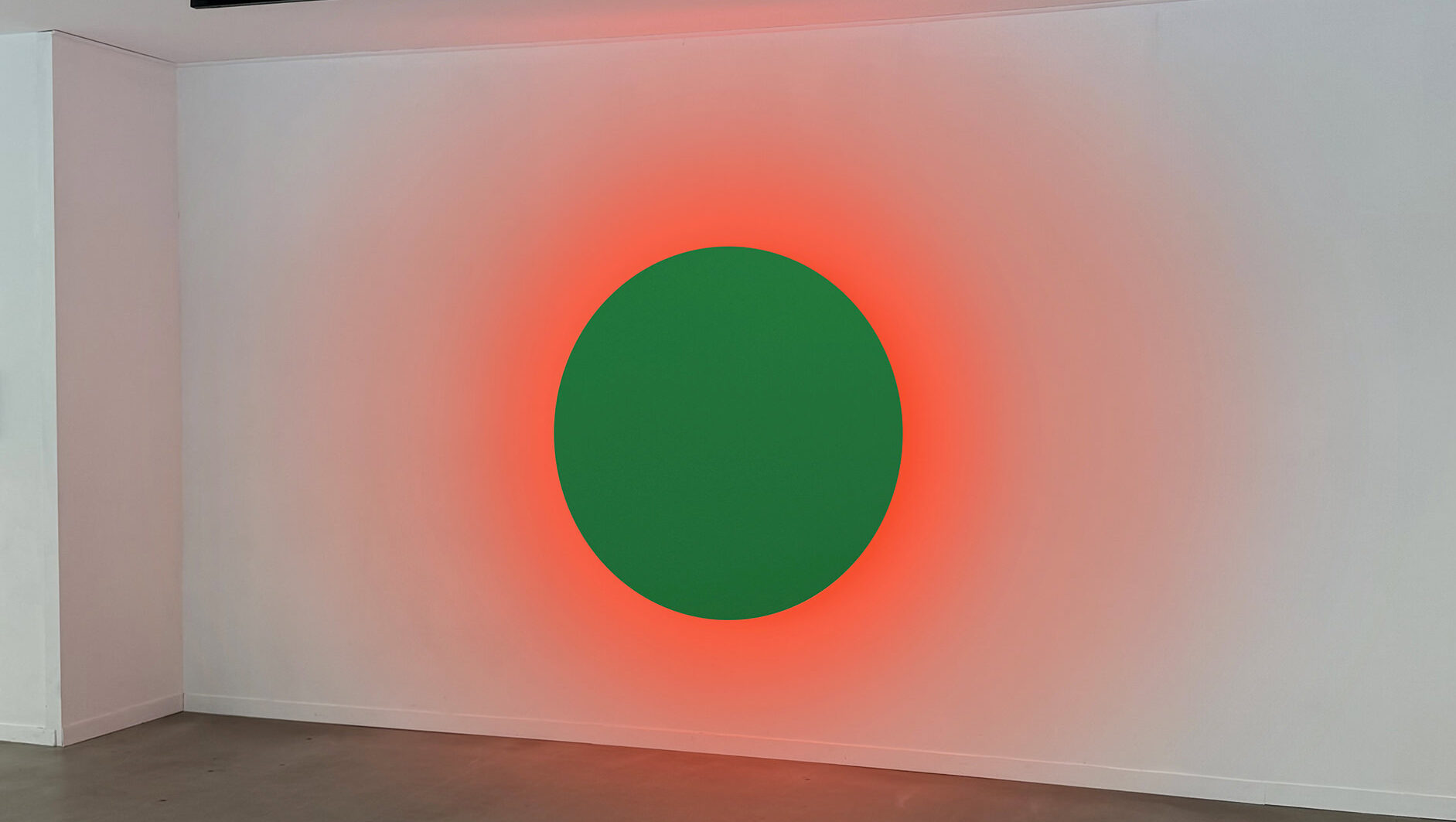
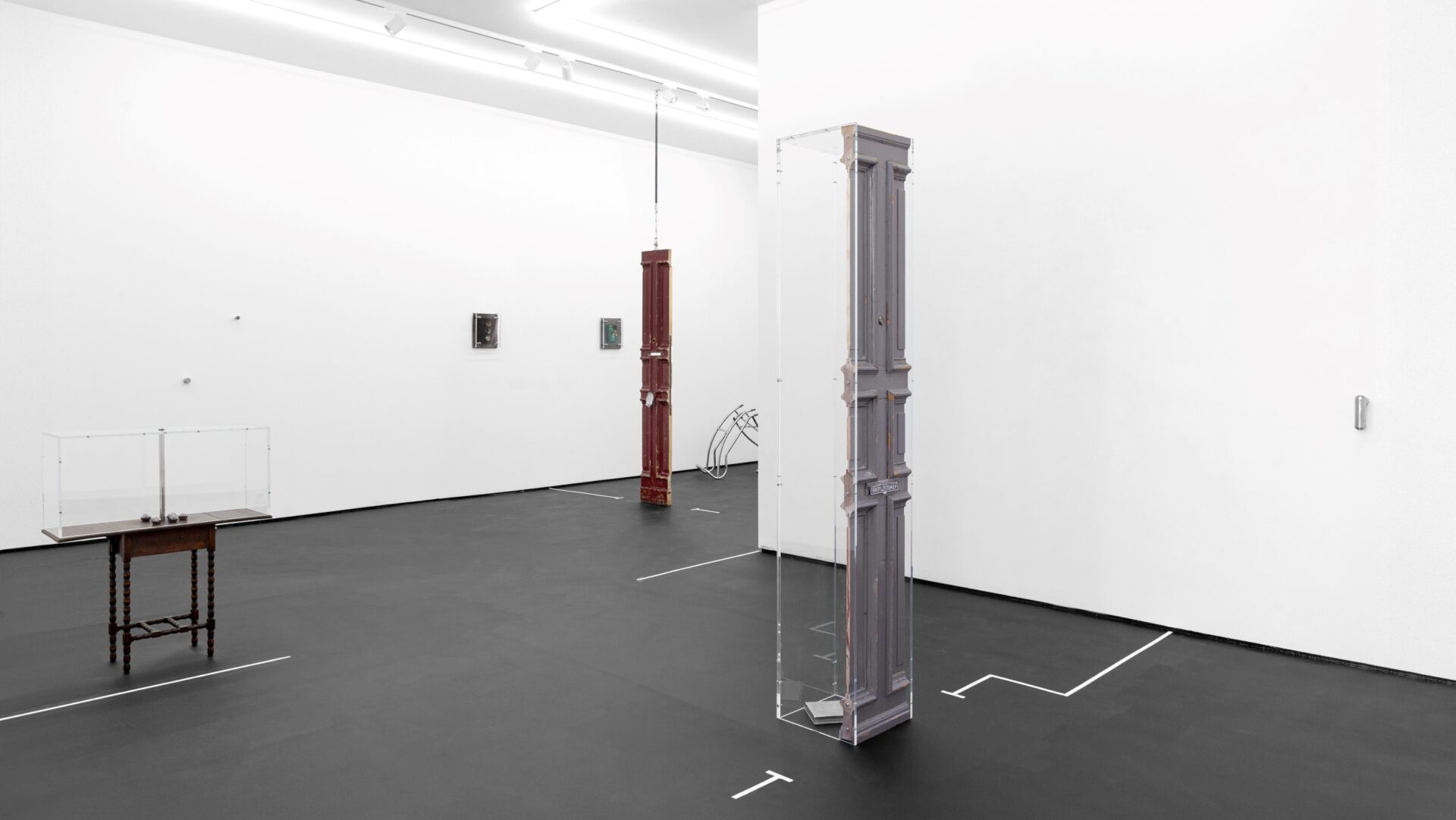
Michael Sandford, Hum, 2026. Installation view, Art-O-Rama, Marseille (Season 4 Episode 6, London x LAILA, Sydney).
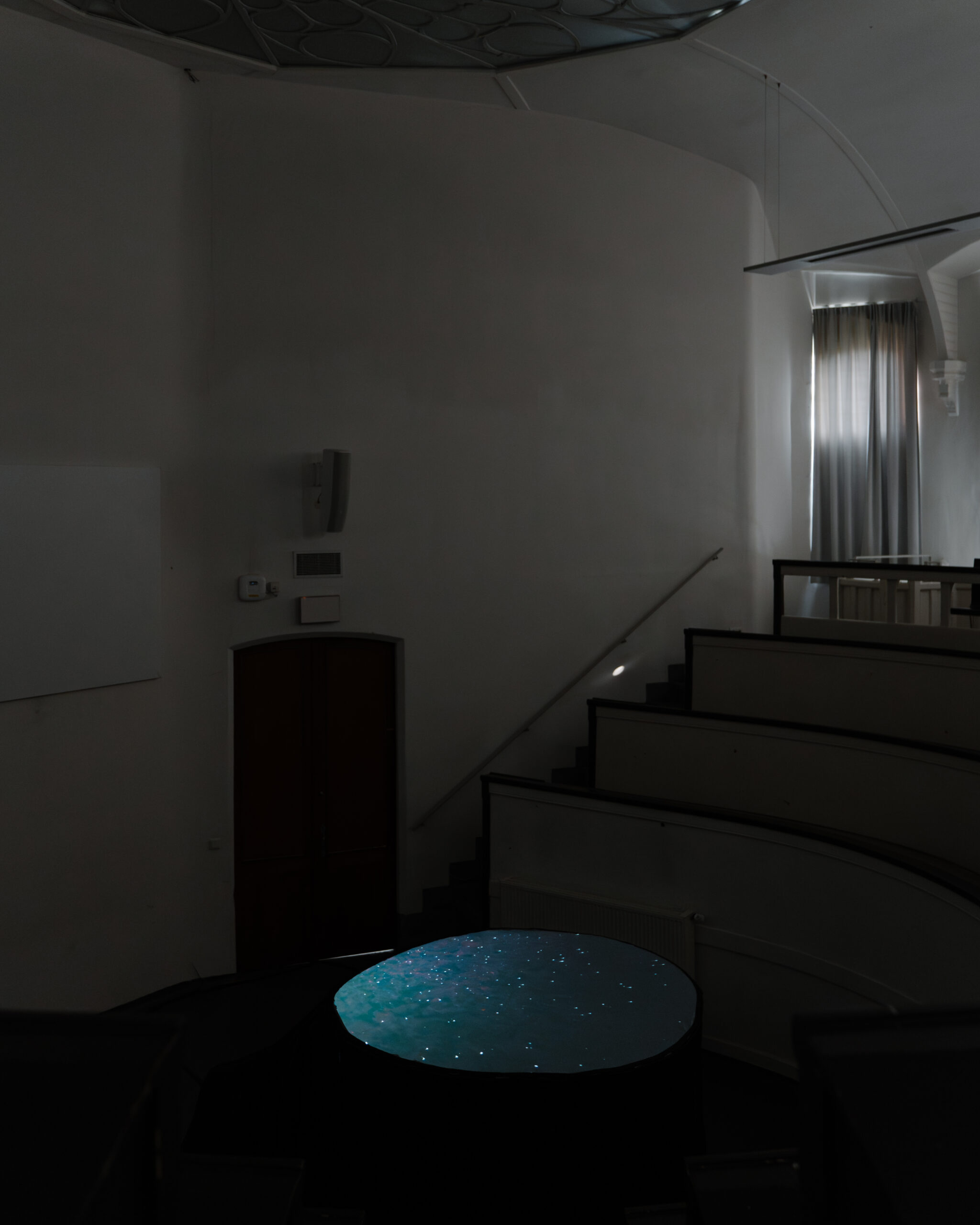
Michael Sandford, And now I think about you all day long, 2025. Live video stream, camera buoy. Installation view, KASK, Ghent. Photo: Lars Duchateau

Translating an unstable digital frame into a slow analogue gesture is not nostalgia for the handmade. What does that dilation produce: a truer image, a denser counterfeit, or simply a duration of looking that the feed itself cannot hold?

It’s the interruption of a rationalising, totalising process. Each feed is a stream of stills that vouches for the preceding frame’s authority. I’m interested in where that breaks down; catching a sleight of hand.

And when those frames inevitably perish, we’re left imagining a space we will never inhabit while someone, some place, sits in the image, unaware of how it’s being used, manipulated or fantasised about. Unaware of the ways in which the gaze presses upon their surroundings. Converting that into a labour-intensive work has to be a kind of insanity, but I think it parallels the ways we see, access, and interact with everywhere we are not.

You have said that it only needs to work once. Is that a theory of the work as a rare event, or an acceptance of failure as a condition, the opposite of the artwork as something repeatable?

The best work I could ever make would be invisible. Maybe it would be seen once by a person I would never meet. That person would have no idea what they had seen nor would they have anticipated seeing it, yet they would know that it was there for them. I think there have to be stakes on both sides of the interaction. Why should I pretend that I don’t know you’re there? The moment at which a work is perceived is part of its form.

Michael Sandford, And now I think about you all day long, 2025. Live video stream, camera buoy. Installation view, KASK, Ghent. Photo: Lars Duchateau
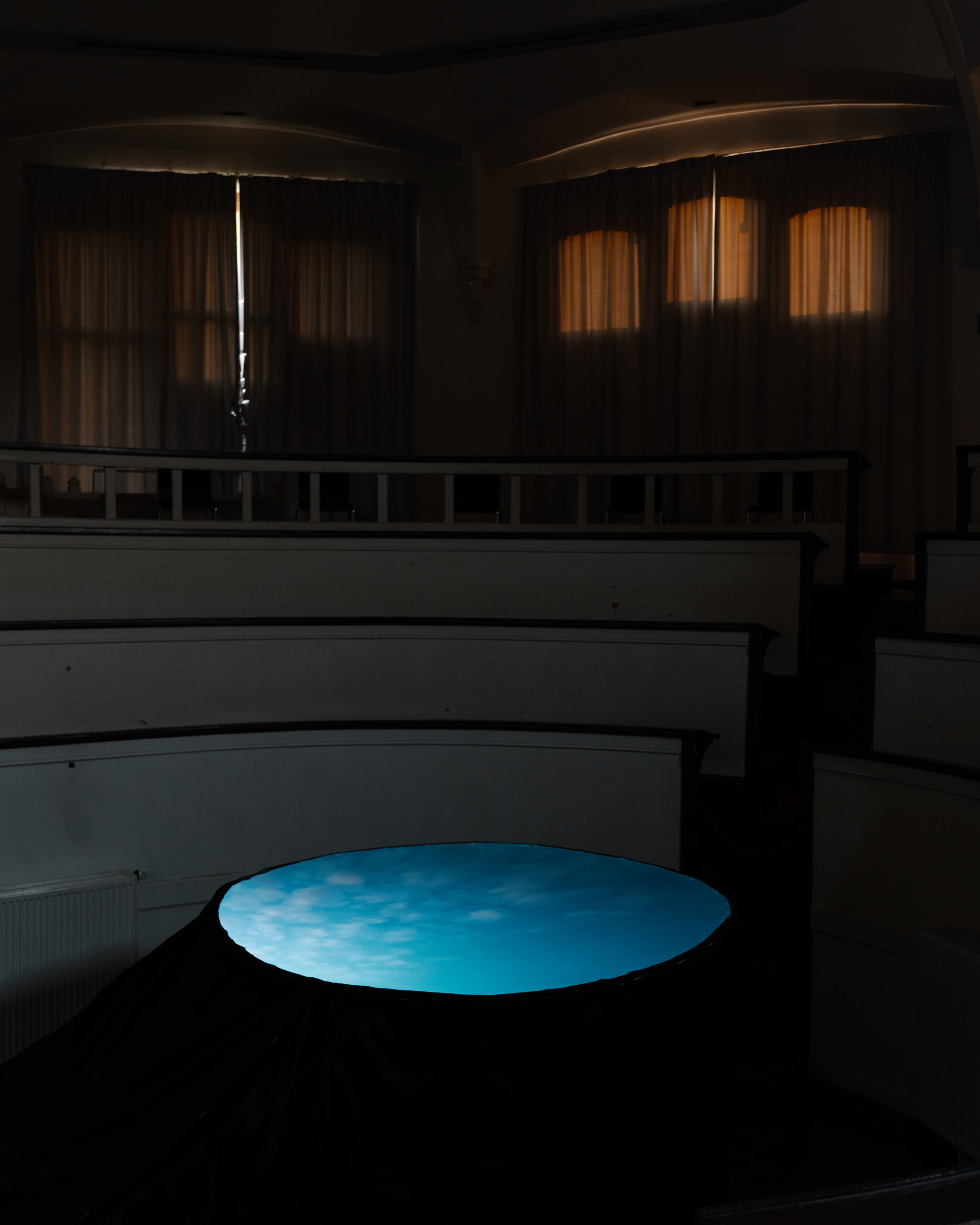
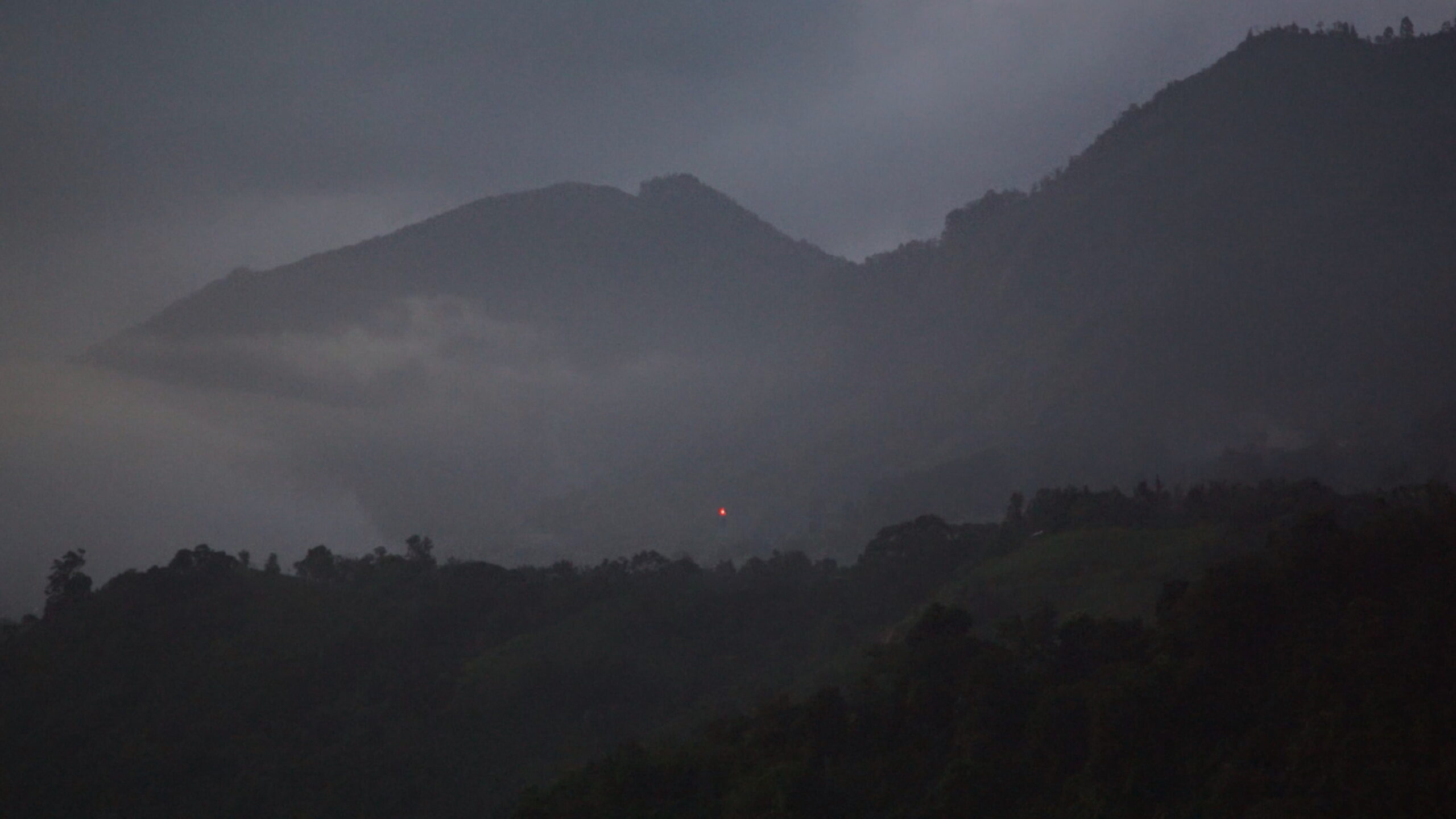
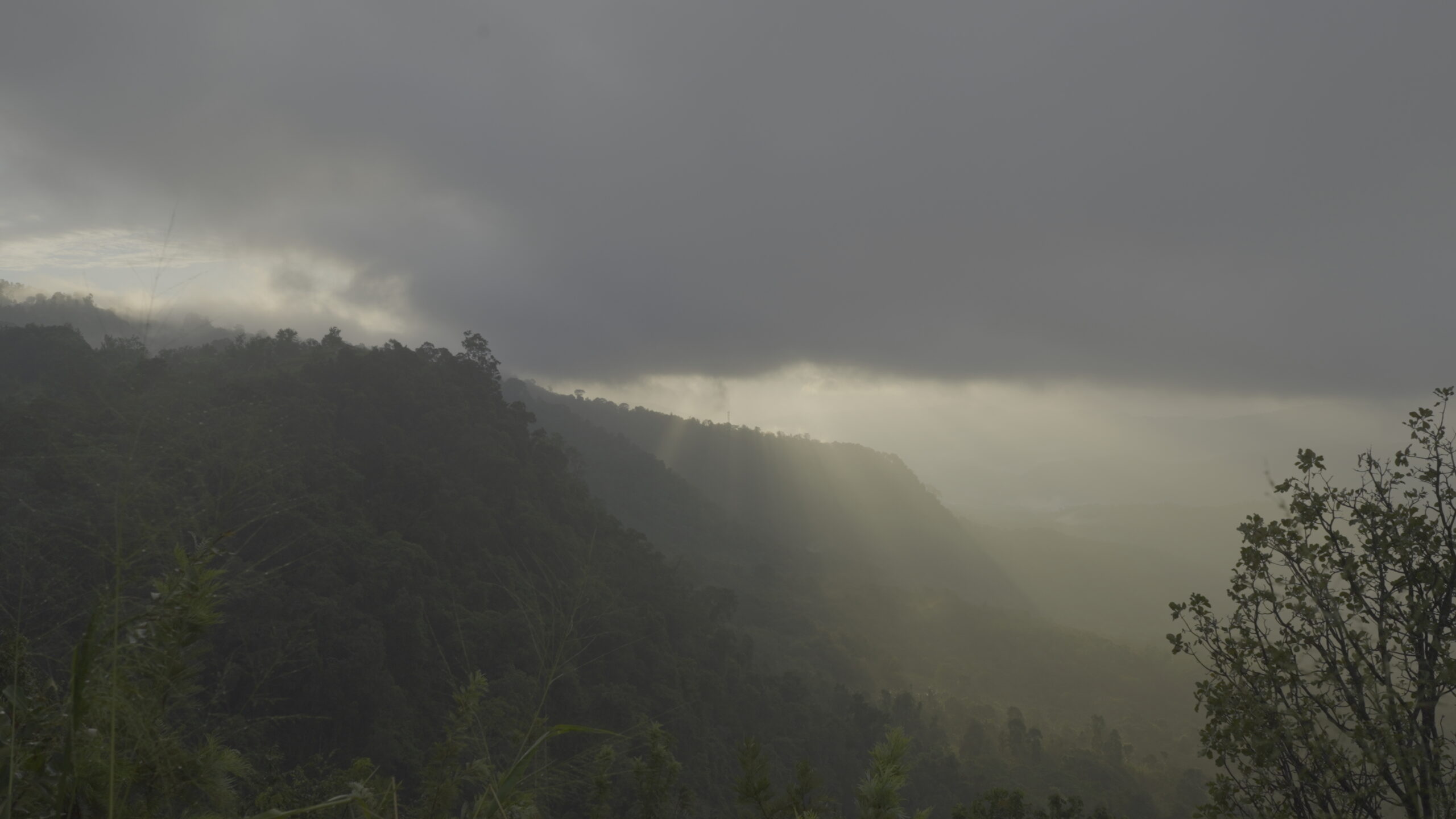
Michael Sandford, A Break in the Weather, 2026. Single channel video with sound, 00:05:45. Film still. Courtesy of the artist.

You have made site-specificity coincide with simultaneity: a work that occupies two points on the planet at the same time. Does the site remain a place, or does it become a protocol of alignment, coordinates, time zone, line of sight? 

The site is ultimately a manipulation, a layering of meaning and expectation that we largely inherit. I have the same understanding of a spot in the middle of the ocean as I do of the living room of the person who lives down the street. Either site is as abstract as the coordinates that represent it. When two spaces are bridged in a way that defies physical logic, what determines their hierarchy? Do my projections expand into this new vessel? All of this seems to relegate “the world” to a role that is passive and anonymous. I’m not that concerned about finding it.

Michael Sandford, A Break in the Weather, 2026. Single channel video with sound, 00:05:45. Film still. Courtesy of the artist.

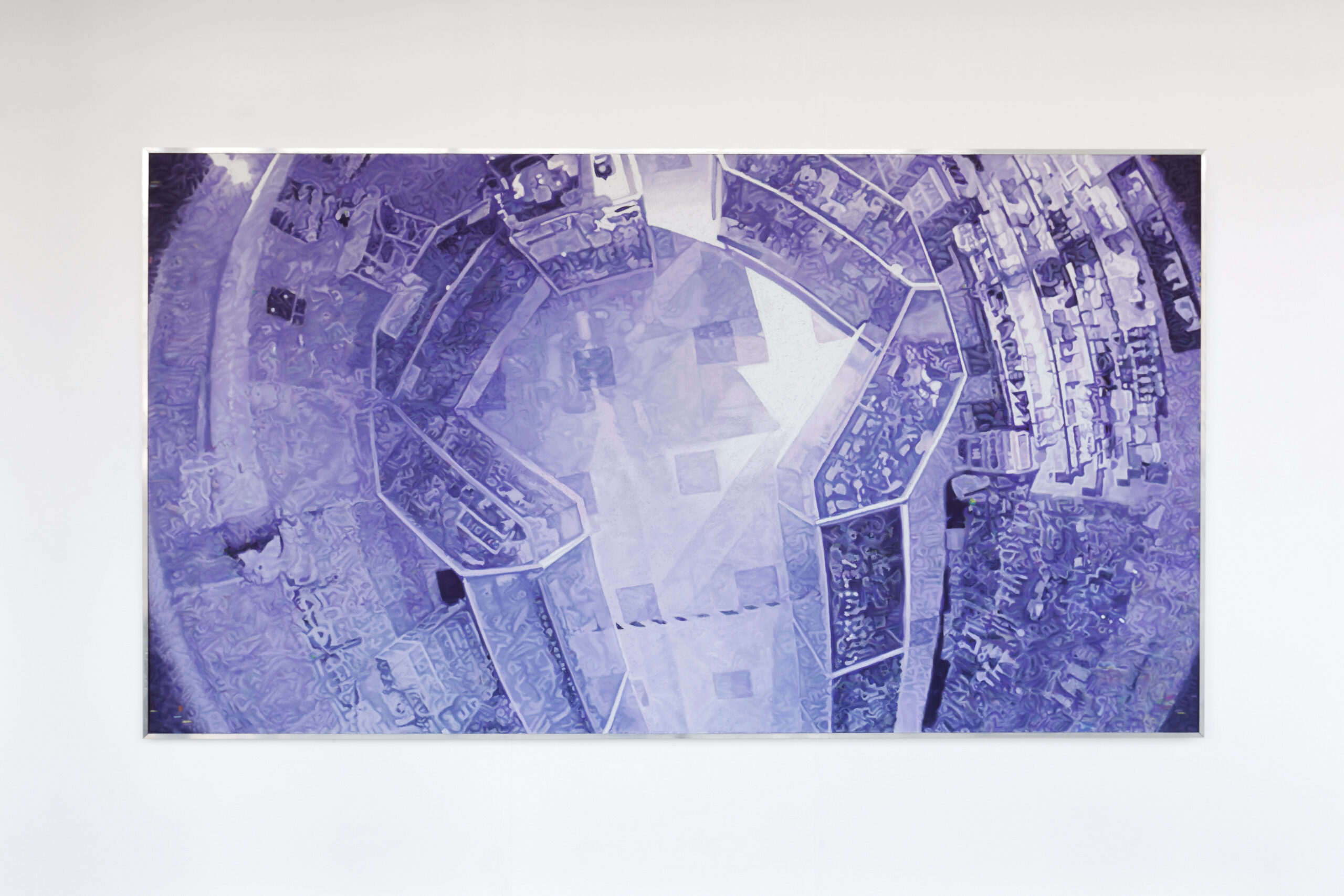
A vertical gaze keeps returning: from the gallery downward into a void, through the Earth, toward a sky that is the other side. Are you restoring a hierarchy of seeing, or inverting it?

My grandmother suffers from vertigo. I can’t imagine a more profound way to have one’s reality punctured than to be made viscerally aware that all of your bearings are arbitrary. There are many hierarchies of seeing, they overlap and often contradict each other. I am not advocating for any one in particular. My interest lies in the moment where their intersection produces a fault.

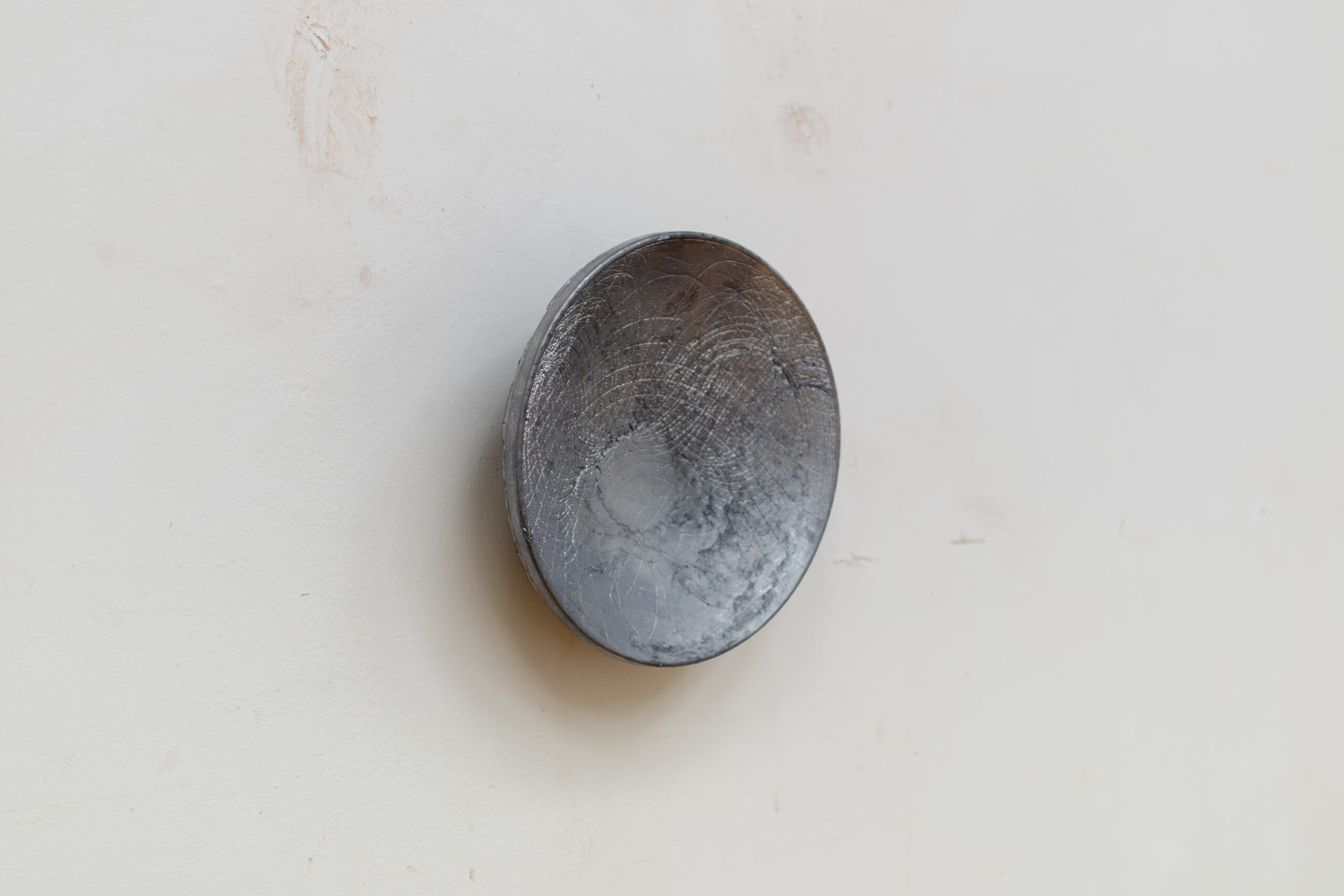
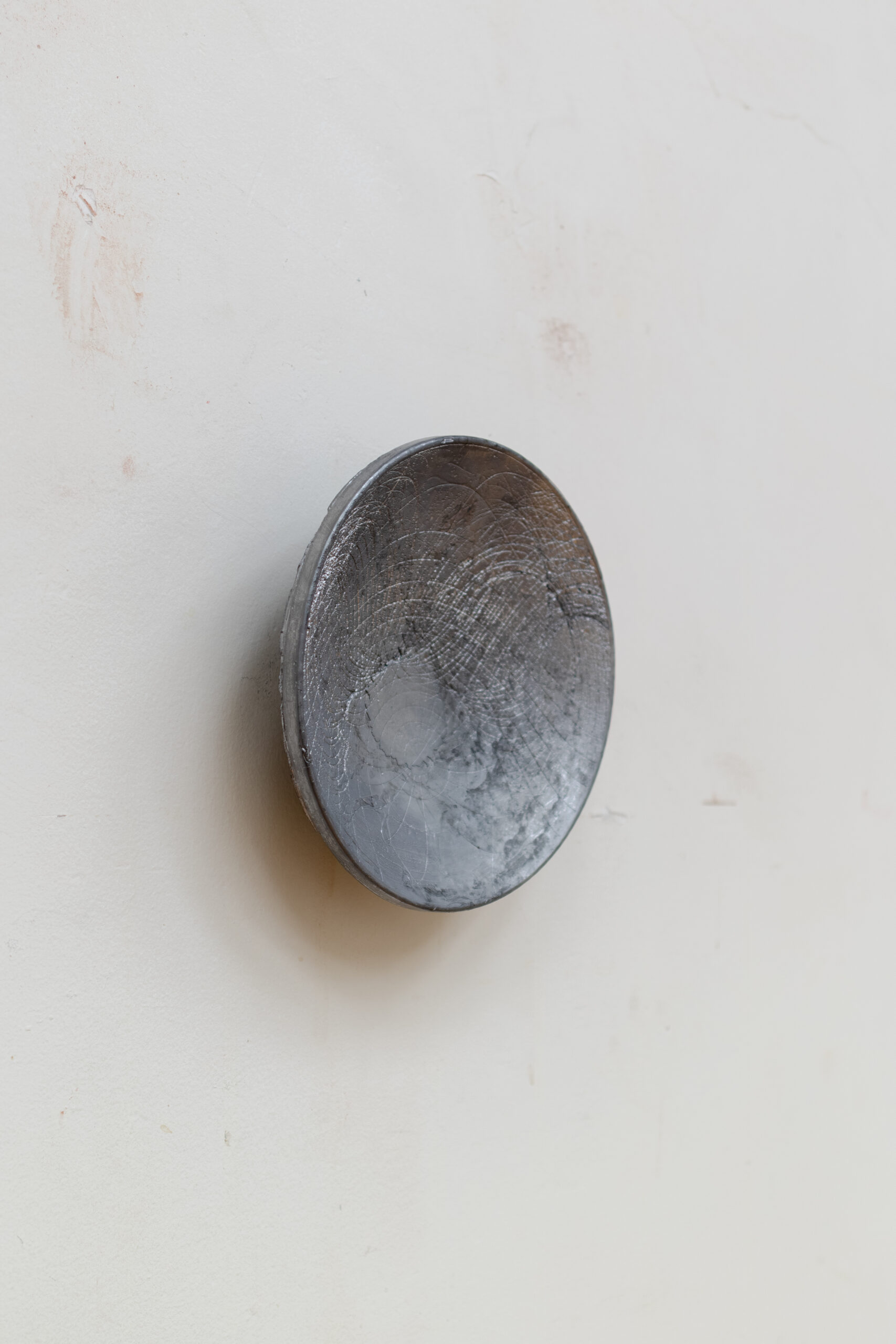
Michael Sandford, Planisphere I, 2026. Lead. 20 x 20 x 4.5 cm. For a World Without Sound, Hayden's Gallery, Melbourne.

Writing around your work often reaches for the sublime, sometimes via Kant, as a negative experience of limits. Is that lexicon yours, or is another word closer: disorientation, noise, a romance of the everyday?

I feel that this comes back to failure. I think in art there is always an attempt and in it some hope of overcoming, to reach  a point where something abstract becomes concrete. It means nothing to overcome if the outcome is never in question. In my mind this evasion is not bound to the material or even the natural world. What would it mean to actually be in two places at once? Not just to perceive them but to release our grasp on a cohesive singular, linear understanding of reality. From a western-colonial perspective at least, I think to leave one’s self is the ultimate act of overcoming. To some I imagine the failure to do so must seem absurd.

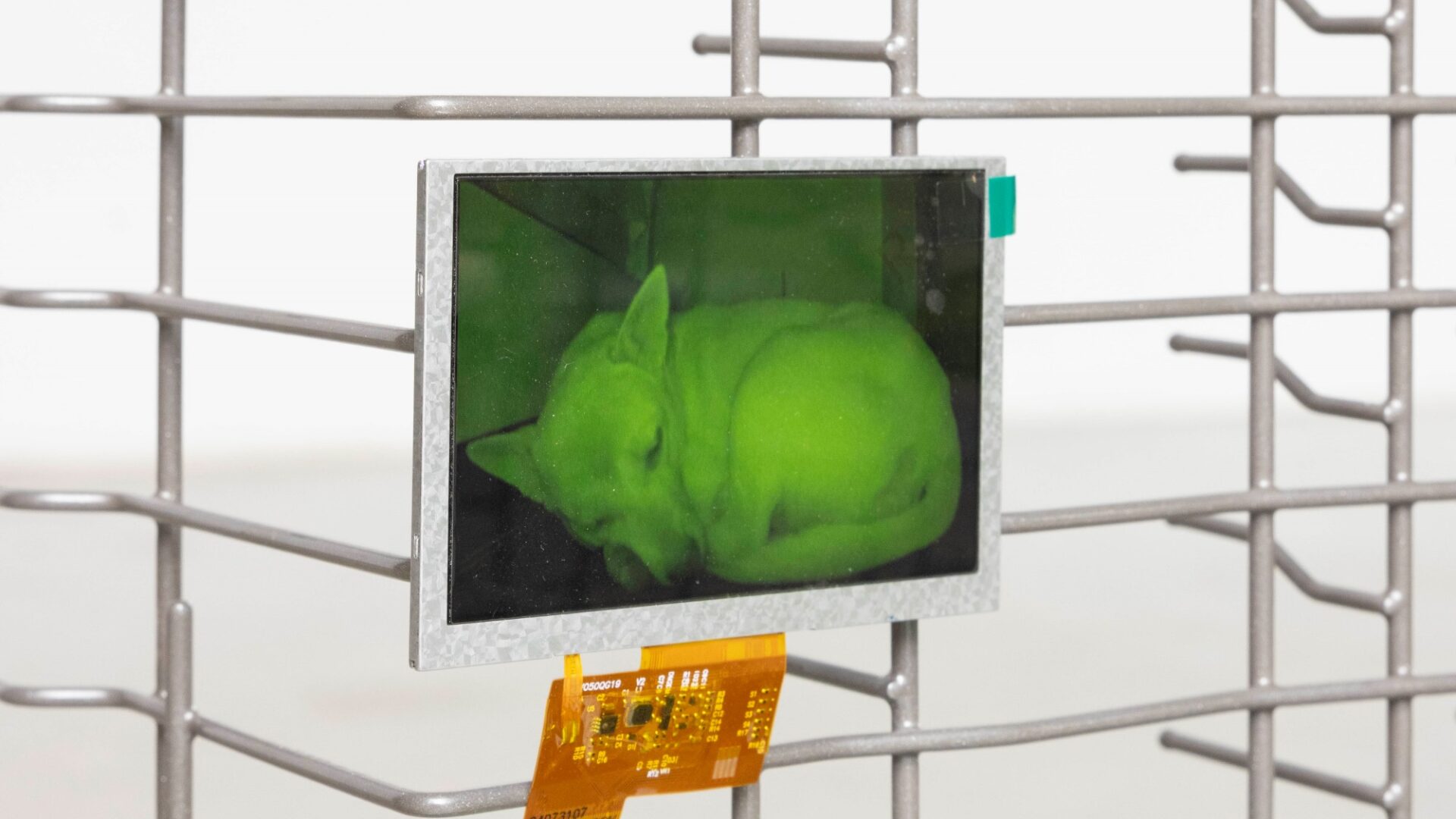
Michael Sandford, Toronto, 2025. Unfixed chalk, dry pastel, blackboard, hacked surveillance camera. 200 x 110 cm. Flexitron, London. Photo: Vanessa Walters

The sky is still imagined as a commons, and is already infrastructure: satellites, light-trails, the blinding of telescopes. Are you describing a new scopic regime, or the end of an outside that has not already been captured?

The sky has been and always will be a commons; it has held the projections and neuroses and concerns of every civilisation before ours. It is a collective hallucination. What I am interested in is not just how we use it as a means to an end, but how our physical presence in this space reflects back to us, disturbs our material world in ways that we don’t immediately understand.


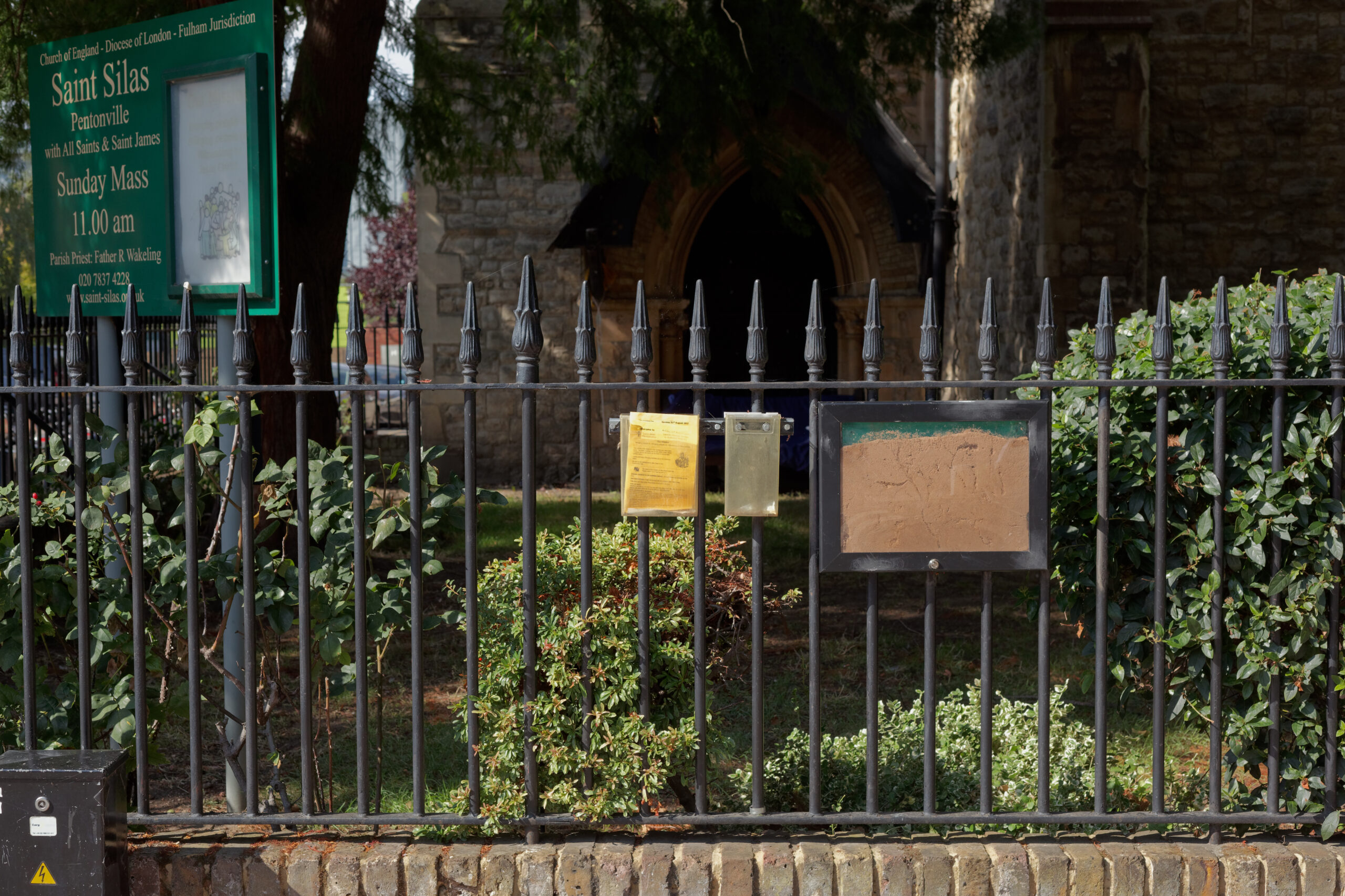
Michael Sandford, Ant Farm, 2025. Church notice board, garden ants, sand, loam. 37 x 49 x 3 cm. Saint Silas Church, London. Photo: Vanessa Walters

Unfixed chalk, signals that drop, devices that overheat: the work often lasts only as long as its source. Is that impermanence an ethic, or an ontology the work is the signal, for as long as the signal holds?

The systems that we have created to regulate our world, at least for the moment, understand it only in terms of presence and absence. Eternal presence is no more life than eternal absence. Life exists in change, and in vulnerability to death.

Your titles address someone, intimately, across apparatuses that are planetary and anonymous. If the network has no addressee, who is the work speaking to, a viewer, an absent other, or the narrow gap in which an impersonal system still produces a “you”?

I think that’s not for me to say. I remember a friend telling me that they’d never seen a person depicted in my work. I’d never noticed it until that point. Perhaps the lack of specificity leaves room for intimacy, I’m not sure. It’s a fragile peace that I don’t want to disturb.