
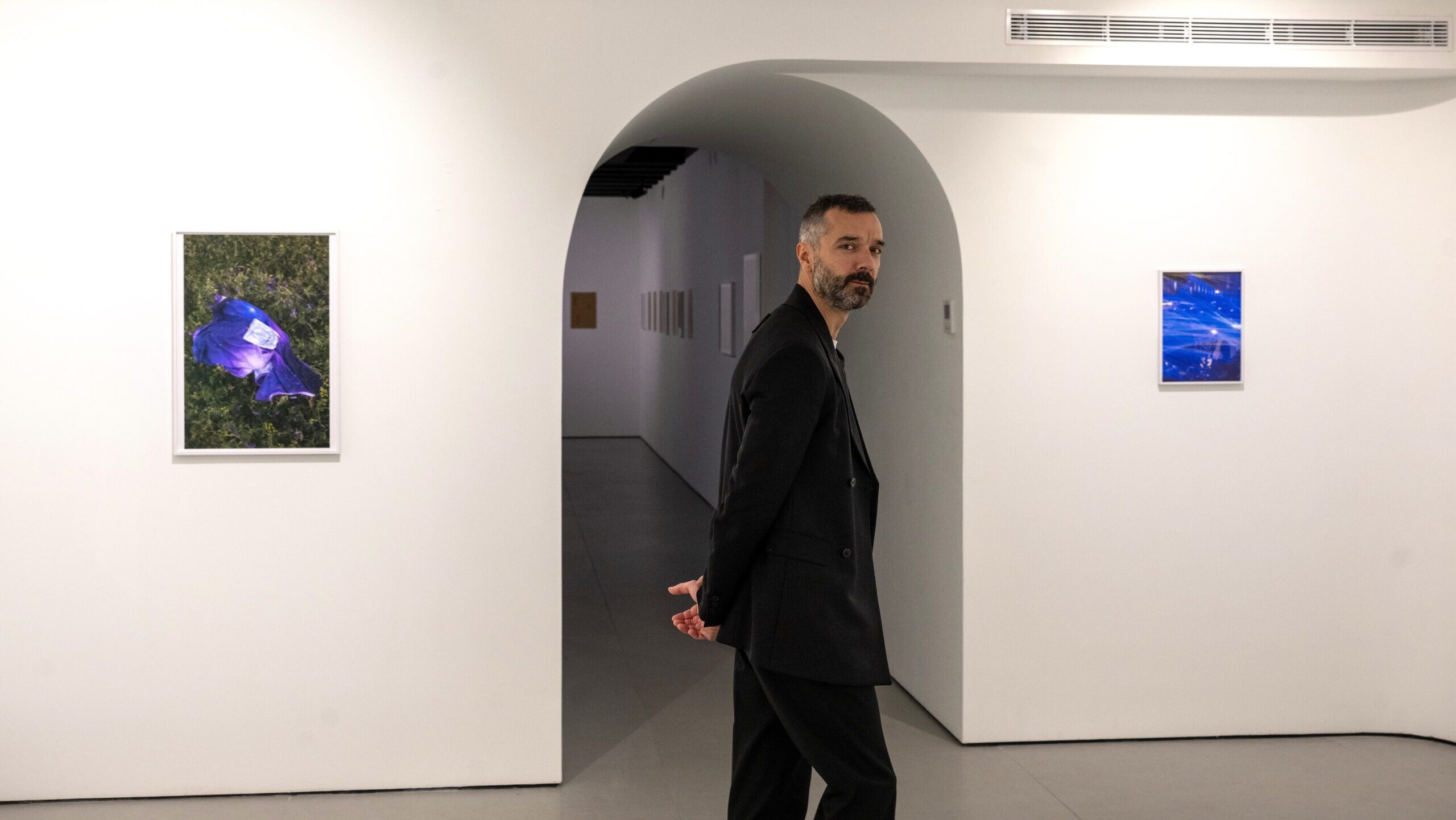
Shem Jacobs is a curator, advisor, and the founder of Enth Projects, a new hybrid platform exploring alternative ways of presenting, circulating, and collecting contemporary art. Having worked across London, Shanghai, and New York in institutional partnerships, brand collaborations, independent curating, and advisory, Jacobs brings an international and cross-disciplinary perspective to the project. Through nomadic exhibitions, curated online releases, editorial content, and artist collaborations, Enth Projects seeks to create more fluid and thoughtful contexts for encountering contemporary art.
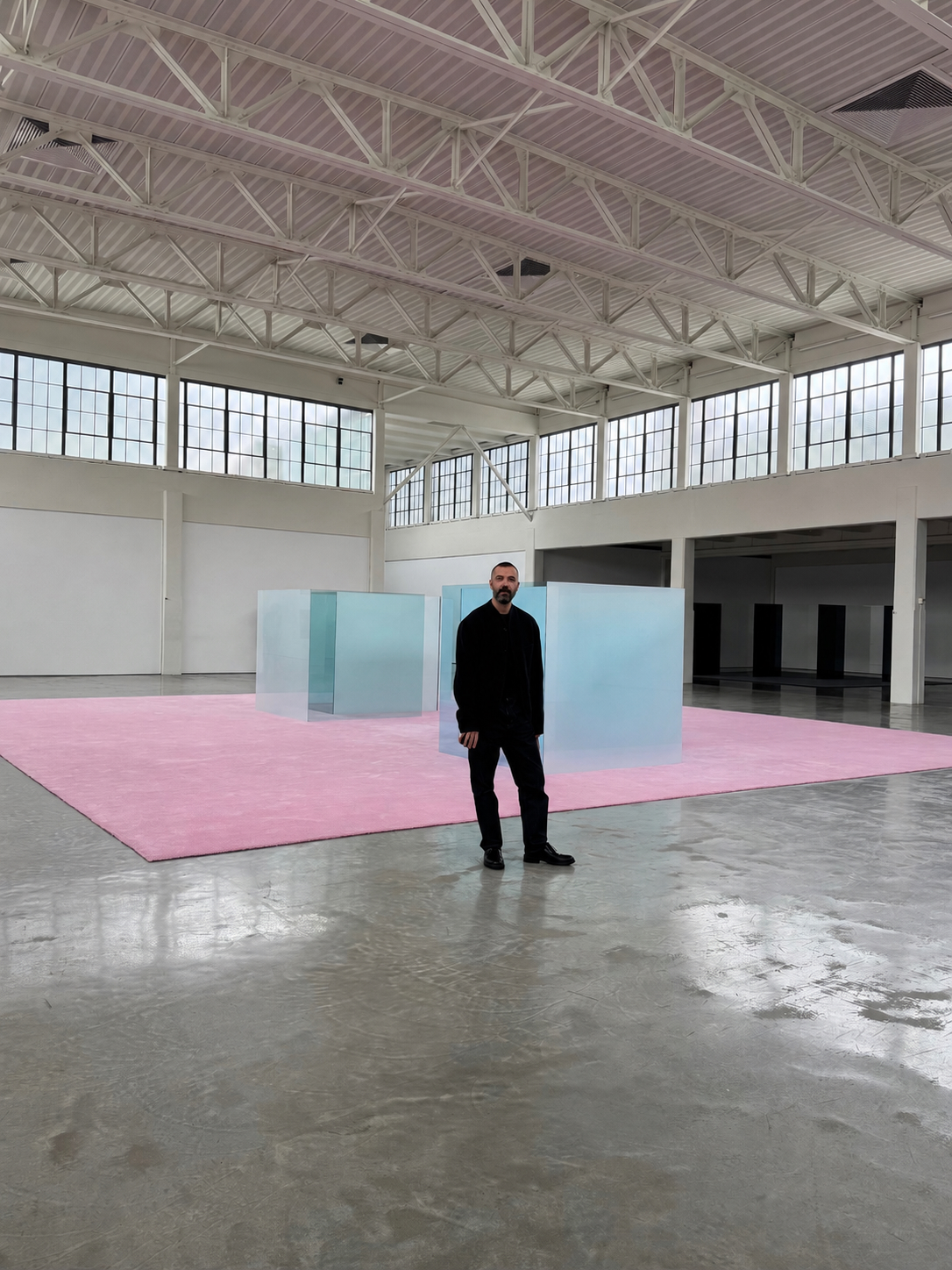
Your work has taken you across London, Shanghai, and New York, with roles spanning institutional partnerships, brand collaborations, and independent curating. How have these different contexts shaped the way you now think about the limitations of traditional gallery structures?
Each city also taught me something different about how people experience contemporary art. Whether I was collaborating with institutions, advising luxury brands, organising exhibitions, or working directly with artists and collectors, each context offered something valuable, but each also revealed certain constraints.
Traditional galleries remain essential to the cultural ecosystem. They play a vital role in supporting artists, developing careers, and creating spaces for sustained engagement. But they’re not always equipped to accommodate every type of project, every artist, or every audience. Geography, economics, programming cycles, and even the physical limitations of exhibition spaces inevitably shape what becomes possible.
Moving between London, Shanghai, and now New York also made me increasingly aware that artists and collectors think internationally, while many of the structures around them remain relatively local. Contemporary practice is already global; the ways we present and circulate it can become more fluid as well.
Enth Projects grew from that observation. Rather than replacing existing structures, I’m interested in expanding them—creating a framework where exhibitions, editorial publishing, online releases, collaborations, and advisory work can coexist, with each project finding the format that best serves both the work and the audience.
Enth Projects launches recently as a deliberately hybrid initiative. What was the personal or professional catalyst that made you feel this was the right moment to start it?
Looking back, I don’t think there was a single catalyst as much as a gradual accumulation of experiences. Over the past fifteen years I’ve worked with institutions, commercial galleries, luxury brands, independent projects and advisory, often moving between sectors that don’t naturally speak to one another. Rather than seeing those experiences as separate chapters, I began to realise they were all pointing towards the same question: could there be a more fluid way of working that reflects how contemporary art already exists in the world?
Artists today move between exhibitions, publications, digital platforms, public commissions, collaborations and conversations with remarkable ease. Collectors engage with art through travel, social media, editorial platforms and increasingly online discovery. Yet many of the structures that support contemporary art still operate within relatively fixed categories.
Enth Projects emerged from a desire to create something that wasn’t defined by a single format. It’s neither a gallery in the traditional sense, nor simply an online platform or advisory practice. Instead, I see it as a curatorial framework that can take different forms depending on the project—whether that’s a nomadic exhibition, an editorial commission, an online release, or a collaboration with an artist or brand.
What interested me wasn’t creating another category, but removing the need to choose just one. The different strands of Enth Projects aren’t separate businesses operating alongside one another; they’re interconnected ways of presenting artists and building meaningful relationships between artworks, audiences and collectors.
The project was never conceived as an e-commerce business that later added exhibitions or editorial. It began with a curatorial ambition. The commercial elements exist to support that programme, allowing artists’ work to circulate more directly and transparently while remaining rooted in thoughtful presentation.
The project is built around the question of new models for presenting, circulating, and collecting contemporary art beyond the gallery system. Which specific models or experiments are you most excited to test in the early stages?
I don’t think the ambition is to propose a single new model as much as to create the conditions for different models to emerge. Enth Projects is intentionally conceived as something that can evolve over time. The first programme is only the beginning; what interests me is remaining responsive to artists and allowing each project to determine its own form rather than forcing everything into the same framework.
When people think about online art platforms, the conversation often focuses on technology or transactions. I’m more interested in presentation. The digital environment isn’t simply a place to acquire a work; it’s another curatorial space. The way works are selected, sequenced, and contextualised matters just as much online as it does in a physical exhibition.
Every release is conceived as a carefully edited presentation, where artworks sit alongside editorial content, conversations, moving image, or other forms of interpretation when they genuinely enrich the experience. Collecting shouldn’t begin with a product page; ideally it begins with curiosity.
One idea I’m particularly interested in exploring is how digital platforms can prioritise context over inventory. Rather than presenting as many works as possible, I’d rather present fewer works with greater care—creating space for deeper engagement with an artist’s practice and allowing each project to unfold in its own way.
Looking ahead, I’m interested in exploring projects that move fluidly between physical and digital formats—where an exhibition might continue through publishing, where an online release grows into a site-specific installation, or where collaborations unfold over longer periods rather than existing as isolated events. The model itself isn’t the destination; it’s simply a framework that allows each project to find the form it needs.
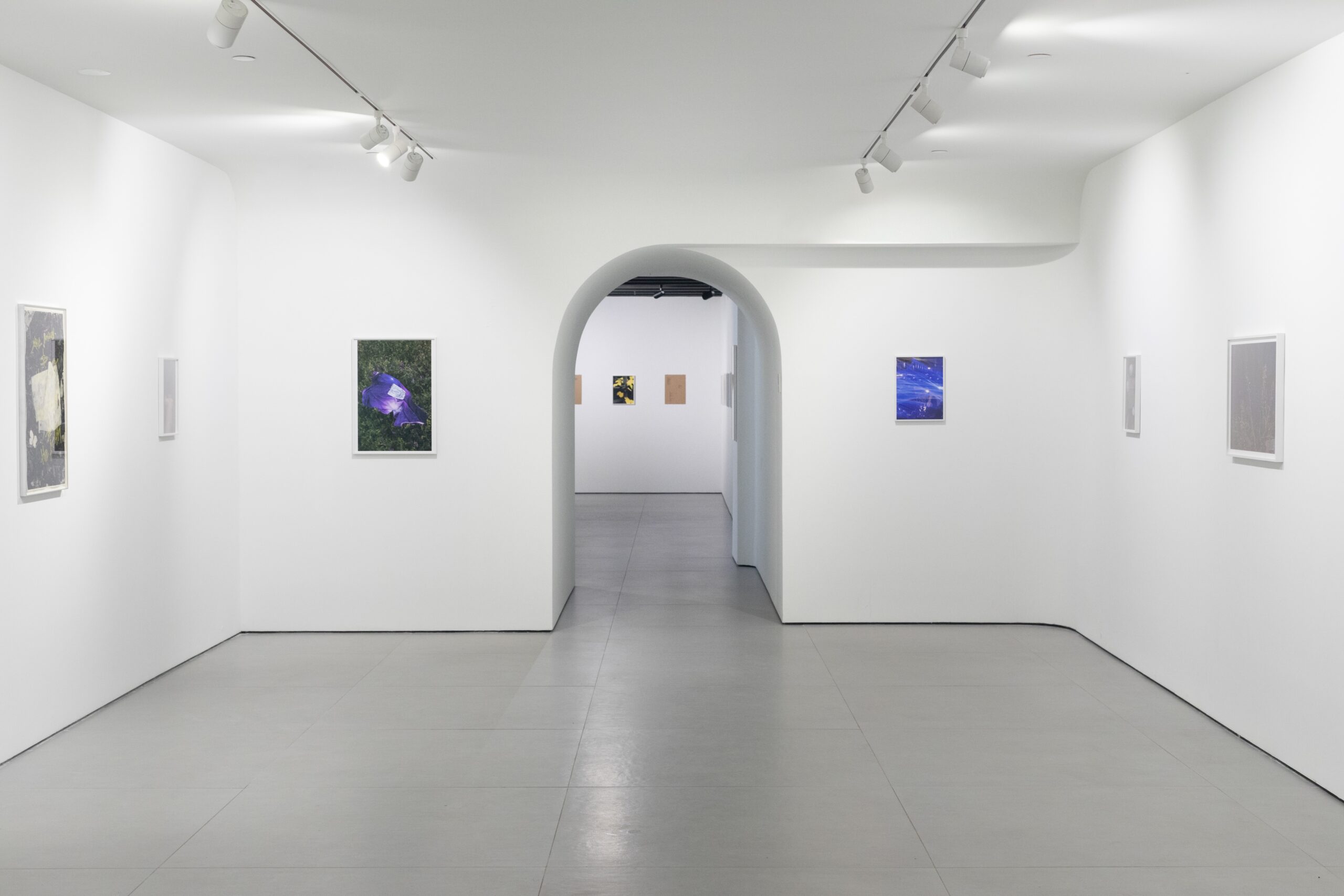
Nomadic exhibitions are a core part of Enth Projects. What do you see as the real advantages of this more fluid, site-responsive approach, especially when working across different cities and audiences?
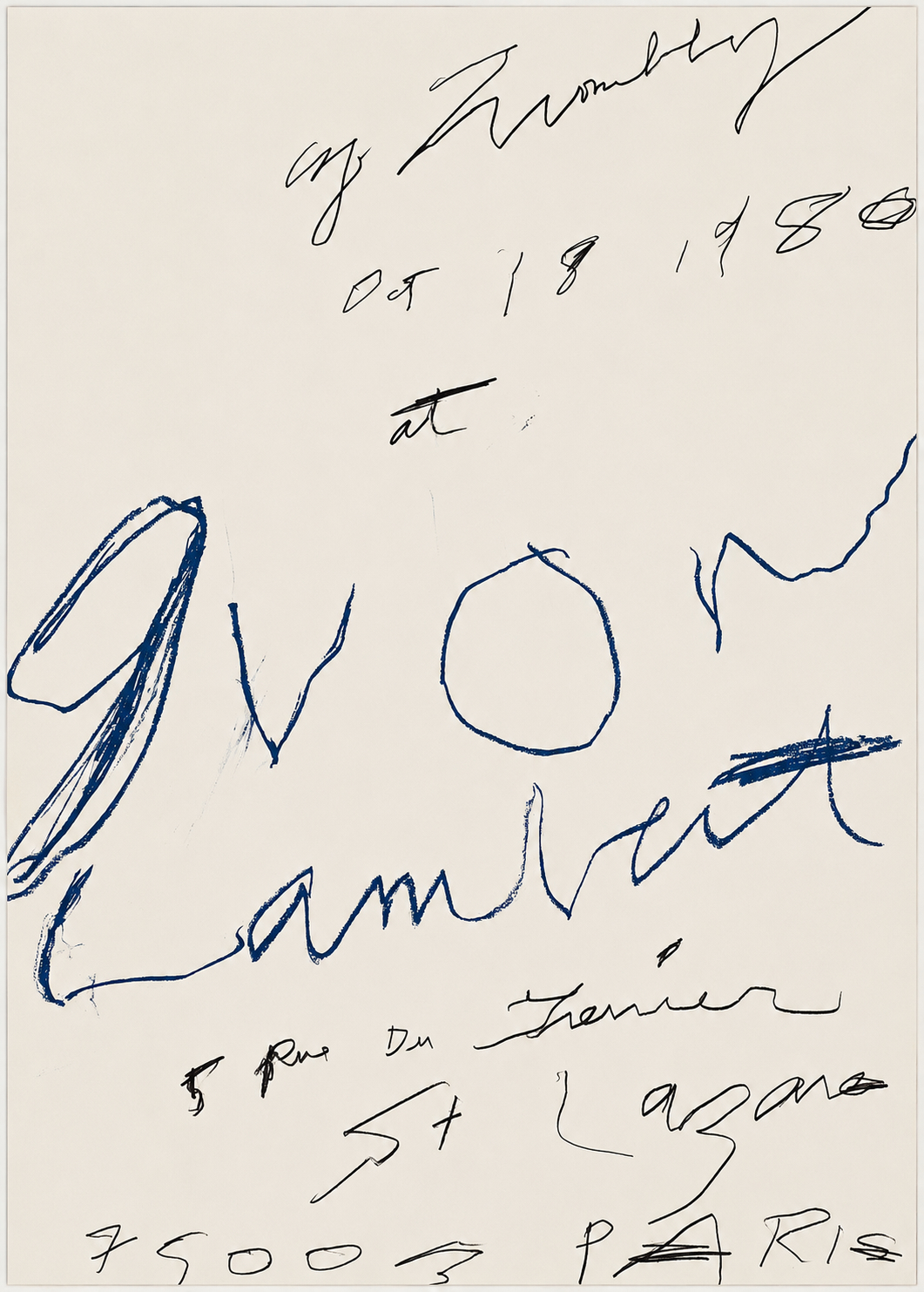
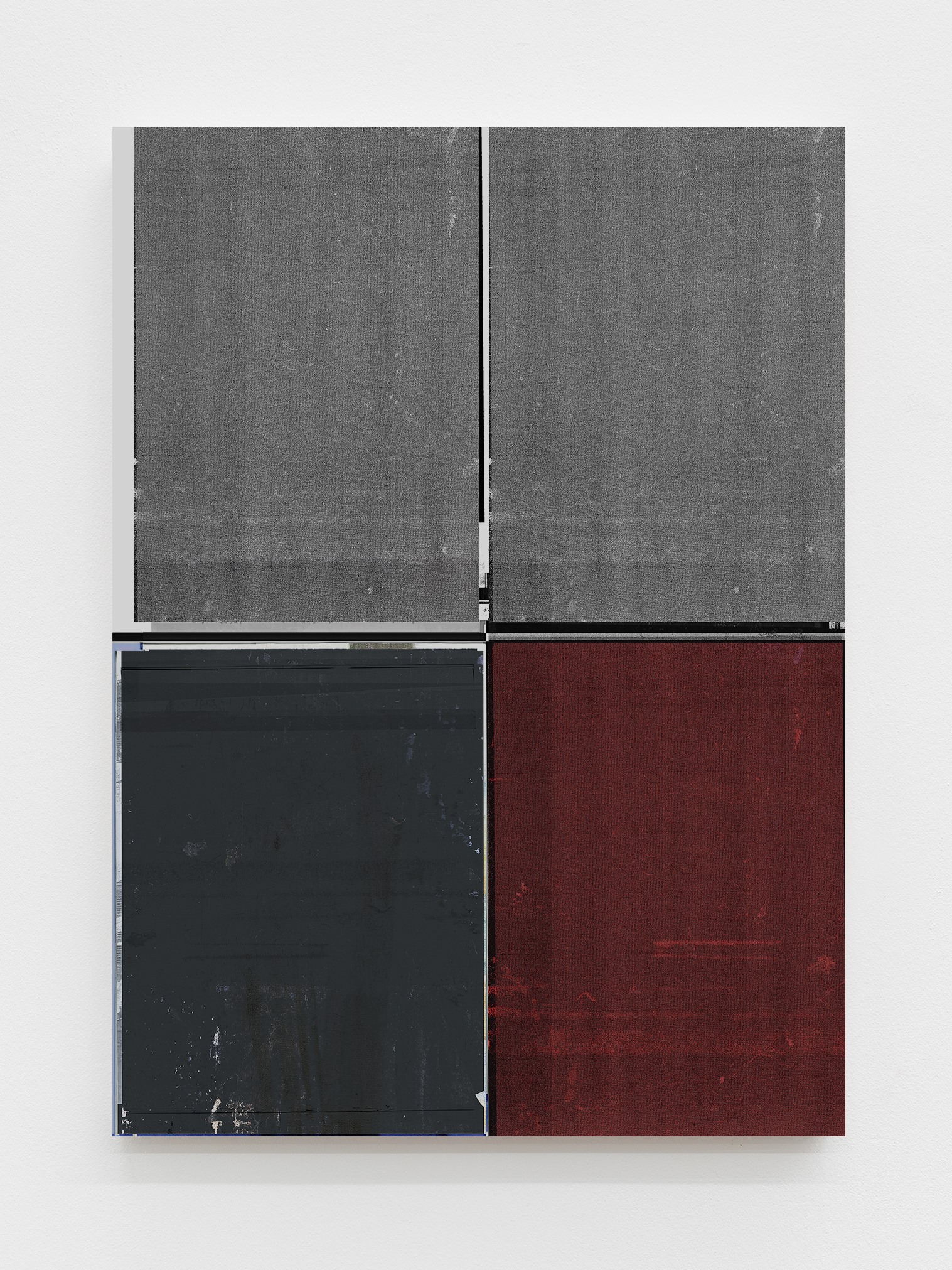
The digital space offers an opportunity to slow the experience down rather than speed it up. Instead of asking people to browse endlessly, I’d like each release to invite a more considered encounter with an artist’s work.
That means creating thoughtful points of entry into a practice—whether through editorial, conversation, film, or simply the way works are brought together. Every element should help build a richer understanding of the artist rather than compete for attention.
Collecting is built on trust as much as curiosity. Trust in the artist, trust in the context surrounding the work, and trust that the relationship being created is a genuine one rather than simply a transaction. My hope is that by bringing those layers together, the digital experience becomes not just a place to acquire a work, but a place to spend time with it before making that decision.
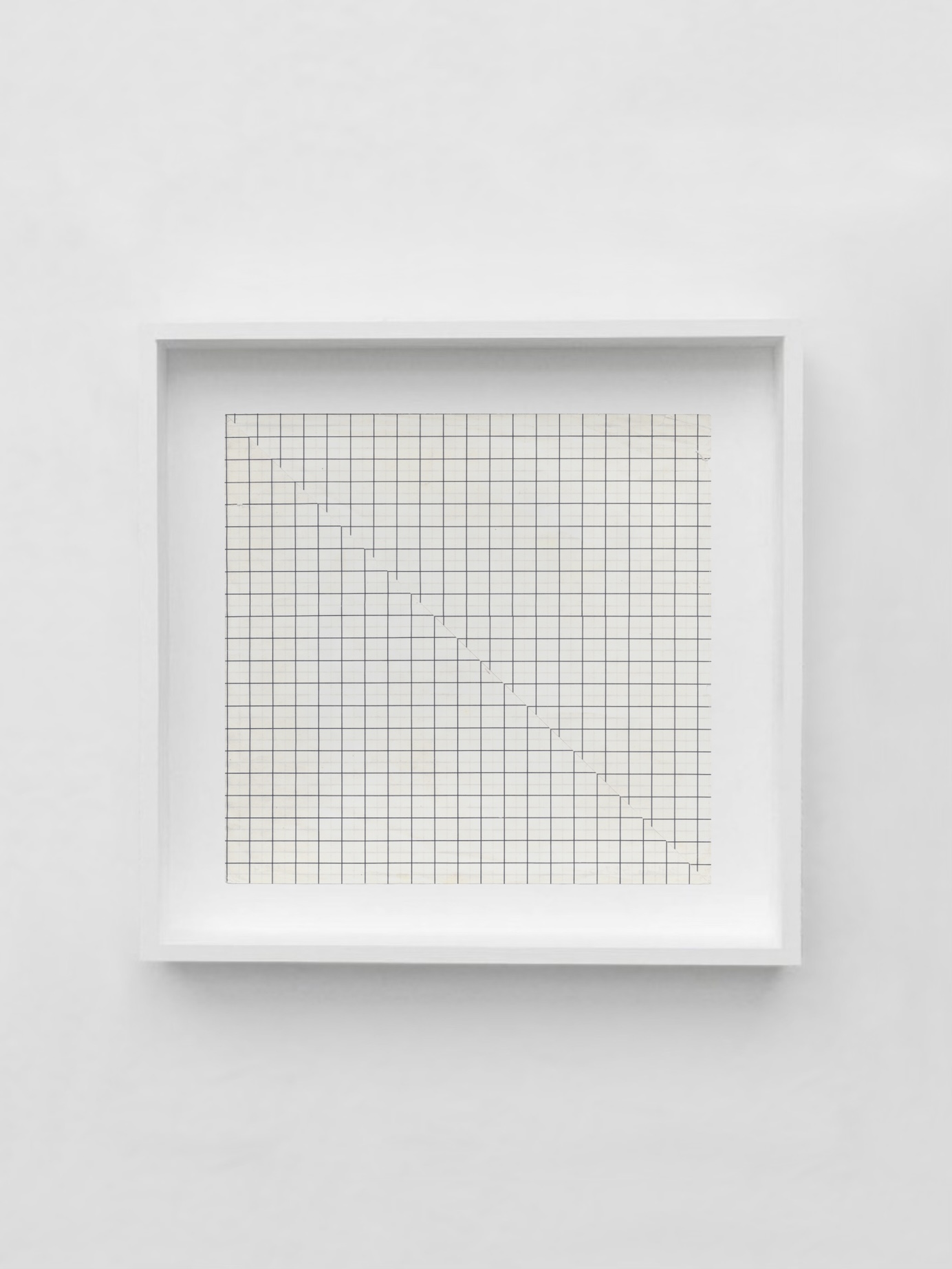
Editorial content is listed alongside exhibitions and releases. What role do you envision writing and publishing playing within Enth Projects, and how might it deepen or extend the life of the other elements?
Editorial isn’t something that sits alongside the programme—it’s an integral part of the curatorial process. Some artists naturally invite conversations that continue beyond an exhibition or an online release, and writing becomes another way of entering that conversation.
I’m interested in editorial as a way of opening up a dialogue rather than explaining an artwork. It can offer another perspective, introduce new context, or simply encourage people to spend more time looking and reflecting.
Not every project requires the same approach. Sometimes it’s an essay, sometimes a conversation, a film, or archival material. The format should always emerge from the work itself. If it encourages someone to slow down, look again, or discover an artist from a different perspective, then it has achieved its purpose.
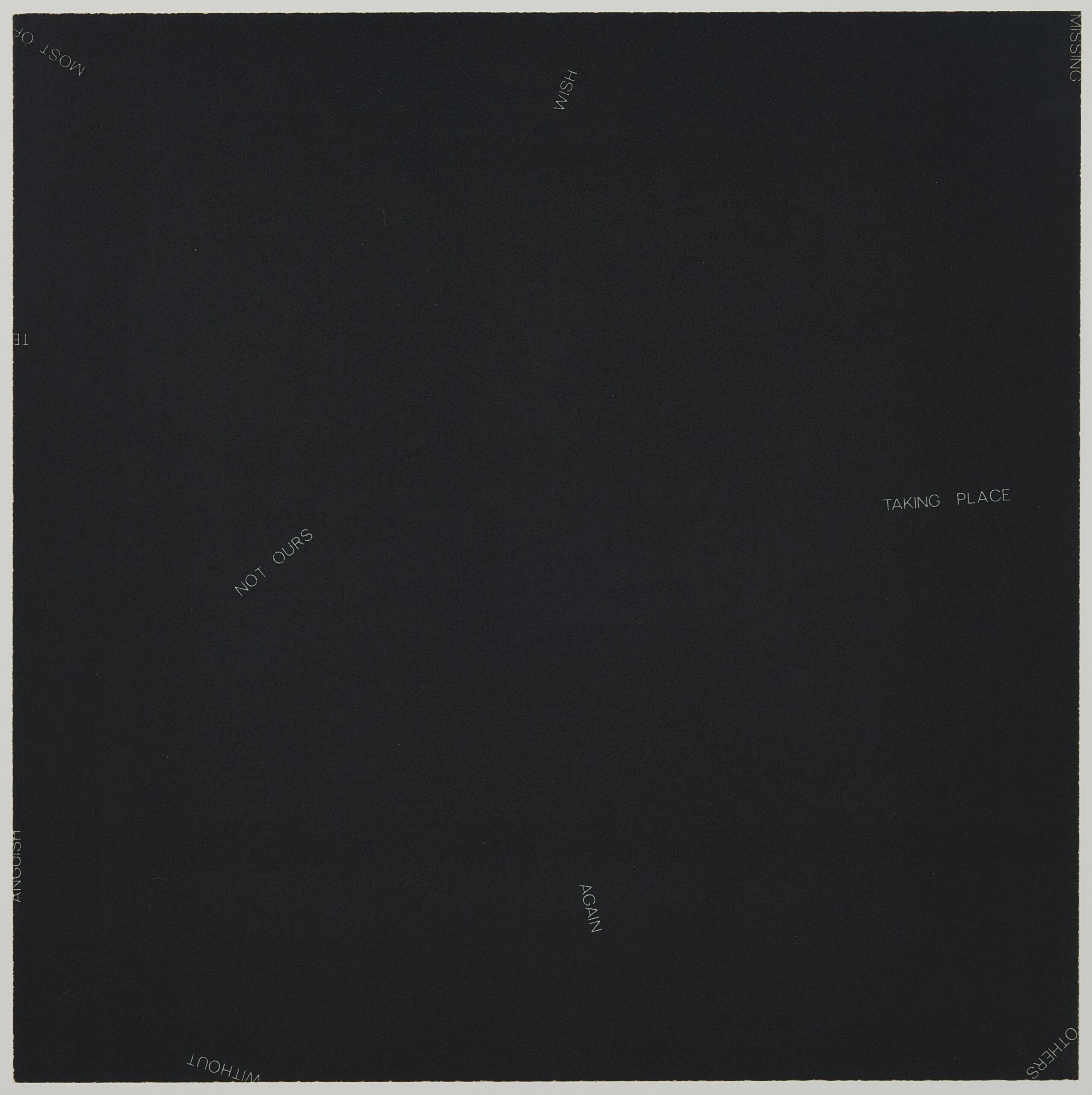
You have already worked with artists such as Paul Hutchinson on both exhibitions and releases. How do you go about building these collaborations, and what kind of long-term support or platform are you hoping to offer the artists you work with?
When I moved from Shanghai to New York, I became increasingly aware of how a city shapes your internal landscape. It wasn’t simply about learning a new place; it was about noticing how your own rhythms, perceptions, and ways of seeing begin to change in response to the environment around you. I found myself thinking about questions of identity, belonging, and the psychological relationship between people and cities.
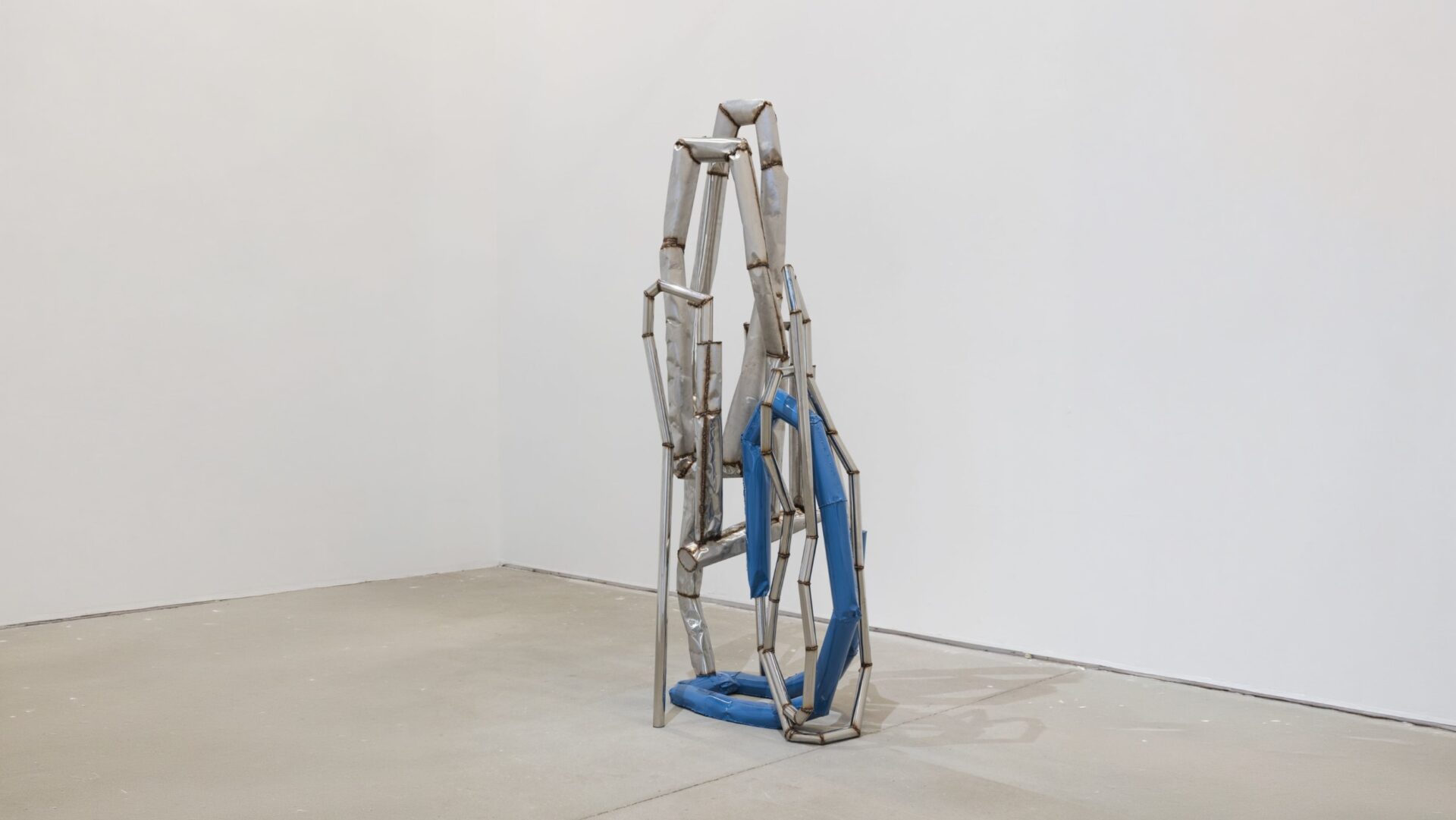
Around that time I kept returning to Paul Hutchinson’s practice. His work had been on my radar for some time, but suddenly it began to resonate in a completely different way. Rather than starting with the artist and asking what kind of exhibition we could make, the exhibition emerged from a dialogue between a personal experience and an artistic practice that seemed to articulate something I was trying to understand.
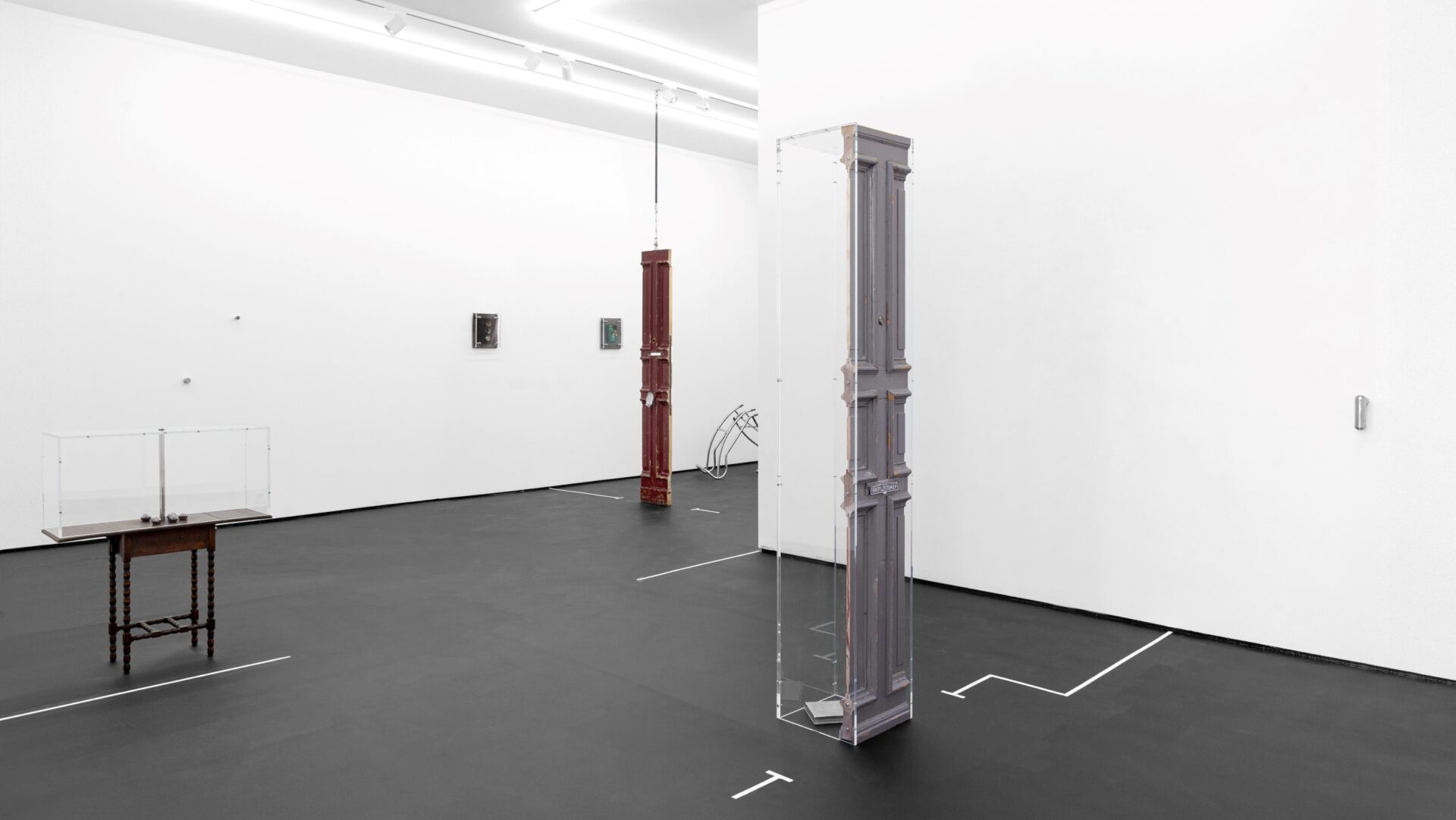
City Within became Paul’s first solo exhibition in the United States, but for me it was equally about opening a conversation—introducing his practice to new audiences and creating new institutional relationships. Experiences like that have shaped the way I approach collaborations. They rarely begin with a strategy or a programme; they begin with a genuine sense of curiosity and a desire to understand something more deeply through an artist’s work.
In many ways, that idea sits at the heart of Enth Projects. The name derives from the Greek entheos—to be inspired from within. The collaborations that naturally emerge are usually with artists whose work has stayed with me in some way—work that continues to resonate, prompts reflection, or quietly changes the way I see something. My role isn’t to tell people what they should think about an artist’s work, but to create thoughtful contexts in which they can encounter it for themselves and form their own relationship with it.
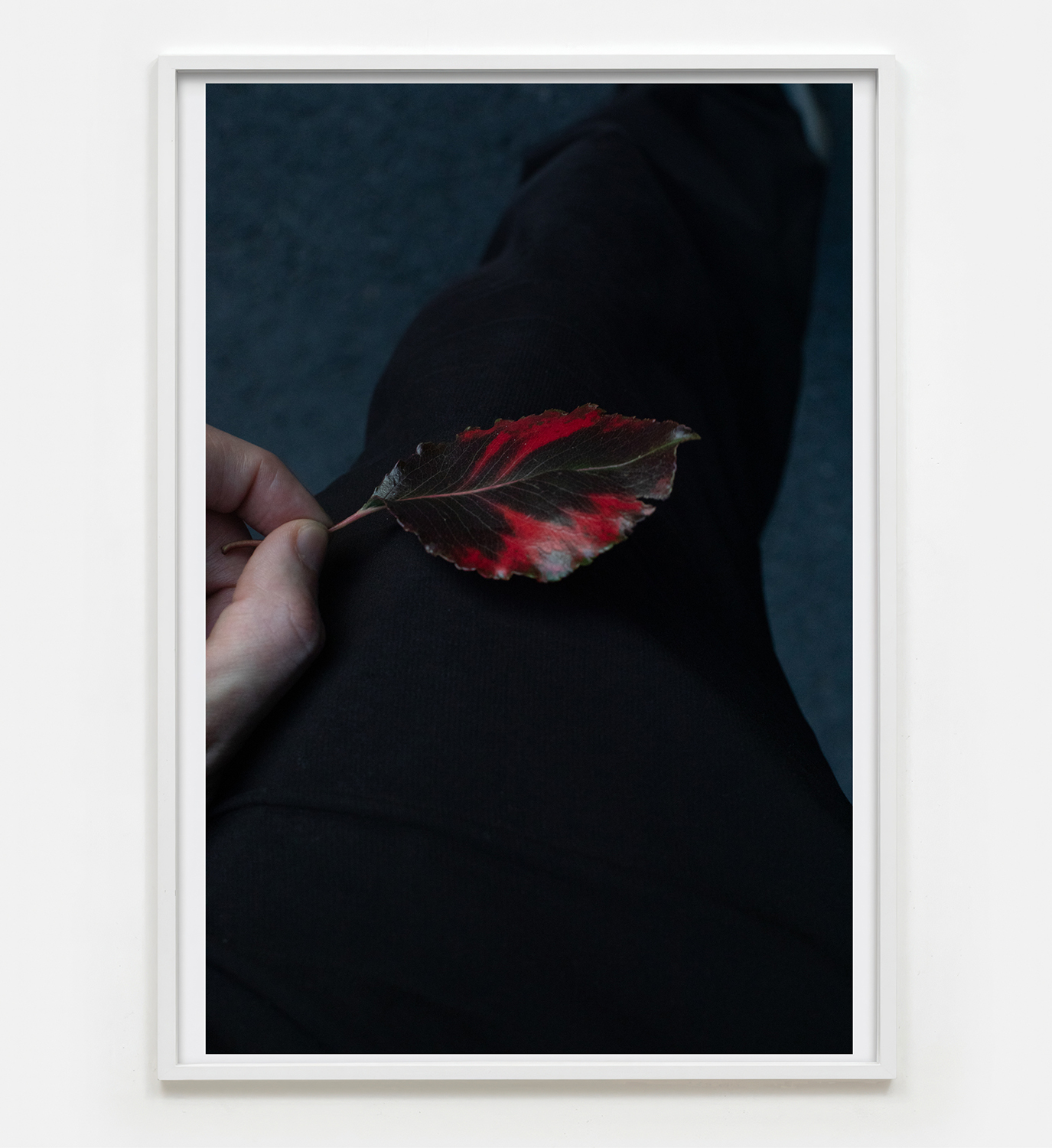
More than anything, I hope the conversation shifts away from seeing physical and digital experiences as opposing models. They’re simply different ways of engaging with art, and each offers its own possibilities. The question isn’t which one replaces the other, but how they can meaningfully coexist.
I’d also love to see more space given to the cultural, emotional, and intellectual dimensions of collecting alongside its commercial realities. The most rewarding collections are often built through curiosity, time, and sustained engagement with artists. Even a gradual shift towards those conversations feels like a positive direction for the wider art ecosystem.
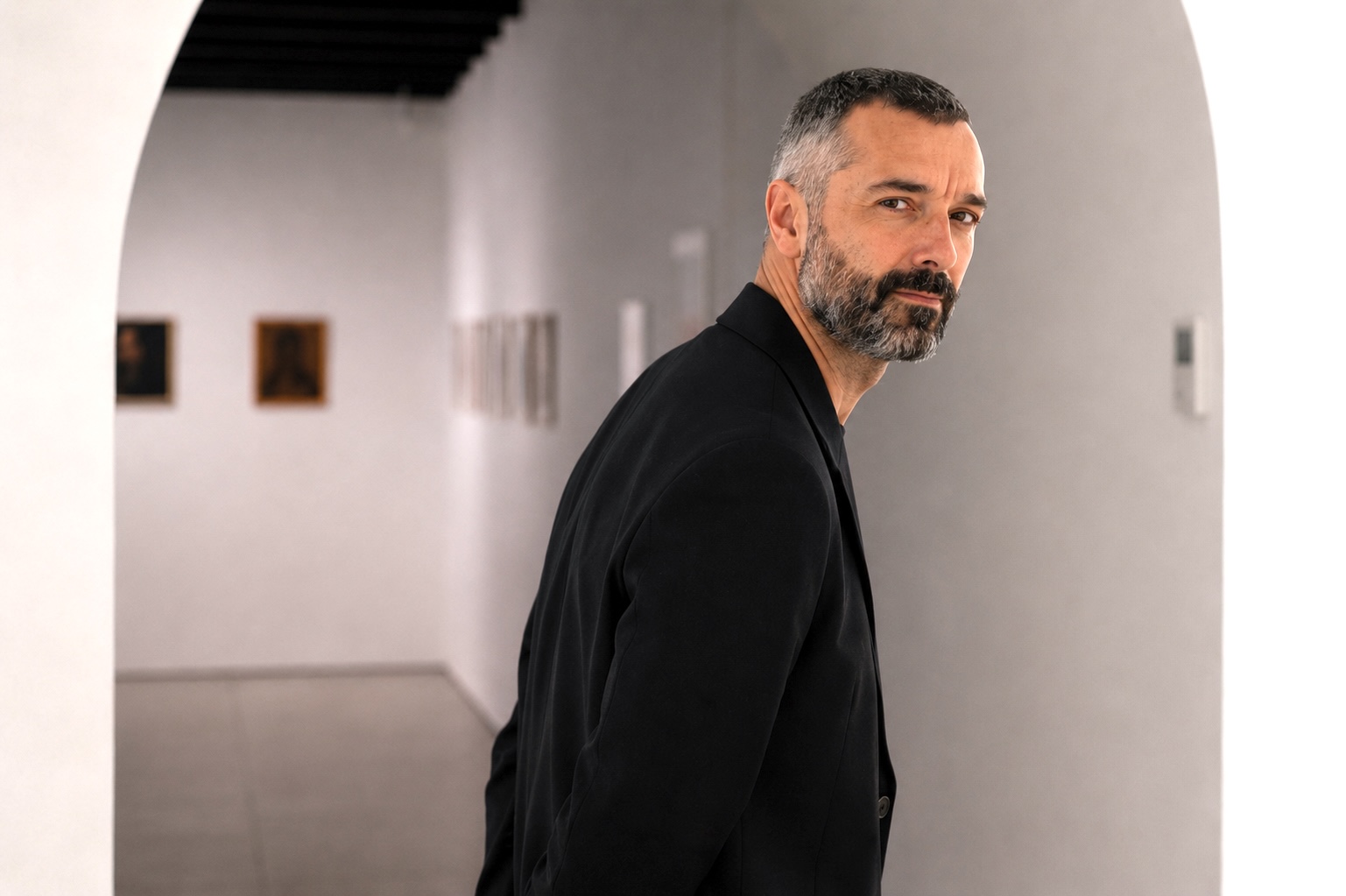
Beyond the structural ambitions, what personally excites you most about this new chapter, or what underlying question about the future of contemporary art are you most keen to keep exploring through Enth Projects?
What excites me most is the possibility of continuing to be surprised. Every meaningful experience I’ve had with art has begun with a willingness to have my perspective challenged in some way. Those experiences rarely provide immediate answers; instead, they stay with me, gradually opening up new ways of seeing and thinking.
More than anything, I hope Enth Projects remains a place that encourages that same sense of curiosity and reflection—for myself as much as for everyone else. If the project can inspire people to spend more time looking, asking questions, and discovering artists who stay with them long after the first experience, then I feel it will have achieved something worthwhile.