Fakewhale Newsletter
By pressing the "Subscribe" button, you confirm that you have read and are agreeing to our Privacy Policy and Terms of Use

Fakewhale in Dialogue with Tristan Rösler

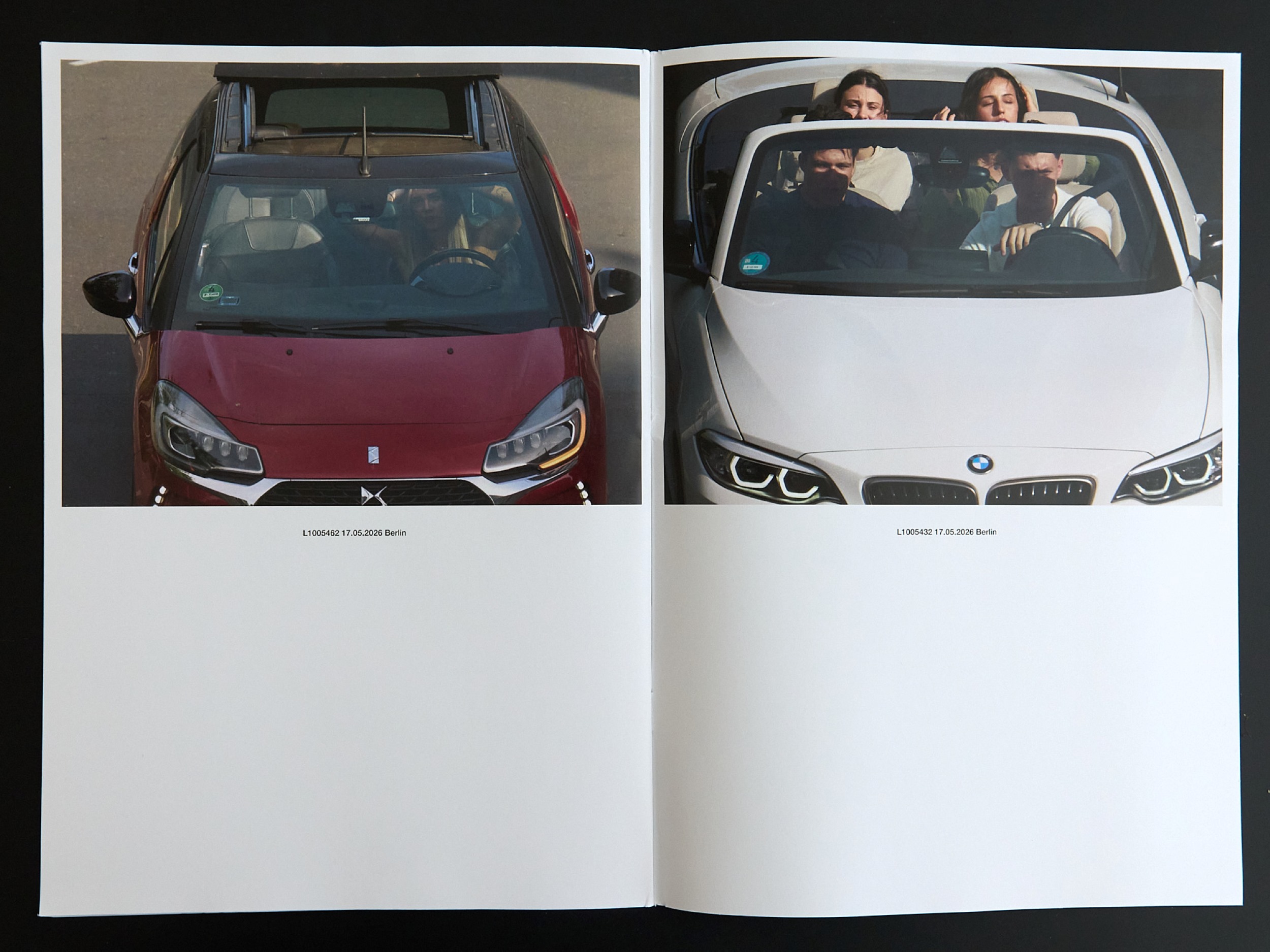
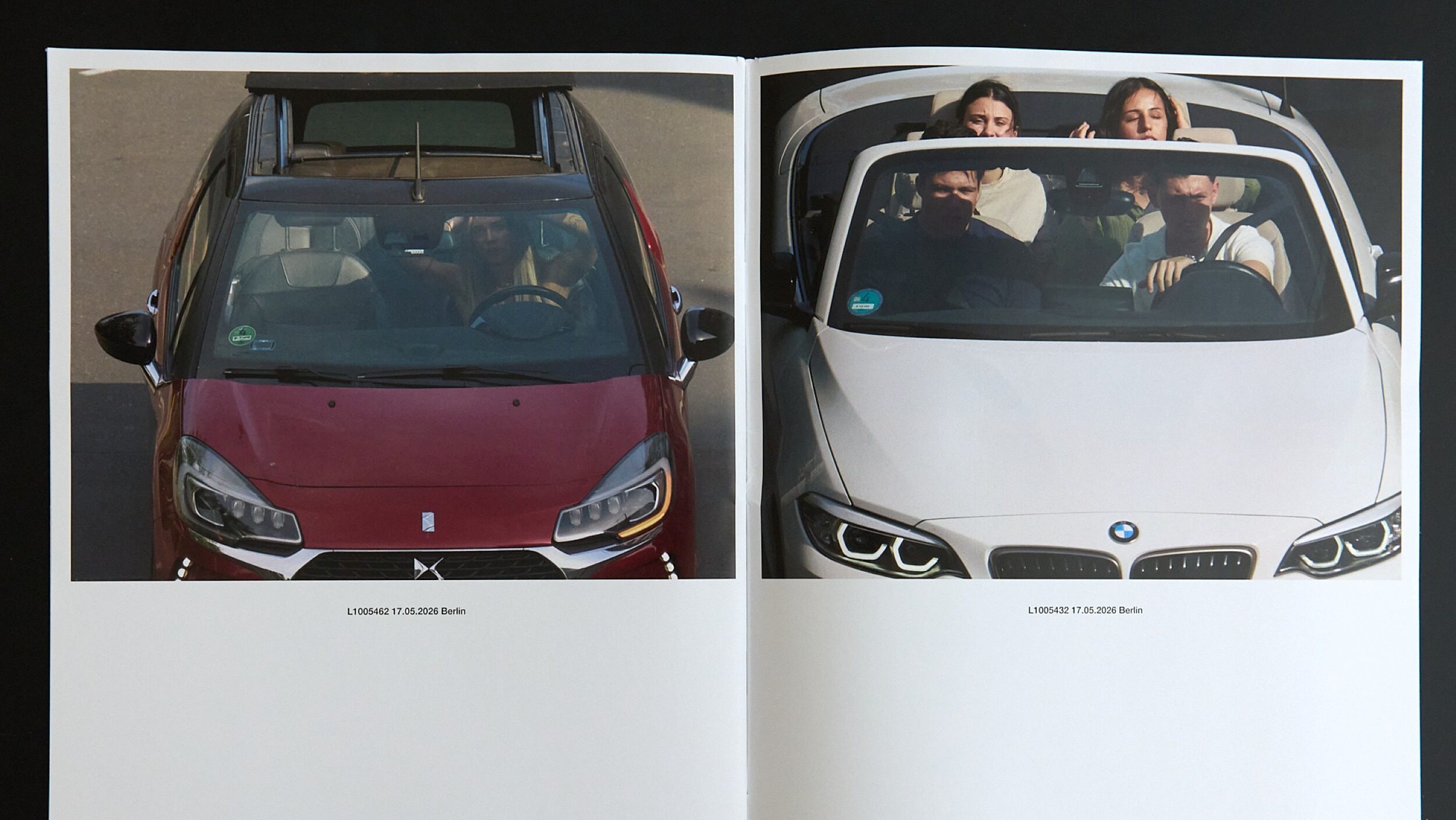
L1005462, L1005432- INDIVIDUALS, Berlin 2026, notes of May.

In a time when images are produced, consumed, and forgotten at increasing speed, this conversation with Tristan Rösler begins with a simple but urgent question: what does it mean to truly see? Through projects such as “YOU NEED TO SEE” and “STRANGER STRANGER,” Rösler reflects on perception, authenticity, digital disconnection, and the fragile space between presence and absence.

Moving between constructed images and raw encounters, his work asks the viewer to slow down and reconsider what remains visible when attention disappears. Rather than offering direct answers or moral statements, Rösler’s practice opens a space for uncertainty, where looking becomes a conscious act and reality is never taken for granted.


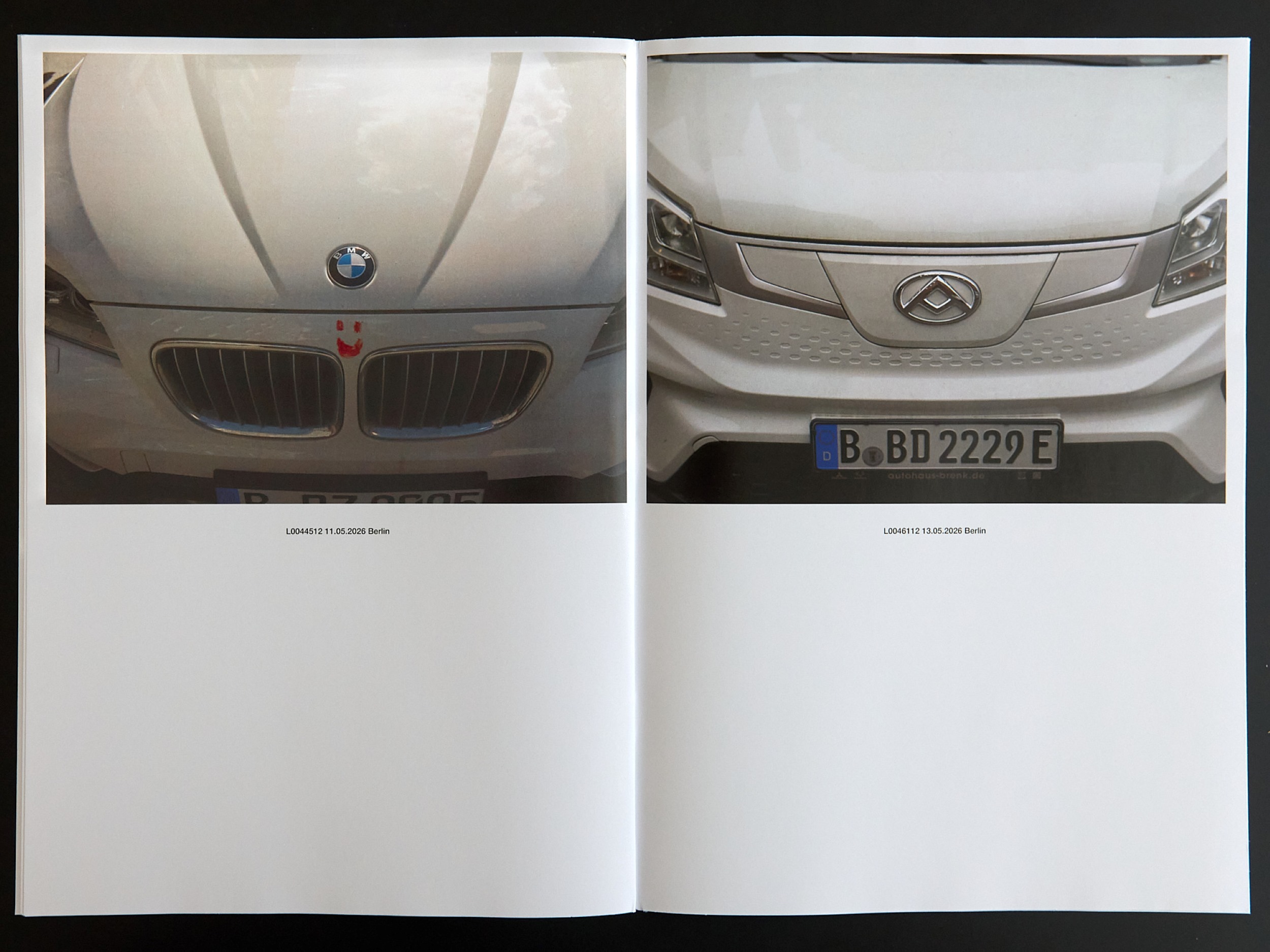
L0044512, L0046112 - working class heros, Berlin 2026, notes of May.

Your Instagram profile picture, the smiling shadow on a concrete wall, framed by a colorful gradient border,  feels like a natural place to begin. How does this image embody your central idea of “seeing” and the tension between what appears to be real and what actually is?

It wasn’t supposed to be a statement. But when you start to think about it, I feel the image becomes a beautiful metaphor for how seeing and perception are never neutral. They always depend on the circumstances you find yourself in. If the situation changes, your perception changes too, and so does the way you look at the same things. The shadow and the smile create a simple but beautiful contrast. Maybe I perceive both at the same time.


“You Need to See” is not only an invitation to look but also a political and philosophical act against digital alienation. What is the most urgent message you want to convey through this title?

I think we often confuse looking with really seeing. For me, the practice of “You Need to See” starts with that question: What do we still perceive, and what do we recognize and understand? To what extent have things already become indifferent to us because constant distraction leaves us with no time to think about what we perceive?

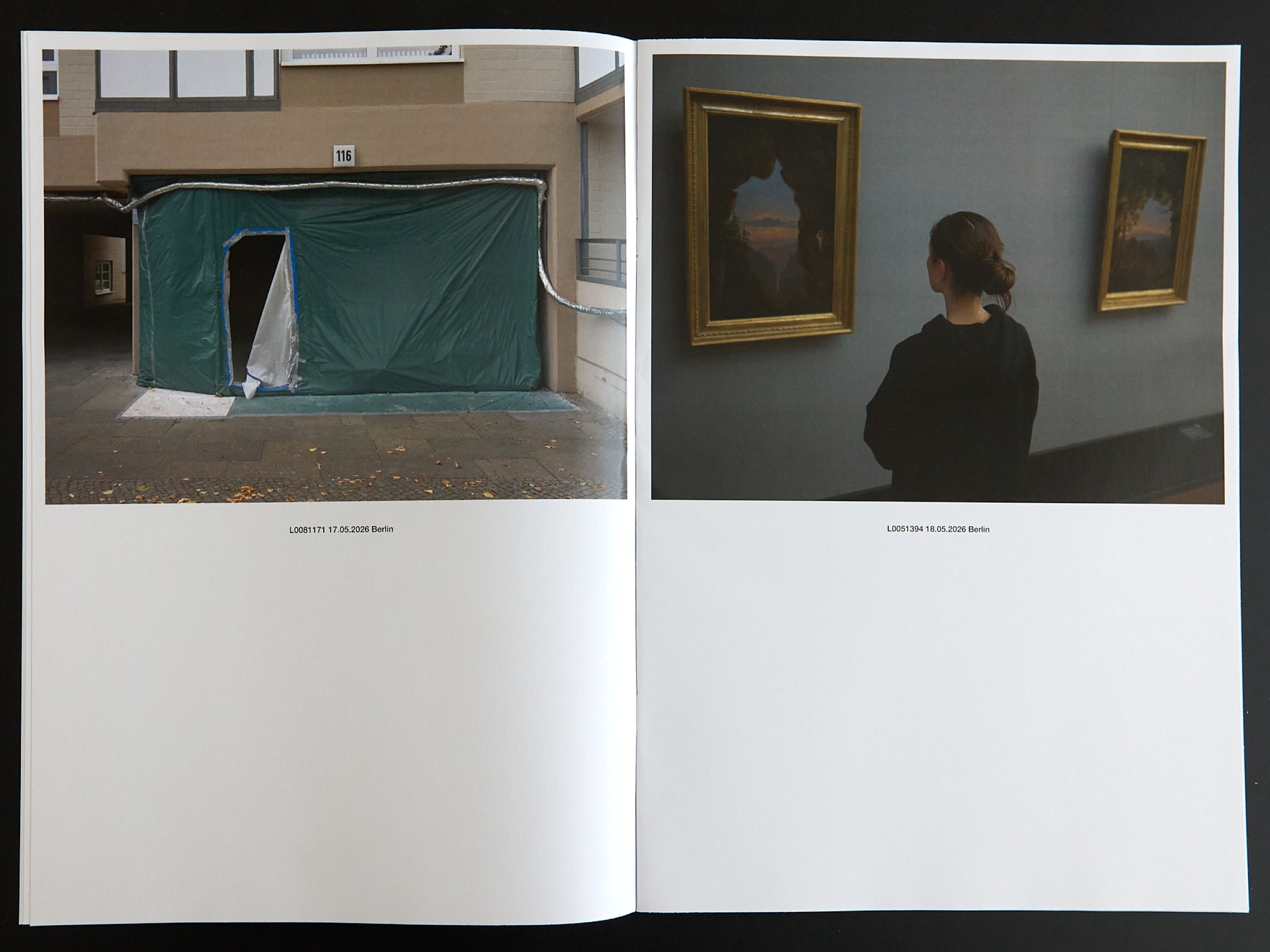
L0081171, L0051394 - POV, Berlin 2026, notes of May.

While creating “YOU NEED TO SEE,” what were the greatest challenges in capturing digital disconnection?

I didn’t want to show absence in such a direct way, like just photographing people on their phones. That felt too easy, almost too moral. I was more interested in what is still there while we are absent, the things around us that remain visible, but often unnoticed. For me, the work sits somewhere in that gap, between not seeing and suddenly seeing again.


Does the book contain an explicit call to action, or is it more of an open visual reflection? How do you imagine the reader or viewer might “see” or act, after engaging with it?

It’s definitely not a call to action. I’d say it’s more like leaving a door open. After seeing it, maybe someone looks at what’s around them a little differently. I’m not telling them what to do. Just looking, really looking, is already its own kind of action, and who knows where that might lead.

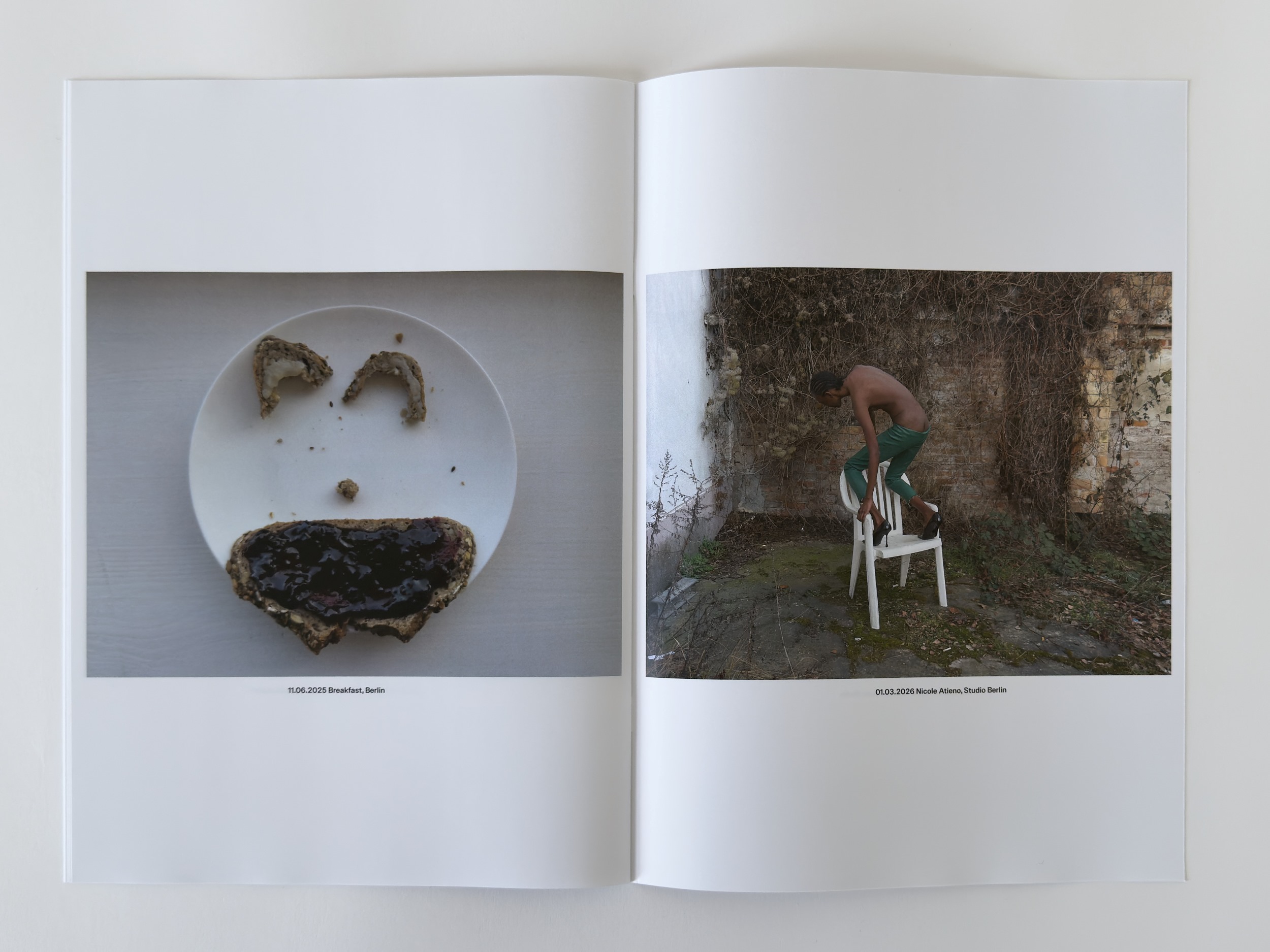
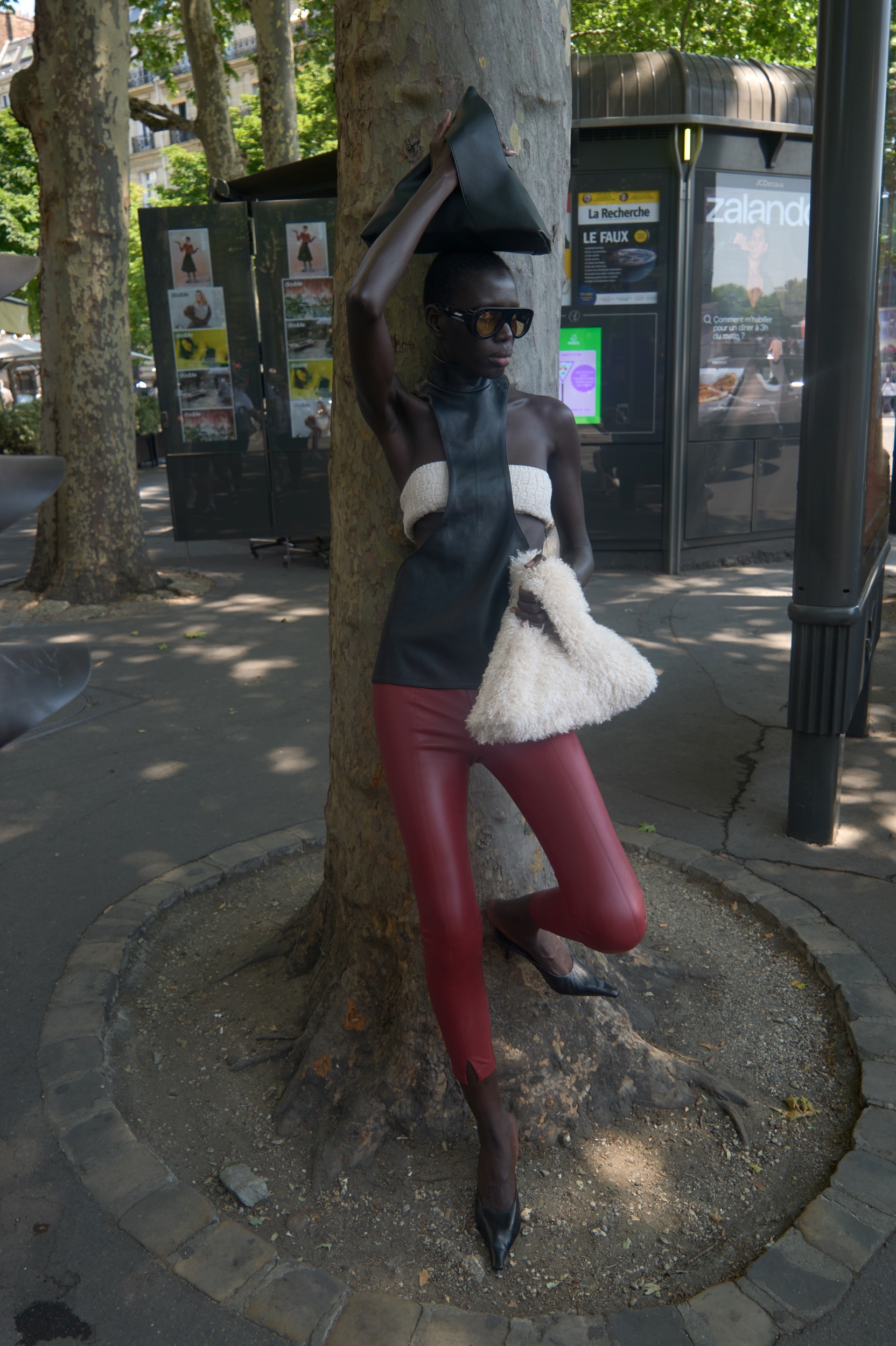
Nicole Atieno styled by Luisa Probst Notes of April
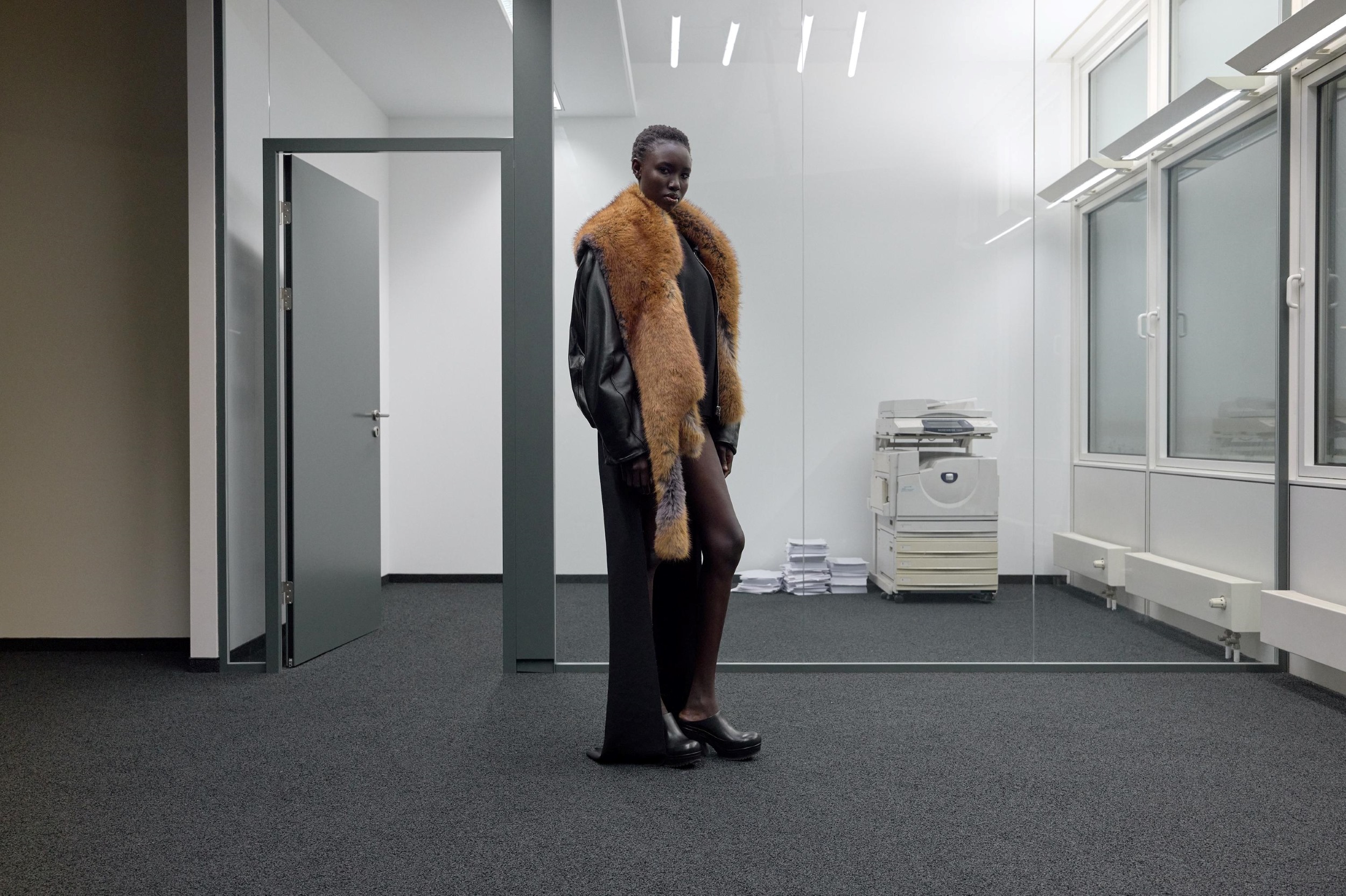
Sia Arnika AW26

In the series “STRANGER STRANGER”, portraits of visitors to your studio between 2024 and 2025, released in a limited edition of 200 copies, you created a space for raw, honest encounters. How do you prepare for and experience these moments? What role does discomfort play in allowing truth to emerge?

For those portraits, I didn’t prepare in a traditional sense. I just met each person as they were, with no agenda. The discomfort, mine or theirs, was part of the encounter. I think when you let that be, something unfiltered can surface. It’s not about forcing truth; it’s about being open to it showing up.

L1010047 - You need to see, Book page 45
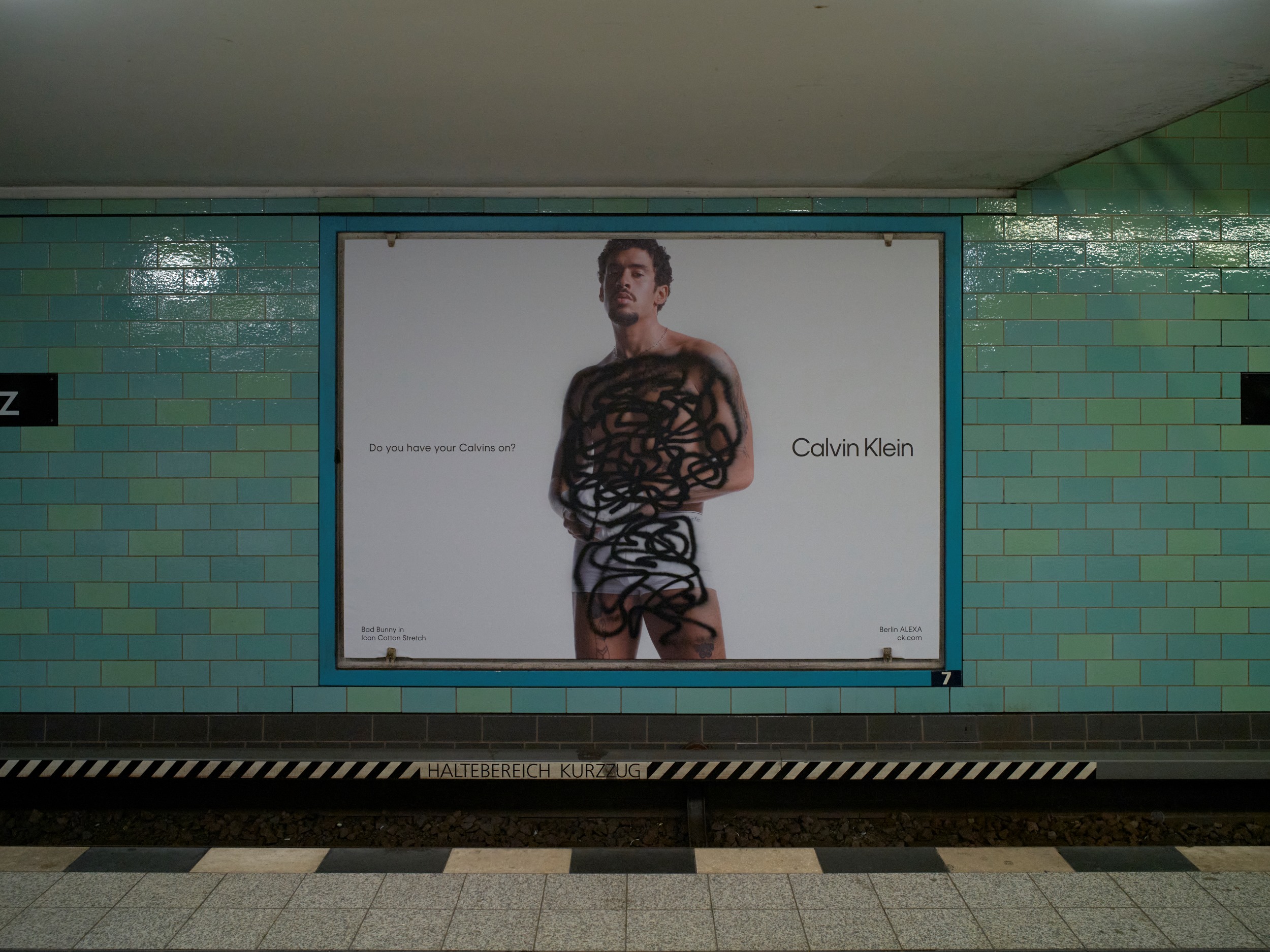
Talel SS26 Campaign, Paris

How have the “stranger” encounters you photographed in the studio changed the way you see, and photograph, people in general?

Many images today are carefully planned out, with every detail deliberate. Here, the images had to be carried by the subjects themselves. There was no hiding behind a crafted aesthetic. Everything was raw and natural. That’s what made it compelling for me. It was the opposite of my constructed work.


How has this continued to influence your search for authenticity and your rejection of artificial construction in images?

When an image works in its pure idea, it doesn’t lean on stylistic layers. Whether it’s an empty room or another subject, it has to stand on its own. That reduction creates the challenge, and that’s where it keeps drawing me in.

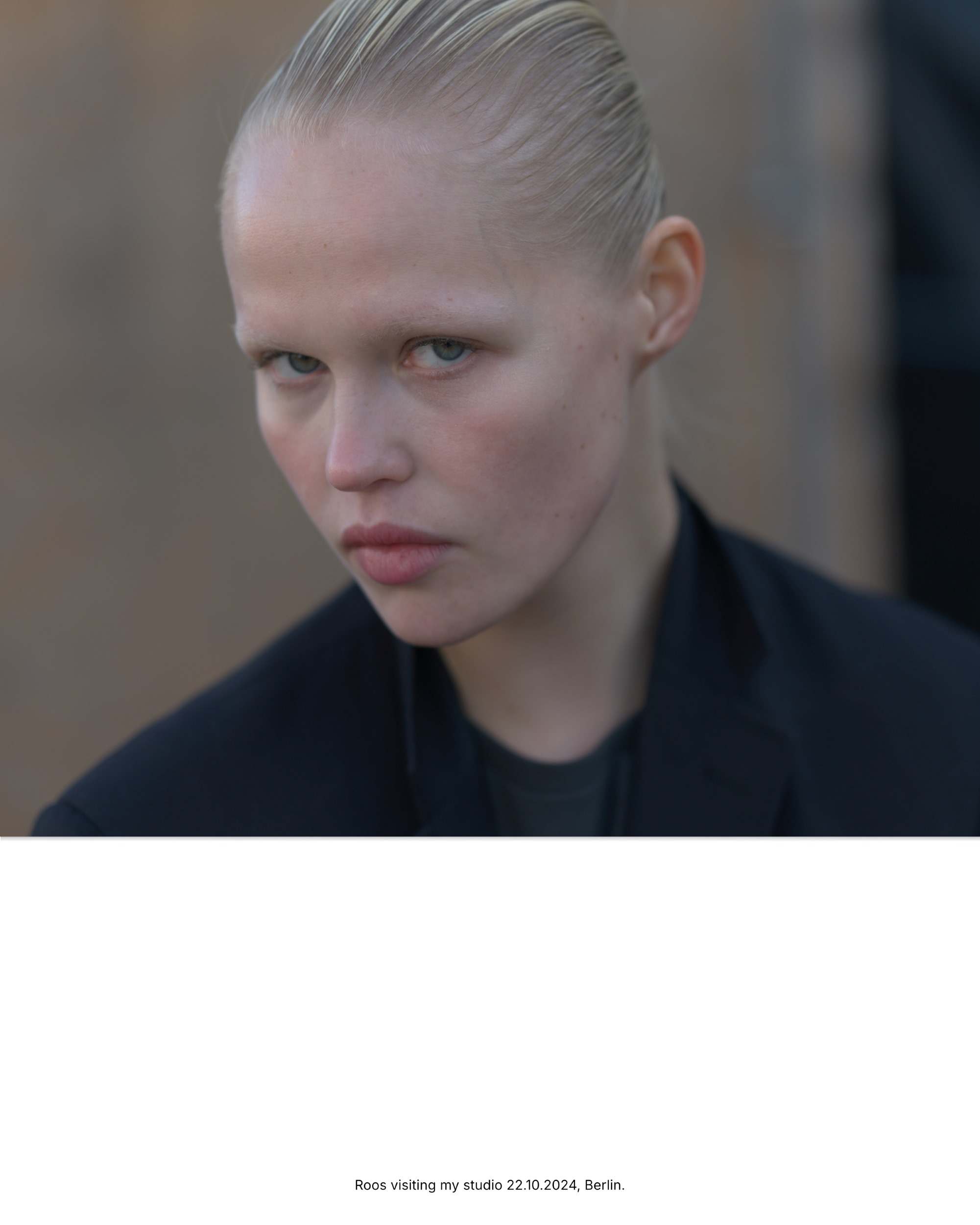
Stranger Stranger - Roos - 22.10.2024 - Studio Berlin
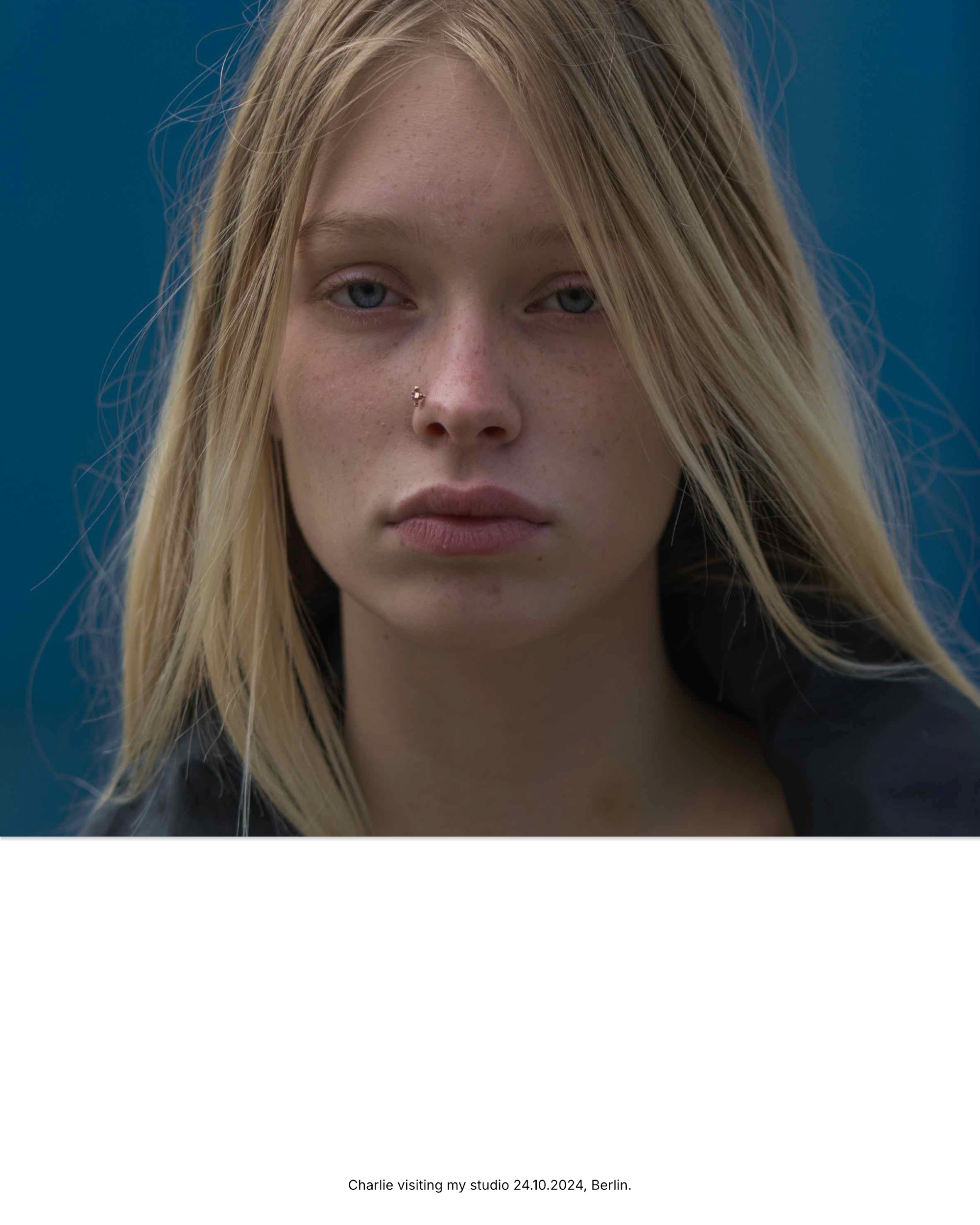
Stranger Stranger - Charlie - 24.10.2024 - Studio Berlin
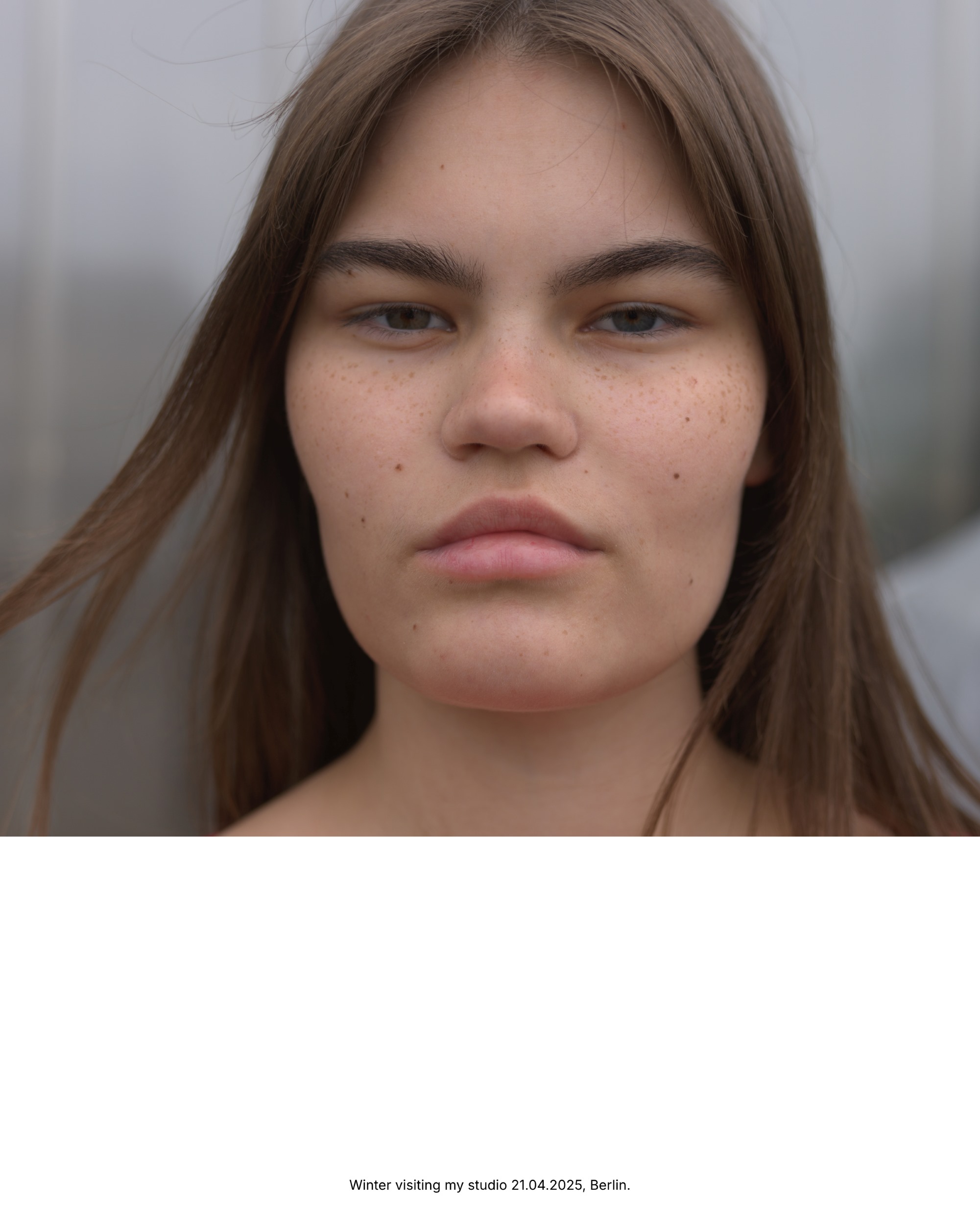
Stranger Stranger - Winter - 21.04.2025 - Studio Berlin

How do you maintain this sense of authenticity and mindful seeing in your work, especially in a practice where construction often plays a role?

I don’t think authenticity is something I can simply create. We live in a time when even being real can become a pose. So I try to stay aware of that, especially in constructed situations. I stay close to what I actually perceive, rather than only following what the image is supposed to become.


In the age of AI and generated imagery, how do you defend, or evolve, the value of “real” photography and human encounters in your work? Is your approach changing in response to these new technologies?

I don’t think photography needs to be defended, because in the end, a photo is a photo, and an AI-generated image is an AI-generated image. What I often ask myself, though, is how our perception will change in the future. What “real” will mean in the future is a question I often have in my mind. How will we perceive reality?

L1010047 - You need to see - Book page 71

Looking ahead, are you already working on a follow-up to “YOU NEED TO SEE,” or on new explorations around perception and truth? And what message or effect would you want to leave in the world if your artistic work could truly make people see?

I’m working on new projects, but I can’t say yet if there will be another part of “You Need to See.” The questions around perception and truth are still there, but maybe they will appear in a different form.

L1005462, L1005432- INDIVIDUALS, Berlin 2026, notes of May
L1020068_PARIS_07.05.202 - You need to see - book page 69 & 7