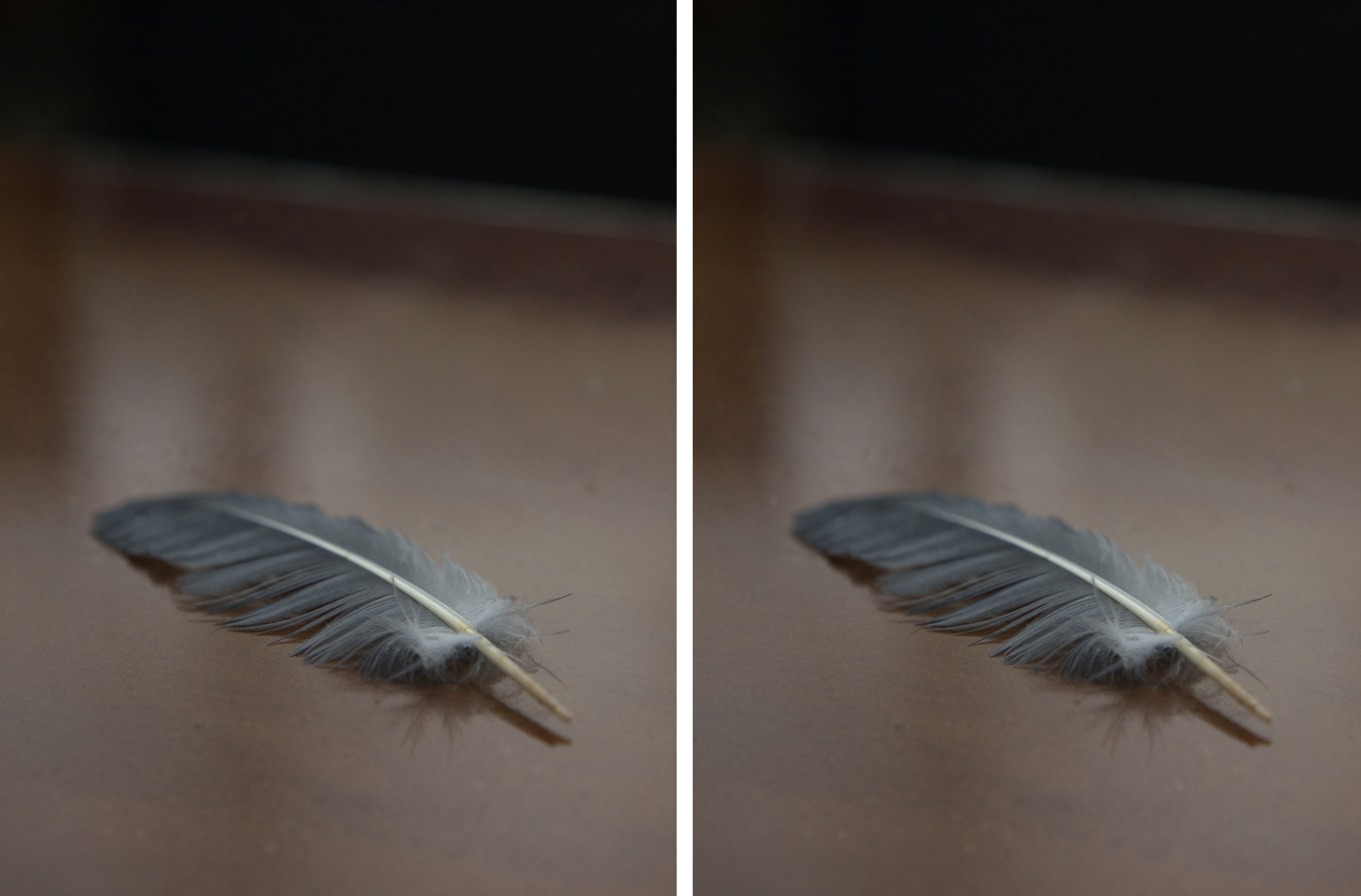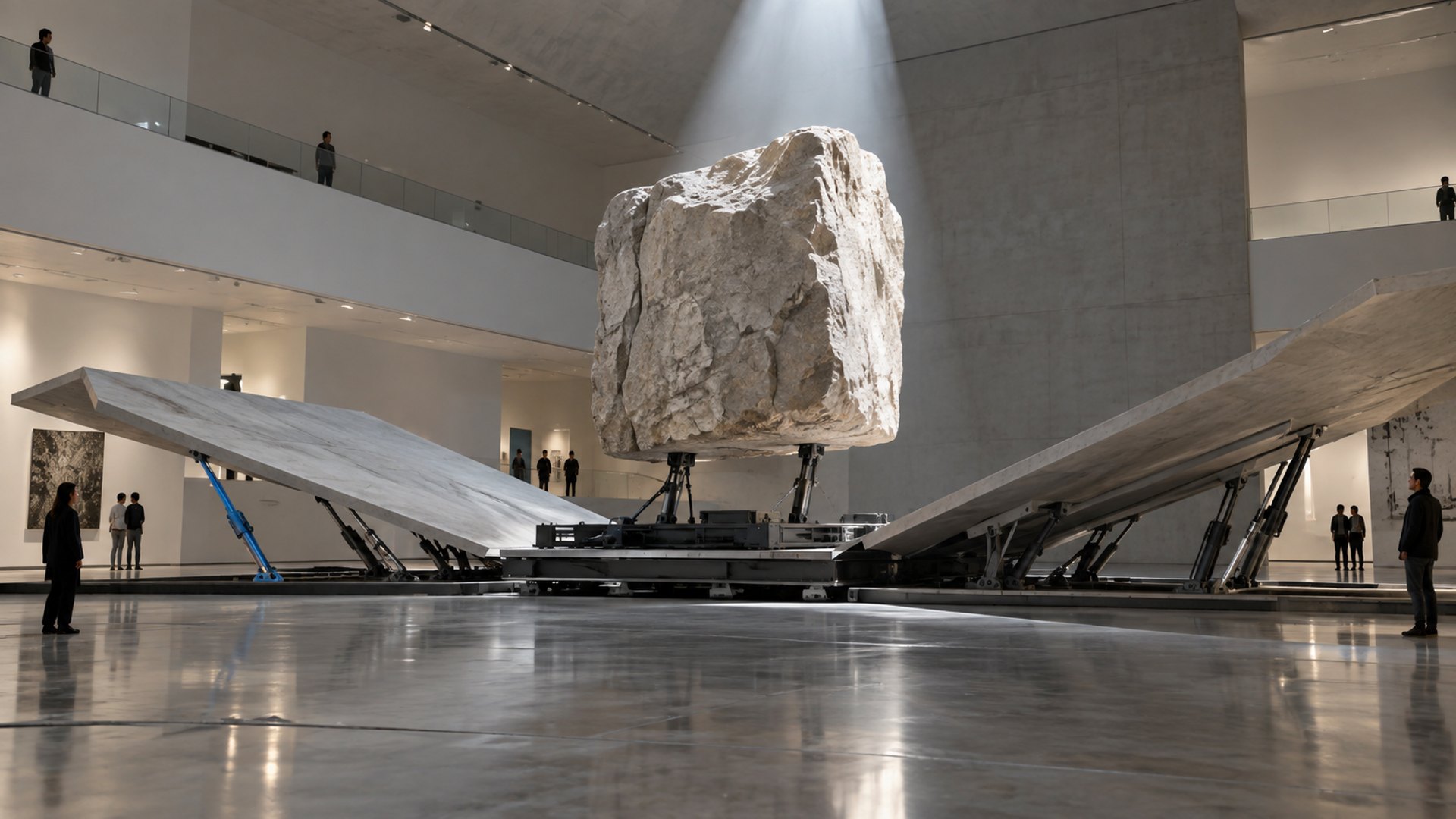
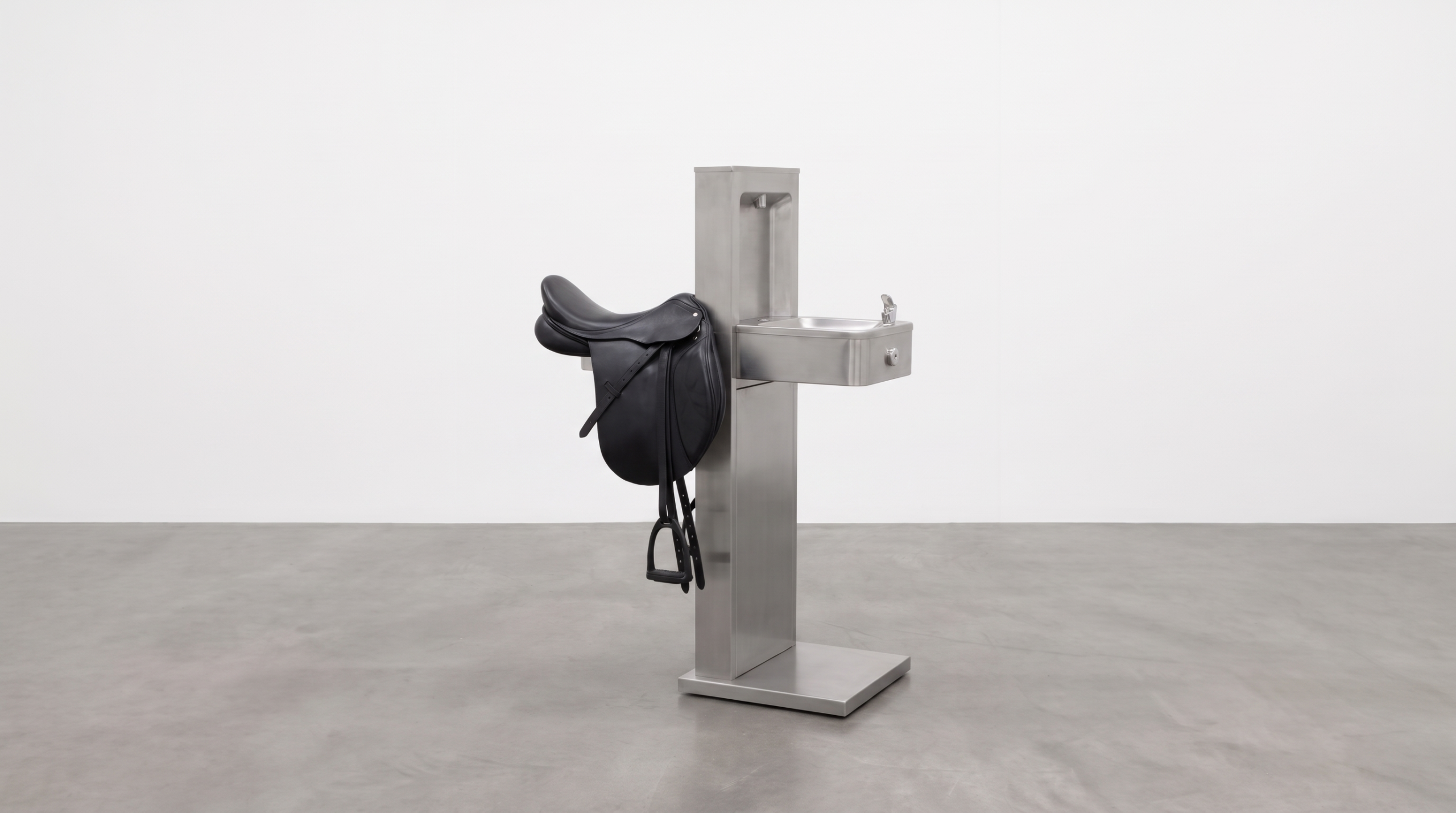
An object can pass through several systems of value without undergoing any material alteration. It can be manufactured, purchased, used, discarded, recovered, and eventually exhibited, retaining the physical characteristics it possessed before entering the space of art. Its history remains attached to it, along with the traces of use and the purposes for which it was made. What changes as it moves between contexts is the way it is seen, and with that, our ability to determine what exactly constitutes the work.
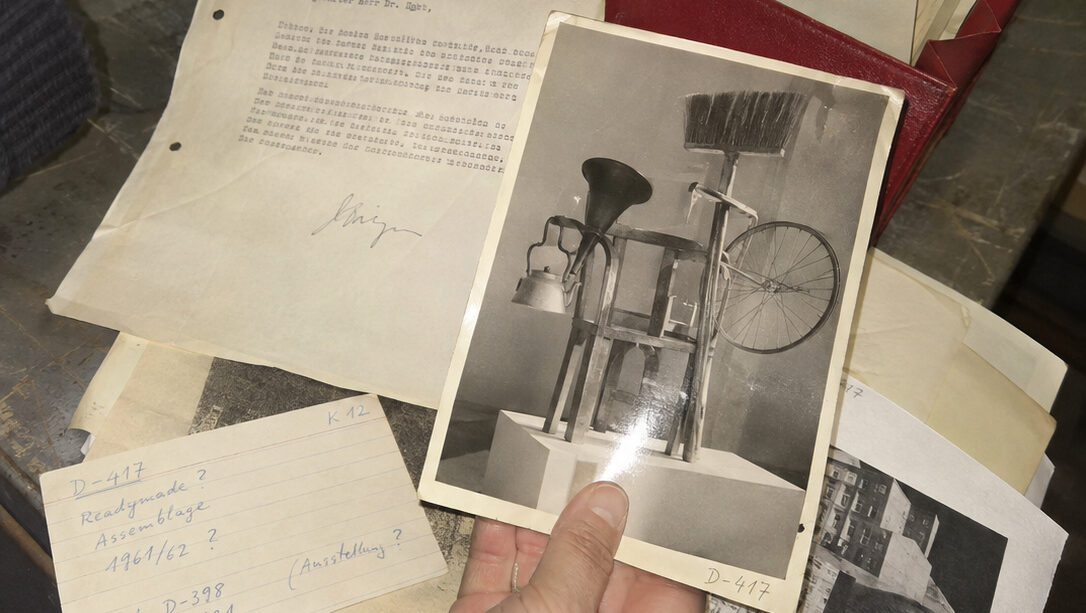
More than a century after Marcel Duchamp’s first readymades, the incorporation of everyday objects into artistic practice has become part of contemporary art’s established vocabulary. The distinction between making and designation, once instrumental in unsettling the modern conception of the artwork, has gradually lost its exceptional status. Appropriation is now an available, recognizable procedure, readily absorbed by institutions. Yet its widespread adoption has made one question harder to address: once the possibility of using anything has been established, what makes the selection of a particular object meaningful?
A significant strand of contemporary sculpture has found fertile ground in this difficulty. Industrial materials, domestic fragments, architectural components, and the remnants of production are brought into interventions so restrained that the boundary between the work and its surroundings becomes uncertain. An artist may simply move, juxtapose, or isolate existing elements, allowing much of the work to unfold through their relationships with space, their previous lives, and the viewer’s expectations. Such economy of gesture demands considerable precision. The less conspicuous the intervention, the more decisive the circumstances that make it perceptible.
The Afterlife of the Ordinary Object
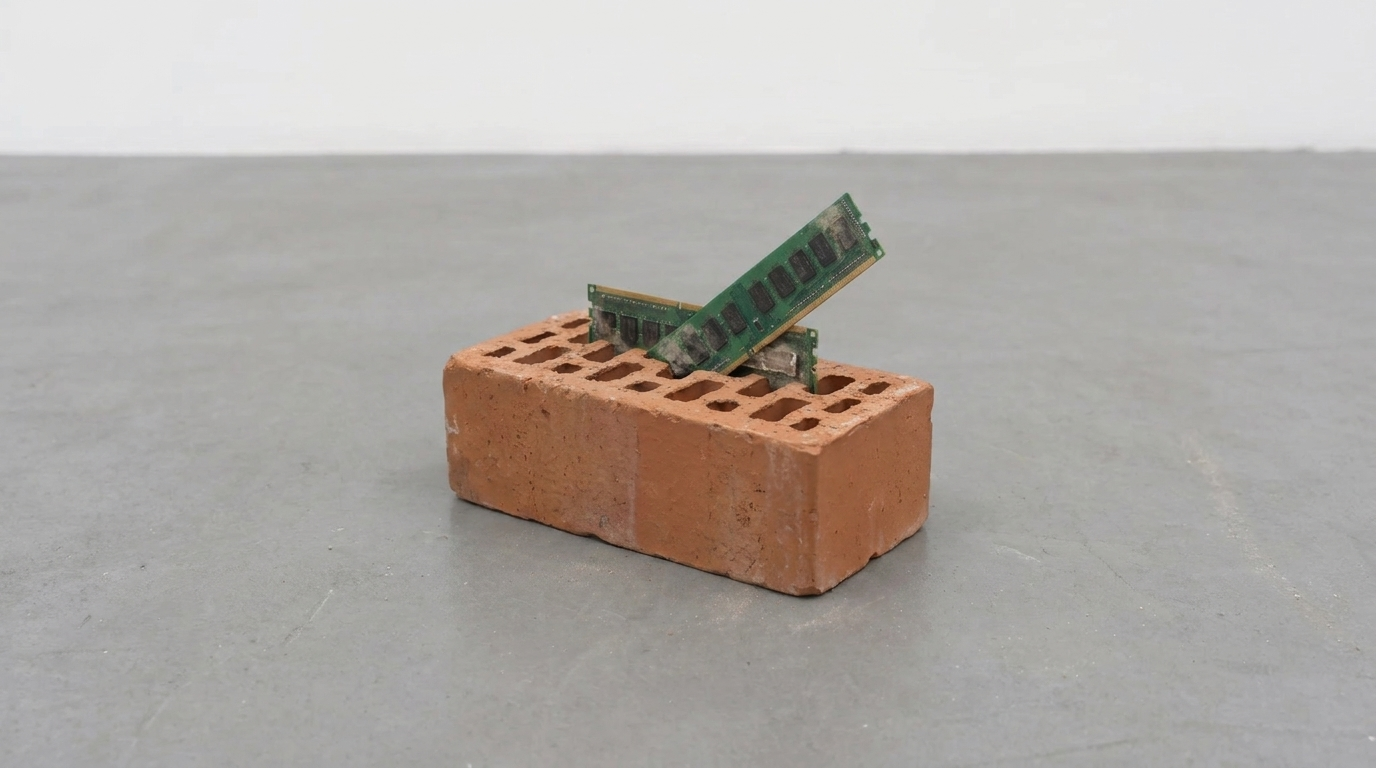
Michael E. Smith’s sculptures often seem to emerge at this uncertain threshold. Exhausted industrial materials, organic fragments, and objects that have lost their function appear in arrangements that feel both deliberate and residual. Their previous lives continue to exert pressure on their new placement. An object may retain the appearance of something forgotten, even when its position has been carefully determined. Light, distance, and expanses of empty space participate in the experience with an intensity that can exceed that of the exhibited elements themselves. The work seems to occupy only part of its surroundings, while the rest of the room suddenly becomes difficult to regard as neutral.
In Jason Dodge’s work, the gap between what is shown and what constitutes the artwork takes on a temporal dimension. The objects may appear ordinary, even indifferent, but their presence often points to events and circumstances beyond direct access. A title may supply essential information without becoming a definitive explanation. Matter offers partial evidence of something that happened elsewhere, or that persists only as something we can imagine. The object outlives the event without necessarily documenting it. Part of the sculpture thus remains beyond sight, even as it depends entirely on what is physically present.
What brings Smith and Dodge together is the inability of the object to exhaust the work. Their differences matter just as much. In Smith, the vulnerability and placement of materials bear directly on our perception of space; in Dodge, material presence may open onto a situation that can never be fully reconstructed. One troubles the physical presence of things, the other their capacity to hold an experience. Both complicate the expectation that sculpture should possess a fully self-sufficient form.
A related uncertainty runs through the otherwise distinct practices of Gedi Sibony, Gabriel Kuri, and Nina Beier. Sibony’s salvaged panels and materials often retain an affinity with architecture and the purposes for which they were originally produced. In Kuri’s work, receipts, commercial materials, and industrial objects bring into view systems of exchange and measurement that ordinarily pass unnoticed. Beier engages the multiple identities assigned to objects, bringing function, commercial value, and cultural meaning together in arrangements that disrupt habitual associations.
A piece of furniture can continue to suggest its use even when its placement makes that use impossible. A building material retains the memory of a potential structure, just as an industrial object can remain anonymous while acquiring an unexpected singularity. Its original function remains available as a reference, but can no longer fully determine what stands before us.
The familiarity of these materials is integral to their effect. An entirely unfamiliar object must first be identified; an ordinary one is recognized almost immediately, carrying a set of expectations with it. A strand of contemporary sculpture works precisely on those expectations. The smallest difference can make a relationship that once seemed self-evident suddenly difficult to understand.
The Aesthetics and Contradictions of Precarity
The question changes when assemblage introduces visible precarity into the arrangement of materials. Ser Serpas’s installations often draw on salvaged objects and discarded fragments, bringing them into balances that retain something of the contingency of their discovery. Form appears to depend on the materials at hand and the circumstances of the site, as though each arrangement were a temporary solution. The possibility of dismantling or altering the whole remains palpable even when nothing moves.
This impression of provisionality can demand exceptionally exact formal control. The angle of an element, the distance between surfaces, or the way one object supports another can establish a balance that the slightest displacement would undo. Precarity also concerns how a form inhabits time. An assemblage may remain structurally intact while continuing to suggest that its current arrangement is only one of several possibilities.
In Nairy Baghramian’s work, the relationship between form and support frequently becomes explicit. Structures, props, and surfaces seem to test their ability to stand, lean, or occupy a space. What ordinarily guarantees a sculpture’s stability assumes a presence of its own, exposing dependencies that monumental traditions tended to conceal. Form appears engaged in an ongoing negotiation with architecture and with the forces that allow it to exist.
Placing Baghramian alongside Serpas reveals how differently precarity can operate. In Serpas’s installations, balance seems to retain the memory of contingent circumstances; in Baghramian, support is often built into the sculptural problem itself. In both, stability ceases to be something we can take for granted. It becomes something the work makes visible.
Assemblage has profoundly changed this relationship between matter and autonomy. Isa Genzken developed a language capable of absorbing urban fragmentation, commodities, and industrial materials, while Rachel Harrison has staged encounters among objects, figurative references, and artificial structures that resist any single reading. In Jessica Stockholder’s work, color and everyday materials extend into space until the separation between artwork and environment becomes uncertain. Sarah Sze organizes proliferations of elements whose apparent complexity depends on remarkably precise relationships. Thea Djordjadze takes this sensibility toward often more spare structures, where glass, metal, and materials associated with furniture maintain an ambiguous relationship to function.
These practices belong to different traditions and generations. Their affinity lies in the increasingly uncertain physical boundary of the artwork. Assemblage can reach beyond its own materials to involve architecture, exhibition conditions, and the viewer’s movement. Sculpture retains a concrete presence, yet its experience depends on elements that cannot be fully isolated.
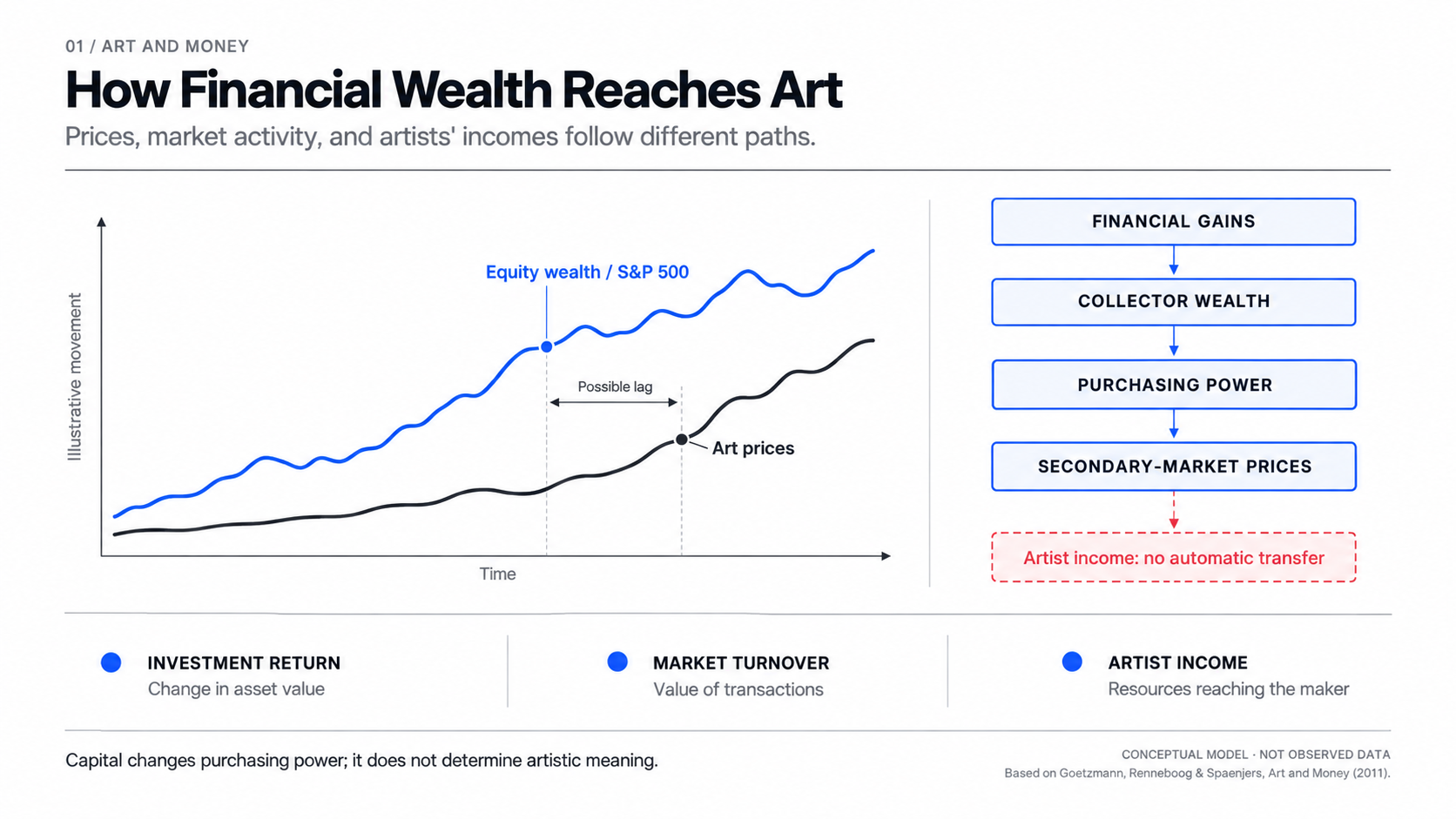
An artwork’s apparent fragility can also become a recognizable stylistic quality. This contradiction deserves attention. Once a precarious arrangement enters a collection, is documented, and becomes subject to conservation protocols, its instability is absorbed into a system designed to ensure its survival. An object recovered from the street may be restored, insured, and transported with a degree of care its previous existence never afforded it. Precarity becomes something to preserve.
The distance between a material and its new institutional value is especially clear in practices that work with urban residue. Yuji Agematsu gathers tiny fragments from the streets of New York, preserving them in compositions that record a daily discipline of observation. Things normally denied any attention acquire an almost archaeological precision. In Kiah Celeste’s work, salvaged domestic materials and industrial components are reconfigured into structures that hover between anatomy and infrastructure. Their origins remain recognizable, but the assemblage gives them a new material organization.
Attention to residue takes on another dimension in David Hammons, whose practice has demonstrated how inseparable an ordinary material can be from the social conditions that determine its value. In Nari Ward’s work, objects recovered from urban environments become part of an inquiry into collective memory and cultural hierarchies. Shinique Smith uses garments and textiles bearing traces of commercial circulation and personal experience, transforming them into accumulations that continue to evoke the lives through which they have passed.
Provenance introduces distinctions that a purely formal reading might erase. A discarded object belongs to a history of use, availability, and consumption. Its recovery can make those relationships visible, but a new attribution of value can also neutralize them. The art institution has the power to turn refuse into heritage, and that transformation directly implicates practices that appear to evade traditional hierarchies of materials.
A tension opens between the work’s provisional appearance and its permanence as a cultural asset. Precarity can be meticulously reconstructed, displayed, and conserved. An apparently casual balance can become an arrangement that must not be touched. Once instability is recognized as a language, it risks losing its capacity to introduce genuine uncertainty.
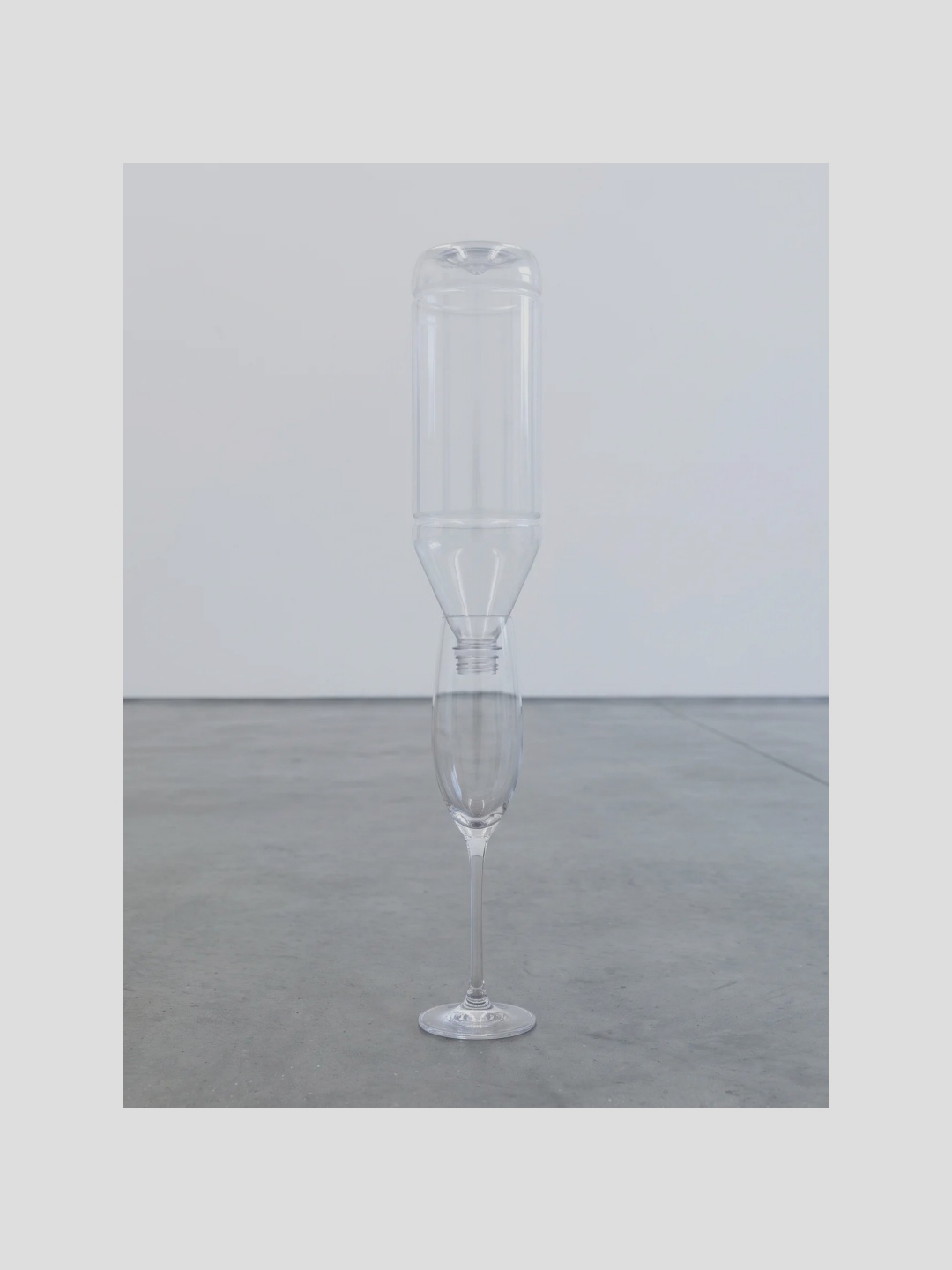
The Problem of Duration
The question of duration has shaped sculpture long before the current interest in salvaged materials. Franz Erhard Walther had already challenged the autonomy of the object through works that require bodily activation. In Felix Gonzalez-Torres’s practice, the possibility of taking away and replenishing elements of certain works allows permanence to become independent of the preservation of their original components. The work’s identity can survive consumption, dispersal, and the replacement of matter.
Such a possibility alters the relationship between sculpture and time. An artwork can maintain a recognizable continuity while passing through different material states. Its existence then depends on instructions, decisions, and conventions that allow it to be presented again. Preserving a sculpture may involve maintaining an arrangement, sustaining a process, or ensuring that a particular event can take place once more.
Trisha Donnelly takes this difficulty into particularly elusive territory. Her practice moves across sculpture, image, sound, and spatial intervention, creating experiences that often resist description and exhaustive contextualization. The works may appear without offering an established interpretive route, leaving perception to confront something that cannot be fully reduced to information. Their presence retains a dimension that remains beyond explanation.
Compared with the narrative dimension running through certain works by Jason Dodge, Donnelly’s indeterminacy operates differently. In Dodge, an object may refer to a prior circumstance, even when that circumstance remains only partially accessible. In Donnelly, the experience may resist the very expectation that an explanation exists to complete it. The difficulty of interpretation becomes part of the encounter with the work.
Ryan Gander, Ceal Floyer, and Martin Creed have developed distinct approaches to the economy of intervention. A clue, a perceptual discrepancy, or a minimal alteration to an environment can shift the relationship between what we see and what we believe we recognize. Tino Sehgal’s constructed situations extend the question toward the temporary presence of bodies and interactions, making the experience dependent on circumstances that cannot be preserved as a traditional object.
Documentation introduces a particular difficulty here. A photograph can record the arrangement of materials, a text can describe an action, and an instruction can make a procedure repeatable. None of these necessarily guarantees the continuity of the original experience. Conservation becomes an interpretive practice, required to determine which elements are indispensable and which may change without compromising the identity of the work.
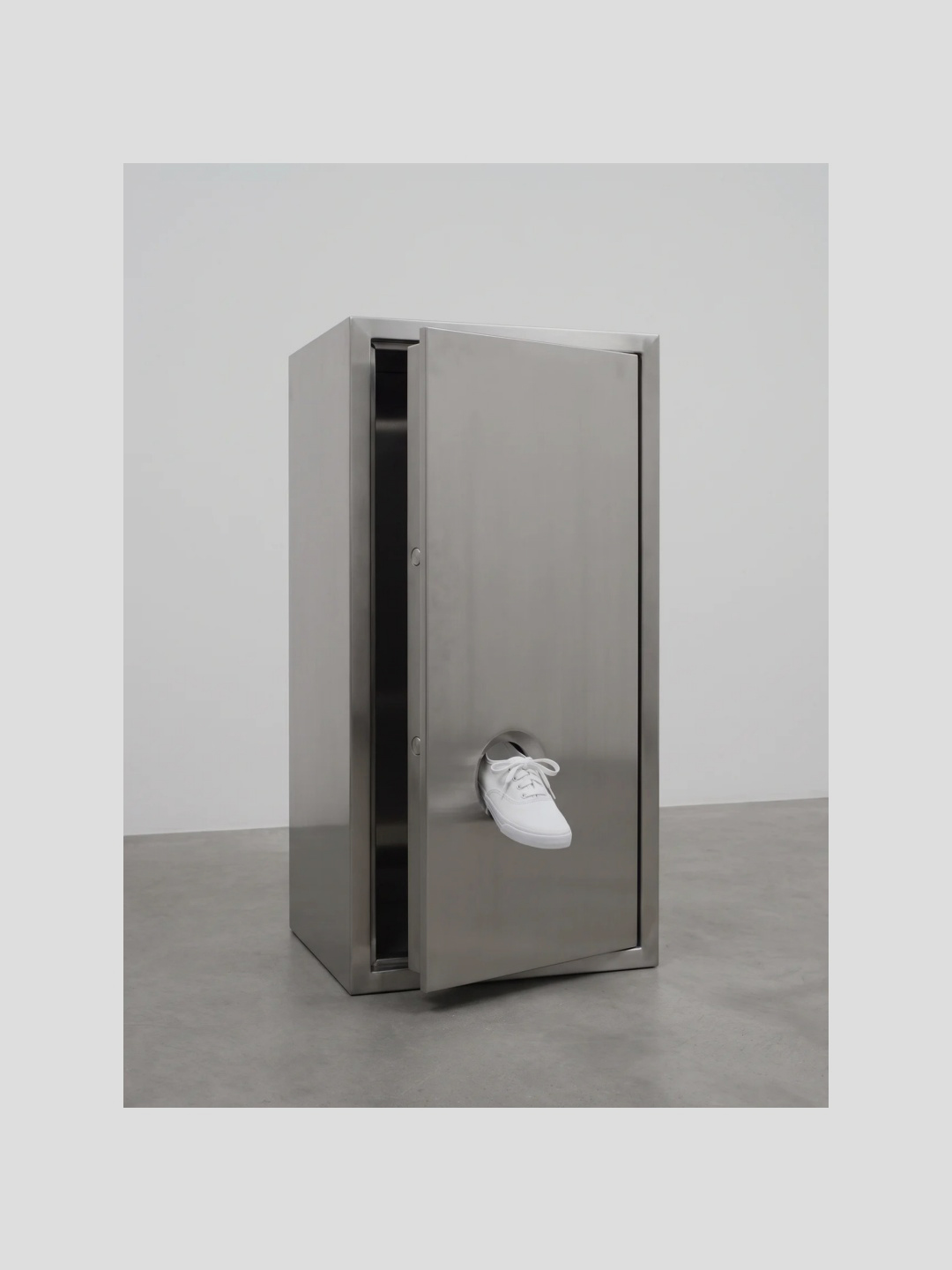
Objects, Ownership, and Infrastructures
Seen from this perspective, the found object carries a history that precedes its exhibition. In Danh Võ’s work, artifacts, documents, and personal belongings can enter new relationships without losing the histories that shaped their circulation. Simon Starling frequently reveals the technological and economic processes through which materials pass from one state to another. What appears in the exhibition space represents a moment within a larger sequence, whose reconstruction becomes part of the artistic experience.
Cameron Rowland introduces a more specific problem. Working with objects, commodities, and equipment associated with institutional systems, Rowland exposes the legal and economic conditions that govern ownership and circulation. The terms under which something is acquired or possessed can become constitutive elements of the work. The material remains physically present, while its interpretation depends on relationships extending far beyond its visible properties.
Theaster Gates also engages with this expansion of sculptural practice, incorporating buildings, archives, and recovered materials into processes of cultural and urban transformation. Preservation acquires a social dimension, as objects participate in the construction of infrastructures and the reactivation of collective memory. Sculpture enters into a direct relationship with the systems that determine which materials endure and which disappear.
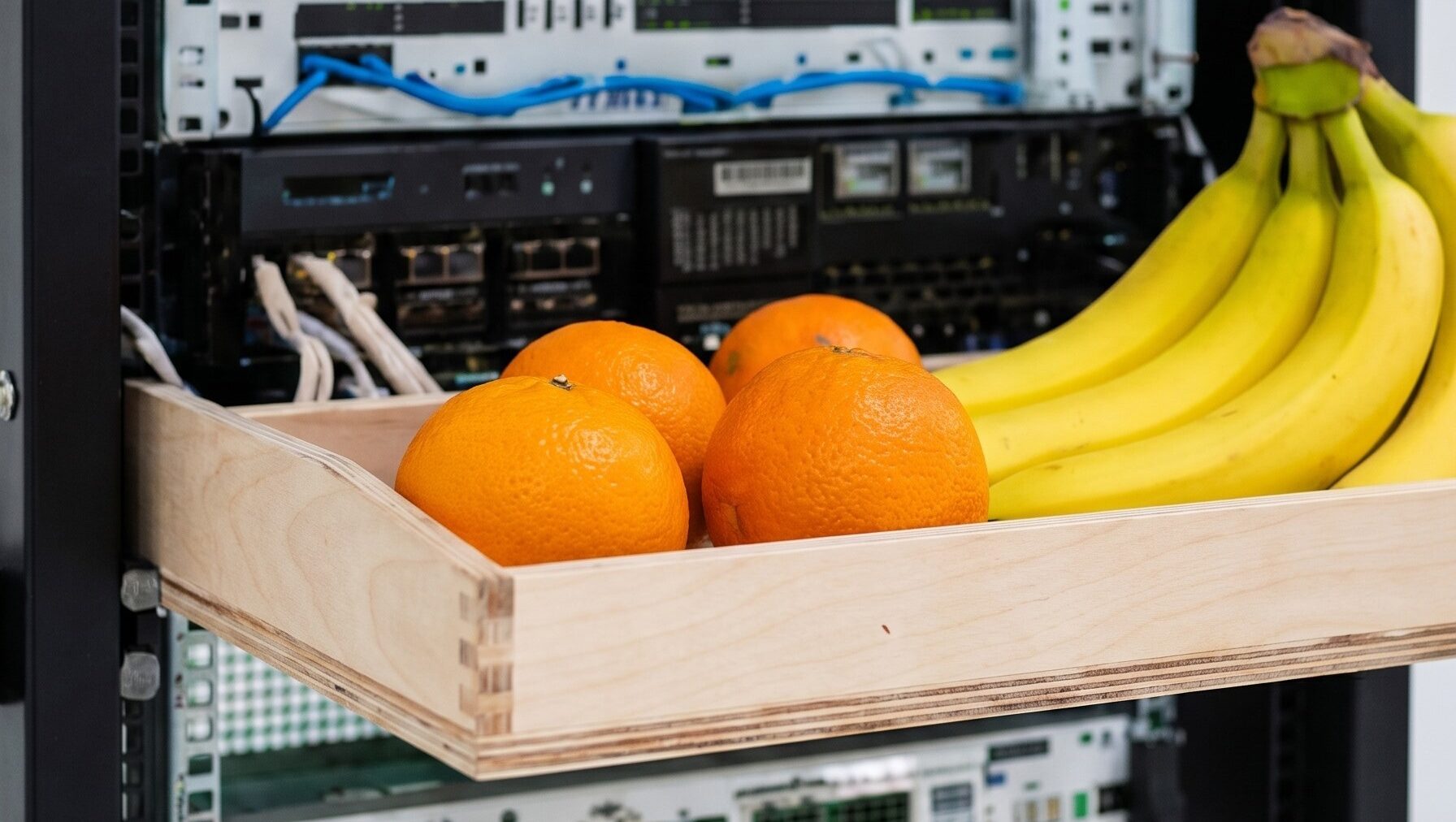
The relationship between objects and infrastructure becomes especially relevant within the contemporary economy. Commodities are designed to circulate through complex systems of production, distribution, and representation. Before they are ever used, they already exist as images, commercial information, and units of value. Their material presence accounts for only part of the experience through which they become recognizable.
Alex Da Corte uses objects and references from popular culture to alter the emotional associations surrounding consumption. In Josh Kline’s work, industrial devices and contemporary technologies become instruments for examining transformations in labor and identity. Pamela Rosenkranz investigates relationships between synthetic materials, the body, and the environment, while Katja Novitskova transfers images drawn from digital circulation into physical arrangements that complicate the separation between representation and object.
The distance from the industrial readymade of the early twentieth century also concerns the nature of the things being appropriated. A contemporary product may depend on software, networks, logistical systems, and processes of technological updating that determine its existence far beyond its material enclosure. Function is distributed across physical components and invisible infrastructures. A device can retain its original form while becoming unusable because the system that once supported its operation has disappeared.
Obsolescence introduces a particular form of transience. The object survives its function, sometimes for a remarkably long time. It may continue to occupy space, retain aesthetic value, or bear witness to a technological organization that no longer exists. Sculpture encounters in these materials a temporality already embedded in industrial processes, commercial cycles, and the decisions governing the replaceability of products.
In Sung Tieu’s work, architectural elements and institutional devices can make perceptible the administrative systems that structure everyday environments. Diamond Stingily uses doors, fences, and domestic objects to establish relationships between personal memory and social structures. Dozie Kanu explores the ambiguity between furniture and sculpture, while Lena Henke develops forms in which the relationship between body, architecture, and familiar objects undergoes unexpected transformations.
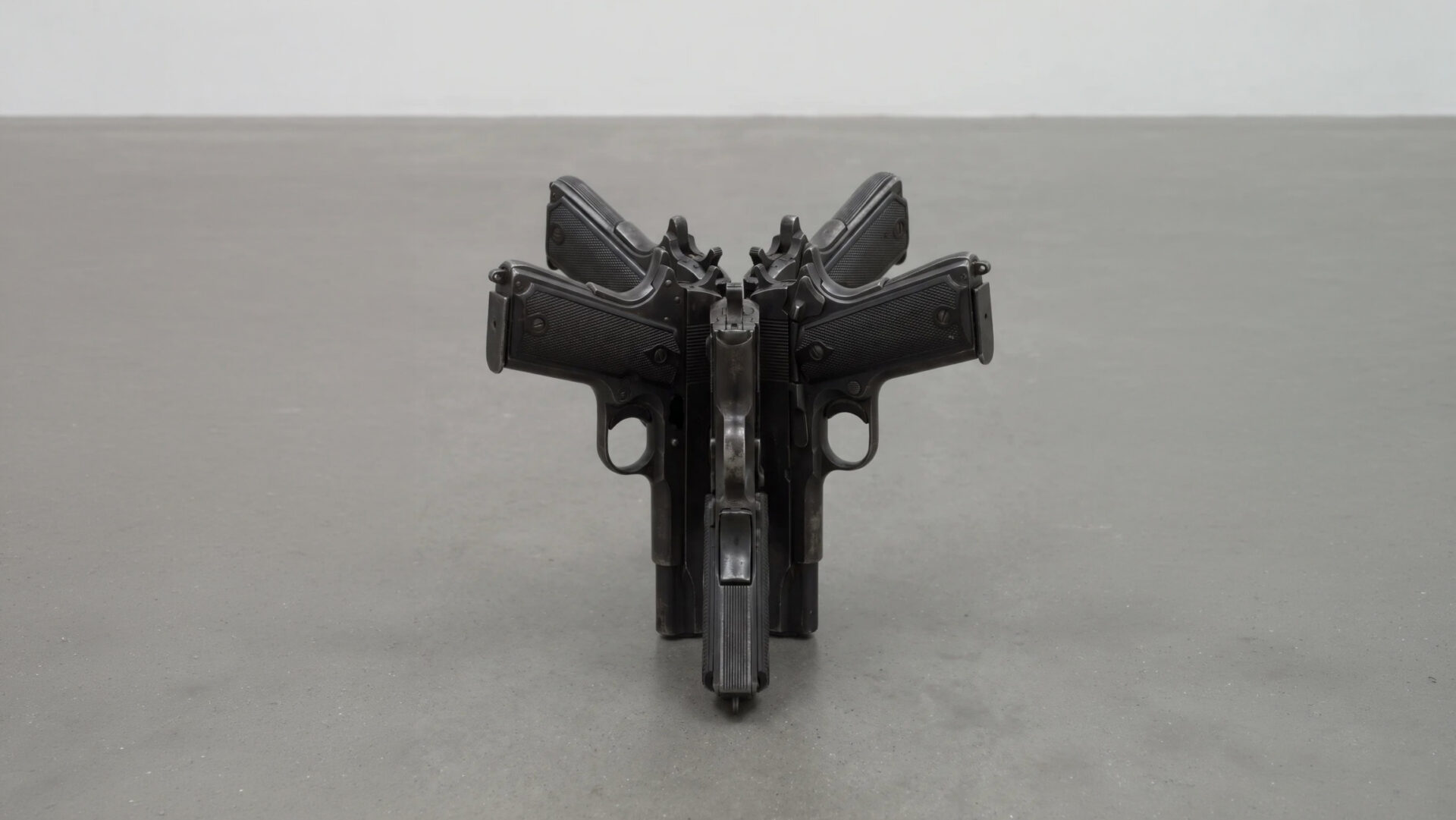
A door, a fence, or a structure resembling a piece of furniture already possesses a social grammar. These objects regulate access, suggest behaviors, and distinguish what belongs within an environment from what remains outside it. Their recognizability establishes precise expectations, which can be unsettled through minimal alterations. An object continues to suggest a particular use even when the possibility of performing that use has been suspended. The sculptural gesture operates within this gap between recognition and behavior.
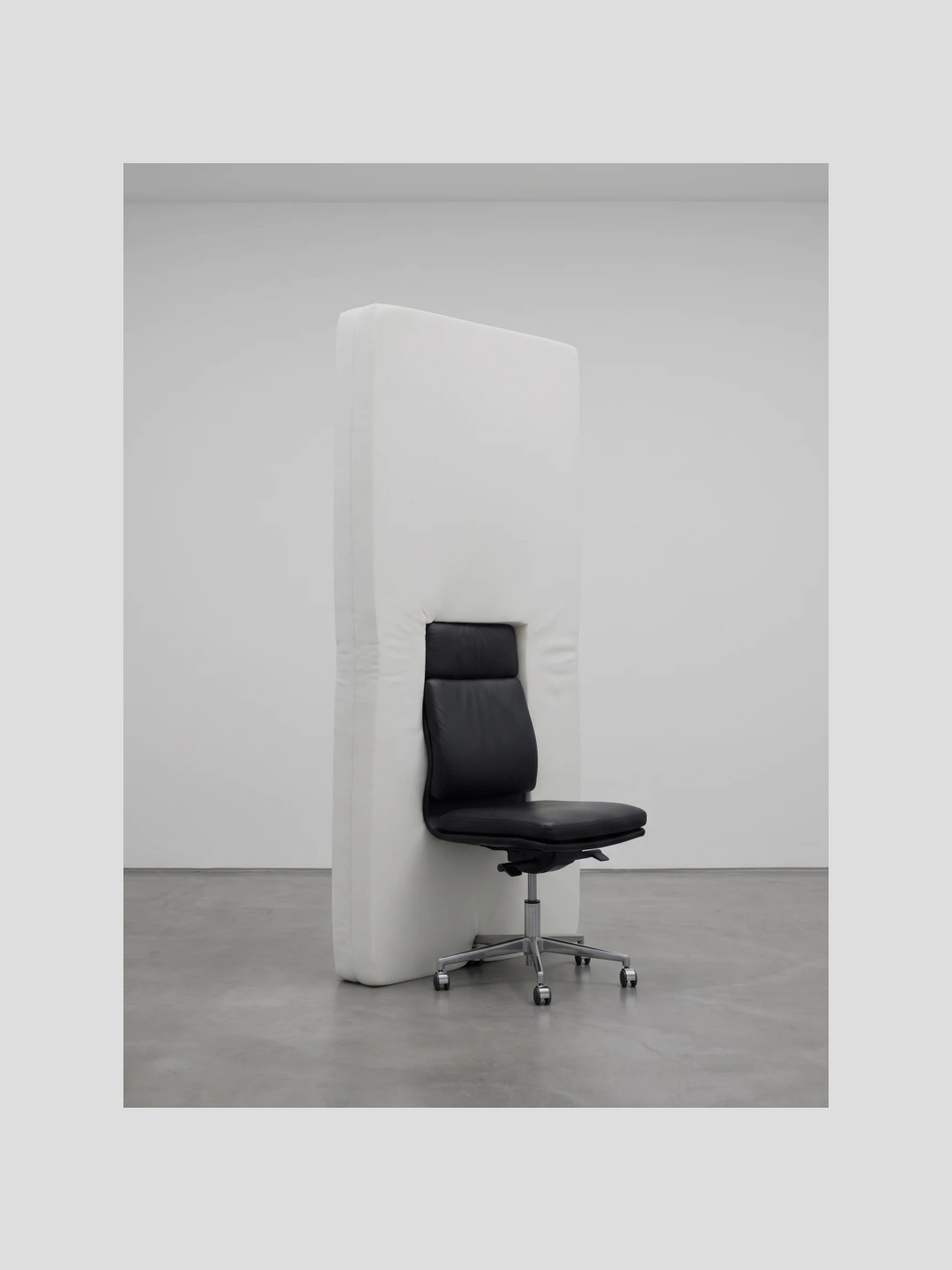
Mutable Matter and the Limits of the Readymade
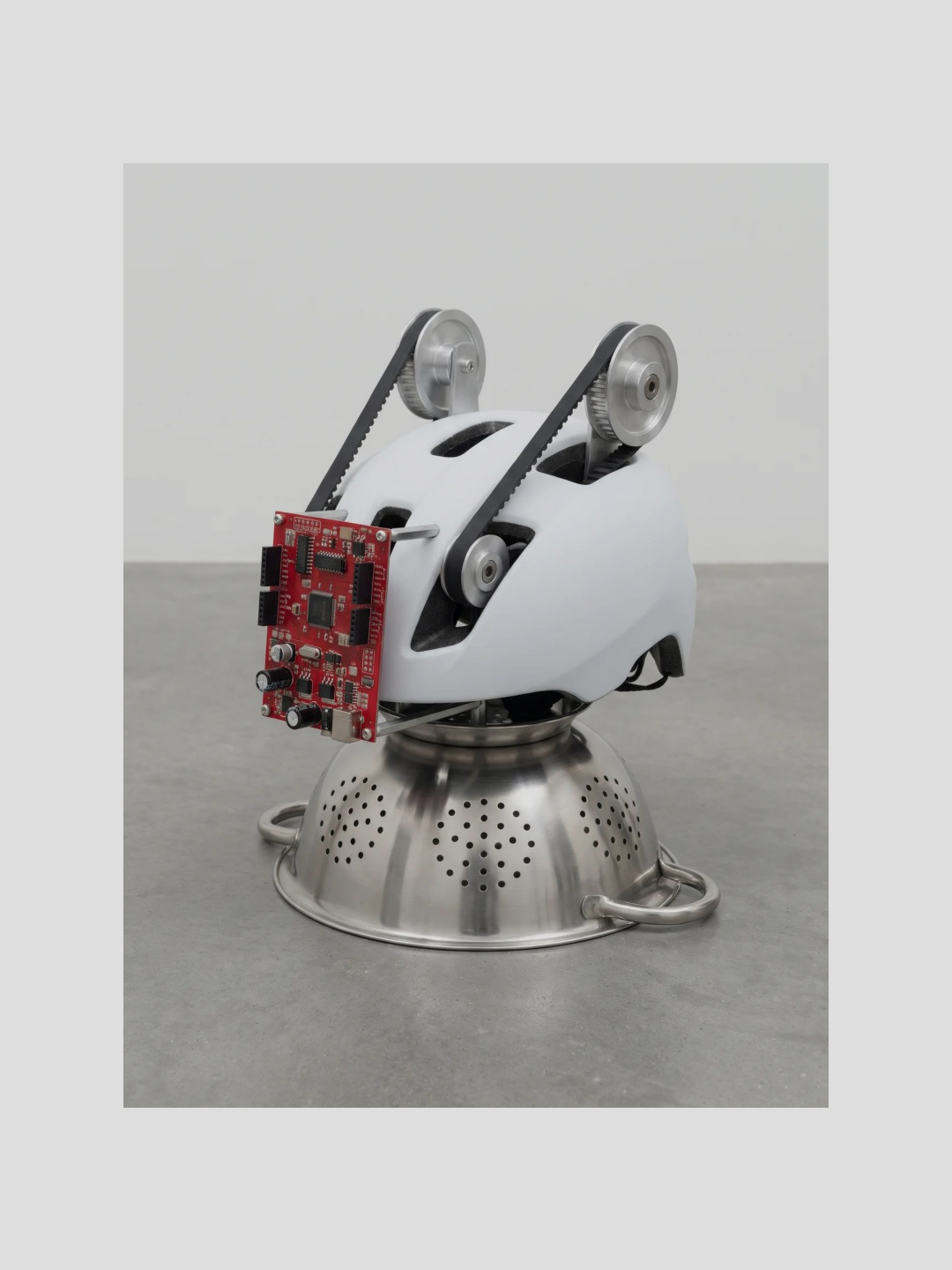
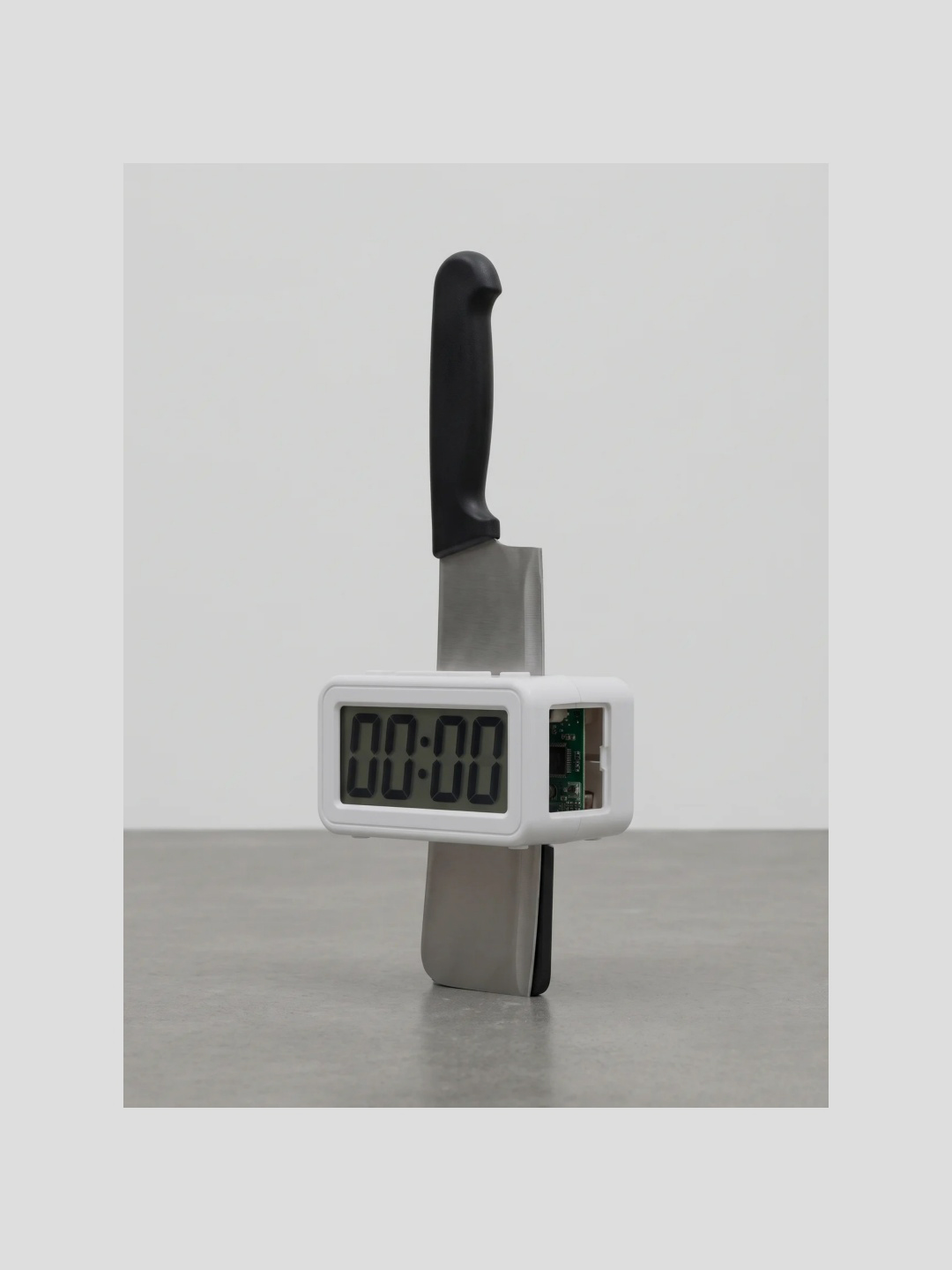
Recent practices reveal how this gap can be explored through different sculptural languages. Tenant of Culture works with materials drawn from fashion and the circulation of clothing, intervening in the processes that determine their value and replaceability. Elsewhere, the manipulation of domestic tools, furnishings, and small mechanical devices introduces unexpected behaviors, revealing an ambiguous proximity between functional objects and living organisms. The familiarity of the material becomes the starting point for transformations that affect both movement and perception.
Marguerite Humeau approaches this relationship through forms that evoke biological systems and hypothetical organisms. Precious Okoyomon’s installations incorporate organic processes and environmental changes that can transform the work over the course of its existence. Mire Lee constructs environments in which mechanical components and viscous substances generate bodily associations, while Doreen Garner uses anatomical sculpture to confront the history of medical violence and its representations.
These practices extend the question of transience into processes in which matter can react, deteriorate, grow, or change. The artwork is conceived in relation to transformations that may continue beyond the moment of its production. Duration becomes part of its formal construction, together with the possibility that certain changes will alter the work’s appearance and the experience it produces.
The presence of autonomous processes does not eliminate the role of artistic decisions. Even organic transformation can be delimited, programmed, and subjected to conservation protocols. Openness to change exists in different degrees, and each practice establishes its own relationship between what is determined and what may happen afterward. Process-based forms can become as recognizable as static assemblages, with conventions just as precise.
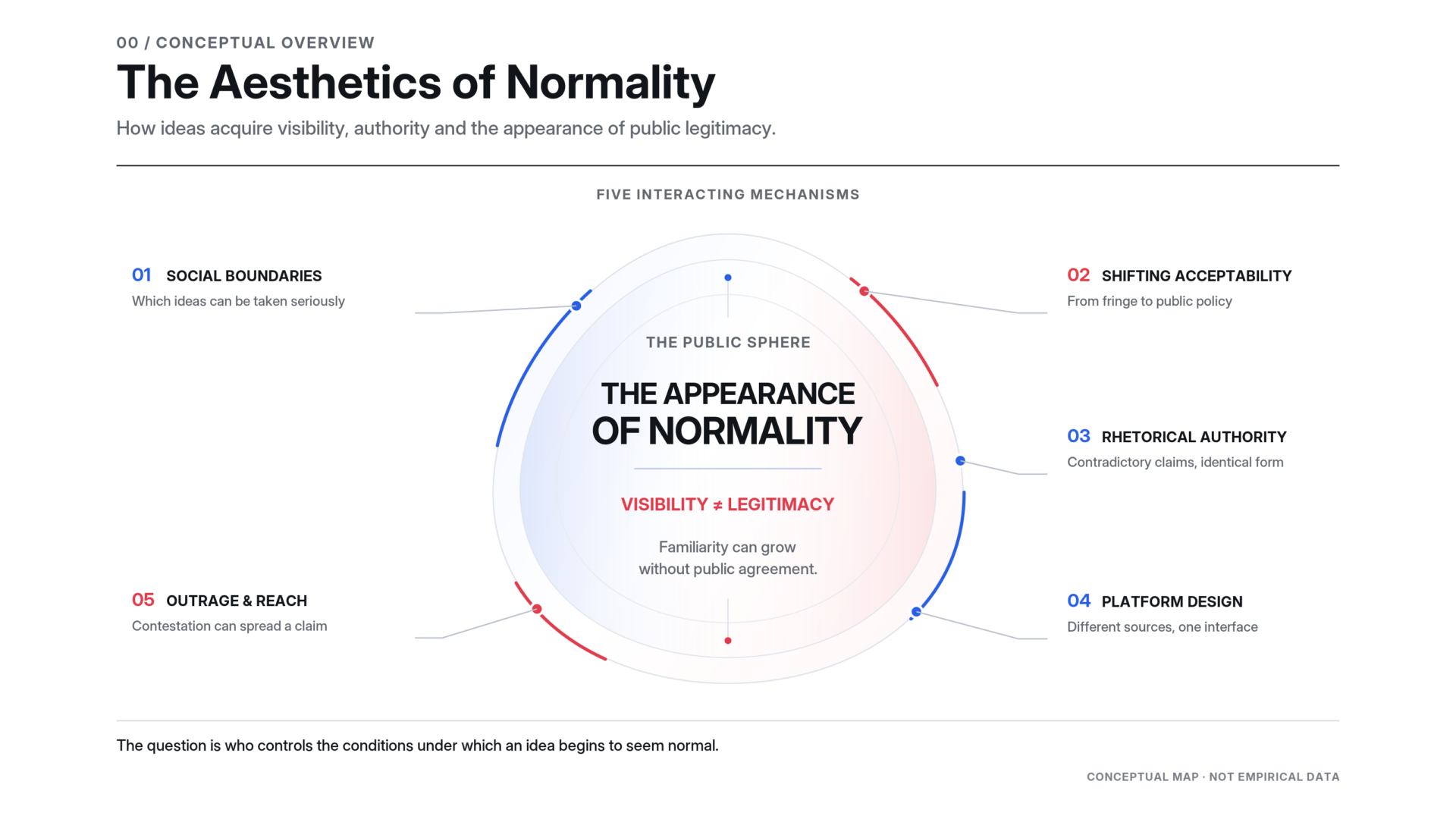
This possibility brings us back to a contradiction running through much of contemporary sculpture. Practices that have challenged the autonomy and permanence of the object have gradually produced new languages, criteria of recognition, and expectations. Precarious assemblage, salvaged material, dysfunctional form, and process-based installation now belong to an established repertoire. Their widespread use makes it increasingly difficult to attribute critical significance to the mere decision to employ them.
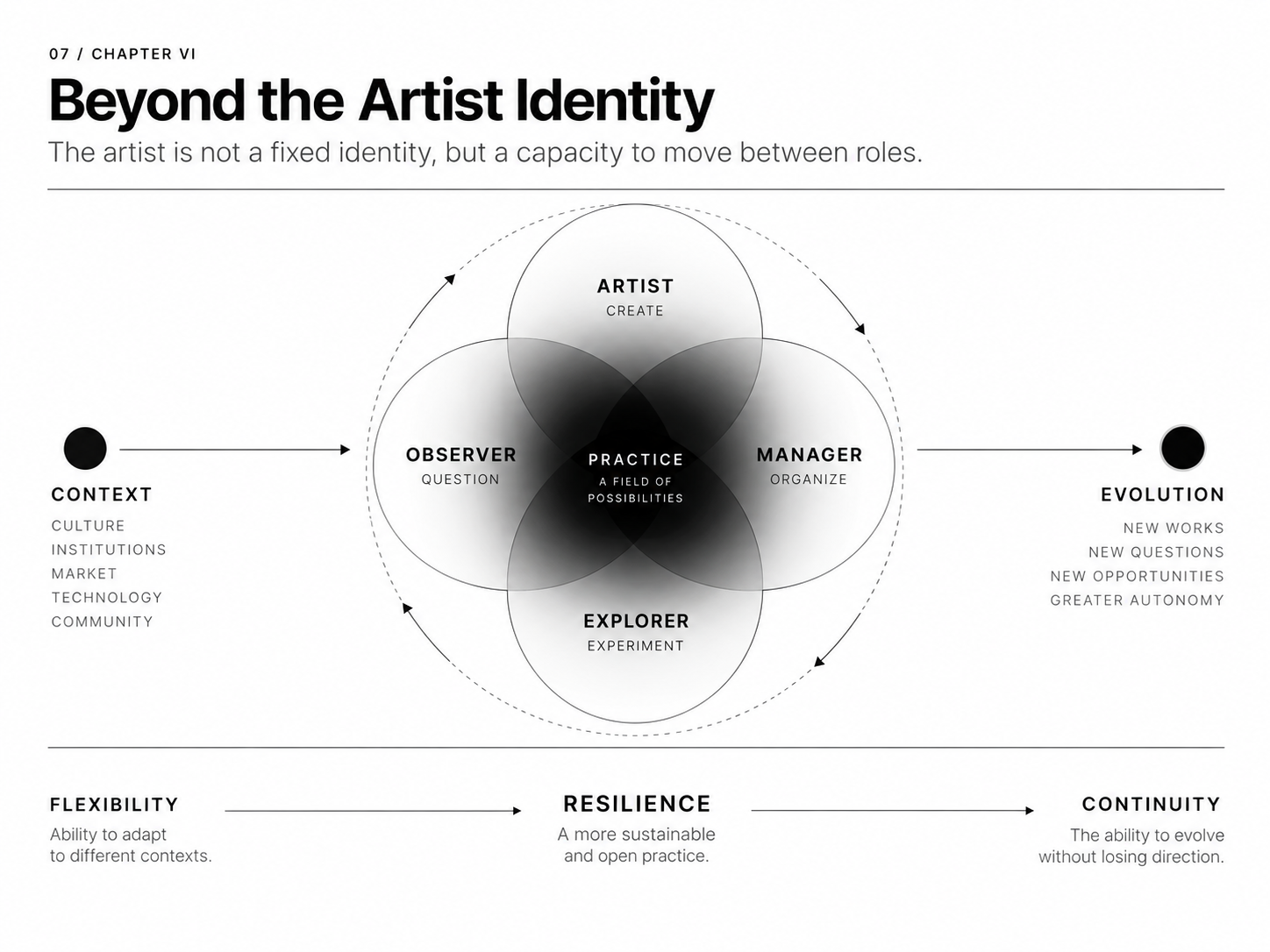
The problem also concerns the artist’s position. When any material can be used and any arrangement can be presented as provisional, the availability of possibilities risks replacing the necessity of choice. A minimal gesture may, under certain circumstances, produce a significant perceptual shift, but it can just as easily become a convention. The extent of an intervention offers no guarantee of the quality of the experience it generates.
This difficulty has accompanied art since at least the emergence of the readymade. Duchamp demonstrated that an ordinary object could acquire artistic status through a decision. Subsequent history has extended that possibility to an ever-expanding range of materials, processes, and situations. An object can be recovered, replaced, activated, allowed to transform, or incorporated into a system that changes its value without altering its form. Each extension has expanded the field of sculpture while making the criteria by which we distinguish an artwork from its surrounding circumstances increasingly uncertain.
Precarity and transience emerge from this history as two ways of addressing the continuity of the object. The former concerns the dependence of form on balances, supports, and circumstances that may change. The latter involves duration, replacement, and the possibility that an artwork’s identity may persist across different material states. Both complicate the conception of sculpture as a completed entity, yet neither constitutes an artistic position in itself.
There remains a tension between the availability of objects and their singularity. Industrial production enables continuous substitution, equivalence, and circulation; artistic intervention can lend an ordinary element a precision that temporarily removes it from this interchangeability. A fragment collected from the street, an industrial structure, or a domestic object can become irreplaceable within a particular arrangement, even while remaining materially indistinguishable from countless others.
It is within this tension that contemporary sculpture continues to negotiate the legacy of the readymade. The possibility of using anything is now part of art history. What remains more difficult to understand is why, among the infinite things available, a particular choice can still change the way we perceive our surroundings. At times, the intervention is so restrained that even the distinction between what has been done and what was already there becomes uncertain. The precision of that difference, however slight, continues to determine whether an ordinary object can become the site of a sculptural experience.