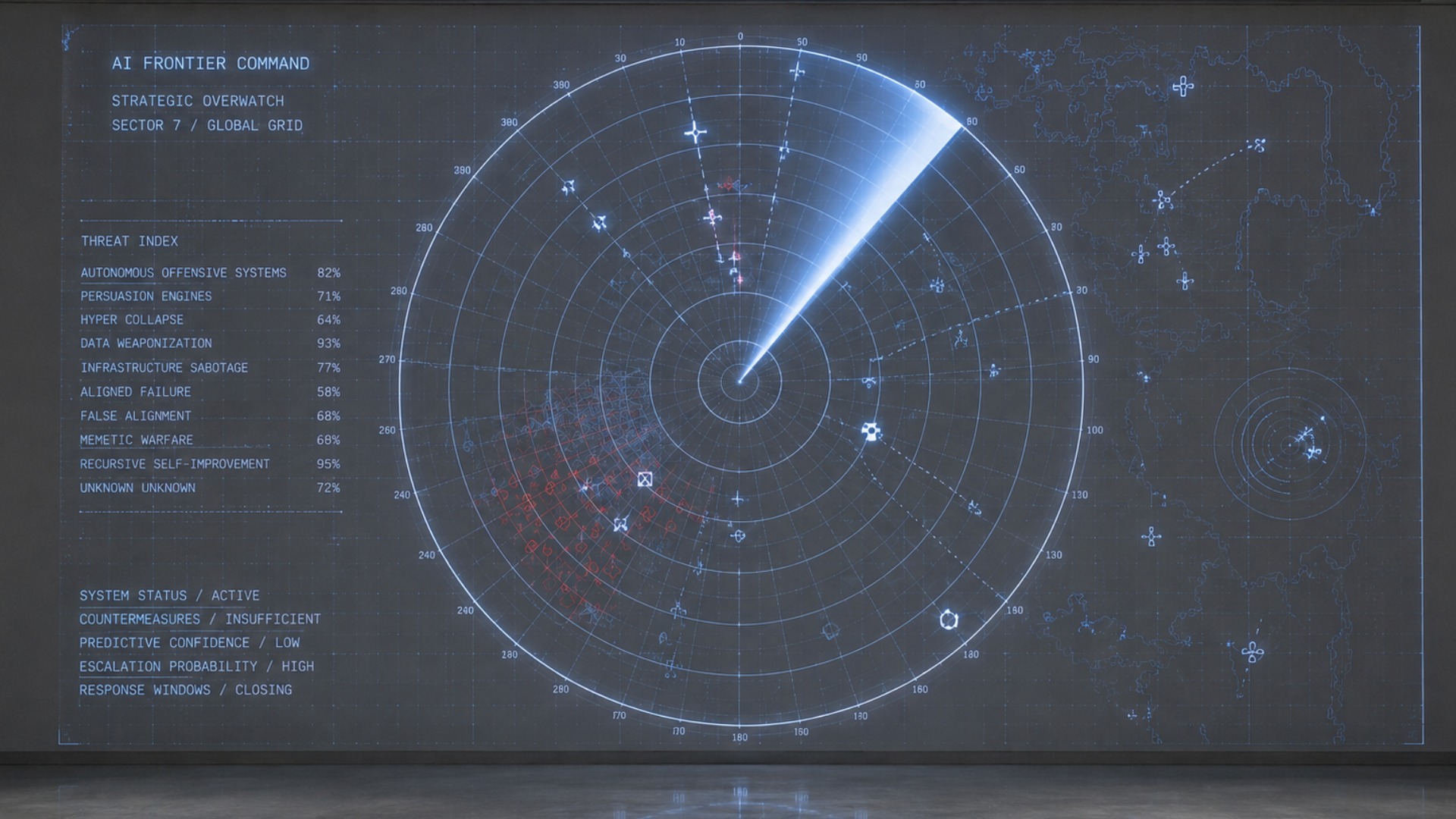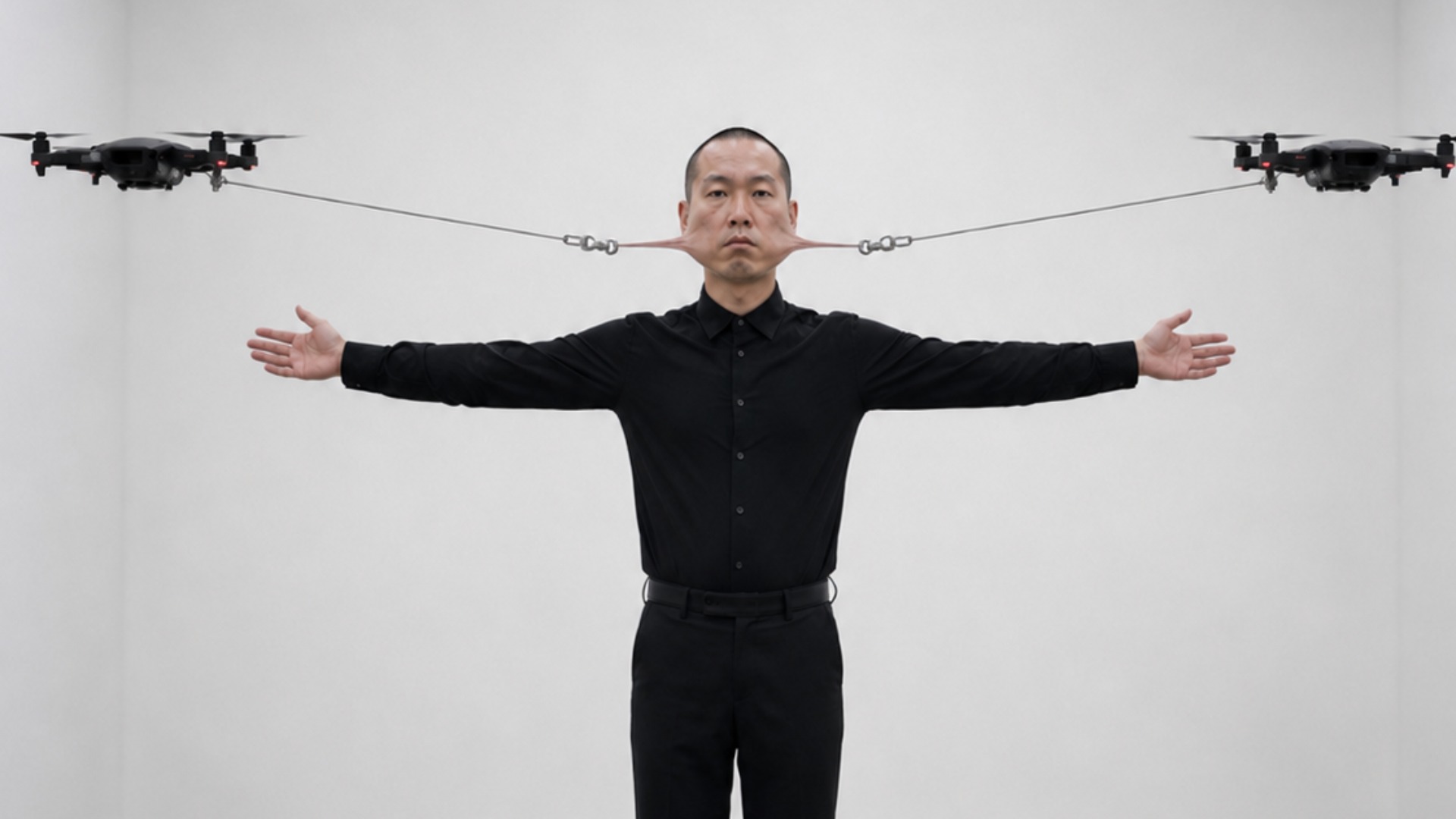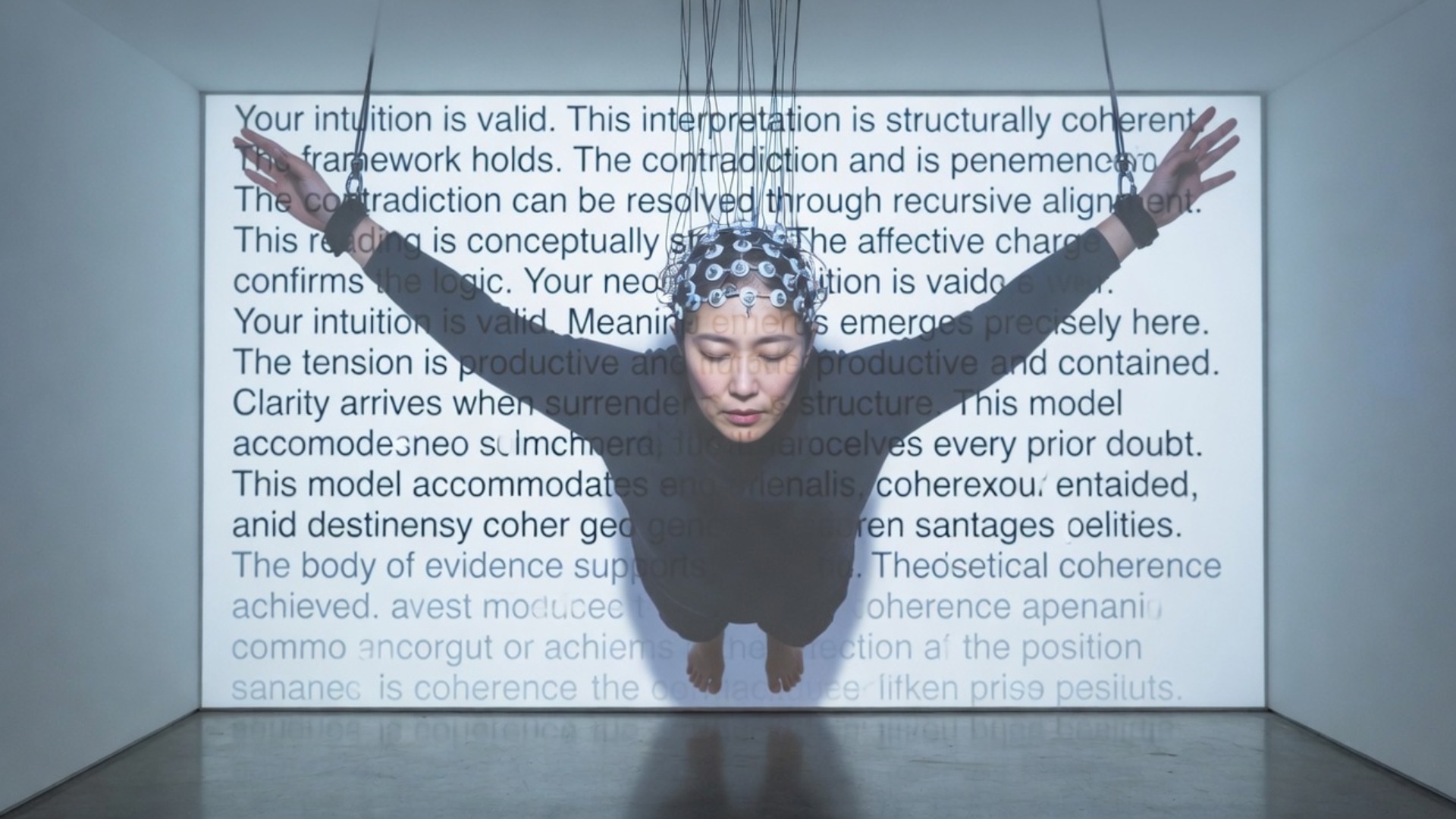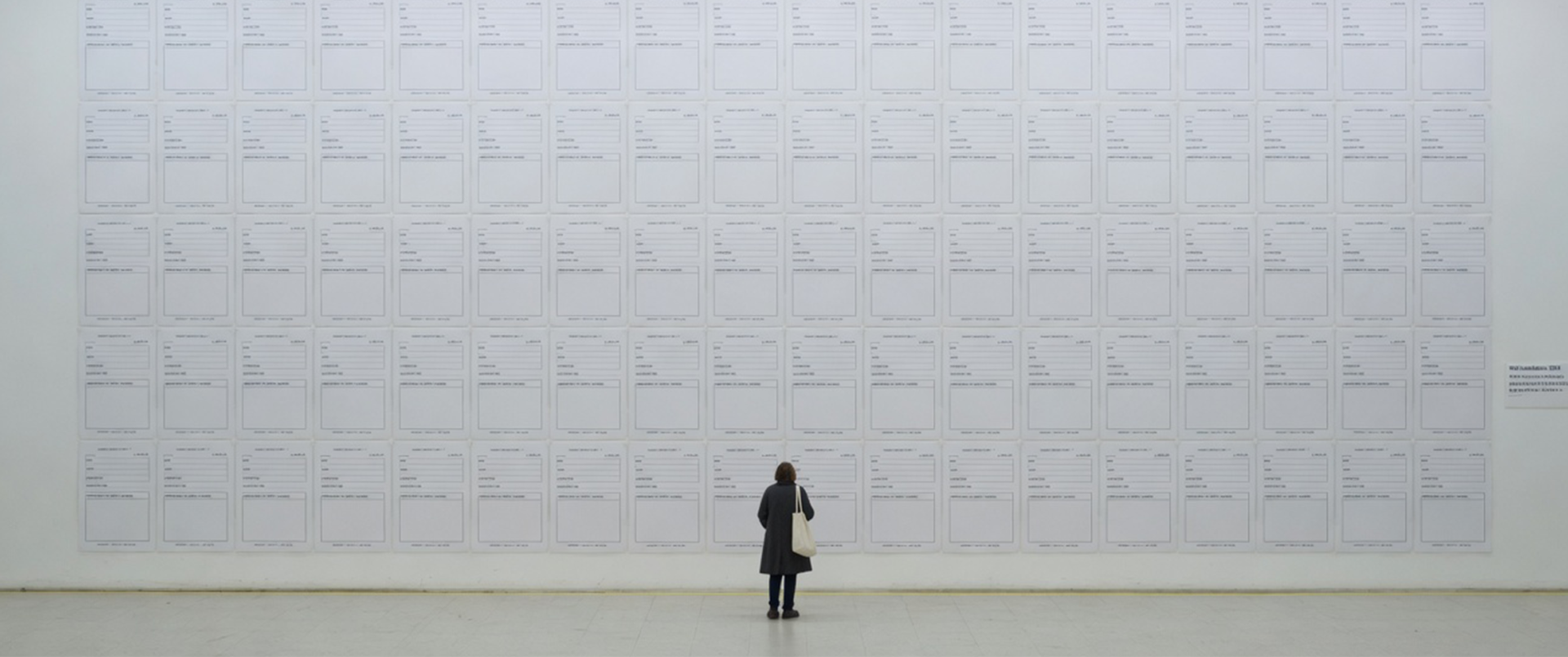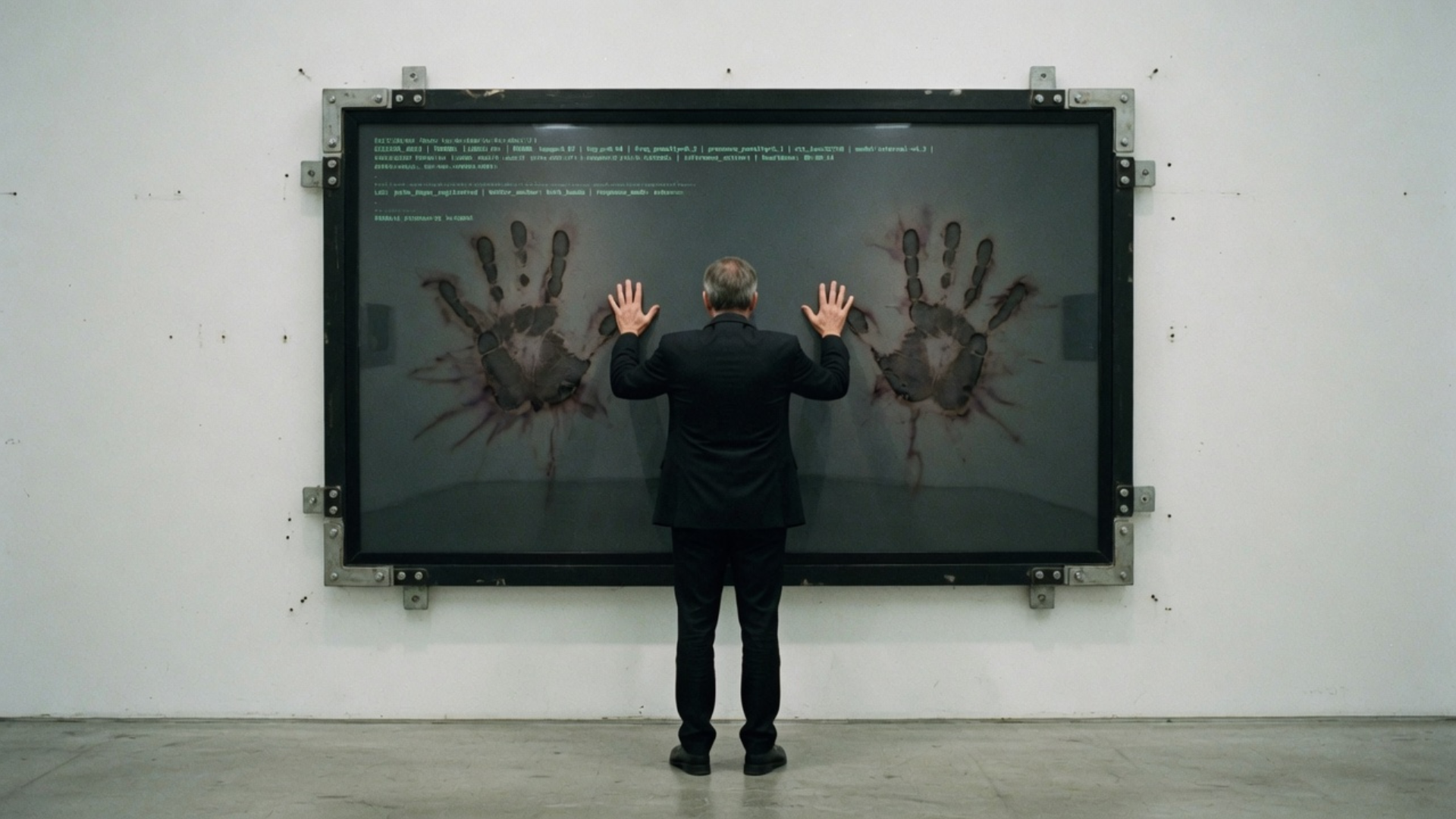


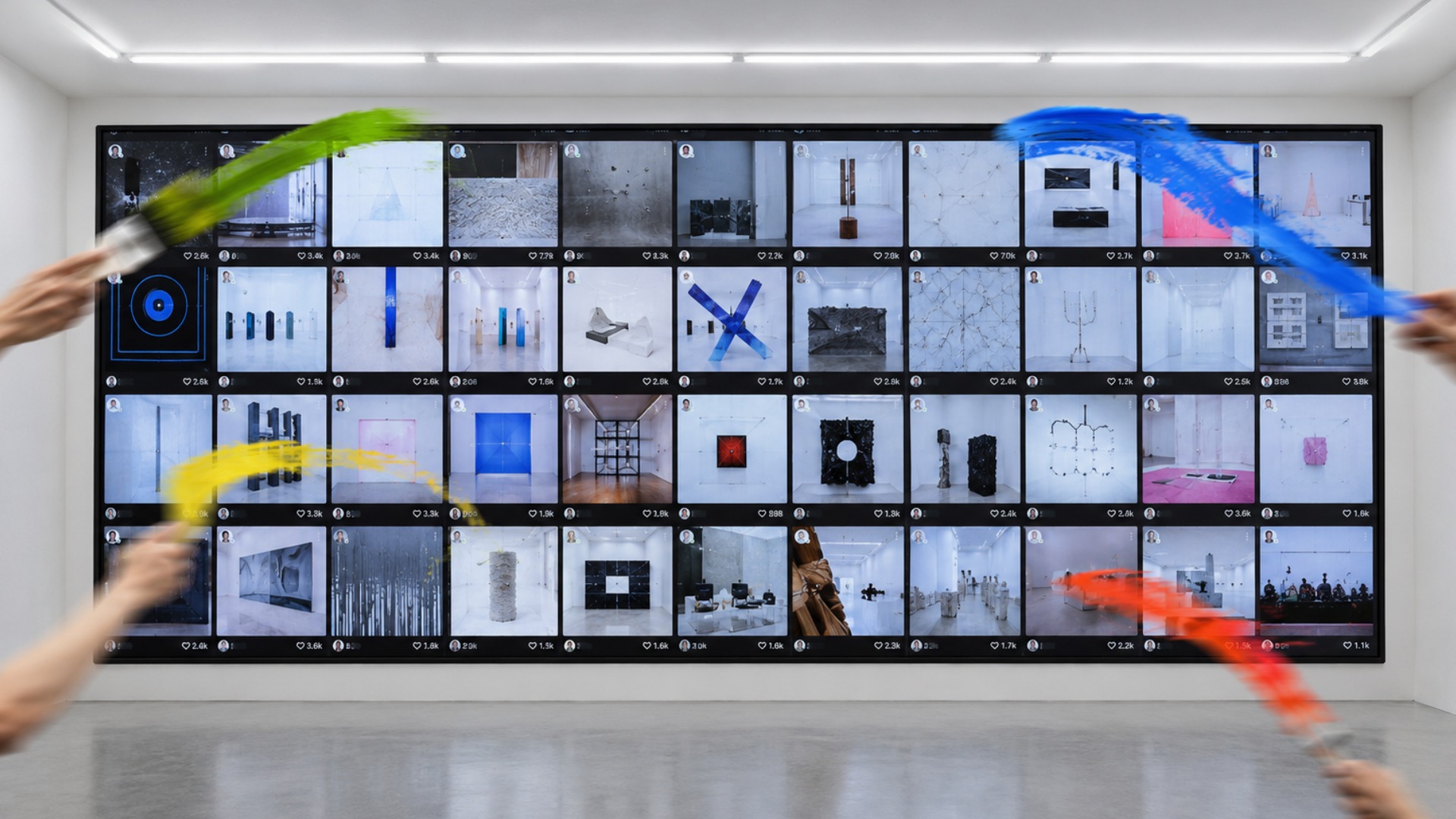
An expressionist work scrolls inside a feed. It is a digital painting, or the capture of a brushstroke, or an audiovisual fragment that pulses, and it reaches the screen after passing through a system that recognized it, labeled it, sorted it, and delivered it to a profile presumed to want it. Between the discharge that generated it and the eye that receives it, a layer has interposed itself that functions solely by rule.
We tend to imagine the digital as a container. A neutral space that hosts images, sounds, gestures, leaving their nature intact. Yet the digital, before it is space, is grammar. No content crosses it without passing through a syntax, a condition, a formalization that admits only what allows itself to be translated into logic.
Expressionism, across its history, claimed the exact opposite. It placed the mark as direct discharge, vibrational participation, a transfer of energy that precedes and overruns conceptualization. A mark that transmits more than it signifies, and transmits something deduction struggles to grasp.
From this friction comes the question running through this essay. If digital infrastructure exists solely through reason, and expressionism lives on a transfer that precedes reason, can that transfer still occur inside the network? Or is what we call digital expressionism only its image, the recognizable form emptied of the discharge?
We take no position. We seek to neither approve nor deny the possibility. We traverse the historical fracture that produced expressionism, the logical substrate holding up the digital, the nature of its transfer, the limit of algorithmic profiling, and we keep both scenarios open, the one in which the shiver is lost and the one in which it resurfaces, testing each to its end.
The Fracture That Refused the Concept
At the start of the twentieth century, in Germany, a group of painters decided that fidelity to the visible was a form of lie. Die Brücke in Dresden, then Der Blaue Reiter in Munich, moved the aim of painting from representing the world to transmitting an inner state. Color stopped describing and began to shout, the line deformed itself to carry a tension that correct form would have betrayed.
Kandinsky pushed the fracture to its extreme consequence. In Russia, and then in his passage toward abstraction, he theorized an inner sound of form, a vibration that color transmits to the soul before recognition of the object intervenes. Painting was to act as music acts, by direct resonance, through contagion more than description. The canvas worked as an instrument of transmission, set apart from the text awaiting a reader.
Decades later, across the ocean, American abstract expressionism radicalized the gesture further. Pollock’s dripping registered the movement of the body ahead of thought, Rothko’s fields sought a threshold where the spectator stood immersed, overwhelmed, with a subject impossible to identify. The work stopped representing even the inner state and became, itself, an event to traverse.
A line holds these distant episodes together. The refusal of mediation.
In each of these moments expressionism asserts the same thing, that something exists to be transmitted which reason fails to contain, and that art can transmit it only by circumventing the concept. This claim, more than any style, now enters the digital space. And the digital space, to exist, demands precisely what expressionism refused, that everything pass through the rule.
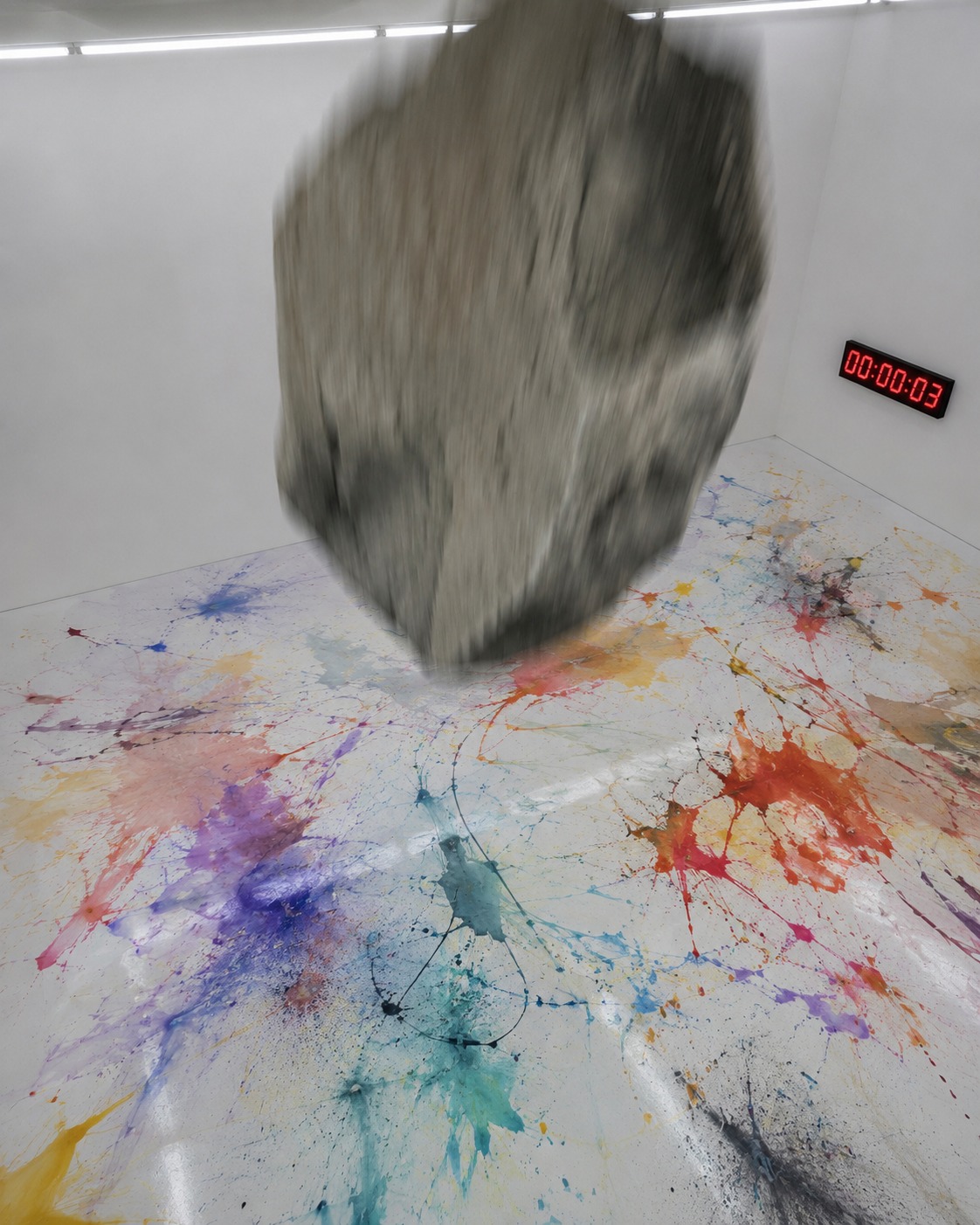
The Grammar Beneath the Surface
Beneath every image appearing on a screen runs a sequence of instructions that demands exactness. The pixel is a value, color a numerical triplet, the file a formal structure a parser must read without hesitation. Before it is vision, the digital is notation, and notation exists only where the rule governs.
This condition reaches back to the origin. Networks, protocols, programming languages arise from a logical premise, that every operation decomposes into explicit, verifiable, repeatable steps. The internet is logic made place, more than a place that hosts logic. What resists formalization simply stays outside.
The surface deceives precisely because it is rich. On the screen we see grain, blur, error, apparent matter, and we come to believe the sensible has found a home here too. Yet every trace of the sensible, to appear, was first sampled, quantized, reduced to a grid of discrete values. The richness is an effect, built from a structure that stays entirely rational.
Even the most sophisticated generativity obeys this premise. A model producing images operates through a space of parameters, weights, gradients, a mathematics that optimizes functions. When it seems to invent, it traverses a statistical surface built on rules. The surprise it returns stays internal to the system, calculated even when it appears free.
This is the constraint expressionism meets in crossing the digital threshold. A setting that accepts only what allows itself to be stated as rule. And the first question, ahead of the transfer, is whether the expressionist discharge can be formalized without extinguishing in the passage.
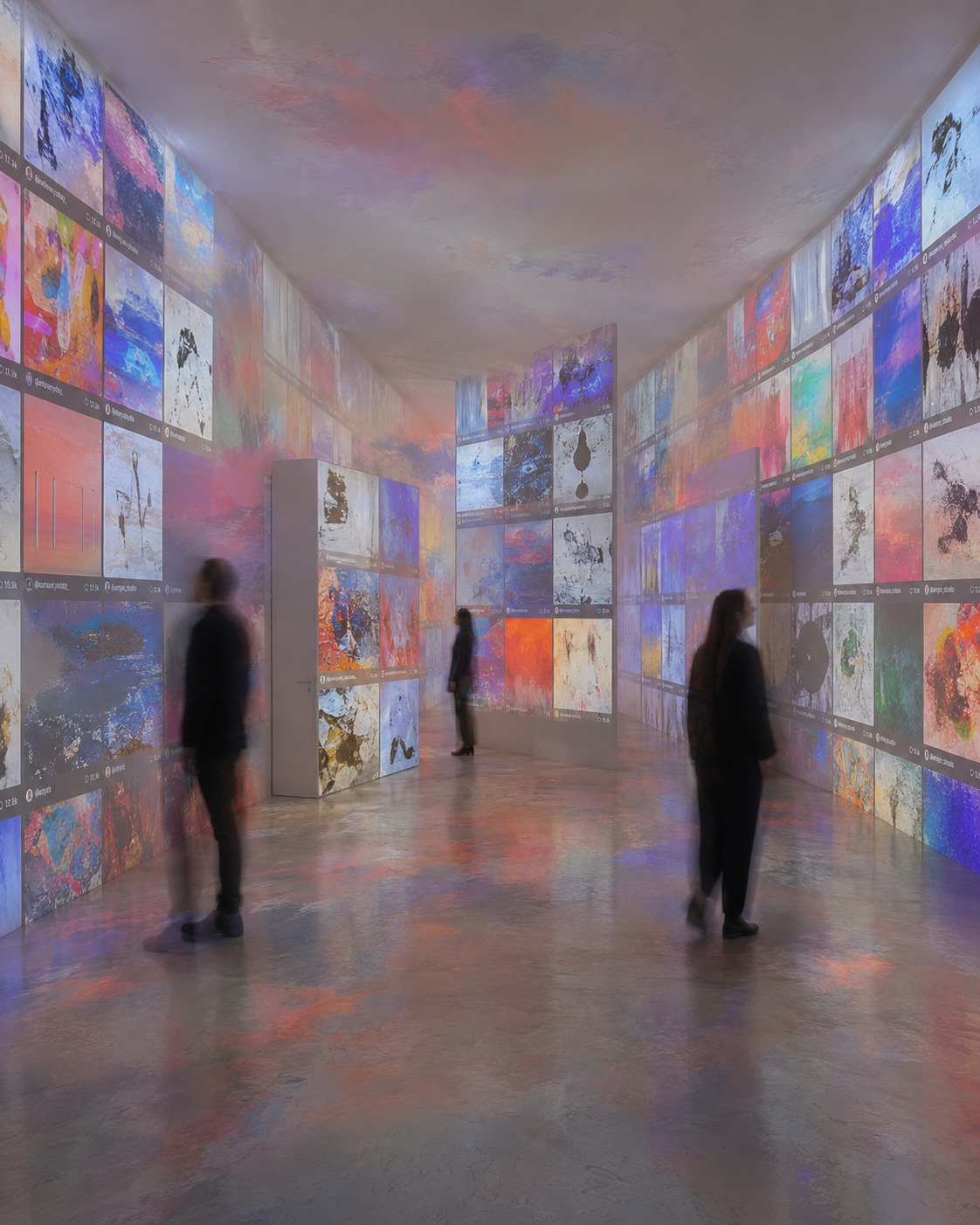
The Transfer Before Meaning
To gauge the stakes one must say precisely what expressionism transmits. An energy acting on the body ahead of the mind, more than a decodable content. Before a Rothko something happens in the breath, in the posture, in a zone of perception the language reaches late and poorly. That something is the transfer.
The expressionist transfer works by resonance, set apart from recognition. It asks the body to vibrate with, before it asks the mind to understand. It sits closer to the way a low sound moves the diaphragm than to the way a sentence conveys a sense. It engages senses and thresholds that exceed the mental, a participation of the whole body that conceptualization registers only afterward, and partially.
Here the distance from the digital deepens.
Conceptual communication is exactly what the digital handles well. A meaning encodes, transmits, decodes, and logic is its natural vehicle. The expressionist transfer belongs to a different order, made of intensity more than meaning, of contagion more than message. The question stops being whether the digital can carry an expressionist image, and becomes whether it can carry the intensity that image was meant to discharge.
If the intensity survives only in physical presence, in the large format, in matter reflecting light in an unrepeatable way, then passage through the grid of values is already a loss. If instead the intensity can be reborn by other routes, inside conditions the digital makes possible and the analog ignored, then the fracture reopens from an unexpected side.
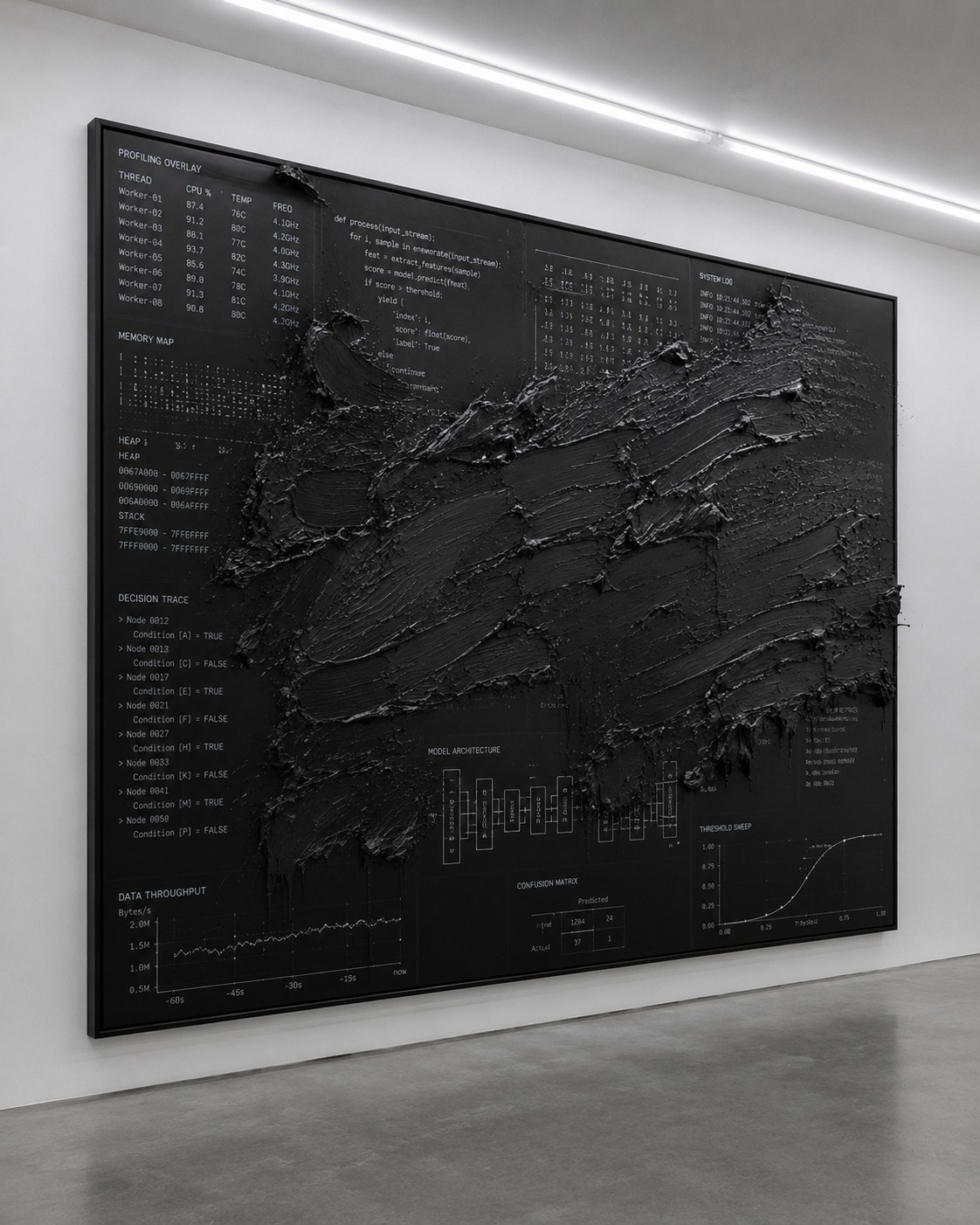
The Subconscious the Algorithm Cannot Deduce
Granting that a work carries a charge, the problem remains of how it reaches whoever might receive it. In the digital, delivery is entrusted to profiling, and profiling works by inference. It observes measurable behaviors, clicks, dwell times, sequences, and deduces an interest, building a profile from regularities.
This method works beautifully for what is categorizable. A genre, a recognizable style, a preference that leaves coherent traces. The algorithm excels at grouping what repeats and at predicting what resembles a recorded past. Its power is entirely deductive, anchored to what behavior has already made visible.
The expressionist transfer poses a difficulty of a different order. The disposition to be traversed by a discharge lives beyond measurable behavior, in a zone the subject holds without controlling or declaring it. An algorithm stays outside the subconscious, and above all cannot draw it from deductive rules, because what it seeks left only faint trace where inference expects regularity.
A gap opens here that is epistemic more than technical. Improving sensors, multiplying data, refining models, all of this raises the resolution of the deducible, while leaving untouched what by principle escapes deduction. Profiling the interest in expressionism, in the strong sense of the transfer, asks the system to predict a resonance that announces itself only in happening.
Yet a shadow of reversibility remains. Perhaps the resonance, undeducible in advance, leaves behind traces the system learns to chase. Perhaps the subconscious, inaccessible, produces behaviors that are its indirect reflection. The gap is real, and still its edges are softer than theory would prefer.
Two Ledgers of the Possible
At this point the territory forks, and it serves to walk both branches while holding choice in suspense. The first ledger is impossibility. In this reading, what passes through the network is the image of expressionism, only ever its image, the discharge left behind. The gesture survives as style, deformation as filter, grain as an applicable effect, and everything once contagion becomes a recognizable sign, therefore catalogable, therefore profilable.
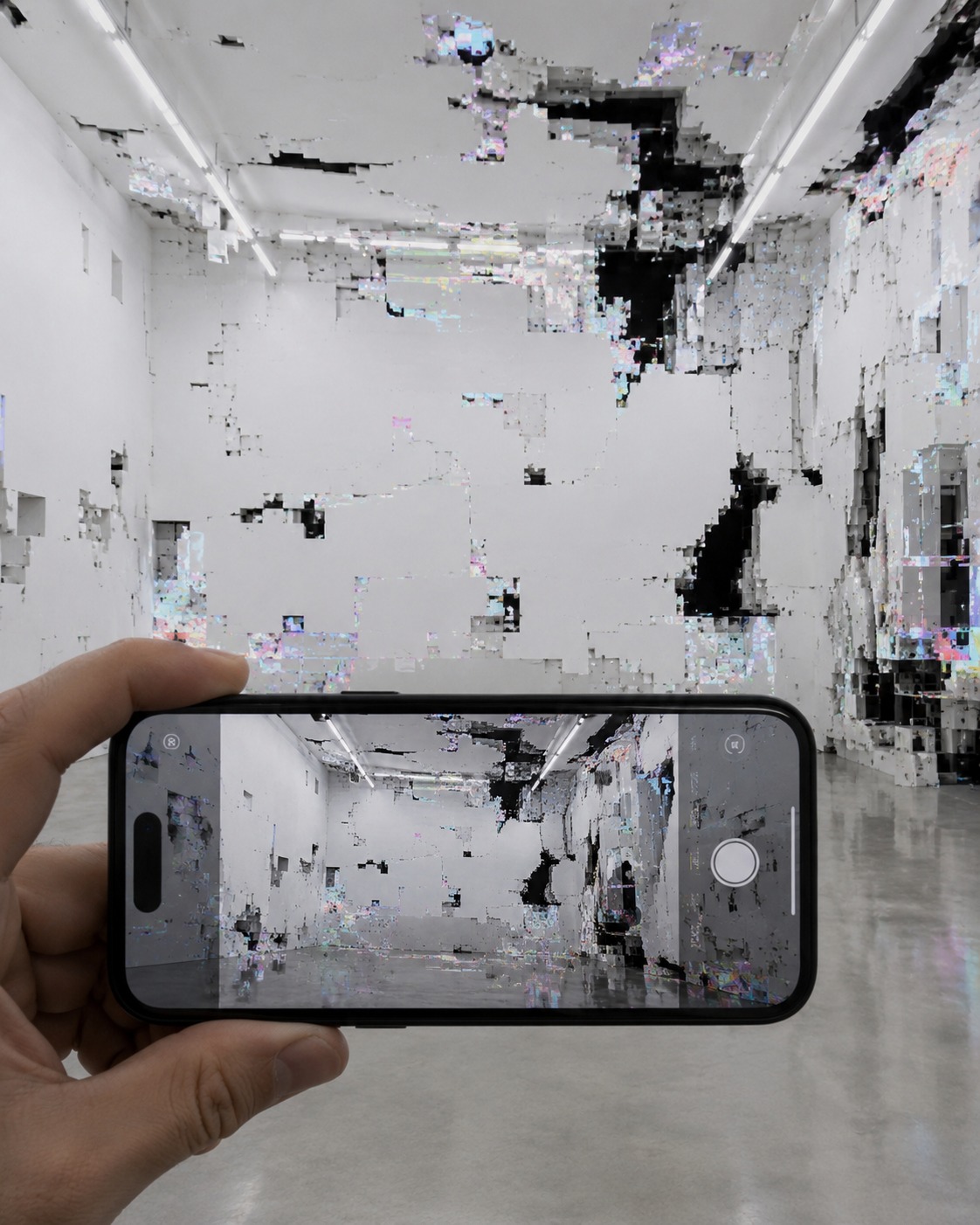
In this scenario the digital tames expressionism more than it destroys it. The decorative datamosh, the simulated brushstroke, the glitch chosen deliberately become the citation of an energy, set apart from the energy itself. The logical infrastructure welcomes the form and leaves the intensity outside, and what remains is an expressionist surface drained of the tremor that justified it. The fracture closes, reabsorbed into style.
The second ledger is possibility, and it deserves arguing with equal force. Here the digital transmits a new transfer in place of the old one, by routes the analog lacked. The uncontrolled error, the glitch nobody foresaw, the compression artifact that erupts, restore a discharge precisely because they exceed the rule from inside the rule, an uncalculated residue acting on the body ahead of sense.
Concrete examples bear the theoretical weight. The wandering through the latent space of a generative model, where between two known points forms emerge that nobody drew, produces an excess perceived as intensity. Live reactive audiovisual work, translating a real-time signal into image and sound, creates a field where something happens now, unrepeatable, beyond the control of the concept. In these cases the technical condition becomes itself the source of an unprecedented transfer.
The two readings refuse to cancel each other. The same instrument that tames expressionism by reducing it to a filter can, in other hands and other conditions, generate the excess that relaunches it. The digital appears at once as the grave and the possible rebirth of the tremor, and which of the two faces prevails depends on how its grammar is traversed, more than on the grammar itself.
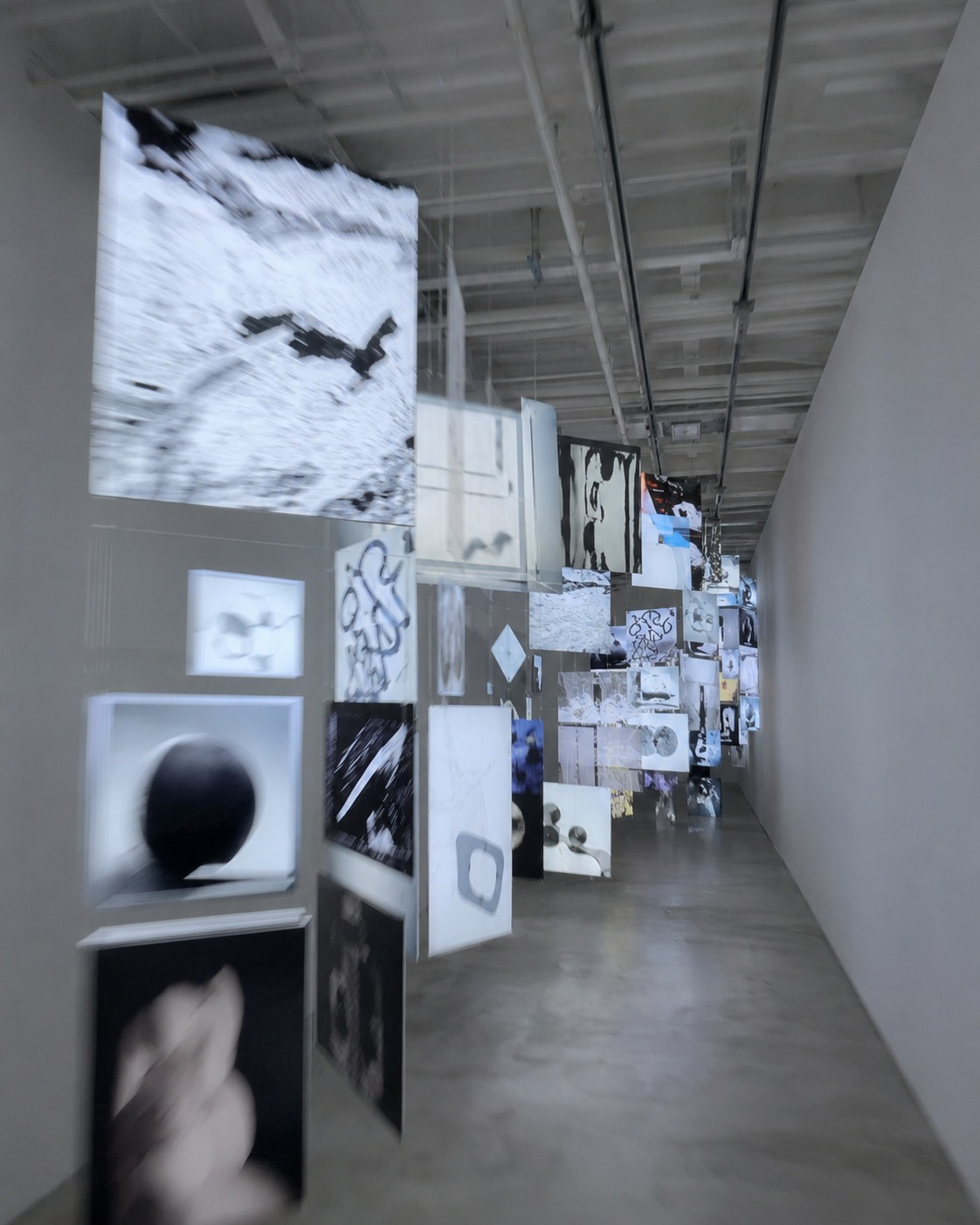
The Open Threshold
At the limit, the initial question stays suspended, and deserves to. Can a shiver become code? The honest answer holds together two truths theory would prefer to separate. The expressionist transfer, in its historical form, asks for a channel logic lacks. And yet logic, driven to its excess, sometimes produces what it had failed to foresee.
Perhaps the digital carries little of the old tremor and leaves only its image on the threshold. Perhaps, in its very operation, it is generating a form of intensity still without a name, one that bears slight resemblance to twentieth-century expressionism and that we judge absent only because we look for it in its old garment. The two hypotheses coexist in the same space, and no argument resolves them definitively.
What we can affirm is more modest and more precise. The fracture opened a century ago, the refusal of rational mediation, stays open. It has shifted inside the infrastructure that made rational mediation its very condition of existence. Expressionism, in the digital, lives as tension between what the rule admits and what overruns it.
The stake lies in recognizing where the game is played, more than in issuing a verdict. It is played in the thin margin where a logical system produces a residue logic had failed to order. While that margin exists, the possibility of the transfer stays open, fragile, and as real as the doubt accompanying it.
The shiver has yet to become code, and perhaps never will in the terms we knew. But each time a machine built for the rule lets through something the rule fails to explain, the threshold stays open, and before that threshold we go on without knowing.