We’ve been following Joy Li’s work for some time now, and what continues to strike us is her radical use of the body as both material and site of detachment. Recently graduated with an MFA in Sculpture from Yale School of Art (Class of 2026), the Chinese artist born in Gansu in 1999 creates performances, wearable sculptures, and kinetic installations that blur the line between human and non-human, desire and fragility, power and vulnerability. In this interview we wanted to explore how she reinterprets everyday objects and bodily limits, turning them into charged spaces of allure, danger, and quiet resistance.
Your practice often involves detaching from “human” identity through performance, wearing white contact lenses, facial antennae, or body extensions. What draws you to these states of sensory alteration and non-human existence?
I’m not satisfied with being human, a way that is structured by society. I don’t think we are born knowing how to be human. We learn it by mimicking existing social structures, behaviors, and manners. I would rather be something else.
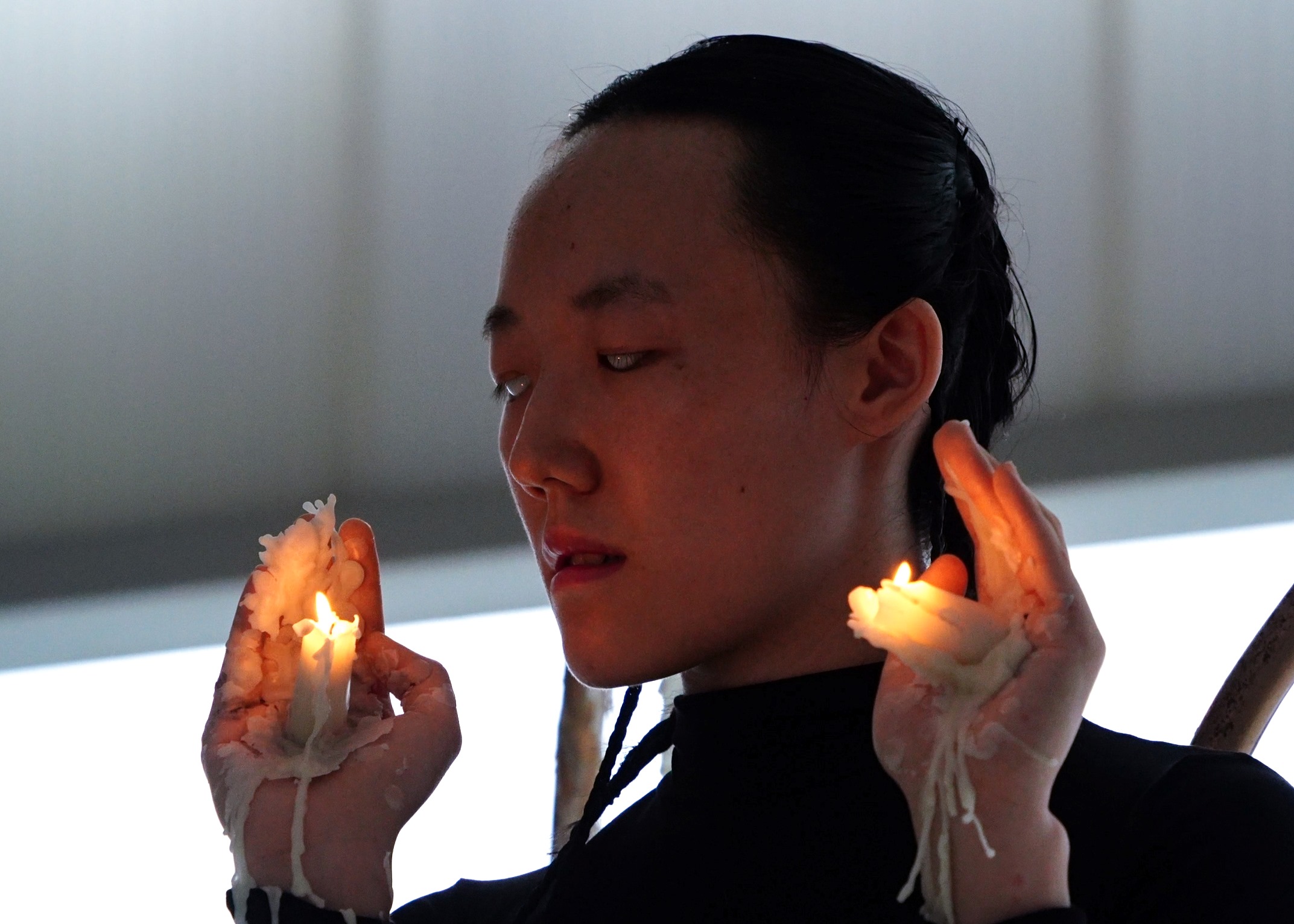
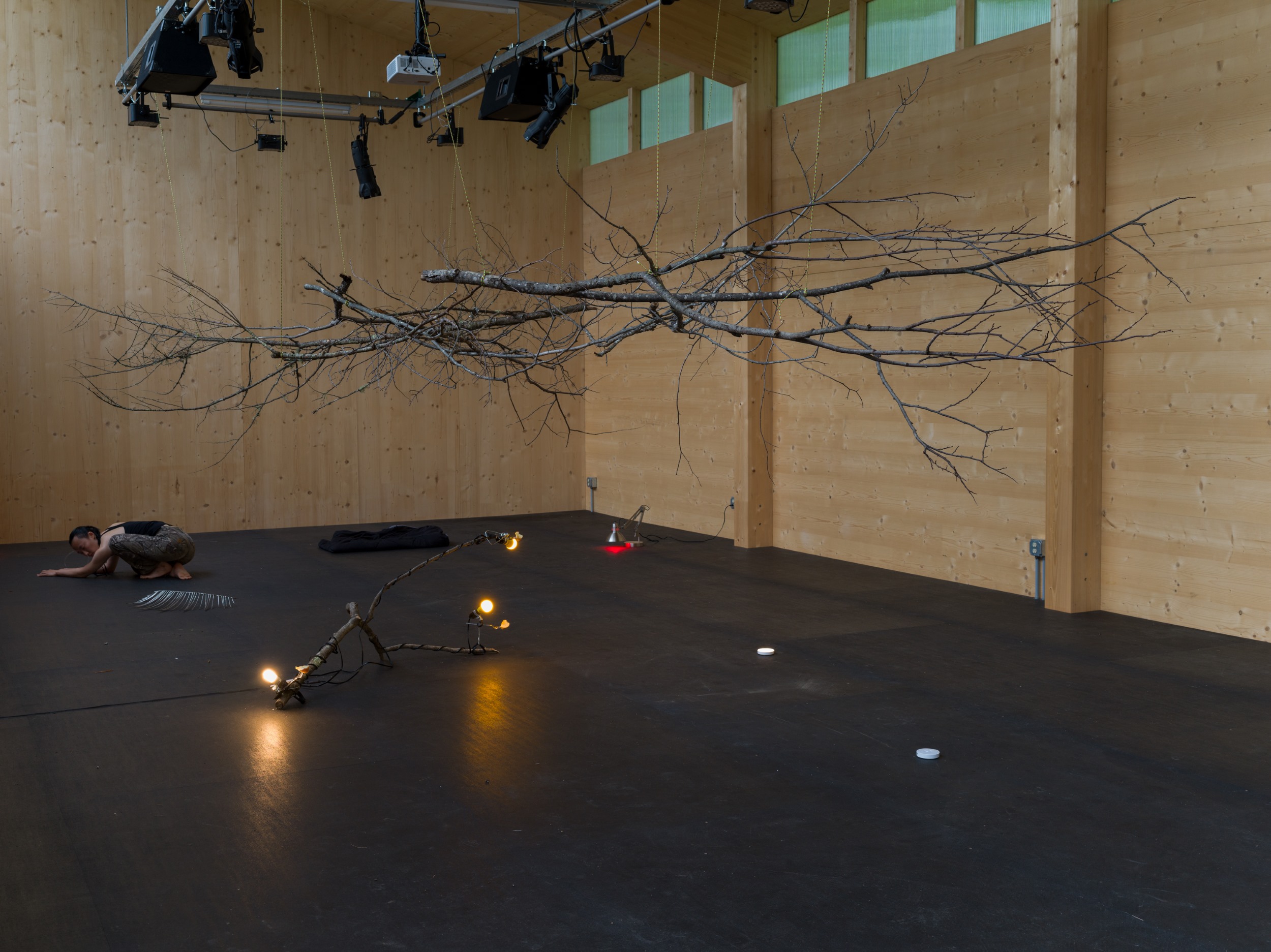
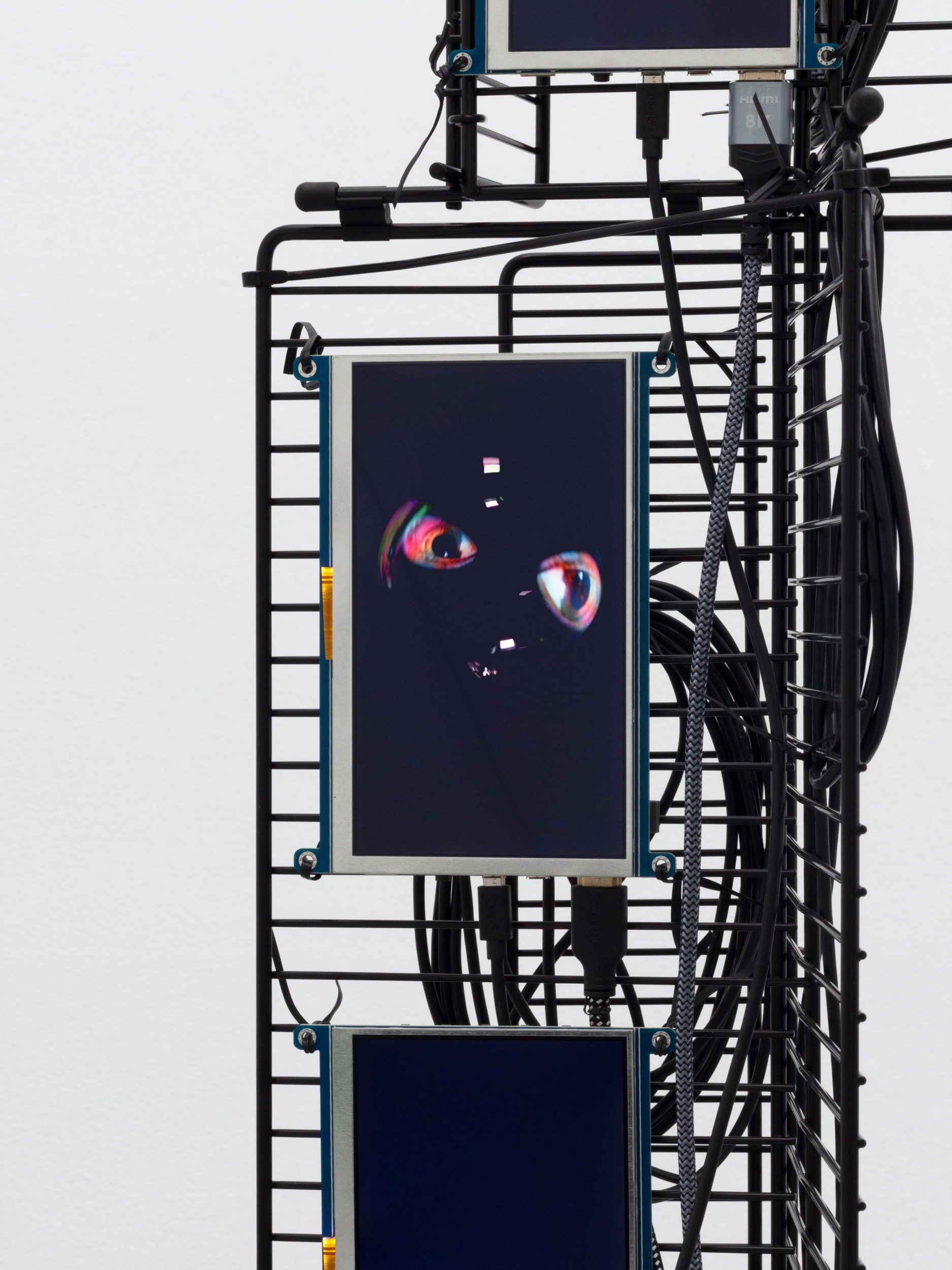
For me, becoming “non-human” is an alternative way to exist, explore, and interact with the audience beyond the social norms of being human. One of the fastest ways for me to do that is by changing my body through body extensions or sensory restrictions. These extensions and limitations completely change how I experience my body and how I can move. For example, when I wore white contact lenses, I could barely see anything except light. I had to follow the light, and I learned to use the facial antennae to sense objects in front of me while I was almost blind. In other works, the body extensions became almost like new organs or additional body parts that allowed me to touch and communicate with the audience in ways that my own body normally couldn’t.
I believe physical movement can reshape psychological experience—that the physical can change the psychological. When my body moves differently, my mind also enters a different state. During those performances, I can almost forget who I am. It’s like entering a new identity.
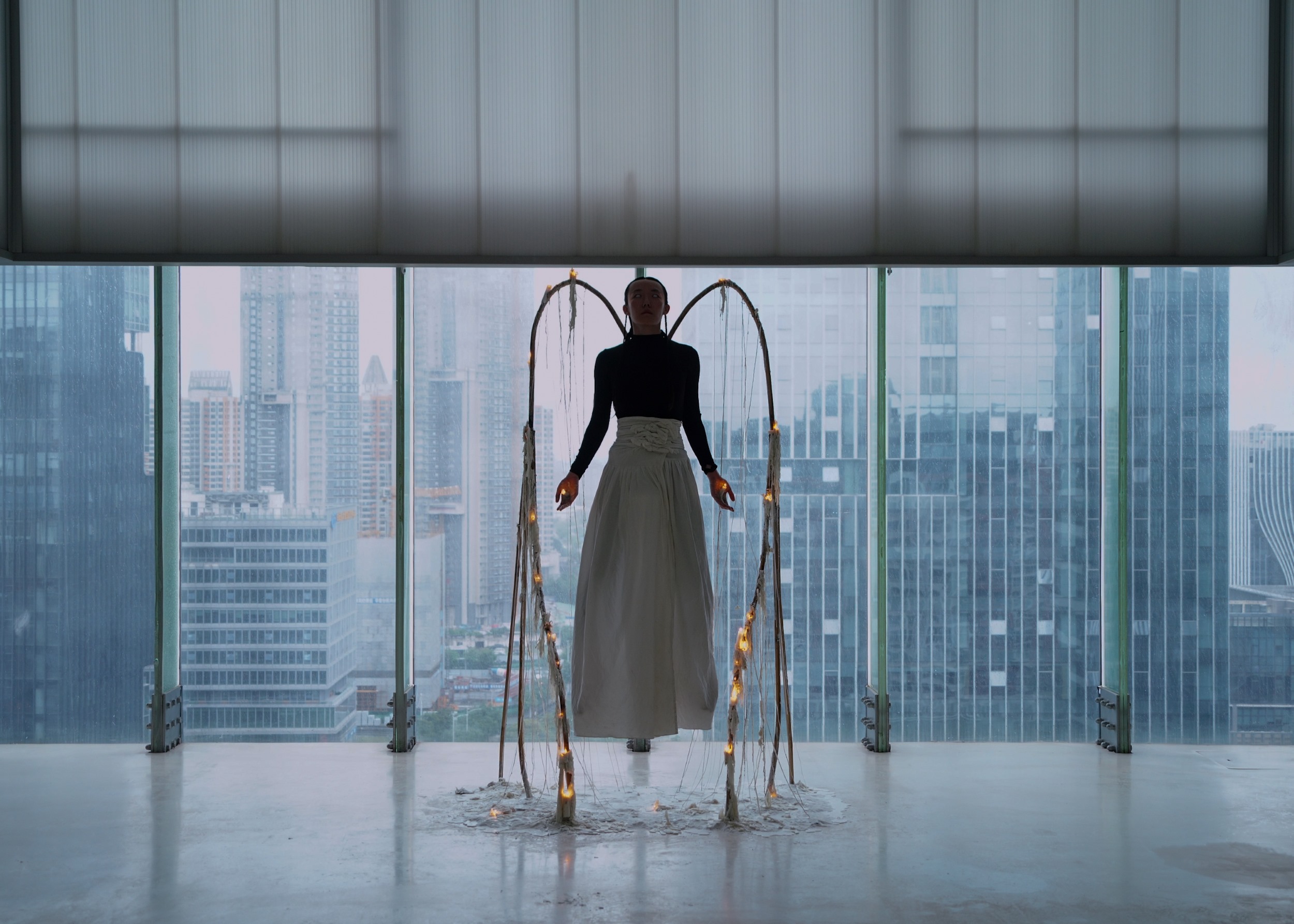
In works like Intermission and Wings of Icarus you use your own body as the central material, often pushing it to the edge of visibility or endurance. How do you think about the body as both tool and subject in your research?
I really think the body is the primary tool and the foundation of much of what I’m researching. It is the way we exist and how we interact with the material world. It’s the vehicle for life, or simply for being. The body is also a kind of found object. We live with it and spend every moment with it, so it feels very natural for me to become interested in it and let my practice grow from it.
What fascinates me is that the body is incredibly capable, but at the same time it has very real limits. A very ephemeral object. Those qualities constantly make me think about dualities: how something can be beautiful but also dangerous, powerful but also fragile. Those tensions have become a central way of thinking throughout my practice.
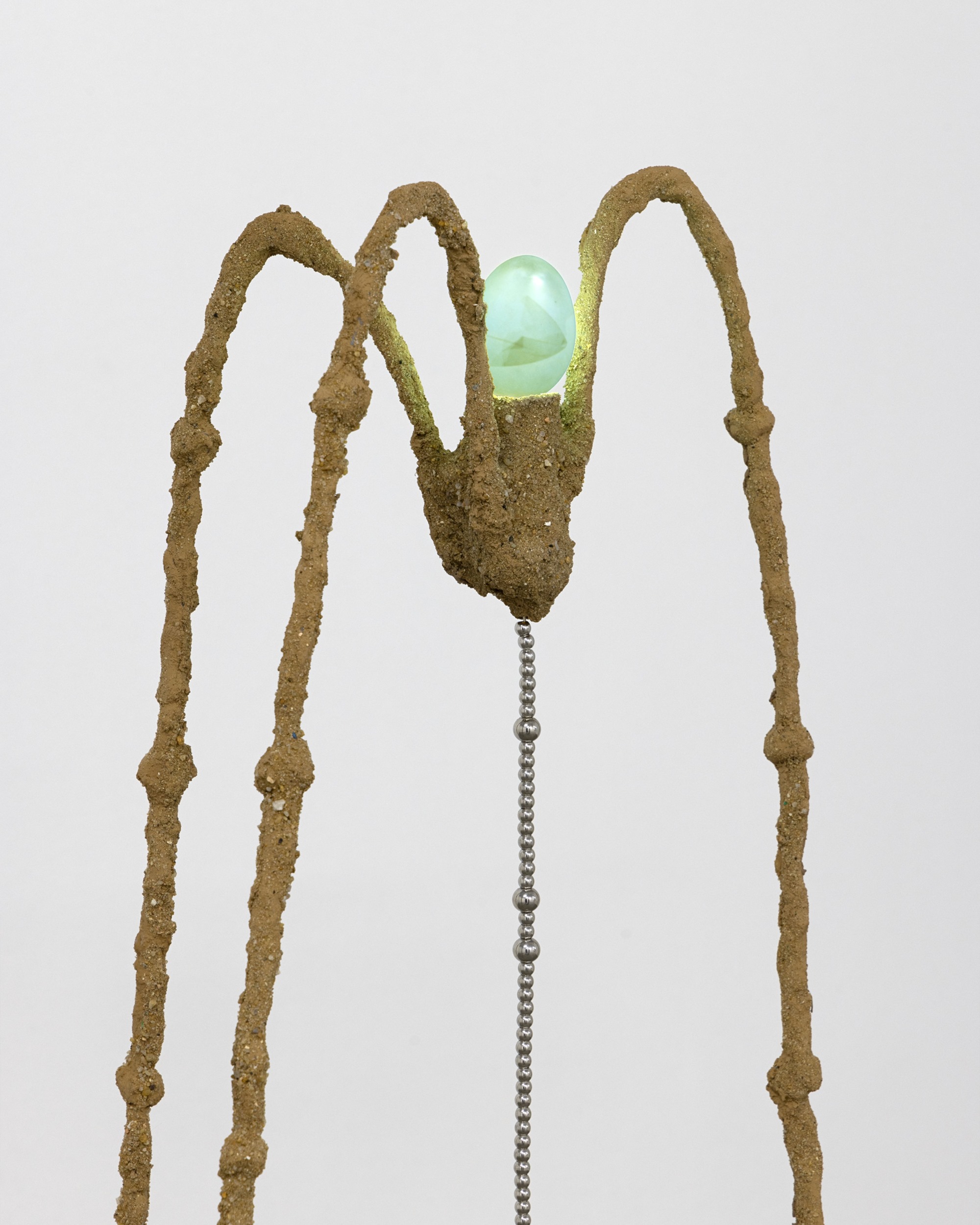
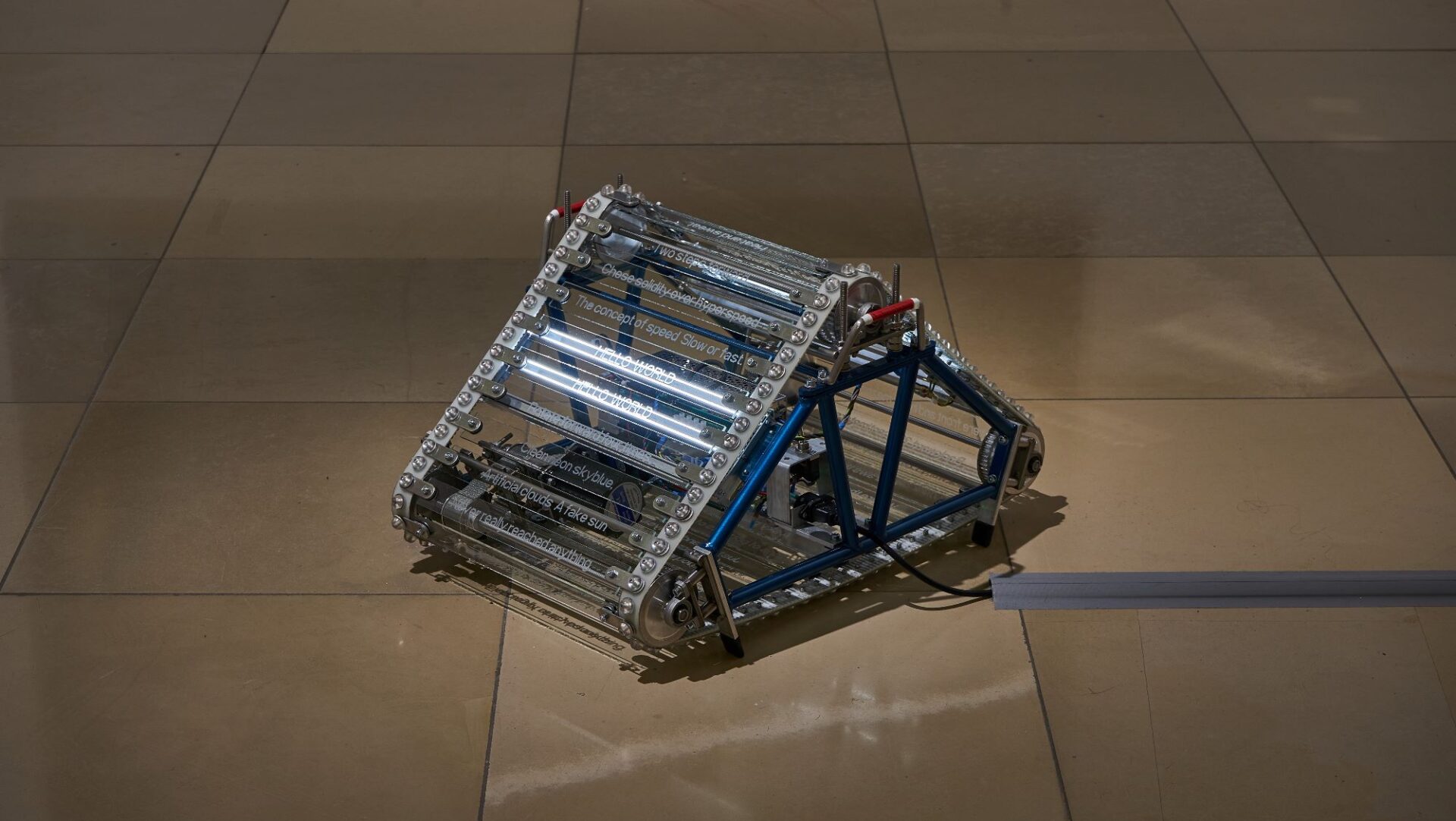
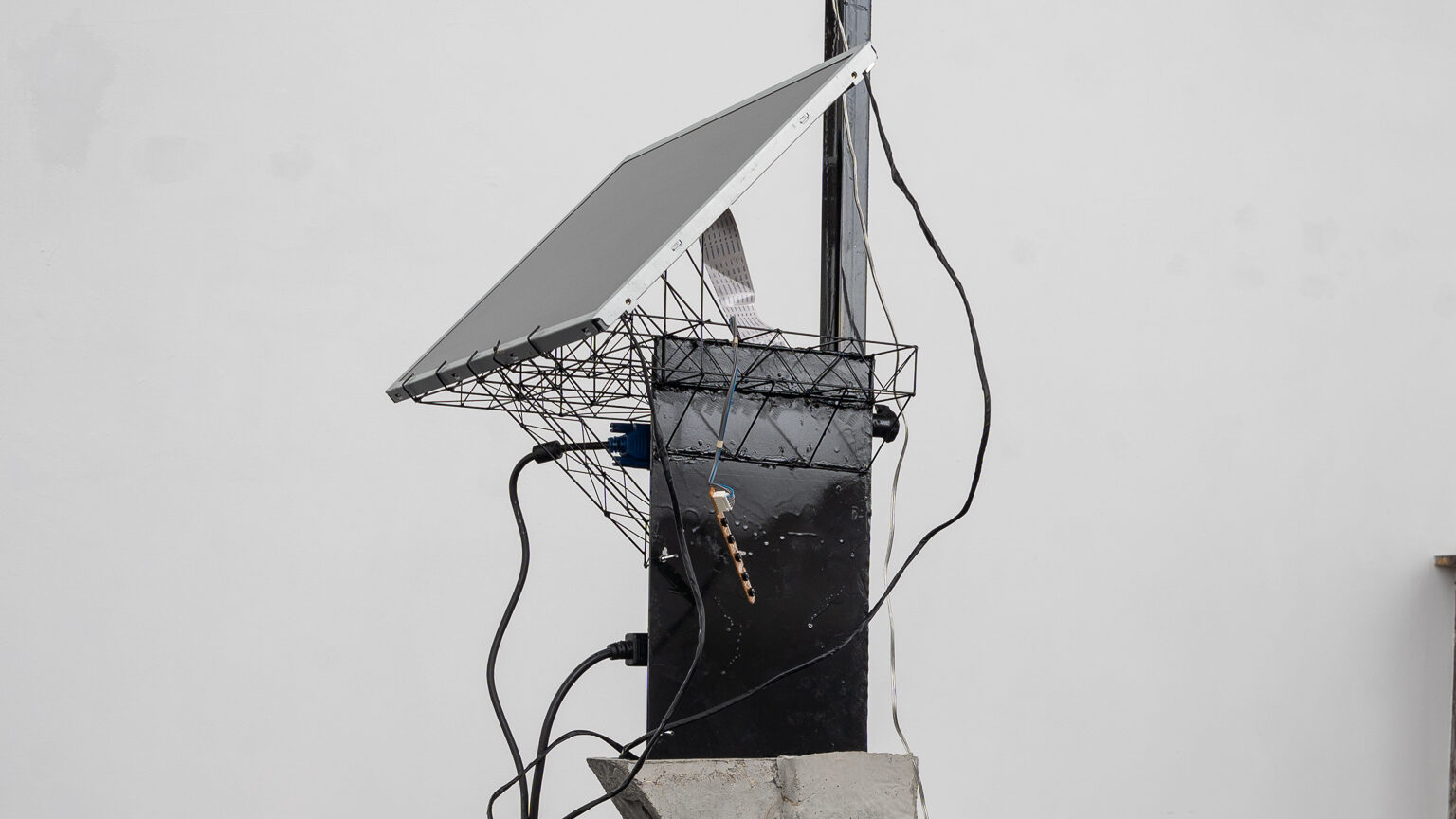
Many of your sculptures and installations incorporate wire cages, resin, foam, LED, hair, or everyday luxury objects such as chandeliers, money, and eggs. How do you approach the transformation of these familiar materials into something that feels both seductive and unsettling?
It’s very interesting that you mentioned this because you’re not the first person to tell me that I somehow make these ordinary objects look sexier or more seductive.
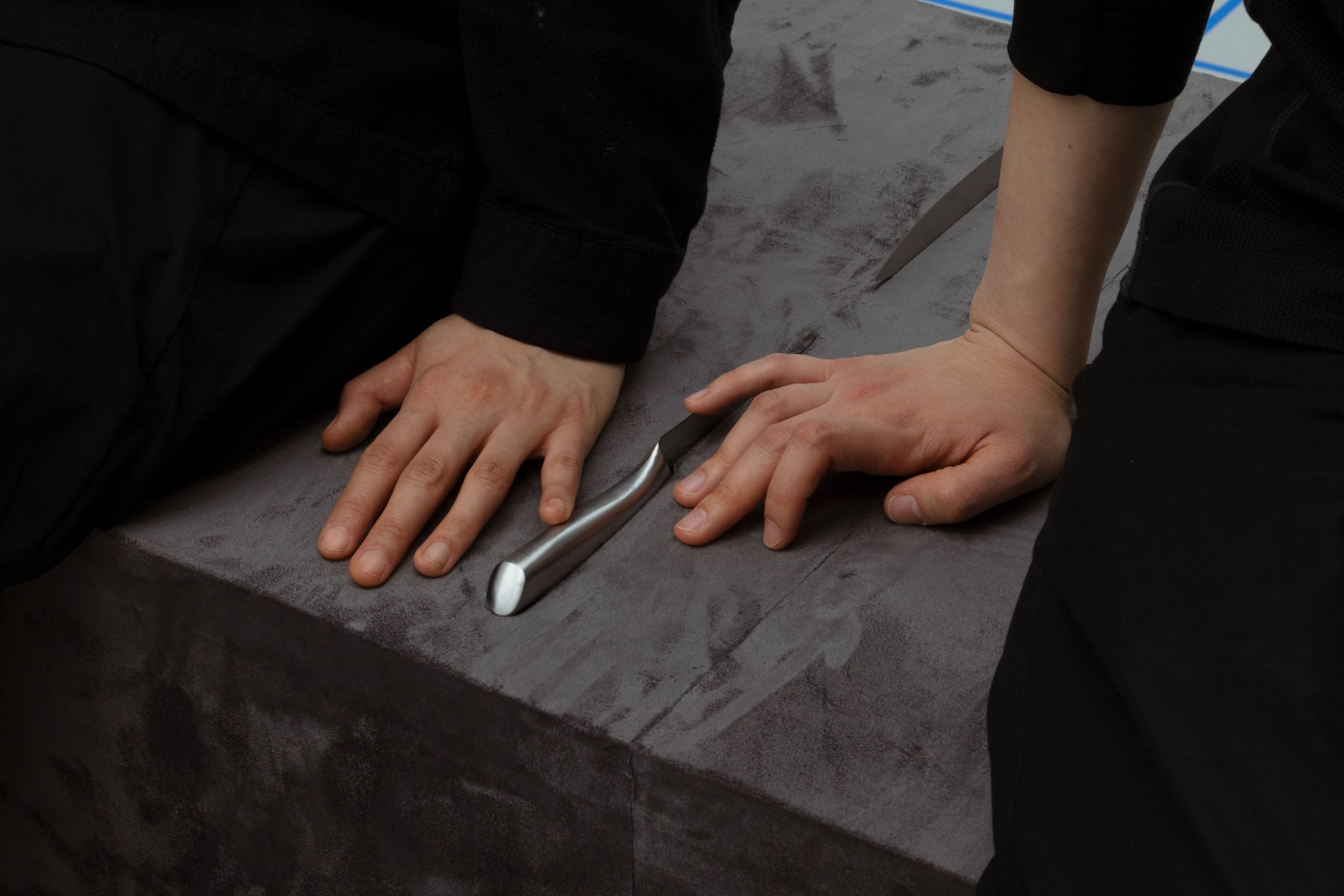
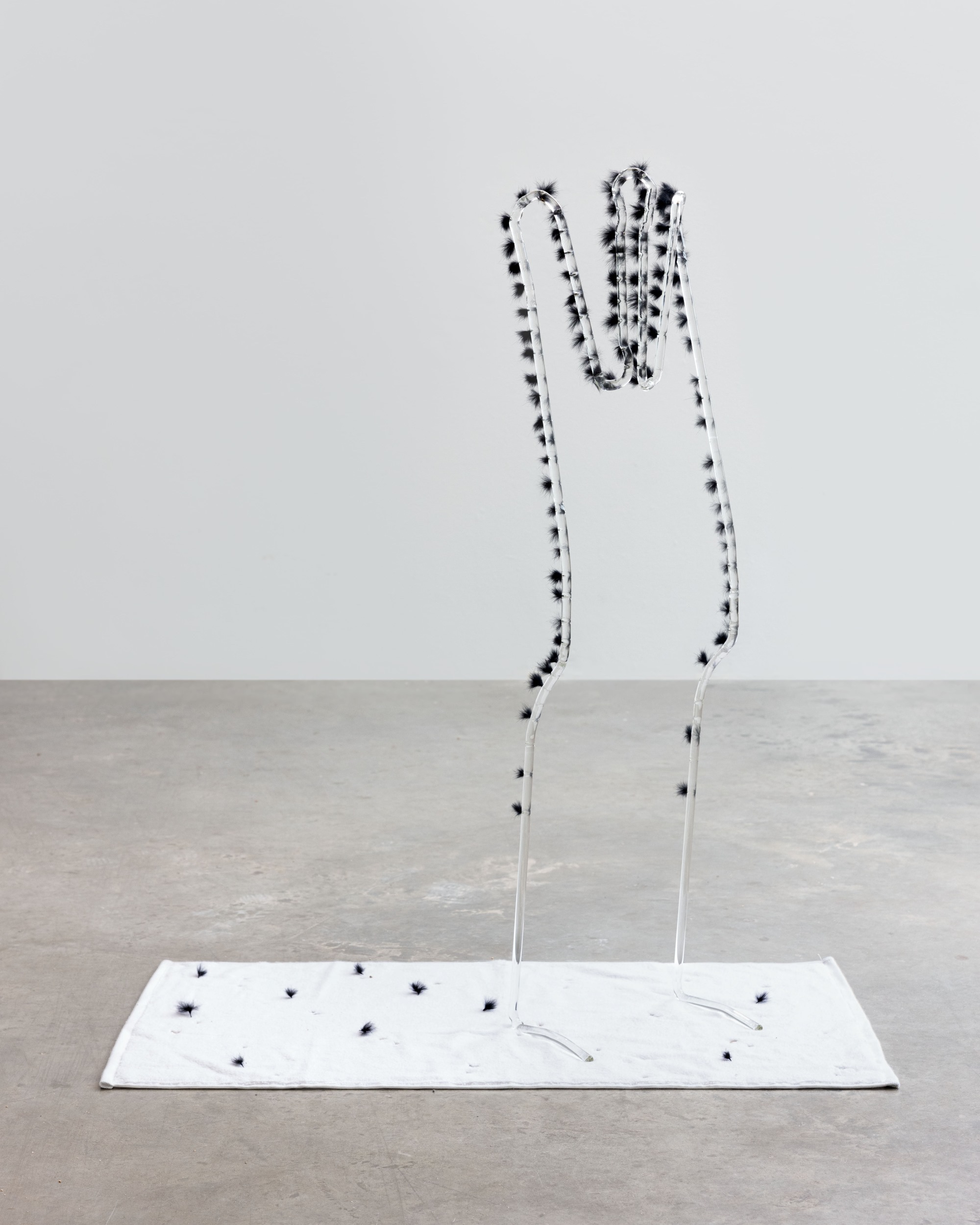
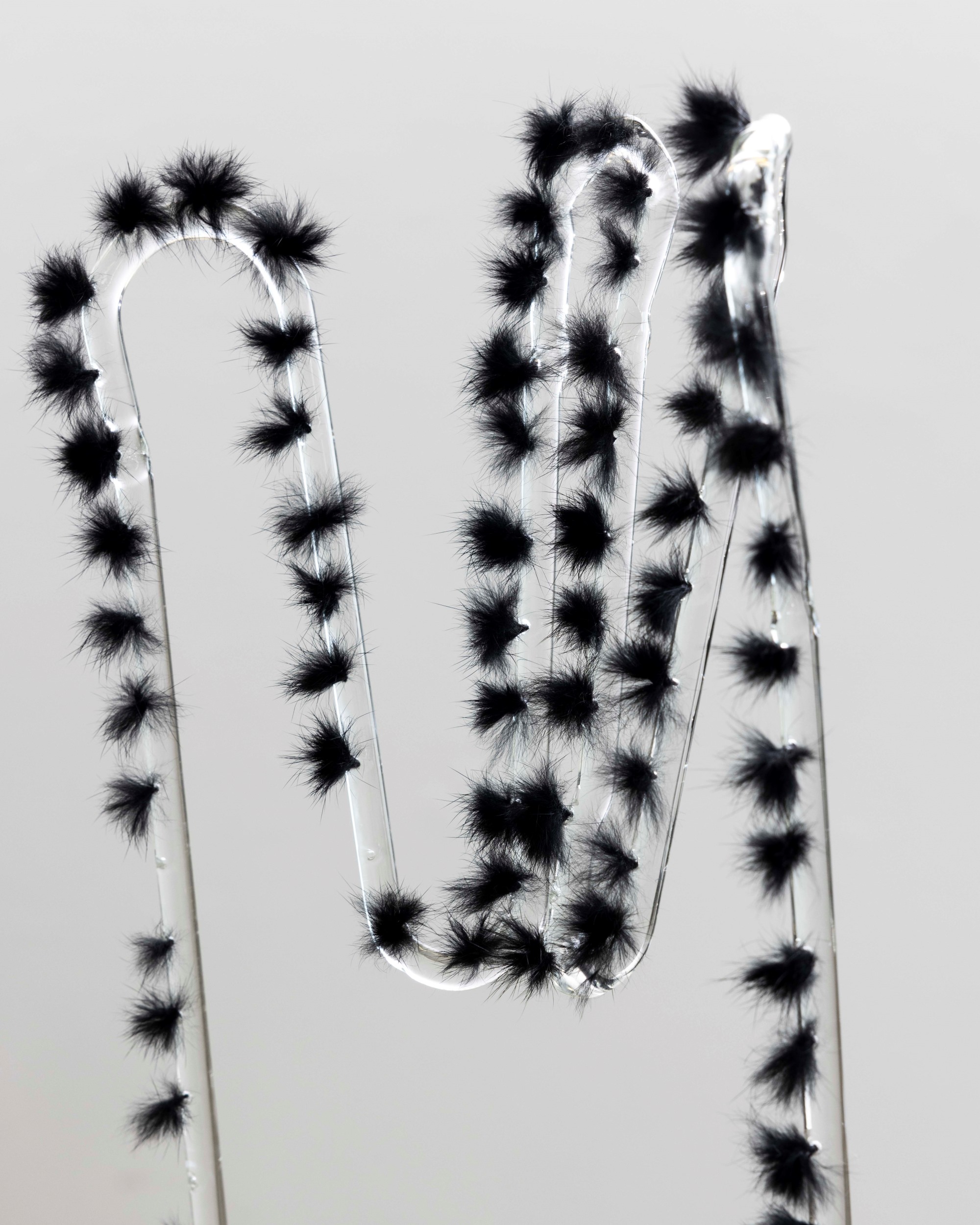
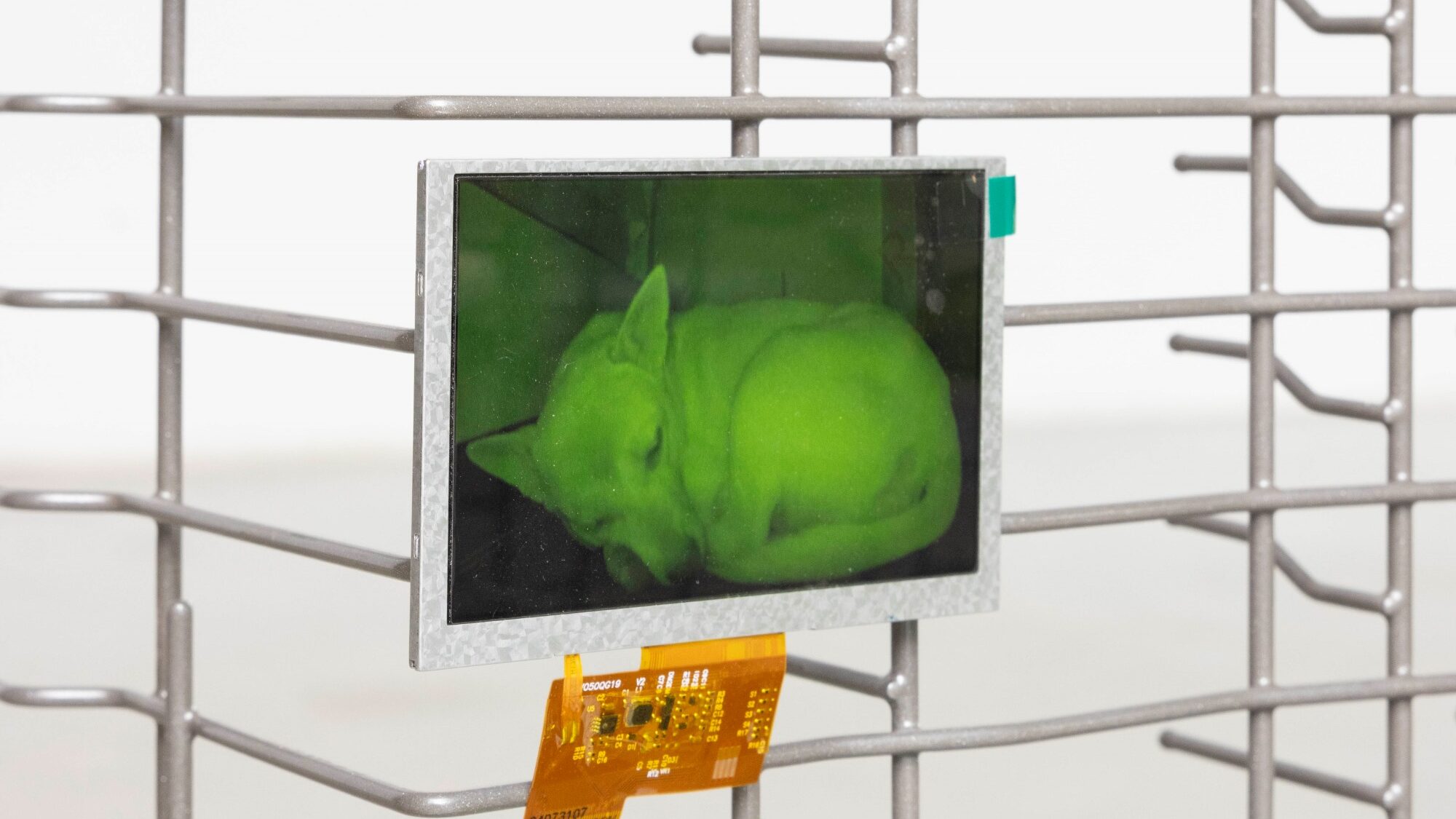
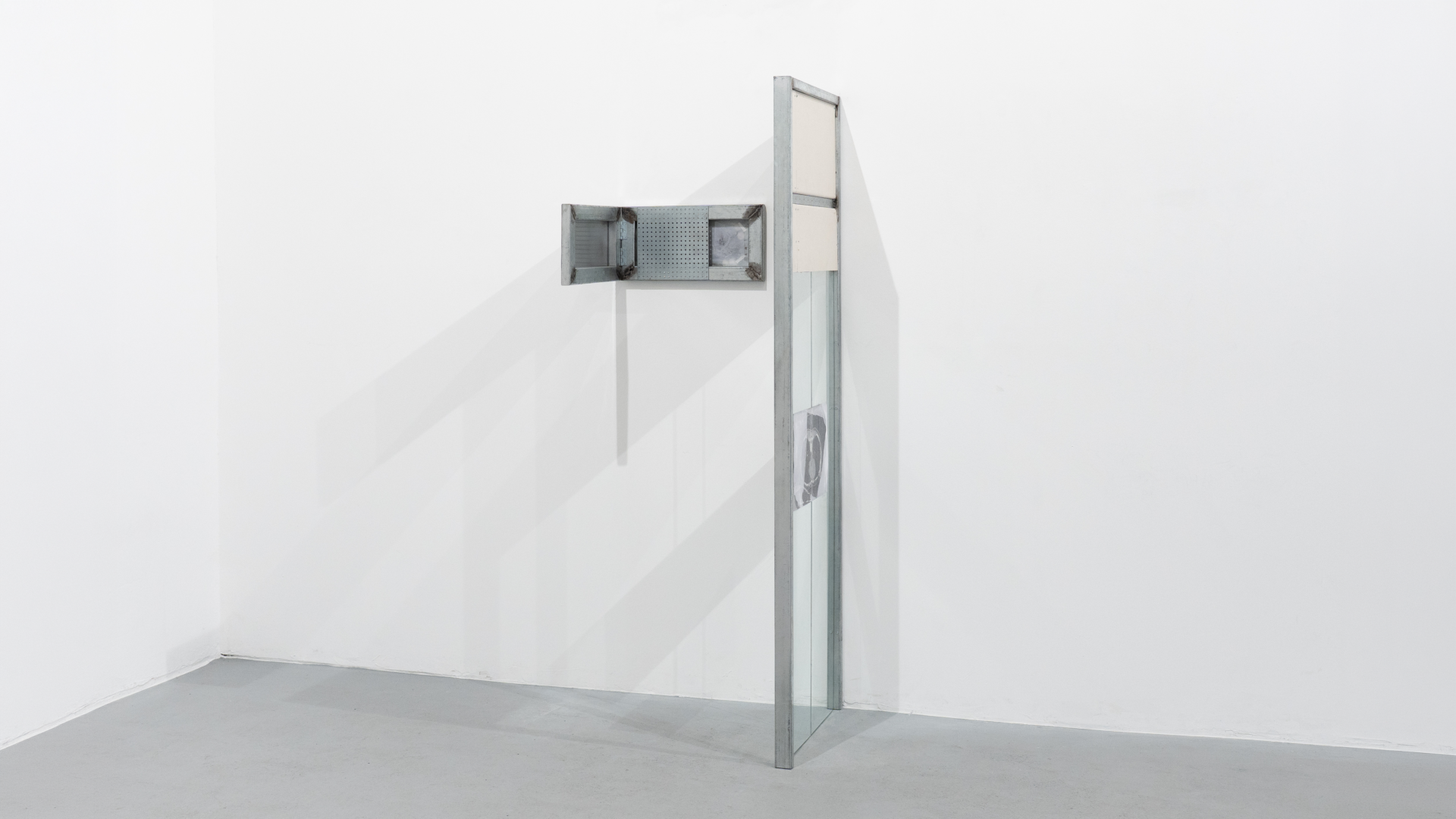
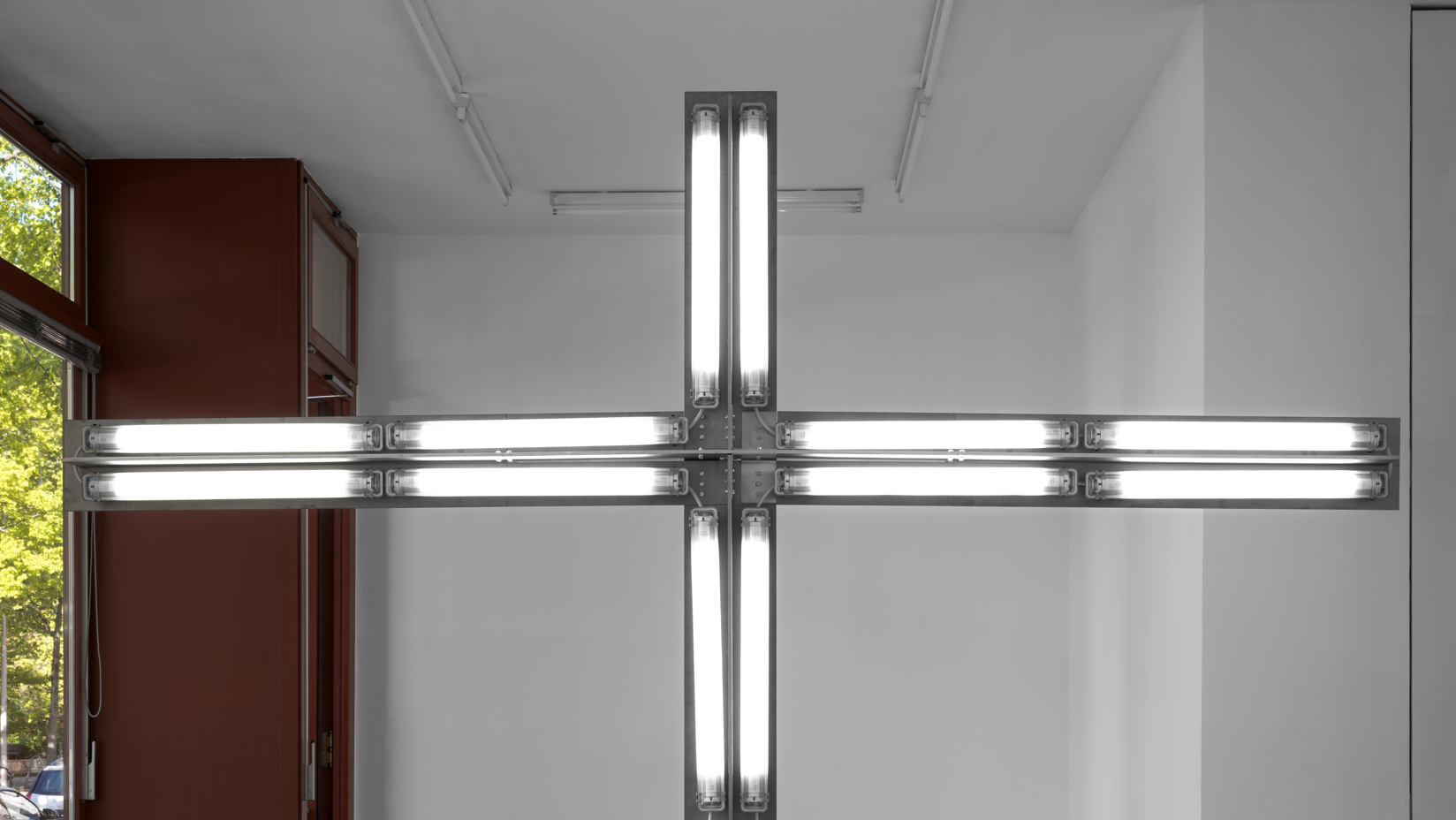
For me, the point isn’t to make the objects more seductive. It’s about bringing out the duality that already exists within them to depict moments where beauty and danger, intimacy and discomfort coexist. Light that illuminates yet lures like a bug trap; silver blades that gleam with both allure and threat; glass that offers visual transparency while functioning as a physical barrier; and foam that occupies volume while holding almost no weight. My role is simply to make them more visible.
Themes of desire, power, and isolation appear repeatedly, often through objects that carry traces of the body such as hair in resin or scent released on the audience. How do these elements reflect your broader interest in the tension between intimacy and control?
It’s very interesting that you mentioned control and intimacy at the same time because that’s exactly what I’m interested in. More specifically, I’m interested in the relationship between highly efficient controlling structures and those dreamy things, fantasy, illusion, aura, intimacy, that somehow float in between or become attached to those systems. That was also one of the central ideas I was exploring in my Yale thesis.
The kind of intimacy I’m trying to illustrate is the intimacy of today, NOW. A kind of cold intimacy. We are constantly connected to one another, yet at the same time we remain so far apart. I think that’s a syndrome of the technological age we are living in.
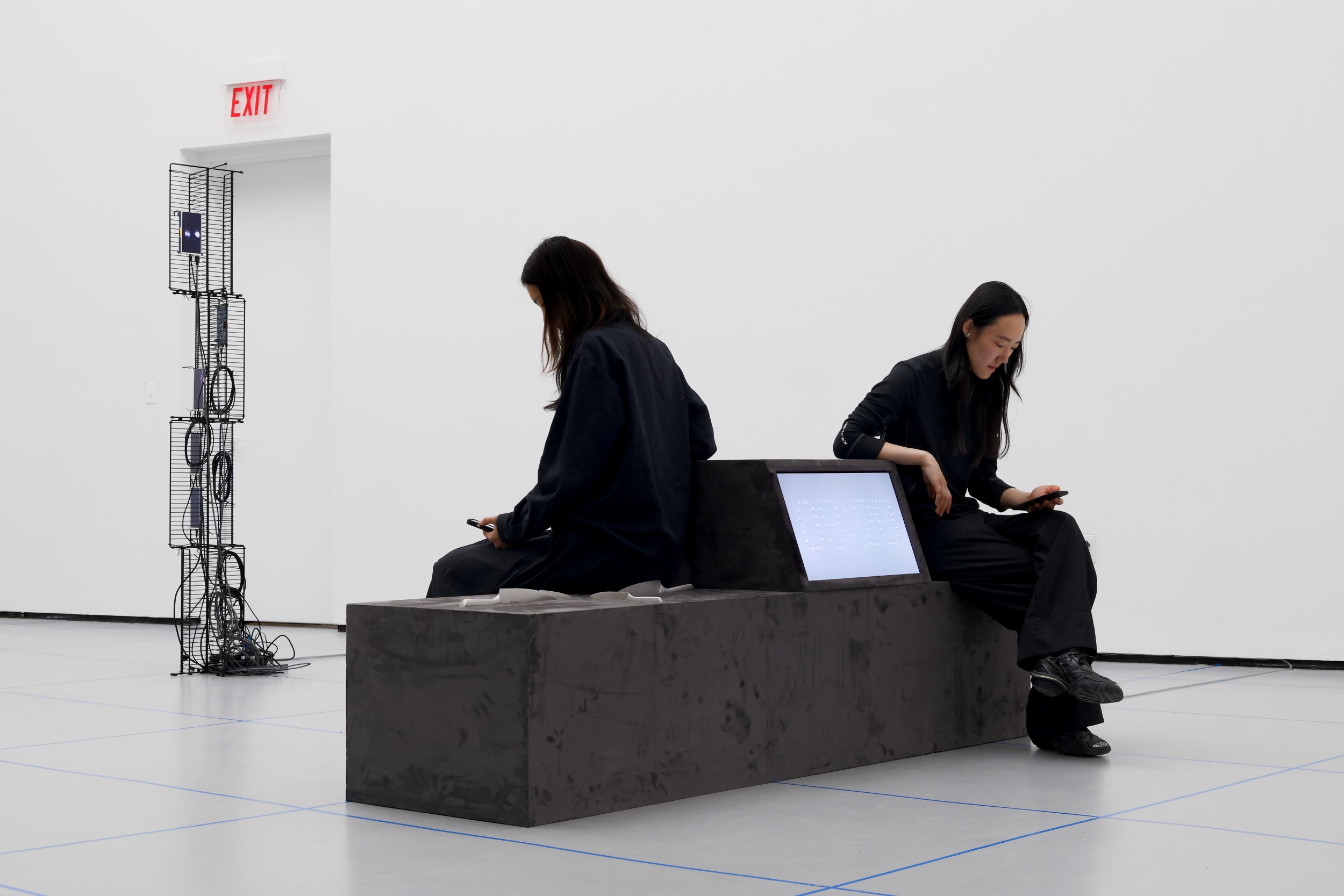
At the same time, I’m dissatisfied with the way intimacy is usually represented in mainstream media. It’s so homogenized and stereotyped…I’m interested in creating new forms of intimacy. For example, in my performances, I explore how body extensions become new organs that allow me to touch the audience in unfamiliar ways.
Have you ever destroyed or set aside a work for a long time only to return to it much later? What is your relationship with pieces that are already completed and exhibited, especially as you move between performance and more permanent sculptural objects?
I don’t usually destroy my work, but I do sometimes recycle materials from previous pieces and let them become part of new ones. It feels less like destruction and more like evolution. It reminds me of Digimon, where one form evolves into another. Sometimes I think a work simply needs time to evolve, and the only thing I can do is wait. During that time, I continue making other work.
When I think about pieces that are already completed, I see them as solidified moments from different periods of my life. What drives them is the burning desire to express something, and once that desire has been fully expressed, it feels like that project has come to an end.
What continues is not the individual work but the question behind it. I’m still not finished asking the same question: what does it mean to be human today, and what other possibilities exist beyond the way we currently understand and perform being human? Those questions keep leading me from one work to the next. Each piece is an attempt to offer a temporary answer, or perhaps to ask the same question in a more precise way.
Your recent Yale-related works and thesis seem to engage with domestic or institutional spaces. How do these environments become sites for examining memory, absence, or the body’s relationship to technology and bureaucracy?
I’m very interested in urban space, and I think of it as a hierarchy of scales. The smallest spatial unit is our body, then comes domestic space, and then public space. For me, it’s a relationship between the micro and the macro. What fascinates me is how these different scales constantly echo one another.
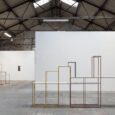
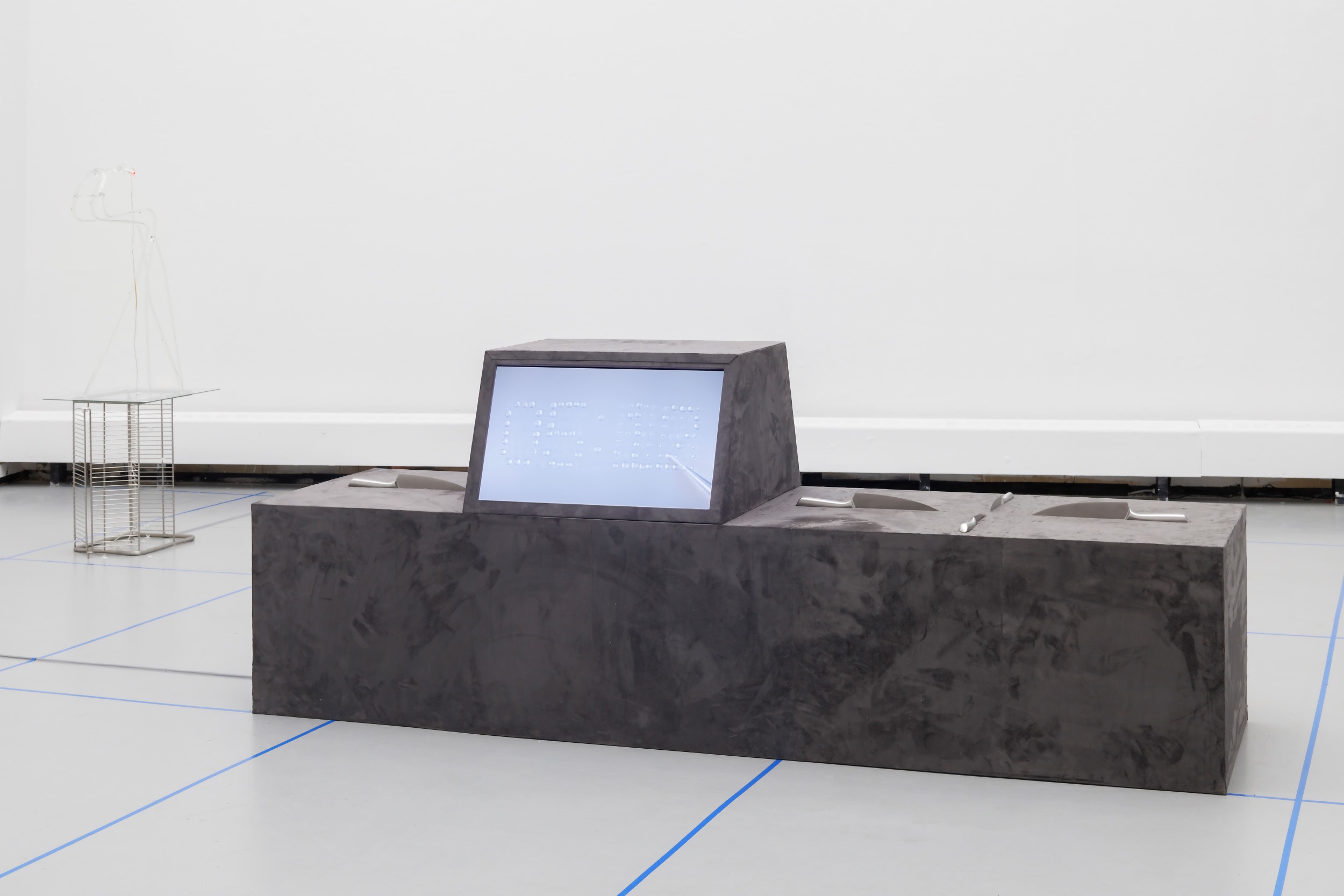
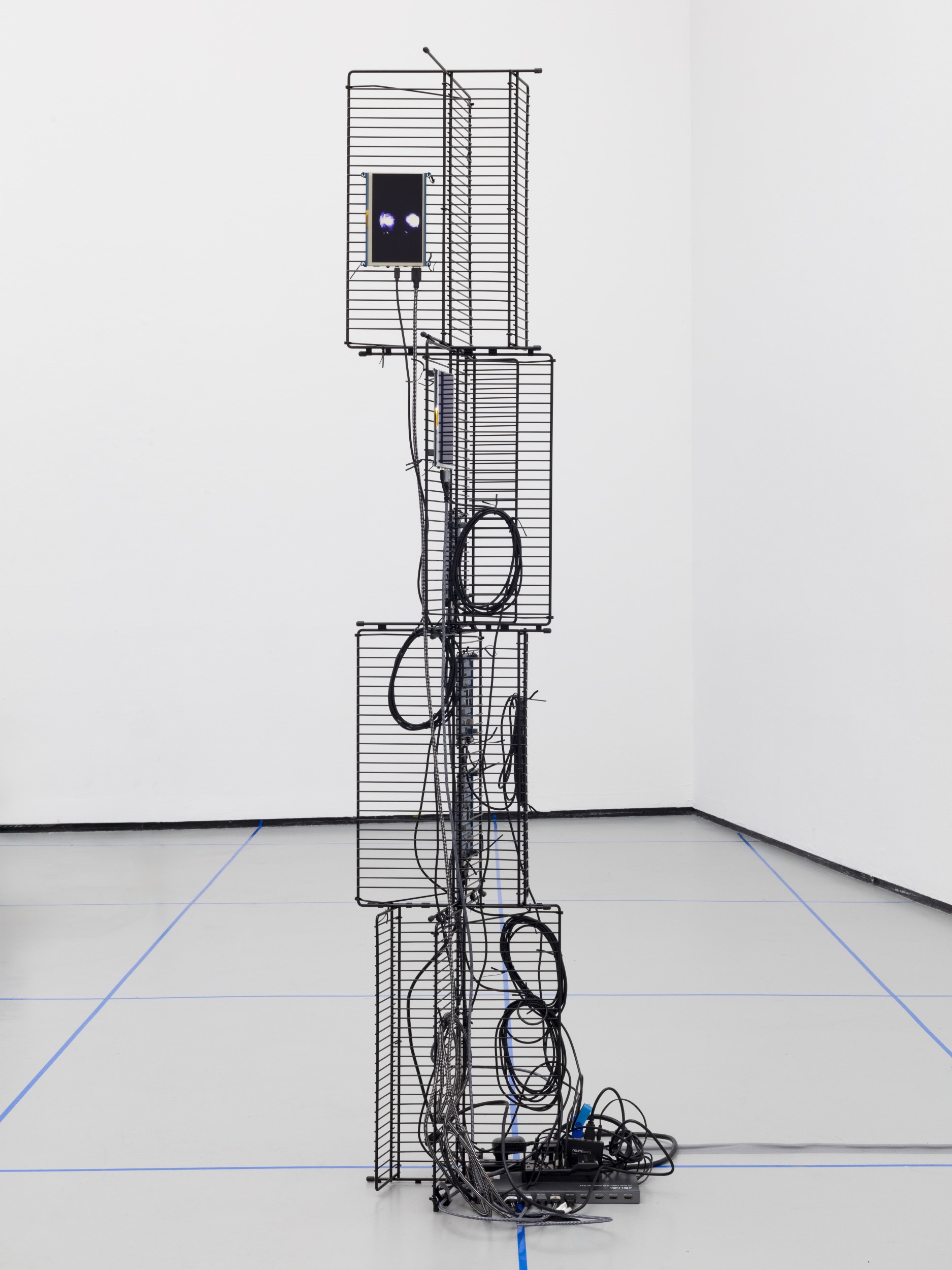
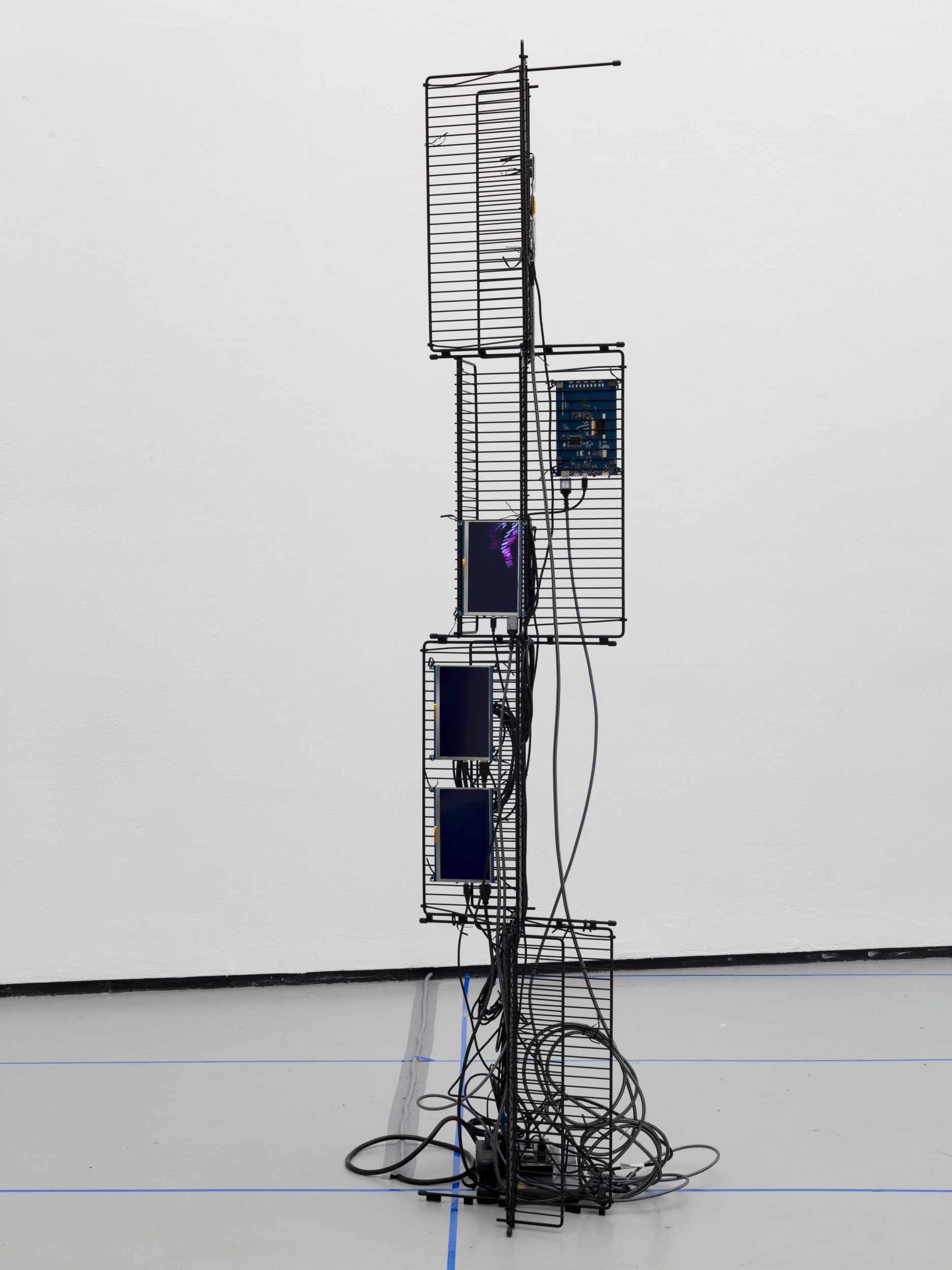
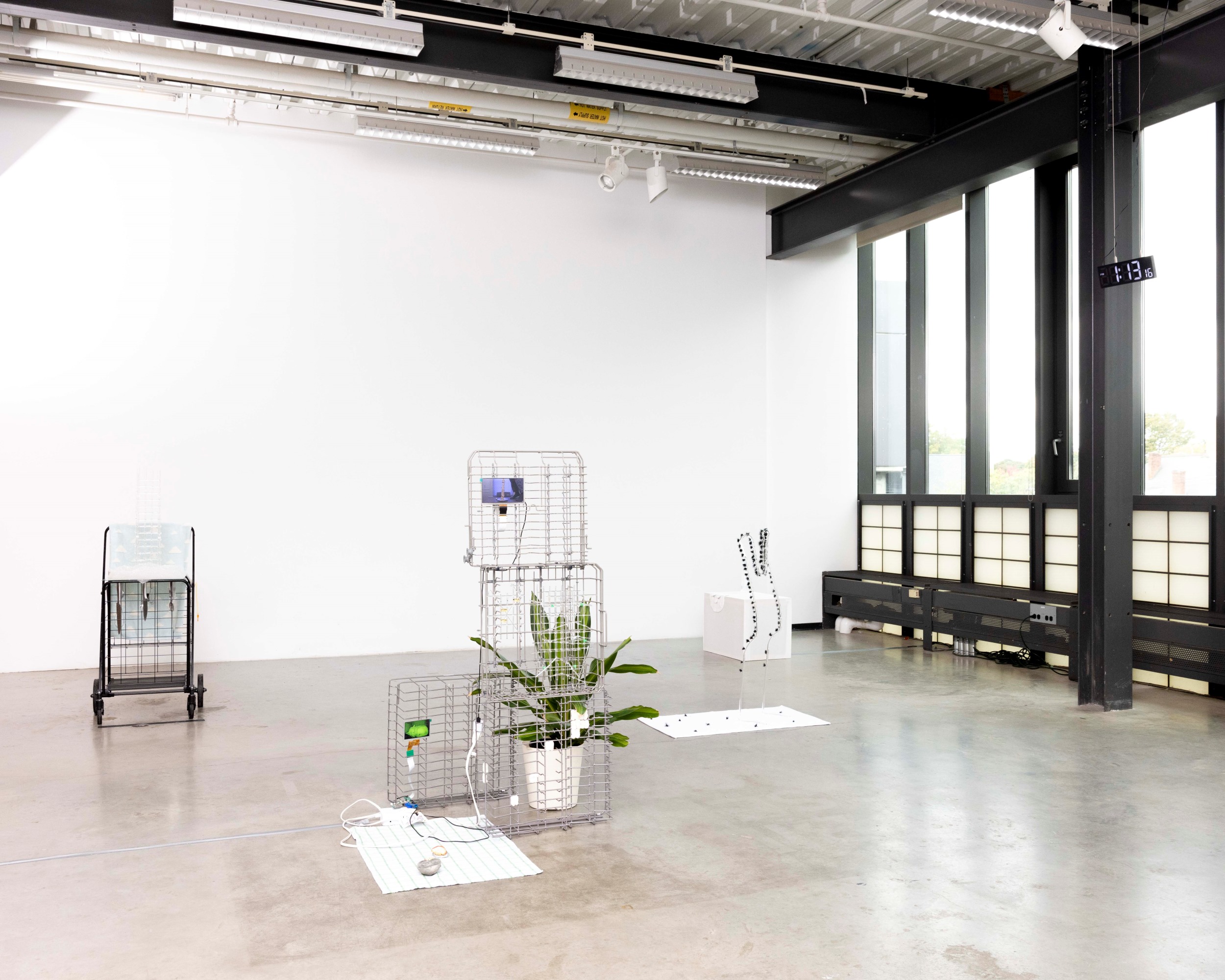
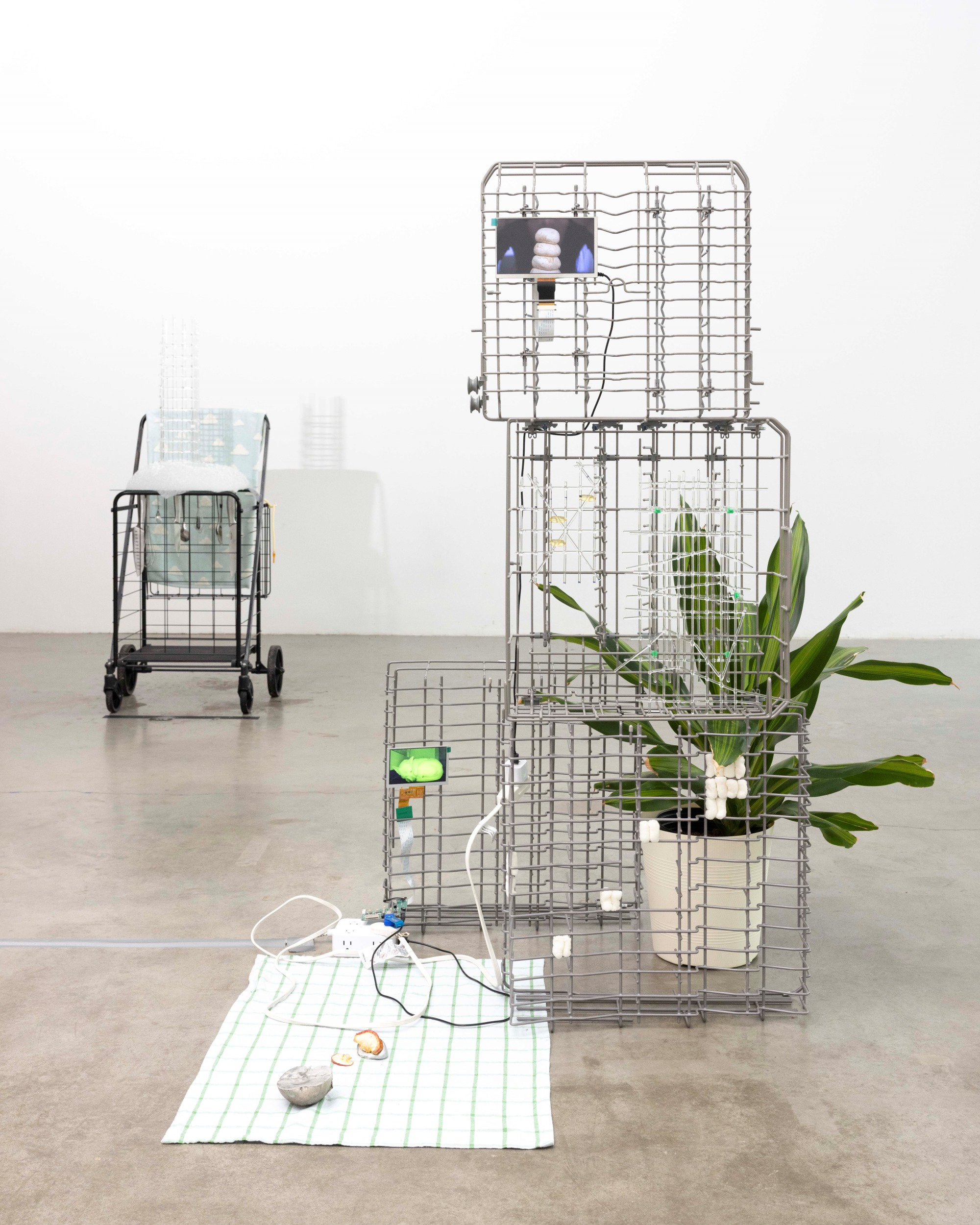
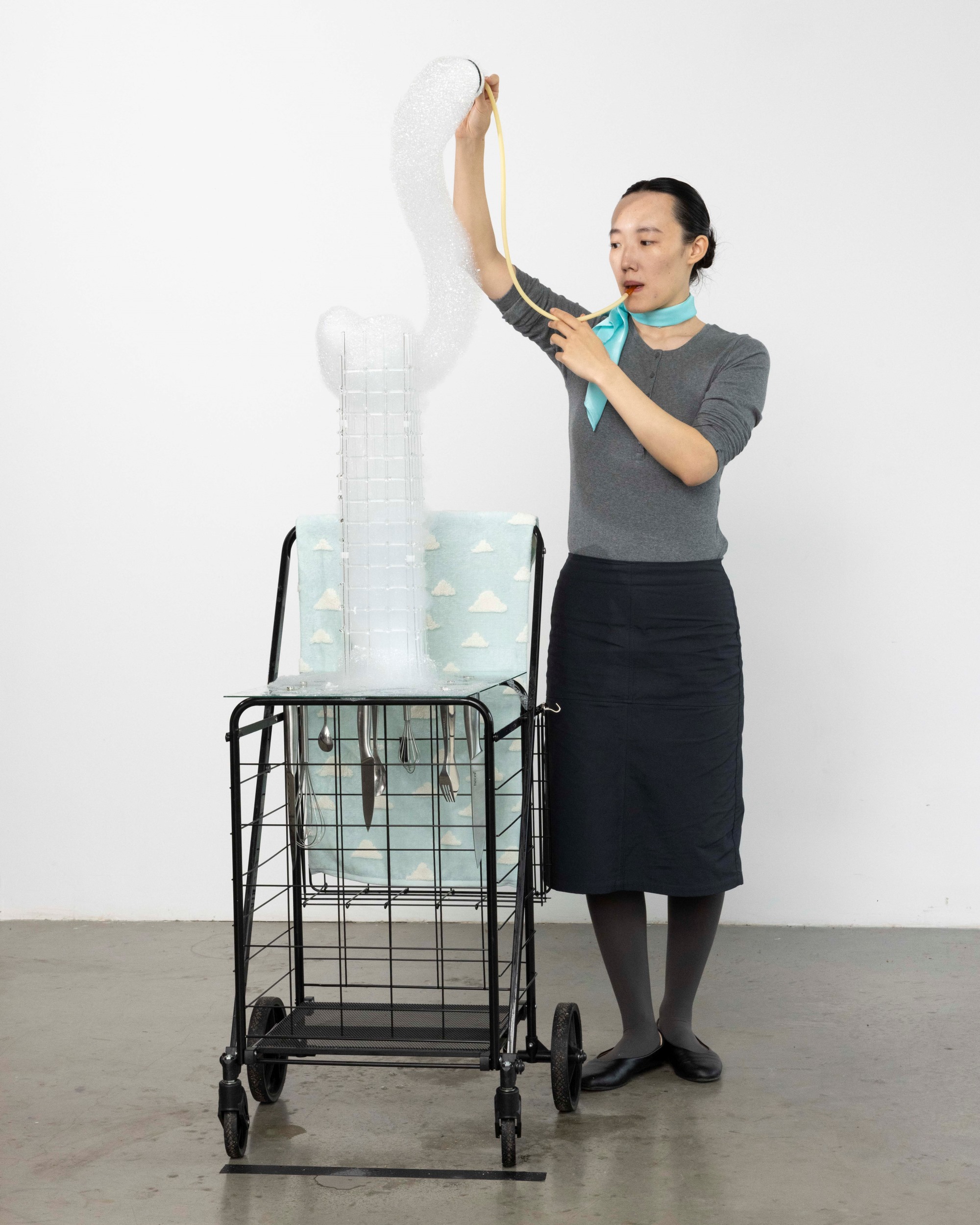
In my work, I use intimate, lived experiences as miniatures of broader structures of desire and power. For example, in the installation and performance “Our Ephemeral Eternity. Our Love. Our Ordinary Battlefield,” I collage materials such as kitchenware, dish racks, glass grids, dish soap foam, animal hair, video, and the sound of a running dishwasher to collapse domestic and public spaces, including kitchens, bedrooms, airports, amusement parks, and offices, into a single environment. During the performance, I blow soap foam from dish detergent into glass structures and hand it to the audience. By using the domestic and the micro as miniatures of the macro, such as dish racks resembling small skyscrapers, I reveal the fragility embedded in everyday life.
Looking at your overall practice, from early works like Green Water to the current MFA trajectory, what do you see as the most urgent question your art is trying to ask about the human body in today’s world?
How do our vulnerable bodies move through this highly capitalized world? How do we exist in the space between beauty and cruelty? Where can we position ourselves?