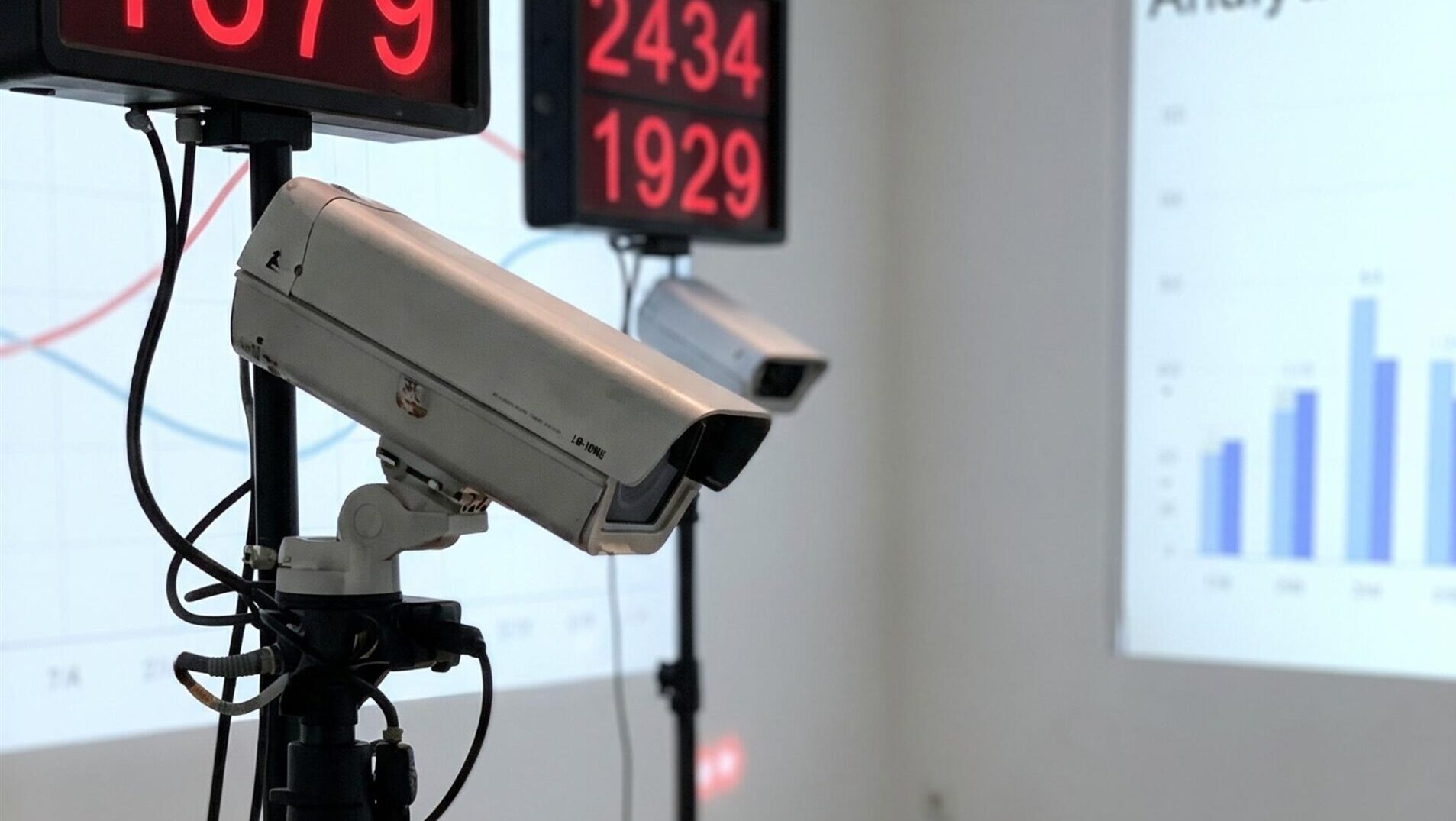
Anatomy of Artistic Recognition in the Age of Digital Waiting
It is no longer clear when recognition truly begins. Perhaps it starts with a follow received at eleven at night, when the name of a gallery appears among the notifications and, for a few seconds, all the work of the past months suddenly feels a little less invisible. Perhaps it begins with a like left by a curator on a photograph of the studio, not on the finished work, but on a peripheral detail: a floor stained with paint, a badly positioned canvas, a temporary wall, a surface still in progress. Or perhaps it begins even earlier, at the moment the artist posts with the awareness that someone might see it, unconsciously calibrating the image not merely to document a process, but to produce a possibility.
Within the system of professional relationships on social media, online interaction is no longer a simple by-product of communication. It has become one of the primary environments in which value is observed, tested, and at times even intuited, misunderstood, or deferred. Before the studio visit, before the formal email, before the invitation to exhibit, before the explicit conversation, there often exists a long zone of soft surveillance: galleries that follow without writing, curators who save images without exposing themselves, artists who interpret a like as a possible opening, collectors who watch every story but never ask a question. Nothing happens explicitly, and yet something is happening all the time.
This is perhaps the subtlest transformation. Recognition no longer necessarily arrives as a word, a proposal, or an encounter. It arrives first as a signal. A minimal, ambiguous, reversible signal. A like may look like interest, but it may be nothing more than courtesy. A repeated view may appear to indicate attention, yet lead nowhere. A follow from a gallery may mark the beginning of a real evaluation, or simply the act of filing a name within a field of visibility. The grammar of relational systems, one might say, too often begins from gestures that never declare enough, and for that very reason are overinterpreted.
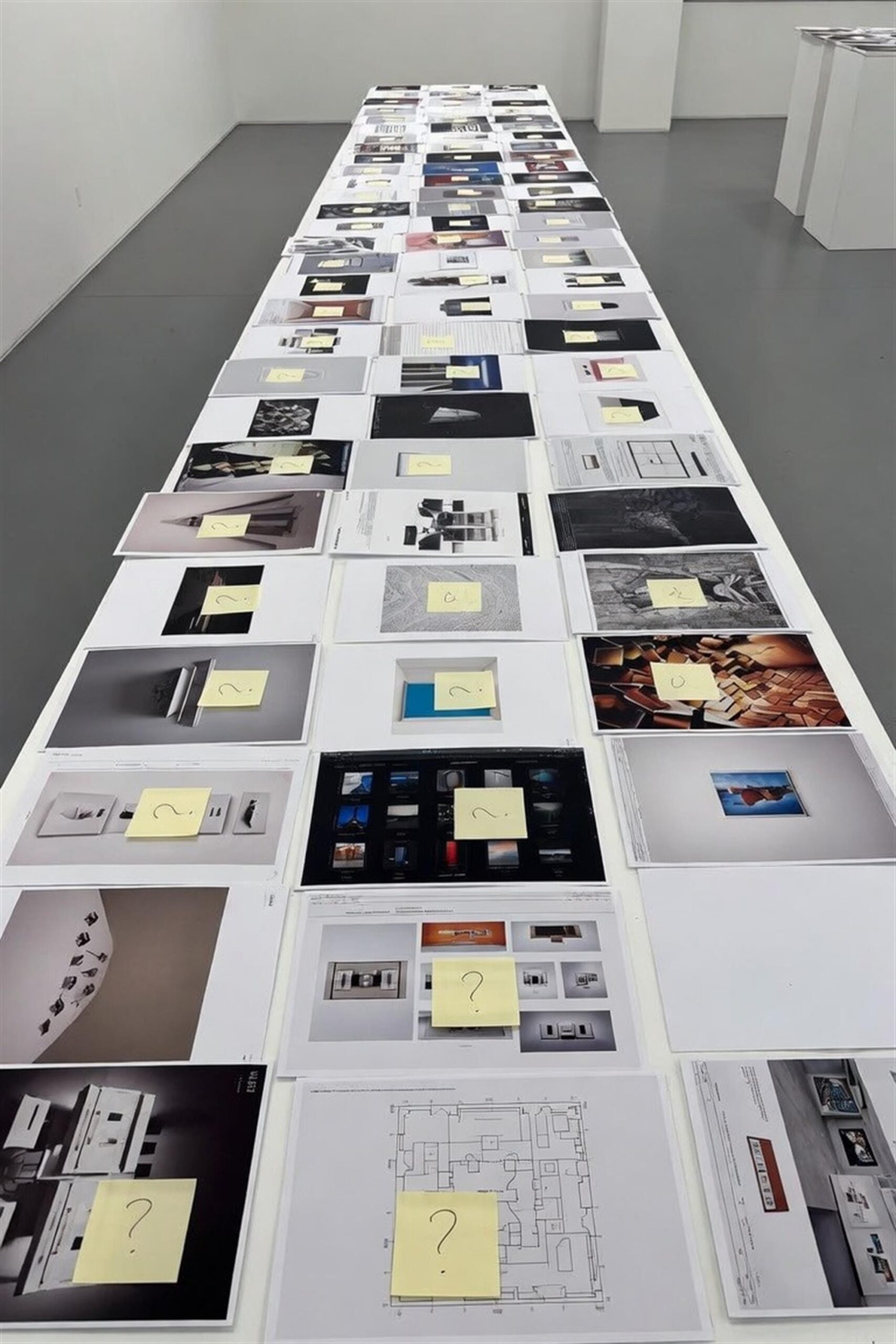
The artist thus finds themselves in a new condition: they no longer exhibit only works, but fragments of perceptual availability. Every image posted becomes a small proof of professional existence on social media. Every post can be read as document, invitation, positioning, symptom, or promise. One posts in order to show, certainly, but also in order to be intercepted. The work is shown while one waits for someone to grasp its direction. A presence is constructed while one tries to understand whether that presence is producing effects. It must be admitted that the work no longer enters the world solely through the exhibition, the catalogue, or the studio visit. Very often, it enters first through the feed, where it is silently seen by people who may, or may not, have the power to turn that attention into consequence.
The consequence, however, almost always remains suspended. This is where the specific psychology of digital waiting begins. One is not simply waiting for a reply to a message. One is waiting for a reaction. Waiting for a gallery to look again. Waiting for a curator to return to an image. Waiting for the work to be understood without having to explain it. Waiting for a mute proximity to finally become a proposal, a visit, an invitation, an acquisition, an exhibition. The time of art, already traversed by expectation, judgment, and deferral, is now broken down into a sequence of emotional micro-events: the notification, the silence, the right name appearing among the views, or the right name suddenly ceasing to appear.
This does not mean that the digital has made the system of social and professional relations less “real.” The matter is far more complex than that. On the contrary, almost paradoxically, it has made it more continuous. In the past, access to the work passed through more recognizable thresholds: the studio, the exhibition, the portfolio, the encounter. But today? Today the threshold is permanent and unstable. Galleries and curators select, compare, archive, and sometimes discover artists directly online, often long before meeting them in person. The studio visit, when it happens, is no longer always the first act of professional acquaintance. It may instead be the subsequent stage of a pre-evaluation that has already taken place elsewhere, within a long silent exposure made of images, posting rhythms, visual coherence, public posture, and signals of belonging.
The point, then, is not to determine whether this system is authentic or false. We are already well beyond that. The question is more precise: what kind of recognition is produced by an environment in which interest is not declared, but allowed to seep through minimal gestures? The same gestures that now define, online, even the public’s interaction with works and exhibitions. What kind of artistic subjectivity is formed when the artist is no longer waiting only for a review, a visit, or a proposal, but for the intermittent appearance of signals that seem to promise something without promising anything? And what happens to the work when, before it is even discussed, it has already been perceived, compared, saved, positioned, judged, or ignored within a network of silent observation?
This new article begins from that suspended zone. From the time that separates the post from the response. It begins from the idea that the contemporary art system — and this time we will use that word quite deliberately — is no longer made only of works or institutional moves, but also of perceptual waiting, minimal signals, movements across social media, undeclared proximities, deferred recognitions, and evaluations that begin before they are ever named. The question is no longer only who looks at the work.
The Notification as First Contact
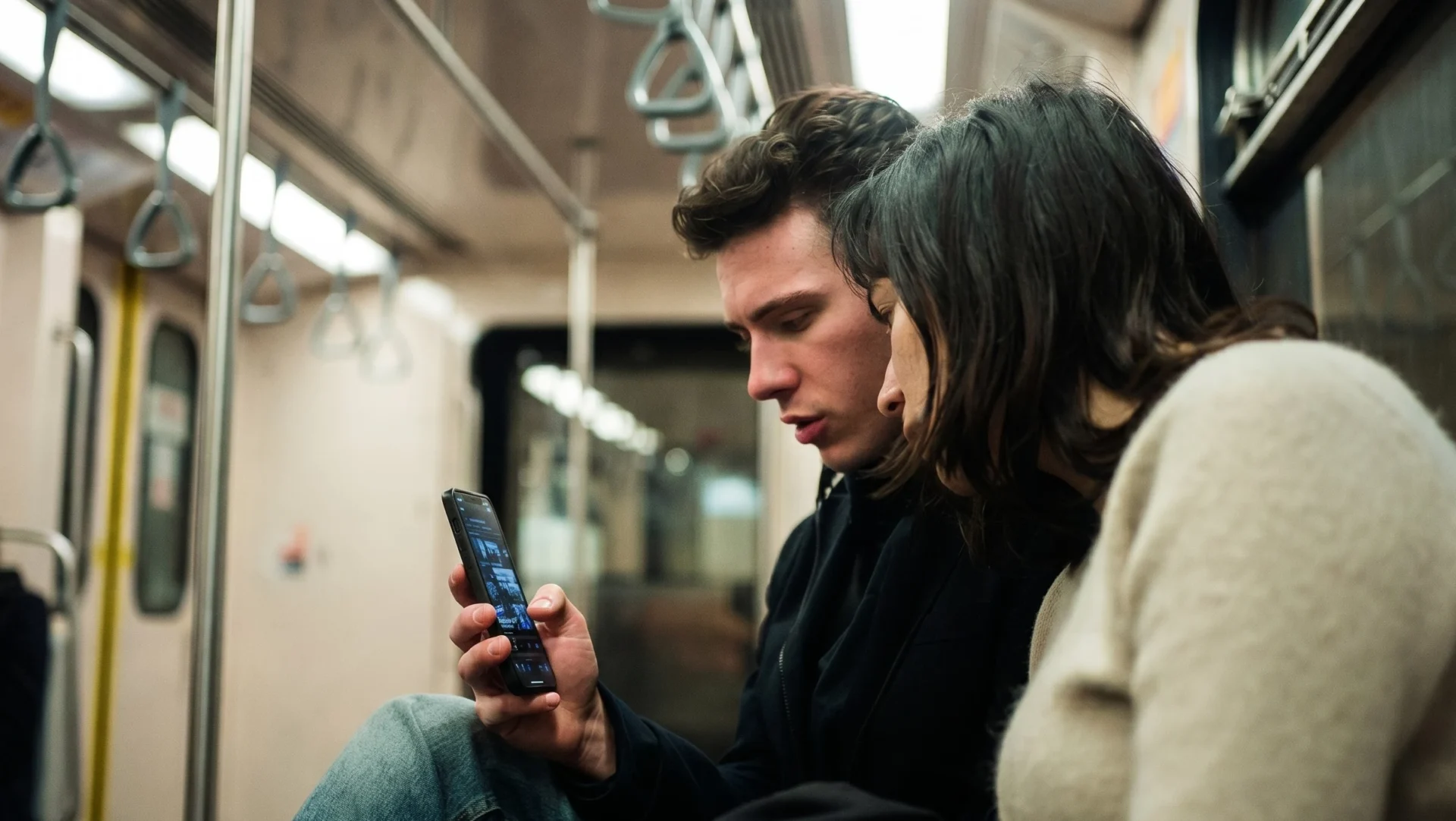
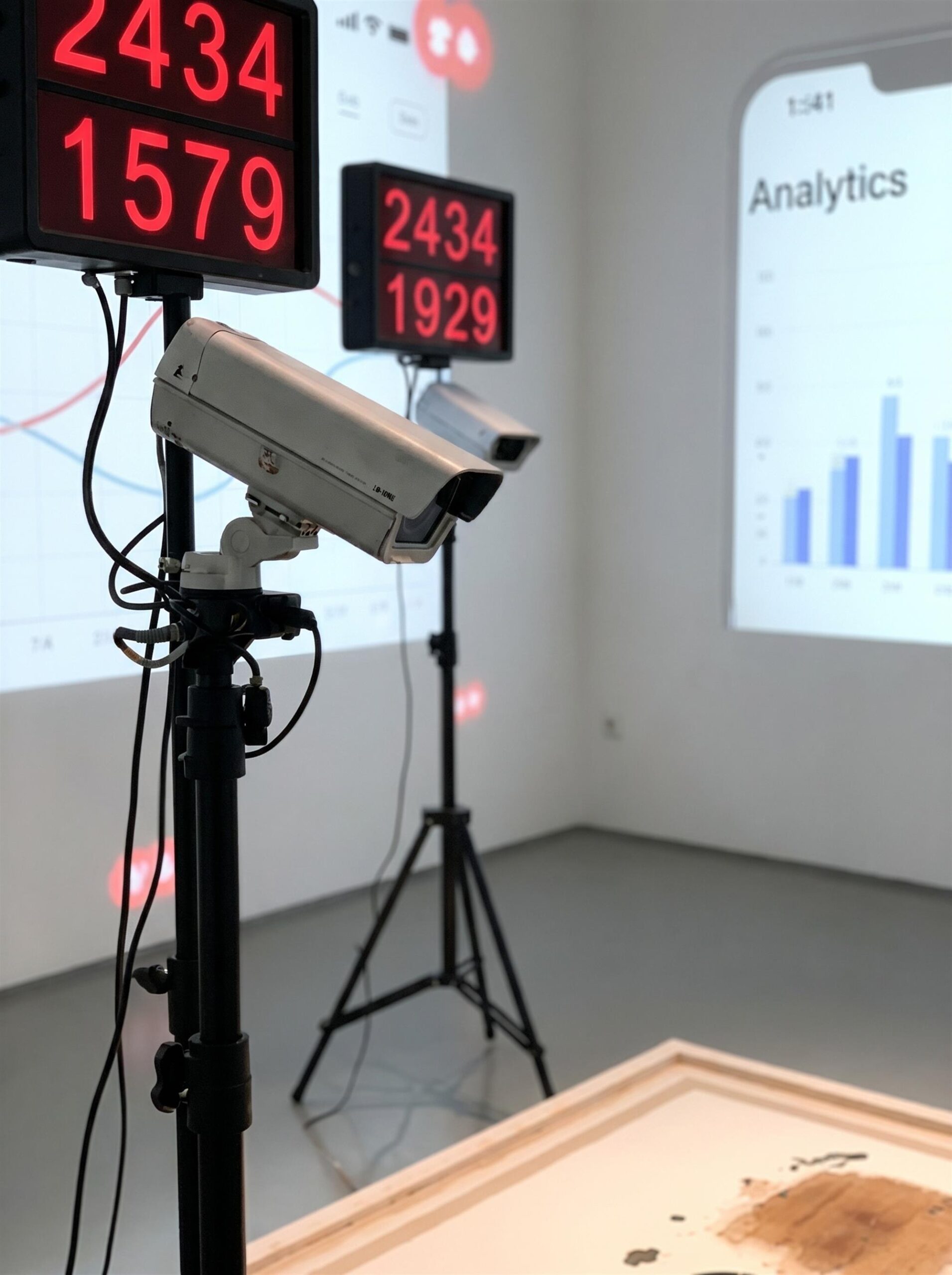
First contact today rarely resembles contact. It does not necessarily take the form of an email, a visit, a phone call, or a conversation in front of a work. More often, it arrives as a minimal event, almost insignificant in its technical appearance: a name appearing among the notifications, a gallery beginning to follow, a curator liking a peripheral image, a collector viewing a sequence of stories without intervening. Nothing is said. No intention is formulated. And yet, for the person receiving that signal, something opens.
It is within this opening that a decisive part of this relational modus operandi is situated. The digital signal never communicates fully, but it rarely remains neutral. It produces a field of possibility. A follow may be a casual gesture, but it may also indicate the artist’s entry into someone’s visual perimeter. A like may mean nothing, but it may also be the first act of a professional familiarity. A repeated view may be simple habit, but it may also suggest a form of silent observation. The notification itself is poor in content. Its force arises precisely from this poverty: it says little, and can therefore be charged with much.
In the art system, where recognition never follows entirely legible procedures, this new ambiguity becomes structural. Online, the artist never knows with certainty whether they have been seen, noticed, registered, or simply passed through by someone’s gaze. They do not know whether that gallery is observing their work with interest, whether that curator is constructing a future possibility, whether that sequence of likes is the prelude to a proposal or merely the generic maintenance of an online presence. Every signal remains suspended between intention and automatism, between attention and inertia, between real possibility and social noise.
This suspension is not secondary. It is the place where a new psychological economy of recognition takes shape. The artist begins to read their own visibility not only through what happens, but through what might happen. The work is posted, observed, perhaps saved, perhaps forgotten. An image receives a reaction from a relevant name, and suddenly that same image seems to acquire another weight. Not because it has changed, but because it has been touched, however minimally, by a possible form of legitimation. Value is not declared. It is brushed against.
The notification thus becomes a reduced form of contact, but also a reduced form of judgment. It is not yet a selection, but it is no longer pure coincidence. It is not yet critique, but it alters the perception of the work. It is not yet a professional relationship, but it can generate the sensation that a professional relationship is about to begin. In this intermediate zone, the art system produces one of its most characteristic effects: it transforms minimal acts into interpretive events. The technical gesture becomes a cultural signal. The reaction becomes a clue. The clue becomes expectation.
The point is not that artists naively misunderstand these signals. The point is that this kind of online communication, through the most widely used social platforms, makes them structurally open to misunderstanding. A gallery does not need to write to an artist in order to begin observing them. A curator does not need to declare interest in order to keep a body of work within their mental field. A collector does not need to ask for information in order to follow the evolution of a practice. Online space allows for a form of proximity without exposure, evaluation without commitment, presence without responsibility. The one who looks can remain indeterminate. The one who is looked at, however, is compelled to interpret.
From here, a specific tension emerges. The observed subject never possesses enough information to understand what is truly happening, but possesses enough not to be able to ignore entirely what is happening. If a gallery follows, something changes. If it stops watching, something changes again. If a curator interacts with three consecutive posts and then falls silent, that silence enters the same grammar of the signal. Absence becomes as legible as presence. The missing like, the missing reply, the interrupted view, the name that no longer appears: all of these participate in the construction of a perceptual climate.
This is one of the deepest differences from previous forms of recognition. In the traditional system, judgment was often slow, opaque, mediated by institutional thresholds: the studio visit, the portfolio, the exhibition, the review, the invitation. Today, opacity does not disappear; it becomes continuous. It is no longer concentrated only in certain decisive moments. It is distributed across everyday life. Every post can seem like a small test. Every reaction can seem like data. Every lack of reaction can seem like a negative response, even when it is not.
Within this regime, first contact does not yet establish anything. It does not guarantee interest, promise consequence, or certify value. But it does produce a modification. It introduces the artist into a scene of possibility. It places them, even if only for an instant, within the gaze of someone who might matter. And it is this possibility, more than the signal itself, that becomes the real event. Not the like, but what the like allows one to imagine. Not the follow, but the threshold it seems to open. Not the view, but the doubt that this act of looking may one day turn into recognition.
Waiting as a Form of Invisible Labour
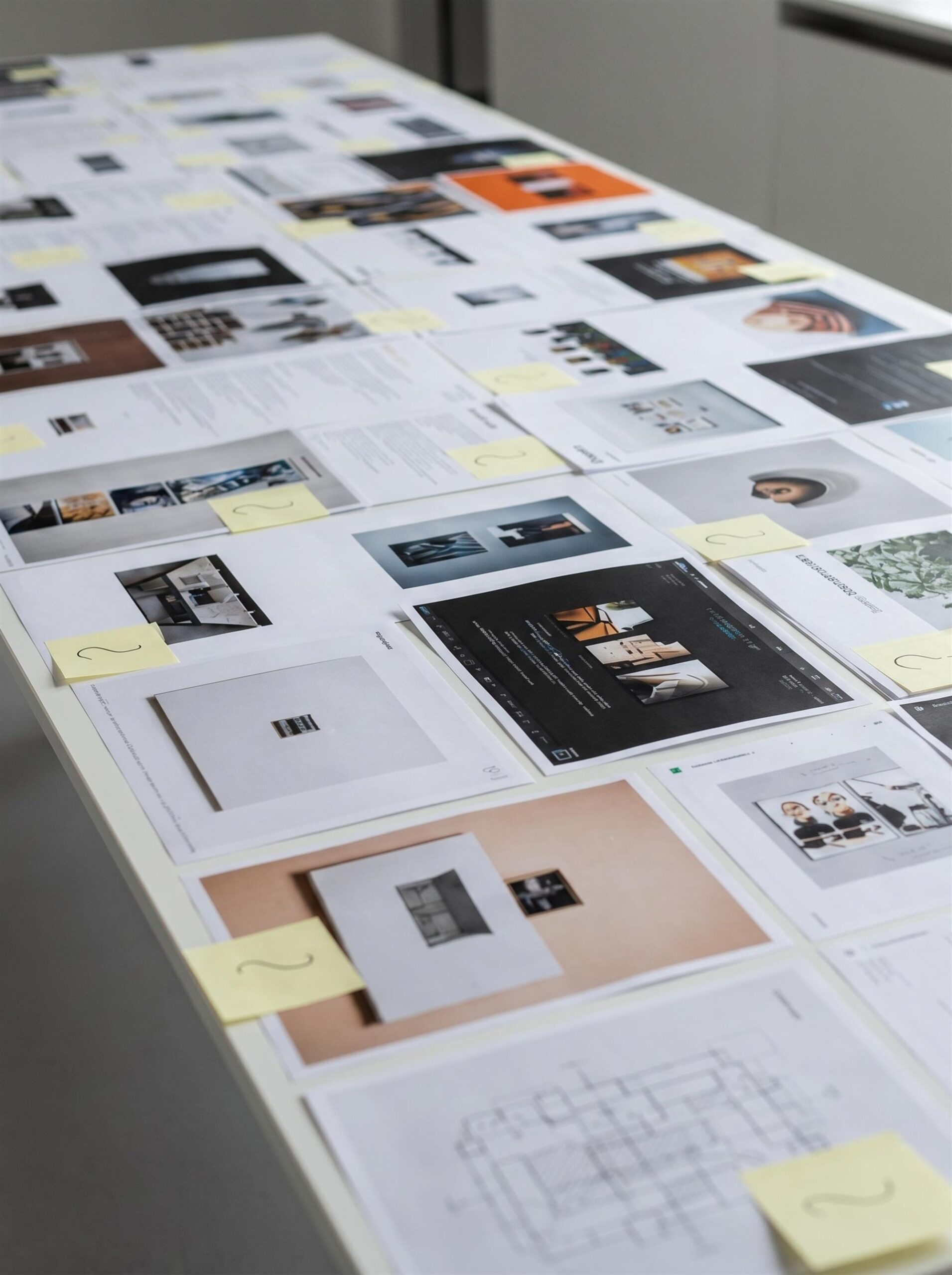
Waiting, within this kind of relationship, has never been a secondary phenomenon. But digital waiting has a different quality. It is no longer concentrated in a few recognizable moments. It does not begin after an application, after an email, after a studio visit. It is continuous, distributed, almost atmospheric. It accompanies the work before anyone has expressed any real interest.
The artist posts, and from that moment the work enters an unstable zone. It is no longer merely present. It is under potential observation. It can be seen by anyone, but above all it can be seen by someone who matters. This possibility modifies the internal time of the practice. Every image uploaded online does not close a gesture; it extends it. The work continues to produce effects after being posted, through views, saves, minimal reactions, silences, sudden returns. Publication does not coincide with the end of the act, but with the beginning of its waiting.
This waiting is invisible because it never appears as work. It does not take the form of production, writing, research, or installation. And yet it consumes mental energy. It requires constant interpretation, monitoring, self-correction. The artist observes those who observe. They register names, frequencies, absences. They learn to distinguish a generic reaction from a meaningful one, a casual presence from an insistent presence, a neutral silence from a silence that seems to close something down. Even when they do not want to do this, they end up doing it, because the system offers ambiguous data and continually asks that meaning be attributed to it.
Under these conditions, waiting is no longer passivity. It becomes a form of emotional and strategic labour. The artist is not only waiting for their work to be evaluated. They are waiting for it to be perceived in the right way. Waiting for a gallery to grasp a still-fragile direction, for a curator to recognize a coherence not yet fully declared, for a collector to understand a transformation before it becomes evident. Waiting concerns the final outcome less than the hope of being read correctly while still in process.
Here, a tension emerges that is difficult to name. On the one hand, the digital enormously expands the possibility of being intercepted. It allows a work to move beyond the limits of the studio, the city, and one’s immediate circuit. On the other hand, it transforms this opening into a condition of permanent exposure. The artist can be discovered at any moment, but precisely for this reason may feel evaluated at every moment. The promise of access coincides with the pressure of legibility.
The risk is that the work gradually becomes inhabited by this pressure. Not necessarily corrupted, not necessarily weakened, but accompanied by a constant question: how will it be read? Who will see it? What signal will it produce? This question may remain lateral, almost imperceptible, but it nevertheless enters the process. It acts on the way the work is documented, on the choice of detail, on the decision of what to show and what to withhold. Even when the work originates outside the public sphere, its future online appearance begins to exert a retroactive force.
Not as a concrete presence, but as a diffuse pressure. Not as a promise, but as a possibility that modifies the way the work looks at itself.
Silent Pre-Selection
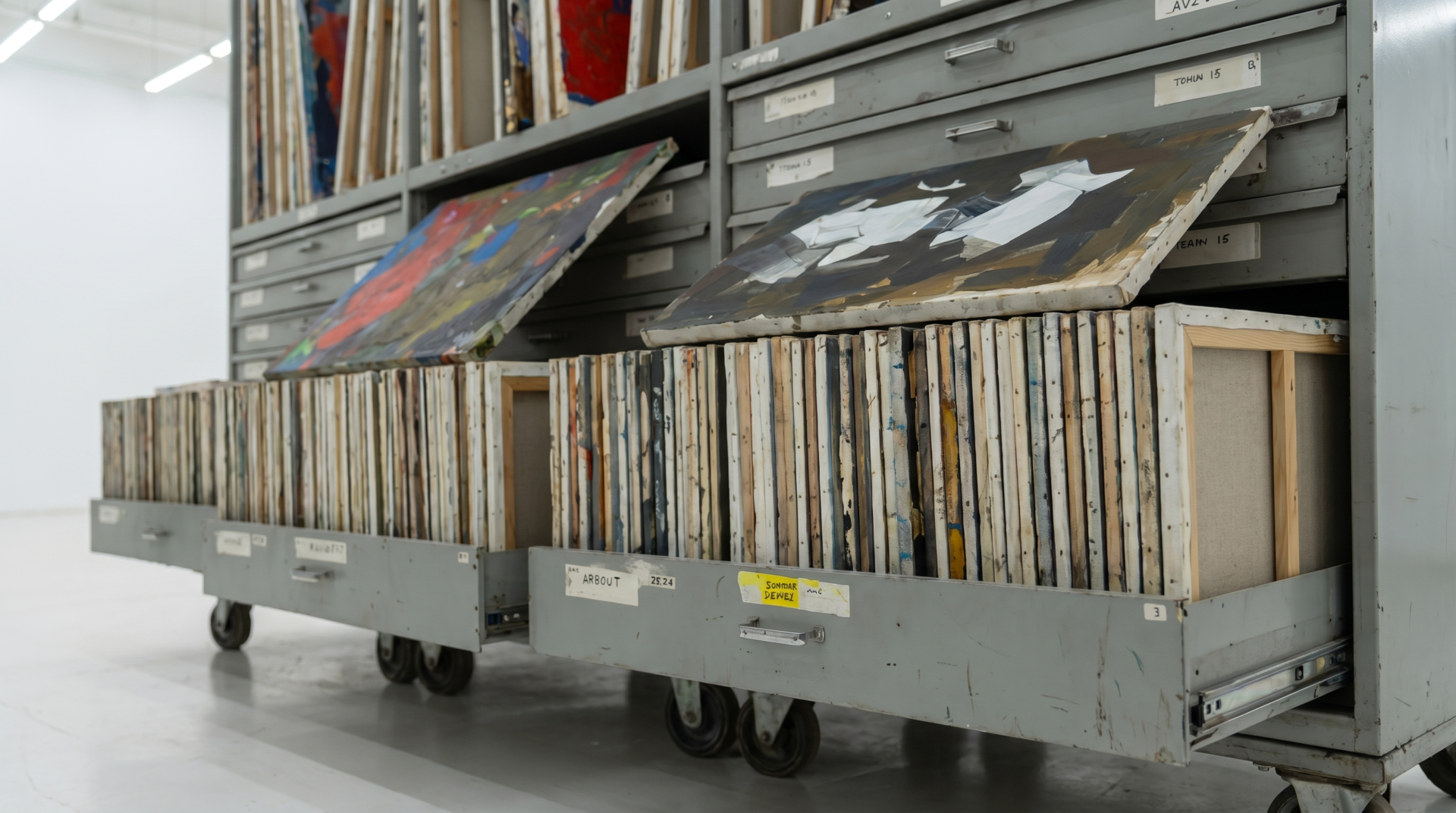
The studio visit is no longer always the beginning of professional acquaintance. Increasingly often, it is the moment in which an evaluation that has already taken place elsewhere finally assumes an explicit form. Before the studio, before the conversation, before the question about the work, there exists a less visible phase: a period in which galleries, curators, editors, collectors, and institutions observe online without necessarily exposing themselves. The work is followed, archived, compared, sometimes understood, sometimes misunderstood, long before the artist knows they are truly inside a process of attention.
This pre-selection has no official structure. It does not resemble an open call, an application, or a portfolio review. It is subtler and more informal. It takes place through the feed, the stories, the coherence of images, the rhythm of posting, the way an artist constructs their visual field. What is observed is not only the work, but the entire system surrounding it: the studio, fragments of process, readings, exhibitions visited, the people with whom the artist interacts, the general tone of their public presence. The work never appears alone. It appears within an ecosystem of signals.
In this sense, online space has become a preliminary zone of judgment. The observer can form an idea without asking anything, without entering the studio, without taking a position. They can follow the evolution of a practice for months, verify whether a line of research holds over time, whether an image is an isolated episode or part of a more solid direction. They can measure coherence, recognizability, posture, even the artist’s ability to inhabit their own language without exhausting it too quickly.
This mode has an evident efficacy. It reduces distances, accelerates discovery, allows peripheral practices to enter the visual field of interlocutors who might otherwise never have encountered them. A gallery can discover an artist before they are supported by a local system. A curator can follow an emerging practice without waiting for an exhibition. A collector can observe the transformation of a body of work over time. The threshold of access is lowered, and this opening is real.
But precisely because it is real, it produces a new asymmetry. Those who observe can do so without declaring anything. Those who are observed, however, never know whether that visibility is generating consequences. The work may be inside a concrete evaluation without the artist knowing it, or it may be seen a thousand times without producing any effect. Digital pre-selection is powerful because it does not need to announce itself. It can remain mute, reversible, noncommittal. It allows the system to approach the work while keeping its distance intact.
It is here that the studio visit changes nature. It does not disappear, but it loses part of its original function. It is no longer always the place of first discovery. It often becomes the place of confirmation, verification, of confrontation between what has been perceived online and what exists physically. The studio visit arrives after the work has already produced a certain image of itself. The encounter does not inaugurate judgment; it tests it. It becomes the first space in which the work is professionally imagined in physical terms.
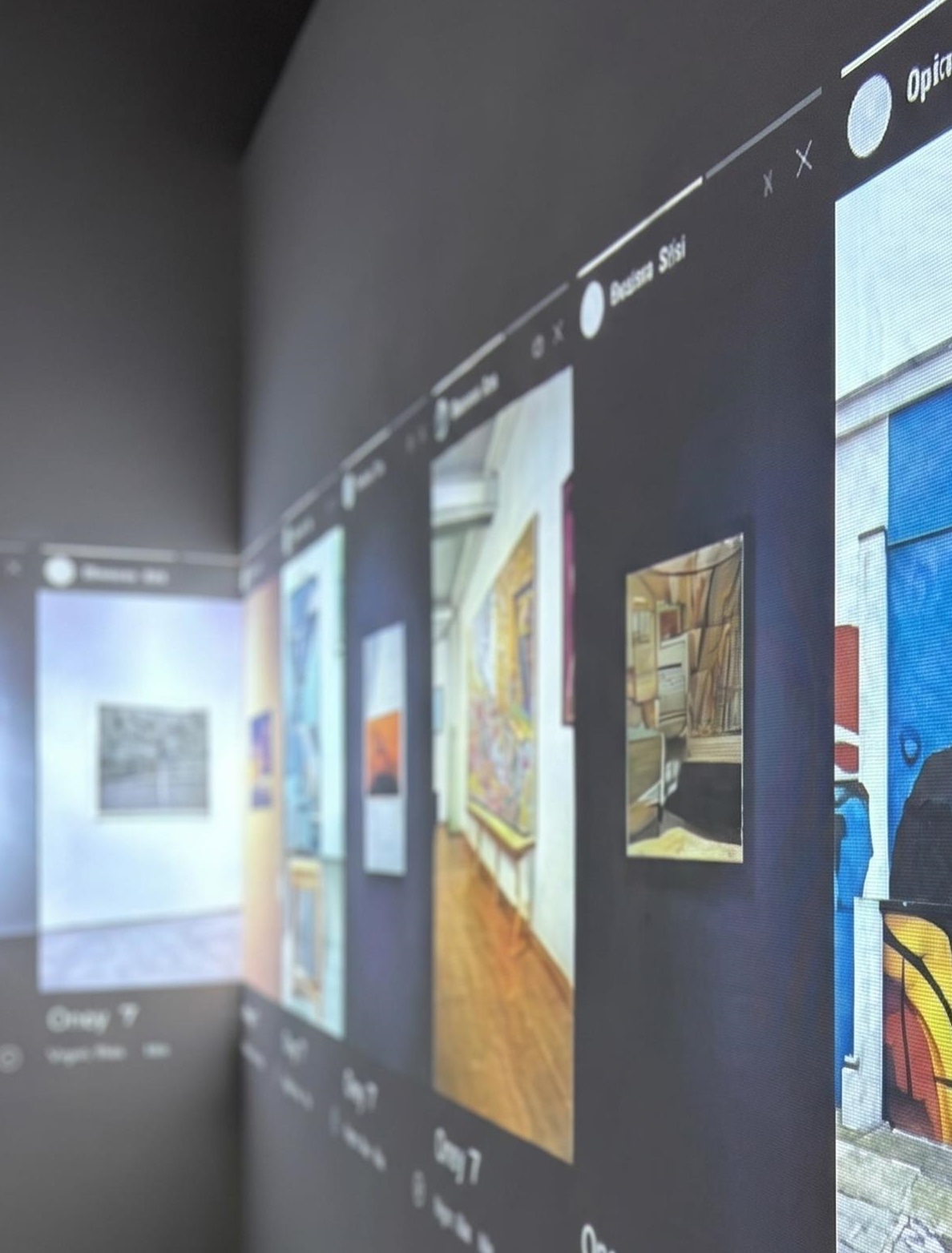
The Work Under Observation
When the work is observed before it is ever encountered, something also changes in the way it is produced. Not necessarily in an evident way, and not always consciously. But it changes. The artist knows that every fragment can become a point of access: a photograph of the studio, a detail of the work, an unfinished image, a peripheral sentence, a moment in the process. Nothing belongs solely to the internal time of research anymore. Every element can be extracted, posted, interpreted, saved, compared.
This condition does not simply coincide with self-promotion. It is subtler than that. The artist does not show only in order to communicate, but in order to make the work interceptable. Publication becomes a form of perceptual positioning: clear enough to suggest a direction, open enough not to close it entirely. The work is accompanied by a system of partial appearances that construct its atmosphere before its official presentation. The work no longer reaches the public as an isolated event. It arrives preceded by traces, clues, details, visual promises.
Within this logic, even documentation ceases to be neutral. To photograph a work is not only to preserve its image, but to decide which version of the work will enter the field of recognition. A detail may prove more effective than the whole. A fragment of the studio may seem more intense than the finished work. A provisional image may generate more interest than correct documentation. Visibility does not necessarily reward what is most complete, but what appears most legible, most charged, most immediately translatable into attention.
The risk is that this dynamic begins to exert a retroactive force on the process. The artist may begin to ask what the work requires and, at the same time, what form it will assume when perceived from the outside. This is not always an explicit question. Often it remains lateral, almost imperceptible, but it nevertheless enters the studio. It acts on the way a passage is documented, a frame is chosen, a still-unstable phase is shown or withheld until it has reached a more controlled form. The research continues to follow its own internal necessity, but beside it a second presence installs itself: the anticipated image of its reception.
The work under observation thus coexists with its own future perception. Even when it is born far from the screen, it knows that sooner or later it will have to pass through it. It will be reduced to an image, seen in sequence, absorbed into a flow in which the threshold of attention is minimal and comparison with other presences is immediate. This awareness can make the artist more lucid, but it can also introduce a form of continuous self-monitoring. The risk is that the author ends up managing the legibility of the work while still searching for it.
There is no lost purity here to mourn. Even in the past, the work was born within fields of expectation, judgment, and institutional pressure. No work has ever existed in a completely innocent space. What changes is the moment at which this pressure intervenes. Today, it does not arrive only afterward, when the work is exhibited, discussed, or sold. It arrives during. It inserts itself into the process through the constant possibility that something may be seen before its time, or that it must be shown in order not to disappear from the field of attention.
It would be too simple, however, to read this condition only as a loss. The work under observation can also become more aware of its own circulation. The artist can use the online surface as a space of montage, not merely as a showcase; they can construct rhythms of appearance, protect certain zones of the process, decide how much to let filter through and how much to keep opaque. In some cases, observation itself becomes part of the material of the work, a pressure to be incorporated rather than passively endured.
The knot remains open. Every time the work is made visible, a portion of its internal time is displaced outside itself. It enters a regime that accelerates it, compares it, interprets it before it has found a stable position. The feed does not receive the work neutrally. It immediately inserts it into an economy of signals in which every image must assert itself in order not to dissolve, even when it was not born with that intention.
The work under observation is therefore one of the deepest effects of digital waiting. It concerns what the possibility of publication produces before publication itself. The work continues to emerge in the studio, in research, in error, in matter, in the slow time of form. But alongside this time, another one exists, more external and more nervous: the time of its future legibility. It is within this friction that an ever-larger part of artistic practice takes shape today.