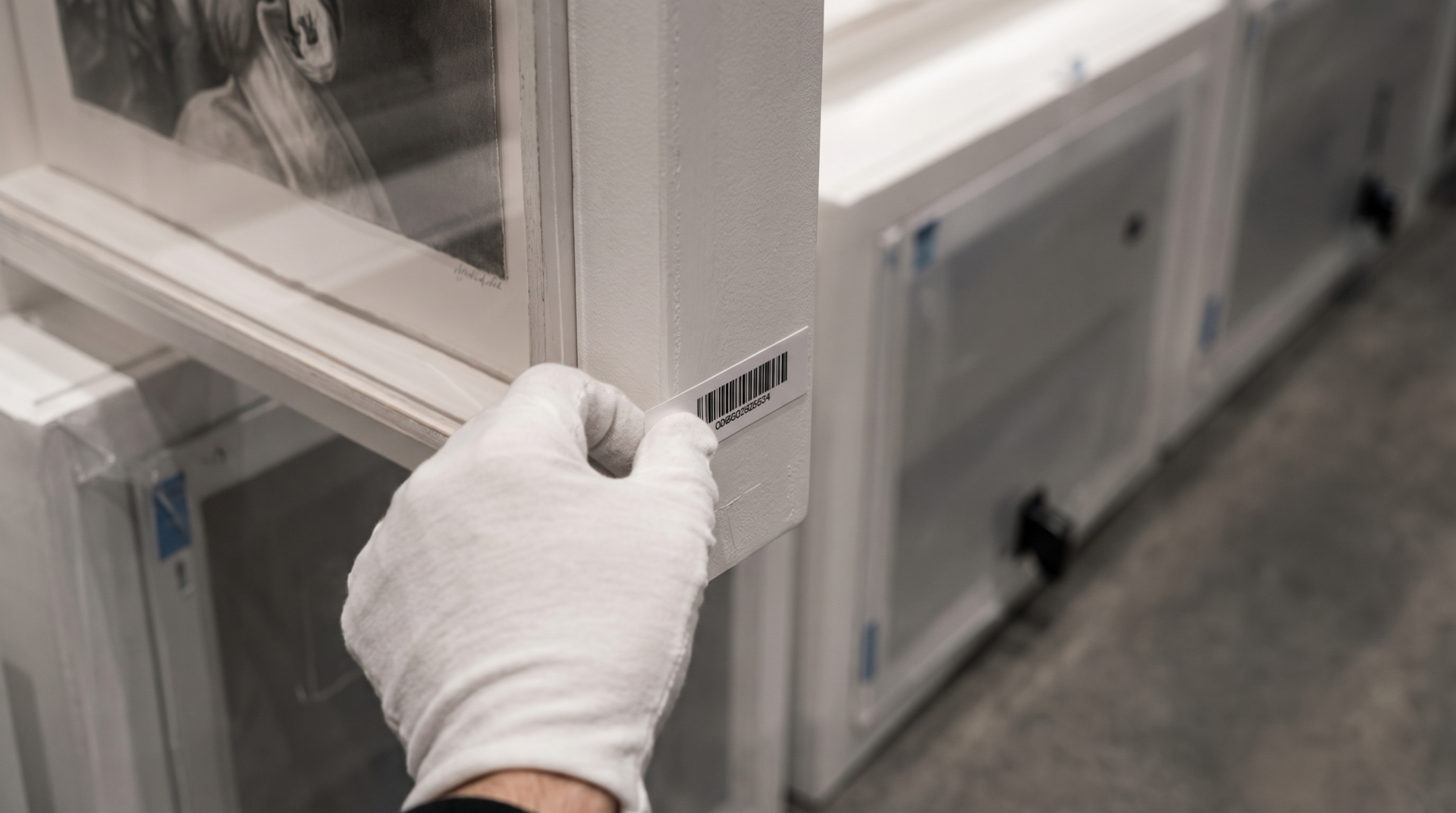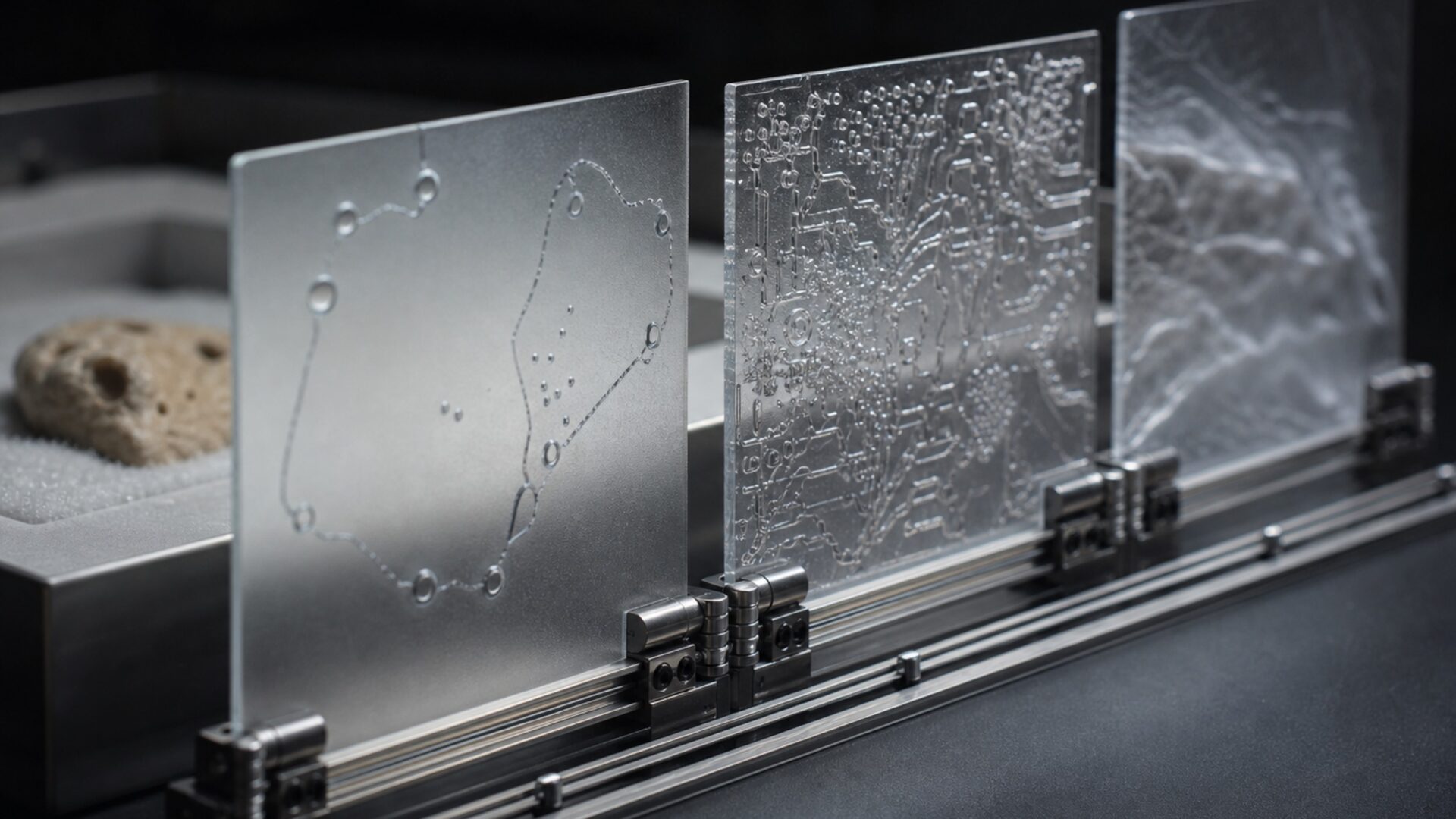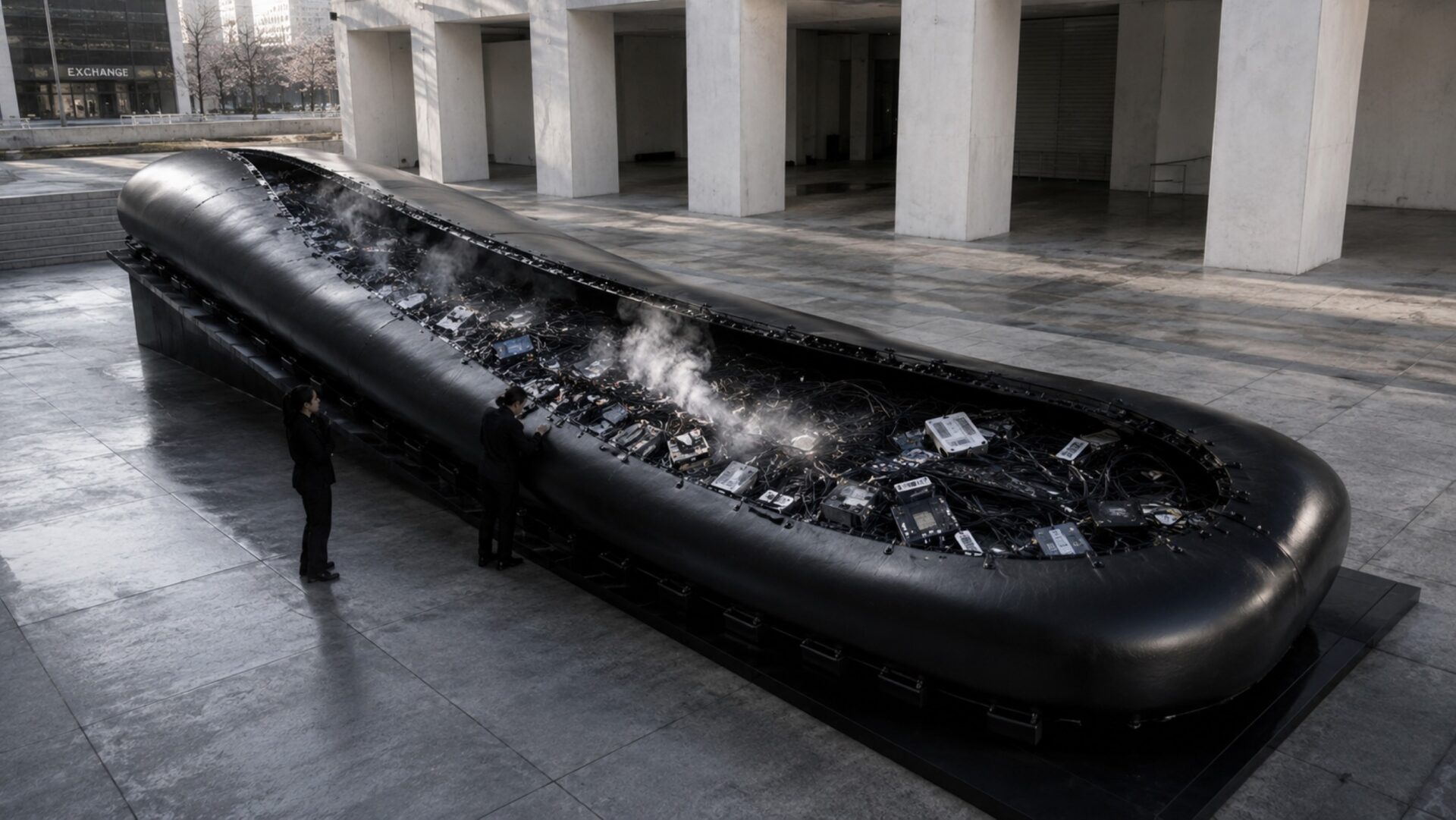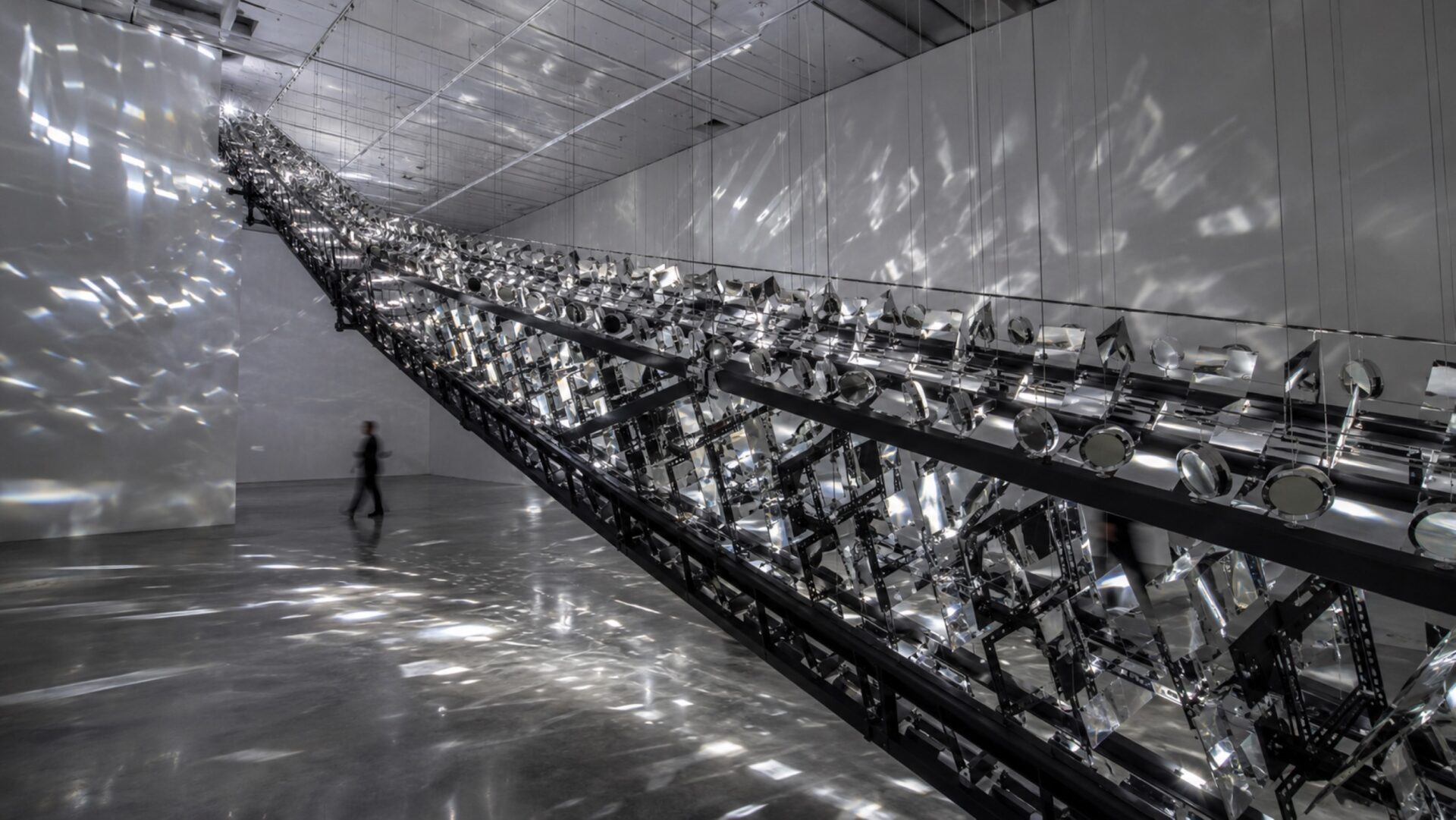
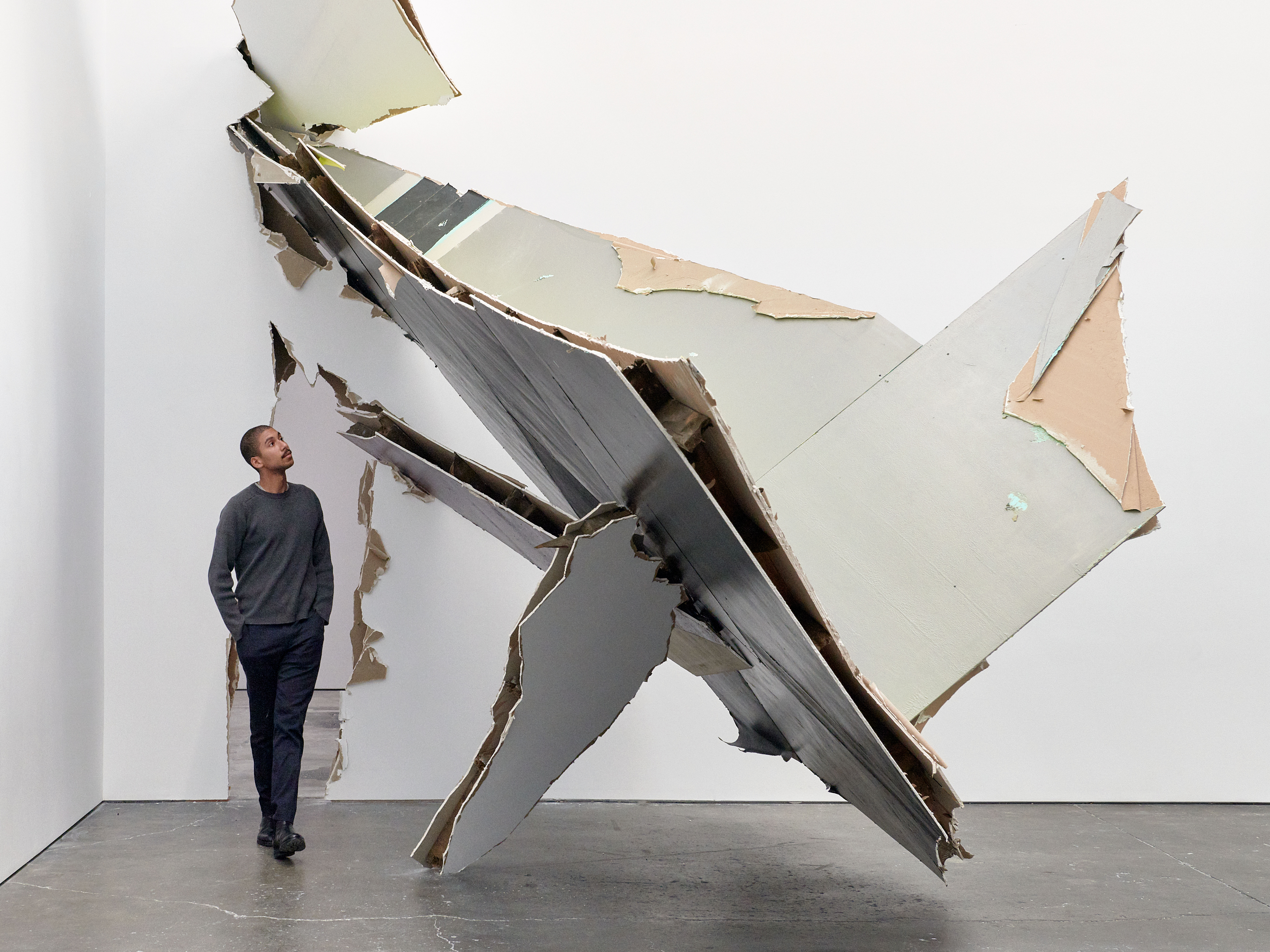
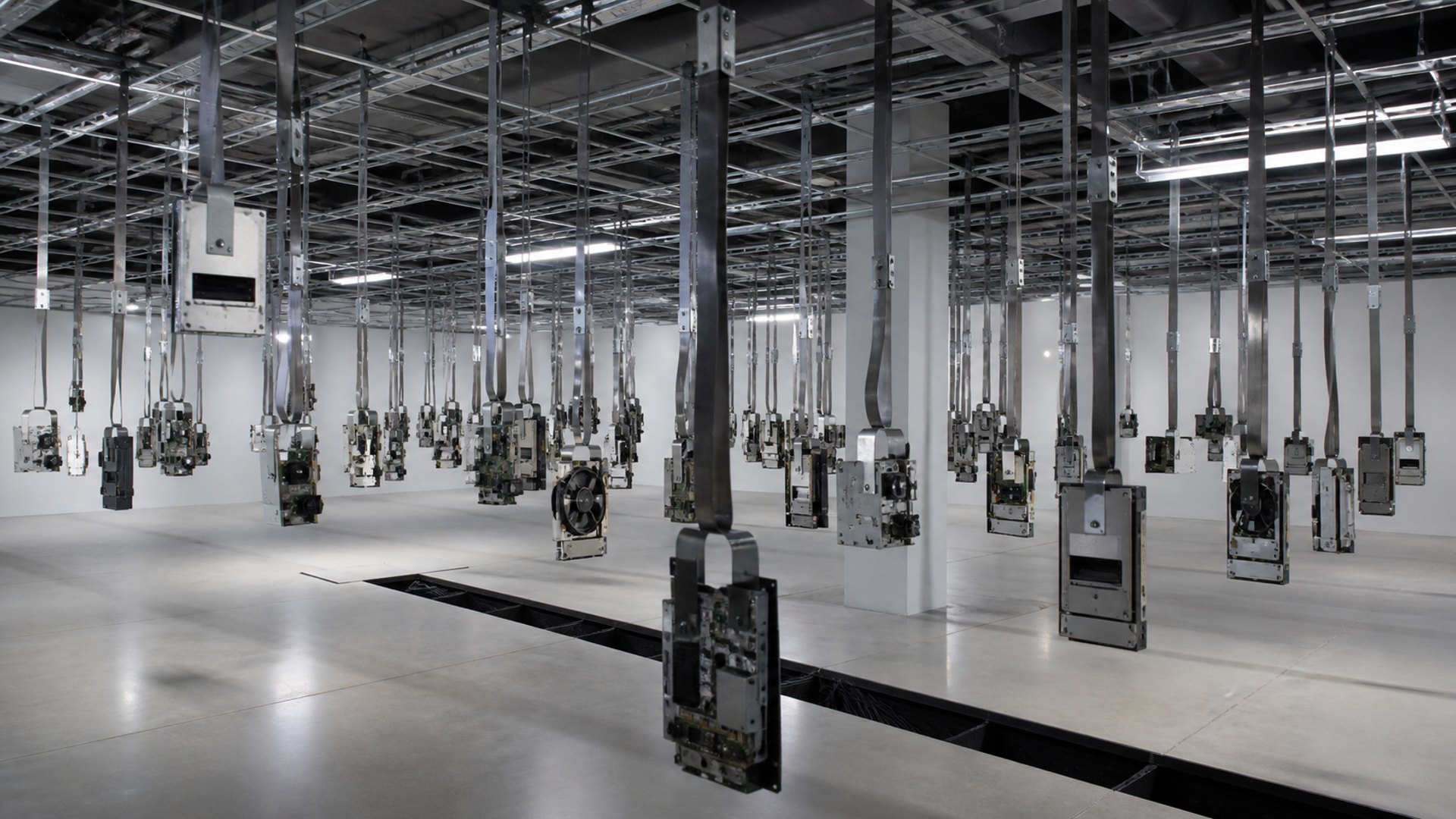
A monitor warms in a storage room, its glass gathering a blue that belongs to inventory more than vision. The work waits inside a signal path: deck, cable, converter, screen, file cabinet, accession number, insurance clause. Playback becomes the first curator. The image arrives through custody, and custody speaks in voltages, sockets, aspect ratios, service manuals, and discontinued parts.
Planned obsolescence gives media art its calendar. The artwork enters the future through a device already trained for retirement, and duration becomes an agreement with protocols designed for replacement. Every carrier contains a date in its chemistry or code. Every interface rehearses a future withdrawal of support. The museum receives the work as a temporal instrument whose legibility depends on supply chains, firmware, repair labor, and corporate memory.
Unreadability functions as an administrative condition. The blank screen, the silent cartridge, the file extension stranded outside its runtime, each form a tribunal where conservation, market confidence, and institutional authority converge. The broken work becomes legible as a dispute over provenance. Attention moves from image to apparatus, from appearance to dependency, from aesthetic encounter to the governed threshold that permits encounter.
The afterlife of media arrives as scheduled maintenance. Resurrection belongs to those works whose networks of ownership, expertise, and value can mobilize the necessary machines. Decay carries hierarchy through technical language. The future expires first as format, then as access, then as permission.
The Reader Owns the Work
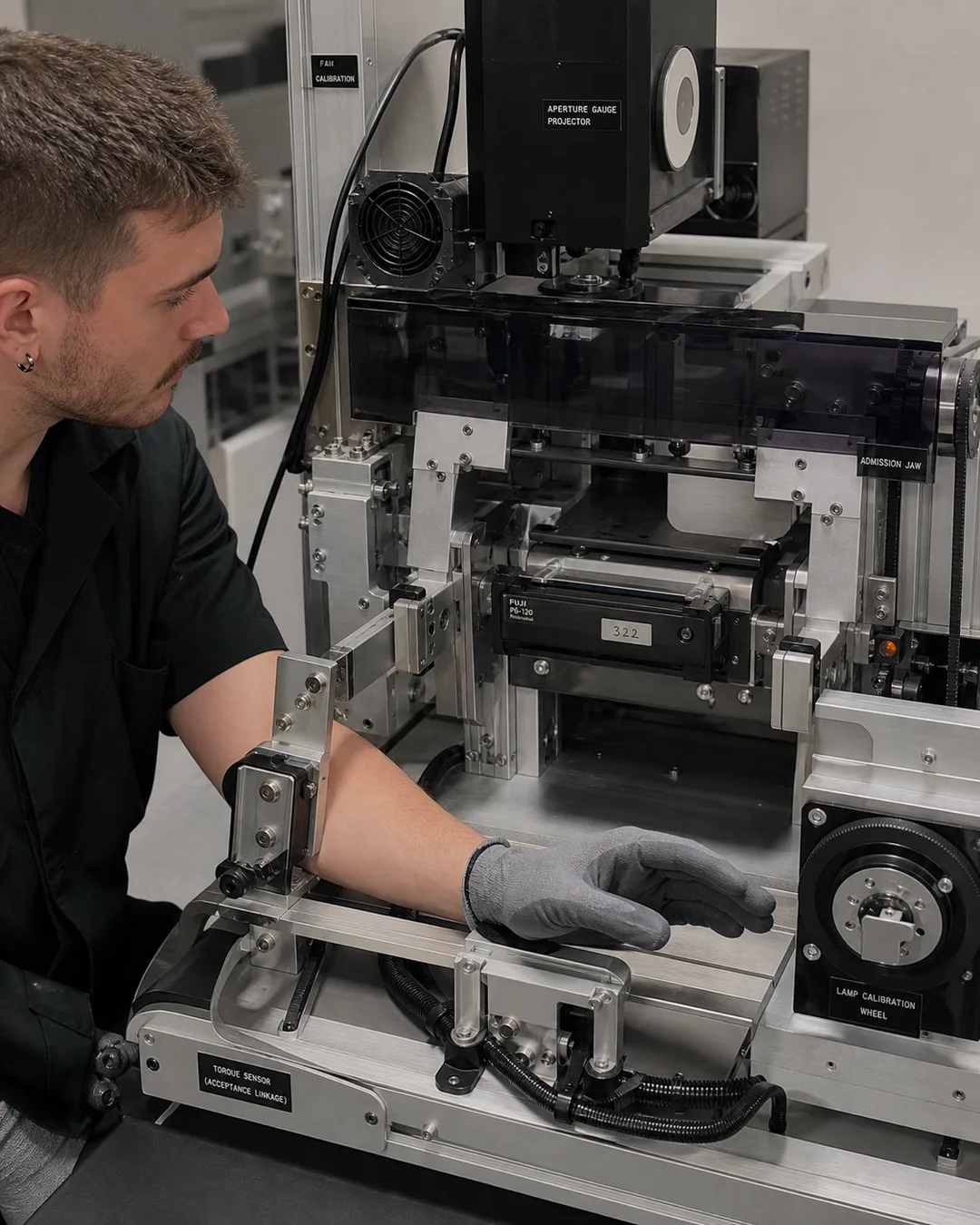
The reader is a machine before it becomes a subject. A projector decides brightness, a cassette deck decides cadence, a cartridge slot decides admission, an operating system decides whether the work may appear. Authority passes through a protocol of physical fit and electrical tolerance, and the artwork accepts judgment from devices whose design already carries the priorities of mass production, domestic consumption, and industrial replacement.
The institution holds custody through equipment it rarely governs. A camera system preserves a work by translating it into a sensor regime, while a projector repeats it through lamps, lenses, fans, and calibration menus that belong to another economy. The gallery wall becomes an interface with a maintenance chain behind it. The visible work appears as the final output of spare parts, repair knowledge, regional voltages, and contracts with manufacturers whose product cycles legislate cultural time.
The artist’s instruction enters competition with playback behavior. A monitor crops, a codec smooths, a player updates, a screen rescales, and every adjustment creates a small redistribution of authorship. Fidelity becomes a ranking system administered by hardware. The best version is the one whose dependencies remain available, whose failures can be named, whose deviations can be absorbed into institutional language.
The device reads the work through its own training bias. Consumer electronics learned to privilege convenience, speed, saturation, portability, and replacement; media art inherits these values as the hidden grammar of display. A cassette made for living rooms becomes an archival hinge, a phone made for churn becomes an exhibition terminal, a browser made for advertising becomes a museum vitrine. The work survives by passing through machines optimized for other forms of attention.
Ownership therefore migrates toward the reader. The collector owns the object, the museum owns the record, the artist owns the claim, yet the apparatus owns the event. The work exists where protocol permits performance, and protocol belongs to those who control the threshold between storage and appearance.
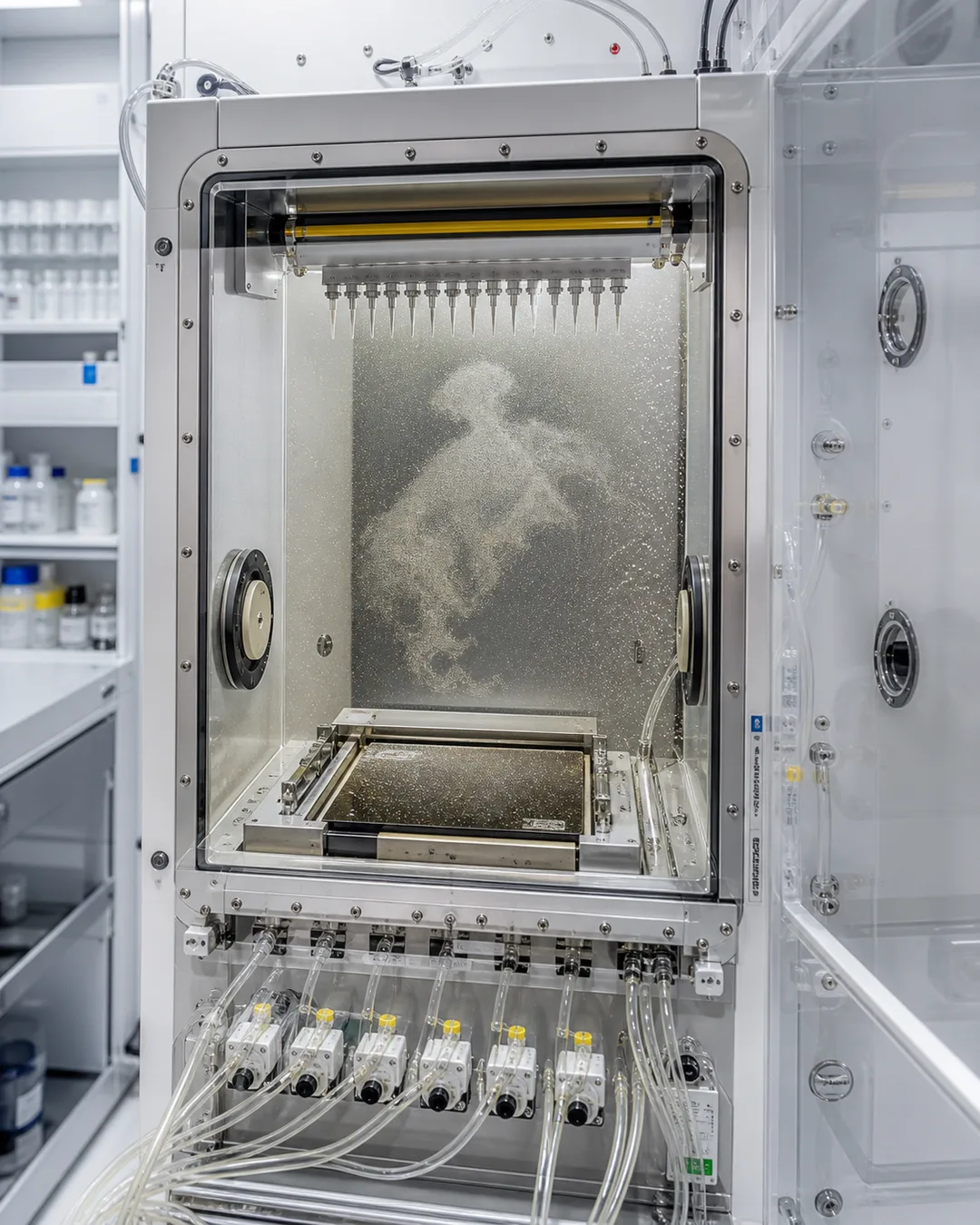
Chemistry Writes Its Deadline
Chemistry embeds an expiration date before the image becomes an image. A daguerreotype plate carries the authority of silver, mercury, polish, breath, handling, and enclosure; its surface records the world by becoming vulnerable to every condition that later protects it. Custody begins at the molecular level. The archive inherits a picture whose visibility depends on reactions that continue after the scene has vanished.
Autochrome turns color into a screen of industrial grains. Potato starch, dye, varnish, glass, and exposure form an early distribution system where vision passes through manufactured scarcity. The image appears through a recipe whose standardization created its aura, and whose disappearance converts ordinary viewing into technical privilege. Provenance here includes the laboratory as coauthor, the patent as climate, the supply chain as palette.
Kodachrome intensifies the contract between memory and industry. The film records with the confidence of a future processing route, and that route becomes the true reader of the image. When processing withdraws, the latent image becomes stranded in a corporate afterimage. The photograph contains a promise made by a laboratory, and the archive receives the residue of that promise as both evidence and obstruction.
Polaroid, Cibachrome, dye transfer, and thermal papers stage intimacy as a managed chemical event. The instant print performs autonomy while depending on sealed pods, proprietary layers, temperature, dyes, and stocks whose disappearance turns immediacy into a historical special effect. The surface becomes an inventory of compounds and industrial decisions. Each fading edge is a record of distribution as much as light.
The chemical image survives as a negotiation with vanished recipes. Conservation follows the stain, the crack, the shift in hue, the volatile binder, the exhausted paper base. What looked like material presence becomes an administered dependency on laboratories that have exited the field. Chemistry writes the deadline, and the archive learns to read expiry as part of the work’s authorship.
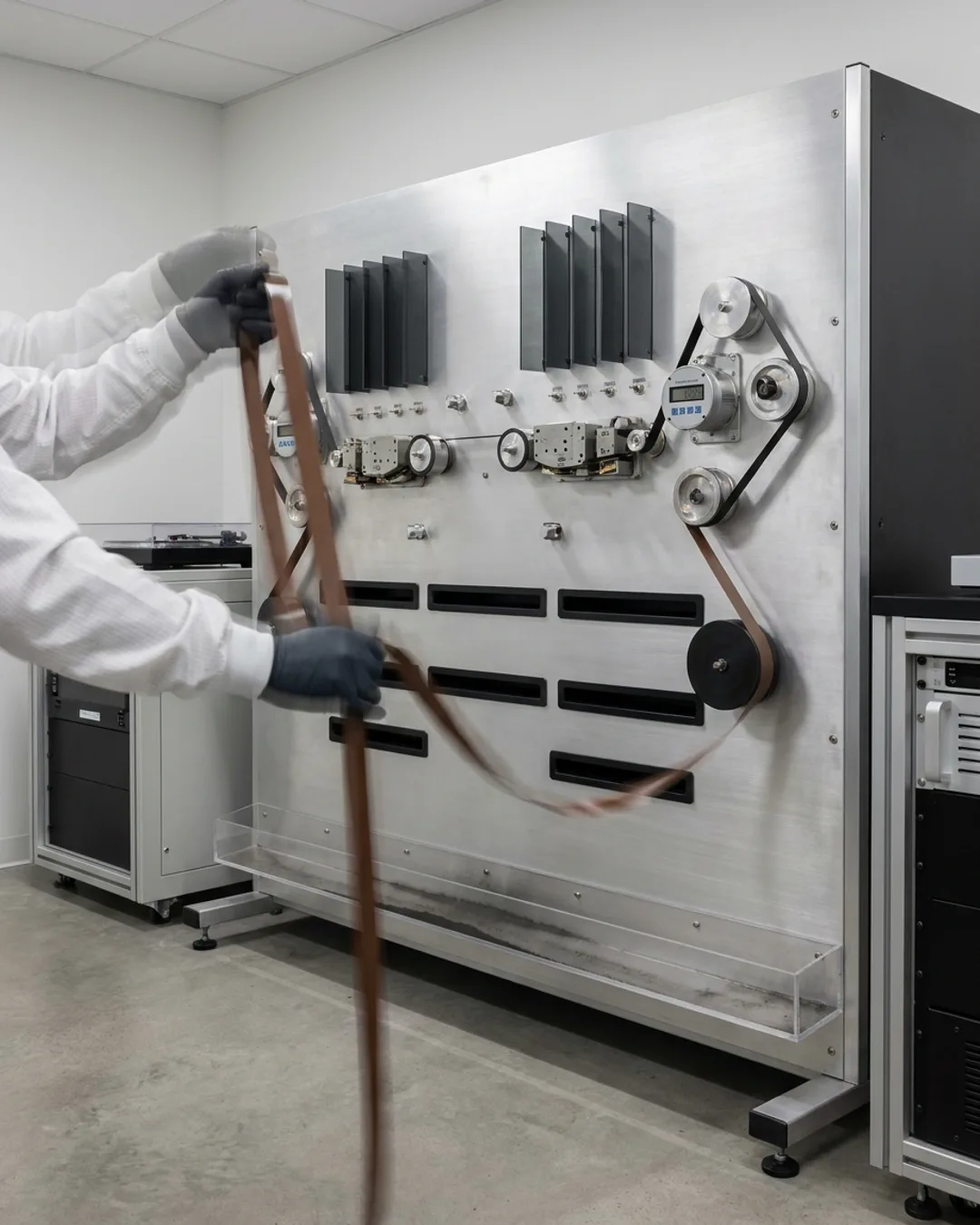
Magnetic Memory, Corporate Time
Magnetic storage binds memory to movement. Tape requires motors, belts, heads, tension, lubricants, shells, guides, and the fragile choreography of transport. The image exists as alignment across surfaces in motion. A work on U-matic or VHS enters time through friction, and friction becomes a governing protocol that converts exhibition into wear.
Corporate time appears as format succession. Betamax, Hi8, DAT, MiniDV, floppy disks, Zip disks, and hard drives each promised ordinary access through specialized readers, then transferred authority to scarcity as soon as production moved on. The carrier becomes a clock owned by manufacturers. Duration is measured through the availability of a head drum, a power supply, a driver, a port, a file system, a technician able to hear the wrong sound before the image collapses.
The archive performs rescue inside a hierarchy of interfaces. A tape with cultural value receives baking, cleaning, calibration, and digitization; another remains a labeled silence. Ranking enters through triage. The magnetic field itself carries attention as an institutional decision, because every transfer consumes labor, equipment life, and budget. Access becomes a distribution problem disguised as care.
Hard drives transform failure into opacity. A spinning disk stores the work inside sectors, firmware, controller boards, allocation tables, and proprietary diagnostic languages. A file appears simple because the machine hides the negotiation required to retrieve it. When the drive clicks, the artwork enters a chamber of specialists where custody shifts from curator to data recovery vendor, and price becomes an index of possible memory.
Magnetic media reveal art as an agreement with maintenance. The work lasts through machines whose obsolescence was planned as ordinary commerce, then reappears through institutional devotion as exceptional survival. Scarcity governs duration, and scarcity gives the surviving signal its historical charge.
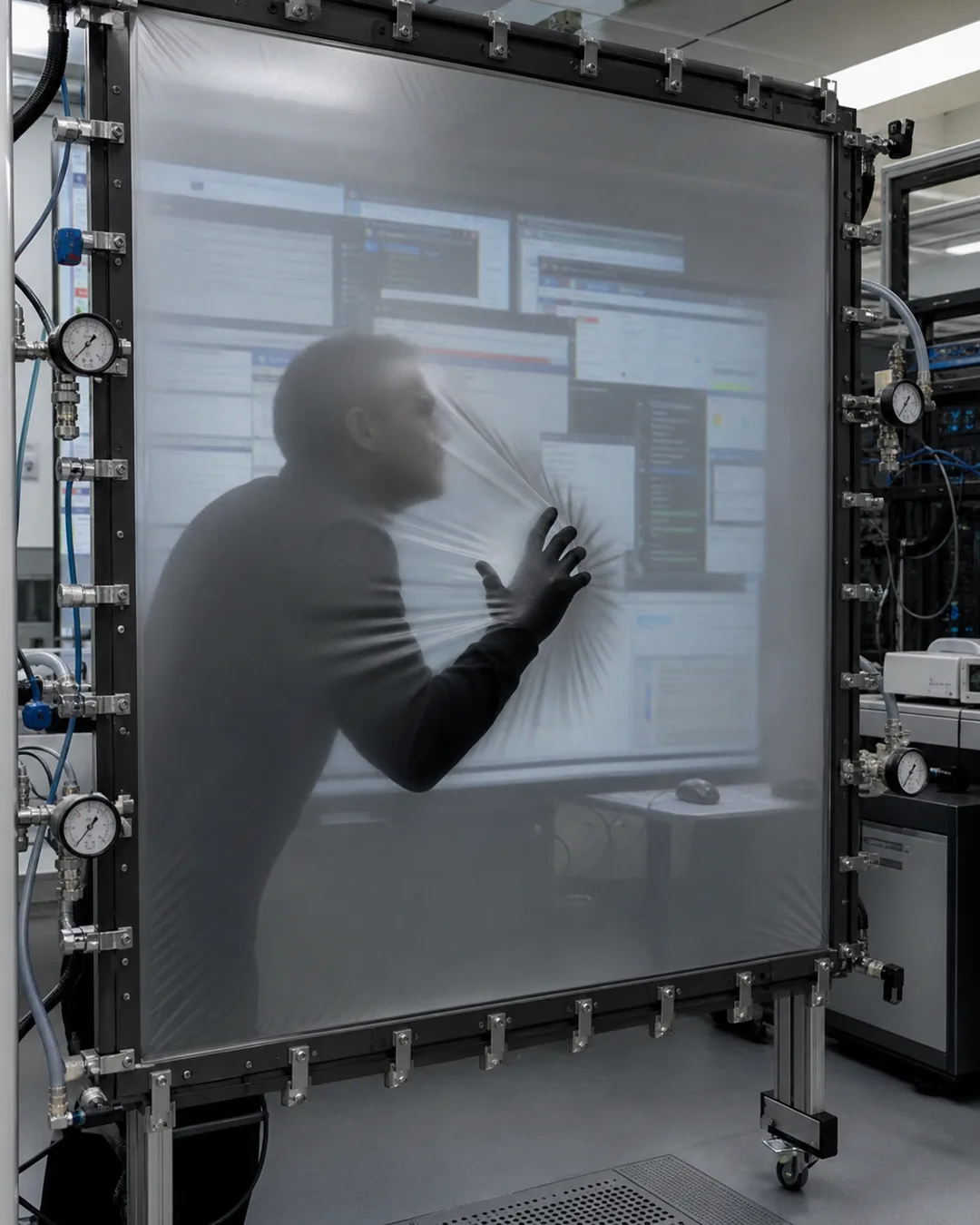
Software Becomes the Gatekeeper
Software makes access conditional through version. A CD-ROM launches inside an operating system, a screen resolution, a sound driver, a runtime library, a mouse convention, and a tempo of interaction produced by hardware of its moment. The work opens when dependencies align. Legibility becomes an event staged by compatibility, and compatibility becomes the most discreet form of power.
Flash pieces and QuickTime VR works turn the browser into a historical instrument. Plugins, codecs, security policies, and update cycles reshape the archive from within the interface that once promised circulation. The networked artwork becomes dependent on permissions issued by platforms, browser vendors, and standards bodies. Distribution becomes a gatekeeping machine whose closures arrive as technical improvement.
HyperCard stacks, early net art, and browser-based projects reveal the artwork as an addressable environment. Links, scripts, fonts, windows, servers, frames, and latency create a spatial grammar governed by protocols. The work performs through its conditions of access. When those conditions shift, the visible content remains secondary to the operating field that once made clicking, waiting, loading, and failing meaningful.
Game engines and mobile apps deepen the dependency chain. The artwork arrives through toolkits, asset pipelines, graphics cards, app stores, certificates, analytics frameworks, and licensing agreements that define how perception may be packaged. A mobile work survives under the sovereignty of an update policy. A game-engine work inherits the engine’s future, its render path, its deprecations, its monetized ecology of support.
Software preservation therefore becomes a politics of executable custody. Emulation, virtualization, containerization, and source access reorganize the work as a set of permissions and environments. The file by itself becomes a relic of expectation. The gatekeeper is the stack, and the stack remembers every corporation that touched the threshold.
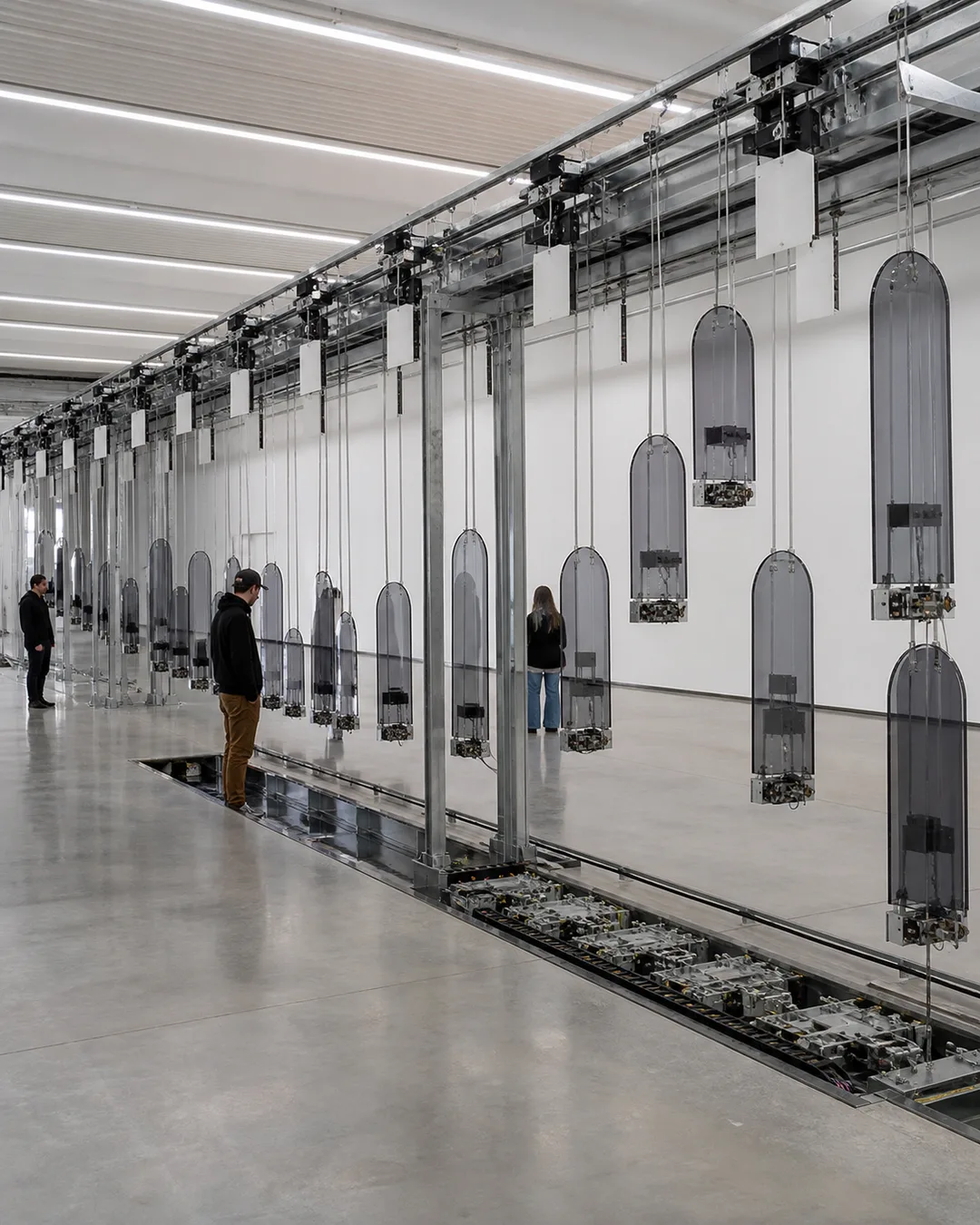
Conservation Enters the Market
Migration converts preservation into translation with a balance sheet. A tape becomes a file, a file becomes a new codec, a web work becomes a package, and each transfer creates a version whose authority depends on documentation, institutional confidence, and market recognition. Continuity is purchased through labor. The conserved work carries the price of every decision that allowed it to remain visible.
Emulation turns time into an interface. The old operating system runs inside the new one, the obsolete browser appears as a managed illusion, and the artwork is staged within a controlled latency of the past. The emulator becomes a curatorial device. It produces historical distance while sustaining use, and it converts technical dependency into an aesthetic of administered authenticity.
Reconstruction gives loss a negotiable form. Missing hardware, broken code, expired libraries, and unavailable displays are replaced through decisions that require artist interviews, conservation files, photographs, installation records, and institutional protocols. The rebuilt work gains authority through the density of its dossier. Provenance expands from object history to procedural justification.
Source-code escrow formalizes distrust as future care. The artist, gallery, estate, collector, and institution arrange access to the conditions of future legibility, while licenses and contractual clauses define who may touch the operational core. Custody becomes legal architecture. The work’s survival depends on rights as much as data, and preservation becomes a market for sanctioned intervention.
Loss becomes a pricing instrument when scarcity can be narrated as fragility. A work that requires rare equipment, specialized expertise, or licensed resurrection acquires value through its difficulty of appearance. Conservation enters the market as a purchase of continuity, and continuity becomes a privilege distributed through capital, protocol, and institutional desire.
Power Names the Surviving Image
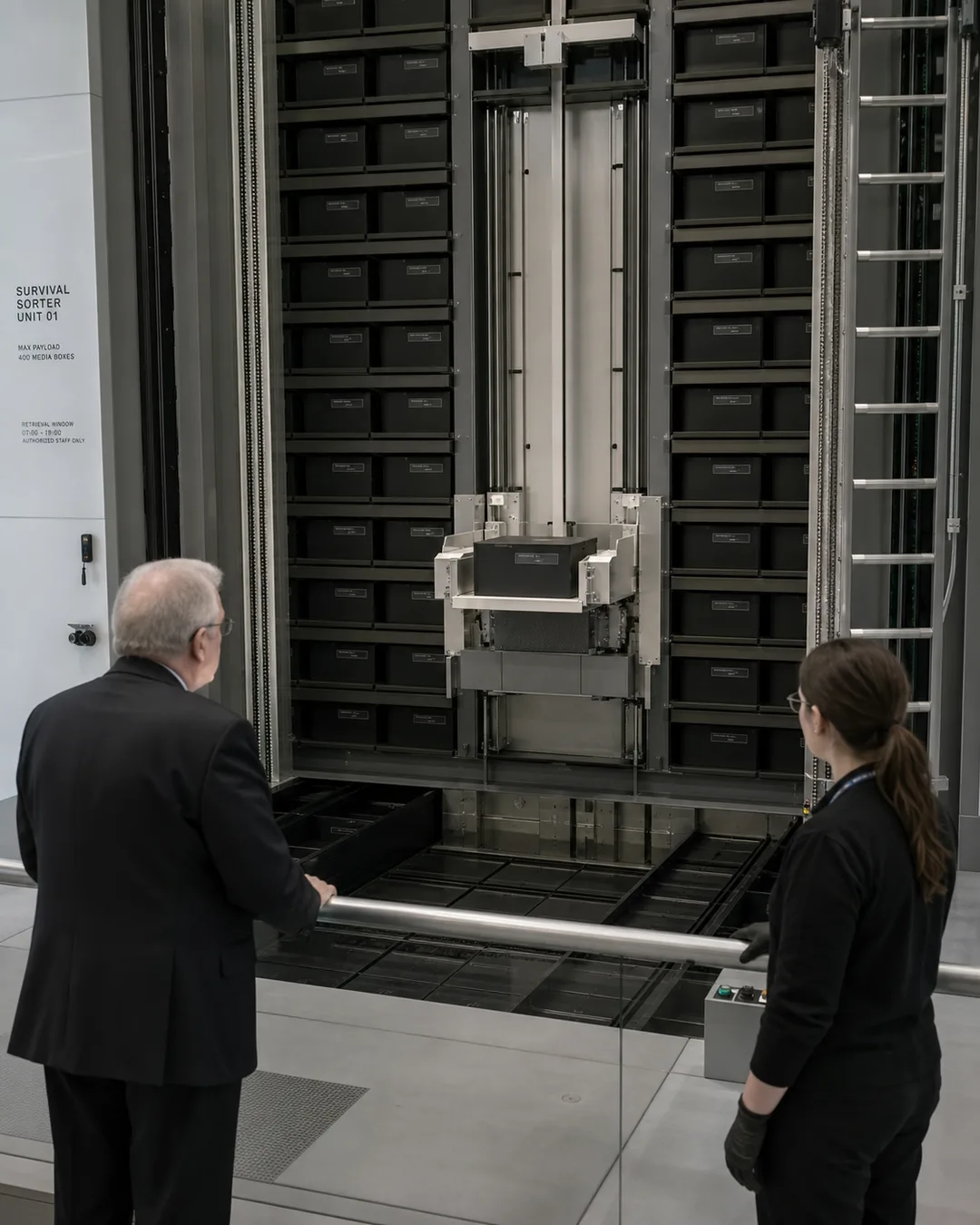
Power names survival through selection. Museums choose the broken works that merit repair, archives rank holdings through urgency, estates authorize versions, vendors price access to obsolete knowledge, collectors finance continuity, and platforms govern visibility through infrastructure. The surviving image appears at the intersection of attention and administration. Its return is a decision before it is a restoration.
The archive becomes a ranking system for the dead formats of culture. Some works receive migration plans, emulator builds, conservation reports, and exhibition budgets; others remain in boxes as evidence of a field whose totality exceeds institutional appetite. Triage produces canon. The technical problem becomes a historical filter, and the filter normalizes the idea that cultural memory should pass through scarcity.
Platforms extend this logic through automated custody. A work uploaded to a service enters compression, recommendation, moderation, monetization, and possible deletion; its visibility is governed by feeds and terms that translate attention into infrastructure. The platform preserves through circulation and erases through policy. The image survives by becoming compatible with ranking.
Estates and collectors shape resurrection through permission. The right to rebuild, exhibit, migrate, or emulate turns the broken work into a site of negotiation where authenticity, market value, and legal authority converge. An inaccessible work can gain force as a sealed asset. Engineered inaccessibility becomes a premium condition, because the promise of future revelation holds value inside the present.
The surviving image is therefore the image power can maintain. Brokenness functions as custody, obsolescence as authorship, restoration as governance. Media art carries its afterlife inside the apparatus that threatens it, and the future keeps its appointment by expiring on time.