
When everything can become a subject, then nothing truly is. What remains, and what ultimately becomes more relevant, is the way a situation is told, the way it is presented, and the form through which a piece of content is shaped. It is 2026. This is where we have arrived.
The sheer quantity of images, languages, references, and devices through which we read the world has gradually shifted attention away from the subject itself and toward its construction. It is no longer enough to ask what we are looking at. More and more often, what determines the weight of an image, an artwork, or a piece of content is the way that thing is organized, positioned, and made legible.
For an artist, however, this construction is never neutral. Behind an image there may be months or years of research, overlapping references, formal decisions, personal experiences, theoretical positions, attempts, mistakes, obsessions, connections to previous works, and layers of meaning that accumulate until they form an extremely complex structure. The artist inevitably tends to perceive the work through this totality. They know what comes before the work, what supports it, and what, even when it remains invisible, continues to determine it.
The public, by contrast, almost always encounters only the result.
This is where a fundamental distance emerges.
What the artist believes they have constructed and what is actually perceived rarely coincide. Of that original structure, perhaps ten percent gets through, maybe twenty. The rest is lost, simplified, transformed, or replaced by associations that belong to the viewer.
This is not necessarily a lack of attention or ability. Perception works through approximation. We read images through what we already know. We recognize forms, symbols, aesthetics, and situations because we can compare them with a pre-existing archive, both personal and collective. Faced with something new, we inevitably search for something already known through which we can interpret it.
In this sense, the public never receives the work in its entirety. It constructs a possible version of it.
And it is precisely in the space between these two versions, the one produced by the artist and the one reconstructed by the viewer, that a substantial part of the meaning of the work is lost, but also transformed.
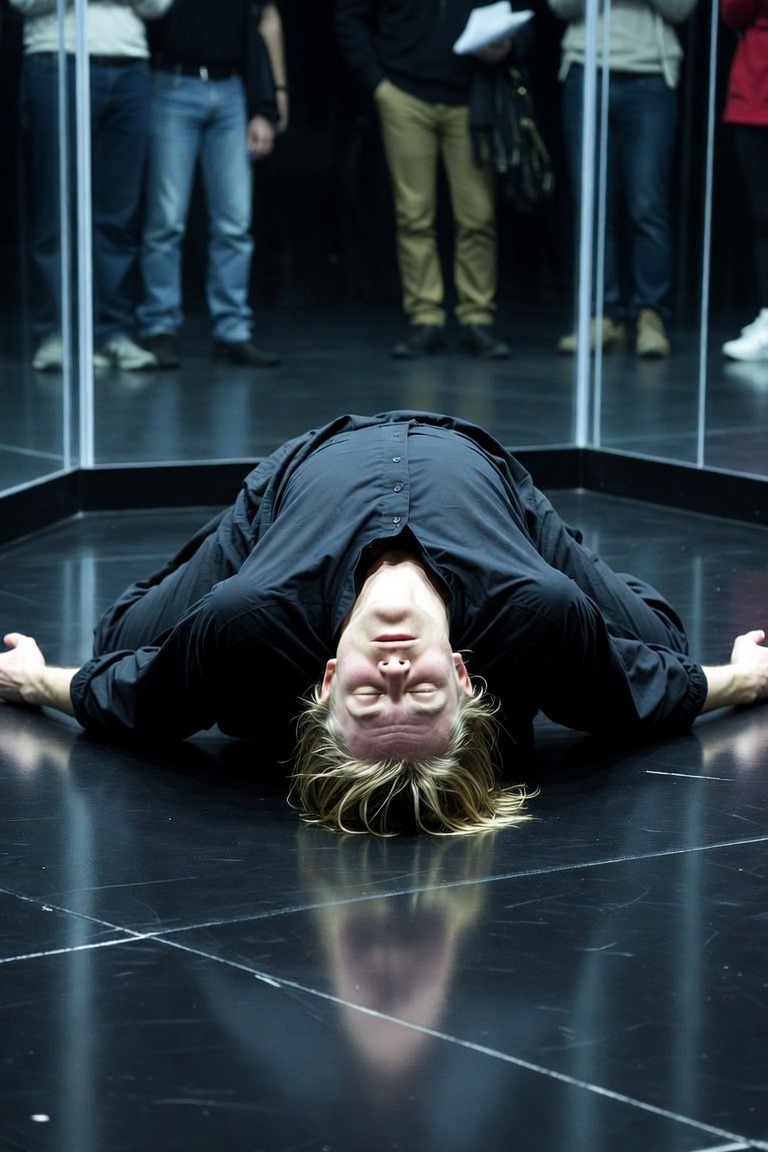
WHEN EVERYTHING CAN BE A SUBJECT
When everything can become a subject, the subject itself inevitably stops being enough.
Photography, cinema, art, advertising, and today especially social media have gradually demonstrated that almost anything can be made interesting, desirable, disturbing, or meaningful. An ordinary object, a minimal gesture, an empty room, an insignificant detail can become central if it is constructed in the right way.
The question therefore changes. It is no longer simply: what am I looking at? It becomes: why am I looking at it in precisely this way?
This is where form takes on decisive weight. Framing, context, rhythm, language, and the device through which something is presented increasingly determine the way that thing is perceived.
By 2026, this condition has become obvious. We are constantly exposed to formally sophisticated images, often applied to completely ordinary subjects. The ability to produce convincing images has expanded enormously, and it continues to expand.
If everything can be transformed into content, then distinction no longer necessarily lies in the subject.
It lies in the way that subject is constructed, narrated, and made legible.
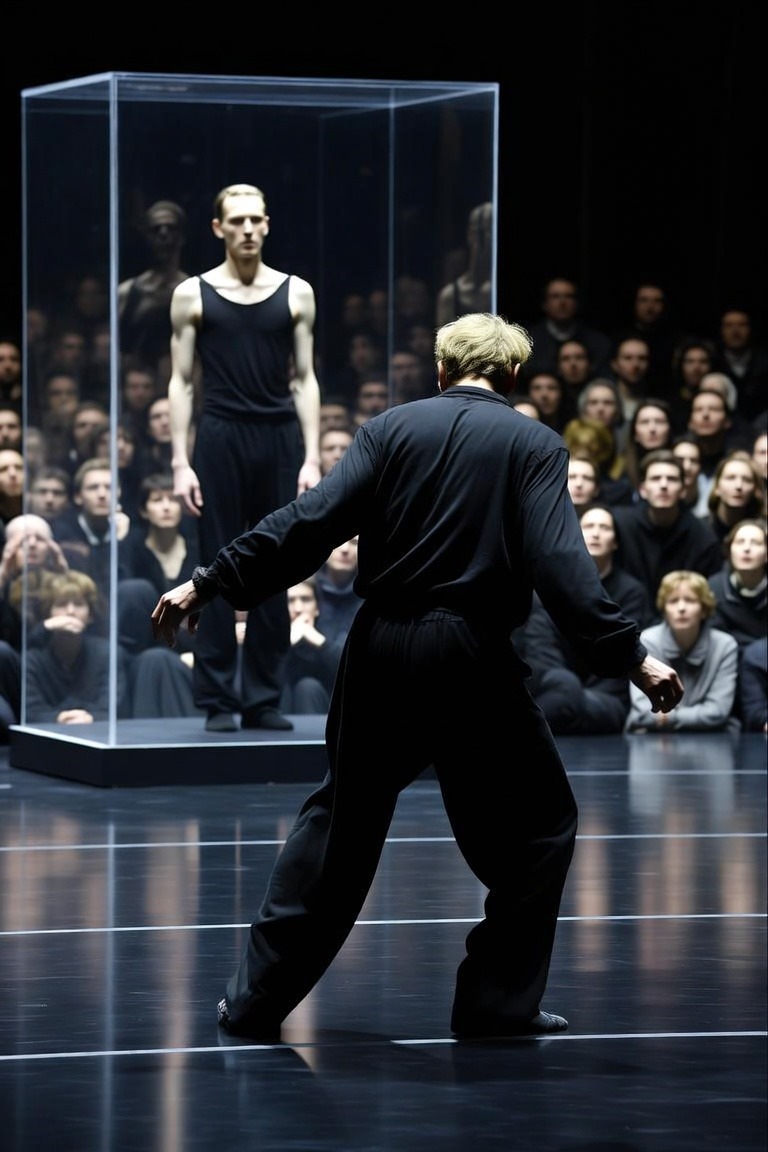
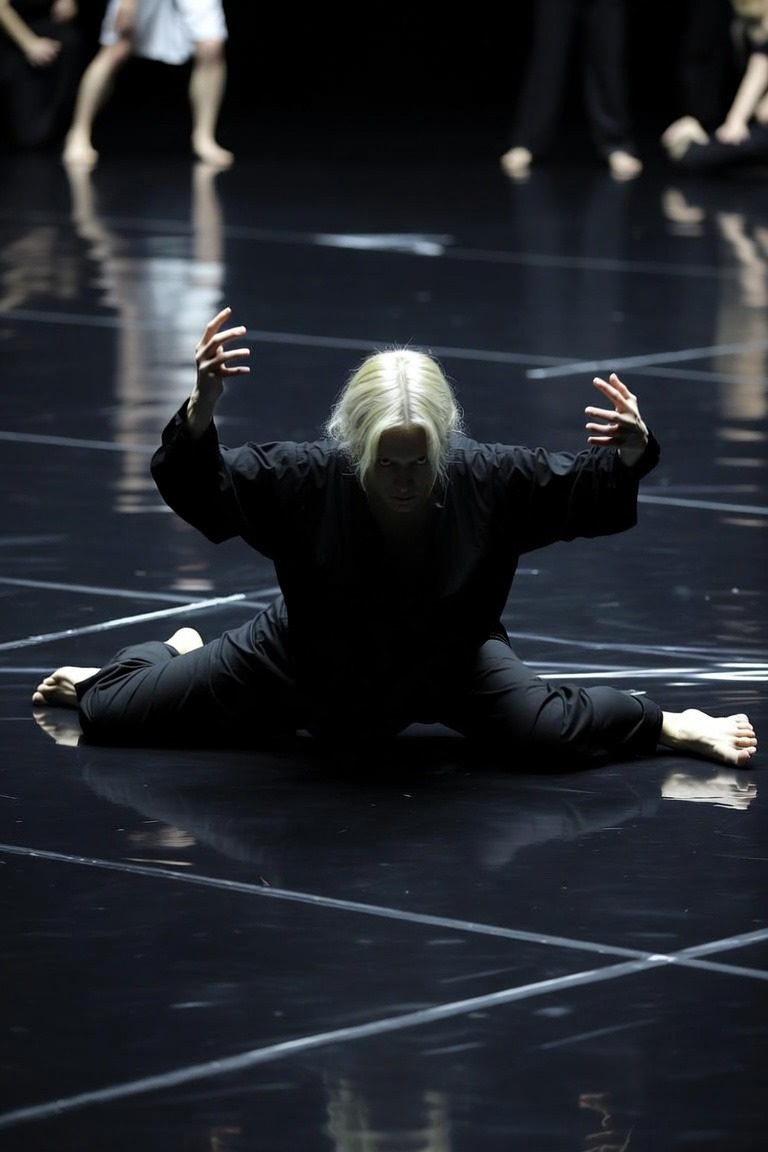
THE WORK THE ARTIST BELIEVES THEY ARE MAKING
An artist rarely sees their own work simply for what it appears to be.
They see it through everything that came before it: references, attempts, readings, mistakes, decisions, obsessions, connections to other works. Every visible element carries with it an amount of information that, for the artist, remains present even when it is not made explicit.
This is where a first distortion begins. The person who produces a work knows the system that generated it. The person who looks at it does not.
For the artist, a formal decision may contain years of research. For the public, it may simply be a color, a composition, an image that is more or less interesting. Not because the viewer lacks something, but because part of the context is inevitably missing.
The artist therefore tends to overestimate how much of their own complexity is actually visible.
They believe they are presenting an articulated system of meanings. In most cases, the public receives a much narrower surface of that system.
The interesting question is not who is right.
It is how much of the work truly exists within its internal construction, and how much of it is actually able to survive once it is seen by someone else.
THE TEN PERCENT
How much of a work really reaches the person looking at it?
Probably much less than the artist imagines.
The public does not receive the entire system of meanings that produced a work. It catches certain elements, often the most immediate ones: an image, a tone, a symbol, an association, a sensation. The rest remains in the background or disappears completely.
One could say, deliberately approximately, that ten or twenty percent gets through.
This is not a scientific measurement. It is a way of describing a disproportion: on one side, a complex, layered construction often overloaded with intentions; on the other, a reception that is rapid, partial, and inevitably selective.
The point is not that the public understands little. It is that no one can read a work from the same mental position from which it was produced.
Every viewer selects what they are able to recognize and leaves the rest out.
And it is precisely this loss that makes the next step interesting: understanding why we tend to see above all what we already know.
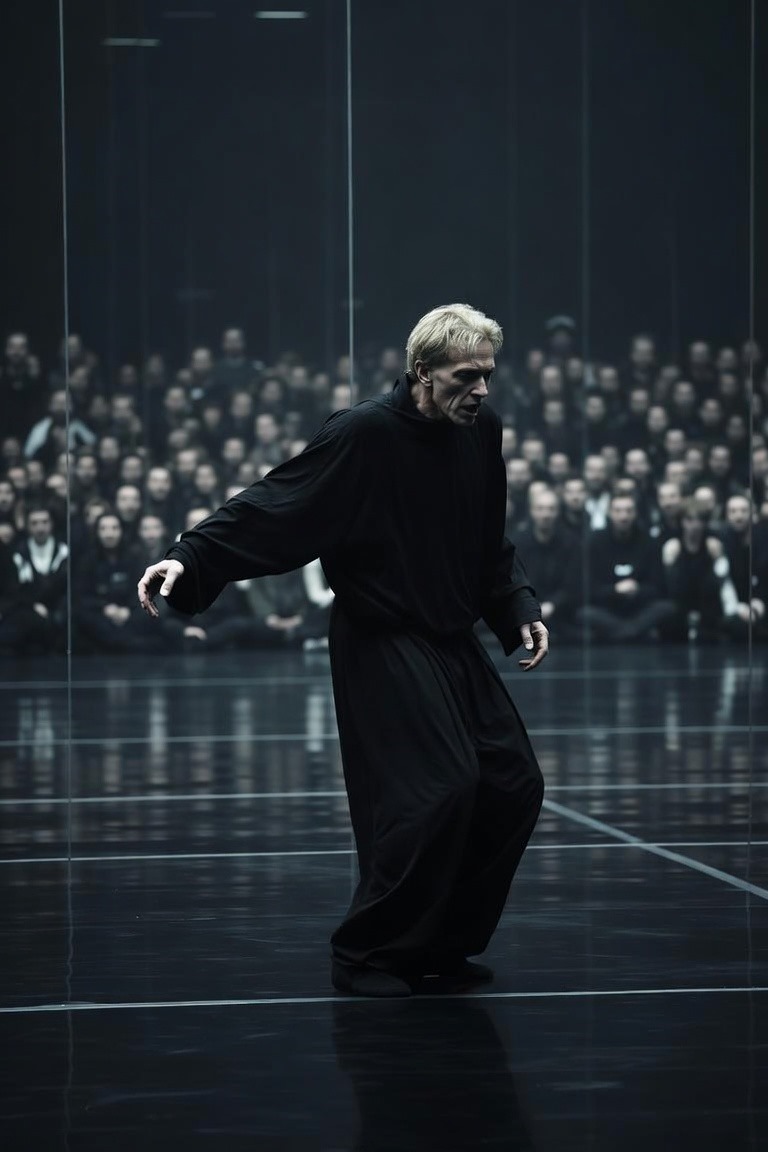
WE SEE WHAT WE ALREADY KNOW
No one looks at an image from zero.
Every time we observe something, we compare it with what we have already seen, learned, or experienced. Our gaze constantly uses previous references to give meaning to what is in front of us.
It is an almost automatic process.
We recognize an atmosphere because it reminds us of a film. A symbol because we have encountered it somewhere else. A visual language because it belongs to an aesthetic we already know. Even when a work tries to introduce something new, we still tend to read it through categories that are already available to us.
This means that the public never encounters only the work. It also encounters its own archive.
The closer a reference is to something we already know, the more easily it is recognized. By contrast, what has no equivalent in our experience risks remaining invisible, or being translated into something more familiar.
Understanding, then, does not depend only on what the artist places within the work.
It also depends on what the viewer is already capable of seeing.
RECOGNIZING DOES NOT MEAN UNDERSTANDING
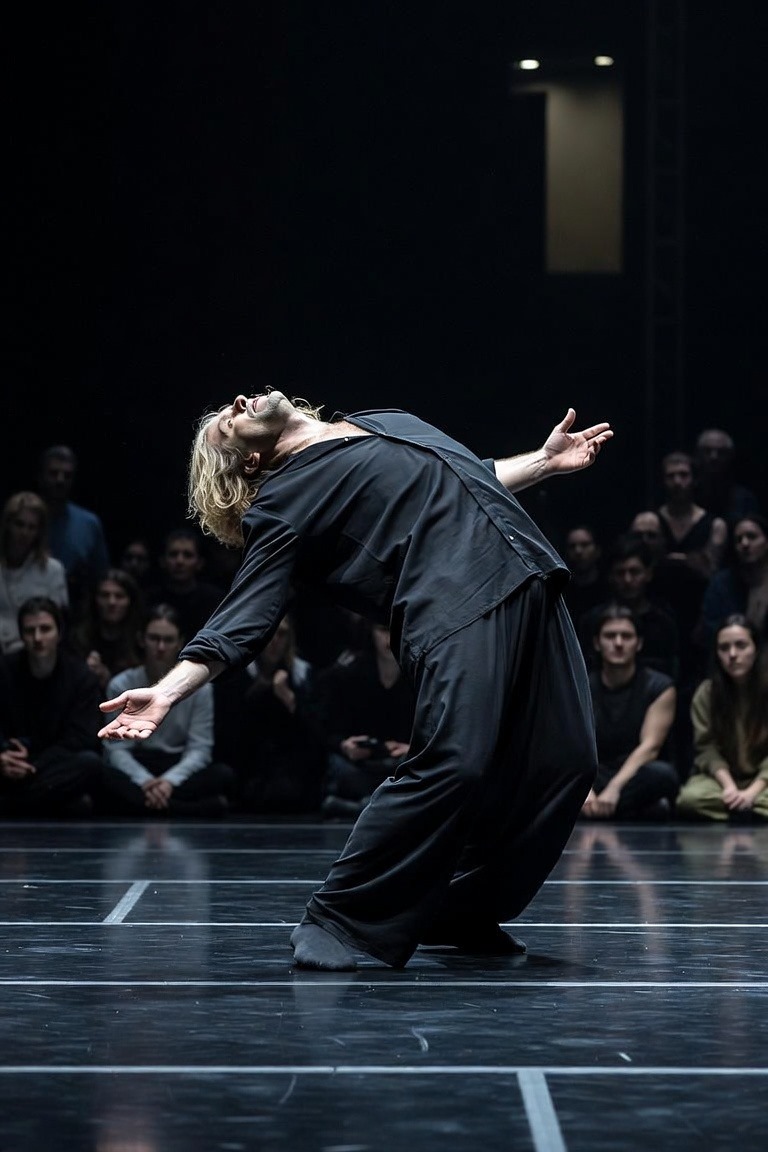
Recognizing something does not necessarily mean understanding it.
When faced with a work, the first level of reading is often recognition. We identify an aesthetic, a symbol, a reference, a genre, a resemblance. This allows us to orient ourselves quickly and place what we are seeing within categories we already know.
But that very speed can become a limitation.
When we recognize something, we tend to think we have already understood it. In reality, we have only found a familiar form through which to interpret it.
An image may appear political without us truly understanding its position. It may seem nostalgic, violent, ironic, or technological because it evokes codes we already know, even if the work uses those codes with very different intentions.
Recognition simplifies.
Understanding, by contrast, requires time, context, and a willingness to remain with something that is not immediately legible.
For this reason, part of the artist’s work is lost precisely at the moment it is recognized too quickly.
EVERYTHING THAT GETS LOST
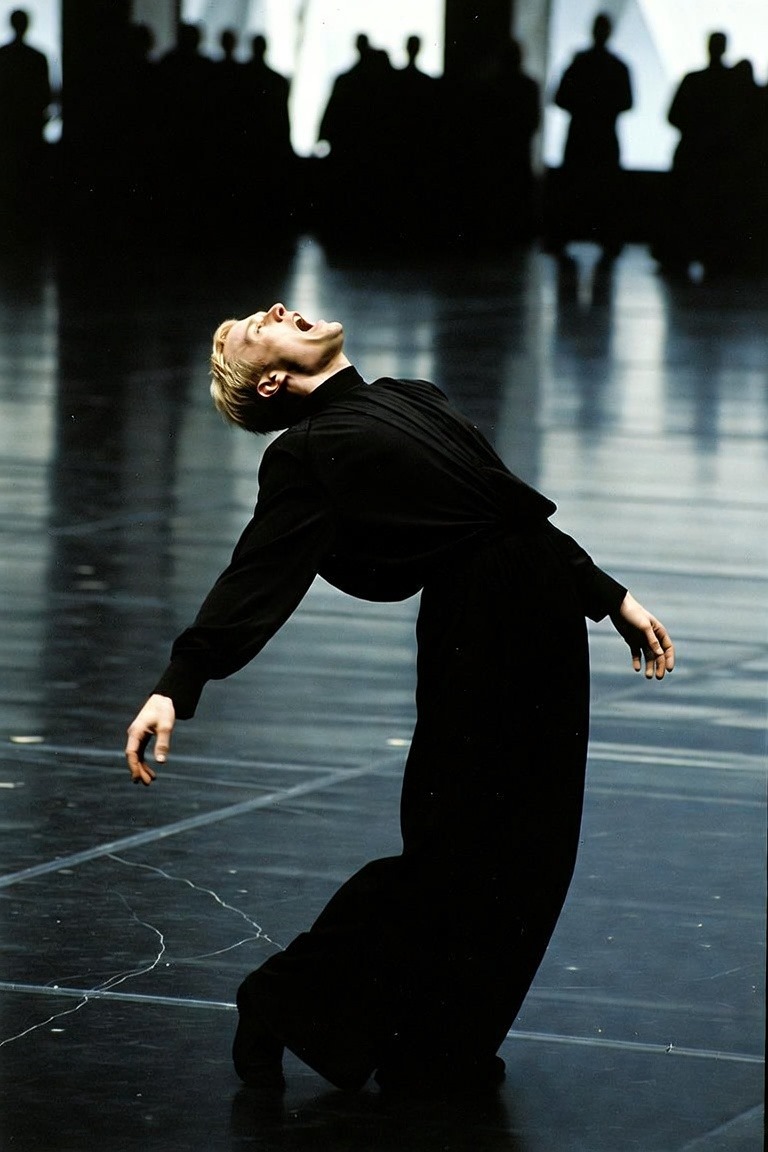
Between what the artist constructs and what the public receives, there is always a loss.
Some references are not caught. Some intentions change meaning. Some layers remain completely invisible. In other cases, the viewer adds associations that the artist never anticipated.
This dispersion is not an occasional accident. It is part of the very way communication works.
The more layered a work is, the greater the possibility that only part of its structure will be perceived. The rest remains implicit, is simplified, or is transformed in the process.
This is where the work stops belonging only to the person who produced it.
The moment it is observed, it enters a system of interpretations that the artist can no longer fully control.
What gets lost, then, does not really disappear. It often changes form. And it is precisely this transformation that separates the work as conceived from the work as perceived.
APPROXIMATION AS A FORM OF KNOWLEDGE
If every viewer receives only part of the work, then approximation is not necessarily an error.
It may simply be the normal way in which we know things.
We never see everything. We select, simplify, and connect what is in front of us with what we already know. We construct a version coherent enough for us to understand.
The same thing happens in front of a work of art.
The public does not perfectly reconstruct the artist’s intention. It produces its own synthesis, partial but functional. Some elements become central, others disappear, and still others take on different meanings.
This approximation may seem like a loss, but it is also what allows the work to be received at all.
If it were necessary to possess every reference, know every intention, and reconstruct the entire process in order to understand a work, much of art would remain inaccessible.
Perhaps, then, the problem is not to eliminate approximation.
It is to understand which part of the work is able to survive within it.
PRODUCING FOR WHAT SURVIVES
At this point, the question changes.
It is no longer: how can I make sure the public understands everything?
It probably cannot. And perhaps it does not need to.
The question becomes which part of the work must be able to survive loss, simplification, and the inevitable approximation of every reading.
An artist can continue to work with complex structures, layered references, and levels of meaning that are difficult to exhaust. But they must also accept that much of that construction will remain invisible.
What matters is that something still manages to cross that distance.
An image, a tension, a question, a contradiction, a sensation precise enough to continue to exist even when everything else is lost.
Perhaps this is exactly the point.
The artist works within complexity. The public receives through approximation. The work exists in the space between these two conditions.
And what remains, in the end, is not necessarily everything the artist wanted to say.
It is what managed to get through.