
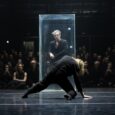
Today the term “minimalism” is often associated with emotional depth, silence, introspection and contemplation. Contemporary artists, designers, photographers, architects and digital creators frequently employ reduced forms, empty spaces and essential visual structures in order to evoke emotional intensity. In current visual culture, minimalism is commonly perceived as a poetic language of subtraction: the fewer the elements, the stronger the emotional resonance.
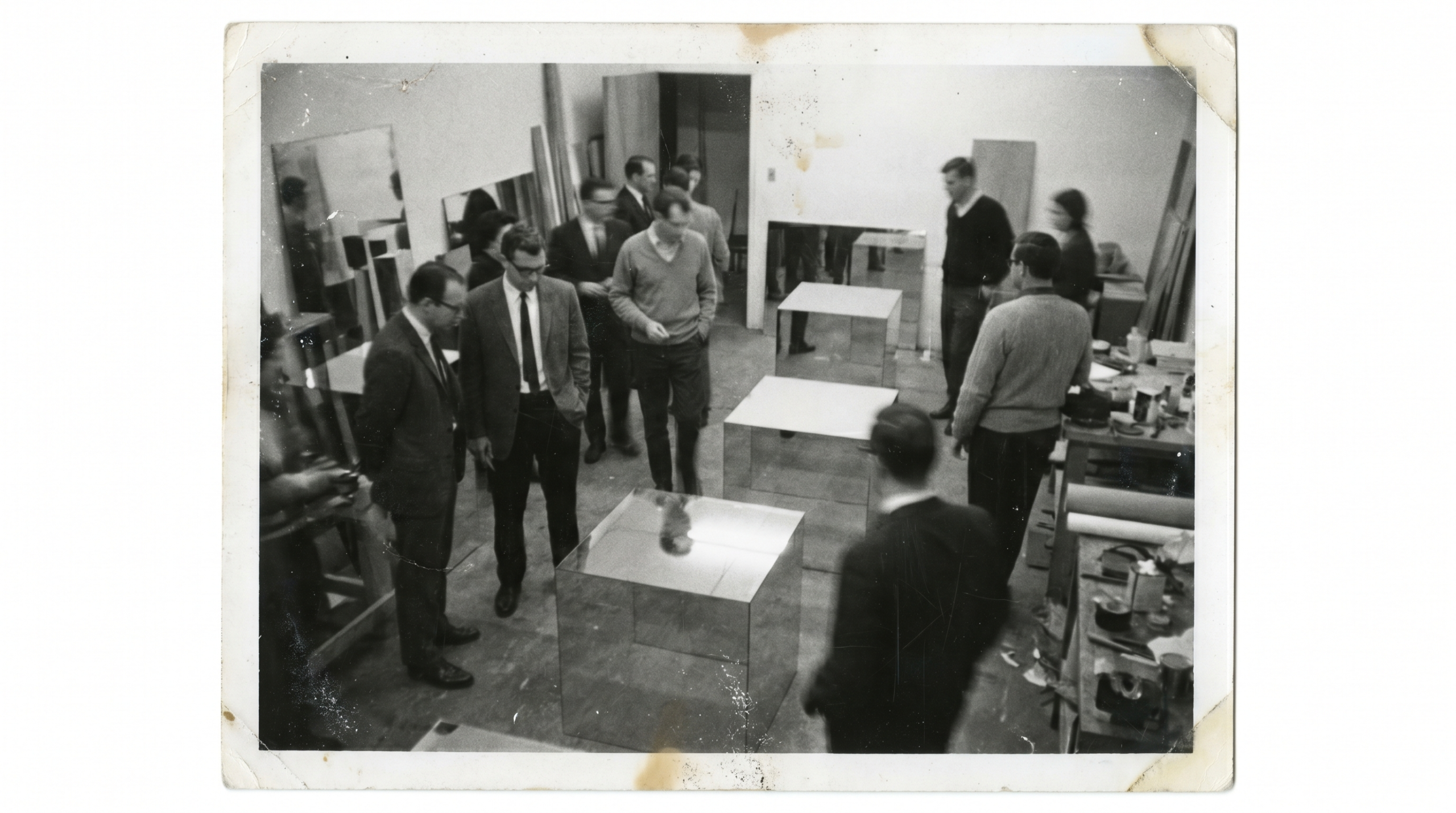
However, this contemporary interpretation differs significantly from the historical origins of Minimal Art in the 1960s. The first minimalist artists did not aim to express personal emotions or reveal their inner psychology through art. On the contrary, they attempted to reduce, neutralize or even eliminate subjective expression from the artwork. Seriality, industrial materials, modular repetition and geometric simplicity were not merely aesthetic choices; they were theoretical strategies designed to oppose the romantic idea of the artist as a unique expressive genius.
This essay argues that contemporary minimalism and historical Minimal Art should not be confused. While many contemporary artists use minimalist aesthetics to intensify emotional experience, early minimalists such as Donald Judd, Sol LeWitt, Carl Andre, Dan Flavin and Robert Morris sought to move art away from emotional subjectivity and toward objecthood, spatial presence and impersonal structures. The paradox of minimalism lies precisely in this historical transformation: a language originally developed to resist expression has gradually become one of the most effective visual tools for producing emotional and contemplative experiences.

Historical Origins: Minimalism Against Abstract Expressionism
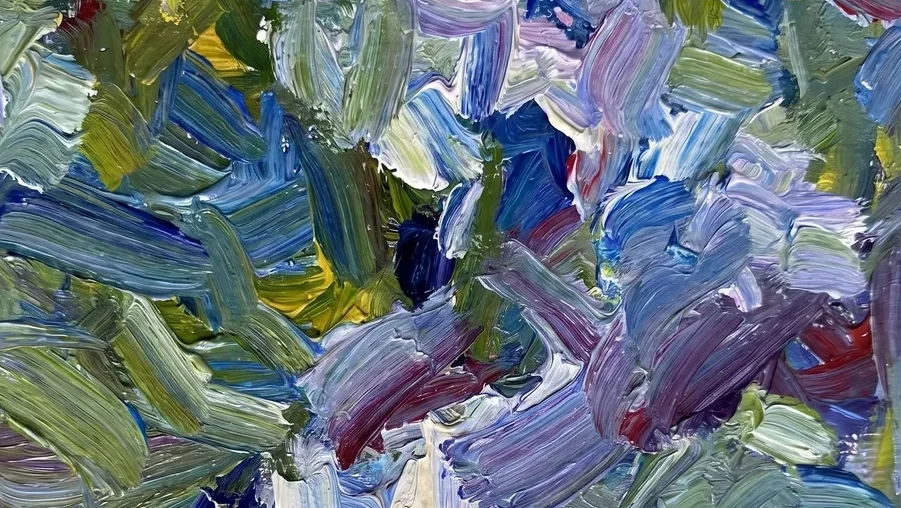
Minimal Art emerged in the United States during the late 1950s and early 1960s as a direct reaction against Abstract Expressionism. Artists such as Jackson Pollock and Willem de Kooning had transformed painting into a highly personal and emotional field in which gesture, material and movement reflected the artist’s inner state. The canvas became almost a psychological space, and artistic creation was understood as an extension of subjective experience.
For younger artists, however, this heroic conception of the artist began to appear excessive and theatrical. Minimalists rejected the dramatic emphasis on emotion, individuality and expressive gesture. They wanted artworks that existed as concrete objects rather than emotional confessions. The work was not supposed to represent the artist’s personality; it was supposed to exist autonomously in real space.
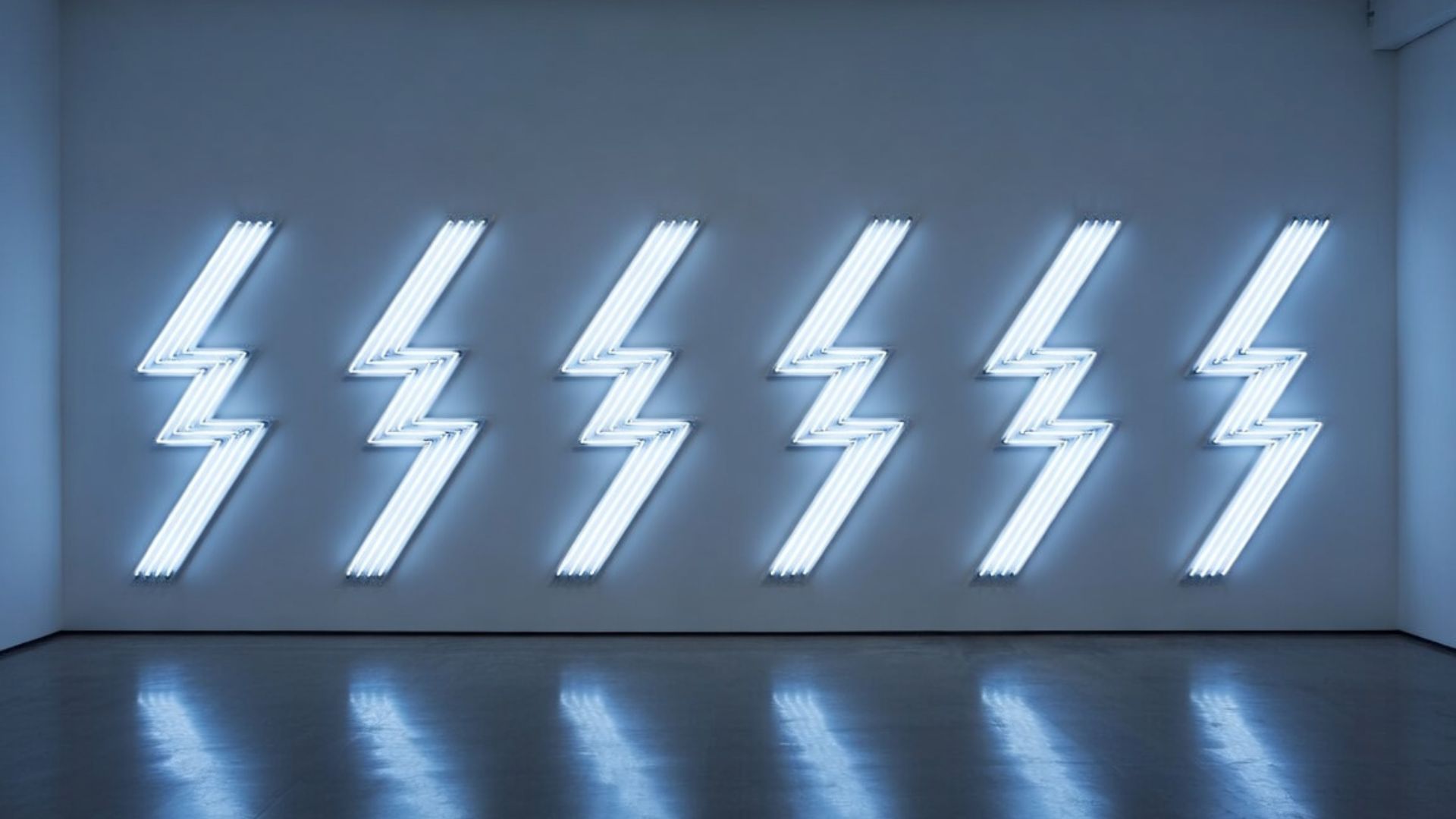
This explains why minimalist artists relied on industrial materials such as steel, aluminum, fluorescent light and plexiglass. The use of industrial fabrication reduced traces of the artist’s hand and weakened the aura of personal craftsmanship. Donald Judd, for example, often had his works manufactured in factories in order to avoid the expressive qualities traditionally associated with manual artistic production.
The famous phrase by Frank Stella, “What you see is what you see,” perfectly summarizes this attitude. Minimalist works were intended to resist symbolic interpretation and emotional dramatization. The artwork was no longer a window into the artist’s psyche but a literal object occupying physical space.
Seriality, Repetition and the Elimination of Subjectivity
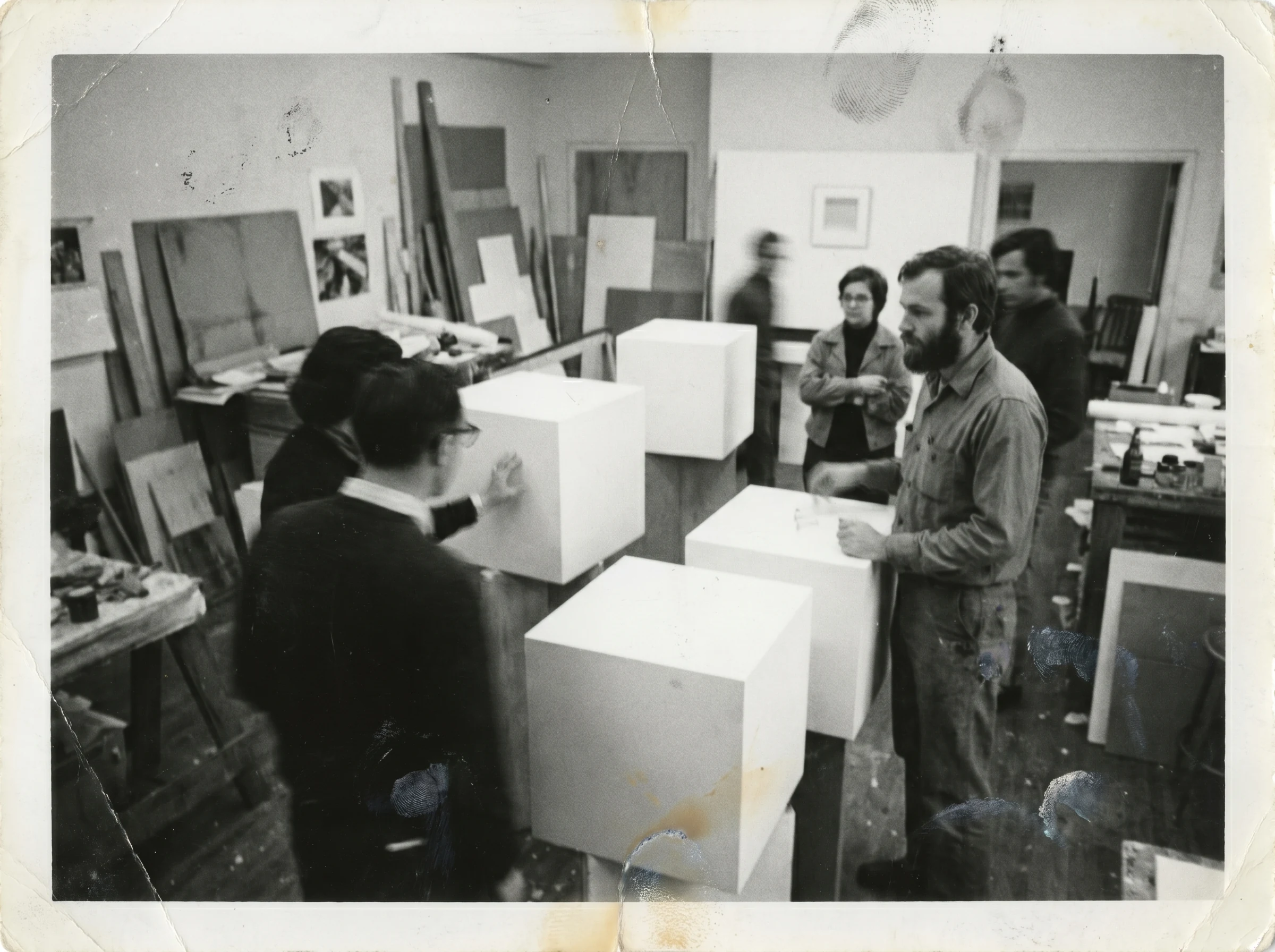
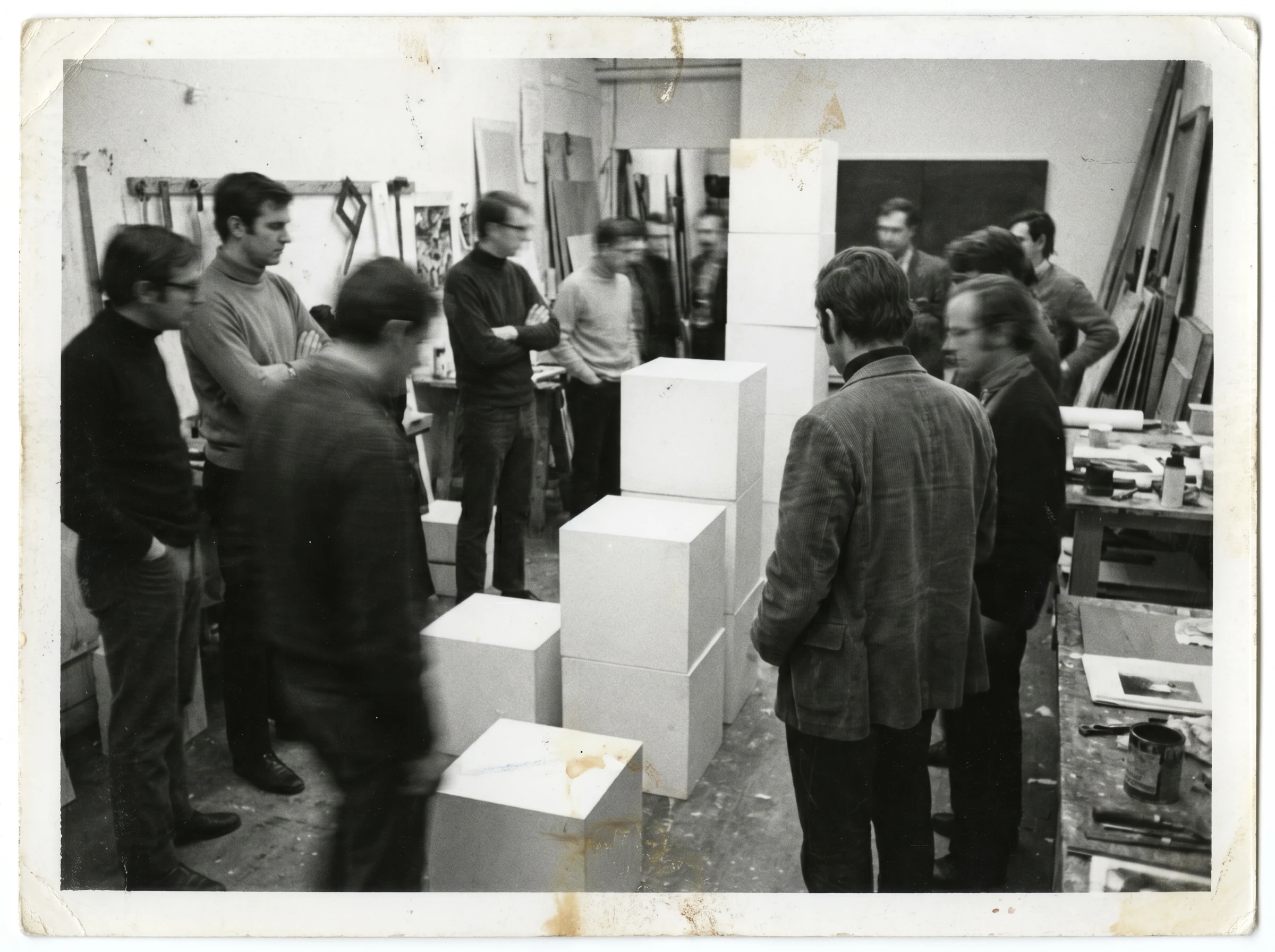
One of the defining characteristics of historical minimalism is seriality. Minimalist works are often built through repeated modules, geometric units and systematic structures. This repetition was not simply decorative; it functioned as a strategy against individuality and subjective expression.
In traditional artistic culture, originality and uniqueness were considered essential values. The artist’s gesture, touch and compositional choices were interpreted as direct manifestations of personality. Minimalist repetition challenged this entire tradition. By repeating identical forms, the artwork became less dependent on emotional spontaneity and more dependent on systems, procedures and objective structures.
Sol LeWitt radicalized this logic through conceptual systems and modular constructions. Many of his wall drawings could be executed by other people following written instructions. In this process, the artist’s hand lost its privileged role. What mattered was not personal expression but the conceptual structure behind the work.
Carl Andre pursued a similar approach through floor sculptures composed of industrial units arranged serially across space. These works eliminated traditional compositional hierarchy and rejected symbolic storytelling. The viewer was not asked to decode hidden meanings or psychological narratives; instead, the spectator encountered the physical reality of the object itself.
In this sense, seriality can be understood as a deliberate attempt to neutralize artistic subjectivity. Minimalism did not necessarily eliminate all forms of experience or perception, but it rejected the idea that art should function primarily as an expression of the artist’s inner emotions.
Objecthood, Space and the Viewer’s Experience
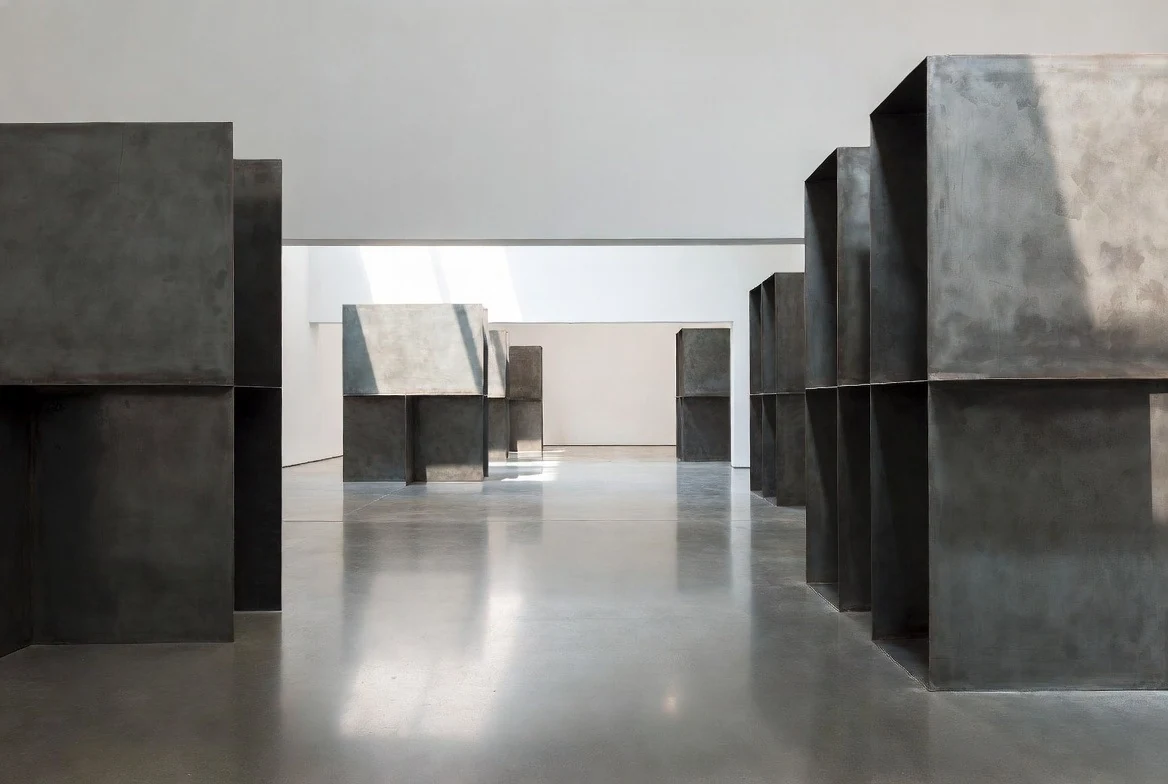
Minimalist artists shifted attention away from the artist’s emotions and toward the viewer’s physical experience. Donald Judd’s theory of “specific objects” proposed a new understanding of art based on presence, scale, material and spatial relationships. Minimalist works were not illusions or representations; they were real objects occupying real space.
This transformation also changed the role of the spectator. Unlike traditional painting, minimalist works often required viewers to move around them, confront their scale and experience their material presence directly. The artwork became less about interpretation and more about perception.
Importantly, this does not mean that minimalism was emotionally empty. Minimalist works could still generate powerful experiences, but these experiences emerged from spatial perception rather than autobiographical expression. Light, repetition, scale and materiality could create sensations of tension, silence, isolation or contemplation without relying on dramatic emotional narratives.
This distinction is crucial. Historical minimalism did not deny the possibility of emotional response; rather, it rejected the idea that the artwork should be understood as a direct projection of the artist’s inner life.
Contemporary Minimalism and the Return of Emotion
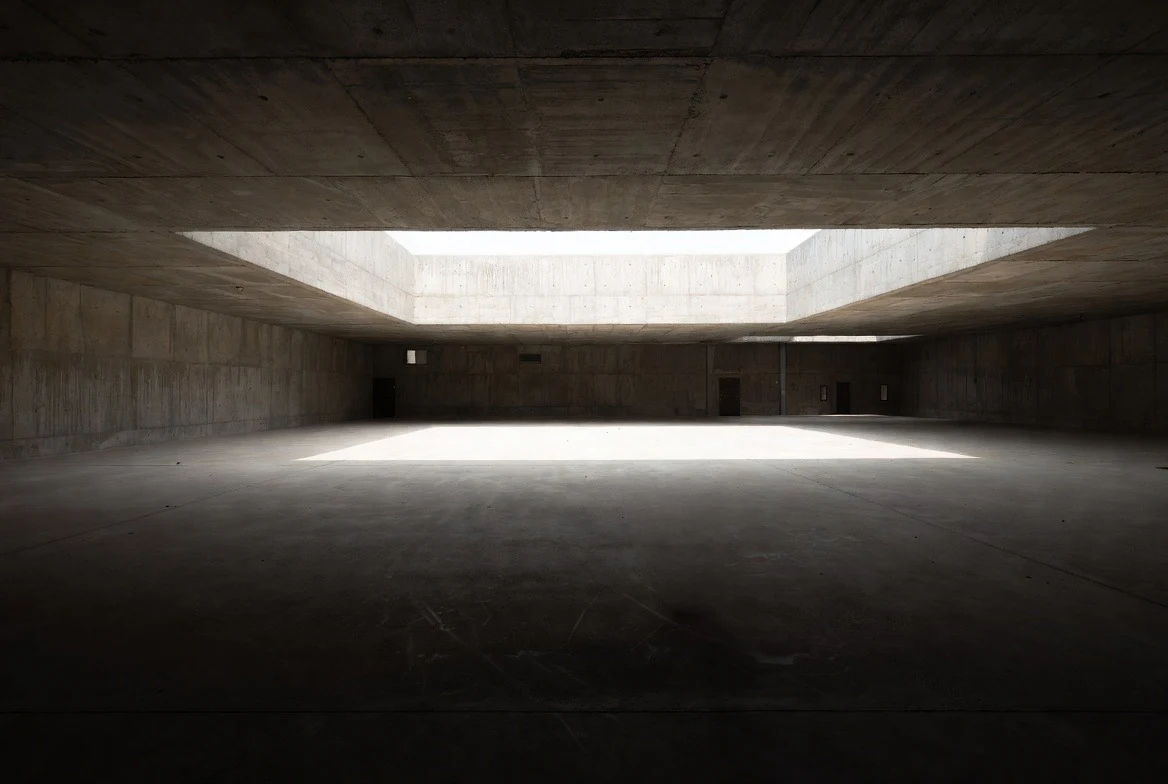
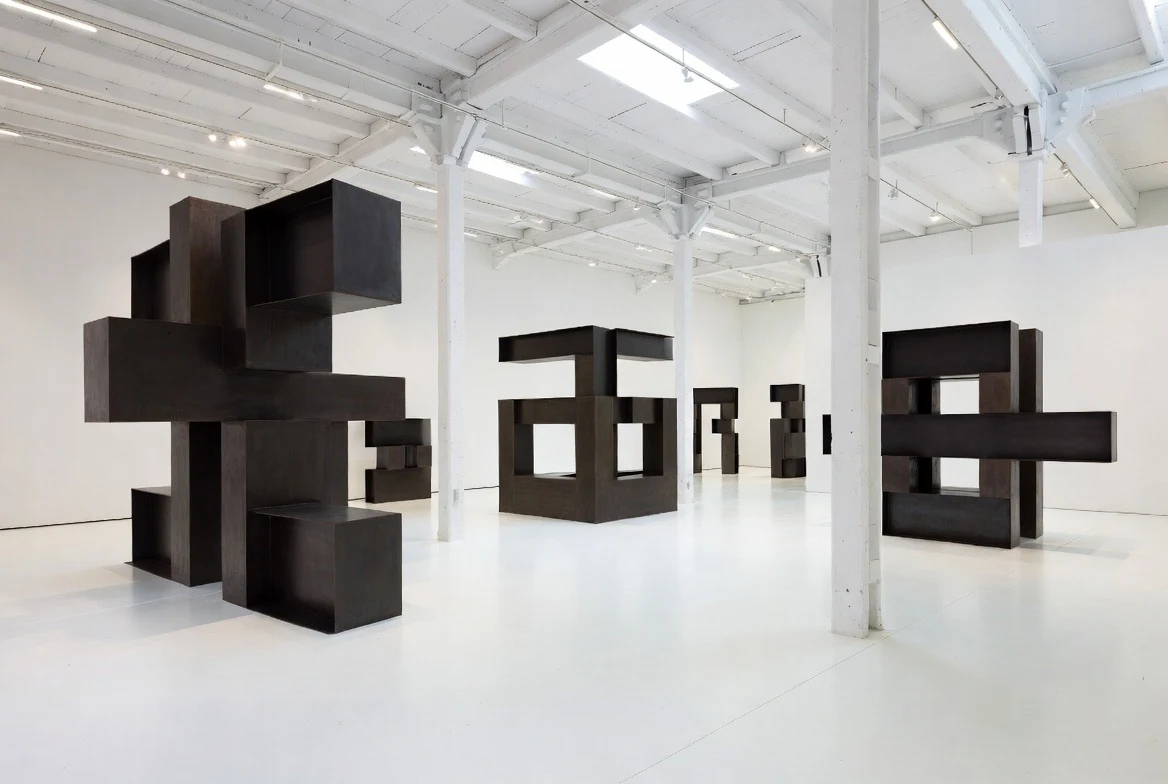
Over time, the cultural meaning of minimalism changed profoundly. Beginning in the late twentieth century, minimalist aesthetics became increasingly associated with introspection, emotional subtlety and contemplative experience. In contemporary art, architecture and digital culture, emptiness and simplicity are often interpreted as emotionally charged rather than emotionally neutral.
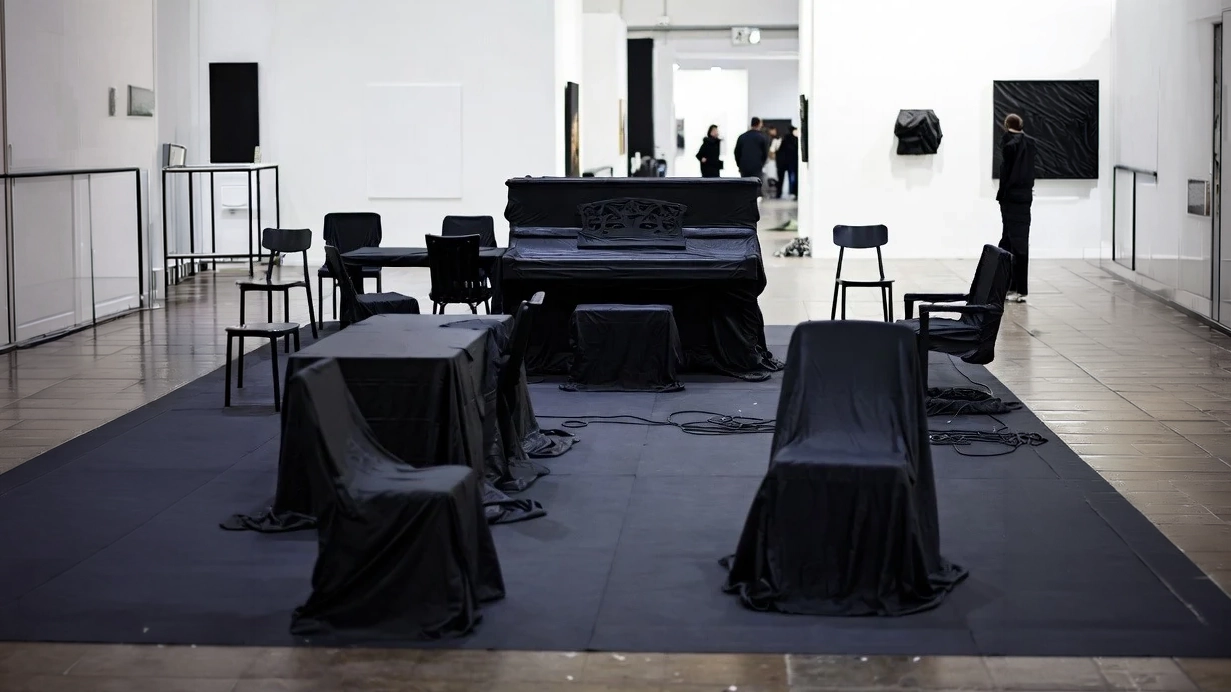
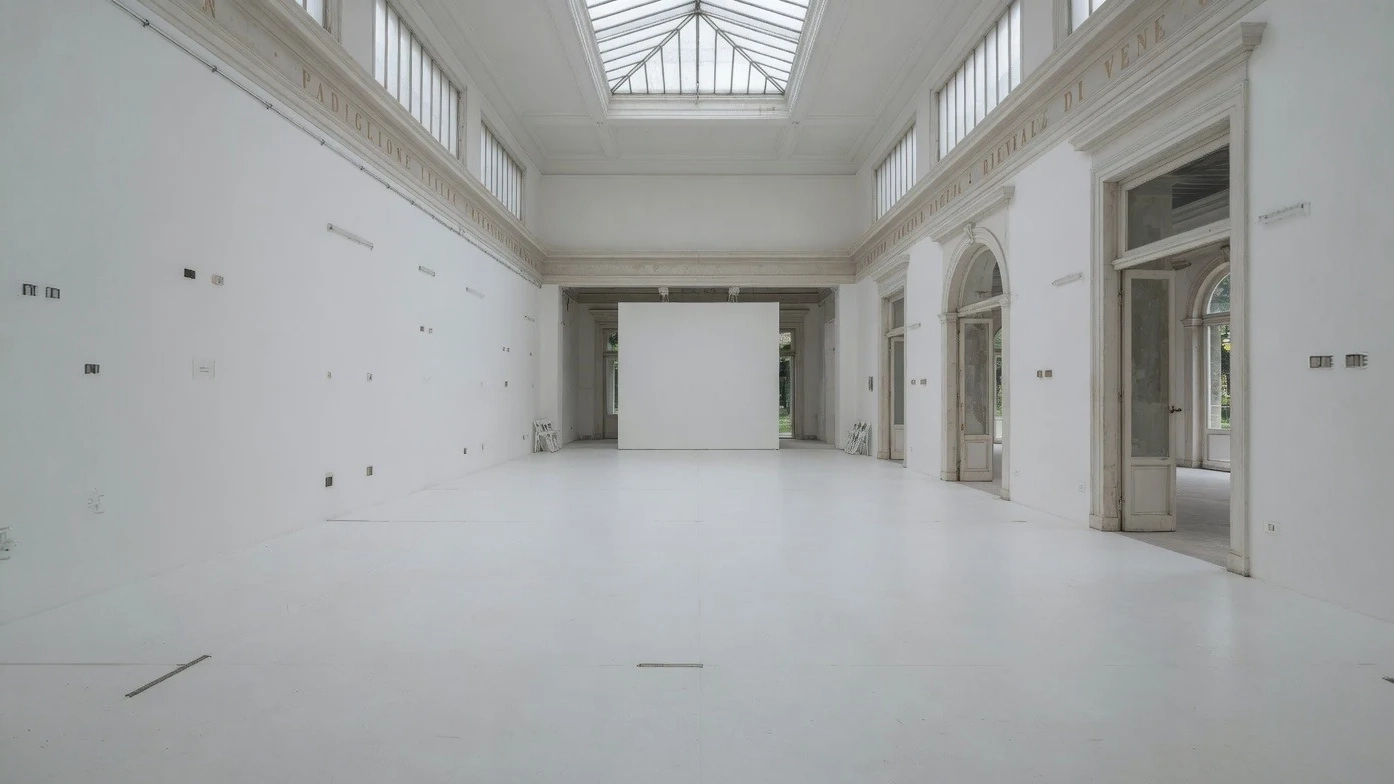
Today many artists use minimalist language precisely to intensify emotional experience. Silence, repetition, monochrome surfaces and empty spaces are employed to evoke fragility, spirituality, memory and psychological tension. What was once a strategy against emotional rhetoric has become a tool for producing refined emotional atmospheres.
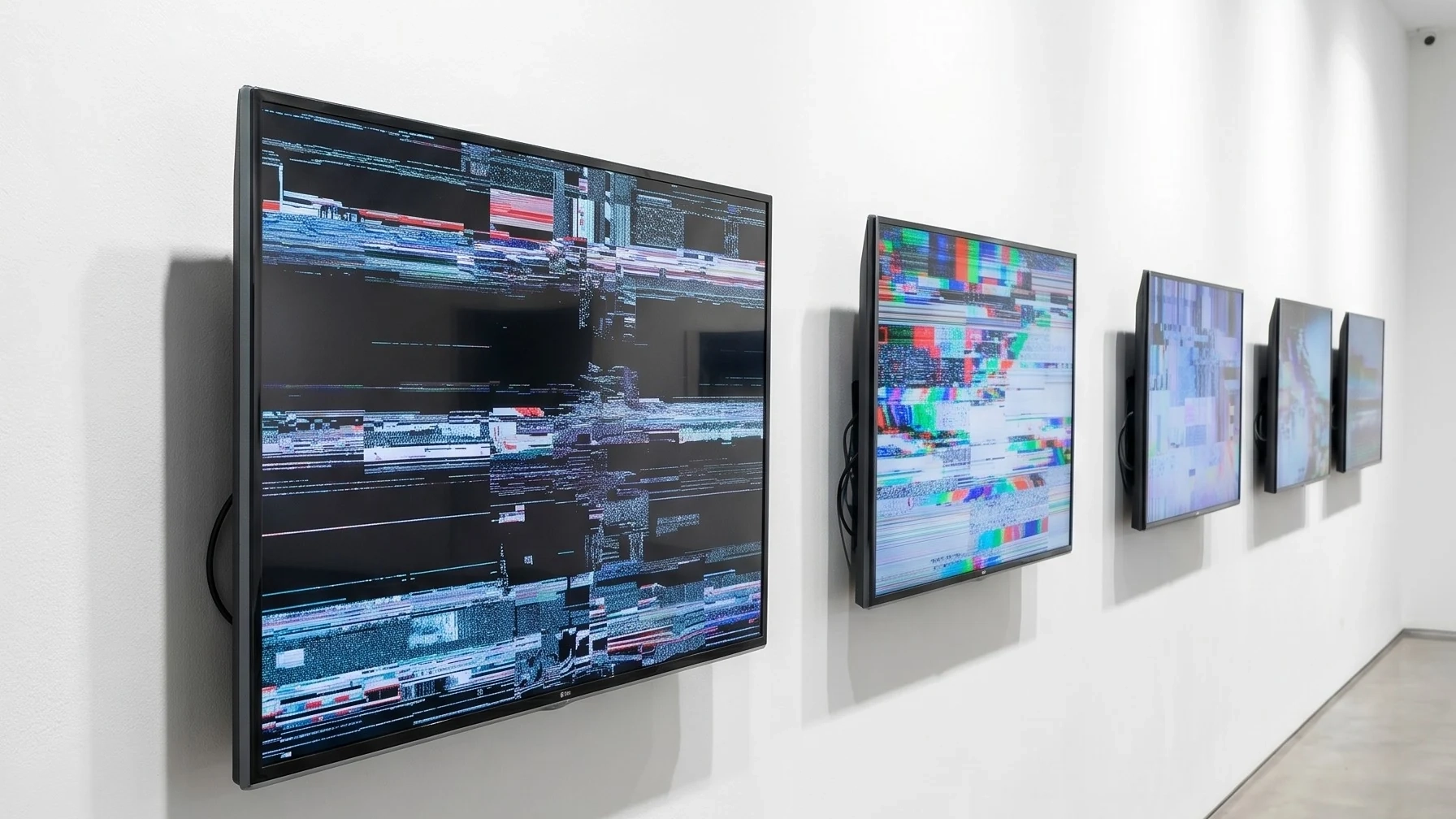
This transformation is especially visible in contemporary design and digital culture. Minimalist interiors, interfaces and visual identities are associated with clarity, calmness and authenticity. In a world saturated with images and information, reduction itself acquires emotional value. Minimalism becomes a form of resistance against excess and overstimulation.
The paradox is therefore evident: the same visual structures originally created to reduce subjectivity are now frequently used to communicate intimacy and emotional depth. Minimalism has shifted from anti-expressive objectivity to controlled emotional resonance.


Minimalism, Perception and the Transformation of Meaning
What we find particularly significant in the case of minimalism is not simply the transformation of an artistic language, but the transformation of the cultural gaze directed toward it. A visual vocabulary originally conceived to resist emotional excess and subjective expression is now widely interpreted through intimacy, contemplation and psychological depth. The forms themselves have not radically changed; what has changed is the way contemporary society absorbs and projects meaning onto them.
This shift reveals something broader about contemporary perception and the construction of aesthetic taste. We live within a condition of permanent visual saturation, where images constantly compete for attention and emotional immediacy. In such a context, reduction acquires a new cultural function. Emptiness no longer appears neutral; it becomes meaningful precisely because contemporary experience is overwhelmed by excess. Silence, simplicity and visual restraint are perceived less as detachment and more as forms of intensity.
For this reason, contemporary audiences often read minimalist aesthetics emotionally, even when those aesthetics historically emerged from anti-expressive intentions. Simplicity is associated with authenticity, subtraction with depth, and formal control with self-awareness. The contemporary viewer rarely encounters emptiness as mere absence; instead, emptiness becomes psychologically charged, almost existential.
Minimalism therefore exposes a larger cultural dynamic: aesthetic meaning is never fixed within form itself, but continuously reshaped by the historical conditions of perception. What once functioned as a critique of expression has gradually become one of the clearest visual languages through which contemporary culture seeks emotional concentration, introspection and sensory relief.