Theodor Nymark, Diversione at Pachinko, Oslo

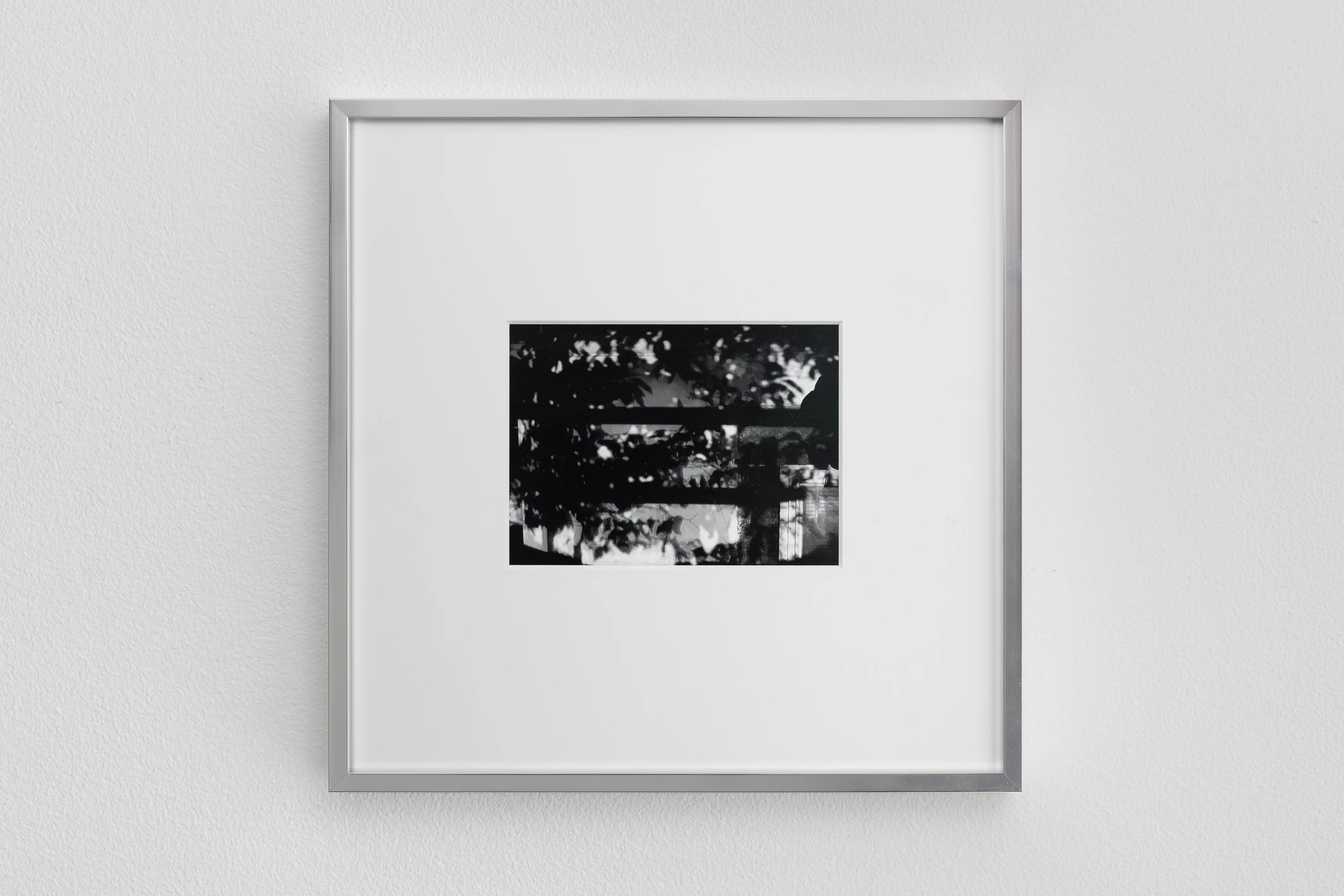
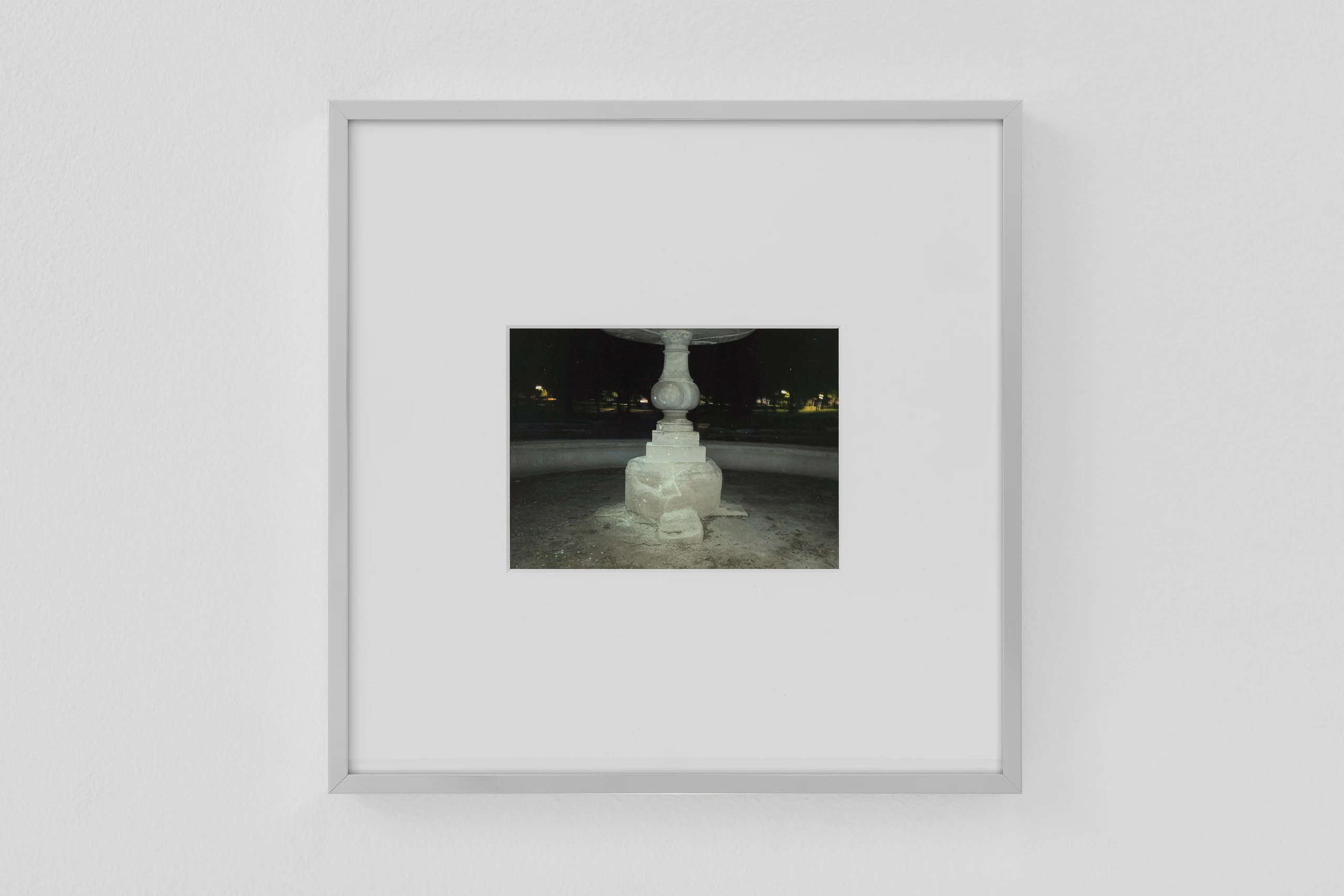
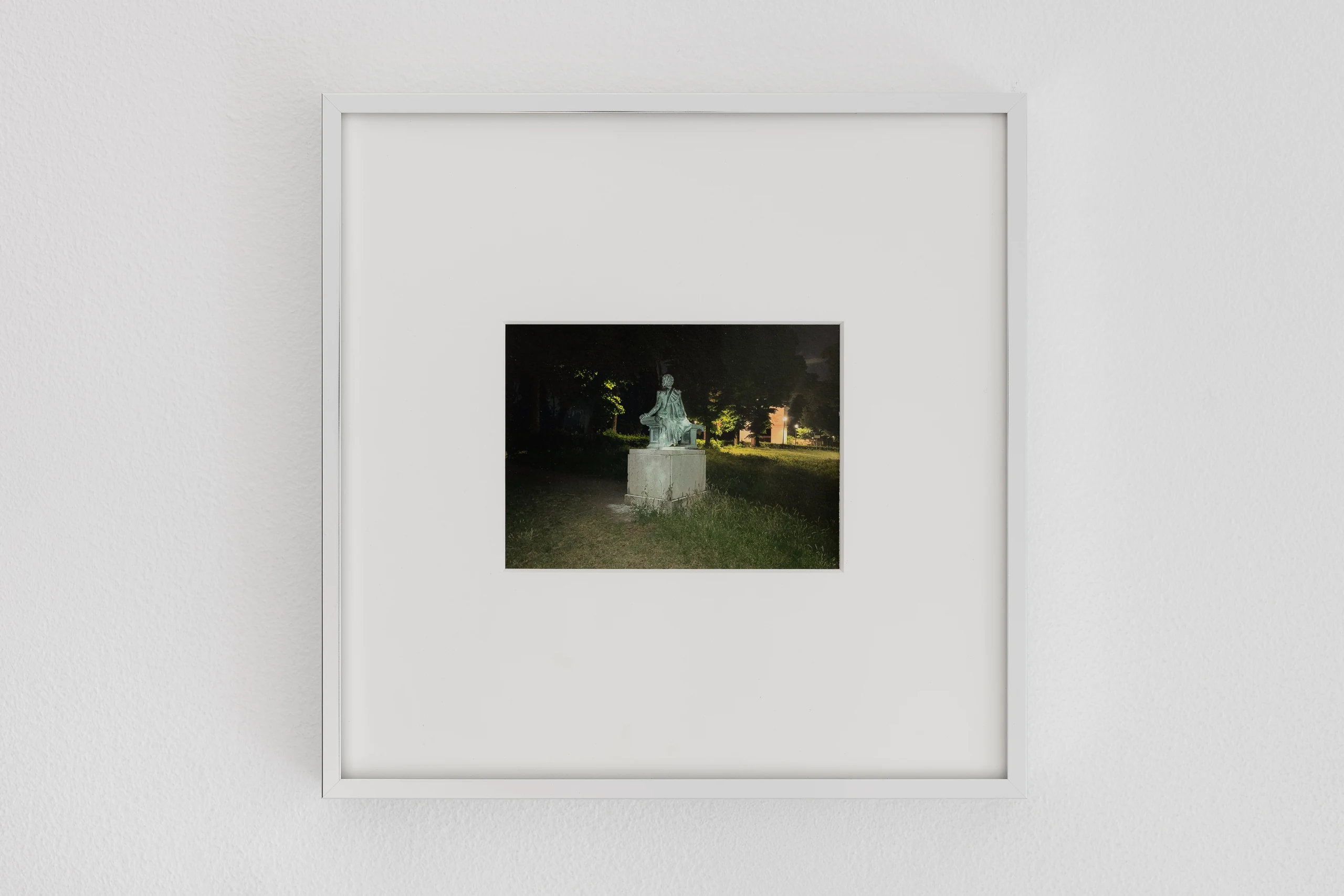
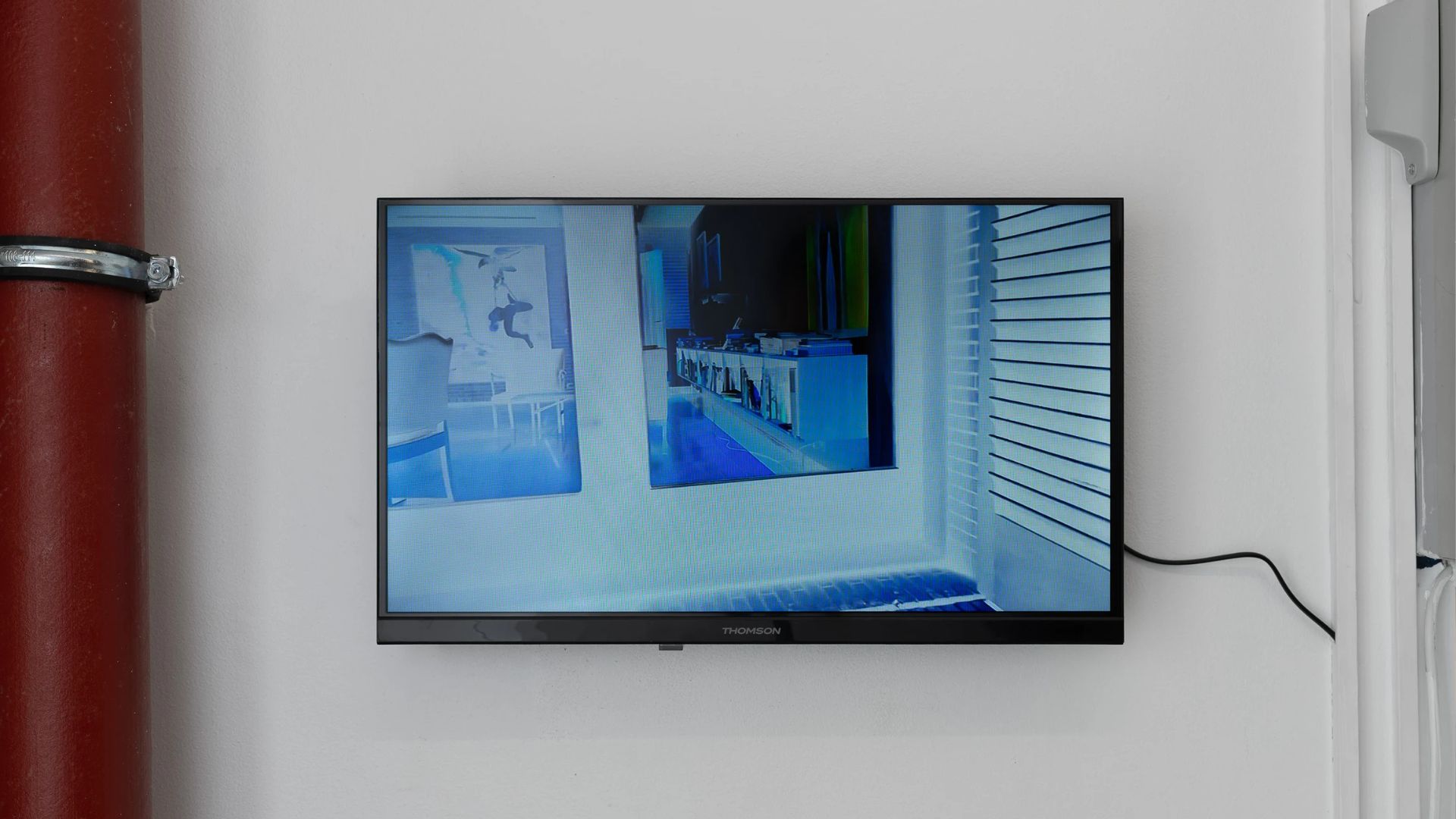
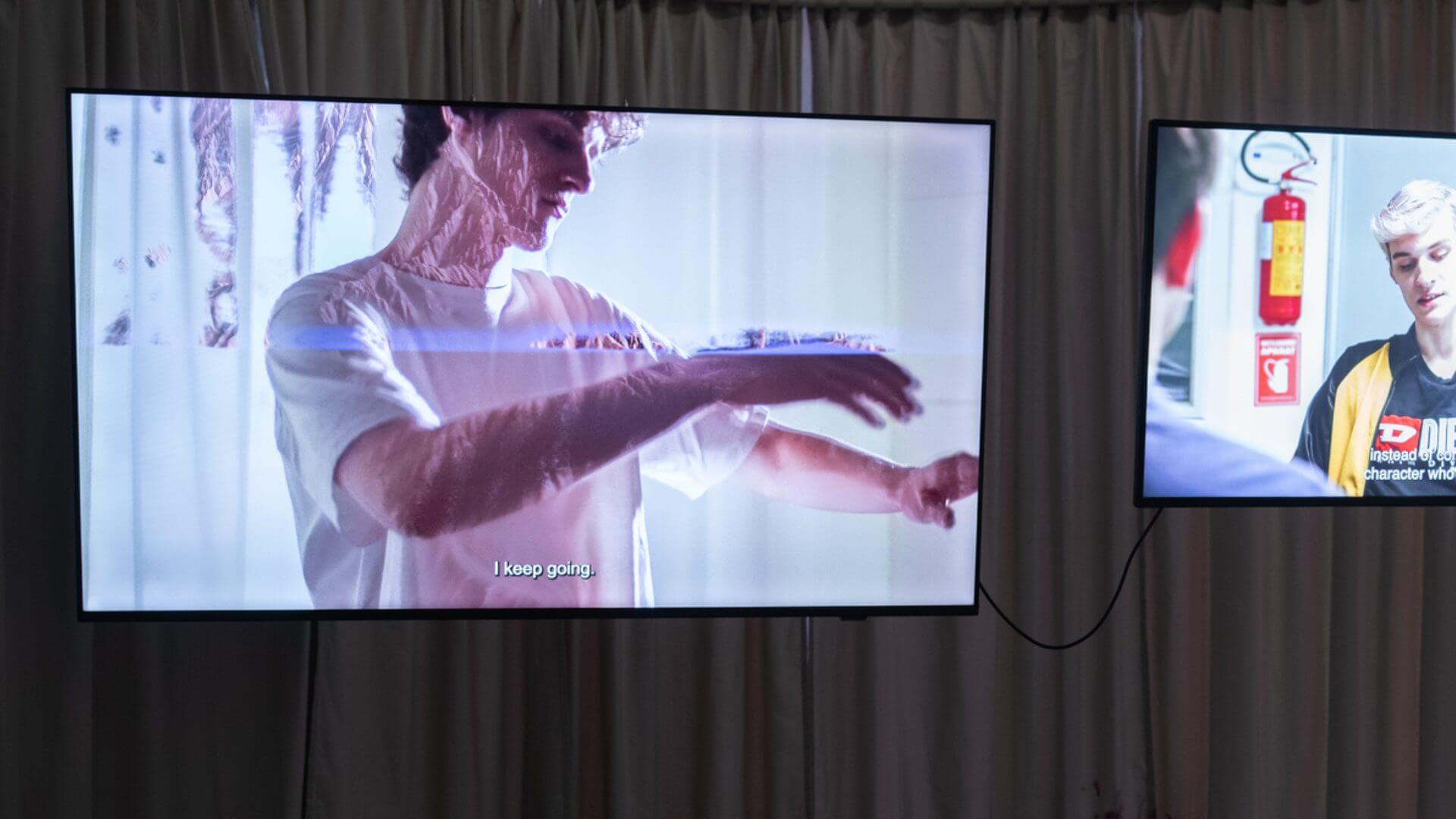
Exhibition view: “Diversione”, Theodor Nymark, curated by Kristian Schrøder, Sisse Lee, Pachinko, Oslo

“Diversione” by Theodor Nymark, curated by Kristian Schrøder, Sisse Lee, at Pachinko, Oslo, 06/03/2026 – 04/04/2026.


There’s a moment, just past the threshold, when we look for a landscape and instead encounter a reflection. We find ourselves wondering: how much of a place remains when we experience it only as an image? And how much settles within us as a dim trace, an echo that no longer aligns with its source? Diversione seems to emerge from this subtle gap, from a near-imperceptible detour that shifts the center elsewhere. It is neither escape nor return, but an oscillation. A mental walk through disciplined gardens and invisible ruins, where nature persists more as memory than presence. Entering feels like opening a window onto something already receding. Or perhaps it is we who have altered course.

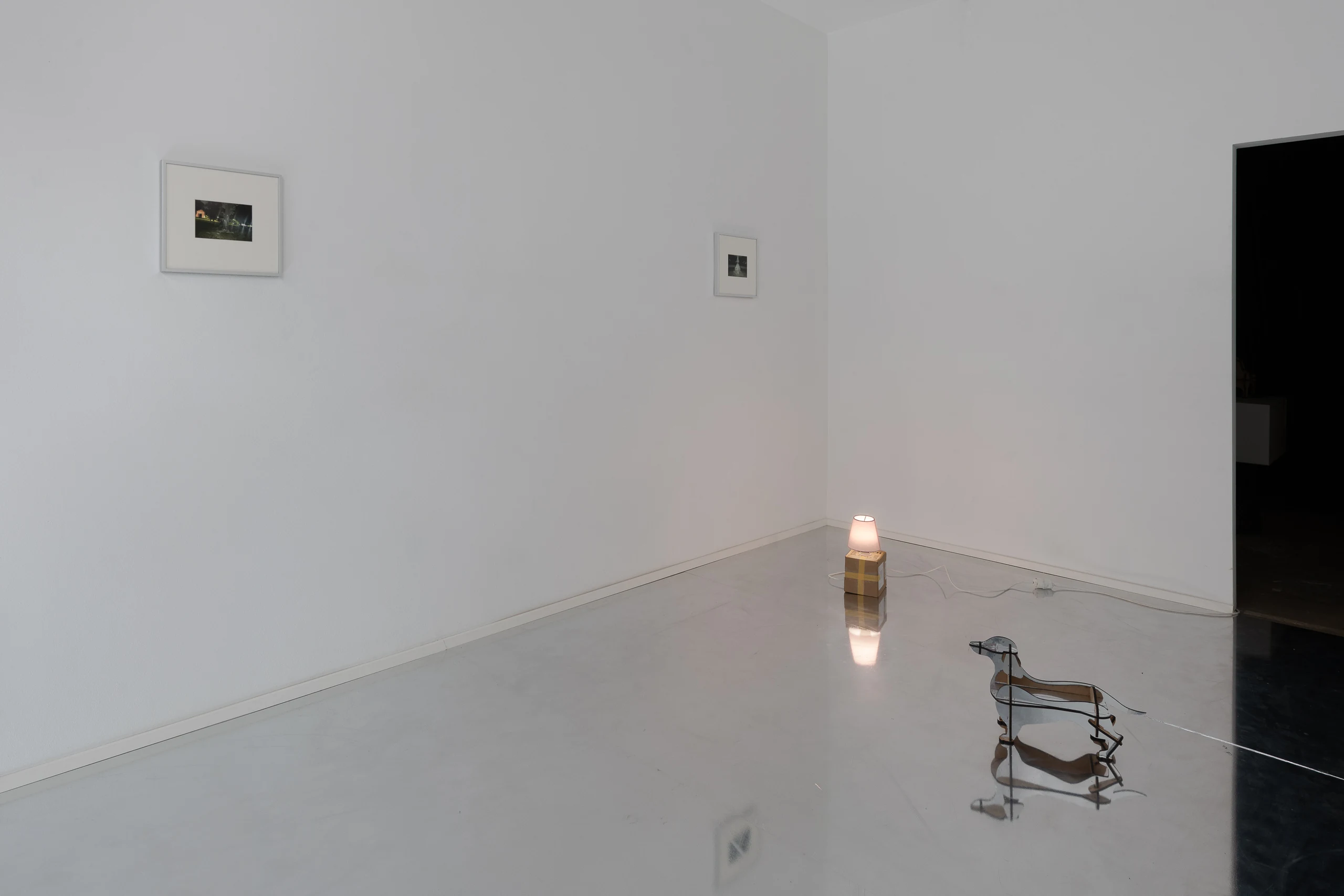
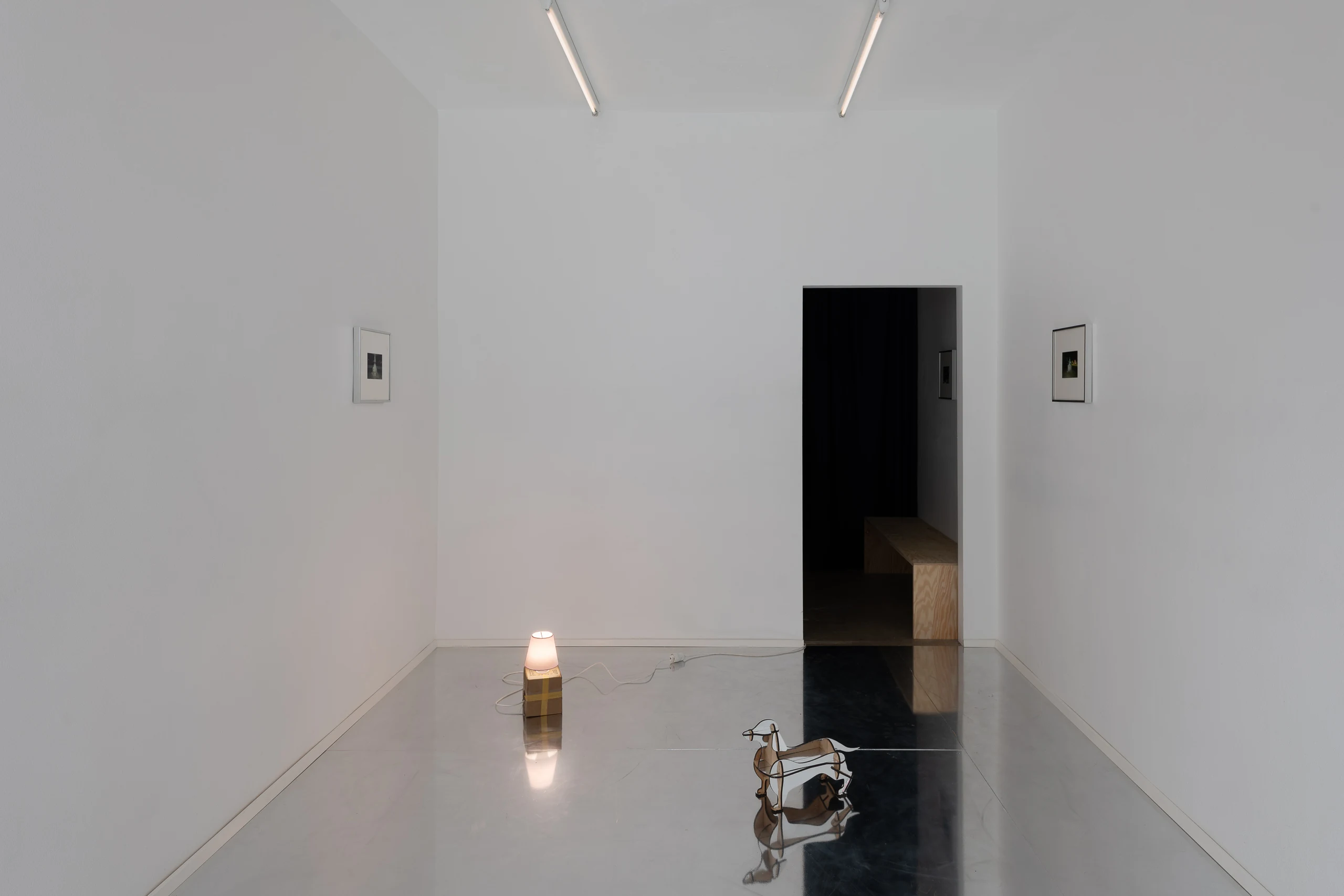
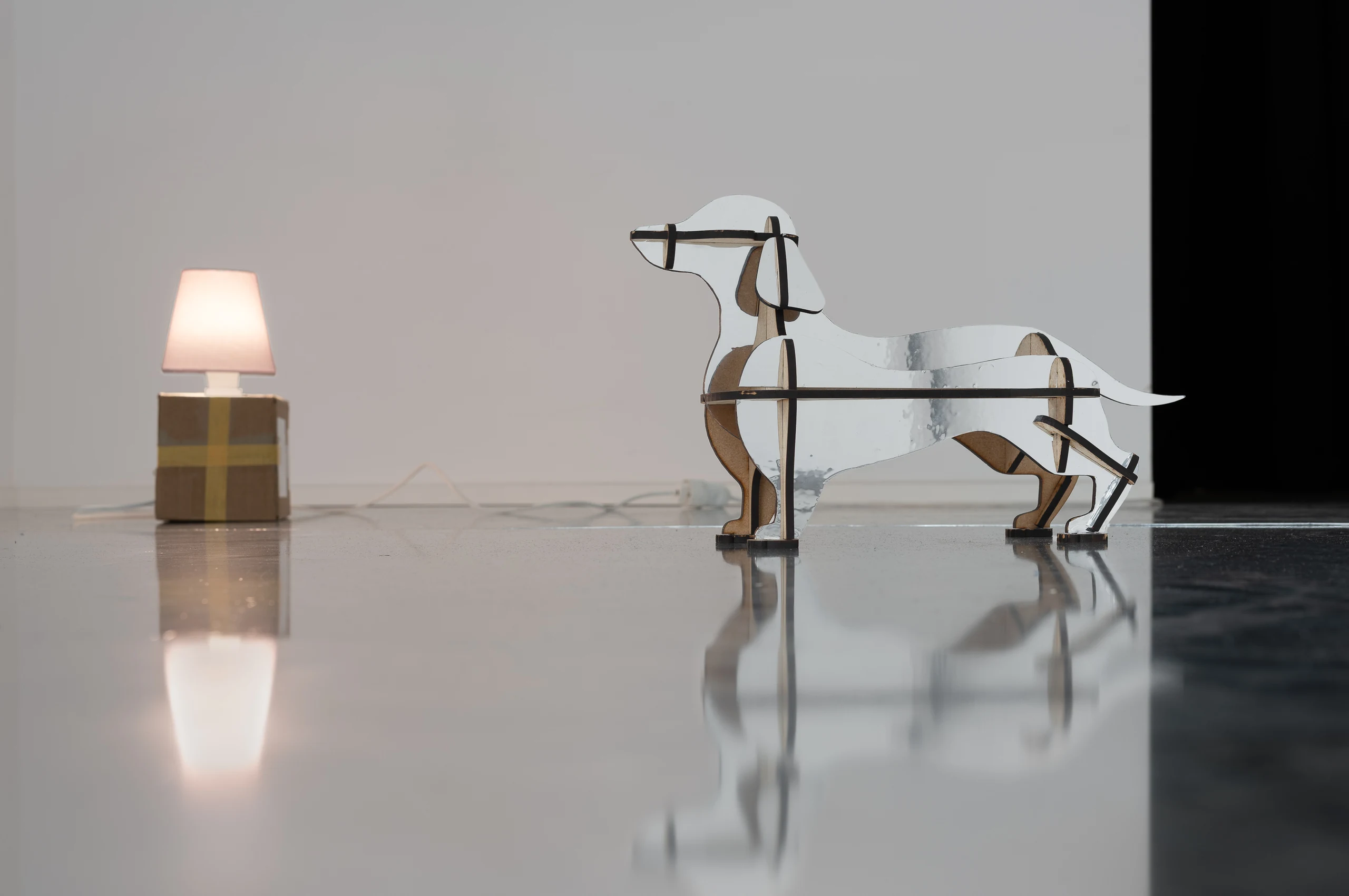
The space at Pachinko unfolds with almost ascetic clarity: white walls, cool light gliding across a polished floor that doubles every object, offering each as both form and reflection. We move carefully, as if not to disturb a fragile equilibrium. The works do not impose a clear hierarchy; instead, they appear as clues, minimal constellations to be traversed rather than simply observed. At the center of one room, a small dog-shaped sculpture, constructed through interlocking parts, with reflective surfaces and wooden structures, hovers between toy and relic. Nearby, a lamp resting on a simple block emits a domestic glow, intimate and slightly dissonant against the neutrality of the gallery. It feels like an interior slipping into the white cube, or the reverse.

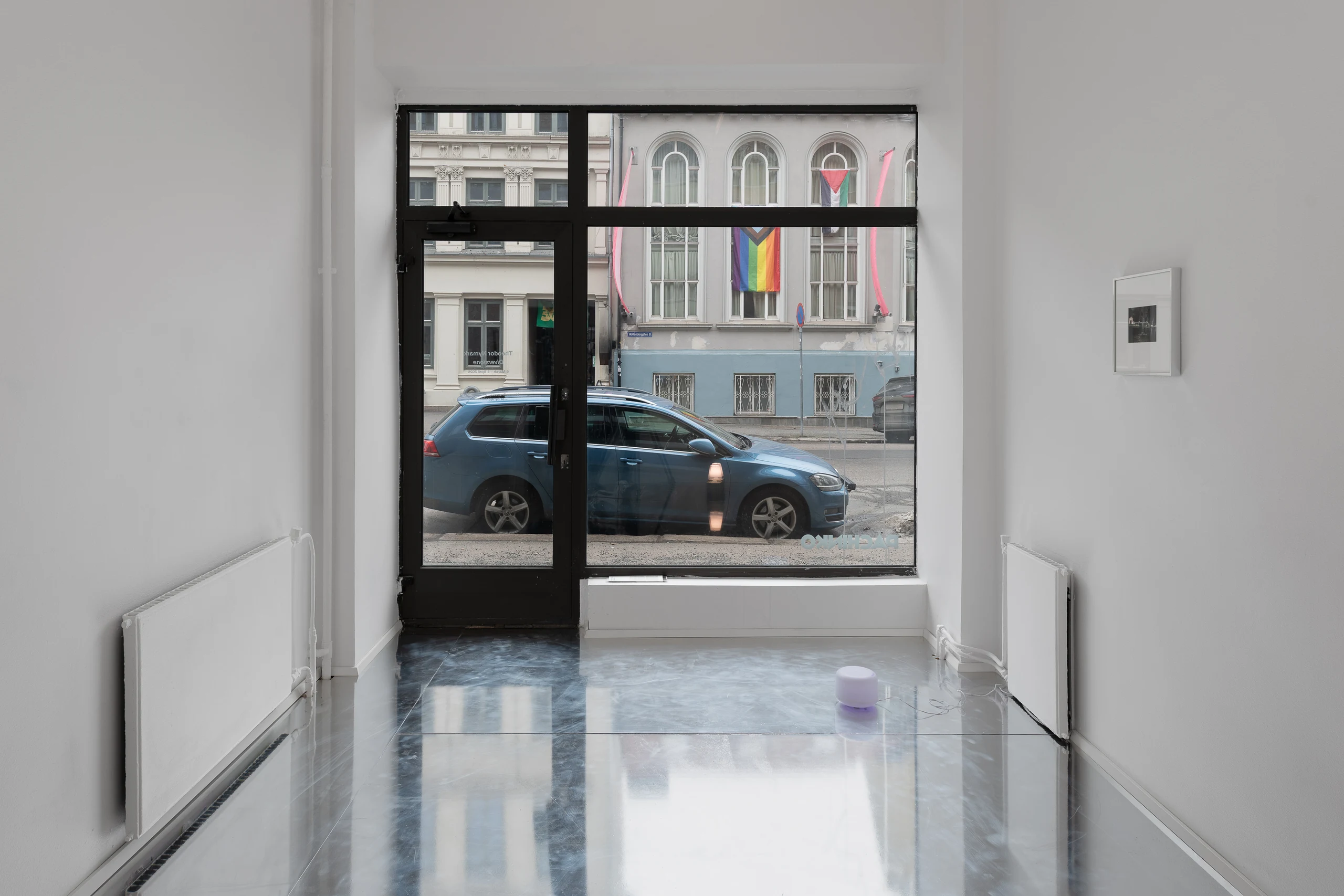
The exhibition resists linearity, unfolding through subtle shifts. A modest framed photograph, almost reticent, presents a nocturnal fragment: perhaps a fountain or an isolated architectural detail, bathed in artificial light that both flattens and intensifies its presence. The image reads less as documentation than as a held memory. Around it, sound is nearly absent: a faint electrical hum, footsteps, the muted flow of traffic filtering through the glass façade. And that façade, opening directly onto the urban street, marked by passing cars and hanging flags, introduces a quiet short circuit. The outside enters as an unintentional yet essential element. A landscape already mediated, already cultivated, already distant.

Technically, Nymark’s practice hinges on a tension between modest materials and reflective surfaces. Cut wood, assembled with near-didactic precision, coexists with metallic or mirrored inserts that capture and distort the surrounding space. This pairing generates a double reading: structure on one hand, clear and almost skeletal, and on the other, an unstable image, shifting and never fully graspable. The gesture is controlled, devoid of emphasis; each element feels pared down. The photographic works follow the same logic: small formats, isolated subjects, artificial light that both compresses and heightens perception. There is no monumentality here, only a quiet persistence.

These material decisions intensify the exhibition’s conceptual core: the widening distance between direct experience and representation. As Matteo Giovanelli suggests, the natural environment survives today mostly in symbolic, framed forms, paintings, screens, curated spaces. Nymark does not illustrate this condition; he constructs devices of diversion. “Diversion” becomes a methodological shift: redirecting attention, interrupting the continuity between site and image, memory and presence. The dog sculpture, for instance, can be read as a domesticated figure, but also as a body segmented, mapped, traversed by structure. It does not inhabit a landscape, it reflects it. Or perhaps replaces it.

As a whole, Diversione operates like a visual essay weaving together art history, urban theory, and ecological reflection without overt declaration. We sense the layering: aristocratic gardens, contemporary cityscapes, digital imagery. Yet everything remains suspended, as if each reference had already passed through a filter, a loss. The experience becomes one of attention: observing what remains when the landscape is no longer fully there, or when we are no longer fully within it.

On leaving, what lingers is not a single image but a quality: the polished floor continuing to reflect even in absence, the soft glow of the lamp belonging to another room, another time. Perhaps the exhibition resides precisely there, in that discrepancy, in a reflection that never quite matches what it is meant to return. It is worth returning, not for answers, but to follow that detour once more.

-FW

 
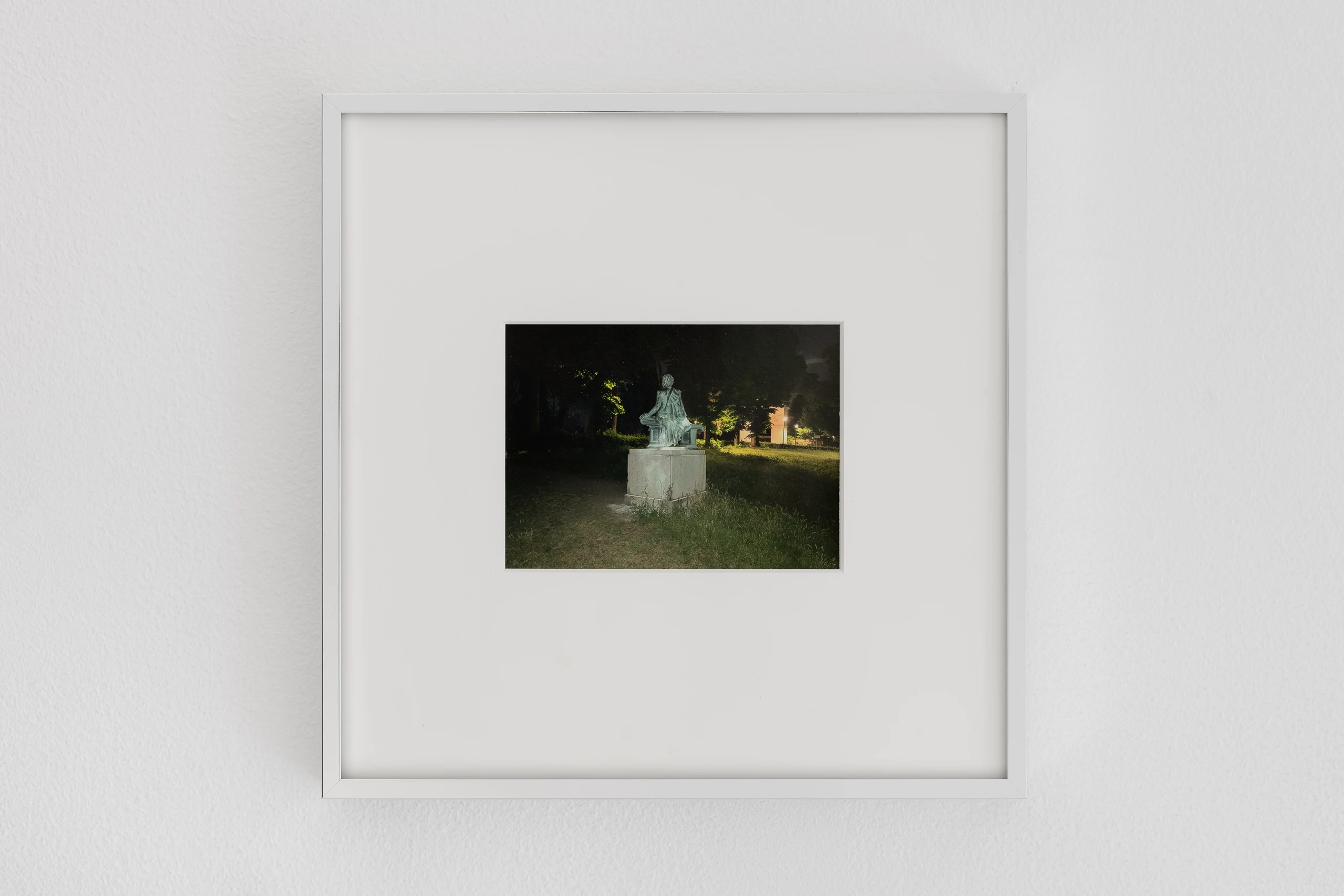
Exhibition view: “Diversione”, Theodor Nymark, curated by Kristian Schrøder, Sisse Lee, Pachinko, Oslo.