

The idea of an uncharted territory within the universe of contemporary cultural production is not so much a geographical or institutional reality as it is a psychological projection necessary for the survival of the myth of authenticity.
The narrative of the artist or curator operating in a vacuum, free from the constraints of the market and the logic of blue chip galleries, bears a strong resemblance to the figure of the Romantic wanderer, with the difference that today the landscape is not sublime but saturated with digital and bureaucratic signals.
We tend to believe that the system is a monolithic entity, a building with barred doors, whereas it is better understood as a fluid that occupies every available space, making the concept of an outside an ontological paradox even before it becomes a professional one. The saturation of the main actors within established hierarchies has generated a centrifugal pressure that pushes new protagonists toward territories that appear deserted. This exodus, however, never takes place in isolation. The individual who defines themselves as an outsider carries with them, often unconsciously, the entire apparatus of codes and languages they attempted to reject.
No creative or critical act can be defined as such without a relation, without an interface that translates it into value, whether symbolic or economic. The desire for autonomy inevitably clashes with the need for recognition. Art does not occur unless it is acknowledged within a system of relations, even if that system consists of a small circle of defectors.
Exploring the possibility of a career outside official channels therefore means questioning the very nature of cultural power and its capacity to regenerate itself through its opponents. Those who attempt to dismantle the system or ignore it only trace the boundaries of a new organism, a shadow system that reproduces, with a certain ironic fidelity, the dynamics of exclusion and hierarchy of the original one.
The real question is not whether it is possible to live outside the system, but how long it will take for what we call the outside to become the new inside, solid and inaccessible to those who come after. In this perspective, the role of the artist, curator, or more generally the cultural professional is transformed, in order to remain active within the system, into a primarily relational function, where the ability to create new forms of validation becomes the main currency of exchange.
We discover that the system is not a prison to escape from, but the very language through which we give shape to aesthetic experience. Changing the system ultimately means changing vocabulary, but never abandoning the syntax of social recognition that makes a work public.
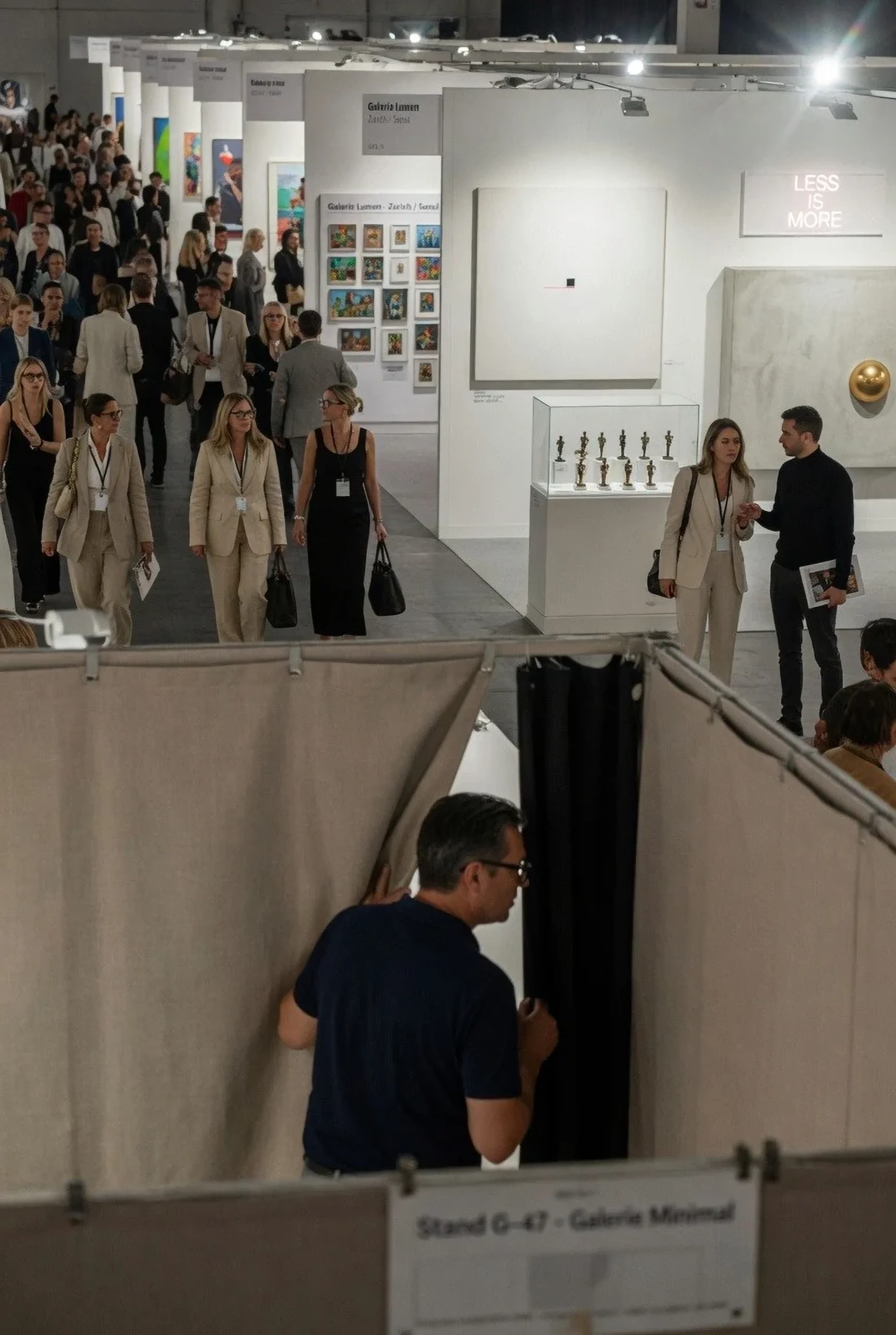
The Illusion of Exile
Every attempt at secession from the contemporary art system is, in the final analysis, an act of spatial refounding that does not negate the structure but shifts its center of gravity toward an unknown periphery.
The artist who chooses the path of isolation or marginality is not operating in a vacuum, but is simply occupying an ecological niche that the main system, in its elephantine slowness, has not yet colonized or has temporarily decommissioned. The claim of pure action, uncontaminated by the logic of curatorship or the market, ignores the fact that the very perception of purity is a cultural value mediated by decades of institutional rhetoric on the avant-garde and rupture. The protagonist moving in these shadow zones often confuses the absence of spotlights with the absence of rules, forgetting that every community, however small or radical, immediately establishes protocols of belonging and exclusion. Freedom from the system does not translate into creative anarchy, but into a new form of discipline where self-censorship or adaptation to the canons of ‘resistance’ become constraints just as stringent as those imposed by an international fair or a state museum. Exile, therefore, is not a condition of absolute freedom, but a tactical reallocation of one’s symbolic energies in a market that rewards diversity only when it is codifiable. Analyzing the careers of those who attempt to operate outside canonical circuits, it clearly emerges that the success of these trajectories paradoxically depends on their ability to make themselves intelligible to the system they declare to reject. An independent curator organizing exhibitions in apartments or disused industrial spaces is not destroying the white cube; they are multiplying it, bringing the sacred fire of institutional validation into profane places. This operation of ‘sacralizing the margin’ is a fundamental systemic mechanism, as it allows the center to feed on fresh energies, labeling them as ‘alternative’ only to reabsorb them as soon as they acquire significant critical weight. The relationship with the subject matter, in the absence of a pre-existing system of relations, becomes an exhausting struggle for the definition of new terms of engagement, where the individual must become an institution unto themselves. This bureaucratic burden of creativity is the invisible price of independence: without a press office, an archive, or a network of collectors, the artist must spend half their time building the scaffolding that should support their work. In this sense, the ‘outside’ is a place of doubled labor, where the effort of production is equal to that of legitimation, in an infinite cycle of self-affirmation that often exhausts the original innovative drive.
The illusion of exile thus resides in the belief that one can be an isolated subject capable of generating universal meaning, whereas meaning is always a collective product, a negotiation between actors who share a set of minimum values. Even the most frontal attack on the system presupposes knowledge of its grammar, making the attacker an expert interpreter of the same language they wish to silence. Exile is not an escape, but the construction of a new architecture of mutual surveillance, where the margin becomes the distorting mirror in which the center observes its own obsolescence.
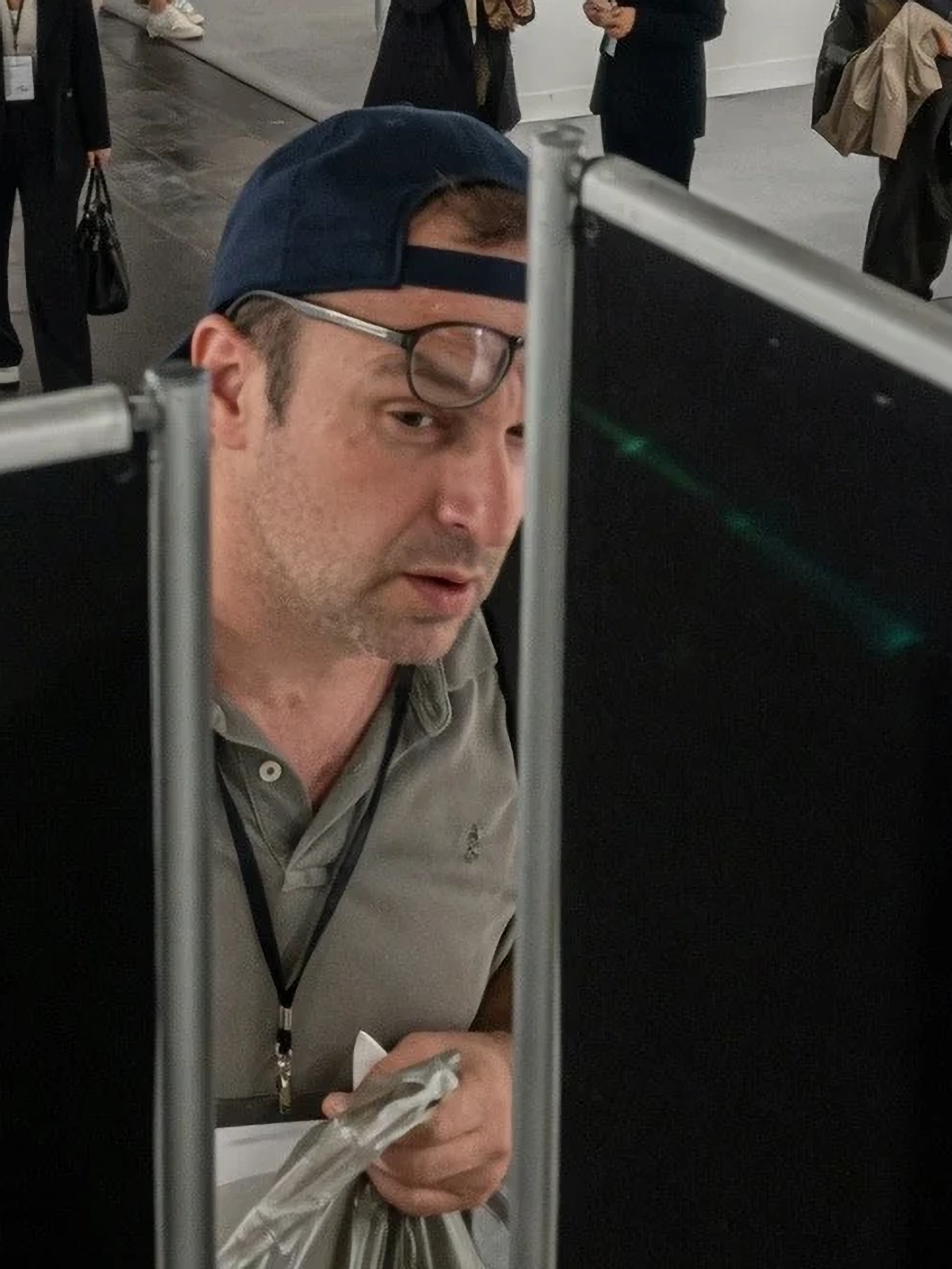
The Tyranny of Relation
It is impossible to conceive of an intervention in the field of art that disregards a dense network of interdependencies, as the artistic object possesses no autonomous ontology outside the validating gaze of the Other. The career of an expert or cultural actor is intrinsically linked to their ability to inhabit the nodes of this network, acting as a bridge between the work and the public, between the concept and its social manifestation. Those who boast of a position external to these dynamics are simply concealing their own relationships, transforming them into an invisible capital that acts beneath the surface to create an aura of mystery or alternative elitism. The system of relations is not a superfluous accessory that can be discarded to find a presumed ‘essence’ of cultural work; it is the nervous system of art itself. Without the curator who selects, the critic who analyzes, the performer who interprets, and the collector who values, the work remains a material wreck devoid of resonance, a signal launched into a void where no receivers are tuned to the same frequency.
The claim of working ‘outside’ clashes with the reality of a solitude that is not creative but communicative, reducing cultural action to a soliloquy that generates no transformation in the fabric of reality. Often, what we define as ‘alternative’ is merely a more compact, more fierce, and less transparent system of relations than the official one, where intellectual nepotism replaces market hierarchies. In these micro-ecosystems, power is exercised through physical and ideological proximity, creating a form of exclusivism that mirrors that of large institutions but lacks their visibility and public accountability. The cultural actor who takes refuge in these closed circles is not escaping power; they are simply participating in a more minute form of sovereignty, often more dogmatic and less inclined to dissent than the structures they contest.
The construction of a professional identity outside saturated systems requires, paradoxically, even more sophisticated relational competence, as one must invent their interlocutors and discussion spaces from scratch. This effort of ‘auto-socialization’ in art often leads to the formation of new power groups that, born as cells of resistance, end up replicating the same gatekeeping dynamics they swore to fight. The history of the avant-garde is a succession of systems of relations that became institutions, demonstrating that relation is the only thermodynamic constant of culture: nothing is created in a vacuum, everything is transformed through contact.
Ultimately, relation is not a constraint that limits the freedom of the artist or curator, but the very condition of possibility for their existence as public subjects. Those who reject the system of relations are not protecting their integrity; they are renouncing their capacity to act upon the world, taking refuge in an ataraxia that is the prelude to irrelevance. The true act of radicalism does not consist in exiting relations, but in subverting their direction, creating unforeseen connections that force the system to reconfigure itself around new poles of attraction.
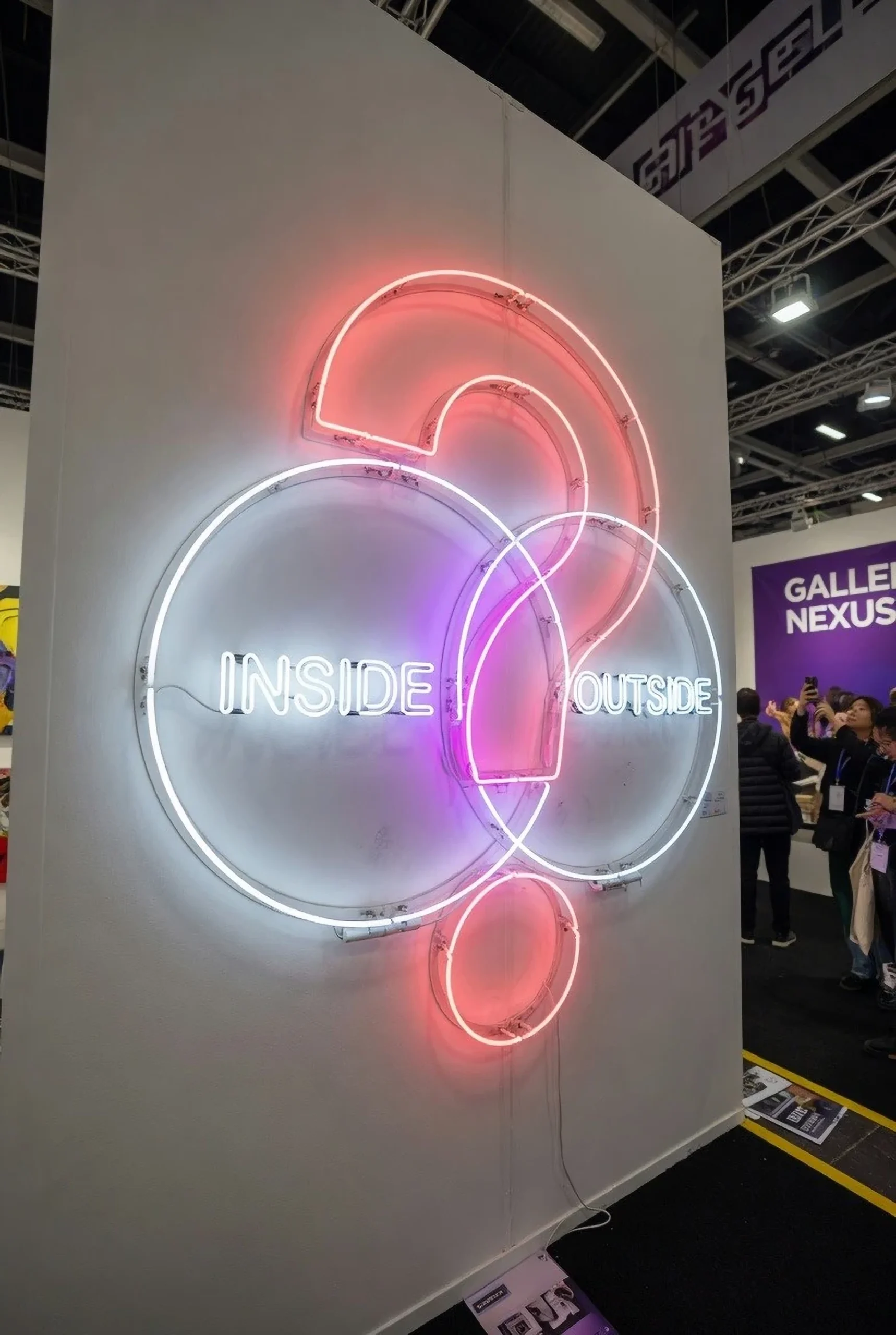
Genesis of the New Order
When a system of cultural power reaches its saturation point, the entry of new actors becomes so burdensome that deviation becomes not only an ethical choice but practically a logistical necessity.
This saturation does not indicate the end of creativity, but the fossilization of its distribution channels, transforming main institutions into mausoleums of already acquired reputations where space for the unforeseen is minimized. In this scenario, the formation of new systems is not a conscious act of revolution, but an organic process of budding, where excess energies aggregate to form new structures of support and visibility. The cultural actor who operates ‘consciously or unconsciously’ toward the formation of a new system is actually responding to a law of social gravity: the desire for recognition always seeks the path of least resistance to manifest itself. Alternative systems thus emerge as prototypes of new bureaucracies, offering a platform to those excluded from the main tables, but they inevitably end up establishing rules, canons, and dogmas to justify their own existence. The novelty of these systems lies not in their structure, which remains hierarchical, but in the faces of their protagonists and the speed with which they process innovation before it is normalized. It is a common mistake to think that destroying a system leads to freedom; destruction is only the prelude to replacement, in an unceasing cycle where today’s destroyer is the founder of tomorrow’s new orthodoxy. Those who attack the system are, in reality, fueling it, providing the friction necessary to produce heat and movement, pushing it to renew its rhetoric to survive the challenge. Every radical critique is metabolized by the system and transformed into a new artistic or curatorial genre, demonstrating that the outside is merely the research and development laboratory of the inside, a test zone for future acquisitions.
The impossibility of working outside a system derives from the very nature of intellectual work, which is always a work of mediation and contextualization, activities that require a shared framework of reference. Even when operating in total autonomy, one is working for a potential system, for a future audience, or for an imaginary community that, the moment it reveals itself, becomes a system itself. Absolute independence is a myth that serves to mask the embryonic phase of a new institutionalization, a moment of transition in which hierarchies are still fluid and opportunities seem equitably distributed.
The new system that rises from the ashes or the margins of the old is never truly ‘other,’ but an optimized version of it, capable of managing the complexities that the previous system could no longer contain. The creation of alternatives, therefore, is not an act of exiting the art world, but an act of expanding its borders, a way to colonize new territories of thought and the market. True awareness lies in recognizing that we are not fleeing institutions, but participating in their perennial metamorphosis, accepting the role of architects of new prisons with a more appealing design.
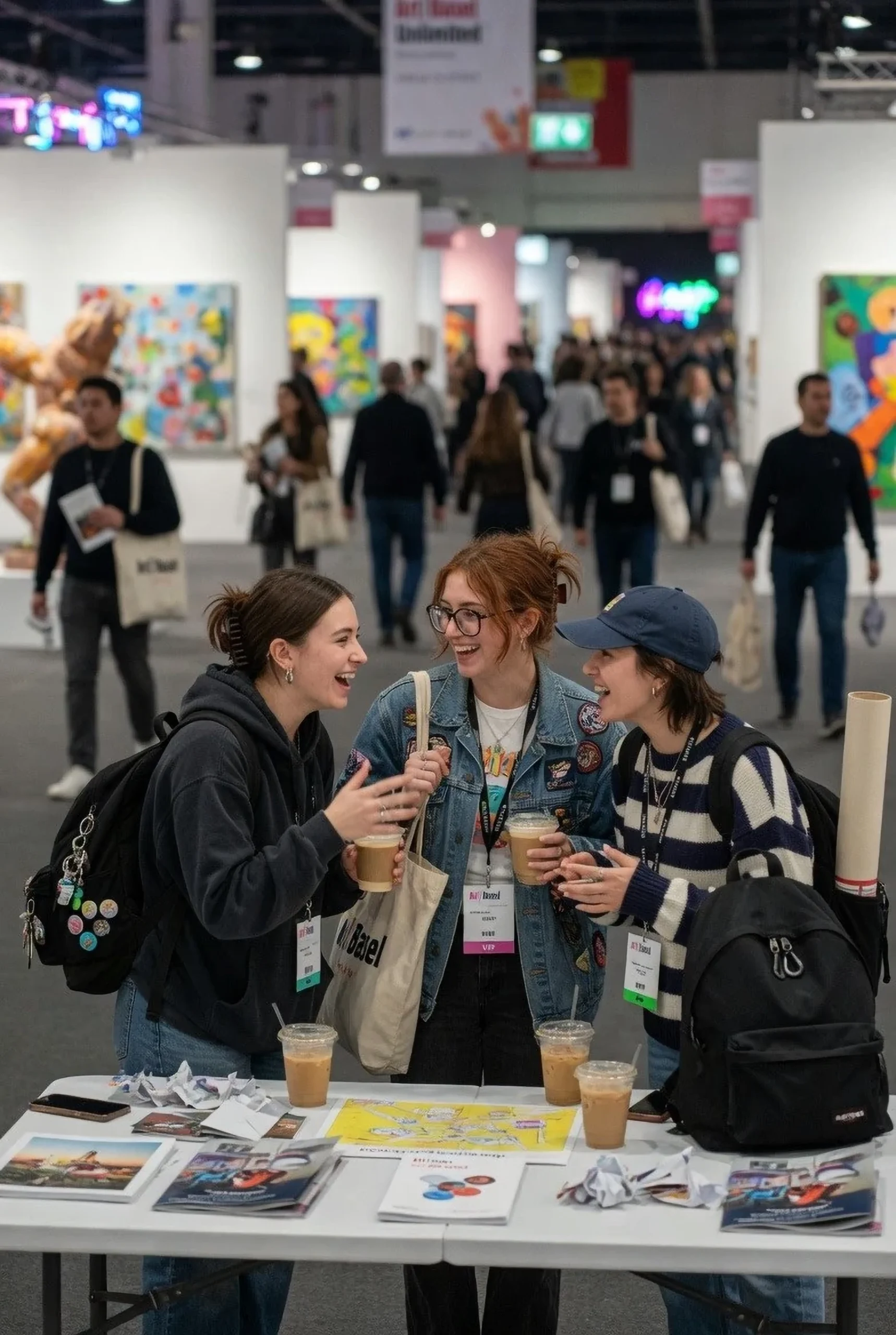
The Prestige Barrier
The saturation of main actors in the art system creates a form of stasis resembling cultural entropy, where positions of power are held by figures who have lost the ability to take risks but possess all the strength necessary to maintain the status quo. In this context, prestige becomes an impassable entry barrier, a currency that devalues for those who do not possess it and accumulates for those already embedded in the circuits of value.
The difficulty of access is not only economic but linguistic and aesthetic: to enter the system, one must prove they are already part of it, in a Kafkaesque paradox that excludes anyone bringing real alterity. The expert or artist facing this wall has no choice but to build their own scale of values, attempting to bypass traditional institutions through the creation of horizontal legitimation circuits. However, this horizontality is often a temporary phase, a way to accumulate that ‘critical mass’ of consensus that then allows for negotiating a triumphant entry into the main system from a position of strength. A career ‘outside the system’ is thus configured as a long bypass, a silent siege of the walls of the cultural citadel accomplished through the construction of one’s own autonomous citadel of prestige. The expert operating outside official channels must face the challenge of producing truth without the endorsement of established authority, an operation requiring fierce intellectual charisma and determination. In the absence of an institution to guarantee them, every critical act must contain its own justification, transforming every essay or exhibition into a declaration of independence that is, at the same time, a request to be heard. This effort of self-validation is what differentiates the true innovator from the amateur: the former is building a new standard, the latter is merely playing in a protected enclosure. Often, those who remain ‘outside’ do so because they have not understood that the system is not a physical place but a way of thinking about value, an interpretive grid that can be applied to any object or action. Working outside the system is possible only if one is capable of generating a more efficient system than the existing one, capable of intercepting the desires and anxieties that the mainstream has ignored.
Those who fail in this endeavor end up becoming an irrelevant echo of what they fight against, victims of their own inability to translate their intuition into a solid and communicable social structure. Prestige, far from being an intrinsic property of the work or the subject, is the effect of a convergence of gazes that recognize each other through a common object; to deny this dynamic is to deny the political nature of art. The prestige barrier can only be broken through the creation of new myths that make old ones obsolete, shifting collective attention to territories where the old guards have no jurisdiction.
The final insight is that the saturation of the center is not a limit, but the necessary condition for the periphery to finally reclaim its role as a potential center.
Technocracy and New Protocols
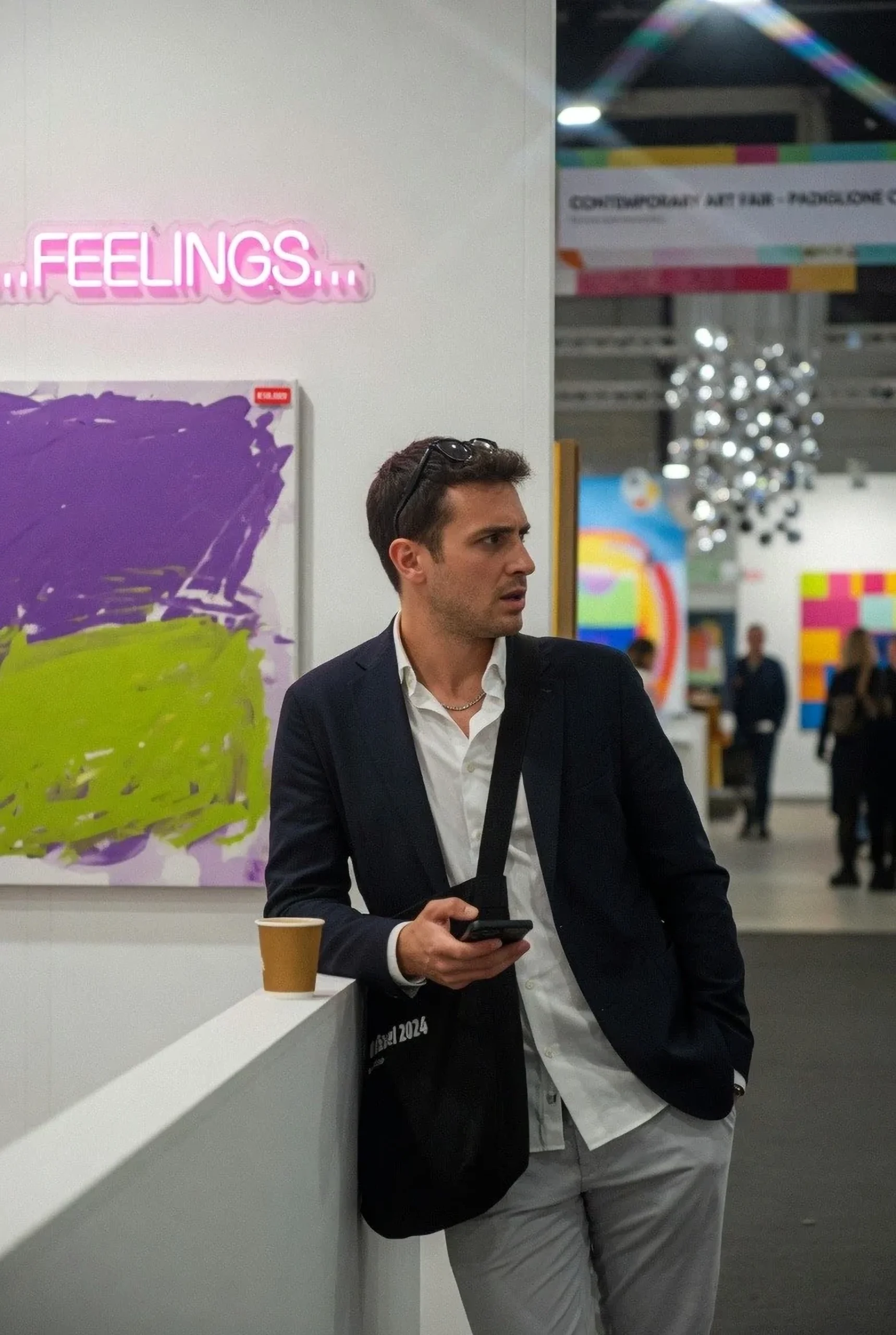
The advent of new digital technologies and decentralized systems has deluded many actors in the art world into the possibility of a definitive liberation from curatorial and market hierarchies.
It was thought that the algorithm or blockchain could replace human judgment, creating a market and a critique ‘outside the system’ because they were regulated by immutable and transparent codes. However, what has emerged is the birth of a new cultural technocracy, where power has not disappeared but shifted from the hands of museum directors to those of programmers and holders of technological capital, creating a system even more rigid and less open to poetic discussion. The professional moving in these new spaces believes they are operating in a radical alternative, while they are simply participating in the beta-testing of a new form of institutionalization, where value is determined by transaction volume or the speed of image circulation rather than the depth of content. These new systems do not eliminate the need for relations; they automate it, reducing the encounter between artist and public to a series of interactions regulated by interfaces that pre-determine the meaning of the aesthetic experience. The ‘independent’ web artist is, in reality, a cog in a global surveillance and monetization machine that has nothing alternative about it except the marketing.
The claim of art living outside traditional systems thanks to technology ignores that every medium is itself a pre-formatted system of relations, imposing its own limits and directions on creativity. A work that exists only on a social platform is subject to rules of censorship, visibility, and persistence that are infinitely more authoritarian than those of a classic art gallery, as they act at an invisible infrastructural level.
The cultural actor who does not understand these new protocols ends up being a precarious worker for a system that does not even have the decency to define itself as such, posing as an architecture of pure freedom. Creating other systems today means confronting the materiality of the digital and its logic of accumulation, seeking to hack validation processes to insert elements of disruption or true critical reflection. The curator of the future will not be the one who selects objects in a physical space, but the one who intervenes in recommendation algorithms to force attention toward what is programmed to remain invisible. This work is not ‘outside,’ but is a deep infiltration into the structures governing our perception, an attempt to reclaim sovereignty over meaning within a system that would reduce it to mere statistical data. The alternative lies not in the technological tool itself, but in how we use it to build communities based not on the mere replication of the same, but on the constant challenge to the imposed criteria of visibility.
The new system we must fear is not that of the dying old institutions, but that of the new platforms promising total democracy while installing unprecedented regimes of aesthetic surveillance. The fundamental intuition is that every protocol of freedom carries within it the code of its future tyranny, unless it remains an open system, perpetually unfinished and aware of its own limits.
The Inevitability of Structure
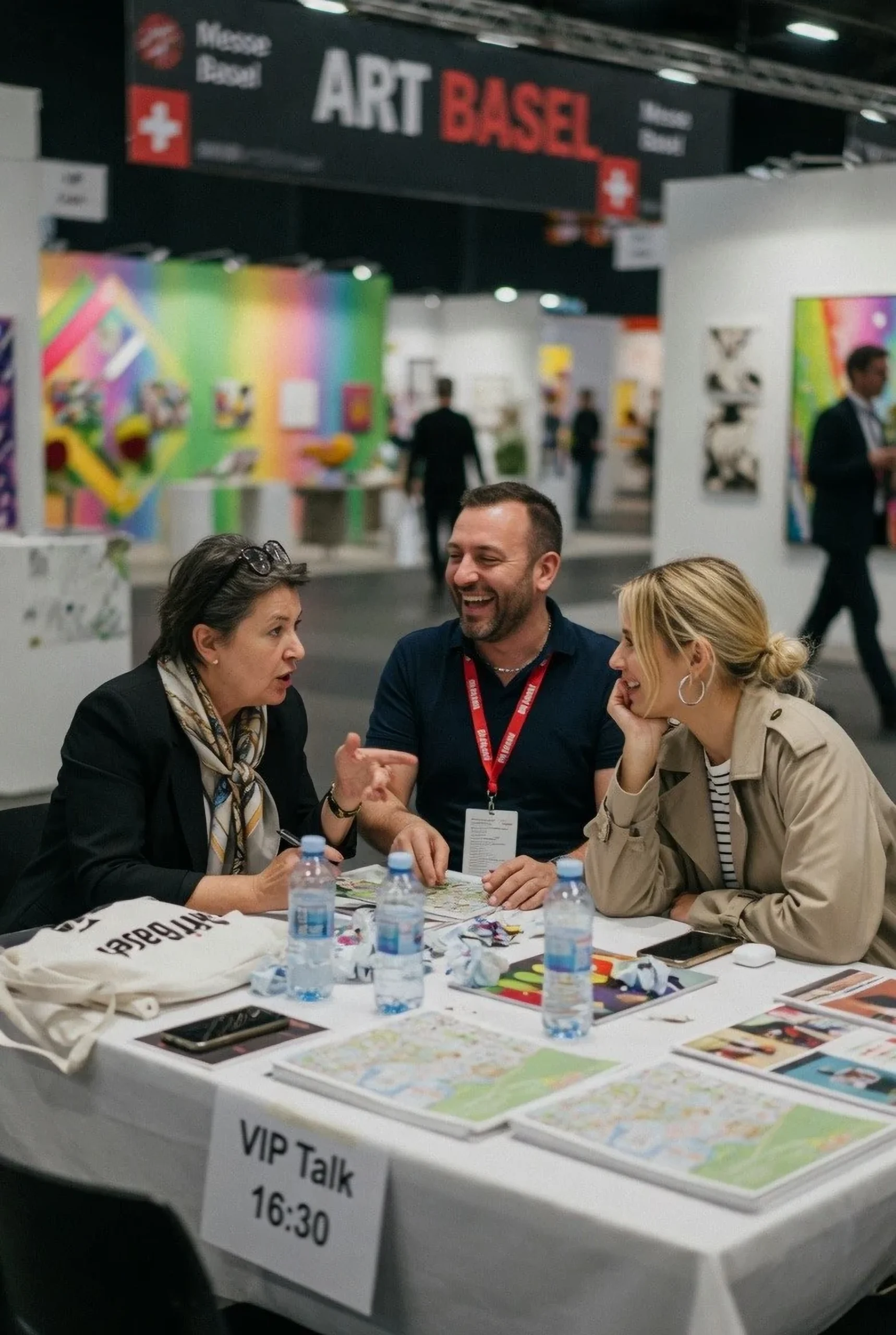
The conclusion reached by any honest analysis of the possibility of a career outside the system is that the ‘outside’ is not a place, but a temporal phase in the formation of a new social and symbolic structure. There is no cultural actor who can escape the necessity of a system, for the human being is a political animal that defines itself through confrontation, negotiation, and belonging to a group.
The idea of pure, isolated art, detached from any logic of power, is an infantile projection that ignores the reality of cultural production as a total social fact which requires collective organization to exist as such. Accepting the inevitability of structure does not mean surrendering to conformism, but acquiring the awareness necessary to inhabit systems critically, utilizing their cracks and saturations to insert new meanings. The artist or curator working on the ‘formation of a new system’ is not betraying an ideal of independence, but is performing the only act of responsibility possible: building spaces of meaning where previously there was only silence or white noise. The ability to create a system is the hallmark of the cultural protagonist who is not content with being a guest, but wants to become the architect of the reality in which they operate. The transition from a saturated system to an emerging one is a painful process, characterized by misunderstandings, mutual attacks, and a constant sense of precariousness, but it is the only engine of cultural evolution in the long term. Those who attack the system with awareness know they are working on its maintenance through conflict, while those who do so unconsciously are destined to be reabsorbed without having left a trace of their alterity. The true distinction is not between those who are in and those who are out, but between those who are subjected to the system and those capable of writing its rules, even when those rules apply only to a narrow community of visionaries. Ultimately, the relationship with the subject is not possible without a system of relations, because the subject itself is a relational construction, a node of discourses that pre-exists the individual and will outlive them. Being an expert outside the art system simply means being the vanguard of a system that does not yet have a name, a pioneer tracing the boundaries of a new territory that tomorrow will be inhabited by a new crowd of main actors. Exclusion is never a definitive sentence, but a condition of privilege that allows one to observe the machine from a perspective denied to those swallowed by it, drawing the lessons necessary to build a more human one. We will never discover that it is possible to work outside every system, but we will discover that we can choose which systems to inhabit and which to help found, renouncing the innocence of isolation to embrace the complexity of collective action.
The system is not the enemy of art; it is its atmosphere. And just as one cannot breathe in a vacuum, one cannot create without a structure that welcomes and transforms the breath of inspiration into a cry that others can hear. The challenge is not escape, but the conscious occupation of every available space to transform the necessity of form into a superior form of freedom.