

A thumb pauses above the glass before the image resolves into use. The feed has already begun its work: compression artefacts, caption fragments, facial cues, a delayed cut, a withheld event. Perception enters through the interval, through the small engineered suspension in which the body offers attention before meaning arrives. The image functions as a temporal device, a calibrated apparatus that gathers prediction, impatience, and recognition into the same perceptual circuit.
Latency gives form to visibility. The screen stages images as arrivals, and each arrival carries a protocol of delay that teaches the eye to wait in specific ways. Ranking systems learn from this waiting, then return it as format, duration, thumbnail, loop, teaser, reveal. What appears as visual culture operates as a choreography of suspended completion, where comprehension becomes measurable through retention and where sense becomes an output of managed postponement.
The contemporary image arrives already bound to custody, provenance, and distribution. It circulates through infrastructures that read hesitation as value, index duration as desire, and convert micro-pauses into signals for future arrangement. Attention becomes legible at the point where perception stretches. The delay between stimulus and recognition becomes a productive field, an extractive interval in which platforms locate the body’s readiness for capture.
Every visual encounter carries a second architecture beneath it. The visible surface invites interpretation, while the operational substrate arranges prediction, ranking, and recurrence. Latency names the seam between these layers: the moment in which the image has appeared and its command has yet to settle. Power enters through that seam, because the waiting eye supplies the system with its most intimate metric, the time it gives before it understands.
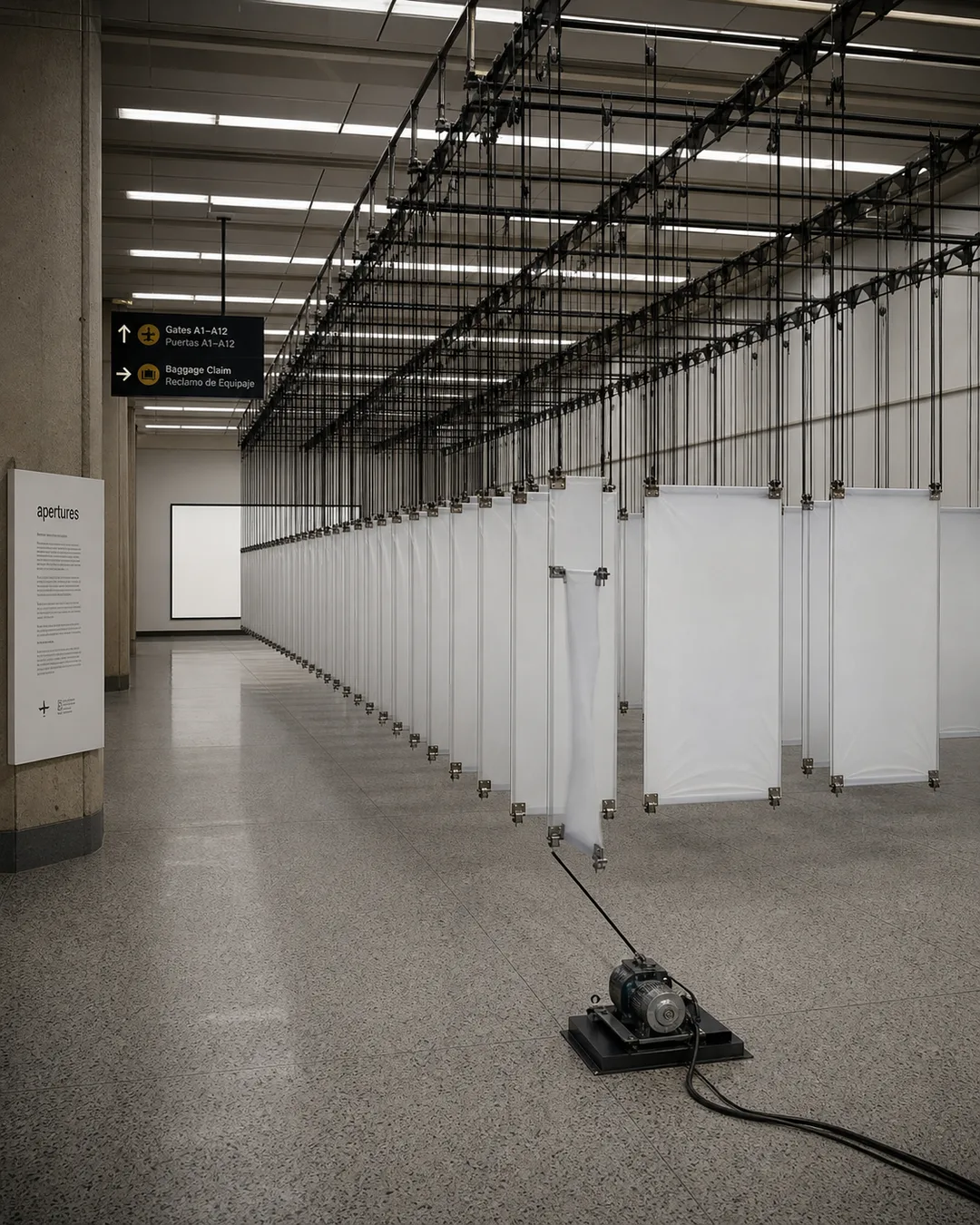
The Interval Takes Command, Perception Emerges as Temporal Organization: Delay Prepares, Selects, and Orients What Can Be Recognized.
The image loads before it signifies. A blurred face, a rotating icon, a stalled frame, a delayed transition, each element inserts time into perception as a formative pressure. The feed converts this pressure into organization: sequence precedes meaning, rhythm precedes judgment, anticipation precedes recognition. The interval becomes the first editorial layer, arranging what the eye expects before the object stabilizes as content.
Perception becomes temporal because distribution has become temporal. Ranking systems place images inside a predictive cadence, spacing stimulation according to past retention and projected response. The viewer encounters a surface, while the platform encounters a time signature: dwell, scroll speed, rewatch, hesitation, return. Visual form becomes inseparable from the measurement of delay, and the visible world arrives through the protocols that rank the body’s capacity to remain available.
The interval also produces selectivity. Latent space operates as a reservoir of possible images, yet recognition depends upon sequencing, threshold, and emergence. The viewer learns to recognize through probabilistic unfolding, through the gradual arrival of an image that feels discovered precisely because its conditions have been prearranged. Delay trains the eye to treat incompletion as promise, and promise as evidence of relevance.
This temporal organization reshapes memory. The image that arrives after waiting carries a stronger claim upon recall, because anticipation has already invested it with charge. The platform exploits this charge through loops, progressive reveals, countdowns, jump cuts, and deliberate deferrals. Each device binds sensation to duration, making the remembered image inseparable from the time spent approaching it.
The interval takes command by placing recognition under schedule. What the viewer sees emerges from a prior arrangement of tempo, and what the viewer remembers carries the imprint of that arrangement. Latency becomes a perceptual governor, a quiet authority that decides which forms gain intensity by arriving late.
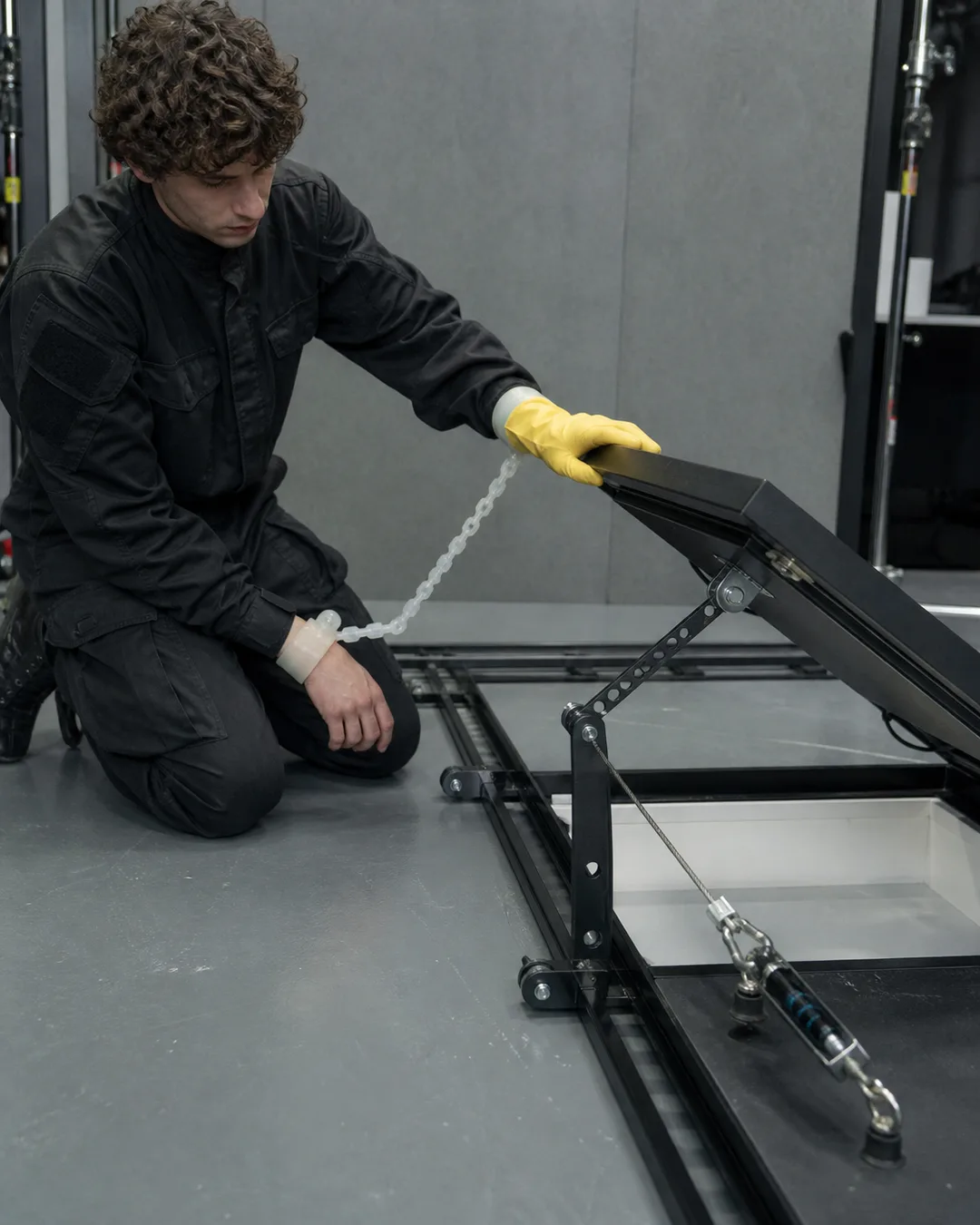
Hook, Waiting, Retention, Visual Content Built on the Hook Transforms the Promise of a Reveal into a Technique of Attentive Permanence.
The hook opens a debt. A gesture begins, a face reacts, a caption announces a coming reversal, a hand covers the object, a cut postpones the answer. The feed recognizes this structure as retention machinery, because the hook turns every second into collateral for a future event. The visual field becomes a contract of postponed satisfaction, and the viewer enters as a subject held by promise.
The promise of revelation organizes the image around delay. Content built for ranking systems distributes meaning across a sequence of withheld fragments, each fragment calibrated to extend attention past the first impulse to leave. The hook functions as a protocol of capture: it gives enough information to activate prediction, then withholds enough information to preserve uncertainty. Attention becomes a corridor, and the reveal becomes the door placed at its far end.
This technique produces a visual grammar of incompletion. Hands obstruct, captions mislead, edits interrupt, faces exaggerate, objects remain slightly outside full disclosure. The system rewards the formats that convert perceptual frustration into continued presence. Training bias enters through repetition, because creators learn the shapes that algorithms favor, while viewers learn the delays that algorithms distribute. A shared aesthetic of suspense emerges from the ranking of retention.
The hook also reorganizes authority. The viewer believes the coming reveal belongs to the image, while the reveal belongs to the metrics that made the image legible to distribution. The content promises information, yet the platform harvests duration. The body waits for sense, and the system receives evidence of capturability. What feels like curiosity becomes a data relation between expectation and compliance.
The reveal rarely ends the structure it animates. Each completion trains the next anticipation, each payoff renews the viewer’s readiness for delay. The hook becomes a pedagogy of waiting, teaching the eye to inhabit suspense as a normal condition of visibility. Attention remains because the image has learned to speak in the tense of almost.
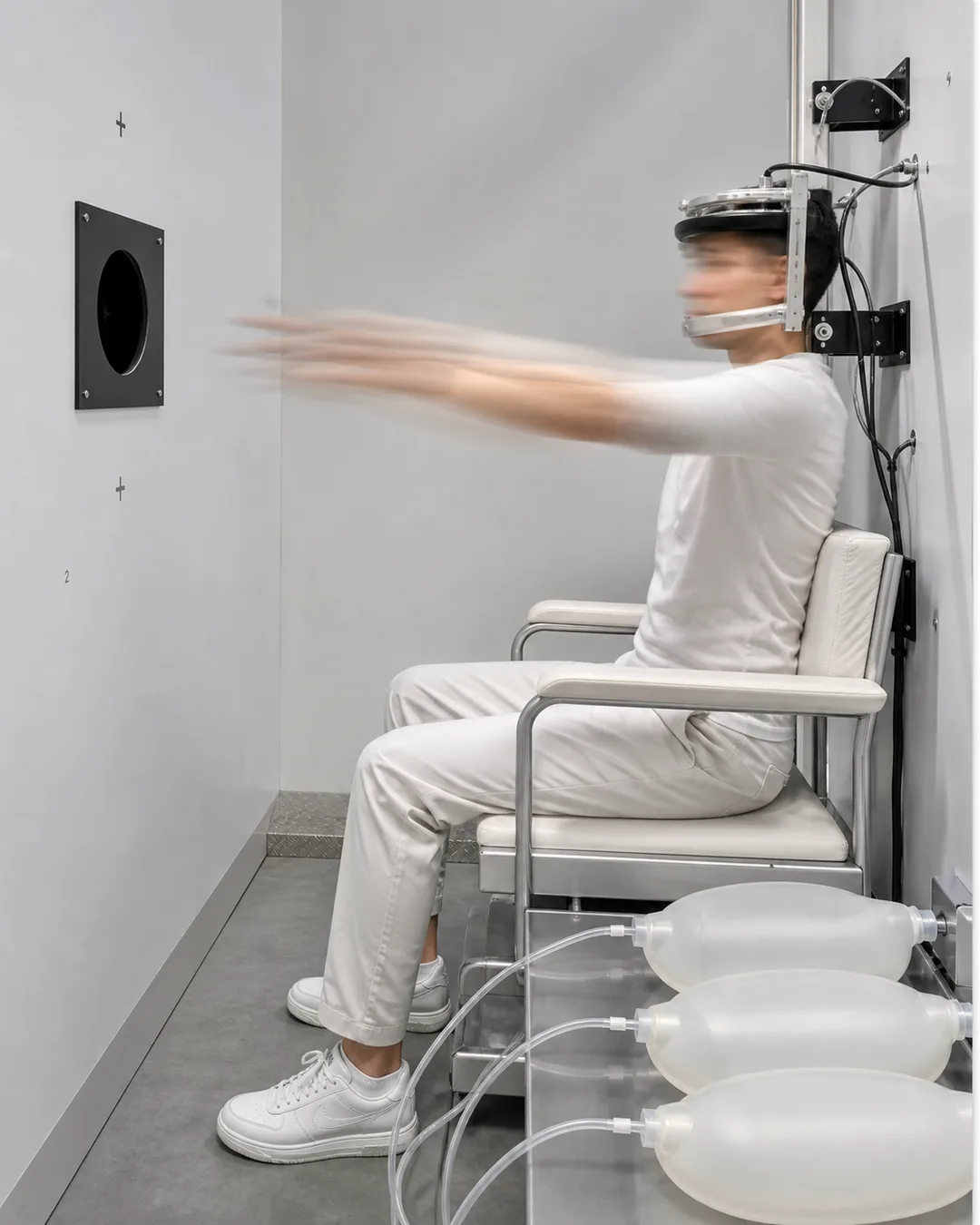
Neural Credit, Visual Debt, Anticipation, Prediction, and Suspension Keep the Brain at Work Before Understanding, Investing Energy in the Awaited Event.
Prediction advances credit to the image. Before recognition arrives, the nervous system allocates energy, compares patterns, prepares outcomes, and tests possible completions. The screen activates this economy through latency, giving the brain a partial structure and inviting it to finance the missing part. Visual attention becomes an investment made ahead of sense.
The awaited event accumulates value through neural labor. A delayed cut, an unresolved motion, a withheld face, a pending transformation, each produces a field of anticipatory expenditure. Attention functions as the currency of this field, while prediction operates as its credit system. The viewer spends effort before comprehension, and the image gains value through the energy gathered around its delay.
Platform formats intensify this relation by aligning anticipation with measurable response. Rewatch loops, incomplete cuts, looping gestures, and delayed captions extend the predictive cycle, keeping the brain active across thresholds of understanding. The feed reads this activity through retention and recurrence, then returns similar structures with greater precision. The body’s predictive labor becomes training material for future captures.
Suspension carries affective force because it recruits both cognition and desire. The awaited event promises closure, yet its value resides in the period of heightened preparation that precedes it. Latency thickens the present, filling it with possible outcomes and small somatic investments. The viewer becomes attentive through expenditure, and expenditure produces attachment.
Visual debt appears when the promised event arrives already overdetermined by the energy invested in it. The reveal must repay anticipation, and its repayment often depends upon the scale of the delay that preceded it. The system learns this balance and adjusts duration accordingly. The image becomes a financial instrument of perception, issuing credit in expectation and collecting attention through suspense.
The brain works before the image completes itself. This early work grants power to formats that keep understanding in motion, slightly deferred, constantly near. Latency turns cognition into infrastructure, and the awaited image becomes valuable because the body has already paid for it.
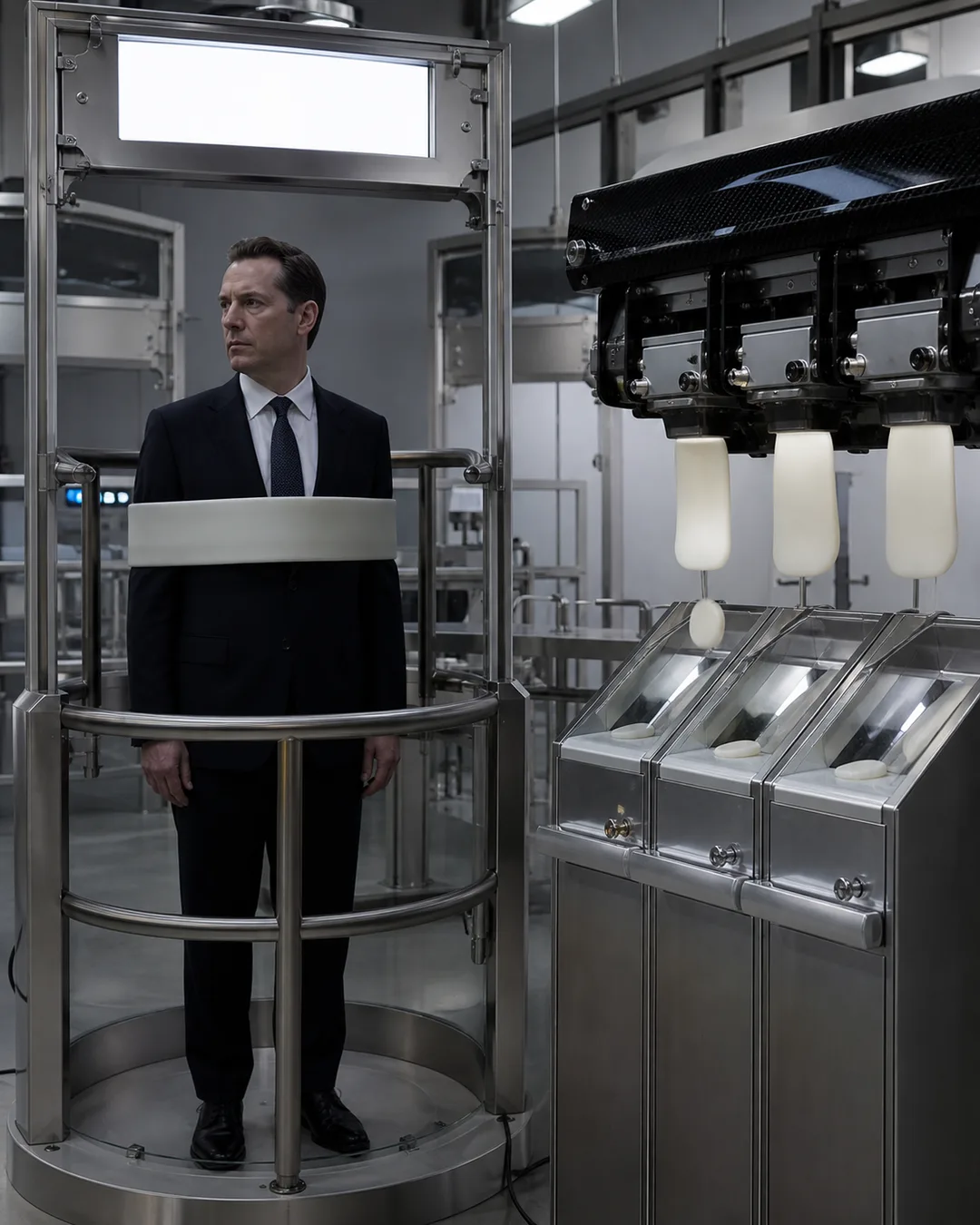
Delay as an Infrastructure of Power, Platforms and Formats Monetize the Interval Between Stimulus and Meaning, Turning Latency into a Measure of the Body’s Availability.
The platform measures the pause. A finger slows, an eye returns, a loop repeats, a clip holds beyond its opening seconds. These signals enter ranking systems as evidence of availability, transforming delay into a metric that can be optimized, sold, and redistributed. The interval between stimulus and meaning becomes an economic surface, a place where power reads the body before the body articulates preference.
Monetization begins with temporality. Advertising, recommendation, and creator visibility depend upon the conversion of attention into duration, and duration gains value through forms that extend perceptual suspense. The platform governs this extension through protocols that reward retention and demote formats that release the viewer too quickly. Visual culture becomes shaped by the infrastructural demand for delayed completion.
Custody of the image shifts through this process. The creator supplies the visual object, the viewer supplies attention, the platform supplies distribution, and the ranking system supplies hierarchy. Provenance becomes operational rather than archival, because the image’s effective origin lies in the chain of signals that make it circulate. An image belongs to the system that can measure its delay.
This infrastructure normalizes availability as a perceptual habit. The viewer becomes trained to submit to small suspensions, to accept incomplete information as the ordinary condition of visual encounter, to treat waiting as participation. The feed arranges this habit through repetition, turning micro-latency into a civic rhythm of platform life. Power settles into the interval because the interval feels private, bodily, and immediate.
AI intensifies the structure by producing images already tuned to predictive appetite. Latent space offers infinite variation, while distribution selects the forms that hold attention through ambiguity, familiarity, and delayed recognition. Synthetic images enter the feed as objects born from prediction and destined for prediction, completing a circuit in which perception encounters its own statistical double. The image becomes less a representation than a forecast seeking confirmation.
Delay becomes infrastructure when the interval itself carries value. The platform has little need to command belief when it can command waiting, and little need to fix meaning when it can monetize the approach to meaning. Latency measures the body’s openness to arrangement. The image arrives late, and power arrives first.