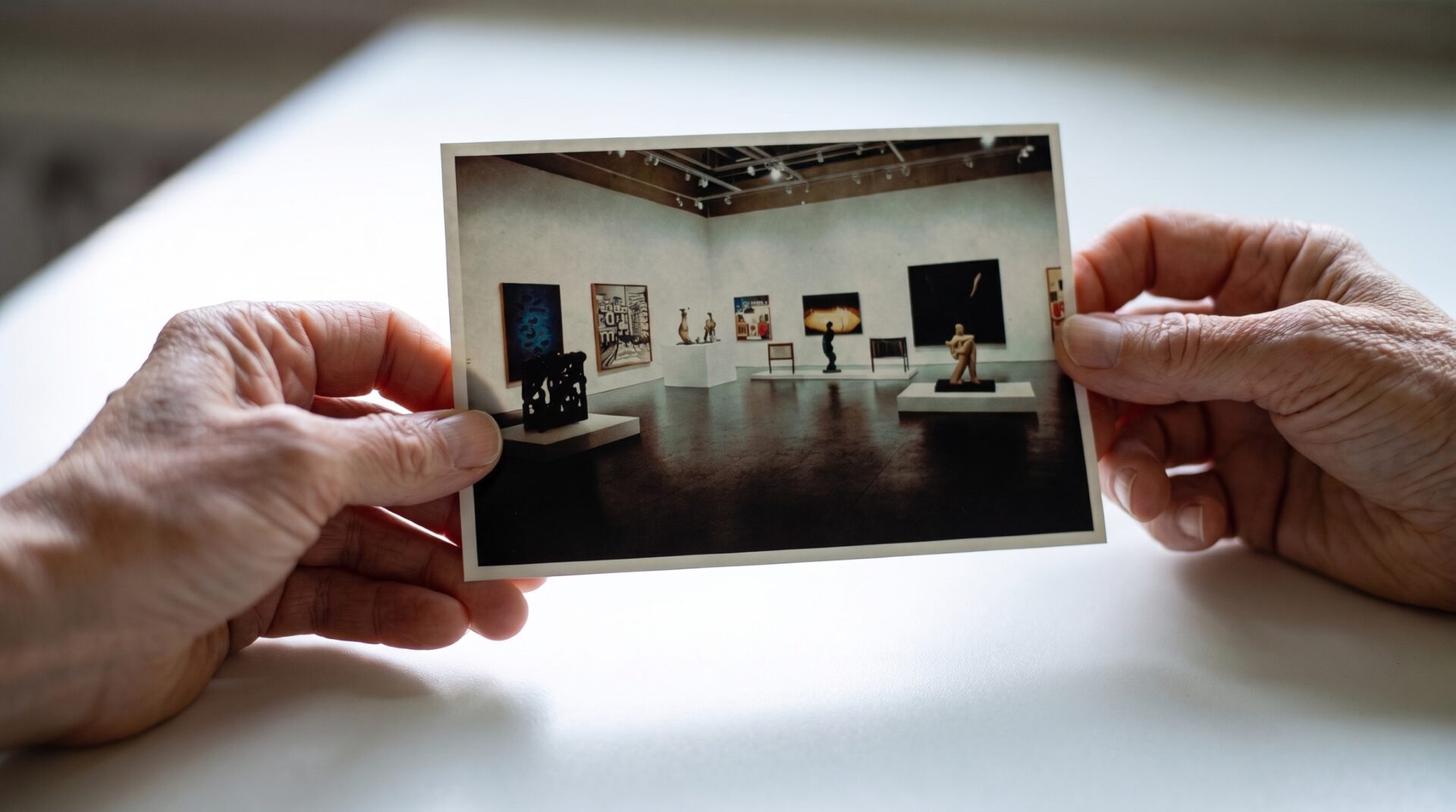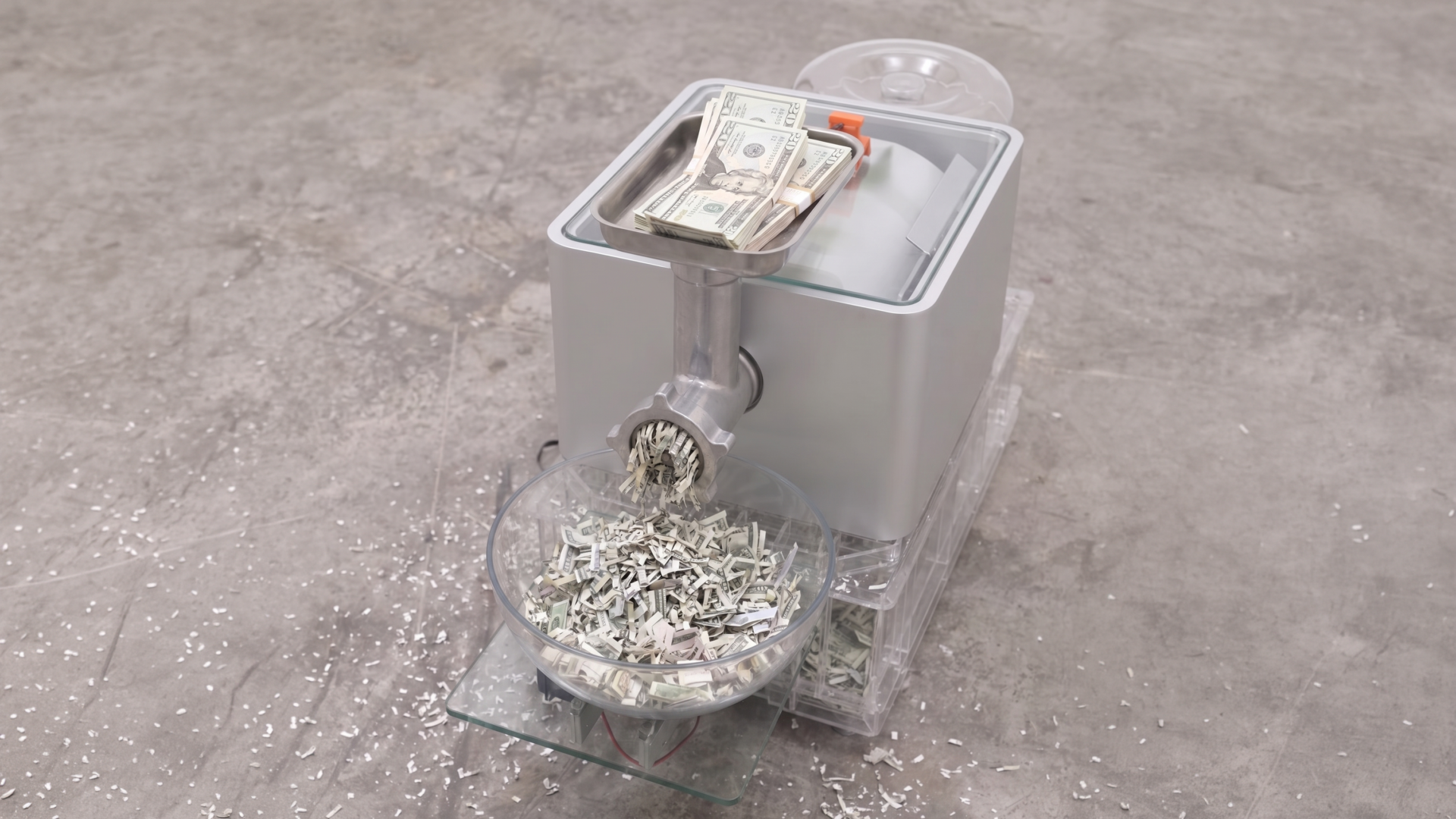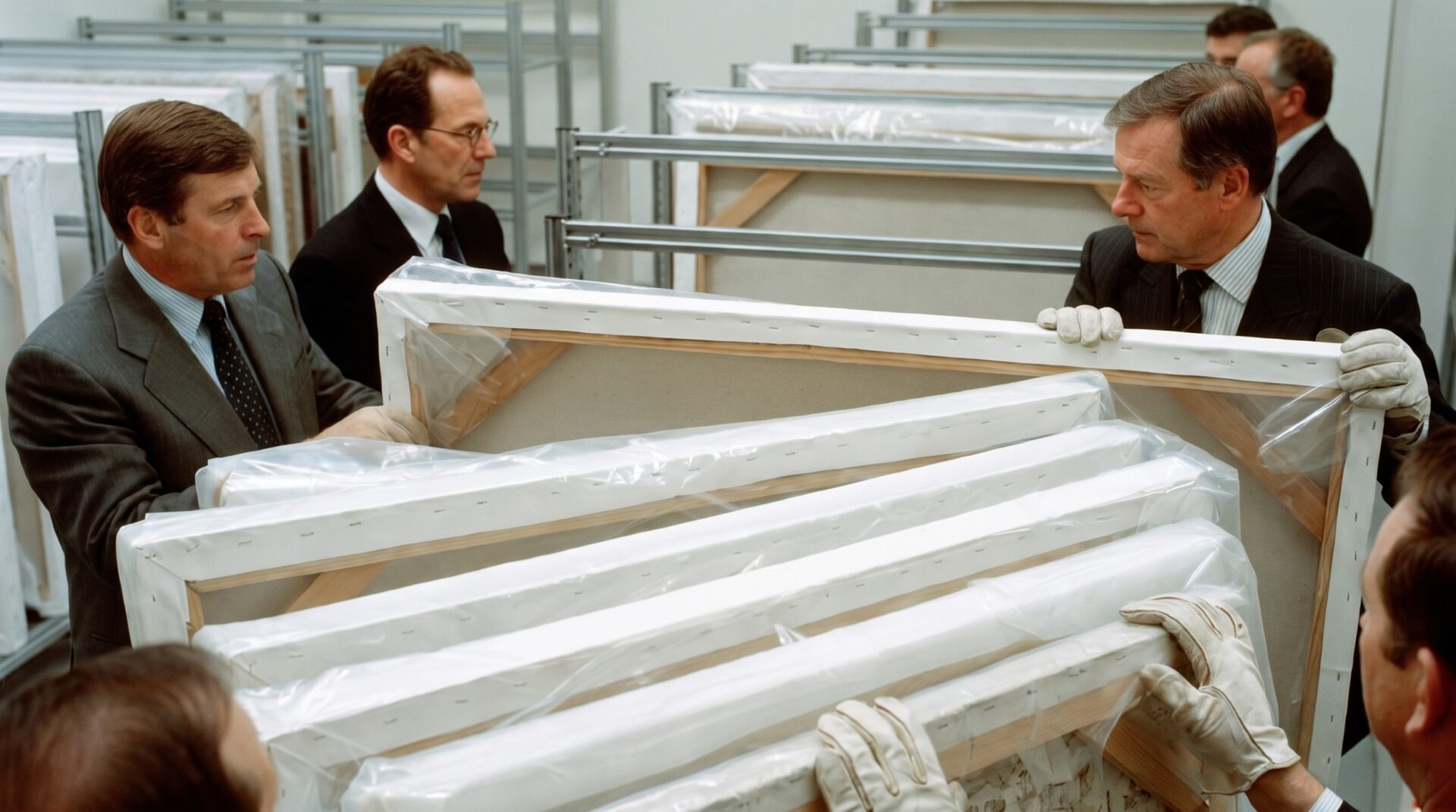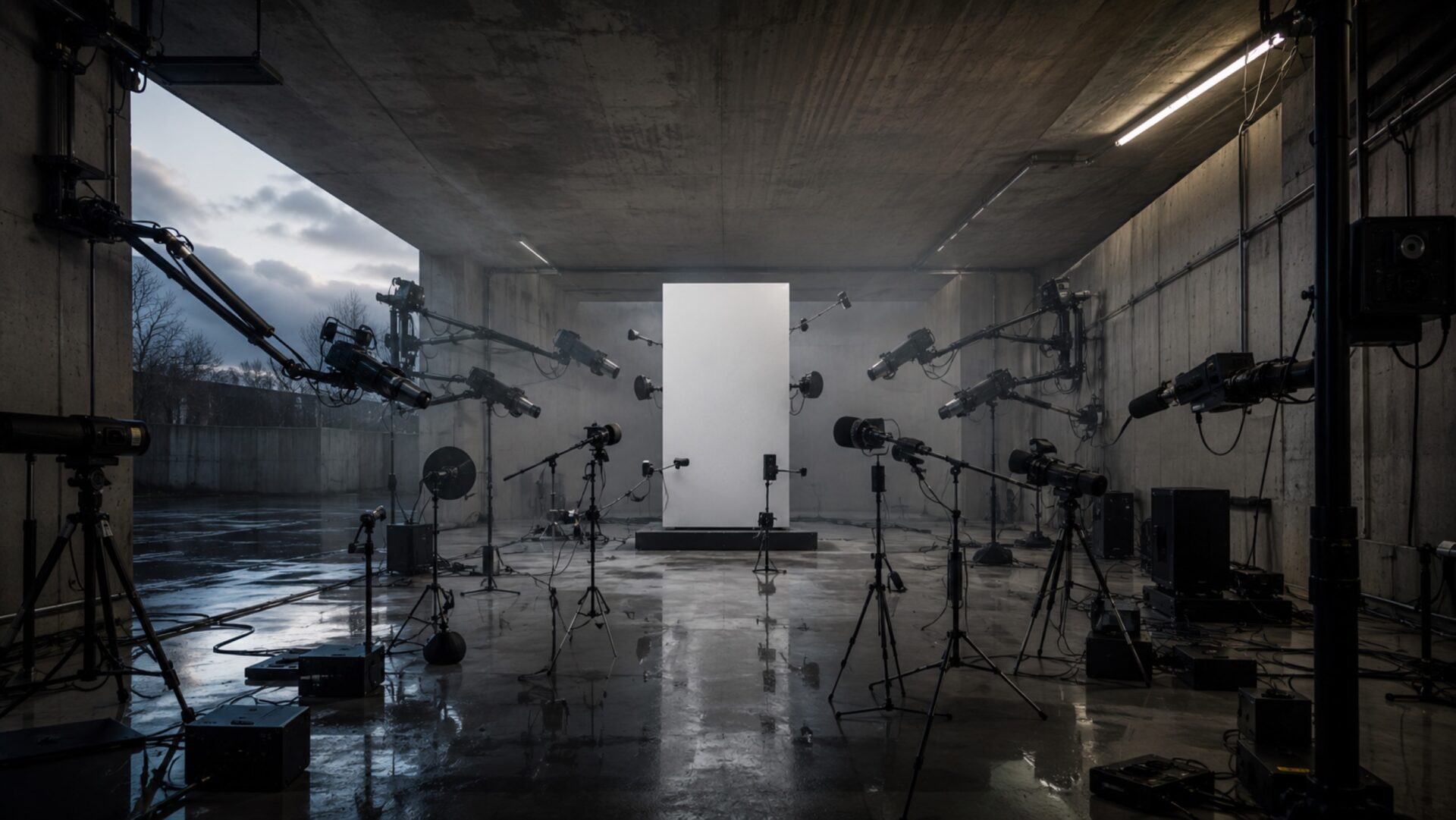

A visitor stops before a painting because the room has already composed the halt. The bench, the wall text, the security distance, the museum light, the soft choreography of bodies all operate as a protocol of attention, assigning duration to the encounter before feeling names itself as judgment. The work receives time through an architecture that has learned to appear ambient, and that ambient force lends the image its first credit.
Value begins as a delay engineered into visibility. The masterpiece occupies a financed interval where belief circulates ahead of proof, where provenance, custody, scholarship, market repetition, institutional exhibition, and platform distribution create the conditions under which endurance starts to resemble essence. The image persists because many systems advance it time, and that advance becomes culture’s most elegant form of debt.
Every encounter with art passes through a machine that measures regard. The eye enters a field of ranking, and ranking transforms perception into evidence, evidence into circulation, circulation into authority. The work’s aura now travels through catalogues, feeds, databases, press releases, installation views, auction reports, and compressed images that maintain its availability as a recurring present.
Artistic time has become a currency with custodians. The future of a work belongs to the institutions, devices, markets, and publics capable of renewing its claim on attention, and every renewal carries the trace of power disguised as care. A masterpiece survives through rental agreements written in silence: the museum grants hours, the market grants expectation, the archive grants continuity, the platform grants recurrence, and each grant accrues interest against the future.
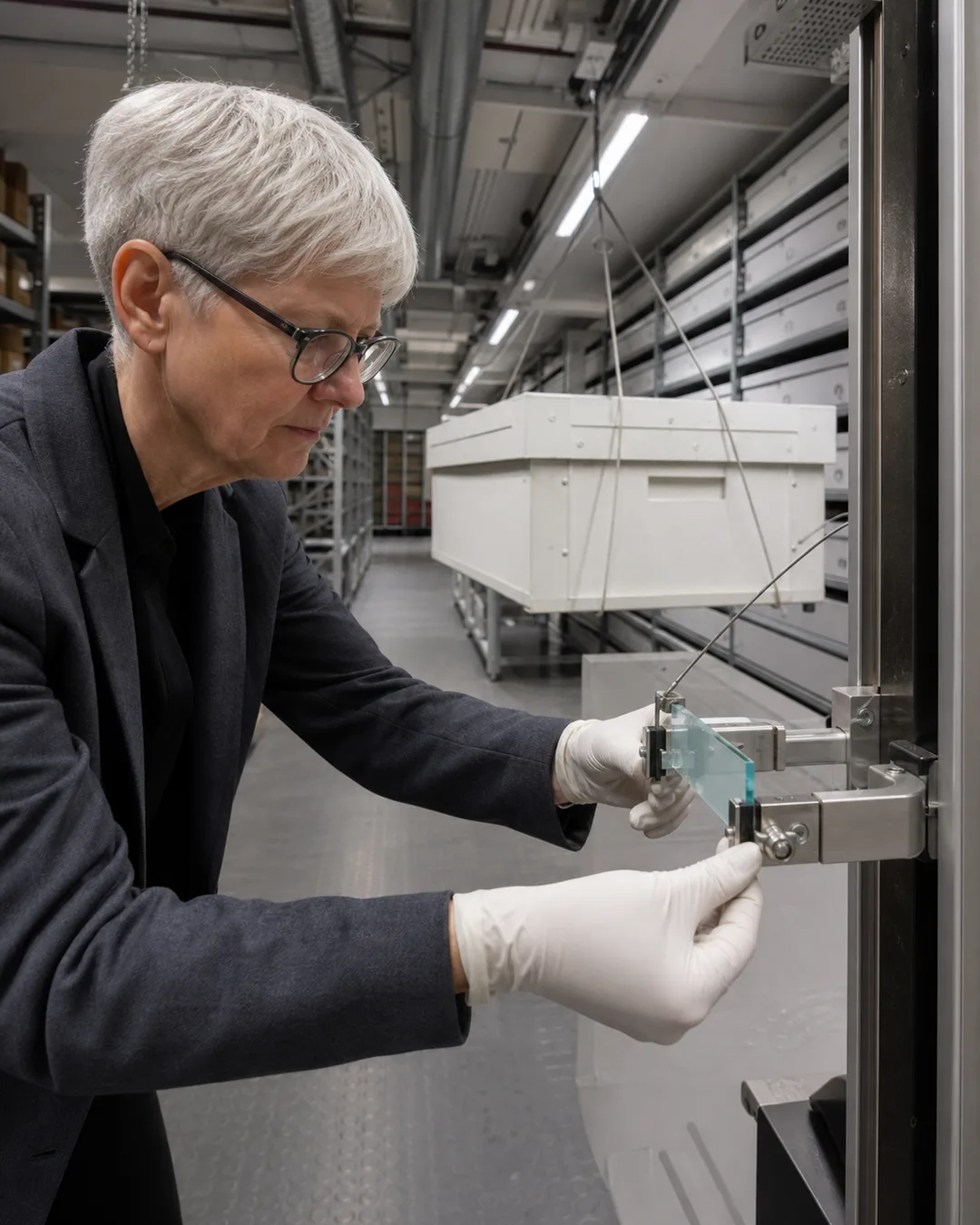
Duration as Credit
A museum label converts age into credit. The date, medium, lender, collection history, and acquisition line form a provenance protocol that instructs the visitor to treat duration as evidence, and the work enters the room already backed by a chain of institutional guarantees. The painting’s survival appears as material fact, while the apparatus around it renders that survival legible as cultural solvency.
The archive extends custody into time. Boxes, catalogues raisonnés, conservation notes, exhibition histories, and digitized records create a ledger where existence becomes indexed persistence, and indexed persistence becomes the first form of valuation. A work acquires authority through repeated administrative contact, because every entry confirms its eligibility for another encounter.
The market prices the interval between belief and consensus. Auction estimates, private placements, waiting lists, advisories, insurance appraisals, and fair presentations operate as ranking instruments that train collectors to experience anticipation as knowledge. The object appears to mature, while finance supplies the calendar through which maturity becomes visible.
Platforms intensify this credit structure through feed logic. A resurfaced installation view, a cropped archival photograph, a studio image, or a collector’s post can restore proximity to a work whose historical position awaits renewed liquidity. Distribution turns latency into presence, and presence becomes a signal that circulates before judgment arrives.
Duration functions as a loan of collective faith. The work persists through repeated advances of attention, and every advance prepares the moment when borrowed time begins to look like intrinsic force. The masterpiece becomes the object that repays culture by making its own financing invisible.
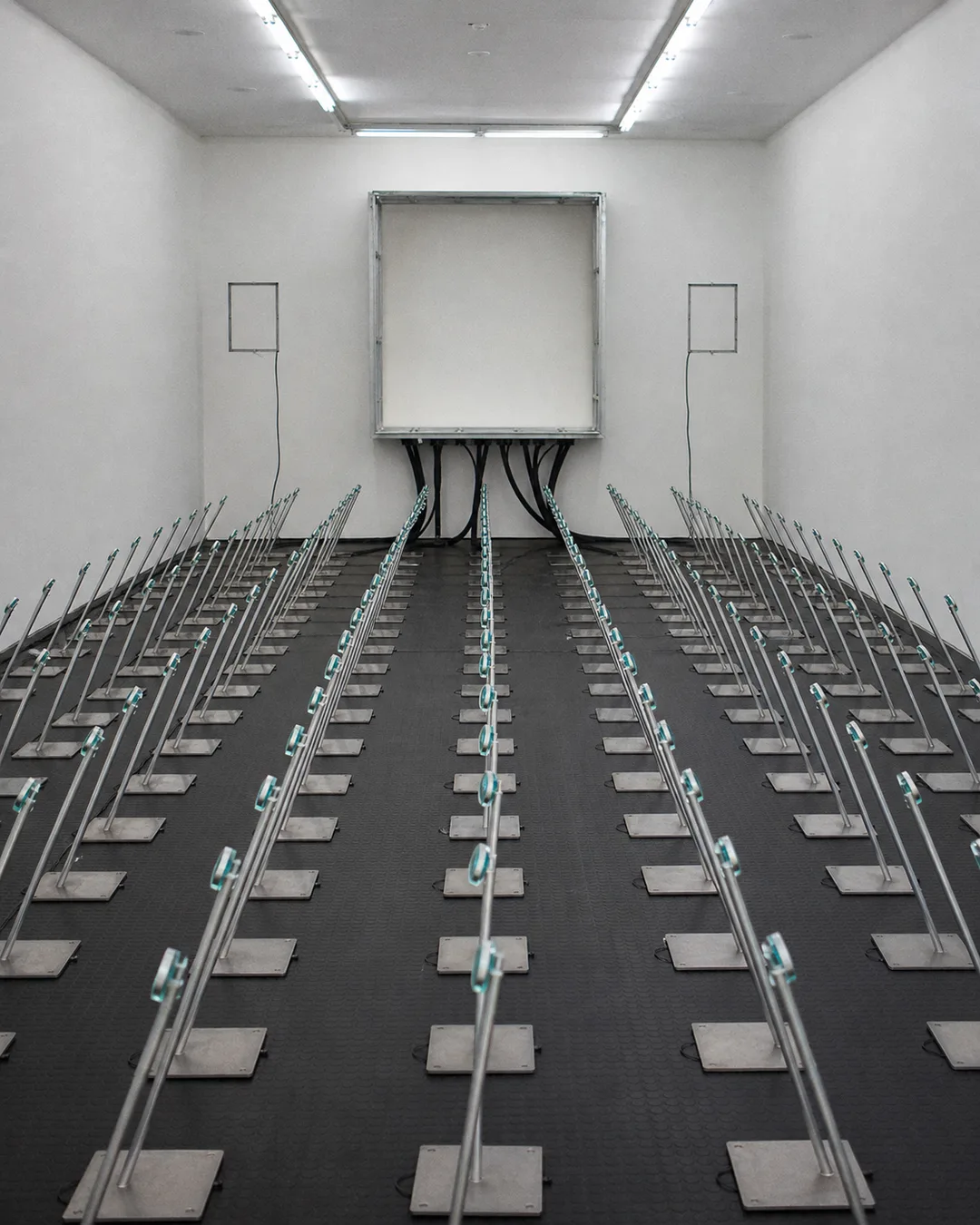
Eyes Become Infrastructure
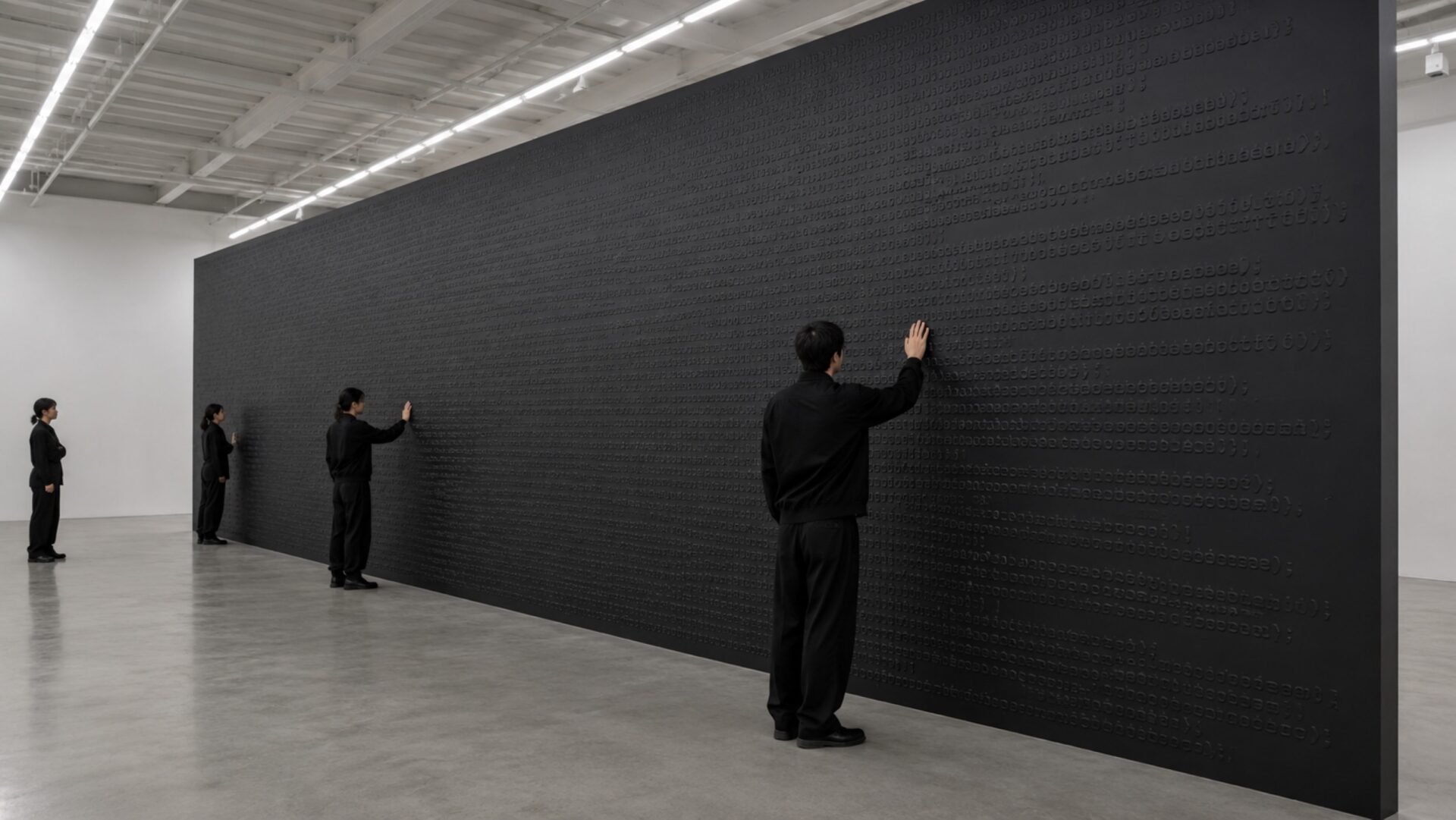
The gaze operates as a routing device. Each visitor, viewer, reader, collector, curator, student, and follower participates in an attention network that distributes weight across images, and the work’s visibility becomes a consequence of accumulated orientation. Looking supplies data to institutions long before any database records the act.
The exhibition teaches bodies to rank. Wall placement, room sequence, lighting, scale, caption length, entry price, queue formation, and press timing produce a distribution field where certain works gather more duration from the public circuit. The spectator reads this hierarchy as invitation, and the invitation becomes measurable in dwell time, photography, citation, and memory.
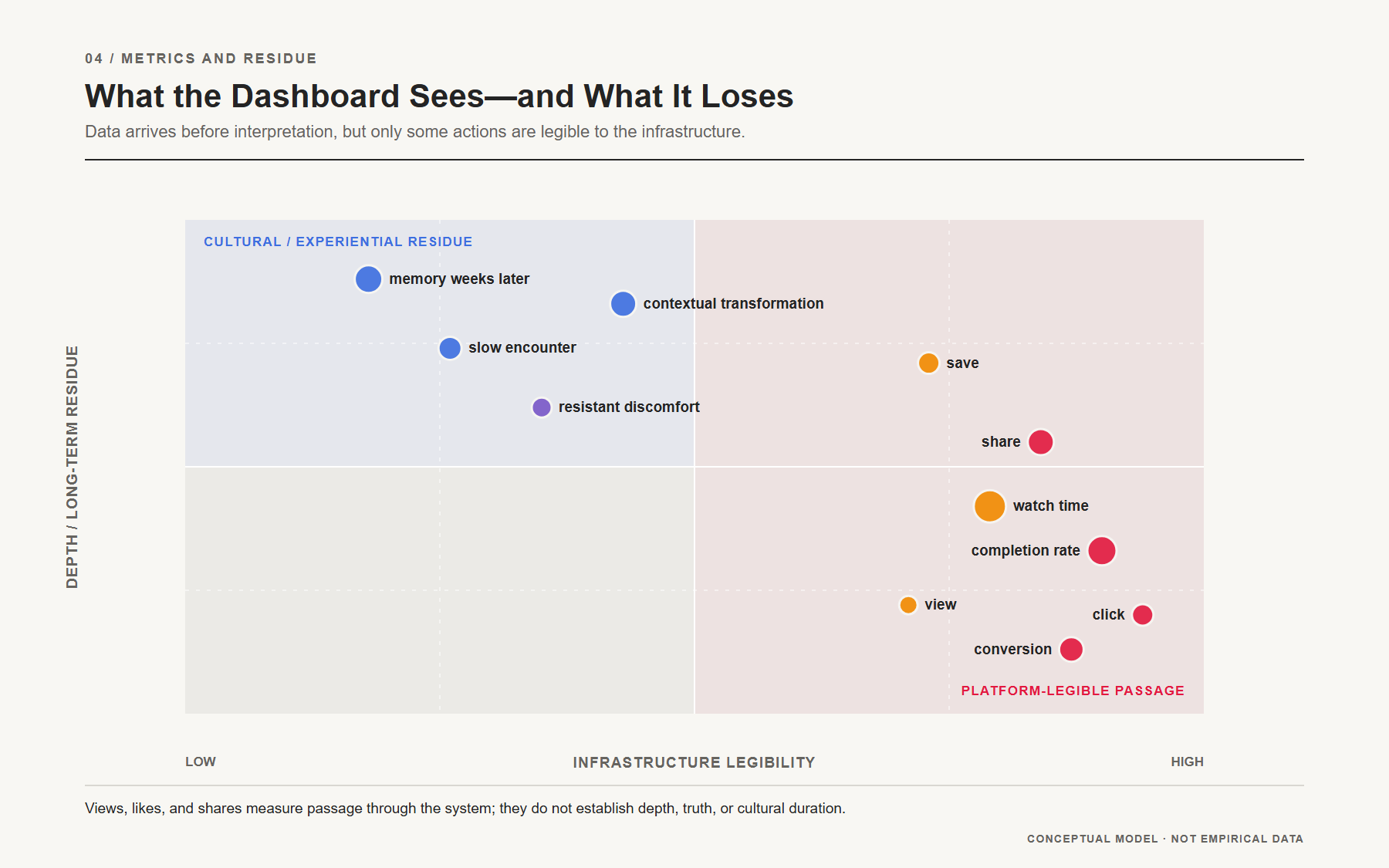
Digital viewing sharpens the conversion of regard into solvency. Feed logic fragments the encounter into impressions, saves, shares, reposts, searches, comments, and algorithmic recirculation, each gesture carrying a faint claim on future visibility. Attention becomes a microfinance of cultural value, and the image learns to survive by passing through repeated acts of low-intensity recognition.
The spectator’s body enters the economy as infrastructure. Museum attendance figures, online engagement, press analytics, search volume, and secondary-market heat form an evidentiary cloud that legitimates future programming and future price. Public interest becomes a logistical resource, and logistics becomes the language through which taste secures authority.
The eye lends power because it appears free. Its movement seems intimate, yet its aggregation builds the channels that decide which works return, which works travel, which works receive scholarship, which works become curriculum. Spectatorship becomes the soft machinery through which value learns to speak as collective inevitability.
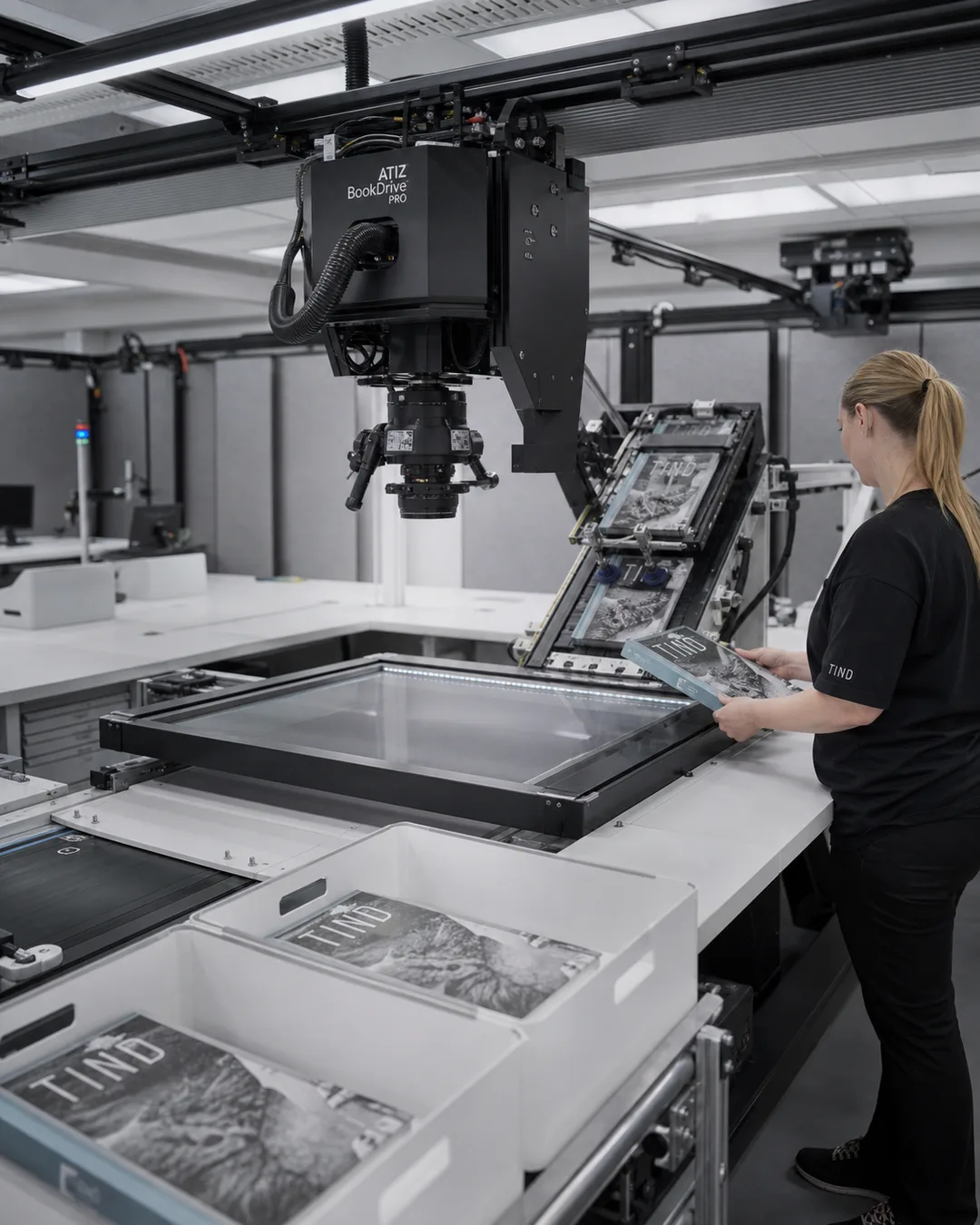
The Device Grants Afterlife
The camera gives the artwork a second body. Installation photography, studio documentation, conservation imaging, auction reproduction, and press circulation translate the object into a portable protocol, allowing the work to travel through contexts that exceed its material custody. The image acquires afterlife through its capacity to appear where the object remains absent from direct access.
The catalogue stabilizes memory as format. Paper stock, essay sequence, plate order, captions, bibliography, and distribution create a repeatable scene of authority in which the work can be encountered as already historical. Publication turns attention into infrastructure, because the book remains available as proof of seriousness long after the exhibition closes.
The database changes endurance into retrievability. Search fields, metadata, tags, institutional records, rights files, and collection management systems assign the work a technical address, and that address becomes a condition of renewed visibility. Art history increasingly passes through architectures of query, where the existence of an object depends upon the protocols that allow it to be found.
The screen compresses aura into circulation. A painting becomes thumbnail, slide, projection, post, JPEG, PDF, and teaching image, each format producing a different contract between attention and value. The work gains speed through mediation, while mediation teaches the public to recognize the image through the habits of the device.
Artificial vision extends this afterlife into latent space. Training datasets, scraped reproductions, captioning systems, similarity engines, and generative models absorb visual culture into statistical memory, where style becomes pattern and recurrence becomes computational confidence. The artwork enters a new custody arrangement inside systems that grant visibility by extracting formal behavior from its historical body.
The device preserves by transforming. Every technical support grants the work another present and asks for a portion of its singularity in return. Afterlife arrives as circulation, and circulation makes memory dependent on the machines that monetize return.
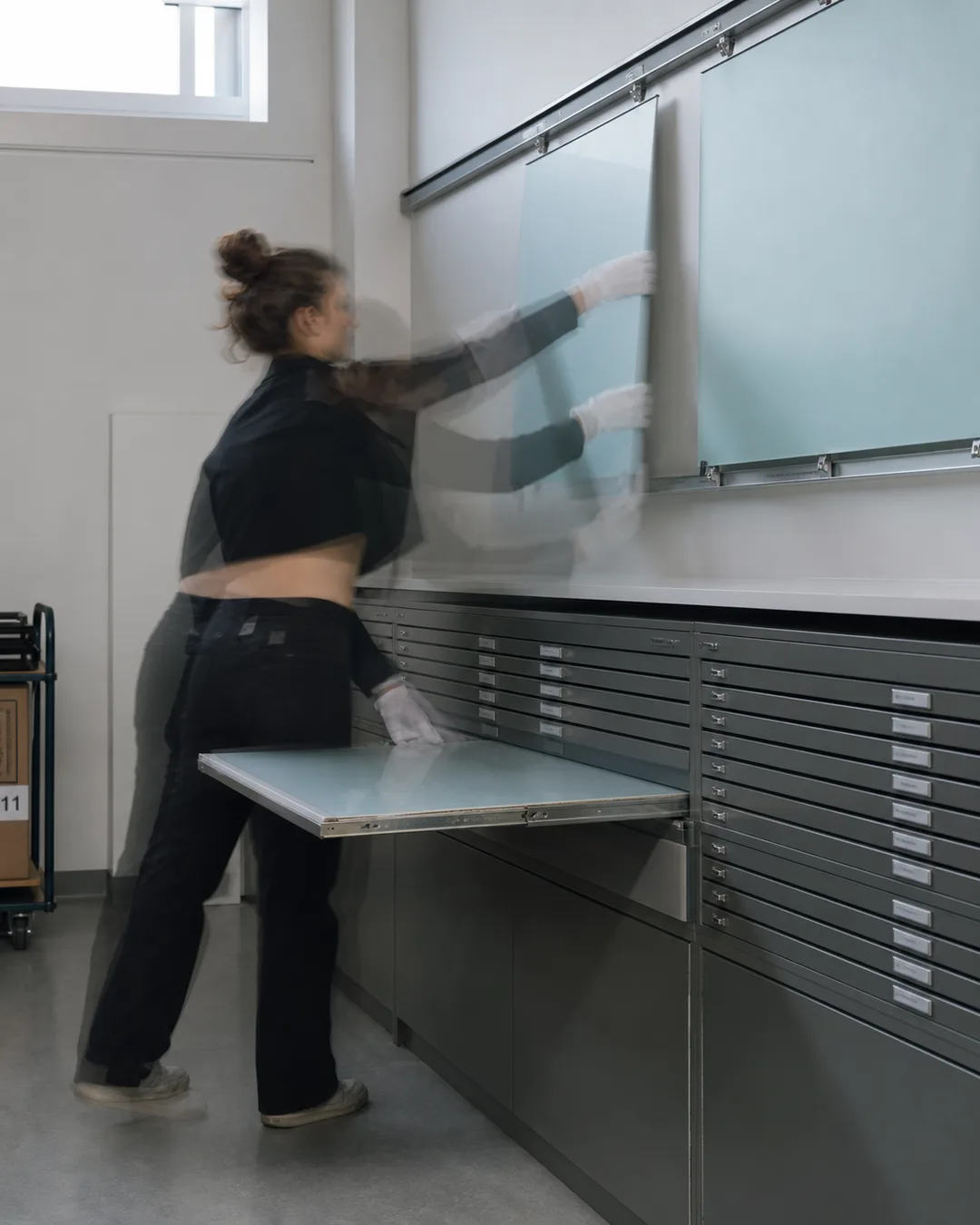
Periods Return With Interest
Rediscovery begins as a recalibration of ranking. A neglected artist enters visibility through archival access, estate management, curatorial interest, market scarcity, and critical pressure, and the delay itself becomes a source of value. Historical absence starts to function as reserve capital, waiting for the proper institutional instrument to activate it.
Scholarship converts latency into claim. A dissertation, catalogue essay, monograph, symposium, or exhibition checklist can reorganize the provenance of attention around a practice that once circulated at the edge of recognition. The forgotten career gains force through documentation that establishes continuity, and continuity becomes the grammar through which delayed importance becomes legible.
Fashion accelerates the return through repetition. A formal language, political position, material procedure, or biographical narrative aligns with present demand, and distribution systems begin to treat the historical work as newly contemporary. The past enters the feed as a solution to the present’s appetite, and the rediscovered artist becomes timely through the very delay that once held them outside the center.
Scarcity gives rediscovery its market tension. Limited inventory, estate control, fragile materials, dispersed archives, missing works, and contested attribution produce a field where rarity intensifies attention. The market reads scarcity as urgency, while institutions read urgency as a chance to correct the visible shape of history.
Institutional need completes the return. Museums require new genealogies, biennials require alternative lineages, collections require expanded narratives, and publics require evidence that history contains unspent futures. The rediscovered period returns with interest because the present needs the past to validate its own ethical and aesthetic realignments.
History behaves like a portfolio of deferred visibility. Some works accumulate silence as damage, others accumulate silence as speculative force, and the difference belongs to the systems capable of converting absence into authority. Rediscovery reveals the clock of culture as a mechanism of credit, and every return carries the signature of those who timed it.
Power Keeps the Clock
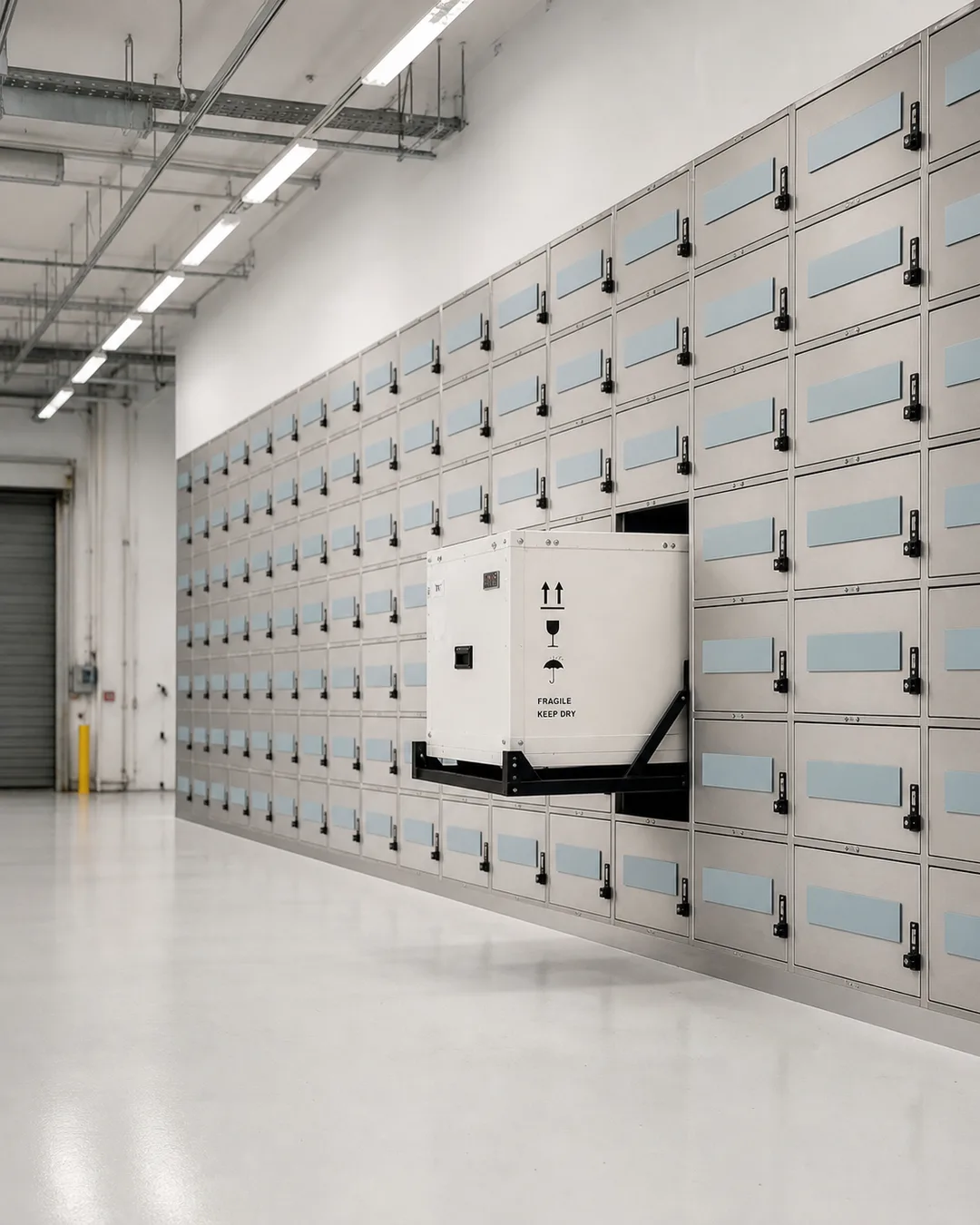
The institution synchronizes taste by controlling tempo. Acquisition cycles, exhibition calendars, loan agreements, conservation schedules, press releases, and educational programming determine when a work appears, how long it remains available, and which publics encounter it under sanctioned conditions. Validity emerges through coordinated timing, and timing gives authority the grace of inevitability.
The market allocates endurance through price. Sales records, guarantees, reserves, advisory language, collector competition, and indexable comparables create a financial protocol that transforms survival into expectation. A work becomes future-facing when capital agrees to wait with it, and that waiting acquires the rhetoric of conviction.
The platform governs the speed of recognition. Ranking systems, recommendation engines, image search, follower graphs, paid amplification, and engagement metrics decide which images recur with enough frequency to feel culturally present. Visibility becomes a managed climate, and the work that receives repeated weather begins to resemble a season.
Custody defines legitimacy through possession and access. Museums, estates, galleries, archives, collectors, foundations, and rights holders maintain the gates through which images pass into scholarship, reproduction, exhibition, and market circulation. Control over the object expands into control over the conditions of encounter, and encounter becomes the stage where power performs generosity.
Training bias gives the future a memory of past authority. Systems that learn from already circulated images reproduce the hierarchies embedded in catalogues, museum databases, press archives, and platform attention, allowing established visibility to harden into predictive relevance. The future returns what the archive has overfed, and innovation begins inside inherited distributions.
The clock belongs to those who can renew the present. Every masterpiece rents its future from authorities that lend time, route attention, stabilize memory, and price persistence. Art endures through the power that keeps it visible, and visibility remains the most refined form of command.