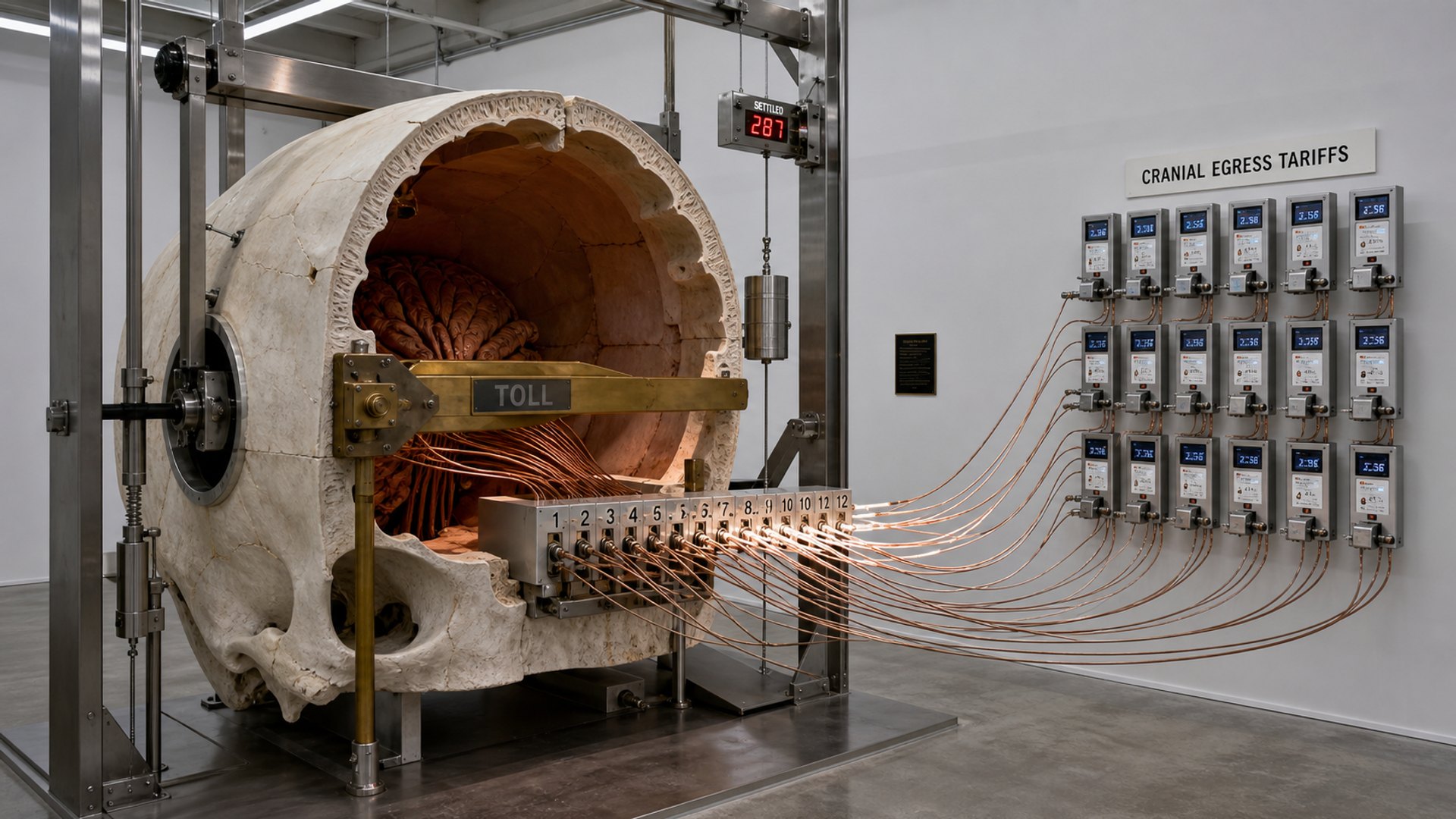


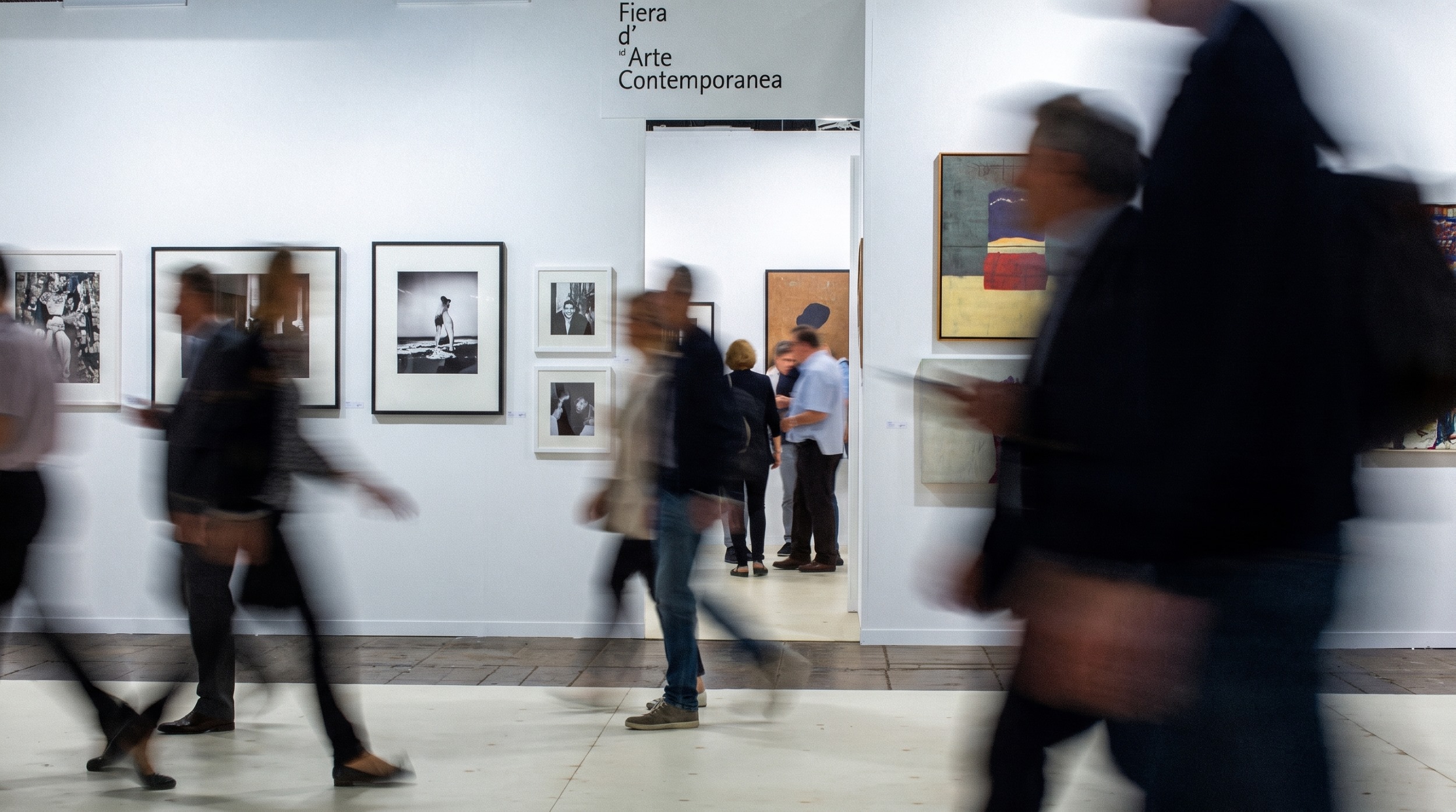
Today, all it takes is a walk through an art fair to see collectors everywhere. They are hardly a rare species. There are dozens of them even on Instagram: scroll for a few minutes and you will find feeds filled with artworks, exhibition snapshots, and carefully placed objects in beautifully arranged homes.
You see them at previews, dinners, and studio visits. They know the artists, photograph the works, follow the galleries. But are they all actually buying?
Increasingly, we suspect that many are not. This impression has only grown stronger after repeatedly hearing people across the art system point out the same thing: fairs today are increasingly places people go to look rather than to acquire.
In many cases, acquisition seems to be giving way to attention, possession to access, and the collection itself is beginning to migrate from the wall to the gaze.
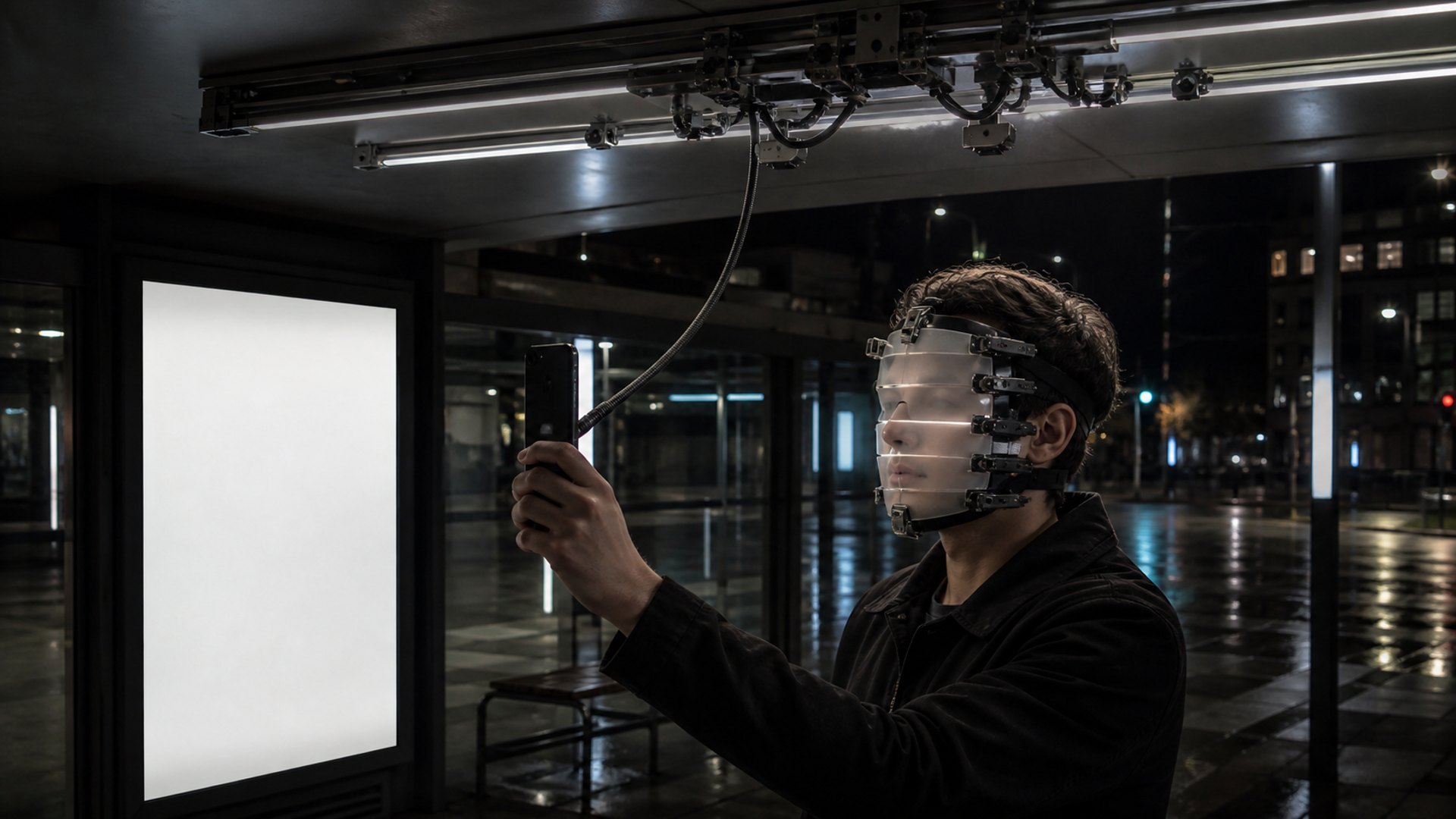
We find this shift both interesting and, in a way, amusing. After all, we have been looking for some time at the dynamics of the gaze and at the mechanisms that shape the act of seeing. The idea that collecting itself might now be drifting into that same territory feels less like a rupture than the logical continuation of something already underway.
1. The Art Fair Is Not Always Where the Purchase Happens
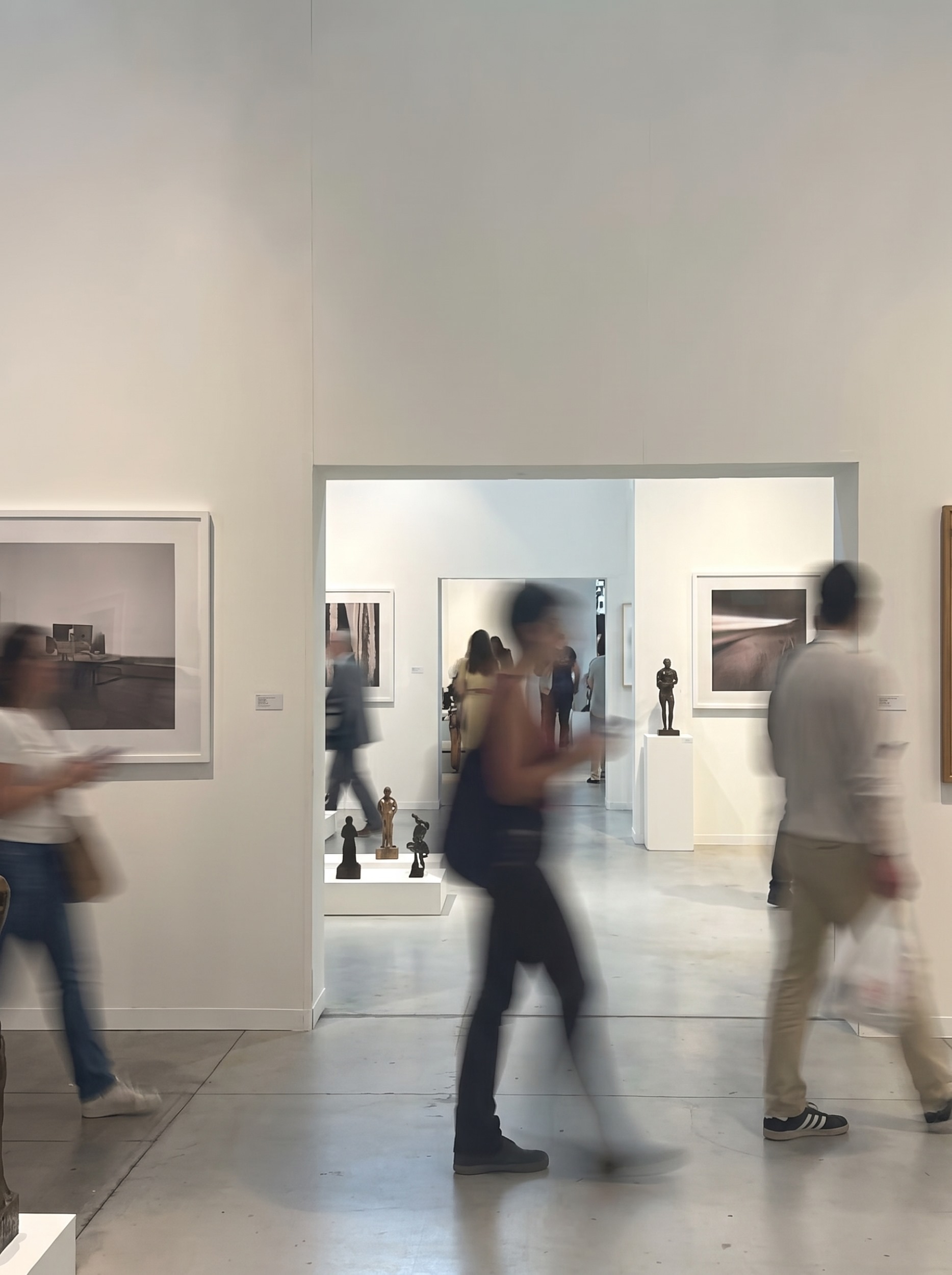
There is an obvious contradiction at the heart of contemporary art fairs. Everything is built around selling: galleries pay to participate, bring carefully selected works, invite collectors, and organize private previews. And yet, increasingly, the fair seems to function just as much as a place for observation.
This does not mean collectors have stopped buying. Works continue to sell, often very quickly, and for many galleries fairs remain crucial commercial moments. The point is different: looking and buying no longer necessarily happen in the same place, or at the same time.
A collector might encounter a work at a fair, photograph it, ask for information, discuss it with an advisor, follow the artist for months, and only make the purchase later. Or they might arrive at the fair having already received images, prices, and background information from the gallery, with the decision effectively made before seeing the work in person.
The fair, then, becomes only one stage in a much broader process.
Many of the dynamics that ultimately lead to a purchase have shifted beyond the spaces officially designed for selling. Conversations happen over dinner, during studio visits, on WhatsApp or Instagram, through private PDFs, or within an ongoing relationship with a gallery. A work may be discovered in one place, assessed in another, and purchased weeks or even months later.
This also helps explain why so many highly engaged collectors at fairs appear, at least in that moment, not to be buying anything.
They are observing, comparing, and gathering information. They notice which artists appear across multiple booths, which works are attracting attention, and which names are beginning to circulate more widely. They are trying to understand not only what they themselves respond to, but also how the broader system is reacting.
In this sense, the fair has also become a space for validation.
Buying requires a decision. Looking allows that decision to be deferred.
That distinction matters, especially in a market where an acquisition can involve a significant financial commitment, as well as shipping, insurance, storage, conservation and, more simply, the responsibility of integrating a work into a collection.
Looking does not demand the same level of commitment.
It allows collectors to remain close to the market without fully exposing themselves to the transaction. They can become familiar with an artist, build a relationship with a gallery, attend previews, dinners and studio visits, without necessarily making a purchase.
This is not a universal dynamic, nor does it describe every collector. There are still highly active buyers, and many fairs continue to generate substantial sales directly on site. But the pattern is common enough to have changed the way these events function.
The fair is no longer simply a temporary marketplace. It is also a space for relationships, information, and positioning.
And this is where the mechanism becomes particularly interesting.
The art system has developed an extraordinary number of forms of participation that precede, and in some cases even substitute for, acquisition: preview access, private dinners, studio visits, meetings with artists, online viewing rooms, invitation-only groups, and direct communication with galleries.
All of this allows collectors to feel remarkably close to a work without necessarily owning it.
Access, from this perspective, has become extremely efficient. It is possible to see almost everything, follow almost any artist, save images, observe a practice as it develops over time, and participate in the conversation without necessarily having the work hanging at home.
Ownership still matters, but it is no longer the only way to build a relationship with art.
This may be one reason why many collectors today seem to prefer looking before buying—or, in some cases, simply to keep looking.
Not because the desire to acquire has disappeared, but because looking itself can now provide part of what once came almost exclusively through ownership: information, access, recognition, participation, and familiarity with the work.
The transaction still exists.
It simply does not always happen where we expect to find it.
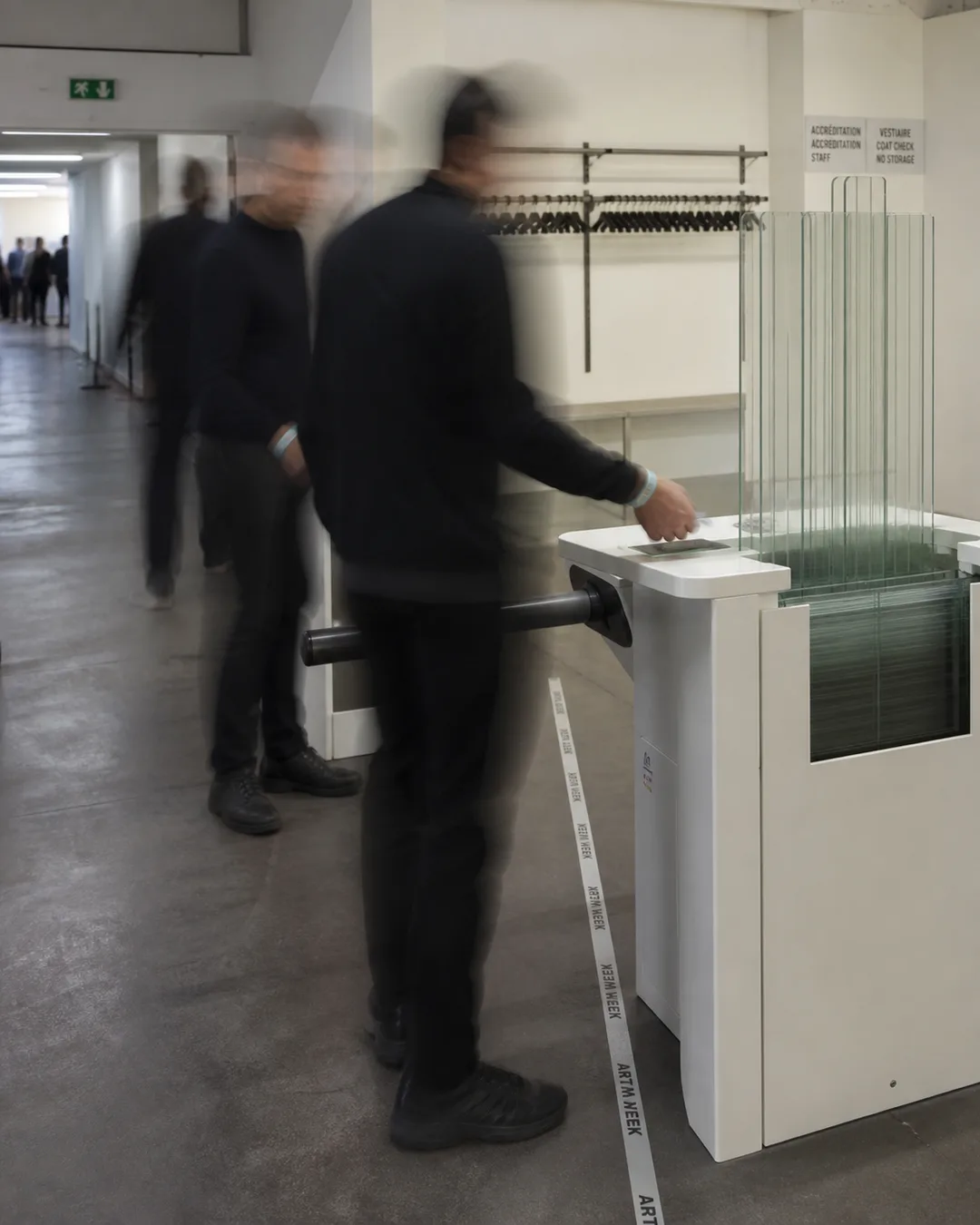
Is Looking Already a Form of Ownership?
If collectors can remain close to art without buying it, the next question becomes unavoidable: what do they gain simply by looking?
More than it might seem.
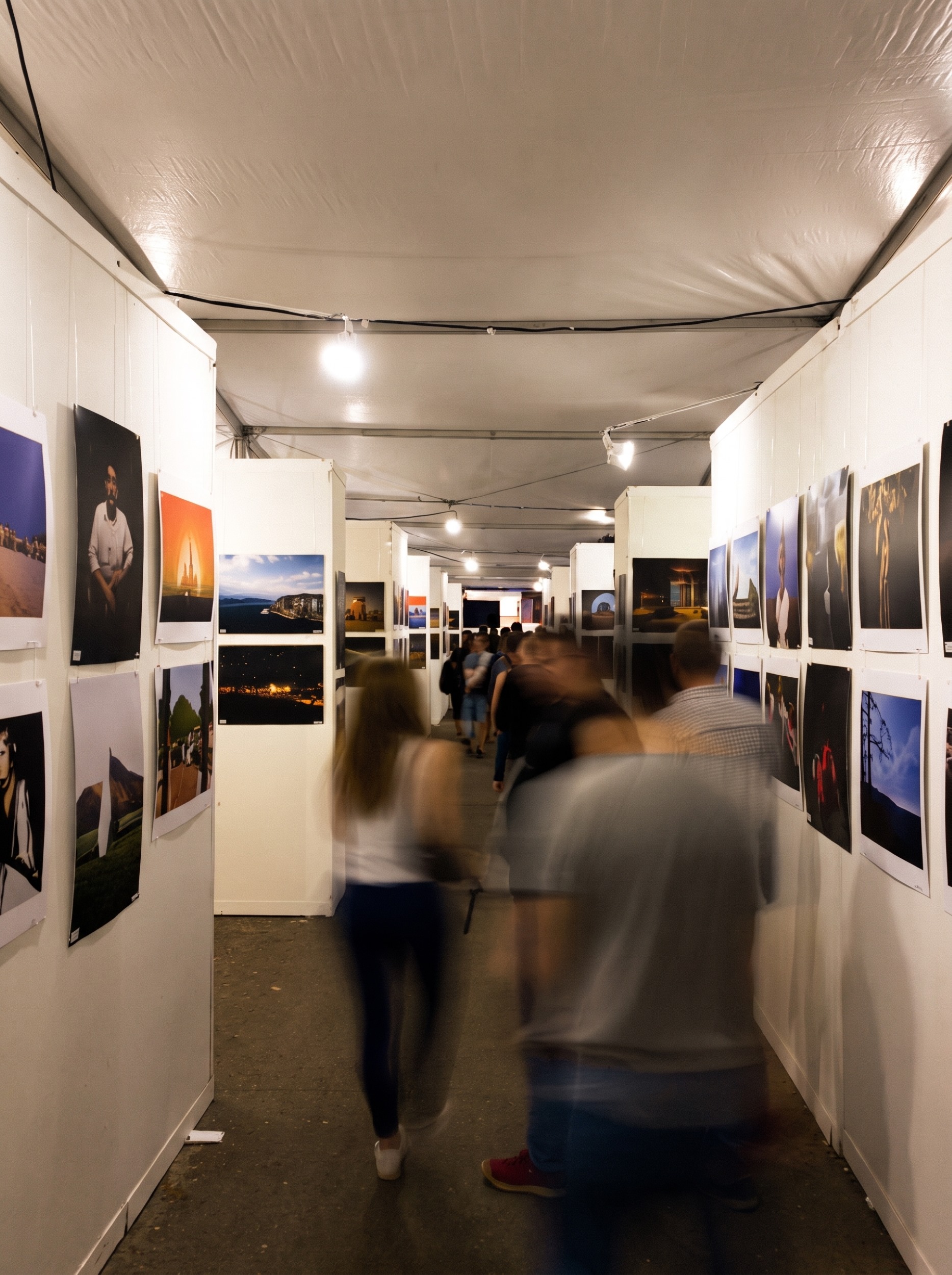
Seeing a work today rarely means encountering it only once. We see it at a fair, then on the gallery’s profile, on the artist’s feed, in photographs posted by other visitors, in a newsletter, or in an online viewing room. The same image may appear before us dozens of times before any economic relationship with the work exists.
Repetition creates familiarity.
A work we have seen many times begins to feel known. We recognize the artist immediately, remember where we first encountered the work, and associate it with an exhibition, a conversation, or a particular moment.
We do not own it, but it is no longer entirely foreign to us either.
This is, of course, very different from ownership in the traditional sense. Looking at a work does not mean controlling it, moving it, selling it, or preserving it. But at the level of experience, the distance between seeing and having has narrowed.
Digital culture has accelerated this process enormously.
In the past, seeing a work again often required owning it, visiting a collection, or returning to the place where it was exhibited. Today, an image remains on a phone. It can be saved, archived, shared, and retrieved within seconds.
We can build entire collections of images without owning any of the objects they represent.
It is telling that we already use a language very close to that of collecting: we save, archive, select, organize, follow.
The gesture of acquisition does not disappear. It is reproduced in a lighter form.
There is another element as well: attention is not neutral.
When a well-known collector spends a long time in front of a work, returns repeatedly to the same booth, photographs it, or speaks about it, that behavior can be noticed by gallerists, advisors, other collectors, and artists.
Looking itself becomes information.
This is especially evident at fairs, where people are observing not only the works, but also what everyone else is observing.
Which booth is crowded?
Where are collectors stopping?
Which artist keeps coming up over dinner?
Which work suddenly appears across multiple accounts on the same day?
Attention therefore contributes to the production of relevance.
It does not determine the value of a work on its own, but it participates in the process through which an artistic practice becomes visible, discussed, and desirable.
In this sense, the collector who looks is not entirely passive.
They produce signals.
Their attention can confirm an existing interest, amplify it, or attract further attention. And the more the art world depends on the circulation of images, the more weight these signals begin to carry.
This is where the distinction between viewer and collector starts to become less clear.
Traditionally, collectors distinguished themselves through what they owned. Today, they can also distinguish themselves through what they know, what they have seen, which artists they followed before everyone else, which exhibitions they attended, and which relationships they have access to.
Visual knowledge becomes a form of capital.
Having seen a great deal—and, above all, having seen it early—can generate recognition even in the absence of any acquisition.
This does not mean that looking is truly equivalent to owning.
It does mean, however, that some of the symbolic functions of ownership can now be obtained without buying.
Familiarity.
Access.
Recognition.
Memory.
Participation.
And, in some cases, status.
Perhaps this is precisely what makes looking such a powerful alternative to acquisition.
Buying requires a specific choice. Looking allows us to maintain relationships with hundreds of works at once.
A physical collection comes with very real limits: budget, space, coherence, conservation. A visual collection faces almost none of them.
It can expand indefinitely.
This also changes the way collectors construct their identities. Not only through what they decide to keep, but through everything they demonstrate that they know and recognize.
The risk, of course, is that this form of participation begins to become sufficient in itself.
If looking already provides access, information, familiarity, and recognition, then the next step—buying—may begin to feel less necessary.
Not for everyone, and not all the time.
But often enough to make a new kind of collector increasingly plausible: someone who continues to behave like a collector, continues to observe the market, develop taste, and build relationships, but directs a growing share of their activity toward attention rather than acquisition.
The collection, in this case, does not disappear.
It changes medium.
Part of it remains on the walls.
Another part begins to accumulate in memory, in screenshots, in saved posts, and, above all, in the growing number of works we have learned to recognize without ever having owned them.
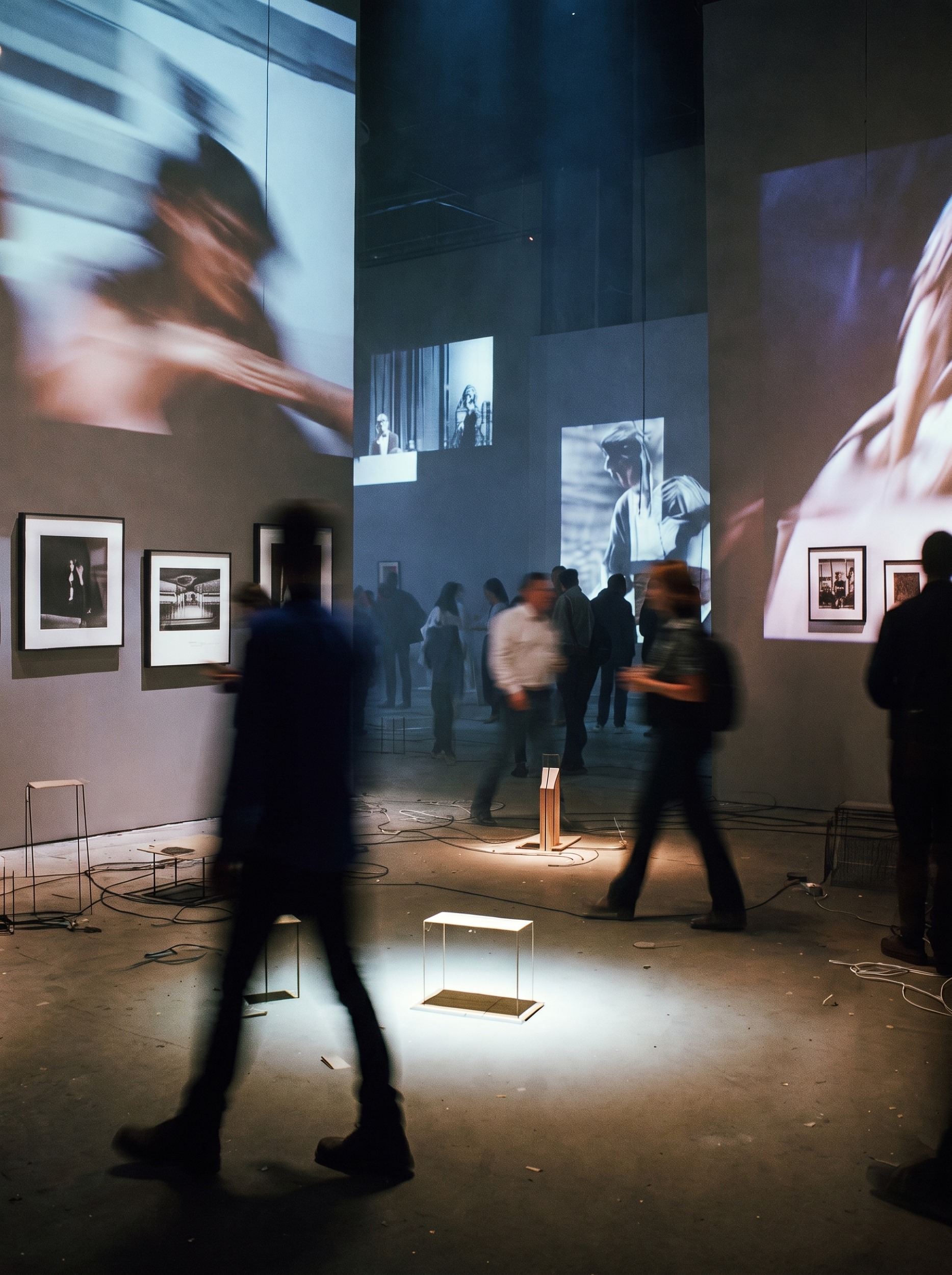
The Gaze as Possession
The gaze operates as a form of capture, a mechanism that converts the visual field into a proprietary relation through the simple act of sustained attention. The collector who looks at the work for an extended duration, who returns to it repeatedly, who studies it with the intensity that once was reserved for the moment of decision before purchase, performs an act of appropriation that is registered in the neural architecture of the viewer and, increasingly, in the algorithmic architecture of the platform that mediates the viewing. The gaze leaves a trace, and the trace is the title deed of a new form of ownership.
This symbolic appropriation operates through a logic that the market has learned to recognize and to price. The collector who has looked at a work with sufficient intensity, who has demonstrated through the duration and frequency of their attention a deep engagement with the object, acquires a form of cultural equity that can be converted into social capital, into invitations, into access, into the intangibles that constitute the real currency of the art world. The gaze as possession does not require the physical transfer of the object because it operates in a register where the object is secondary to the relation, where the viewing itself is the primary site of value creation.
Being Present in Contemporary Art Matters Almost as Much as Owning
In the contemporary art world, buying is no longer the only way to establish one’s presence. Being there matters too: at previews, dinners, studio visits, and in the moments when relationships and information circulate before the works themselves do.
Access has always been part of collecting, but today it seems to have taken on a more autonomous role.
Being invited, knowing artists personally, maintaining relationships with certain galleries, and moving consistently through the art world can create a recognizable position even without a corresponding frequency of acquisition.
Ownership, after all, can remain entirely private. Access is visible.
A collection may sit inside a home or in storage, while being present at a preview or private dinner immediately signals a relationship with the system.
This is also why events that might appear secondary to the sale itself have become so important. They are not simply social occasions, but spaces where relationships are consolidated, information is exchanged, and decisions are often prepared long before they are made elsewhere.
The art market, then, does not develop only through the circulation of works, but also through the circulation of people and relationships.
This does not mean that presence replaces acquisition, nor that those who are highly present necessarily buy less. It means, rather, that today a significant part of the collecting experience can take place before any transaction occurs: meeting the artist, following the development of their work, gaining access to the gallery, and participating in the conversations surrounding their growing visibility.
In some cases, this level of access may even reduce the urgency of ownership.
If the relationship with the work and with the context surrounding it is already continuous, buying becomes one possible outcome rather than the moment that defines the entire experience.
It is a subtle but significant shift.
Collectors no longer accumulate only objects. They also accumulate relationships, information, and forms of access.
And in a system where knowing earlier, seeing earlier, and gaining access earlier continue to carry value, this kind of capital can become almost as important as what one owns.
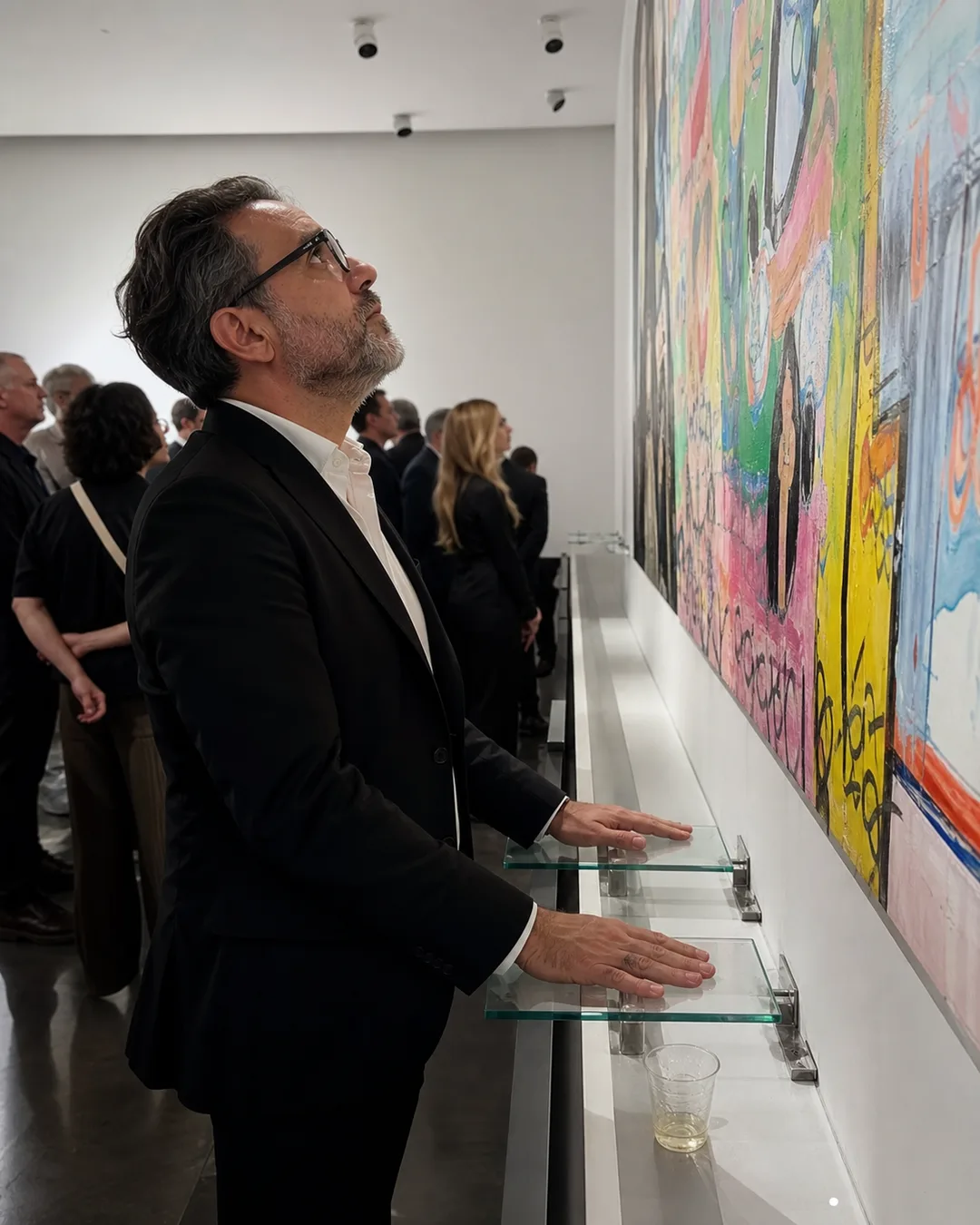
Attention as Currency
If collectors can participate in the art world without necessarily buying, their attention is not therefore without value. On the contrary, a growing part of the art market seems to be organized around the ability to attract attention, hold it, and make it visible.
A crowded fair, a booth that is constantly being photographed, or an artist appearing at the same time across the accounts of gallerists, advisors, and collectors all generate signals that the system registers quickly. These are not sales, but they help create perception, interest, and expectation.
Visibility does not determine the economic value of a work on its own, but it can help create the conditions in which that value is formed.
This is why galleries, fairs, and institutions today do not simply produce exhibitions. They also produce images, content, opportunities for sharing, and situations designed to continue circulating long after the physical visit has ended.
The work leaves the booth through photographs, stories, newsletters, and conversations, reaching far more people than could ever realistically buy it.
In this process, those who look also participate in the distribution of value. They photograph, save, share, comment, and mention artists to others.
There is no need to assign a direct commercial value to every gesture. The point is that, collectively, these behaviors generate attention, and attention can become reputation, demand, and eventually market value.
This produces a curious situation: the system depends on buyers, but it has also learned to benefit from those who do not buy.
A visitor may generate no transaction at all and still contribute to the visibility of a gallery or an artist.
For this reason, the distinction between audience and market has become increasingly blurred.
Those who look are not simply external to the transaction. They can contribute to the environment that makes the transaction possible.
And perhaps this is where the growing importance of looking becomes clearest.
In a system increasingly dependent on the circulation of attention, even the collector who stands in front of a work without buying it is producing something.
Not ownership, but relevance.

When Looking Is Enough
Perhaps the point is not that collectors have stopped buying. If anything, they can buy more selectively than before, using a wider and more efficient range of channels.
The point is that they can now postpone the moment of purchase for much longer.
They can look, follow, learn, visit, save, share, and gain access. On a scale that was previously much harder to sustain, they can build a relationship with an artist without owning a work, and establish a position within the art world without turning every interest into an acquisition.
This changes the weight of the purchase itself.
What was once the central gesture becomes one possibility among others: often important, sometimes decisive, but no longer necessary to create proximity.
And this is where the figure of the collector begins to become less stable.
If participation is increasingly defined by the ability to see, recognize, understand, and remain close to art, then the boundary between collector and spectator starts to thin.
The market will, of course, continue to depend on sales. Galleries cannot survive on attention alone, and artists do not build careers through visibility alone.
But culturally, the shift is already visible.
Some of the prestige once produced primarily through ownership can now be generated through access, knowledge, and presence.
The consequence is almost paradoxical.
The art world has built increasingly sophisticated tools to bring collectors closer to art. In doing so, it may also have made the final gesture in that relationship less necessary.
Buying has not disappeared.
It has simply lost its monopoly on closeness.
Perhaps this is why we see so many collectors looking at fairs.
They are not always waiting for the right work.
Sometimes, looking has already become enough.