

A phone rises before a painting, a meal, a police line, a face at dusk. The lens opens with the calm of infrastructure, and perception enters an account. Every glance carries a tariff: battery, bandwidth, storage, ranking, future retraining, legal exposure, reputational gain. The device receives the world as an asset class, and the image begins its administrative life before any viewer calls it memory.
The contemporary picture arrives with a balance sheet folded into its surface. Its luminosity carries the quiet labor of extraction: cobalt and wrists, server farms and moderation queues, compression standards and behavioral prediction. The image pays its operators through attention, data, proof, leverage, and repetition. What appears as visibility functions as a settlement system, distributing value among platforms, brands, institutions, police archives, collectors, and models trained on the residue of desire.
A picture now moves through protocols that measure its obedience. It gains force through circulation, through the capacity to solicit gestures, extend dwell time, generate likeness, trigger purchase, stabilize identity, and furnish evidence. The old drama of representation gives way to an operational theater in which images act upon bodies by entering the infrastructures that rank, price, and govern them. Vision becomes one phase in a longer transaction.
The question concerns command. The image commands because it has been formatted to travel, to attach, to verify, to summon, to score. Its economy begins inside the device and extends through feeds, archives, markets, courts, training sets, dashboards, and publics shaped by ranking. The picture survives as a contract between perception and rule, and every contract seeks performance.
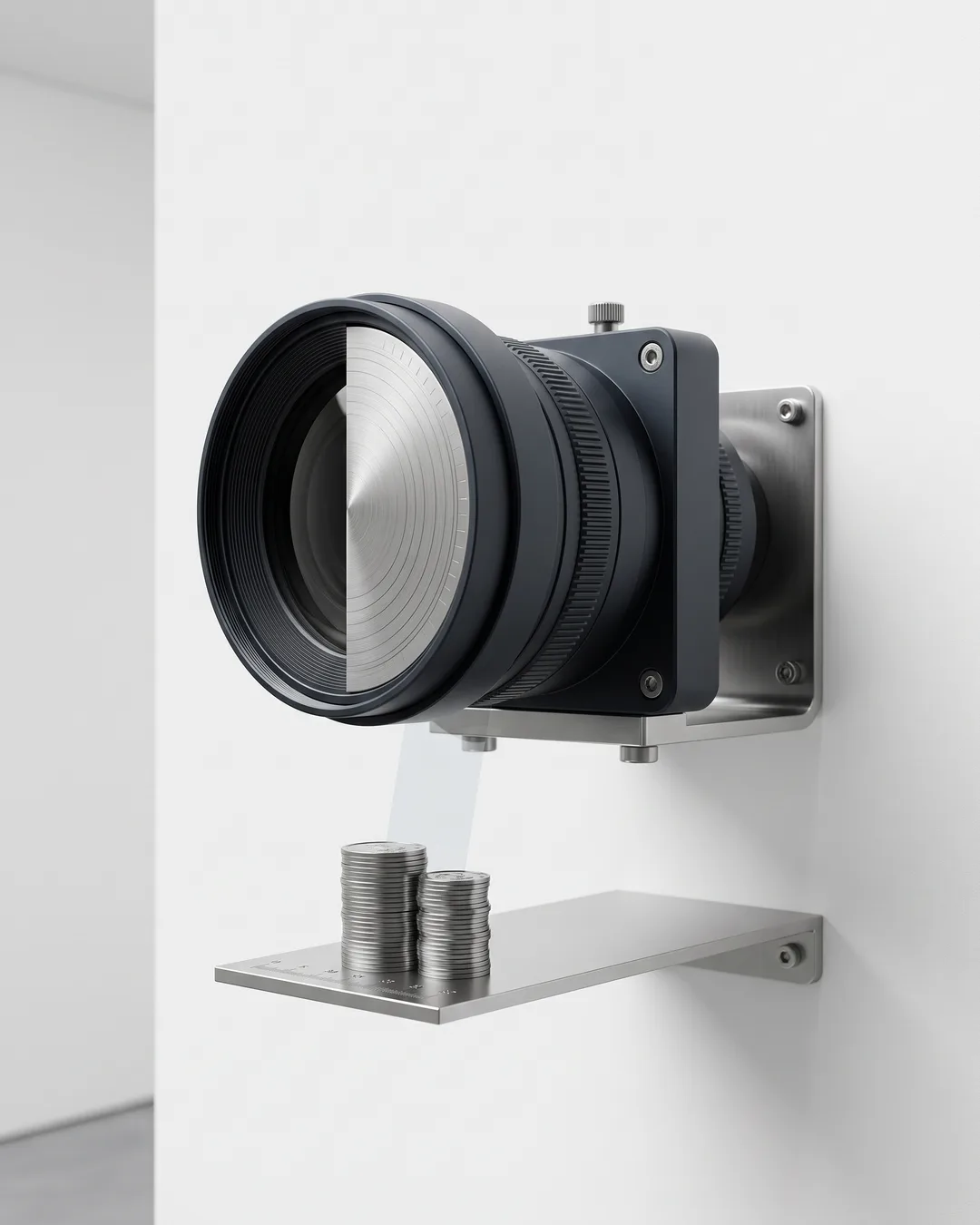
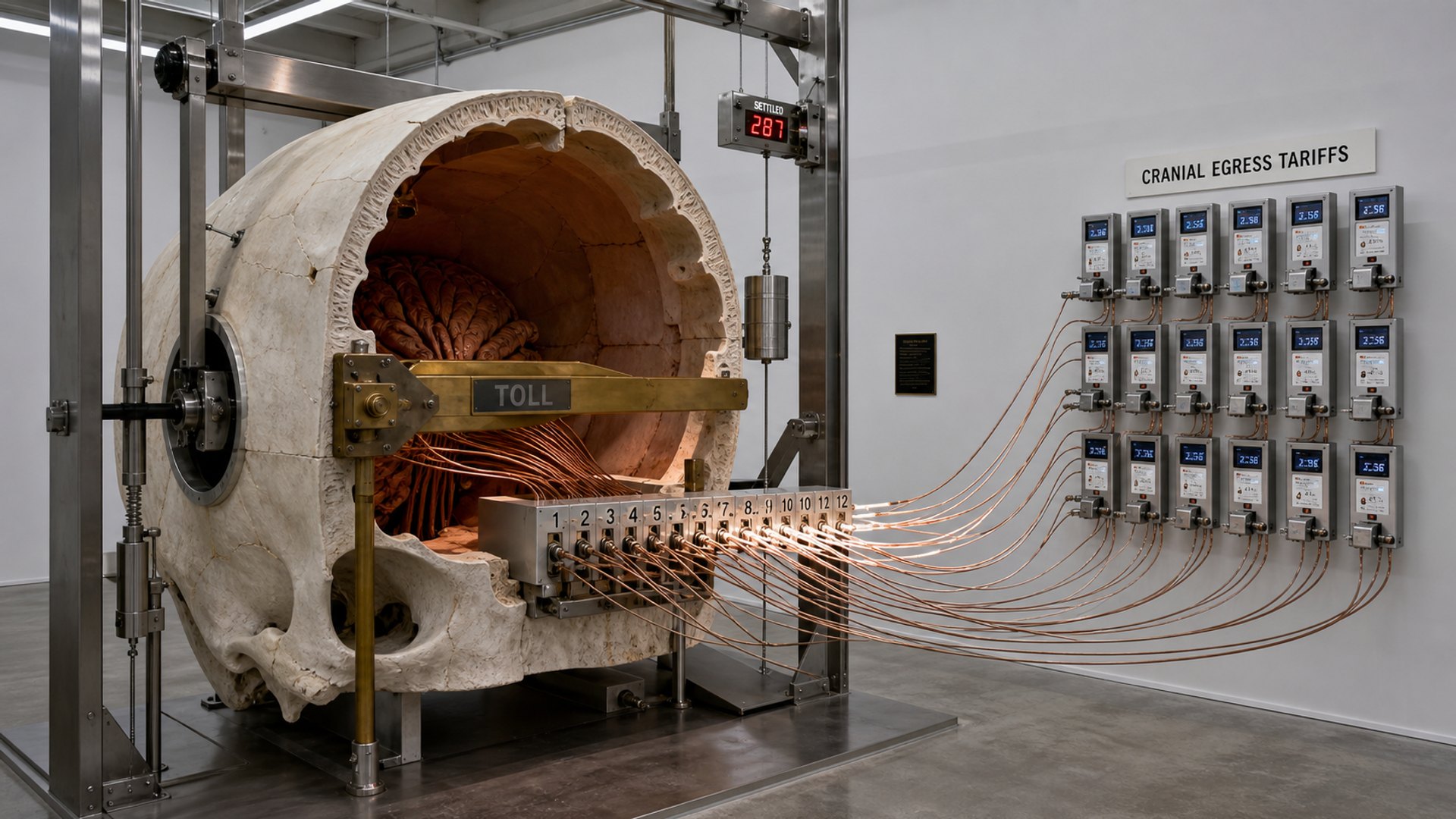
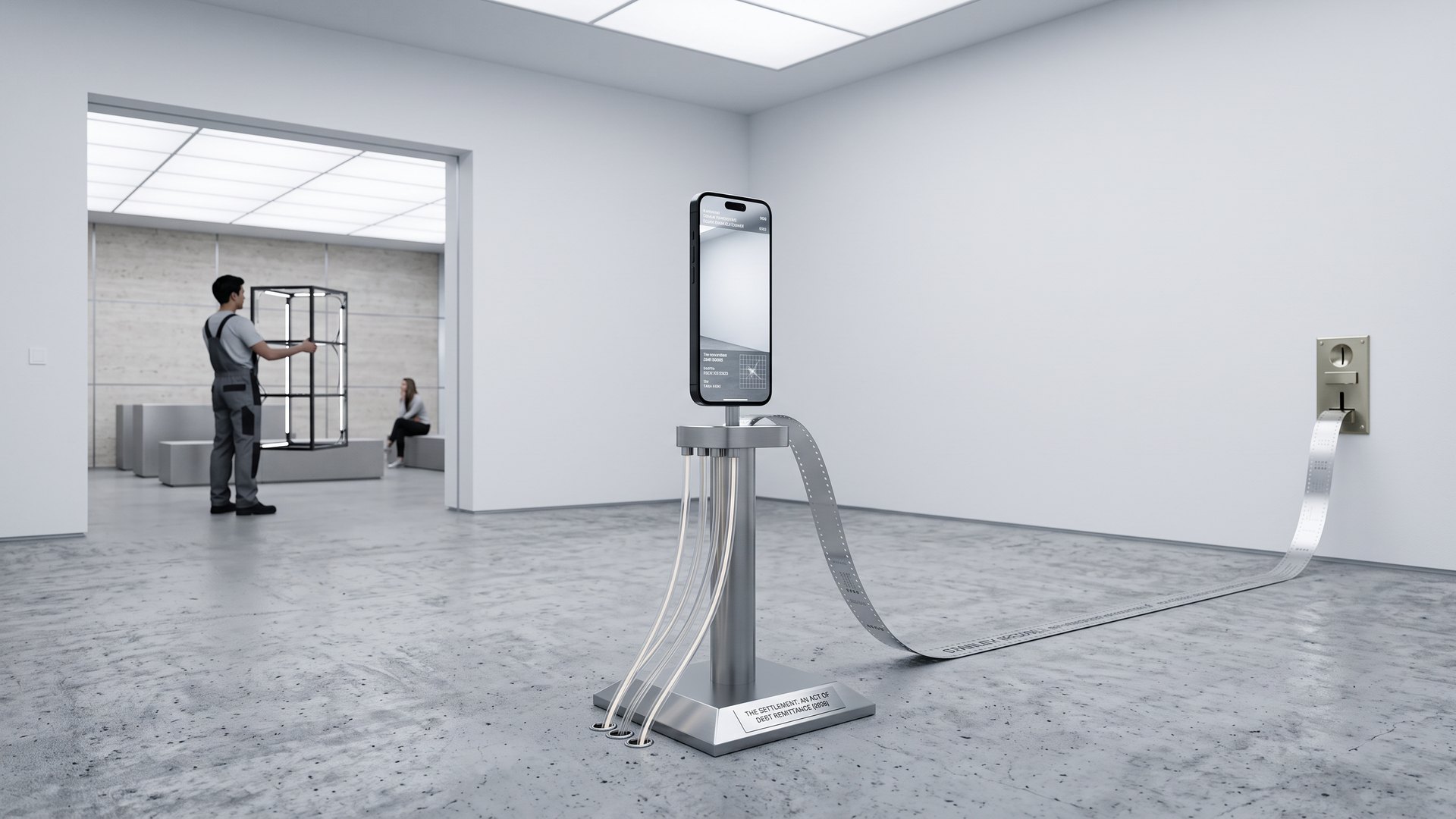
Lens with a Balance Sheet: The device converts perception into an account, assigning each glance a cost, a sponsor, and a future use.
The camera opens as an accounting mechanism. Before composition, the device establishes exposure, location, time, face, motion, and probable destination. The sensor performs a first act of valuation, sorting the scene into measurable intensities and attaching those intensities to metadata that can circulate across platforms, archives, and markets. Perception enters custody as a formatted event.
The lens has acquired a fiscal temperament. It frames the world through defaults designed for transmissibility, skin correction, object recognition, compression, and display compatibility. The image emerges from this chain as a payable unit, a small instrument of exchange whose surface carries hidden clauses. Each pixel belongs to an ecology of costs: energy spent in capture, storage rented in clouds, bandwidth purchased in distribution, model refinement harvested from interaction.
The device translates attention into future claims. A glance at a product, a face, a street, or an artwork becomes a probability stored for later activation. The sponsor may arrive after the capture, because valuation now operates through delayed recognition. The image enters a latent economy in which its worth depends on recombination: with location histories, purchase patterns, social graphs, risk scores, and aesthetic categories learned from prior circulation.
Custody begins at the shutter. The user receives the feeling of possession, while the protocol receives the operational image: duplicated, indexed, synced, optimized, and prepared for exposure to ranking systems. Ownership appears as interface intimacy, and control settles in the infrastructure that grants the file its mobility. The device grants authorship as a sensation and reserves administration as a function.
The balance sheet changes the ontology of the glance. Seeing becomes an investable act, and the camera becomes a broker between sensation and extractable behavior. The world enters the lens as experience and exits as an account with beneficiaries already waiting.

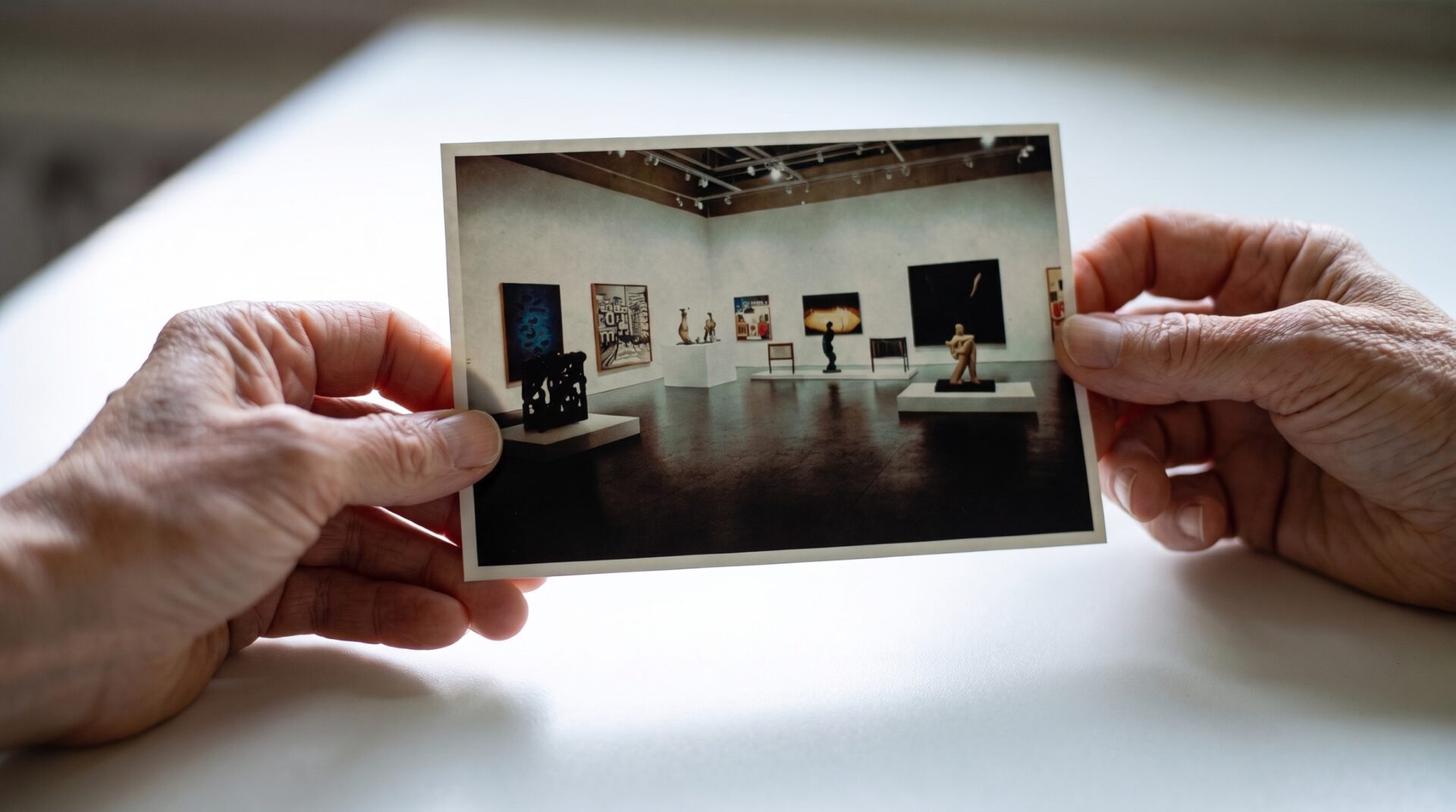
Pixels as Labor Time: The image condenses work performed by bodies, sensors, platforms, archives, and prediction systems.
The pixel stores labor in compressed form. Its brightness depends on mines, factories, logistics, optics, firmware, electricity, annotation, moderation, and the sediment of images already absorbed into training systems. The picture looks instant because labor has been distributed across supply chains and hidden in protocol. Its immediacy is an achievement of dispersed work.
Every image condenses human and machinic time. The hand that captures, the body that poses, the worker who labels, the moderator who absorbs damage, the engineer who tunes detection thresholds, and the server that maintains retrieval all converge in the visual file. The screen displays a surface, while the image carries an operational history of gestures and permissions. Aesthetic smoothness functions as the mask of logistical density.
Sensors perform work that bodies once recognized as judgment. Autofocus selects hierarchy, exposure balances value, face detection grants priority, stabilization disciplines motion, and enhancement normalizes the scene toward platform legibility. The image emerges from a collaboration between user intention and device governance. The labor of seeing is partitioned across firmware, cloud computation, and learned expectations of what a picture should deliver.
Archives contribute labor through repetition. Each uploaded image trains future recognitions by joining a reservoir of faces, styles, interiors, borders, wounds, commodities, and poses. Prediction systems treat the archive as unpaid rehearsal, extracting tendencies from accumulated visibility. The picture pays forward into the machines that will later classify, generate, police, advertise, and imitate.
The pixel becomes labor time when its circulation produces surplus. A photograph of leisure can refine a targeting model, a selfie can stabilize biometric extraction, an artwork can feed stylistic generation, a protest image can assist future surveillance. The image gathers work performed by others and sets that work back into motion. Its beauty becomes a wage paid upward through infrastructure.

The Screen Issues Orders: Visibility becomes instruction as the interface trains gestures, ranks desires, and organizes consent.
The interface converts visibility into choreography. The screen places the image inside a field of prompts, buttons, swipes, delays, loops, counters, captions, and purchase paths. Looking arrives with prescribed motor habits, and the viewer learns to respond through gestures that register as consent. Attention becomes touch, and touch becomes data.
Ranking gives desire a command structure. The feed places images before the eye according to predicted retention, advertiser value, social proximity, controversy, freshness, and behavioral debt. The image appears as an invitation, while its placement functions as instruction. The viewer encounters a world already sequenced by models that infer what should be wanted next.
The screen trains through microtemporal discipline. Autoplay reduces hesitation, notifications puncture duration, stories expire on schedule, recommendation panels extend momentum, and infinite scroll dissolves the edge of choice into a managed continuum. Interface time creates a viewer suited to extraction: responsive, measurable, restless, available. The image serves as bait and lesson at once.
Consent becomes organized through familiarity. The same gestures that enlarge, save, share, purchase, verify, and desire create a grammar of agreement. The interface turns repetition into governance by making obedience feel like fluency. The user acts freely inside a behavioral corridor furnished by design standards, platform incentives, and predictive adjustment.
The screen issues orders by giving pleasure a route. Its power lies in the conversion of aesthetic contact into procedural compliance. Visibility becomes instruction when the image tells the hand what to do and the hand answers in a language the system already prices.

Circulation Becomes Command: Distribution gives the image its force through repetition, priority, friction, and measurable obedience.
Distribution assigns force to the image. A picture gains power through the routes that carry it, the delays that shape its reception, the ranks that elevate it, and the metrics that certify its effect. Circulation turns appearance into command by linking visibility to behavioral proof. An image that moves well acquires authority.
Repetition establishes belief at the level of infrastructure. The same image, claim, pose, product, wound, or face returns across feeds until familiarity performs the work of verification. Distribution replaces singular encounter with patterned exposure. The image enters common sense through recurrence, and recurrence becomes a form of governance.
Priority structures perception before interpretation begins. Platforms decide which images arrive first, which remain buried, which receive friction, which acquire warning, which enter recommendation, and which become monetizable surfaces. This ordering produces the political life of the image. Visibility appears as popularity, while priority installs an architecture of preference.
Friction modulates obedience. A slow load, a warning screen, a payment wall, a moderation delay, a search penalty, or a compression loss changes the image’s command capacity. Distribution governs through small resistances and accelerated corridors. The image reaches the viewer already trained by the route it traveled.
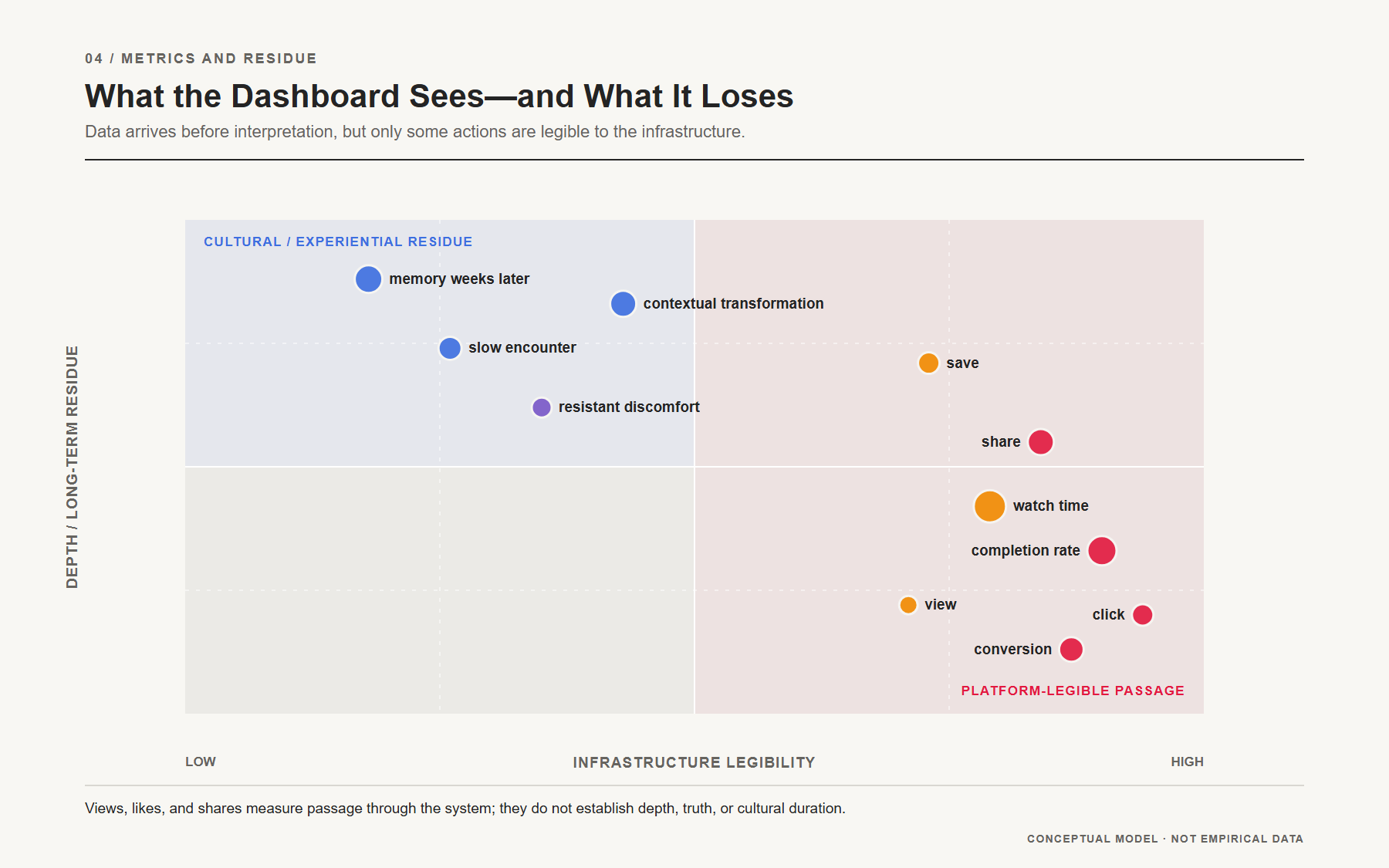
Measurable obedience completes circulation. Shares, saves, watch time, click through rates, comments, purchases, and imitation feed back into ranking systems that assign future movement. The image commands because its effects can be counted and redeployed. Distribution becomes sovereign when movement itself becomes the metric of right.
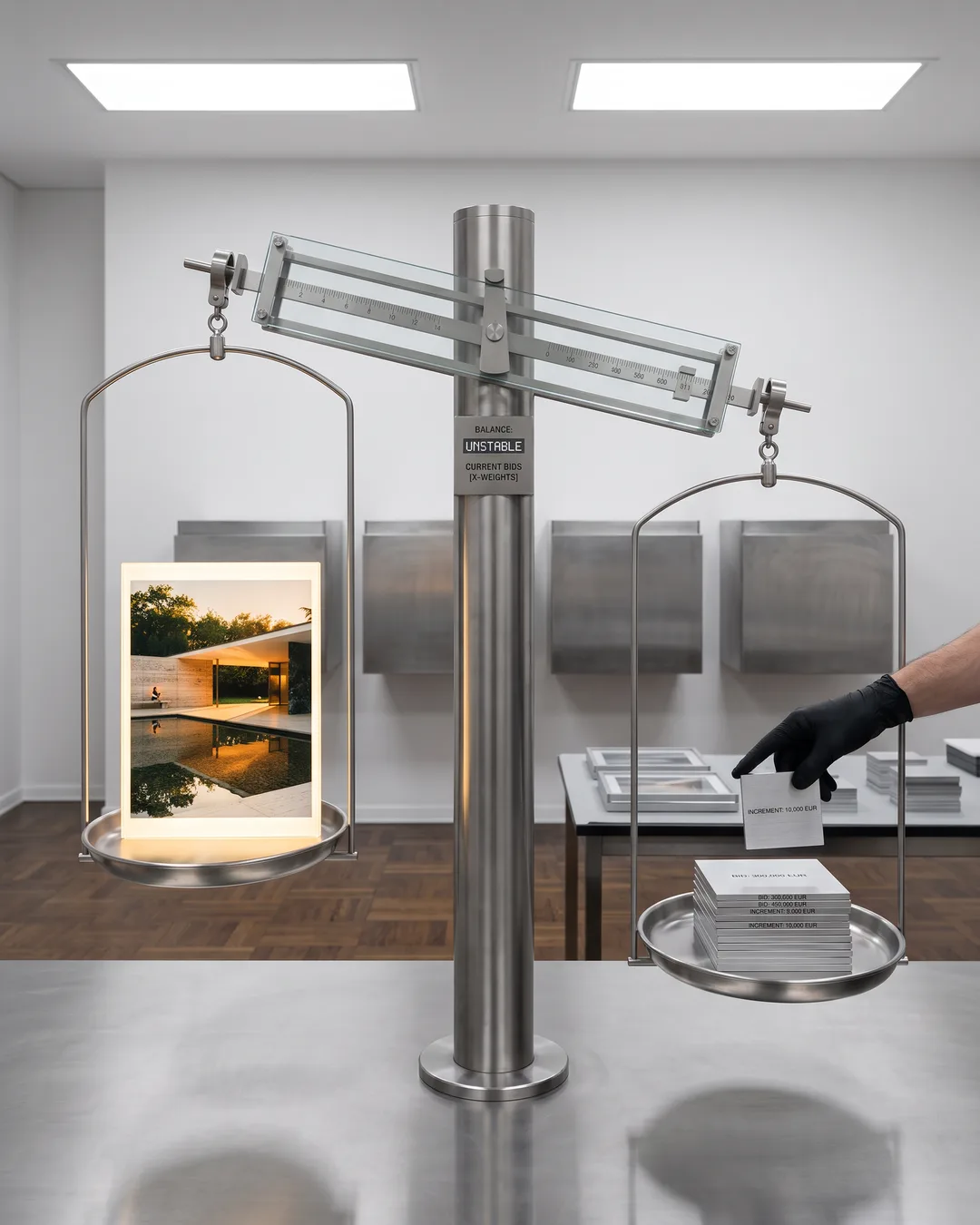
Desire Under Price Discovery: The market reads the viewer as a moving bid, and affect becomes a signal for allocation.
The market treats the viewer as a live bid. Every pause, hover, replay, enlargement, skip, purchase, and abandonment updates an auction in which attention becomes priced inventory. Desire enters price discovery through measurable affect. The image becomes the scene where valuation tests the body.
Affect supplies liquidity to visual culture. Pleasure, irritation, envy, fear, tenderness, shame, and aspiration circulate as signals that allocate advertisements, recommendations, credit offers, dating prospects, lifestyle scripts, and cultural status. The feed reads mood as market depth. The image becomes valuable when it can move feeling into a purchasable direction.
Price discovery reorganizes taste. Aesthetic preference appears personal, while ranking systems expose it to continuous bidding by sponsors, influencers, institutions, galleries, and automated campaigns. The viewer’s desire becomes an exchange rate between self image and market addressability. Style survives as a format for targeting.
The image participates in speculative valuation. A meme, face, artwork, sneaker, body type, interior, meal, skyline, or protest scene can rise in value through accelerated exposure and networked imitation. Market force adheres to visibility before use, and desire becomes an index of future monetization. The picture functions as both signal and collateral.
The viewer becomes legible as a moving price. The system values the person through probabilities of purchase, persuasion, retention, and affiliation. Desire under price discovery creates a subject who experiences preference as intimacy while the market reads it as allocation. The image pays because affect clears the auction.
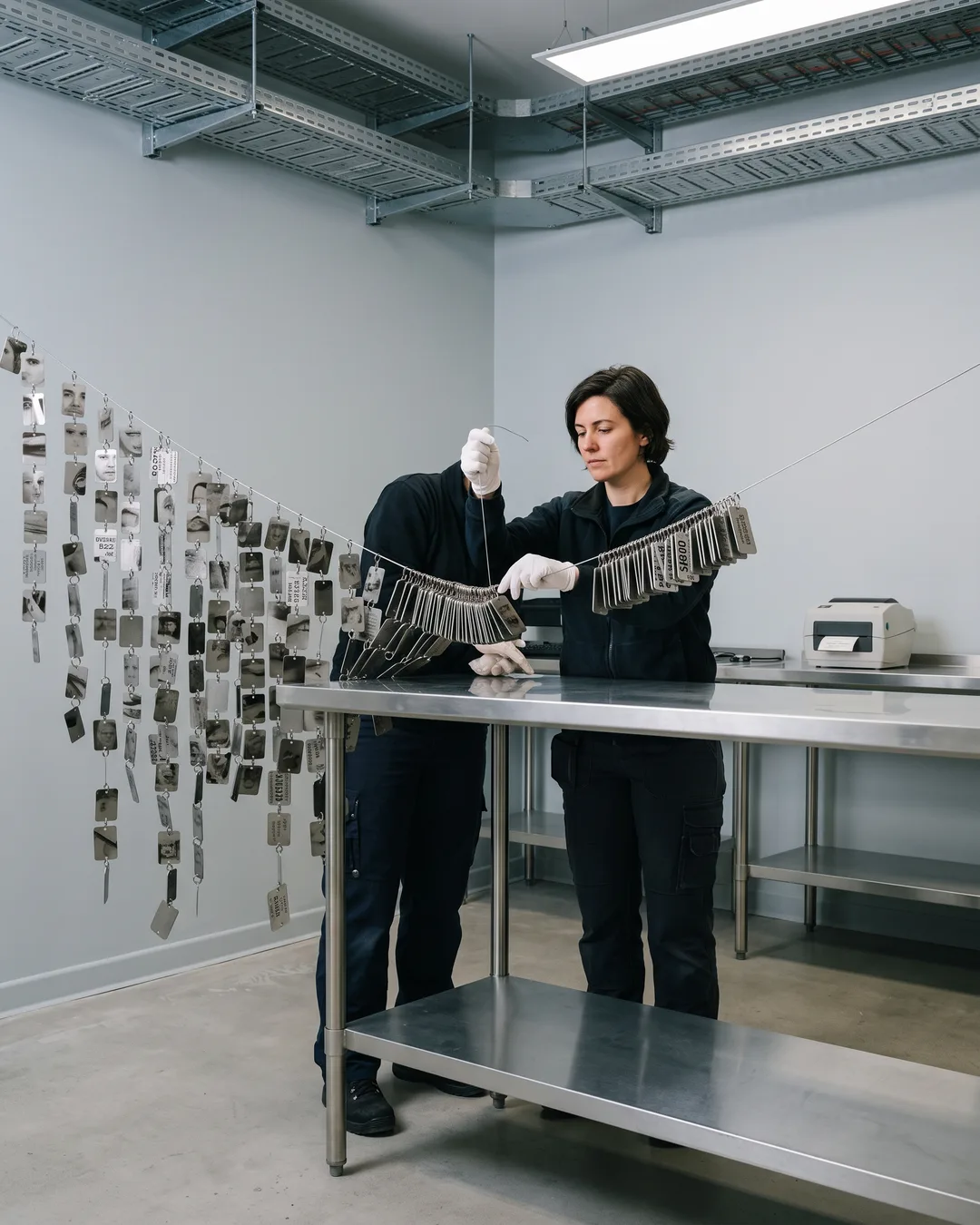
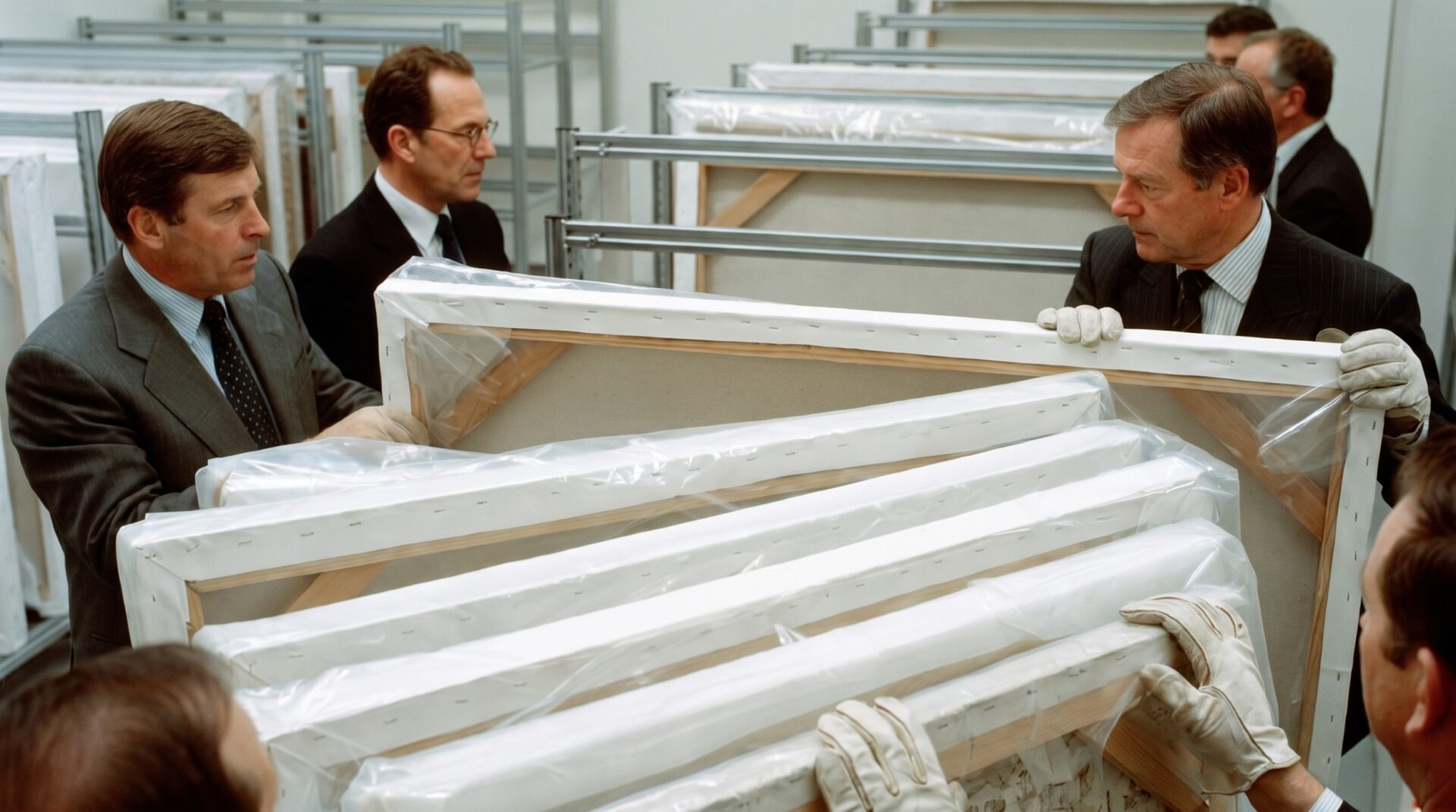
Data Finds Its Sovereign: Power gathers around the capacity to join images, identities, places, and probabilities into actionable knowledge.
Data becomes sovereign when it can join. An image gains administrative force through linkage: face to name, object to owner, street to jurisdiction, gesture to risk, interior to income, crowd to mood, style to segment. Power gathers in the capacity to connect visual fragments across databases and convert them into action. The image becomes evidence because it becomes relational.
Provenance acquires strategic value. The question of where an image came from, who handled it, which device captured it, which platform hosted it, which model altered it, and which archive retained it determines its authority. Custody transforms visual matter into an instrument of trust, suspicion, profit, and enforcement. The image carries its chain as a politics of admissibility.
Latent space extends sovereignty beyond the visible. Systems trained on vast image collections learn proximities among bodies, landscapes, products, gestures, and styles that exceed human taxonomy. These proximities become operational when they guide search, generation, policing, hiring, credit, border control, and cultural recommendation. The image yields knowledge through patterns that remain embedded in computation.
Training bias shapes the sovereign’s sight. The categories that become abundant, the bodies that become overexposed, the contexts that become underrepresented, and the labels that become habitual produce uneven recognition. Prediction inherits the archive’s priorities and returns them as technical clarity. The image serves power through the grammar it has been taught.
Actionable knowledge completes the chain. A dashboard converts images into risk scores, heat maps, shopper segments, suspect lists, authenticity reports, trend forecasts, and cultural analytics. Seeing becomes command when the visual field is joined to authority capable of acting. Data finds its sovereign in the institution that can make a picture operational.
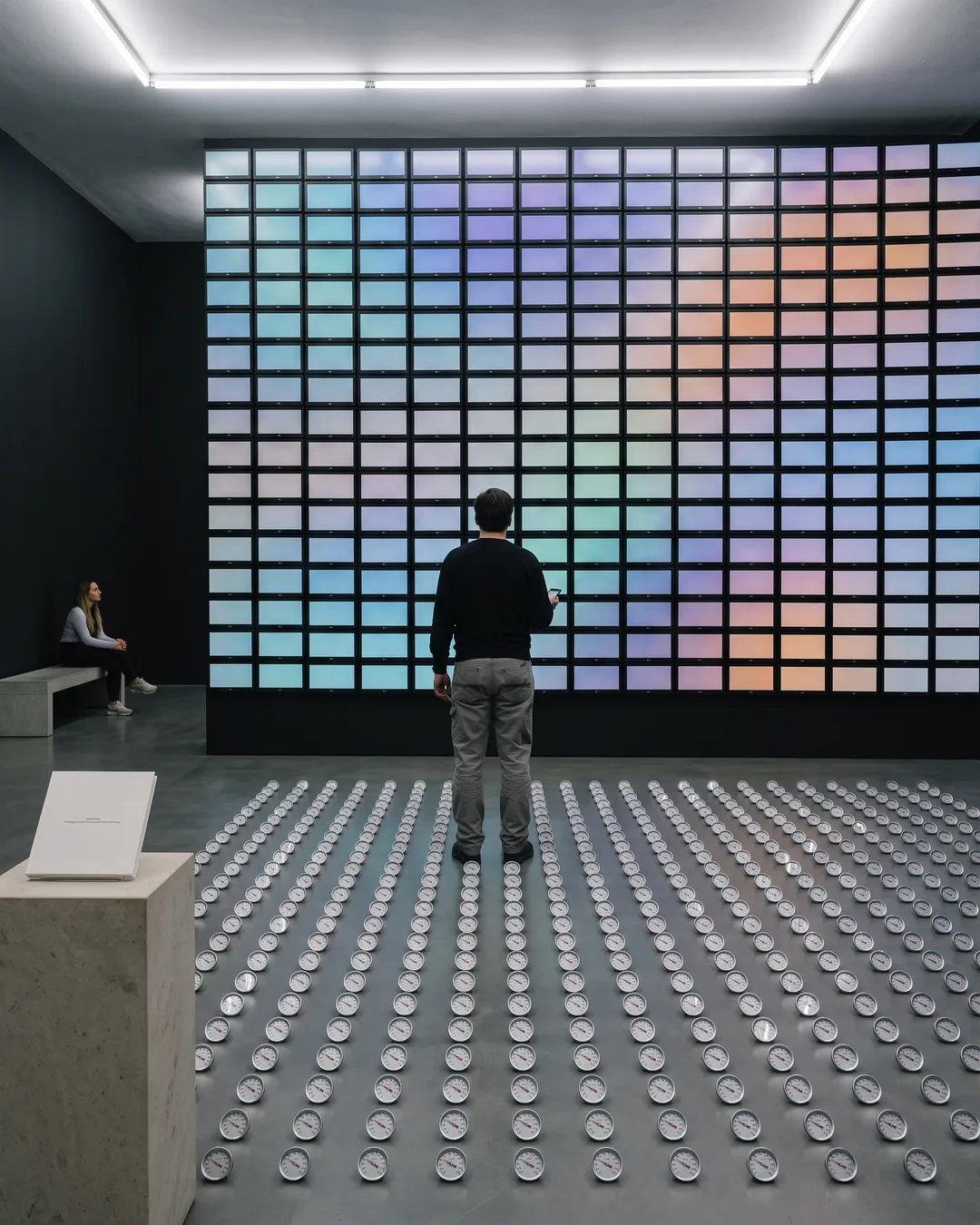
The Public Becomes Programmable: Collective life takes shape through feeds that sort urgency, amplify moods, and produce common sense at scale.
The feed programs collectivity by sorting urgency. Images of catastrophe, celebration, scandal, intimacy, commodity, and violence enter public life according to ranking systems that weigh velocity, engagement, monetization, and predicted response. The public assembles through sequences chosen for activation. Common attention becomes an output of distribution.
Mood amplification gives the public its tempo. Platforms privilege images capable of sustaining reaction, and reaction becomes the rhythm of shared time. Anger stretches, grief loops, desire refreshes, ridicule spreads, solidarity performs, and dread becomes ambient. The feed produces atmosphere through measurable contagion.
Common sense forms through ranked repetition. What appears obvious acquires that quality through exposure patterns, search suggestions, trending panels, influencer chains, repost cycles, and algorithmic adjacency. The public learns what matters by encountering images already weighted as mattering. Visibility becomes pedagogy at scale.
Programmability reaches institutions through feedback. Newsrooms, museums, brands, parties, schools, courts, and activists adapt to the feed’s metrics, shaping images for circulation before release. Public speech is preformatted by anticipated ranking. The image addresses the platform as much as the citizen, because institutional visibility now depends on operational compatibility.
The collective becomes governable through affective sequencing. A public organized by feeds receives events as modulated intensities, each calibrated for engagement and converted into behavioral traces. Politics enters the interface as a succession of images seeking measurable obedience. The public becomes programmable when attention supplies the infrastructure of rule.
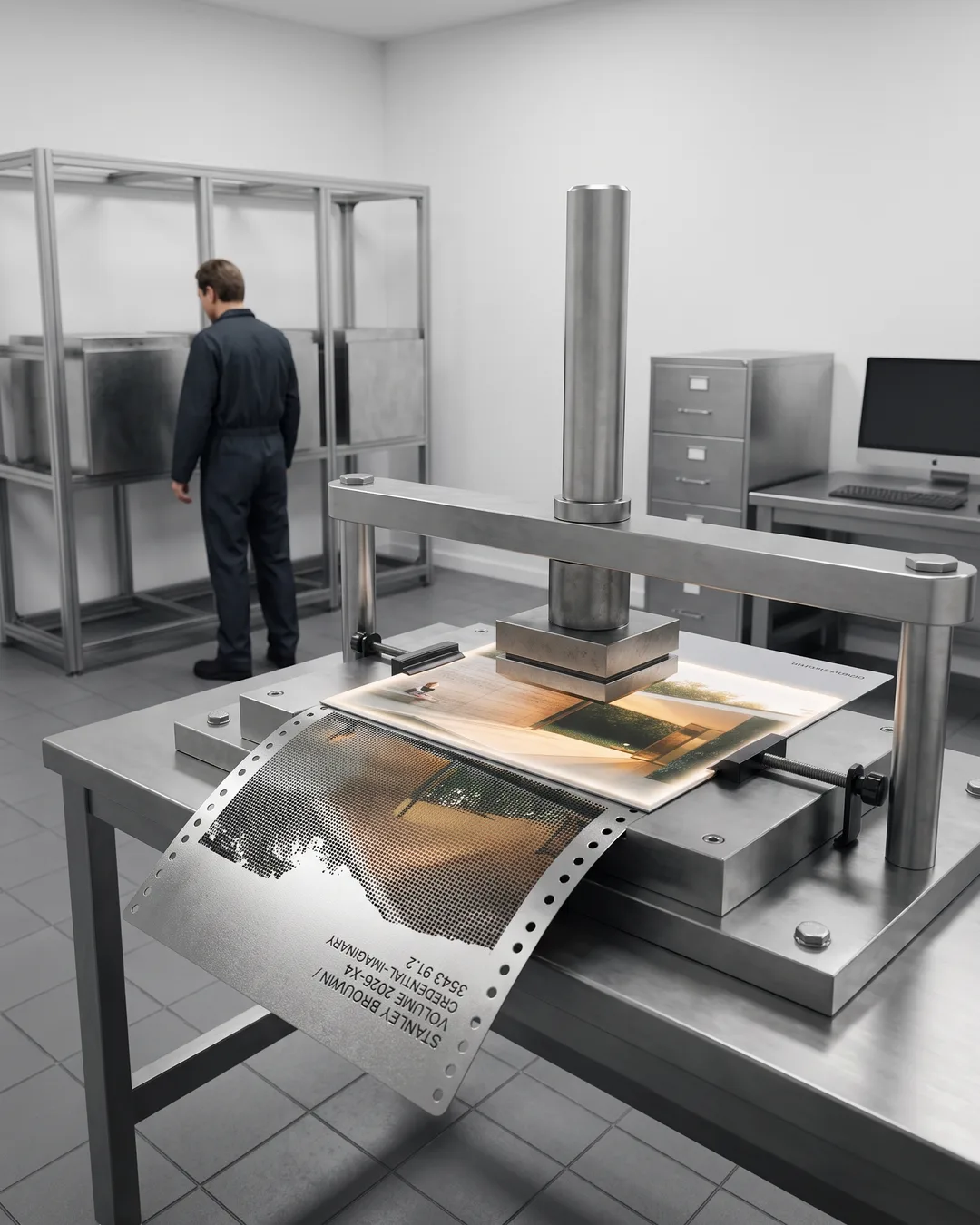
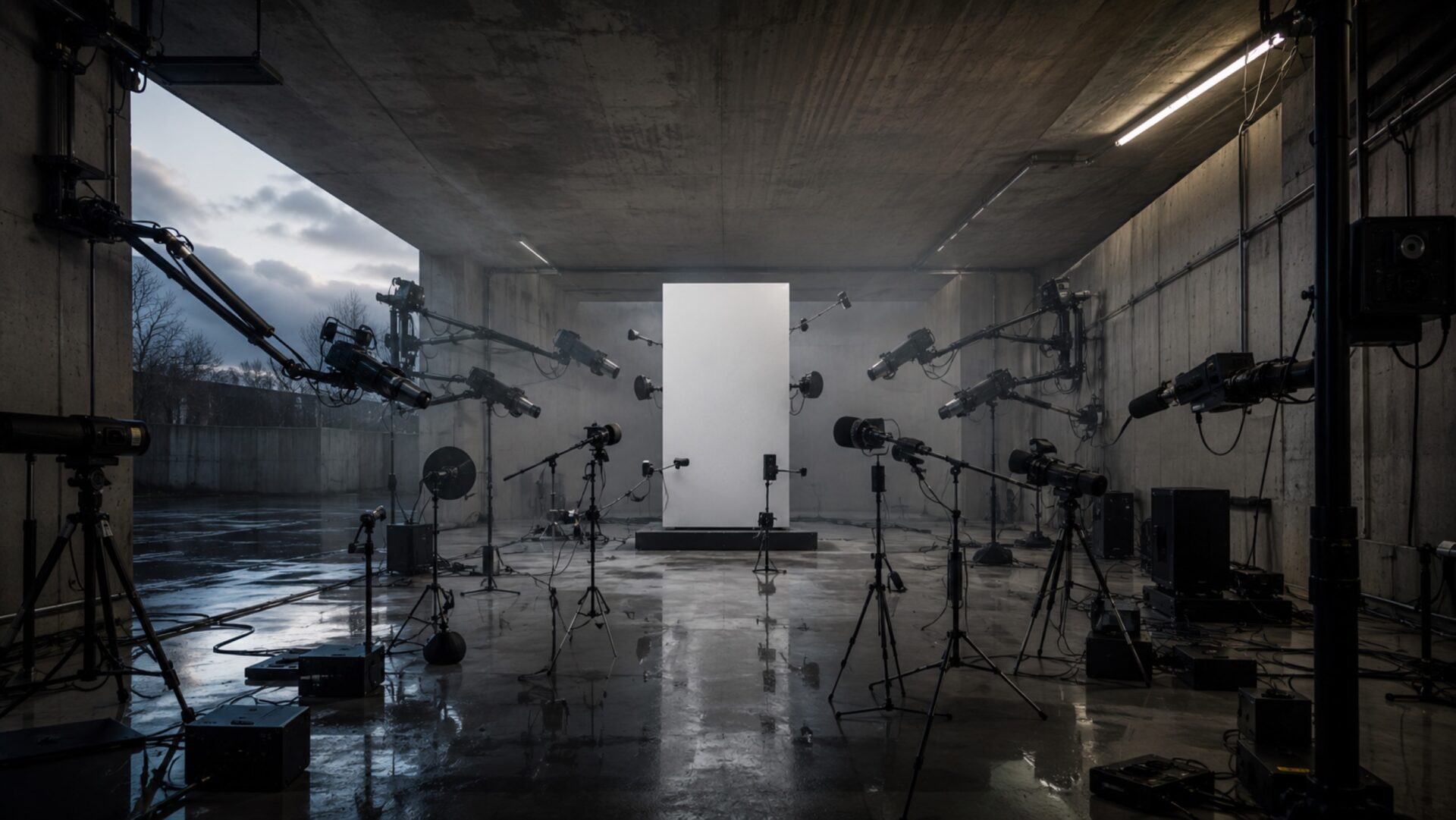
After Vision, Administration: The essay ends where seeing becomes governance and the image performs as a contract between device, economy, and rule.
Administration begins where the image enters procedure. A photograph becomes a ticket, a claim, a warning, a proof of delivery, a biometric key, an insurance file, a border record, a training sample, a police lead, a compliance artifact. Seeing becomes governance through the attachment of visual evidence to protocols capable of consequence. The image performs when institutions can act through it.
The device supplies the first signature. Time stamps, geolocation, sensor data, compression traces, cloud sync, and account identity attach the image to a chain of verifiability. The viewer encounters a picture, while the system encounters a document prepared for administrative life. Perception becomes admissible through metadata.
Economy supplies the second signature. The image enters valuation through auctions, licenses, subscriptions, ads, tokenized claims, analytic reports, sponsorships, and predictive services. Its worth depends on how effectively it binds attention to allocation. The picture pays operators by turning visibility into a managed flow of future revenue.
Rule supplies the final signature. Courts, platforms, states, employers, schools, insurers, and border regimes accept images as inputs for decisions that organize movement, access, credibility, punishment, and belonging. The visual becomes contractual when it binds bodies to outcomes. The image speaks in the language of permission.
After vision comes administration, because the image has learned to govern through the systems that carry it. It remains beautiful, seductive, intimate, volatile, and evidentiary at once. The paradox holds: the picture opens a world and closes a procedure. The image pays its operators, and the viewer signs by looking.