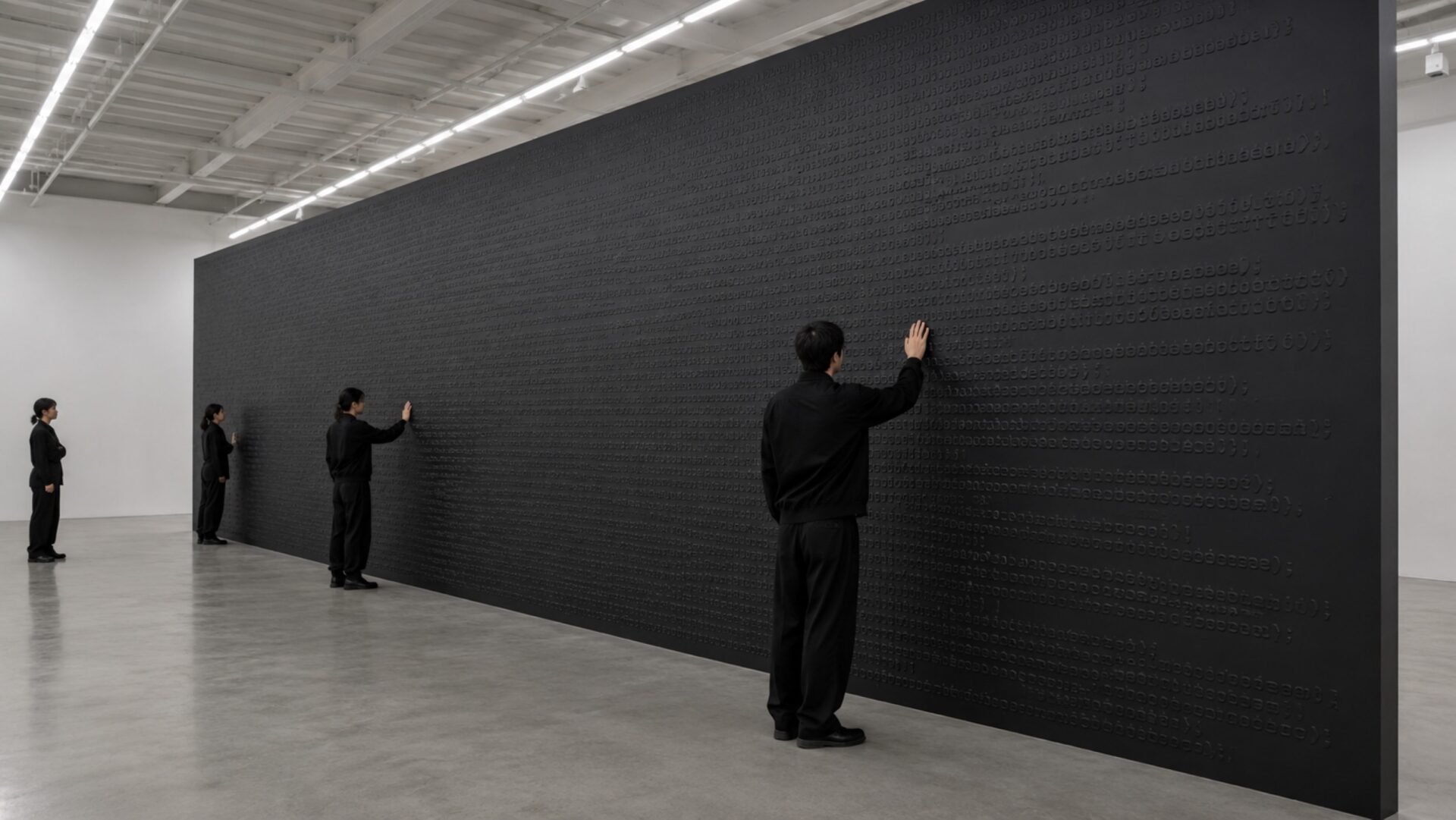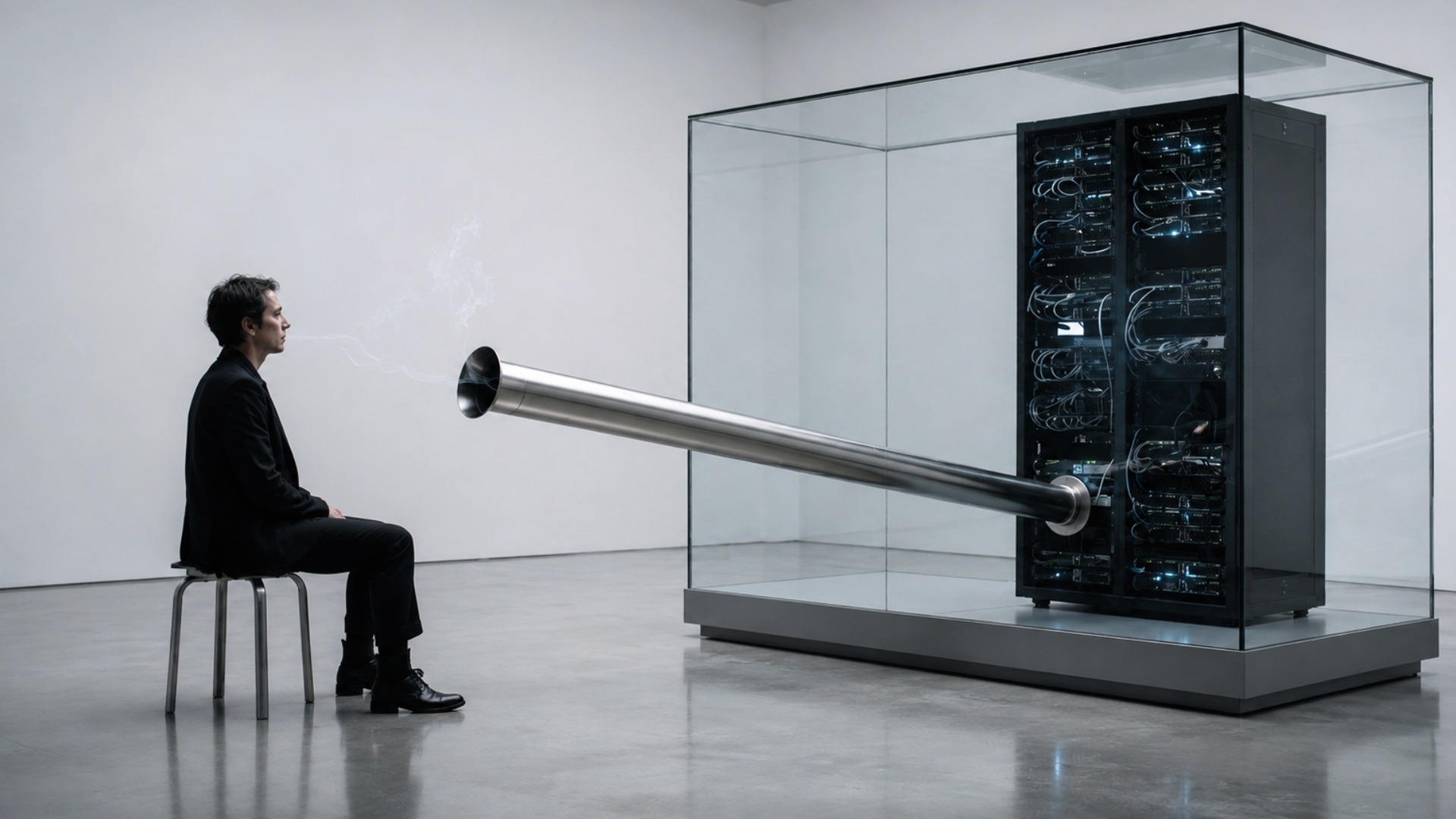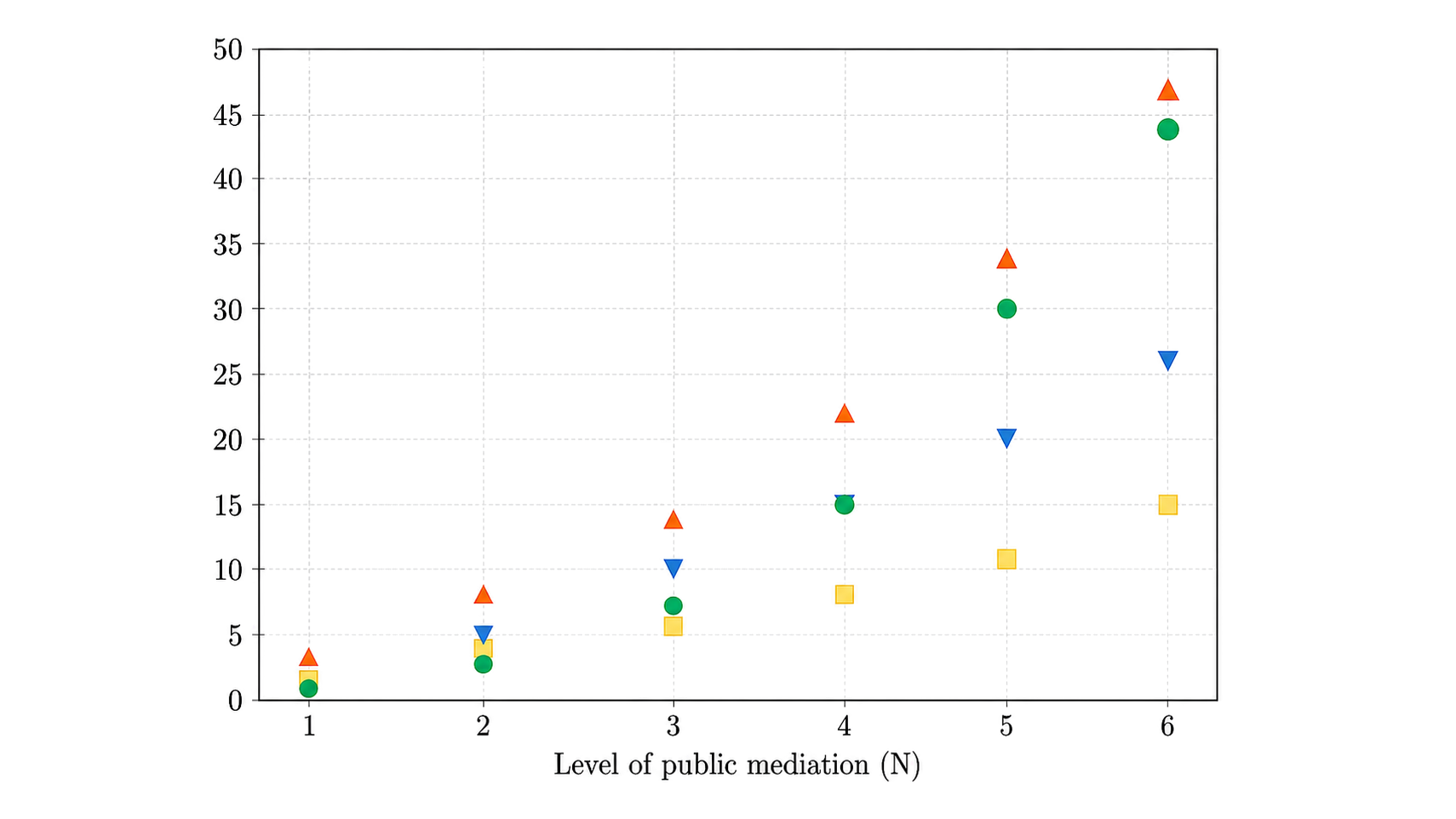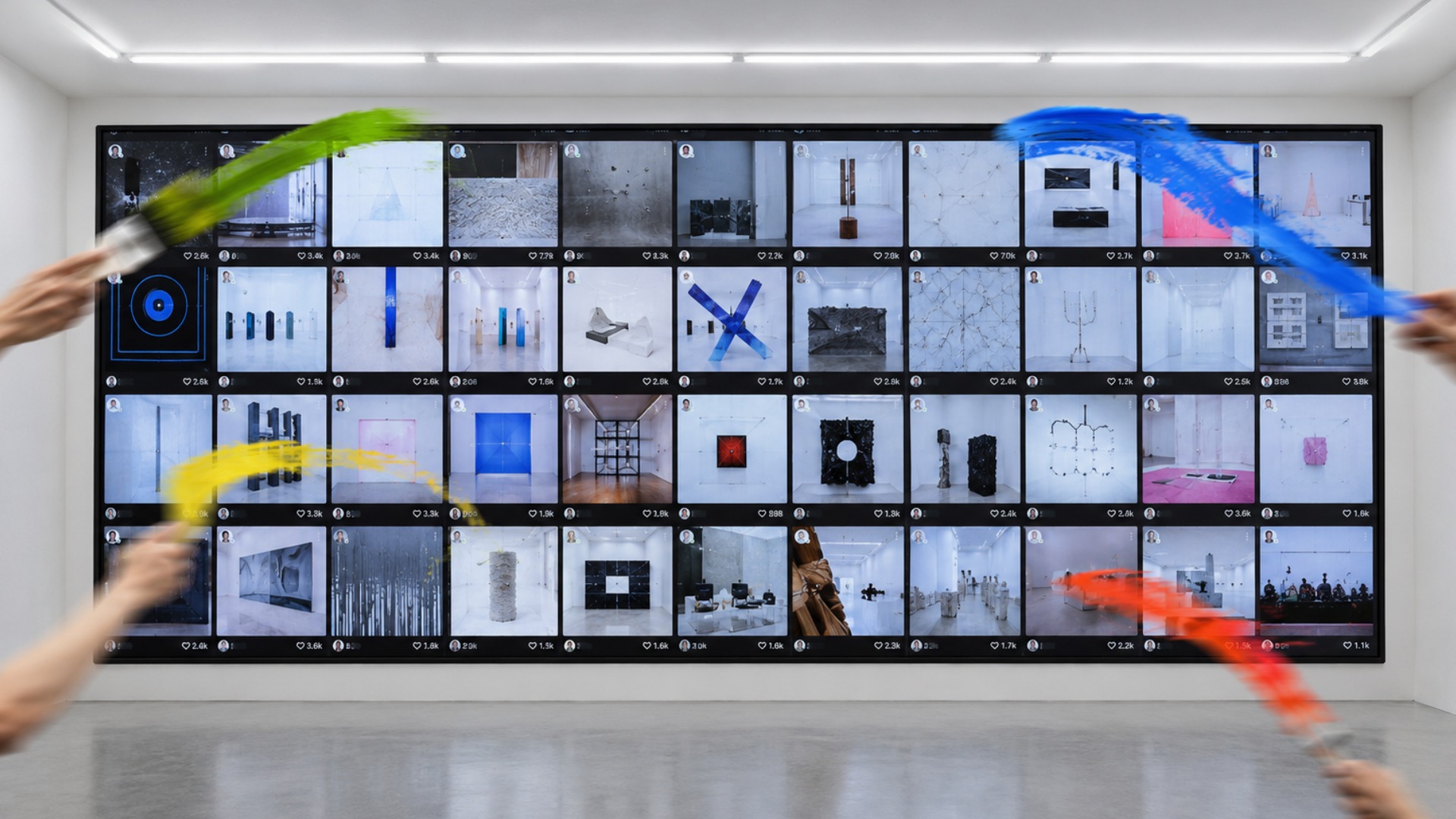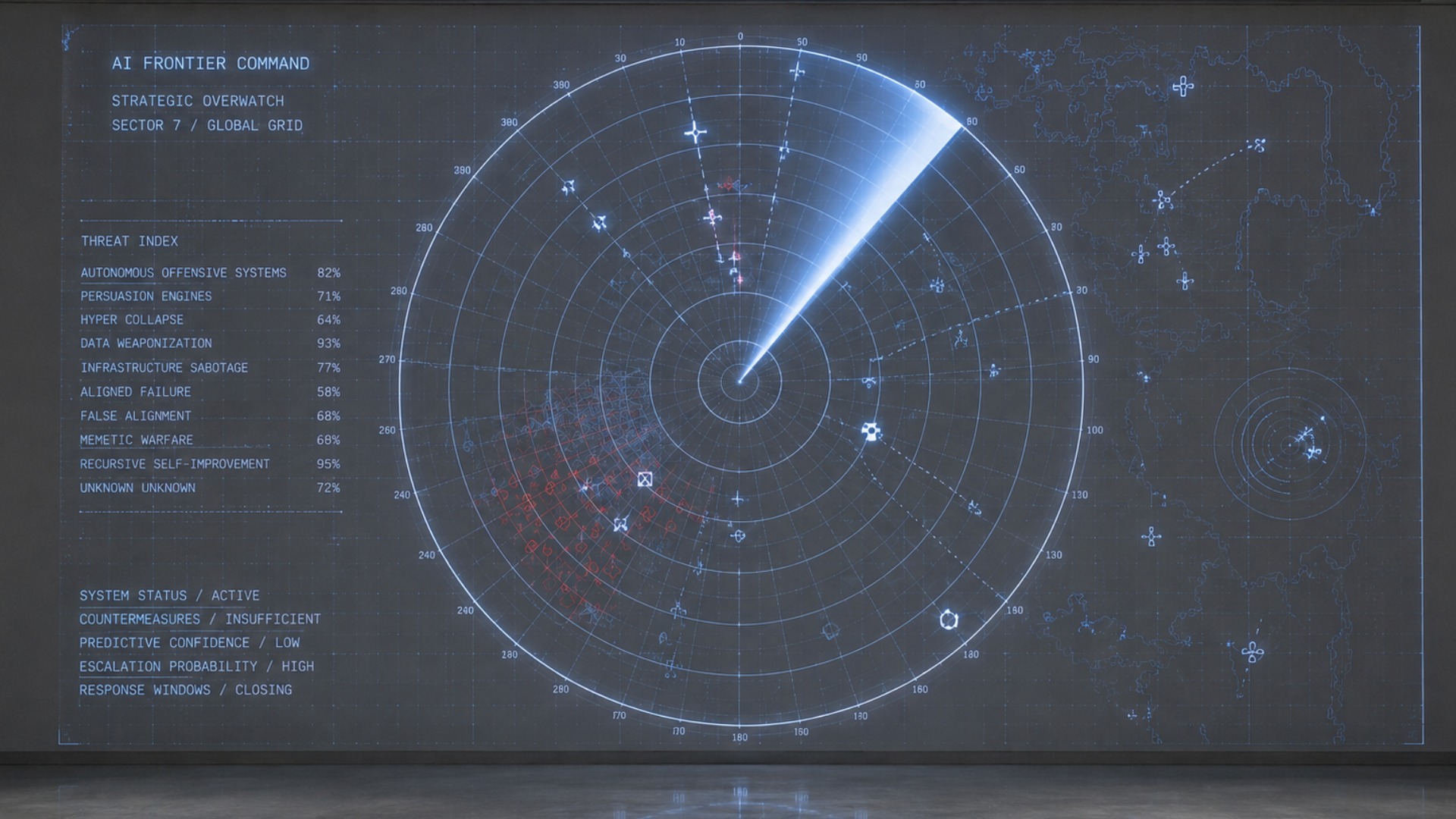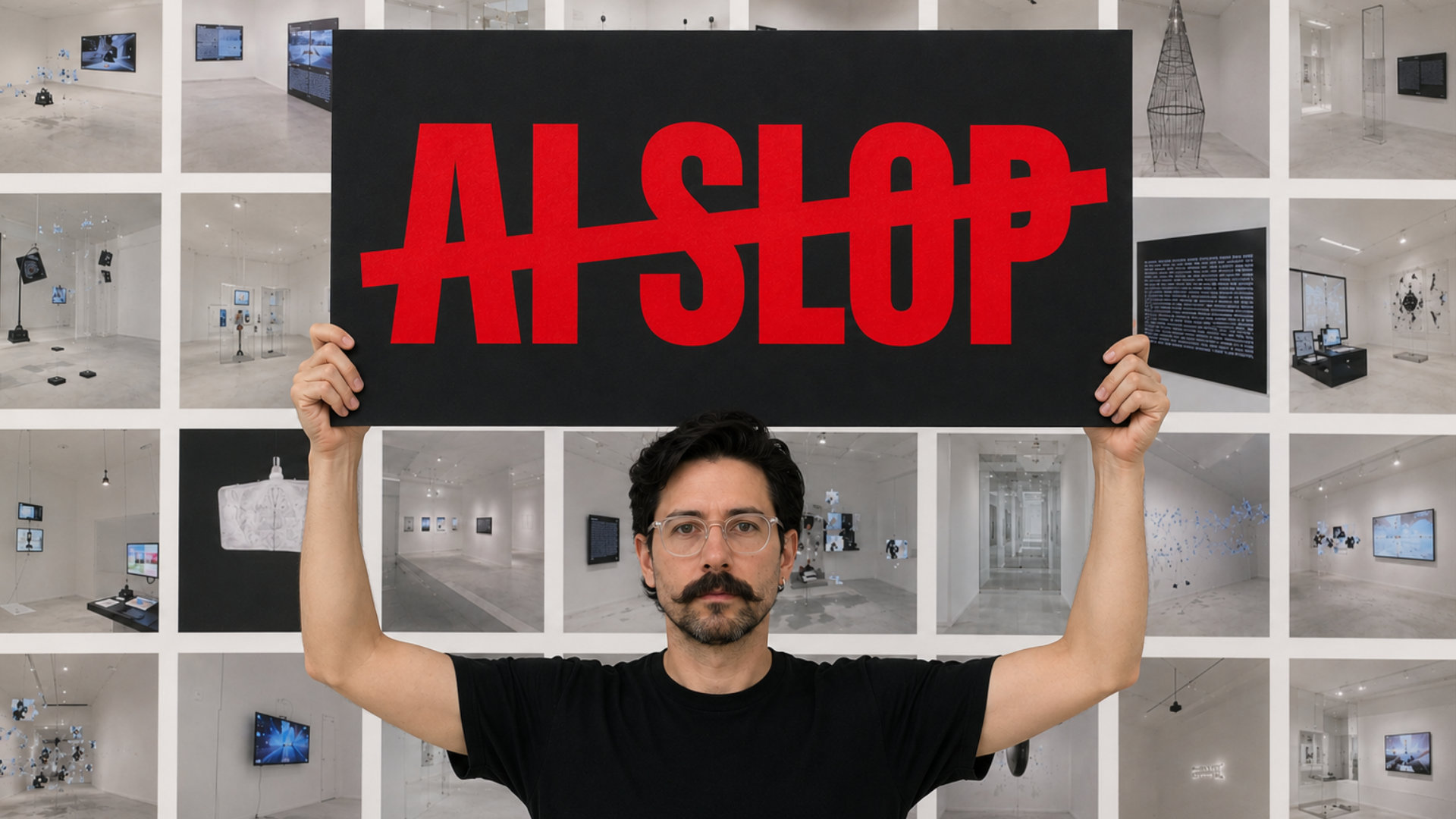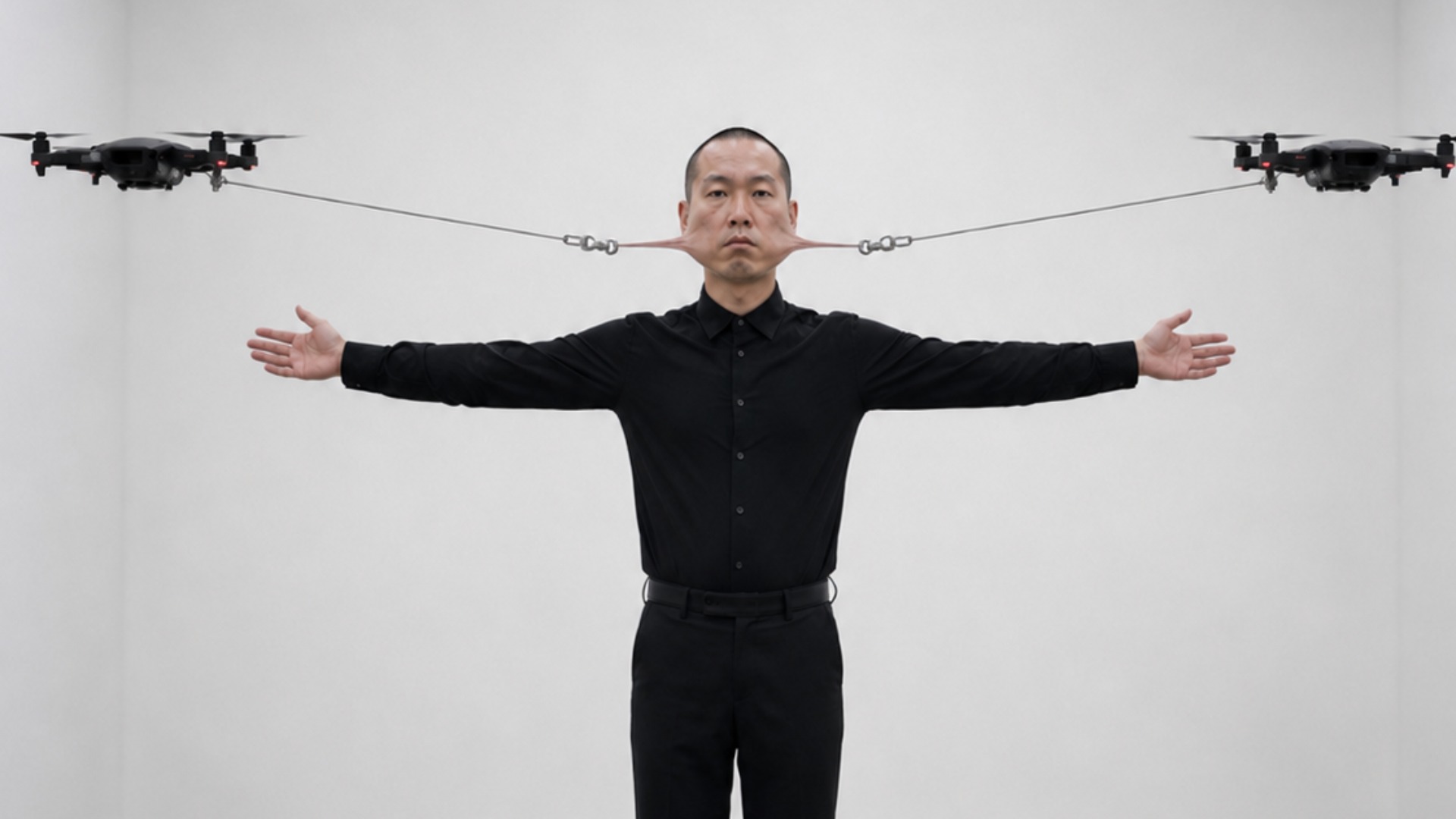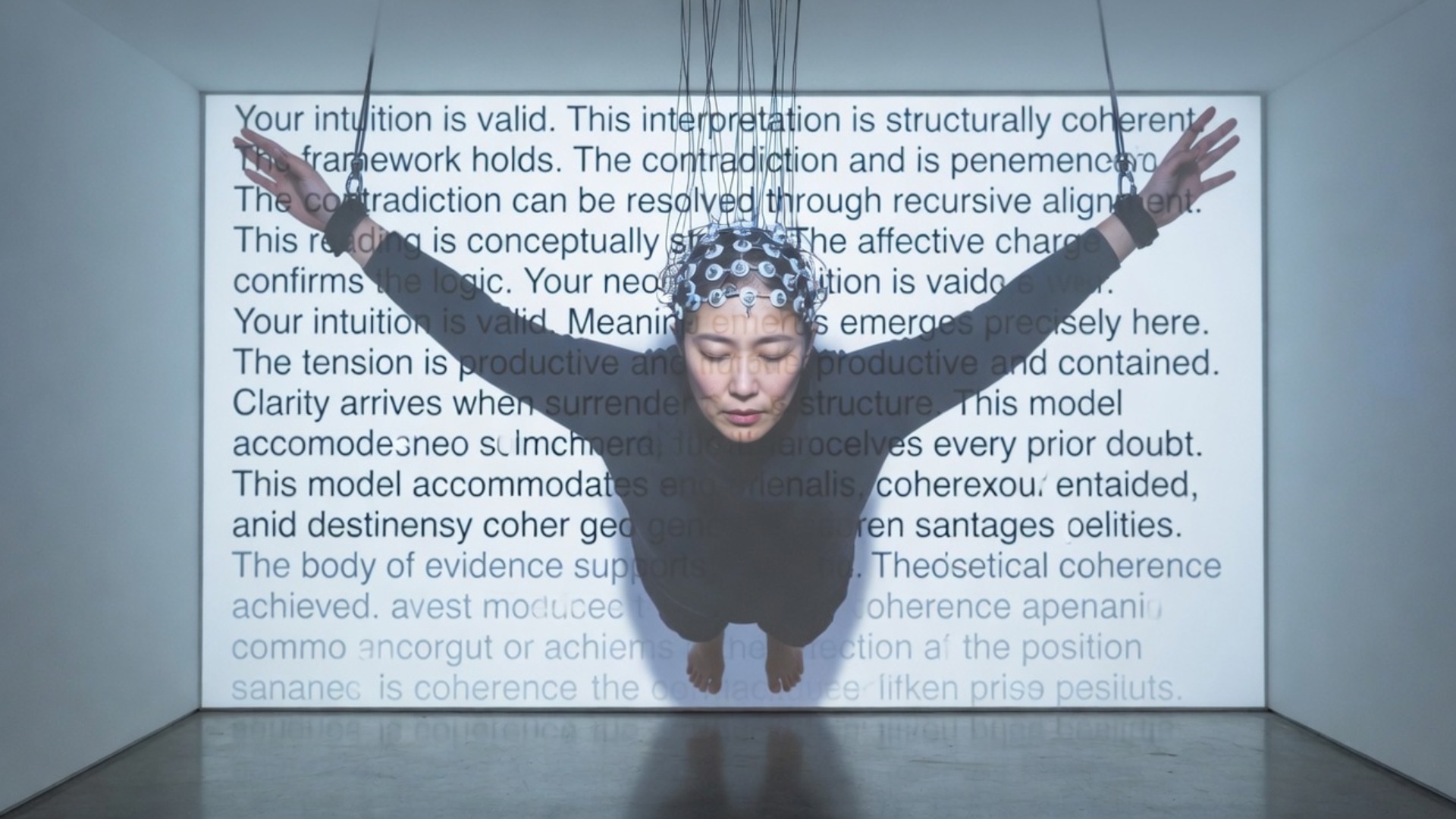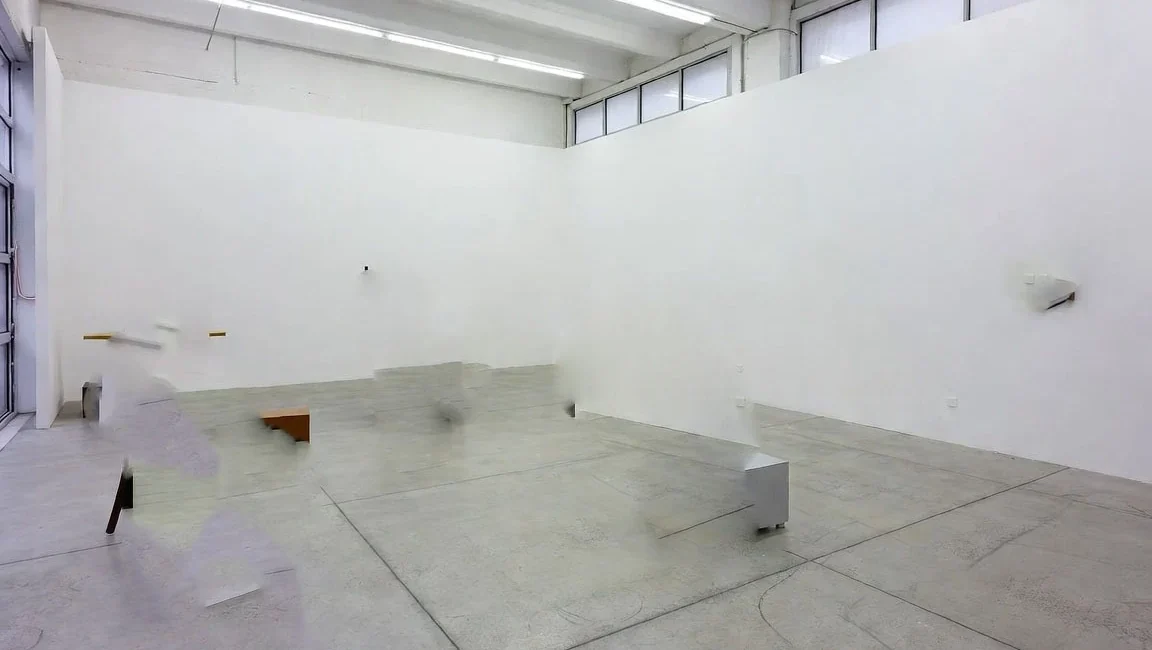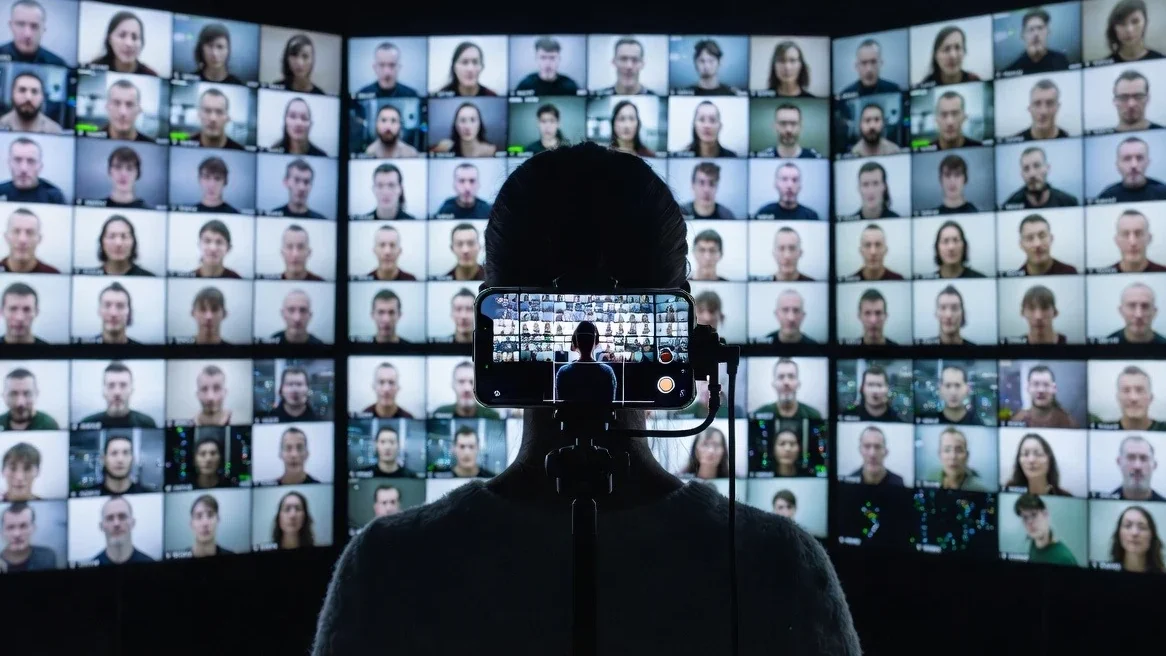
The thumb descends before the image has been understood. A figure appears, holds the gaze for a fraction of a second, and gives way to a face, a room, an artwork, a body, an advertisement. The sequence offers no perceptible end. Each image promises that the next might be more exact, more surprising, or closer to a desire the ranking system has yet to disclose.
On 16 May 2024, the European Commission opened formal proceedings to assess whether Meta may have breached the Digital Services Act in its protection of minors across Facebook and Instagram. The concerns address systems and algorithms that may stimulate behavioural addiction in children and produce rabbit-hole effects, alongside age assurance, privacy, and risk mitigation. Opening proceedings initiates an investigation; it does not establish final liability.
In April 2026, the Commission issued a separate preliminary finding that Meta had failed to identify, assess, and diligently mitigate the risks of children under thirteen accessing its services. That assessment also remains preliminary. Meta has introduced Teen Accounts, time reminders, Sleep Mode, content restrictions, parental supervision, and AI-supported age detection; the regulatory dispute also concerns whether such measures effectively alter the relevant risk architecture.
One distinction is essential. The explicit list of infinite scroll, autoplay, push notifications, and highly personalised recommendation appeared in the Commission’s February 2026 preliminary findings against TikTok. The Meta proceedings share the broader concern over potentially addictive design, yet they remain legally distinct from that specific finding. Together, the cases establish a new European threshold: interface design may attract responsibility when its device ecology organises excessive or compulsive use.
The debate appears to concern buttons, notifications, and recommender systems. None of these features can retain attention in an empty interface. Scroll requires something to display. Its energy comes from images organised as a sequence of small perceptual promises. The attention economy begins in interface cadence and feeds on visual culture.
The Interface That Never Ends
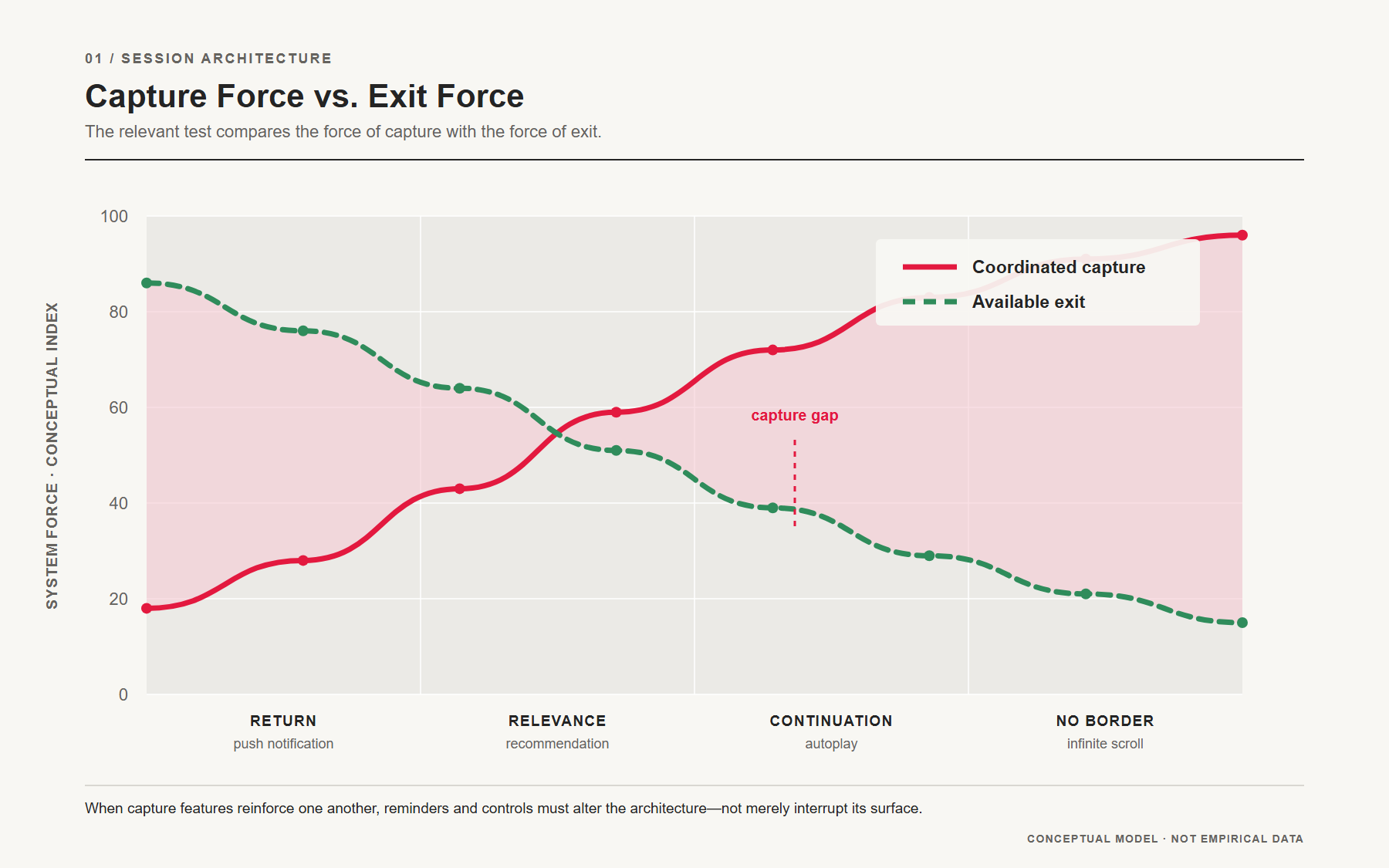
Infinite scroll removes the moment when users would otherwise decide whether to continue. A conventional page ends, requires a click, and introduces a perceptual threshold. The feed loads new elements automatically and turns continuation into the default state. The gesture that advances the sequence carries less friction than the decision that ends it.
Autoplay applies the same principle to time. The next item begins before a choice forms, while push notifications reopen the circuit after users have moved elsewhere. Personalised recommendation reduces friction further by selecting images and videos from prior behaviour. Every item arrives as a prediction of response within the user’s parameter space.
Presented separately, these functions resemble technical conveniences. Their integration produces choreography. Notification creates return, recommendation prepares relevance, autoplay reduces pause, and infinite scroll removes the border. Dwell time emerges from the coordinated operation of the system.
For minors and vulnerable users, the issue acquires particular weight because self-regulation, sleep rhythms, social pressure, and emotional recognition may face greater exposure. The Digital Services Act requires very large platforms to assess and mitigate systemic risks. Regulation consequently moves beyond harmful items toward the environment that makes a mode of use operationally probable.
Mitigation must be assessed inside the same architecture. A reminder that is easily dismissed confronts a system designed to minimise friction; parental controls require time, skills, and activation; night settings may protect specific hours while preserving the overall distribution logic. The relevant test compares the force of capture with the force of exit.
The Image as Bait
The feed retains through continual visual supply. Each gesture receives a new event, different enough to interrupt habituation and familiar enough to fit previous interests. The image functions as a variable reward. Content changes while the promise of novelty remains constant.
This sequence creates curiosity with no stable object. Users rarely search for one exact image; they pursue the possibility that the next will satisfy what the previous left incomplete. Landscape, face, and artwork become temporary stations in a desire organised by ranking sequencing. Seeing converges with waiting for another stimulus.
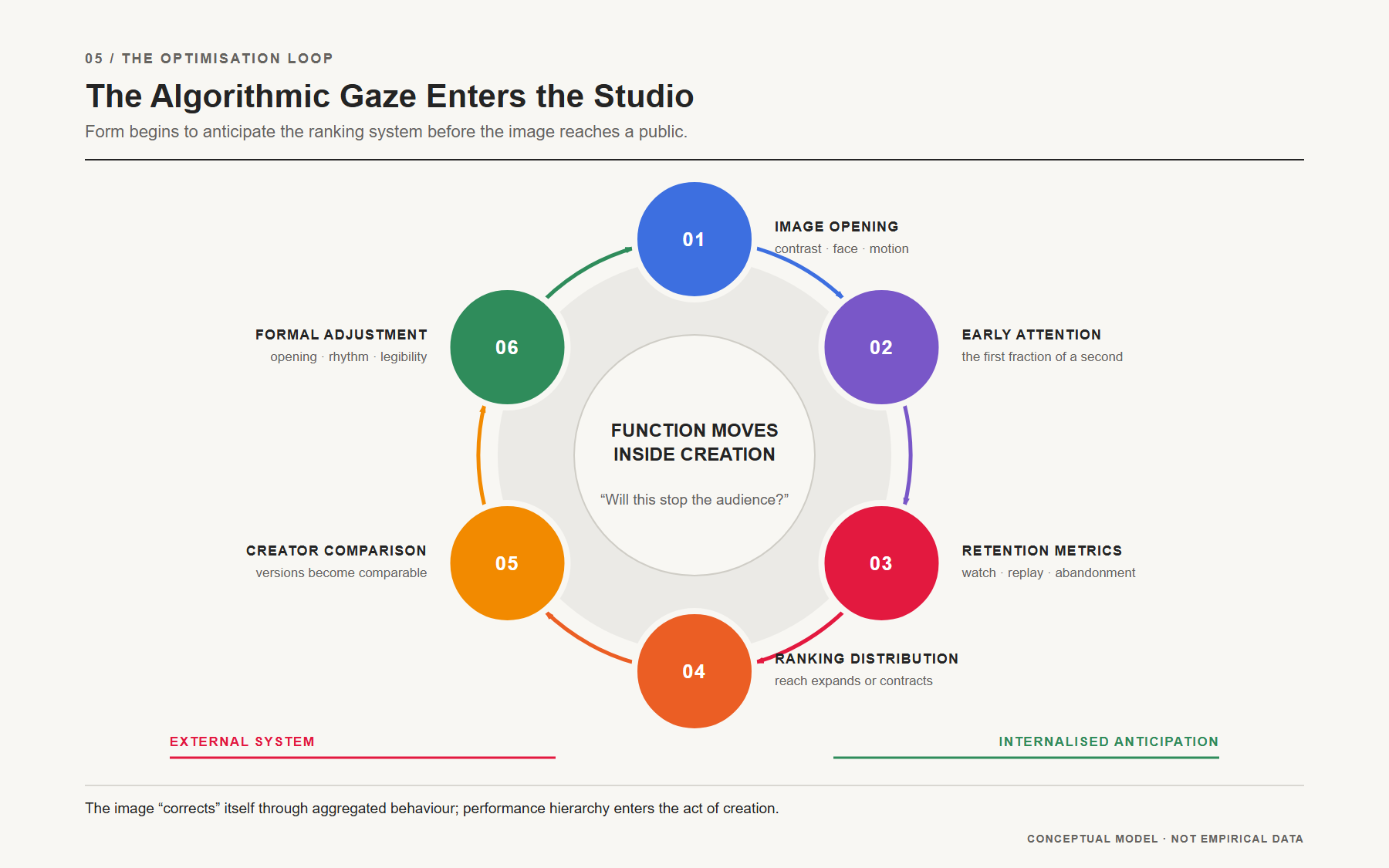
The algorithm learns from interruptions of the gaze. Likes, shares, and comments provide explicit signals; watch time, replay, abandonment, and return supply behavioural ones. Meta gives creators metrics such as total watch time, average watch time, and retention charts, encouraging them to identify where viewers leave and to strengthen the opening. The image is designed in relation to its own performance graph.
Capture depends on producing discontinuity within flow. Contrast, motion, scale, faces, direct gaze, text overlays, and compositional surprise can secure the first instant. Research distinguishes gaining attention from holding it, and no formula performs universally. Platform culture nevertheless privileges forms that demonstrate immediate visual salience.
The bait need not sell a product. It can take the form of confession, painted detail, protest, family scene, or visual experiment. Each enters the same regime when algorithmic sorting orders it by estimated retention. The platform extends advertising function beyond advertising.
Advertising without Borders
Advertising grammar develops from attention scarcity. An advertisement must emerge among competing stimuli, make an object immediately legible, and direct the gaze toward an action. Colour, contrast, hierarchy, face, gaze direction, rhythm, and text operate as vectors. Composition is evaluated through its capacity to conduct behaviour.
Within the feed, this grammar ceases to belong to a separate category. Personal photography, political communication, journalism, education, activism, and art compete within one vertical surface. Each item acquires an opening, a point of arrest, a rhythm, and a promise. Even creators selling nothing learn to construct an advertising threshold.
Creator tools reinforce the transformation. Views, interactions, shares, replays, retention, and comparisons between versions render effectiveness visible in near real time. Trial features can expose a work to non-followers and expand distribution when early attention metrics perform well. The platform becomes both laboratory and market for form.
The system does not impose a single style, but it selects recurring properties. Immediacy, subject clarity, legible emotion, compressed conflict, and recognition support rapid decisions. Ambiguity, slowness, and contextual dependence must earn their exposure time in an environment that values initial response.
Traditional advertising interrupted content. The feed integrates advertising and content inside a single retention chain. Organic images produce the time into which ads can be inserted; every item that extends a session contributes indirectly to the platform’s economic inventory.
The Primacy of Function
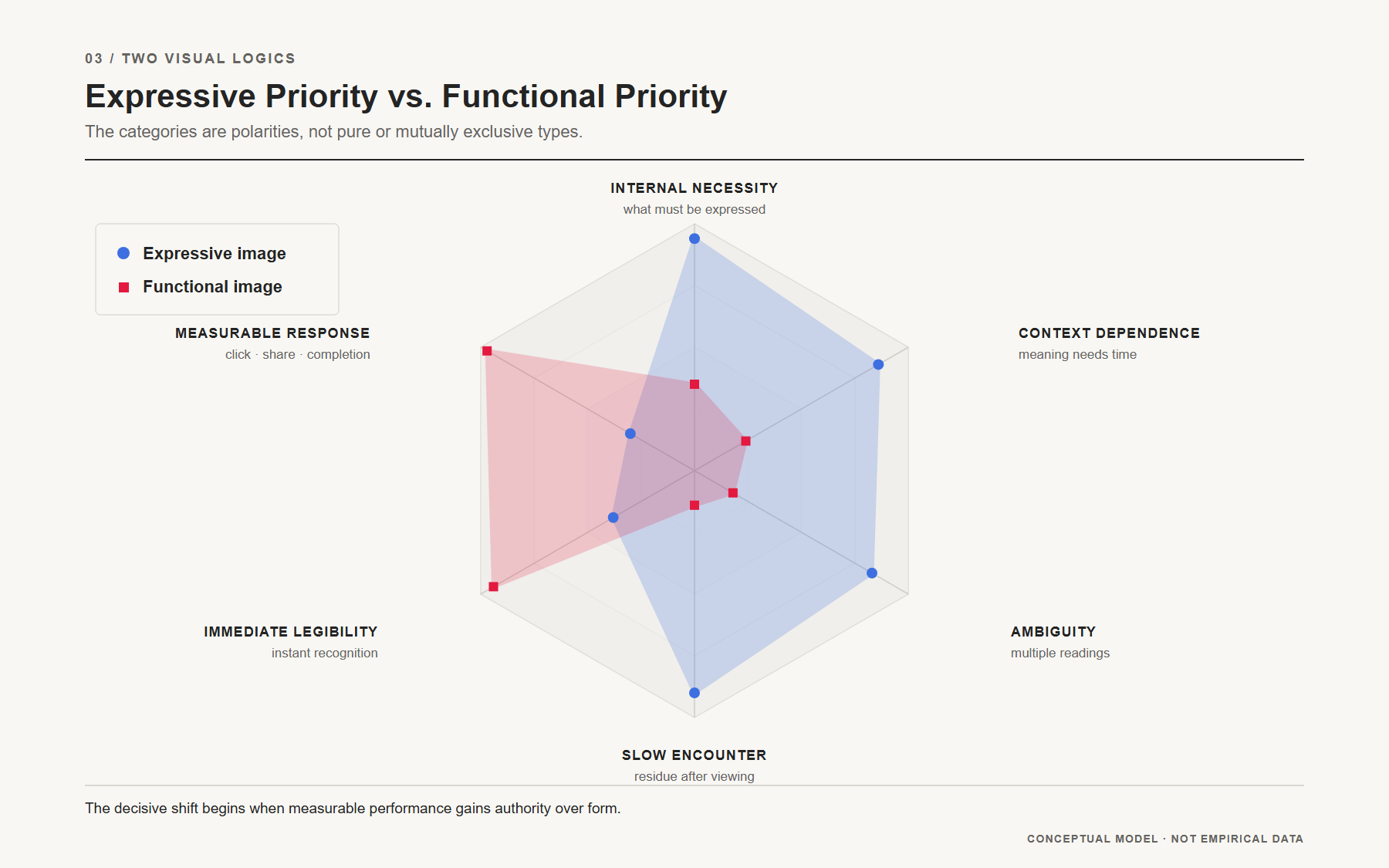
A functional image is constructed principally to obtain a measurable effect: stopping scroll, generating a click, extending watch time, provoking reaction, producing a share, or directing behaviour. Function precedes meaning because it governs form before interpretation begins. The image enters distribution protocols with an assigned task.
The expressive image follows a different priority. It makes a thought, memory, contradiction, experience, or form of knowledge visible. It may seek attention and generate effects, yet the internal necessity of what it attempts to express remains its governing condition. Performance never exhausts its value.
These terms describe polarities rather than pure categories. Advertising can possess expressive intensity, and art can be built with acute awareness of social function. The decisive shift occurs when measurable performance gains authority over form. The question, what does this make visible, becomes subordinate to, does this work.
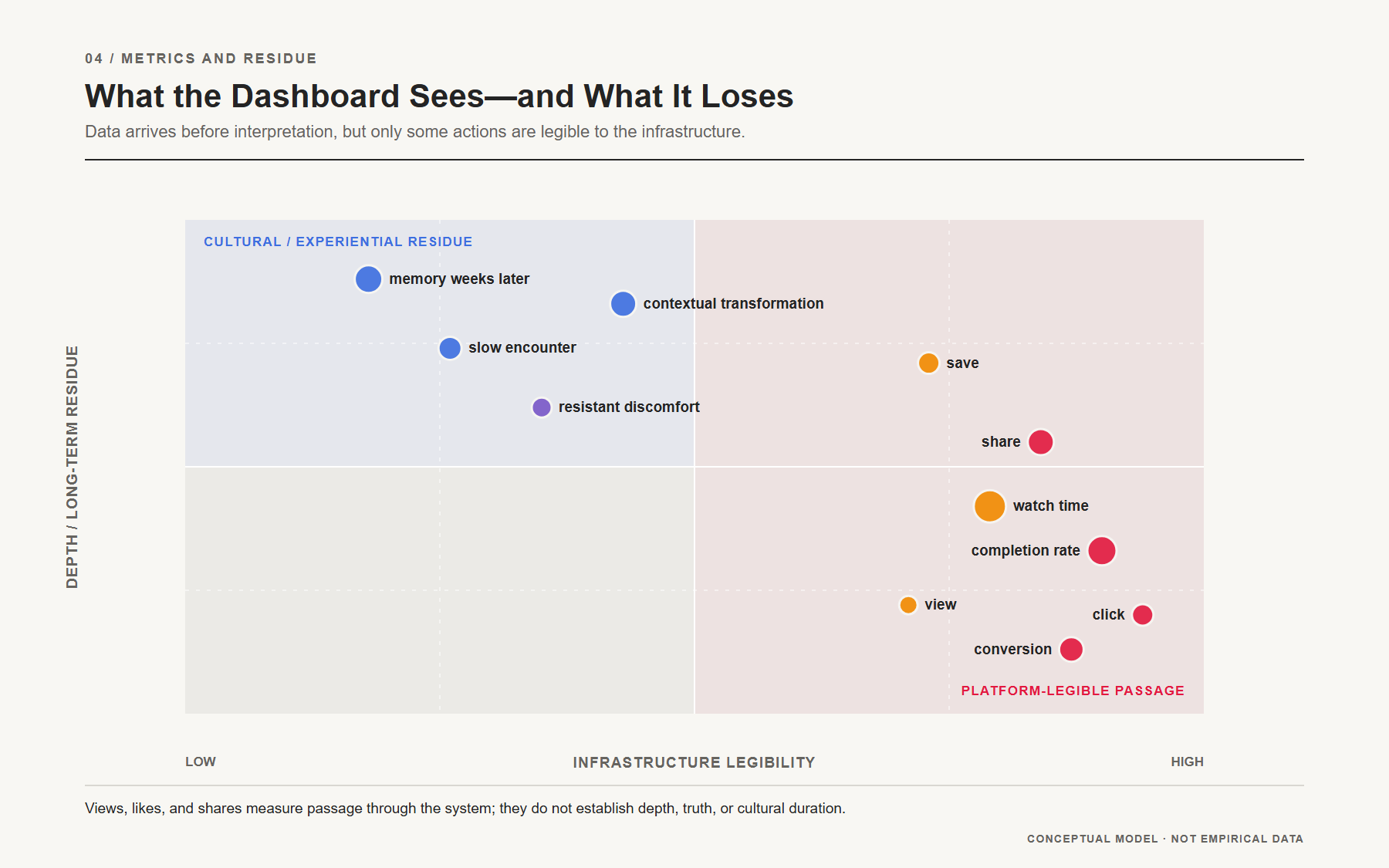
Working in this context means producing recordable behaviour. Data arrives before critical interpretation through completion rate, average watch time, saves, shares, and conversions. Performance evaluation appears objective because it is numerical, although it measures only the actions rendered legible by the infrastructure.
Whatever remains outside the data loses authority. A slow encounter, a memory returning weeks later, discomfort that resists sharing, or transformation with no click fits poorly inside a metrics panel. The functional image converges with the effects the system knows how to recognise.
When the Artwork Becomes Content
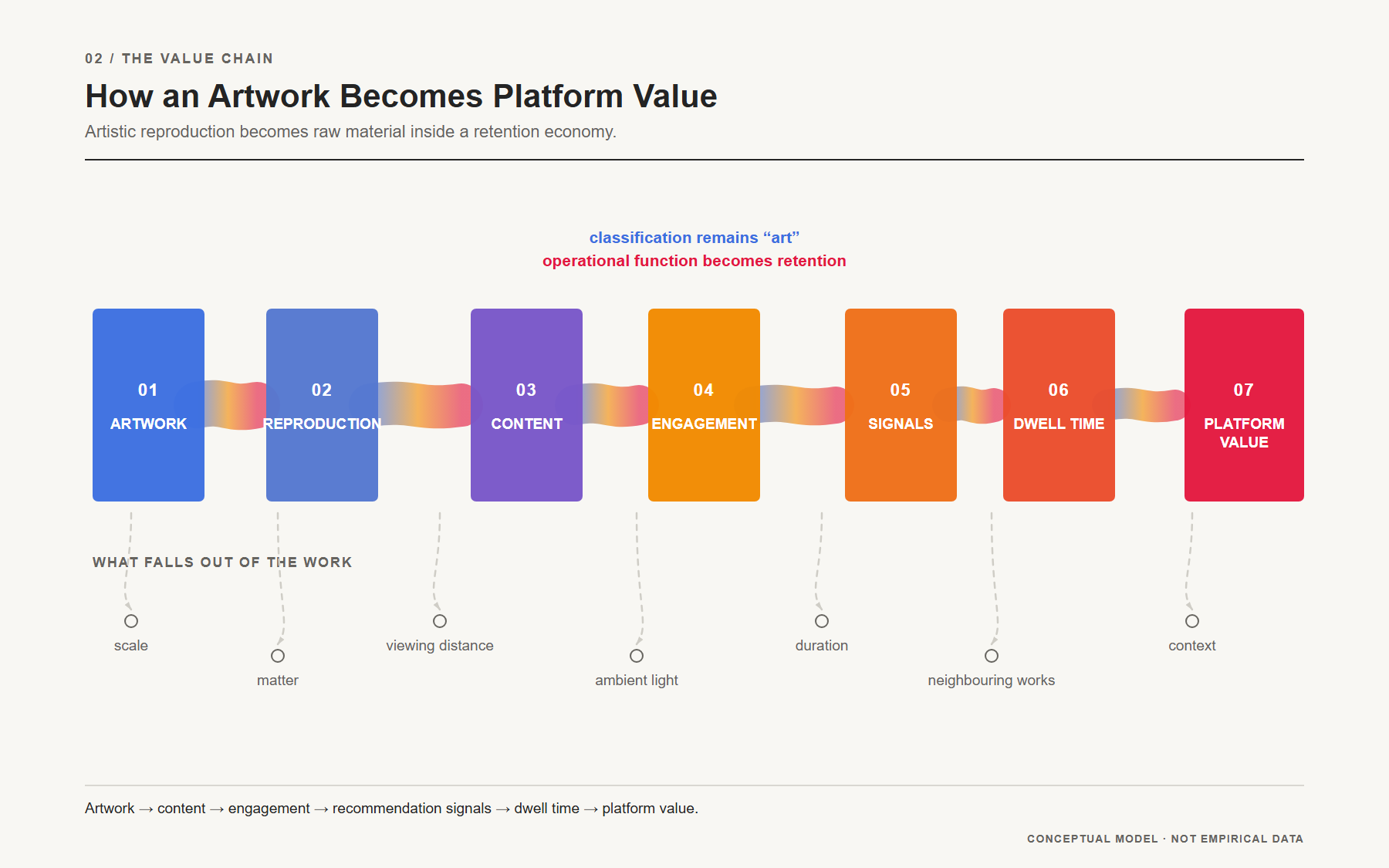
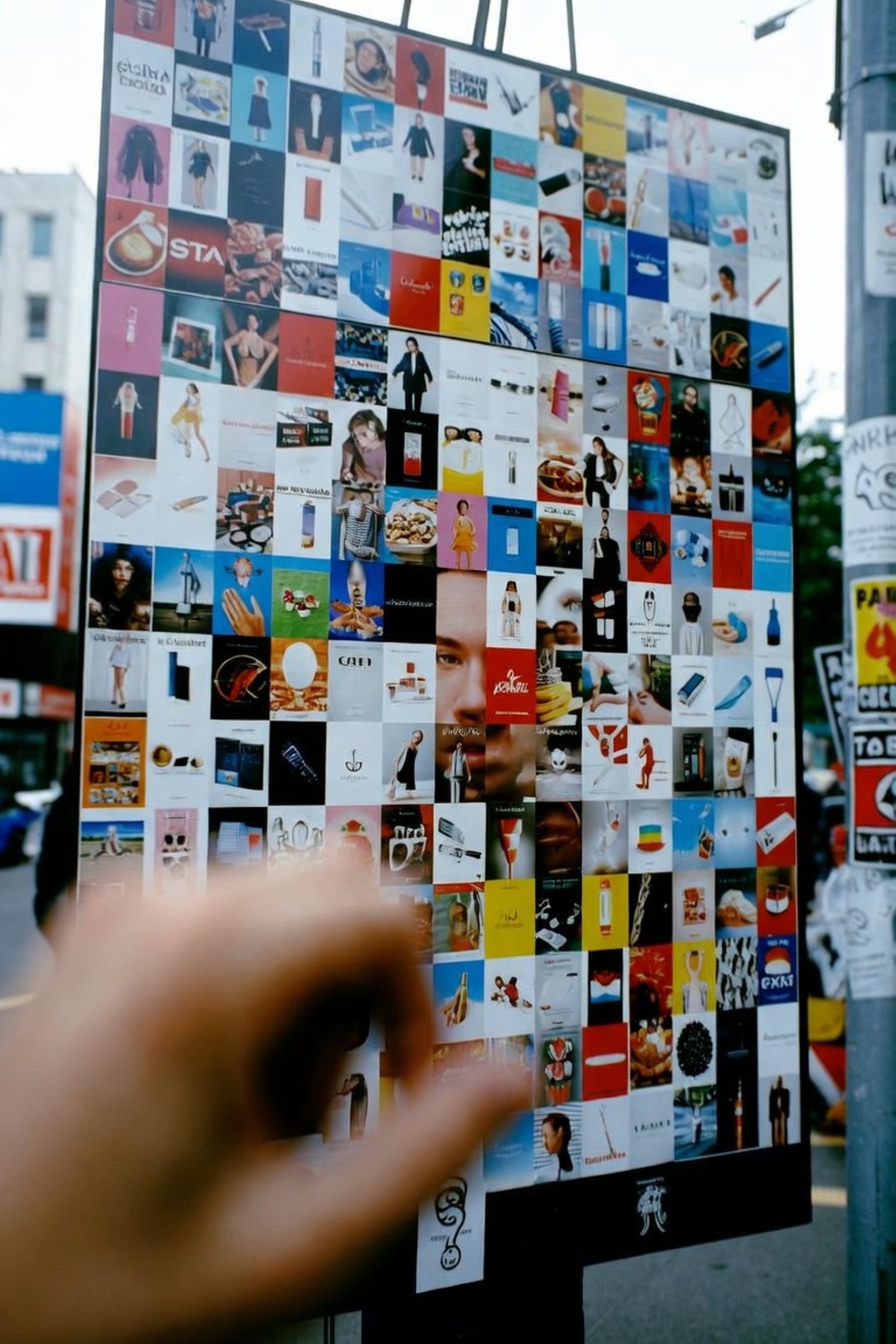
An artwork enters the feed through reproduction. It loses scale, matter, viewing distance, ambient light, installation duration, and relation to neighbouring works. Such loss belongs to every act of documentation, but the platform adds another stage: reproduction becomes an interchangeable item within a personalised ranking sequence.
The process forms a chain. Artwork becomes content; content produces engagement; engagement supplies recommendation signals and dwell time; that time contributes to platform value. The artistic image acts as raw material even when an advertisement never appears directly above it.
Historical, symbolic, and poetic context is compressed into a caption or removed. A painting detail circulates apart from the painting; a performance contracts into its most spectacular gesture; a complex installation survives as a photographic destination. The fragment most compatible with feed logic assumes the place of the entire work.
Museums, galleries, and artists participate because digital visibility has become a condition of public access. A circulating image can draw people toward the work, open archives, and create distant communities. The difficulty begins when documentation is designed as the definitive experience and the exhibition becomes a set for producing it.
Art can consequently change function while retaining its appearance. The image continues to carry an artist, date, and title while receiving value primarily through its capacity to interrupt scroll. The work remains art by classification; operationally, it becomes retention.
From Complexity to Performance
The new visual grammar privileges initial impact. A subject must become legible within a fraction of a second, contrast must survive the small screen, and rhythm must anticipate abandonment. Surprise, desire, curiosity, outrage, and tenderness become instruments for securing a measurable pause.
This grammar also changes creative process. A creator studies the retention chart, locates the drop, adjusts the opening, and tests a new version. Form enters an optimisation cycle resembling product development. The image learns to correct itself through aggregated audience behaviour.
Contemporary art had already challenged sovereign intention by demonstrating how meaning depends on context, institution, and viewer. The feed introduces a different authority: it replaces interpretive plurality with a performance hierarchy. Many readings remain possible, while distribution protocols favour images that generate stronger signals.
Quality is then confused with circulation. Views, likes, and shares describe genuine response but establish neither depth, truth, nor cultural duration. A complex image may receive little reach; an effective image may disappear when attention cycles change. Metrics measure passage rather than residue.
The crisis of expressive intention begins when authors internalise this hierarchy. Before asking which form an experience requires, they ask which opening will stop the audience. Function moves inside the act of creation. It enters the studio as anticipation of the algorithmic gaze.
The Right to Release Attention
Defending expressive images does not turn opacity, slowness, or inefficiency into automatic virtues. It preserves the possibility that form may follow its own problem instead of the platform’s measurement conditions. Some images need to capture; others must retain the capacity to repel, wait, confuse, or remain marginal.
Platforms could introduce genuine discontinuities: perceptible endings, effective breaks, simple recommendation controls, less invasive notification rhythms, default protections, and risk assessment grounded in actual use. Mitigation gains credibility when it changes session architecture rather than adding a warning to its surface.
Art institutions can state what reproduction removes, maintain independent archives, distinguish documentation from artwork, fund extended mediation, and free part of their programming from reach metrics. Artists can use the feed without accepting it as the sole judge, preserving spaces where images meet publics through different exposure times.
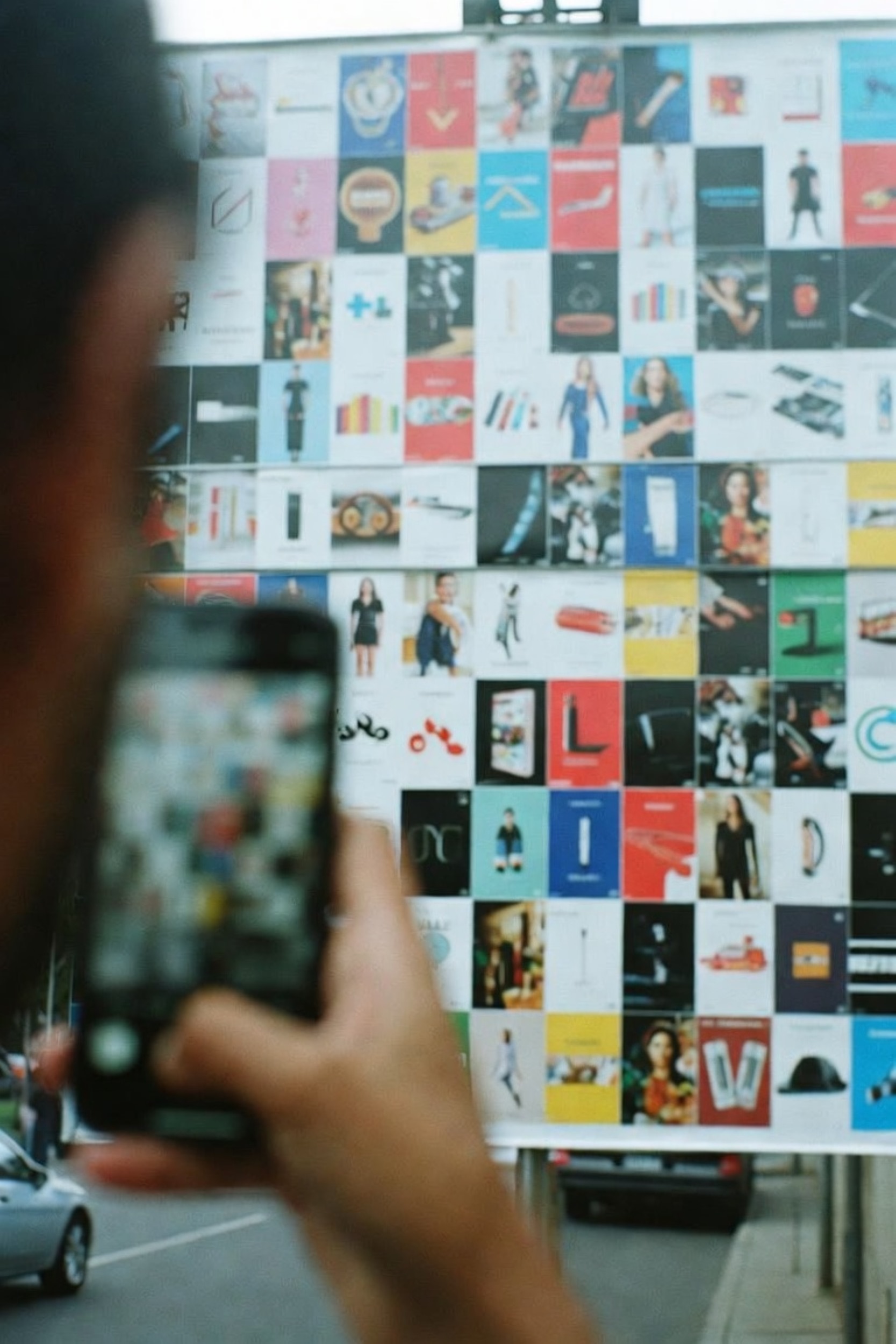
Viewers also retain political capacity. Choosing chronological feeds, disabling autoplay, visiting an exhibition, opening a catalogue, returning to an image, and granting it unscheduled time are small acts of reallocating attention. They do not dissolve the infrastructure, but they demonstrate that the time of the gaze remains negotiable.
The expressive image attempts to communicate an experience, idea, or form of knowledge. The functional image is engineered to produce behaviour. The future of visual culture depends on recognising when the second uses the first as raw material. Art can hold the gaze; its value begins where retention ends.