Fakewhale Newsletter
By pressing the "Subscribe" button, you confirm that you have read and are agreeing to our Privacy Policy and Terms of Use

Valentin Gillet, Sense of Agency at Espace Paralelle, Paris

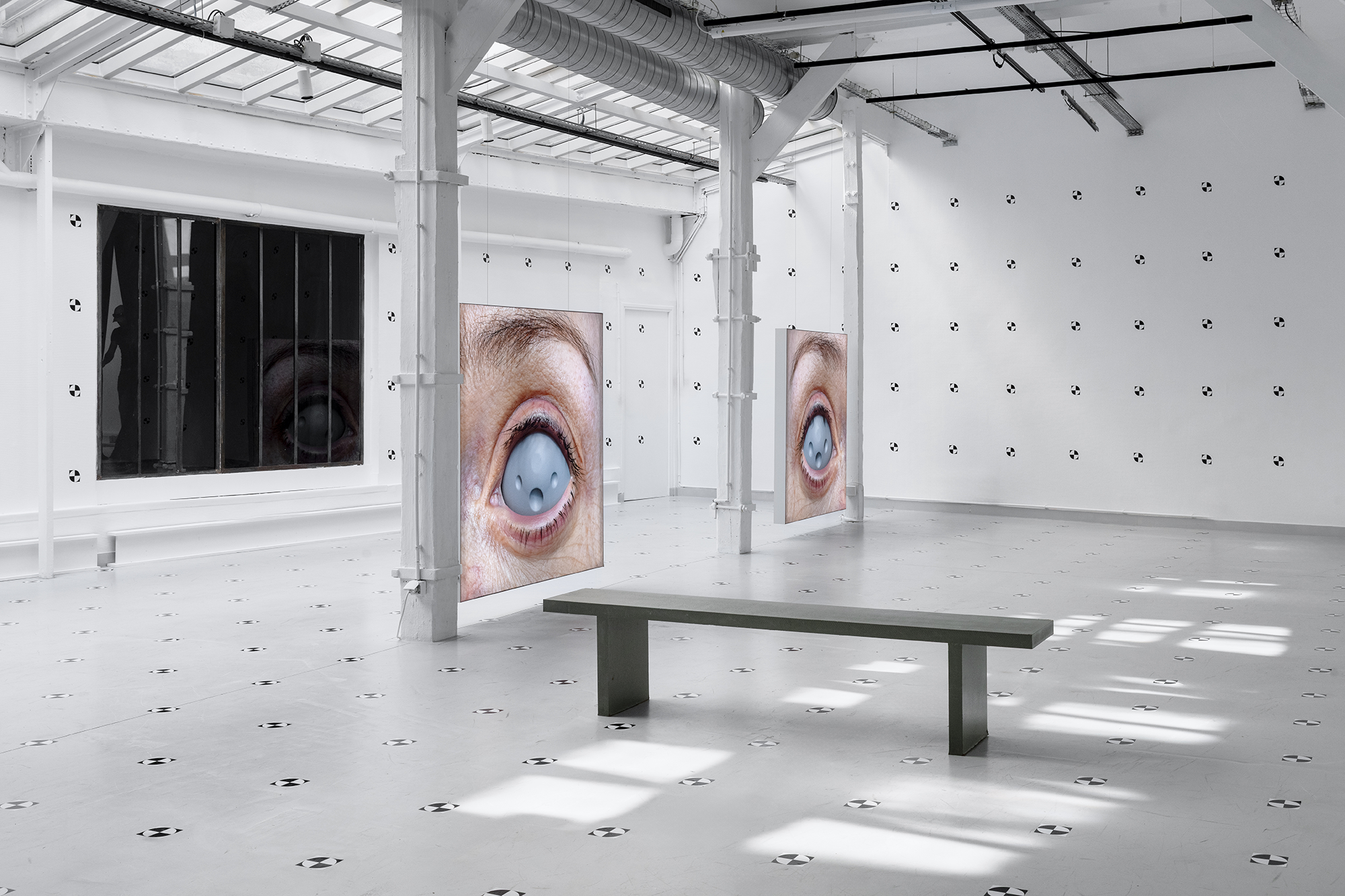
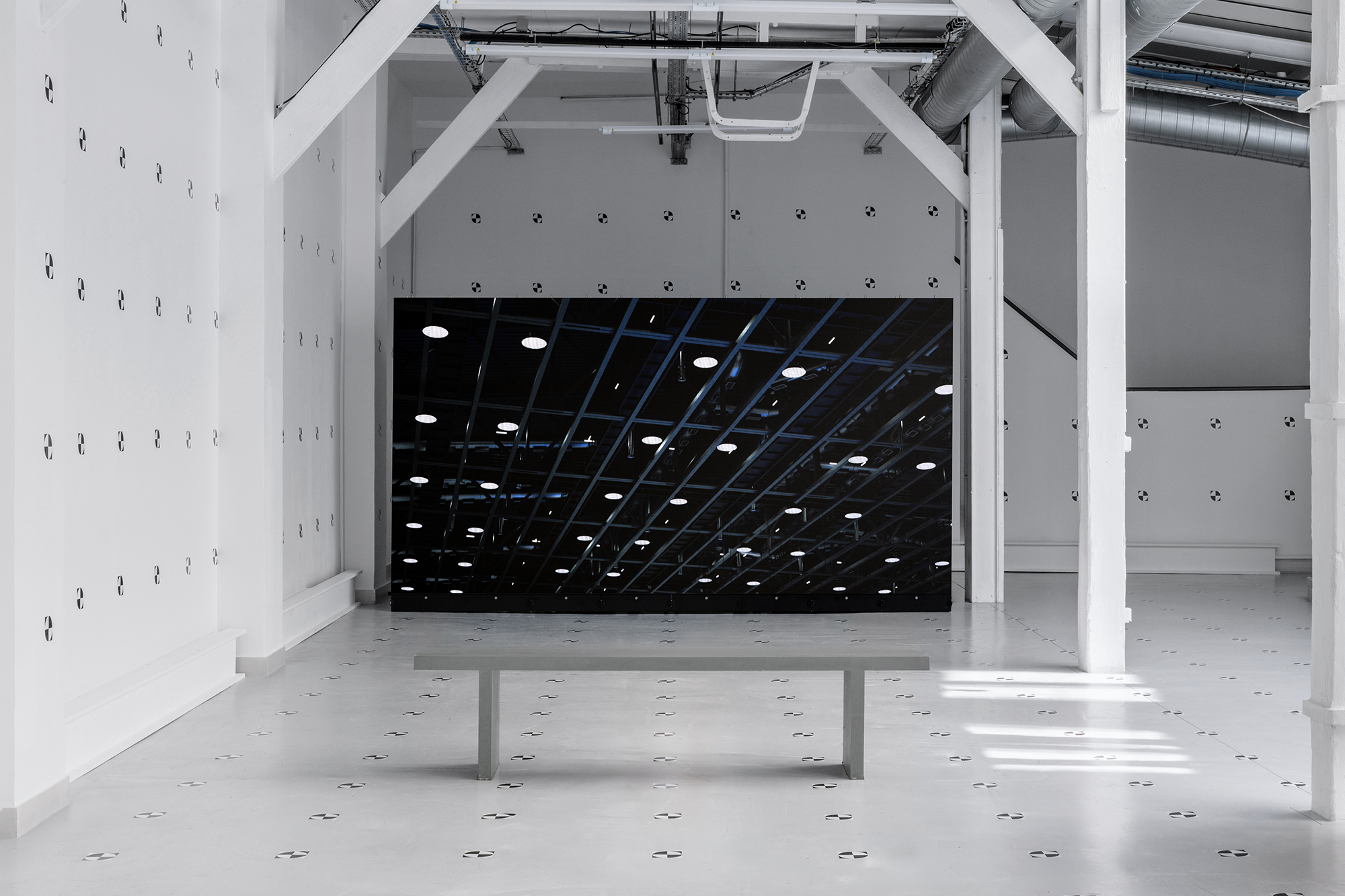
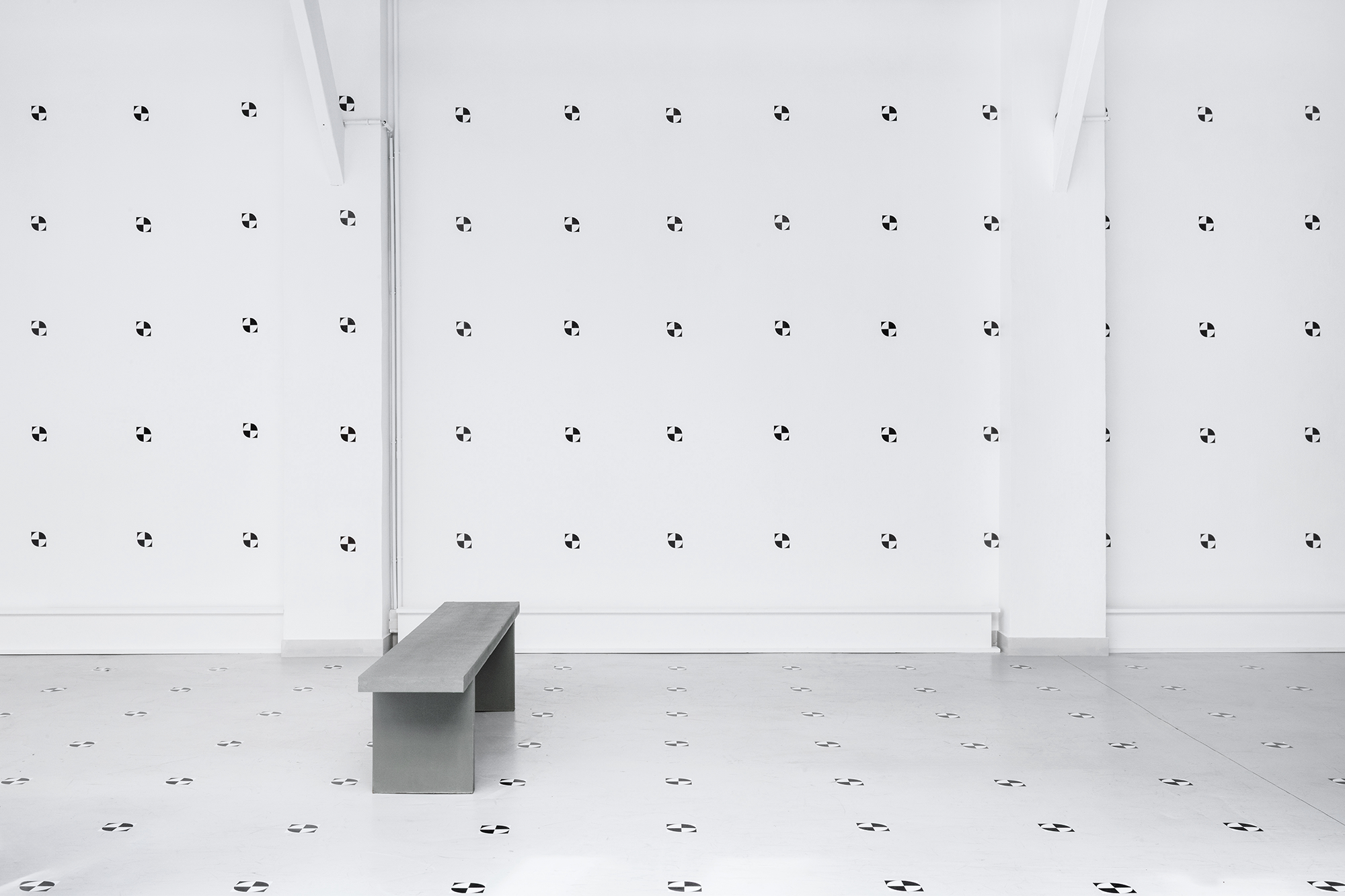
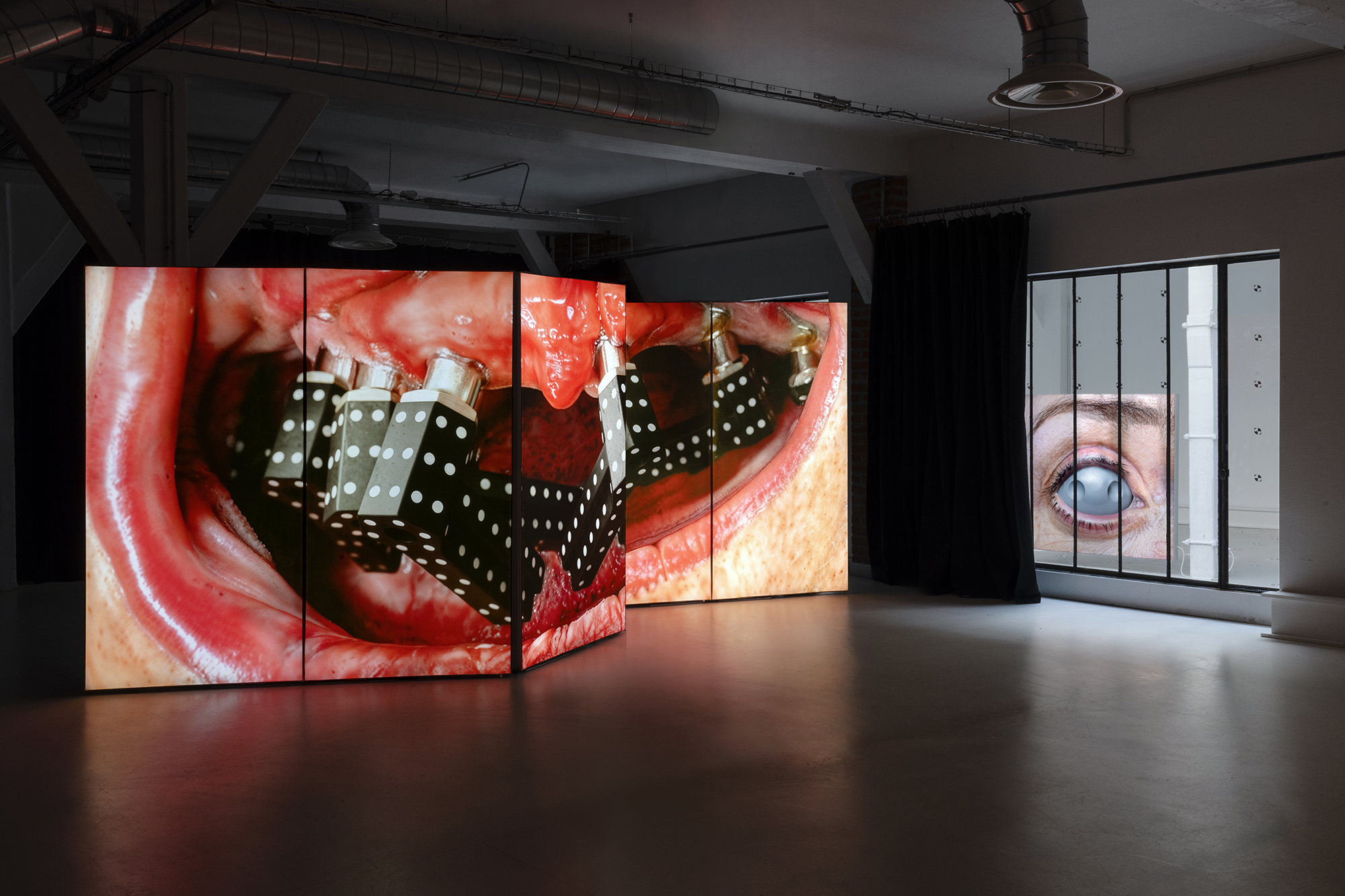
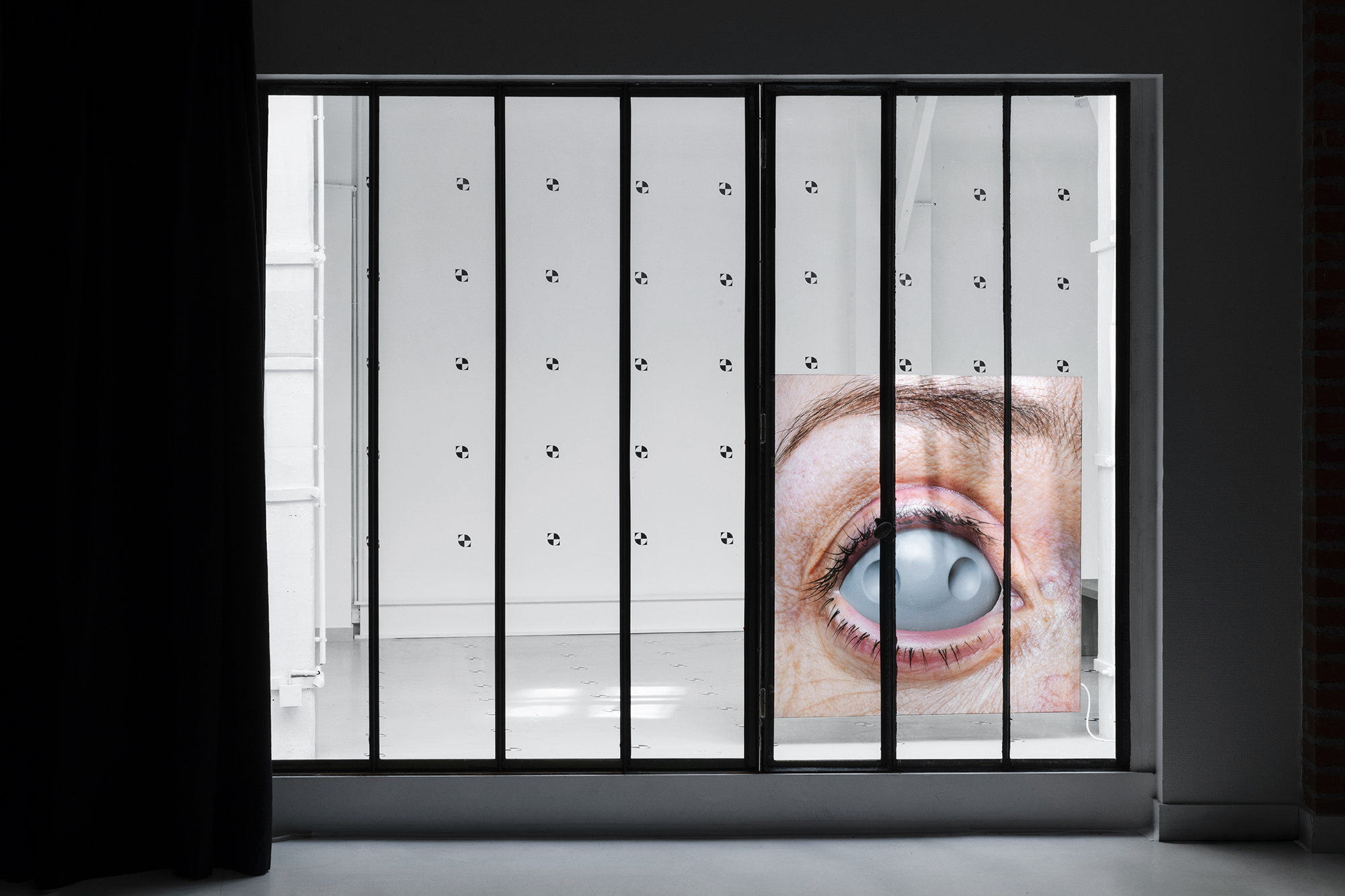
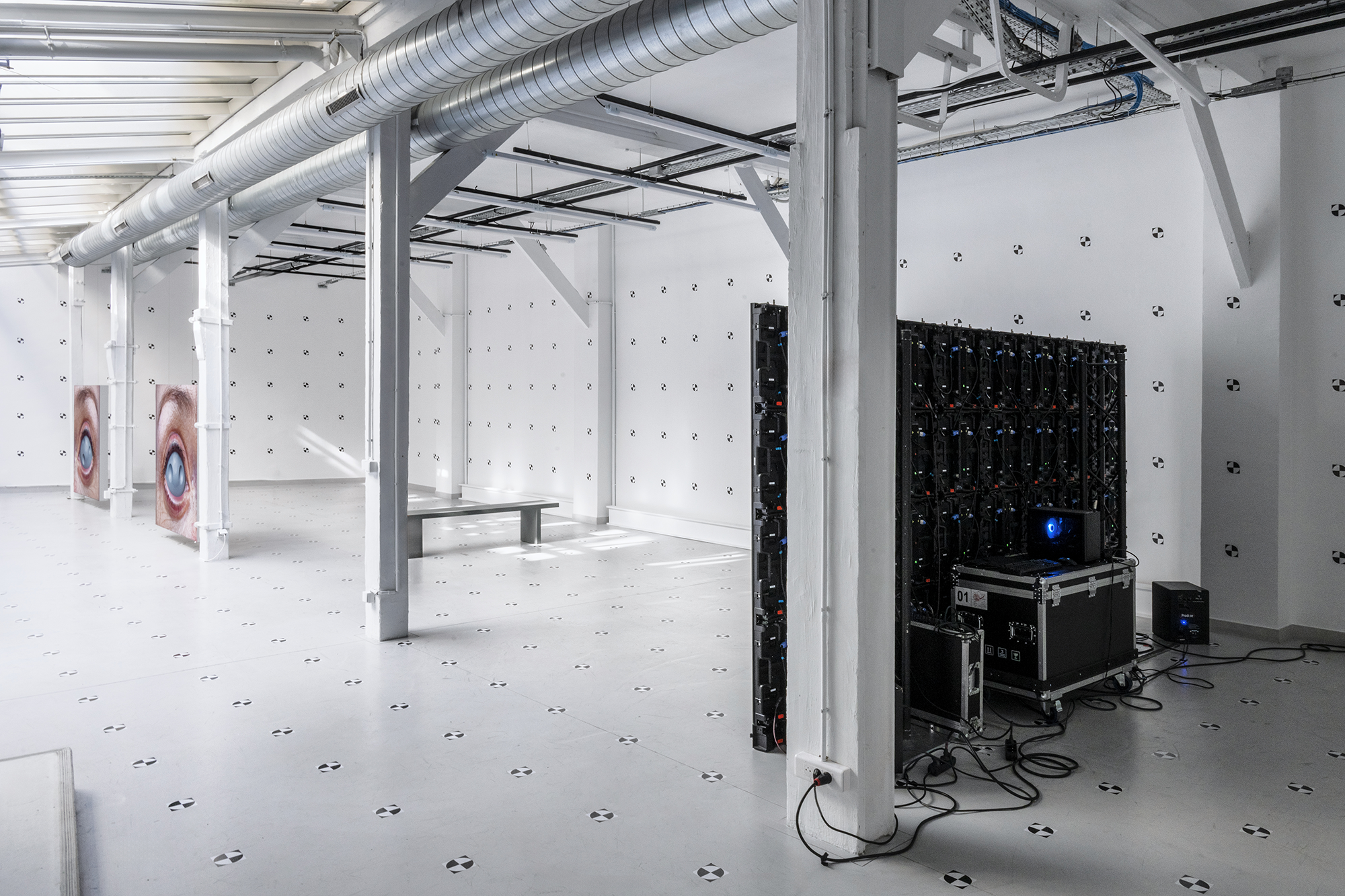
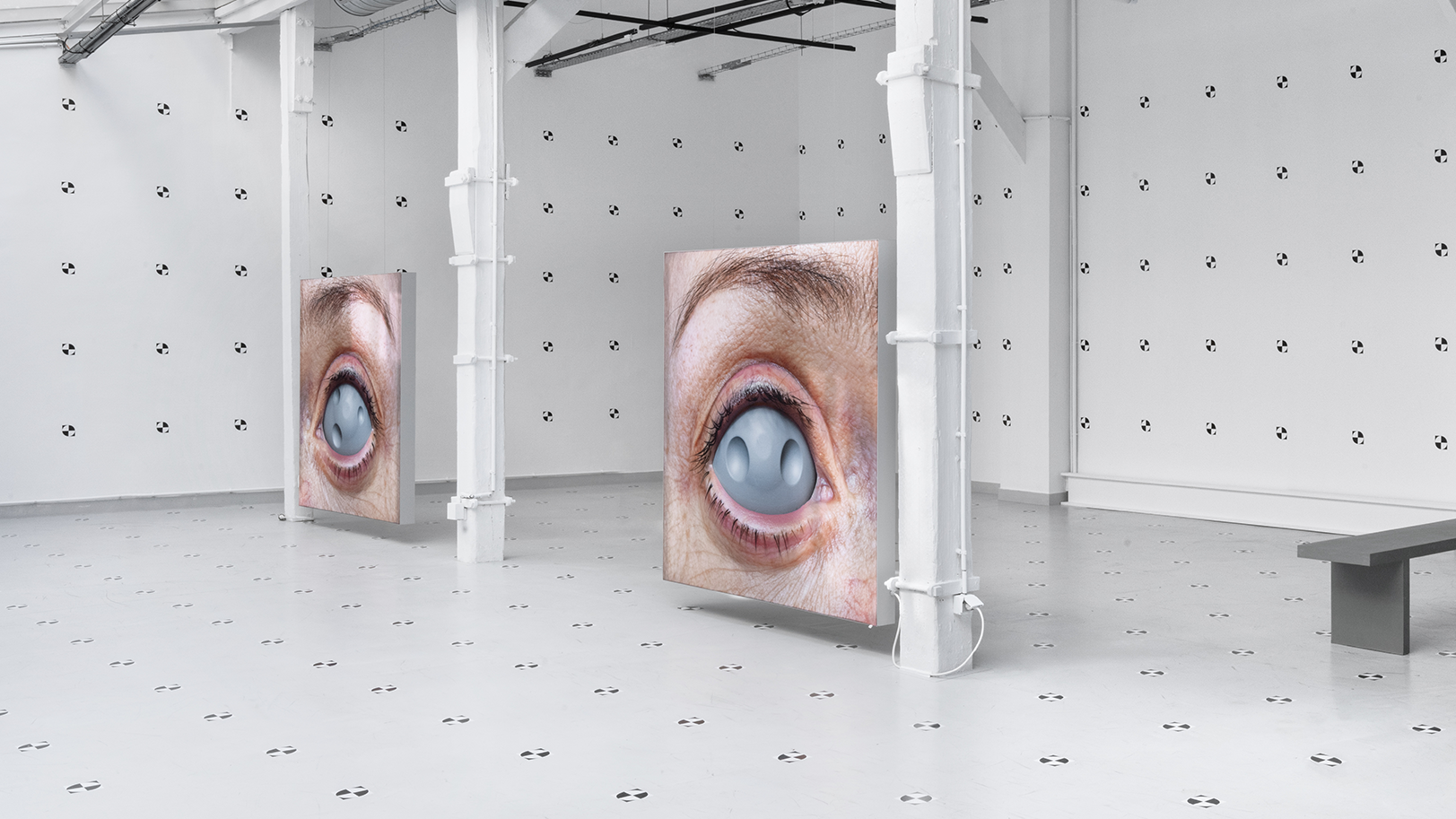
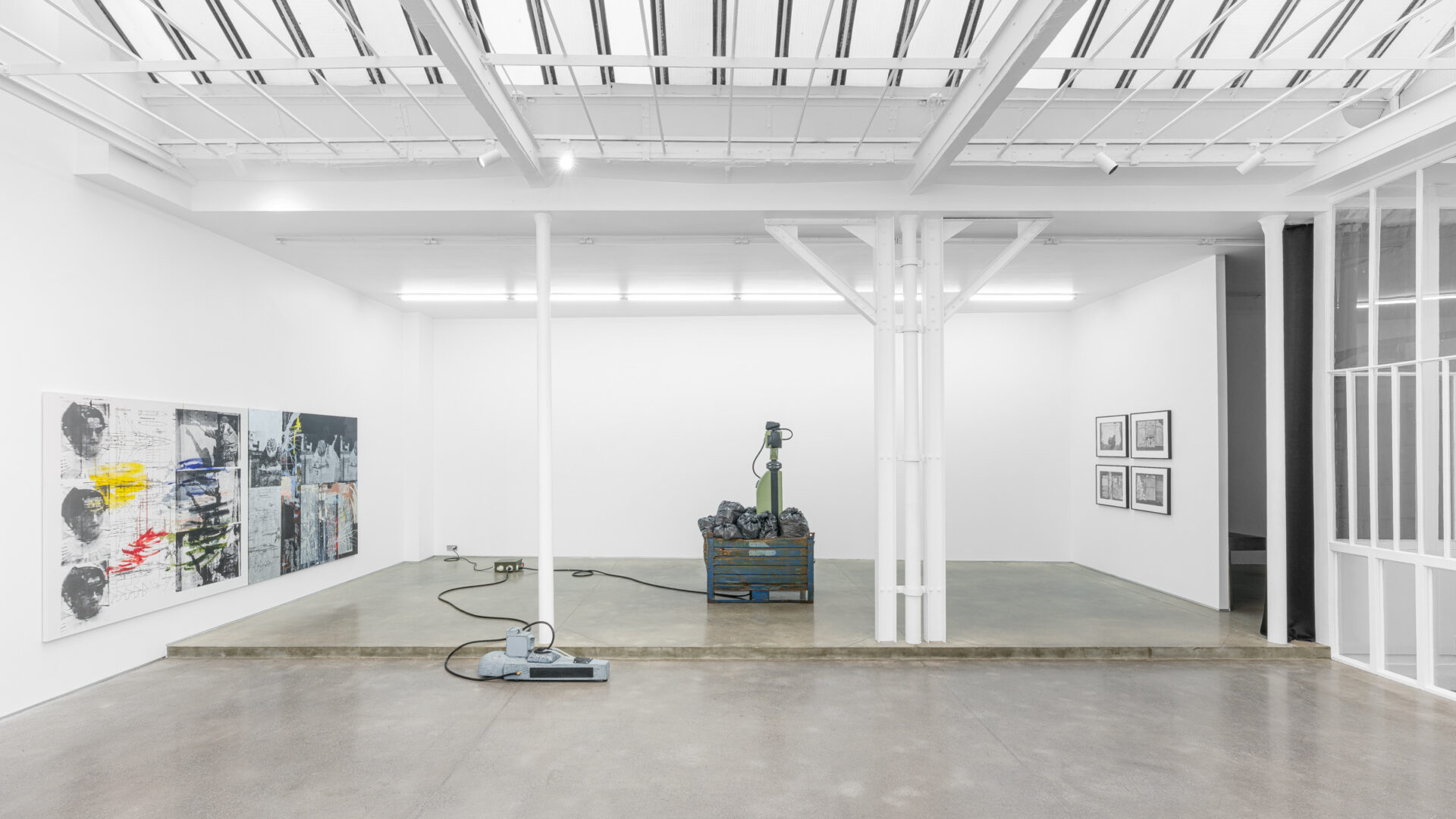
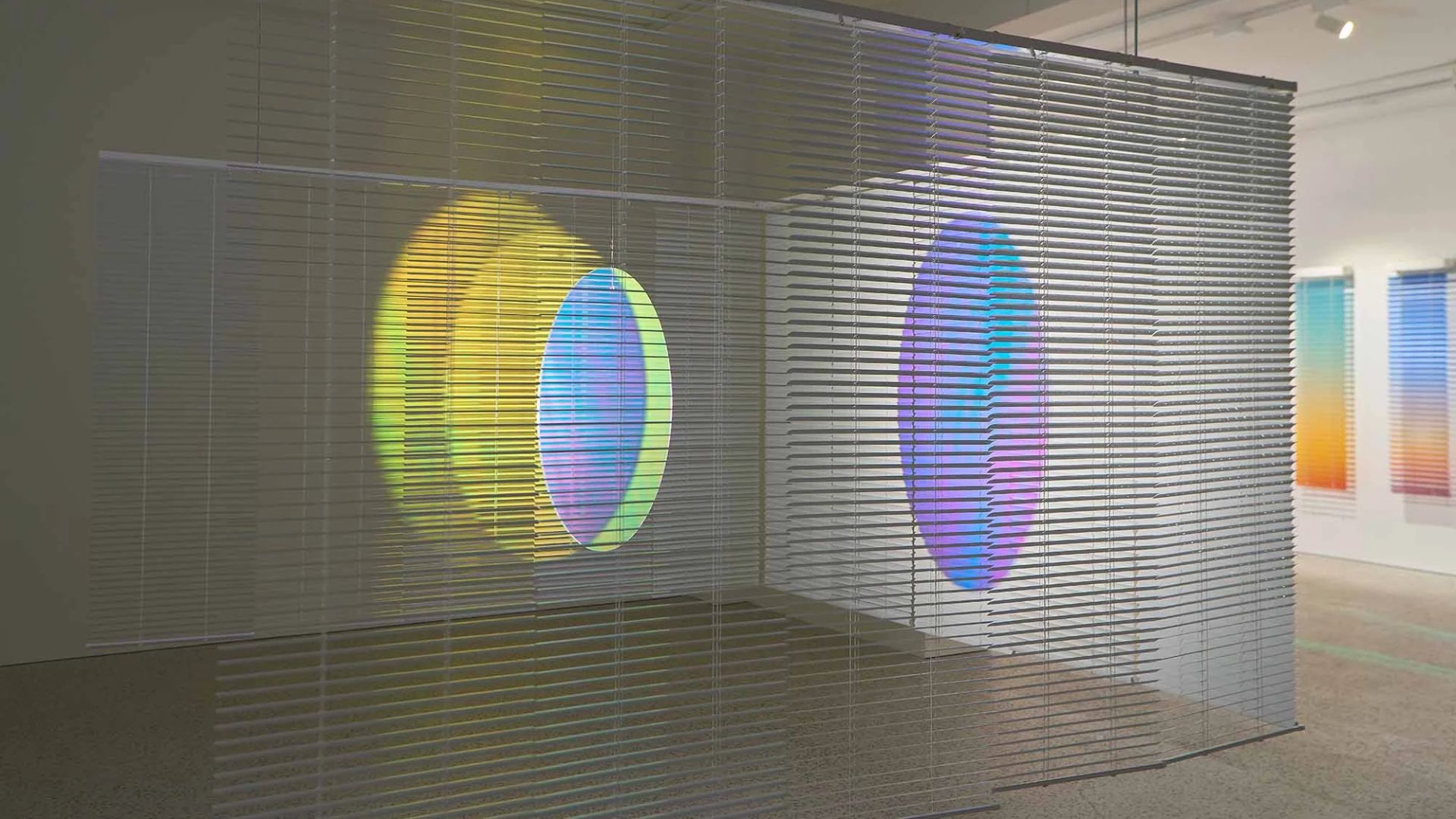
Exhibition view: “Sense of Agency”, Valentin Gillet, curated by Elisabetta Pagella, Espace Paralelle, Paris. Photo credits: Ophélie Maurus.

“Sense of Agency” by Valentin Gillet, curated by Elisabetta Pagella, at Espace Paralelle, Paris, 21/05/2026 – 25/05/2026.


Some exhibitions are experienced as questions. Walking into Sense of Agency, we found ourselves wondering how much of reality remains once its tools of representation decide to step into the spotlight. Not the world itself, then, but its backstage machinery.

The lights begin to flicker before they tell us anything. Blue, green, red. Colors that seem to breathe according to their own rhythm, like electronic organisms engaged in a secret conversation. And so a question emerges: when does an image cease to be a window and become a subject? When does it stop reflecting and begin to act?

Crossing the threshold of Espace Parallèle, one has the impression of entering a narrative machine left running after filming has wrapped. The kind of set the cinema usually keeps hidden, yet here it is displayed without hesitation. And just when we think we have exposed the trick, the trick multiplies. Fiction openly declares itself and, in doing so, becomes even more elusive.

It is from this tension that Valentin Gillet’s exhibition unfolds, a body of work that does not seek to oppose the real and the artificial, but rather to explore the ambiguous territory where the two contaminate and reshape one another. A territory in which images no longer wait to be interpreted; they generate meaning as we watch them.

The atmosphere of the exhibition space recalls a film set suspended between preparation and collapse. The light sources are not merely devices for illumination; they become protagonists in an intermittent choreography that structures the visitor’s experience. Sound also plays a crucial role in this construction. The digital hum of the equipment accompanies visitors like a discreet yet constant presence, immediately suggesting that what they are observing belongs first to a system of production and only secondarily to a representation.

The arrangement of the works creates an immersive and self-reflexive journey. Cameras, cranes, and tracking markers, normally confined to behind-the-scenes operations, occupy the visual field and become scenographic elements in their own right. Visitors find themselves literally walking across the same markers used by the film industry to generate virtual worlds. It is an effective gesture because it removes any reassuring critical distance: we are inside the mechanism.

At the center of this construction appears an androgynous figure dressed as a jester. It moves cautiously, as though every step might trigger an invisible detonation. It is perhaps the most compelling image in the entire project. Historically, the jester has been the figure permitted to speak truth through disguise; here, it seems to sabotage the equilibrium of simulation from within. It does not destroy the illusion—it exposes its seams.

A close examination of the works’ material construction reveals the conceptual core of Gillet’s practice. The images originate from found materials, which are subsequently reconstructed in their entirety through 3D modeling and artificial intelligence. This is not simply a matter of digital manipulation, but of genuine image regeneration. The process itself becomes an integral part of the artwork.

Particularly striking are the works devoted to elements of the human face. Two eyes and a mouth emerge as isolated fragments, stripped of their customary functions. The distortions do not seek spectacle; rather, they operate as analytical tools. The eyes can no longer be looked into, yet they continue to look back. The mouth has lost both teeth and smile, replaced by intraoral components designed for dental prosthetics. What would normally serve communication is transformed into a mute interface.

From this convergence arises a persistent sense of estrangement. Not because the images appear unreal, but because they seem to possess a form of autonomy. The theoretical influence of Vilém Flusser runs throughout the project: the image is understood not as a copy of the world, but as a structure that organizes our experience of it. From this perspective, the classical principle imago est similitudo rei suddenly appears fragile. Resemblance alone is no longer enough.

Sense of Agency derives its strength precisely from this ambiguity. The exhibition offers neither a critique of technology nor a celebration of the digital. Instead, it lingers in a more complex zone, where the image is observed as an active agent capable of redefining what we consider real, visible, and even true.

Leaving Espace Parallèle, what remains is a subtle sensation, like the feeling of walking away from a film set only to realize that the silence still contains the echo of machines that have been switched off. Those opaque eyes remain, unable to return our gaze; that mouth deprived of speech; that jester cautiously crossing the minefield of representation.

And one question persists, stubborn as a light that continues to flash in the dark: if images have truly acquired a capacity for action of their own, are we still the ones looking at them, or have they, for some time now, been looking at us?


-FW

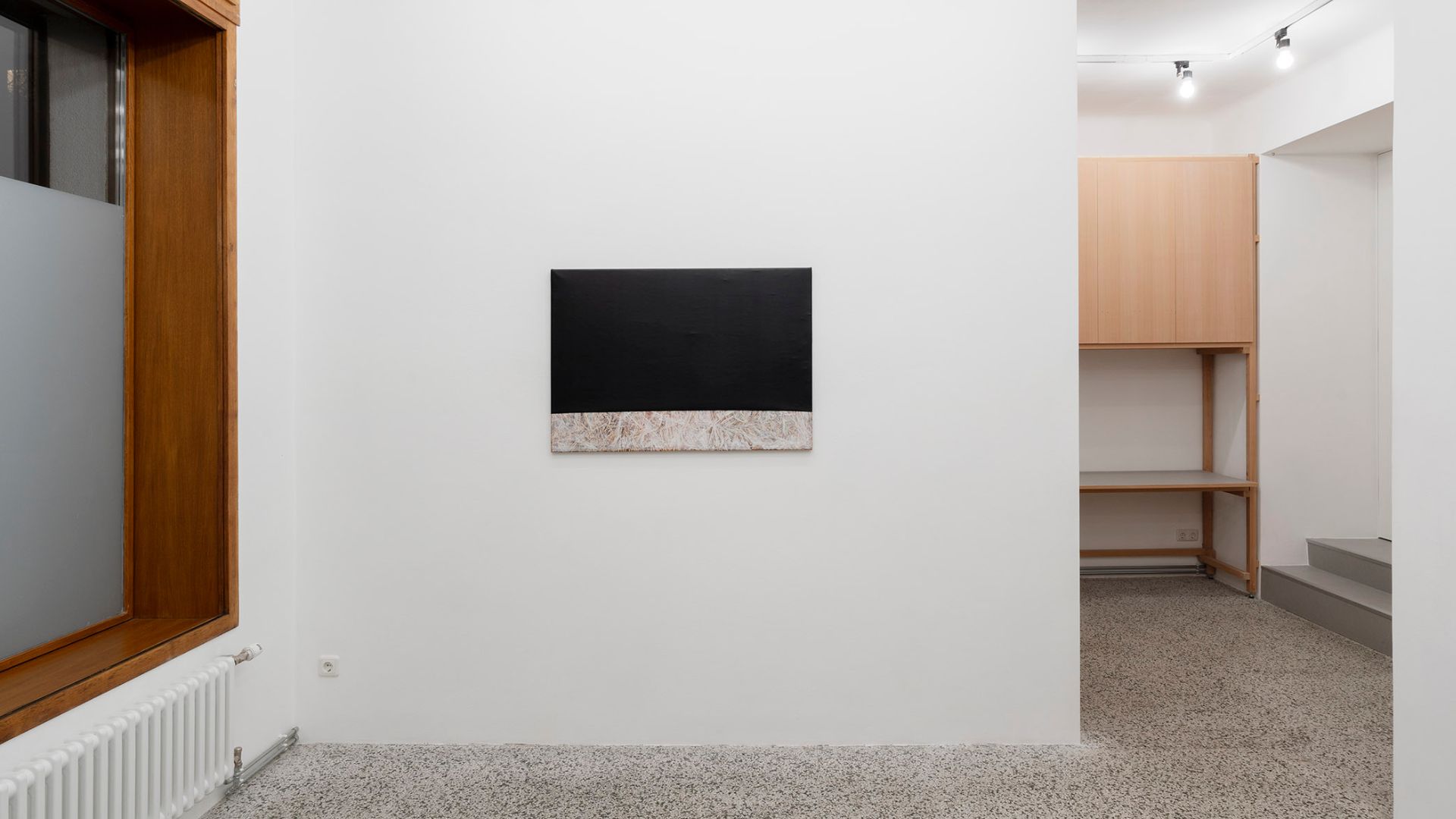
Exhibition view: “Sense of Agency”, Valentin Gillet, curated by Elisabetta Pagella, Espace Paralelle, Paris. Photo credits: Ophélie Maurus.