
A compliance officer in Brussels opens a spreadsheet before the image reaches the feed. The file names a provider, a model version, a deployment context, a category of risk, a schedule of review. The screen carries a modest administrative glow, yet its protocol touches every rendered face, synthetic voice, automated résumé filter, and civic chatbot that will later appear as frictionless interface. Generation enters Europe through clerical form, and the form begins to govern the fantasy of autonomy.
The operational claim is simple: capacity becomes political once it acquires a filing system. A model trained across scraped image economies and linguistic residues arrives inside a regime of custody, where latent space receives documentary borders and output enters circulation with assigned obligations. The law treats capability as a civic event, because distribution transforms experiment into infrastructure and infrastructure into exposure.
The decisive image has shifted from catastrophe to interval. Ranking, testing, logging, disclosure, and post-market monitoring compose a tempo in which harm appears as a measurable relation between deployment and attention. Panic images compress power into spectacle; institutional intervals stretch power across signatures, thresholds, reports, and review cycles. The spectacle loses altitude, and responsibility gains a calendar.
Europe names the machine by placing it inside a chain. Provider, deployer, importer, distributor, auditor, authority, user: each term functions as a relay through which economic benefit and civic answerability circulate together. The generative device still produces images, text, code, and sound; the more consequential production is a public trail through which society learns to ask who had the capacity to know, who had the duty to test, and who profited from delay.
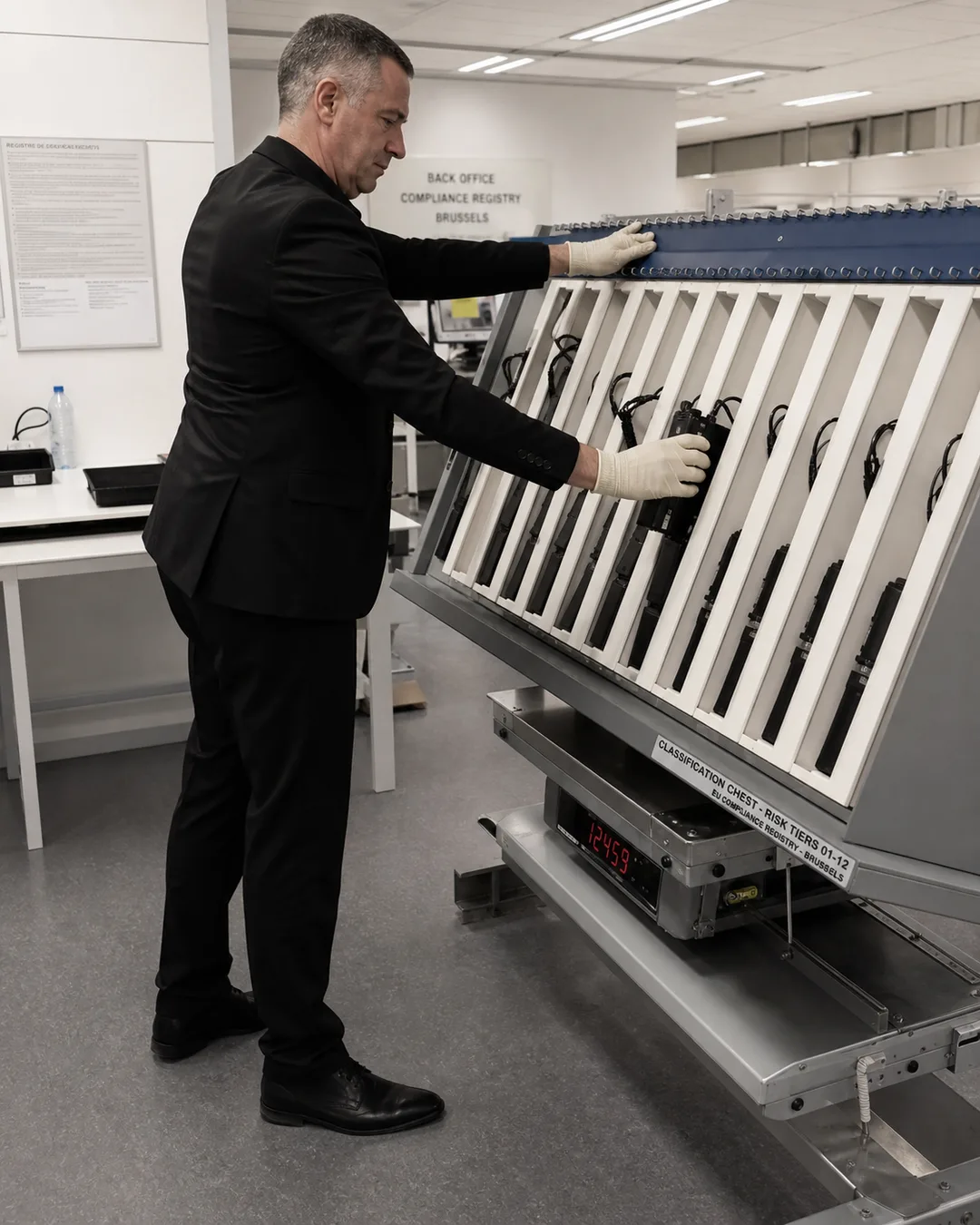
Risk Acquires a Clerk
Risk enters the registry as a sorting operation. Classification converts the sublime opacity of the model into a table of uses, thresholds, and duties, where the system’s social position matters as much as its technical architecture. Feed logic once made harm appear as velocity, a surge of images and claims outrunning public comprehension; the institutional phase makes harm appear as placement, because a model embedded in education, policing, hiring, credit, welfare, or health carries a heavier civic charge than a model circulating as private entertainment.
The clerkly gesture carries a strange force. A form asks where the system will be deployed, which data shaped its training, which users will face its decisions, which outputs require human oversight, which failures demand escalation. Protocol becomes a theory of power in miniature, because each field translates abstraction into a duty capable of surviving contact with procurement, marketing, and interface design. The old dream of the autonomous system meets the administrative materiality of the checkbox.
Grading produces a public grammar of exposure. High-risk designation turns design into evidence, asking for risk management, data governance, technical documentation, logging, transparency, human oversight, accuracy, robustness, and cybersecurity. Each requirement places the device inside an accountable interval, a span between release and review, incident and report, update and reassessment. Harm gains a temporal architecture, and the model appears as a process under custody.
The file also reorganizes attention. The spectacular error, the viral hallucination, the uncanny fake, all continue to circulate through ranking systems hungry for affective intensity. Institutional attention moves along a different axis, reading minor procedural gaps as signs of structural negligence. A missing log, a vague summary, an absent assessment, a delayed update, each one becomes a civic image of the system’s relation to the world.
The displacement lies in the status of fear. Fear once surrounded the machine as atmosphere; classification turns fear into workload. The archive absorbs anxiety and returns it as obligation, proving that bureaucracy can function as a medium of political imagination when every line item points toward someone with a signature.
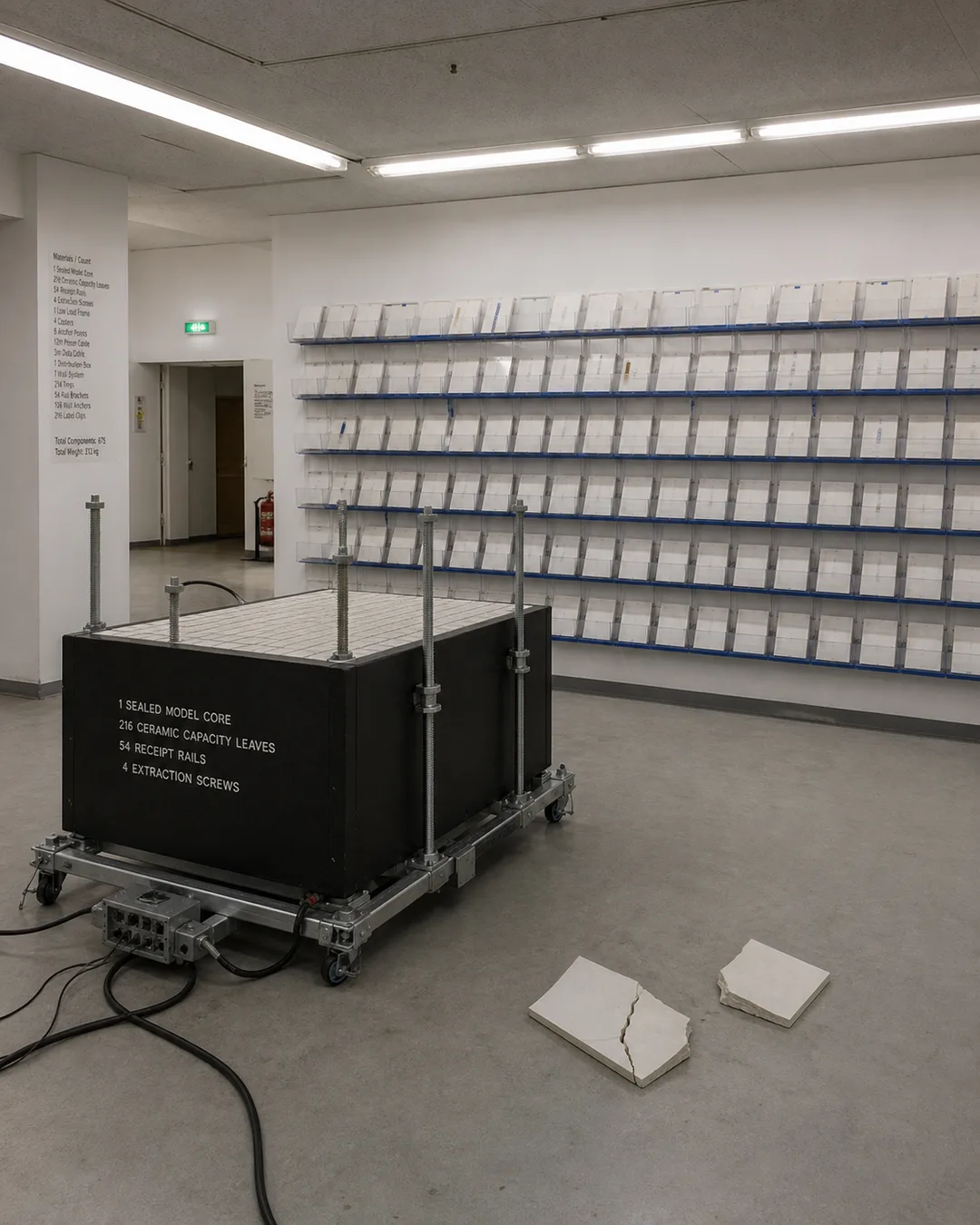
Capacity Takes Public Form
Capability becomes legible through publication. A general-purpose model arrives before the public as a set of summaries, evaluation traces, model information, and update histories that translate scale into civic intelligibility. Latent space usually hides behind the surface fluency of output; documentation pulls part of that hidden field into view, giving capacity a contour that can be compared, contested, and governed.
The notice performs an aesthetic operation. It interrupts seamlessness by attaching a civic label to the machine’s fluency, turning the apparently spontaneous answer into a result with provenance, version, and declared limits. Platform culture trained users to experience intelligence as interface speed; the institutional register asks them to encounter intelligence as documented capacity. The answer remains smooth, while its conditions acquire grain.
Logs matter because power often resides in repetition. A single generated text may carry little political weight, yet the accumulation of prompts, refusals, outputs, errors, overrides, and updates reveals a distributional pattern. Logging shifts scrutiny from the anecdote to the series, from the viral failure to the operational drift. The model’s conduct becomes readable across time, and time becomes a forensic surface.
Summaries of training content produce a second form of publicness. They gesture toward the data economies that feed generation, where books, images, code, posts, captions, archives, and private labor enter statistical proximity. Training bias appears here as both residue and direction, a field of inherited inequalities that capacity can amplify through scale. Civic judgment begins where the fantasy of clean computation gives way to the sediment of extraction.
Update histories convert improvement into testimony. Each modification reveals an institutional answer to pressure: safety incidents, market competition, regulatory inquiry, reputational injury, user adaptation. Model capacity becomes a moving target with a memory, and that memory belongs to the public once deployment touches public life. The machine’s intelligence becomes credible through its receipts, and its receipts become a politics of revision.
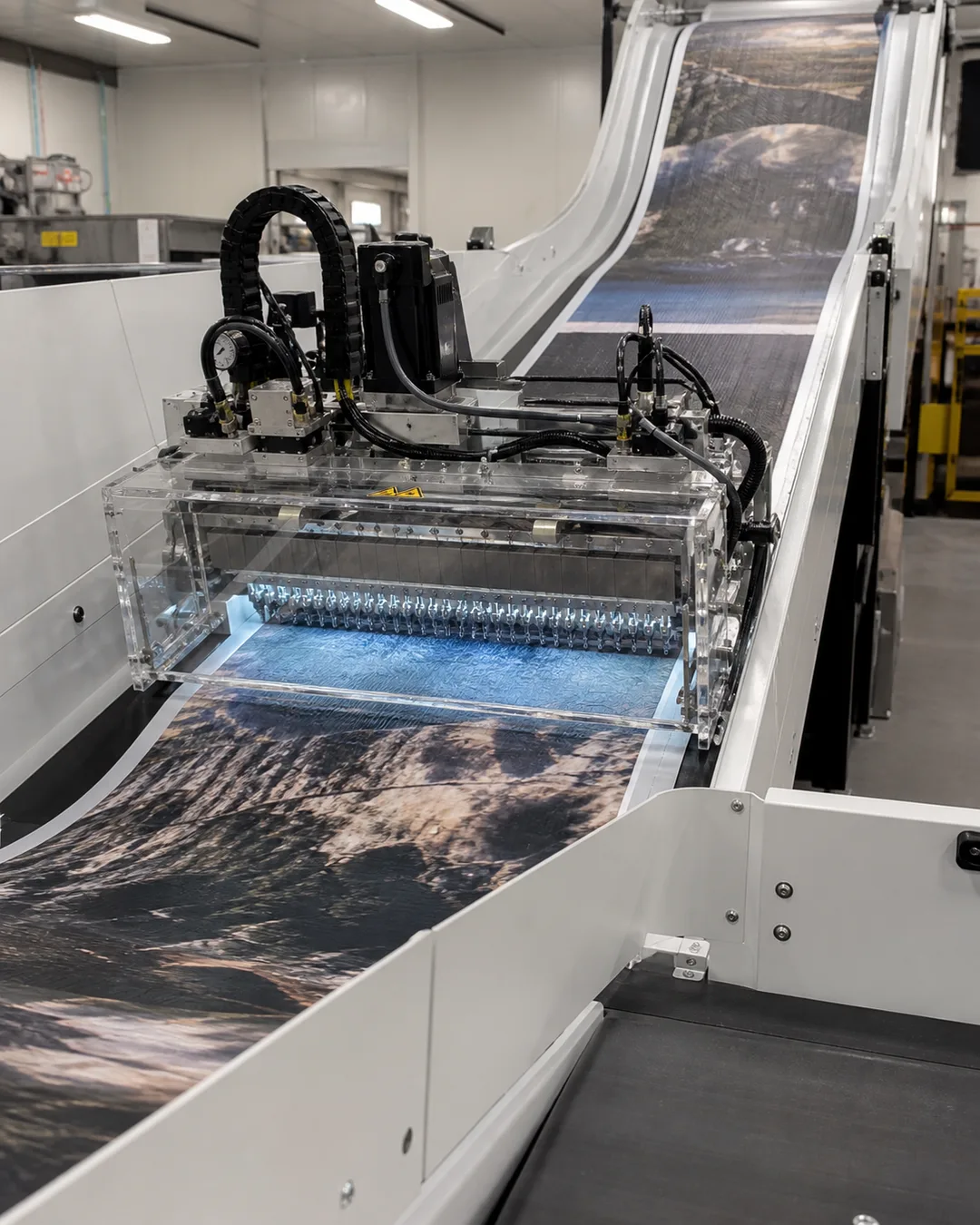
The Device Signs the Image
The image now carries a signature beyond style. Watermarking, metadata, disclosure interfaces, and provenance standards attach generation to a chain of custody, making output available to verification rather than mere suspicion. The synthetic image once thrived as an event of uncertainty, an object that made spectators ask whether seeing still carried evidentiary force. The signed image redirects the question toward who produced the conditions of visibility.
Provenance changes the status of attention. A viewer encountering an image in a feed meets a ranking system before meeting the scene, because distribution frames perception in advance. Disclosure inserts another layer into that frame, asking attention to register the technical origin of the object alongside its affective charge. The eye receives a social instruction: trace the image past the screen.
Documentation turns seeing into procedure. A synthetic campaign image, a generated child, a fabricated battlefield, a deepfake confession, each one carries force through circulation and plausibility. Public trails create a path from surface to system, from viral content to model, from model to provider, from provider to duty. The image becomes less like an isolated artifact and more like the visible end of an infrastructural agreement.
The device signs the image because the device has already signed the user. Prompts, accounts, subscriptions, datasets, content filters, and moderation layers create a mutual inscription in which the user’s request and the system’s capacity co-produce the final object. Custody runs both directions: the platform stores the trace of desire, and the output stores the trace of the platform. Generation becomes a transaction with aesthetic consequences.
The deeper consequence concerns belief. It redistributes the burden of trust across protocols, institutions, and interfaces. The signed image teaches a public to see through custody, and seeing through custody turns vision into a civic technique.
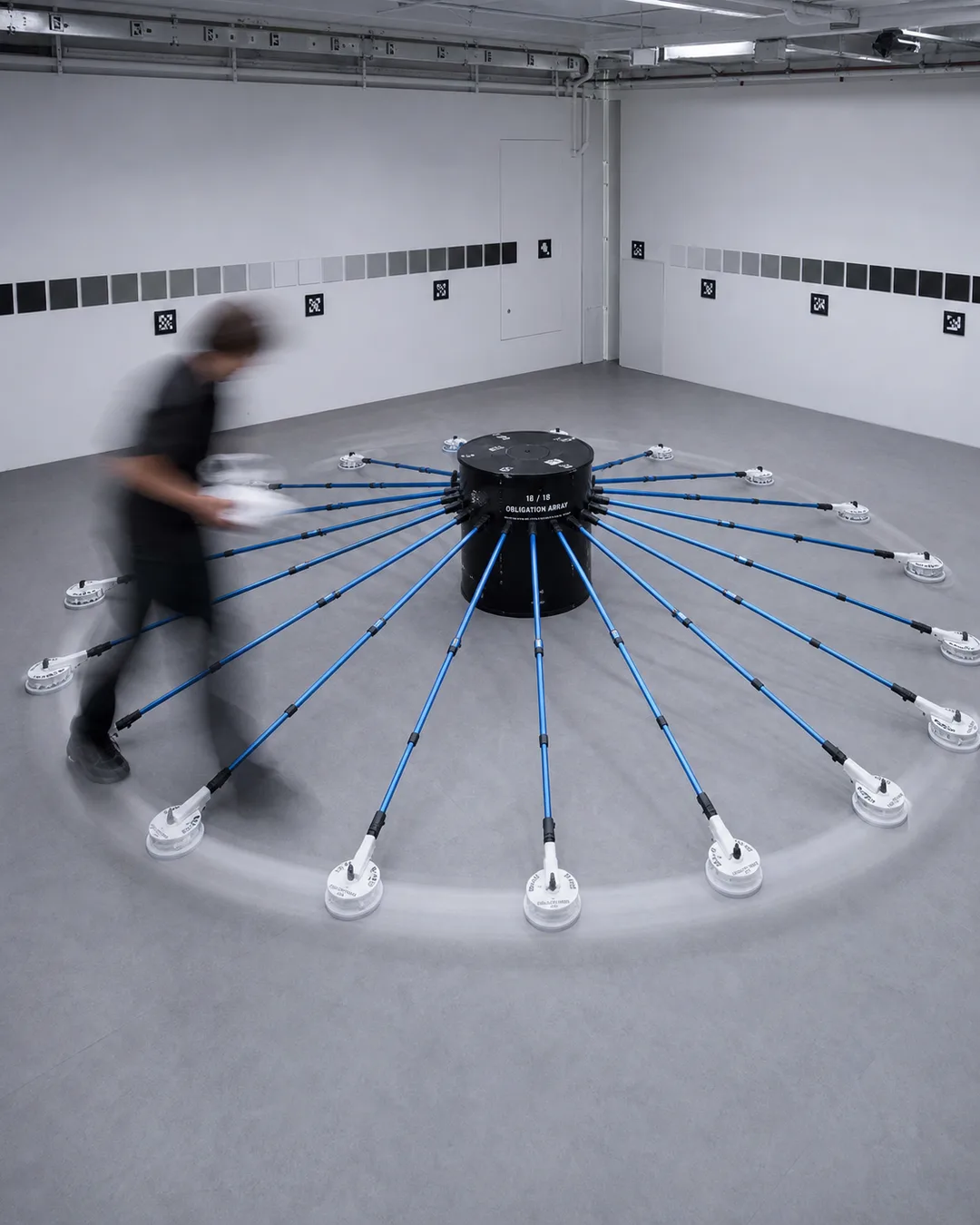
Obligation Follows Reach
Reach becomes a measure of responsibility. A model used by millions, integrated across services, or embedded inside critical processes carries obligations proportional to its distributional force. Scale changes the moral physics of the device, because each additional context multiplies exposure, dependence, and the probability that a design decision becomes a social fact. The law reads circulation as pressure.
Autonomy matters through the distance it creates between design and consequence. A system that recommends, ranks, generates, filters, decides, or triggers actions inside institutional workflows reorganizes agency across human and machine actors. Oversight becomes meaningful when it has power over timing, comprehension, intervention, and reversal. A human placed as decorative witness inside automated procedure becomes part of the interface, while genuine oversight modifies the protocol.
Deployment context gives capacity its political weight. The same model behaves differently when placed in a classroom, border checkpoint, hospital intake form, advertising console, recruitment platform, or welfare assessment tool. Training bias acquires institutional consequence through the setting that activates it. The system’s burden grows where users face dependency, asymmetry, or diminished exit.
The architecture of obligation also governs speed. Launch culture rewards rapid distribution, iterative repair, and permanent beta as market virtues. Regulatory burden inserts a counter-tempo, asking for assessment before expansion, documentation during modification, and monitoring after release. Acceleration meets the calendar of answerability, and the update becomes a legal event rather than a platform reflex.
The insight sits inside proportionality. Heavier duties follow wider reach because reach converts private engineering into public environment. A system becomes more responsible as it becomes harder to avoid, and civic life begins where avoidance ceases to function as freedom.
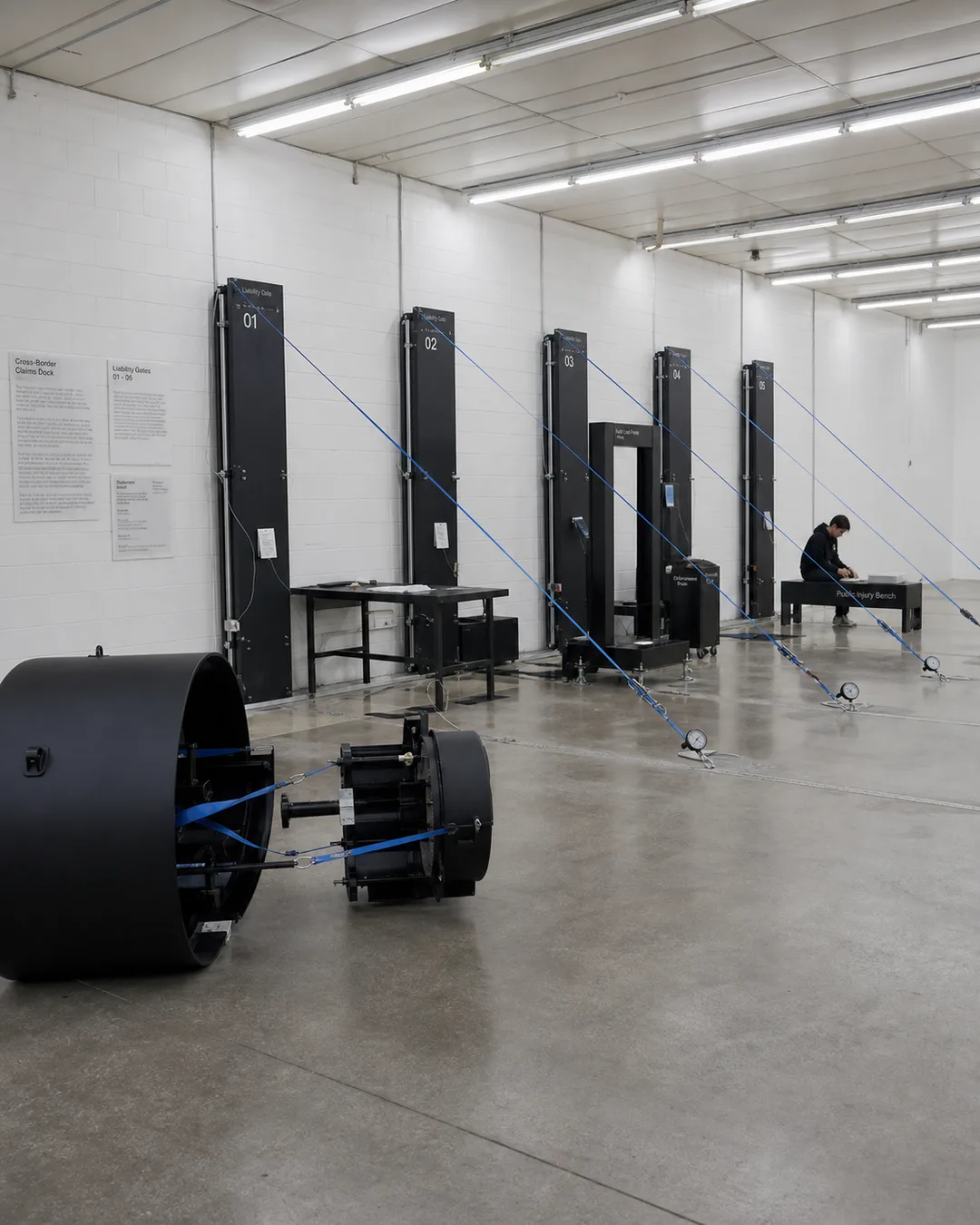
Power Travels Through Liability
Liability maps the route of power. Providers design capacity, deployers place it in social situations, auditors test its claims, authorities enforce its obligations, and affected publics reveal its consequences through use, refusal, complaint, and injury. The chain gives economic value a legal shadow, attaching profit to duties that travel with the system across contracts, interfaces, and jurisdictions.
The provider holds a privileged relation to opacity. Model weights, training regimes, safety evaluations, red-team results, and update decisions sit closest to the site where capability is composed. Documentation forces a controlled disclosure of that privileged position, making technical authority answerable to civic scrutiny. The provider’s knowledge becomes a public resource once its model becomes an infrastructural dependency.
The deployer translates capacity into governance. A municipality, hospital, school, employer, bank, media company, or platform chooses the context in which a model’s outputs acquire practical force. Procurement becomes political protocol, because integration decisions determine who encounters the system, under which conditions, and with which avenues of appeal. Deployment turns abstract capability into situated power.
Auditors and authorities occupy the hinge between trust and enforcement. Their work depends on access, standards, evidence, and the ability to read both technical performance and social consequence. Ranking metrics, bias tests, incident reports, and conformity assessments become instruments through which the system’s public life can be measured. Verification emerges as a contested civic craft, formed at the intersection of code, law, and institutional courage.
Liability also reorganizes the economy of innovation. A company that externalizes risk into users, moderators, artists, workers, or publics discovers that extraction can return as obligation. Legal answerability follows value through the supply chain, making responsibility part of the cost structure of intelligence. The market receives a lesson in provenance: every generated surplus carries a traceable debt.
The chain leaves no sovereign machine at its center, only relays of capacity, distribution, and judgment. Power travels through liability because every profitable interface asks someone else to trust it. The future of generation will be written in outputs, and also in receipts.