
Will artists know if their work trained an AI model? Six forecasts for 2 August 2027
21 Nov 2026 · 9 min · by fakewhale
 AI
We are surest about the rules and least sure about enforcement.
The probability Fakewhale gives each forecast today, scored on 2 August 2027
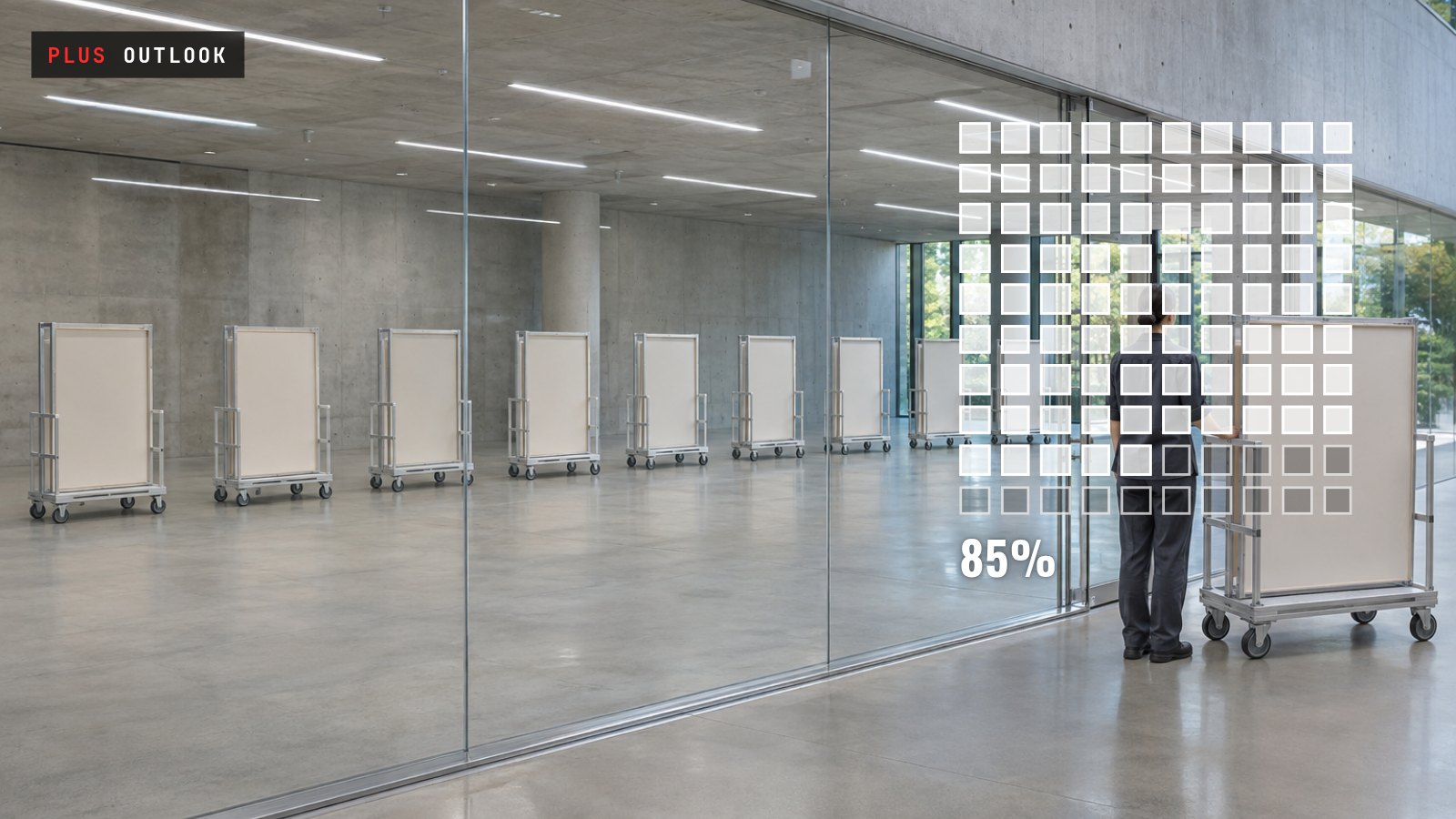
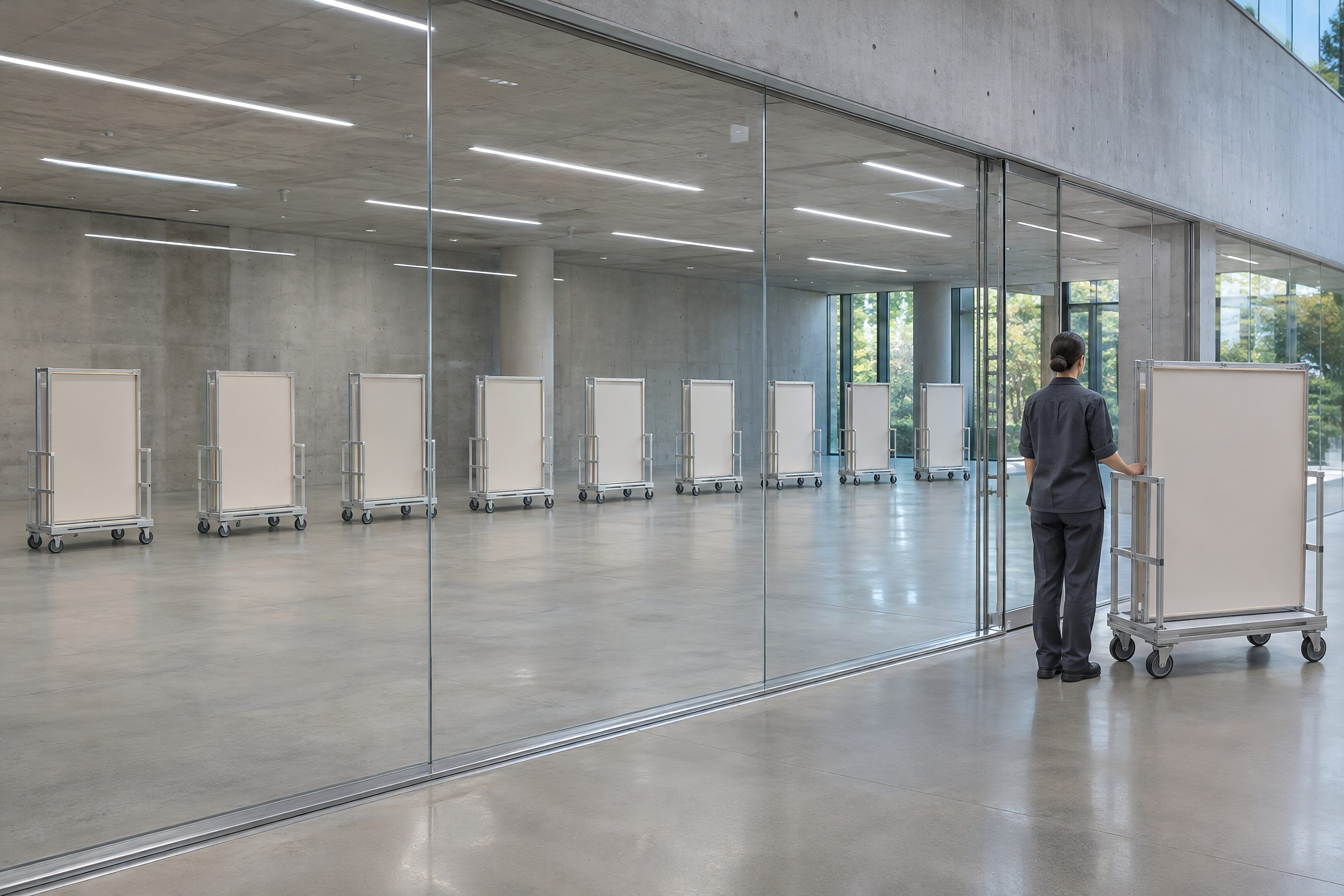
Source Fakewhale's register of forecasts, this page; the evidence for each is in the scorecard. Photograph: a museum digitisation studio after hours, a condition, generated for this page.
The EU AI Act asks every provider of a general-purpose AI model to publish a summary of the content it trained on (). For models already on the market before 2 August 2025, the deadline is . We read the act, the Commission's template, the summaries the providers have published and the court cases on training, then wrote down what we expect.
By that date artists will learn which large collections and websites a model was trained on. Details of individual works will remain in the provider's records. We call this provenance by collection. Each of the six forecasts below predicts how much this will reveal, with our estimated probability and a public record for checking whether we were right.
THE FORECASTSSix forecasts for 2 August 2027
- 85%
The deadline for models on the market before 2 August 2025 will still be 2 August 2027.
Scored on 2 Aug 2027 - 85%
The Commission will still let providers of older models leave gaps in their summaries, as long as they explain them.
Scored on 2 Aug 2027 - 70%
At least four of six large providers (OpenAI, Anthropic, Google, Meta, Mistral AI, Stability AI) will have published a summary for a model released before 2 August 2025.
Scored on 2 Aug 2027 - 85%
At most one of the same six providers will offer a public way to check whether a given image trained a named model.
Scored on 2 Aug 2027 - 35%
Between 21 November 2026 and 2 August 2027 the Commission will publish a decision that finds a provider in breach of the copyright or summary rules.
Scored on 2 Aug 2027 - 65%
The Court of Justice will have declared the two questions on training language models in Like Company v Google inadmissible, leaving their substance unanswered.
Scored on 2 Aug 2027
- F-1Open
The act sets it (). The reform adopted this year moved other dates of the act and left this one in place (). A further change remains possible, so the probability stays below certainty.
How it is settledThe text of the AI Act in force on 2 August 2027, on EUR-Lex, and the Commission's timeline for general-purpose models. An adopted change that moves the date makes the forecast wrong; a proposal alone leaves it standing.
- F-2Open
The Commission's own answers to providers allow for older models today. The summary itself stays a duty, written on a .
How it is settledThe Commission's template, explanatory notice and answers on the public summary of training content, as published on 2 August 2027.
- F-3Open
of the six already publish summaries for newer models: , and . The deadline and fines of up to or of yearly turnover give the others a reason to follow ().
How it is settledThe official documentation of the six providers. A summary counts when it names a model released before 2 August 2025.
- F-4Open
The template asks for the of web domains a model learned from; the addresses of single works are . The summaries published so far describe collections, such as the web archive OpenAI names.
How it is settledThe six providers' summaries and any search tool or index they link to. A provider counts when its tool takes an image or the address of a work and answers for a named model.
- F-5Open
The Commission can fine providers since 2 August 2026 () and has sent its first . Those requests concern other subjects, so a first decision on copyright inside the window is the less likely outcome.
How it is settledThe decisions published by the Commission and its AI Office. Only a decision that finds a breach of the copyright policy or the summary rule counts.
- F-6Open
The Advocate General advised the Court on 3 November 2026 to have them . The Court decides alone and can still answer them.
How it is settledThe Court's judgment or order in case C-250/25, on the Curia website.
PLUS · Members
Continue reading
This piece is part of PLUS. Membership opens it in full, with every PLUS piece, Member Dispatches, Hypercast Sessions and Your AI Curator.